Skip to content
Labubu didn’t “appear overnight.” It grew step by step—from a picture-book world into a global collectible, then into plush and daily-life merchandise. As a factory partner, I study this journey because it shows how a small, authored character can scale without losing its soul. The simple timeline is clear: mid-2010s origin under illustrator Kasing Lung’s “The Monsters,” small art-toy runs that trained fans to respect scarcity, a distribution inflection when blind-box culture met consistent release cadence, and finally a lifestyle breakout once plush charms and soft accessories entered mainstream retail. What keeps the momentum alive is the balance: strong silhouette, gentle humor, and a release system that feels fair. For brands and retailers, the lesson is practical: protect face geometry, stage thoughtful waves, and translate the design into tactile formats (like plush) without breaking the original mood. When we build plush at Kinwin, we keep expressions stable with micro-cluster fill in faces, softer bellies for hug feel, and sealed bead liners only when weight is needed. We also align packaging to price tiers—matte basics for core SKUs, foil or magnetic boxes for premium—so perceived value stays honest. The same rhythm that helped Labubu grow can help your IP move from niche to global shelves: author first, cadence second, collaboration third, community always.
When was the Labubu character first created and introduced?
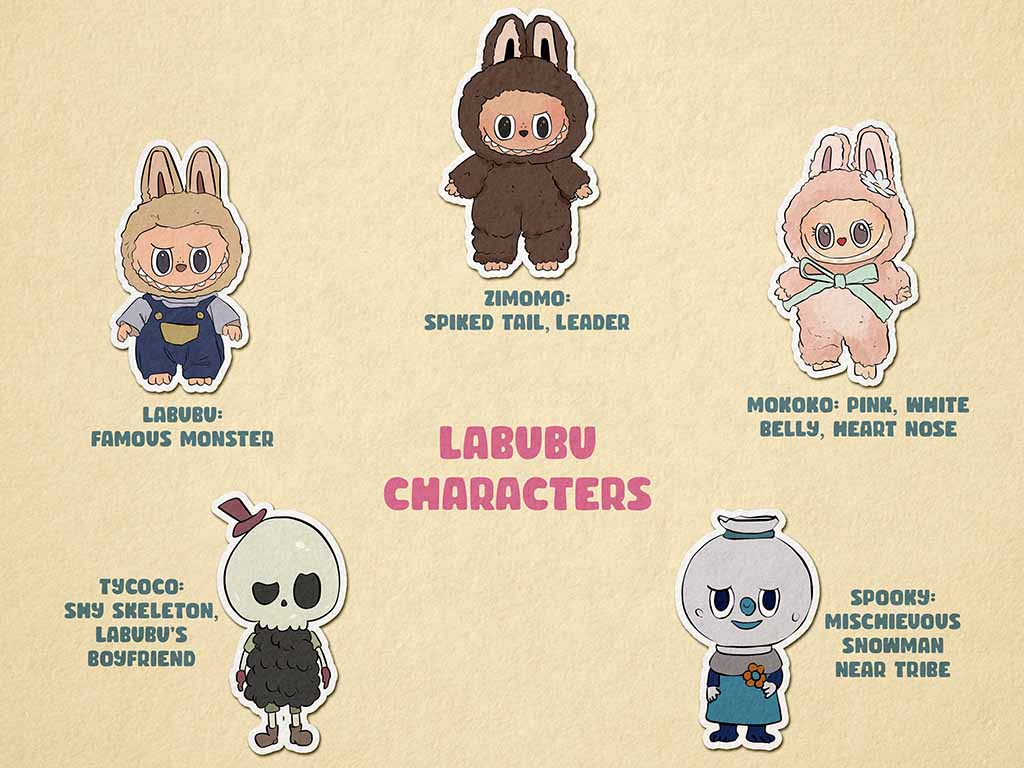
Labubu began as a story character—playful, slightly mischievous, and instantly readable from silhouette alone. The first “public” phase lives in the mid-2010s, when drawings became small runs of 3D figures shown at select events and specialty stores. Those early editions were intimate: hand-touched paint, quiet matte finishes, and packaging that felt more “art book” than mass retail. The creative choice was smart. By keeping the face triangle (eyes–mouth–nose) tight and the ears iconic, the design traveled cleanly from paper to sculpture. Fans learned an important rule: the soul stays, the finishes change. This is why tiny changes—eye tilt, ear angle, or palette—produce new moods without breaking identity. For historians and collectors, that first phase matters because it set a timestamp for provenance and taught people to document runs. For brands planning plush today, the lesson is to lock key proportions early and keep textures calm; high-gloss or heavy textures can fight the gentle fairy-tale mood. In our sampling room, we stabilize expressions with denser face fill and softer torsos, so the character looks “alive” on shelves and in photos. We also choose threads that disappear into the pile, because visible seams distract from the eyes. That is the real secret of the introduction: a design so clear and soft that almost any format—vinyl, resin, or plush—still looks like the same beloved friend.
Early introduction summary
| Item | Detail | Why It Matters | Execution Tip |
|---|---|---|---|
| Creative origin | Picture-book universe | Author voice builds trust | Credit the creator clearly |
| First 3D pieces | Small, art-focused runs | Set the canonical silhouette | Protect face geometry |
| Finish language | Matte, soft palettes | Keeps warmth & calm | Avoid loud gloss early |
| Packaging tone | Bookish, minimal | Signals “art,” not commodity | Quiet logos, clean boxes |
| Collector habit | Document & respect runs | Healthy aftermarket later | Publish edition info openly |
How did early collaborations shape Labubu’s collector identity?
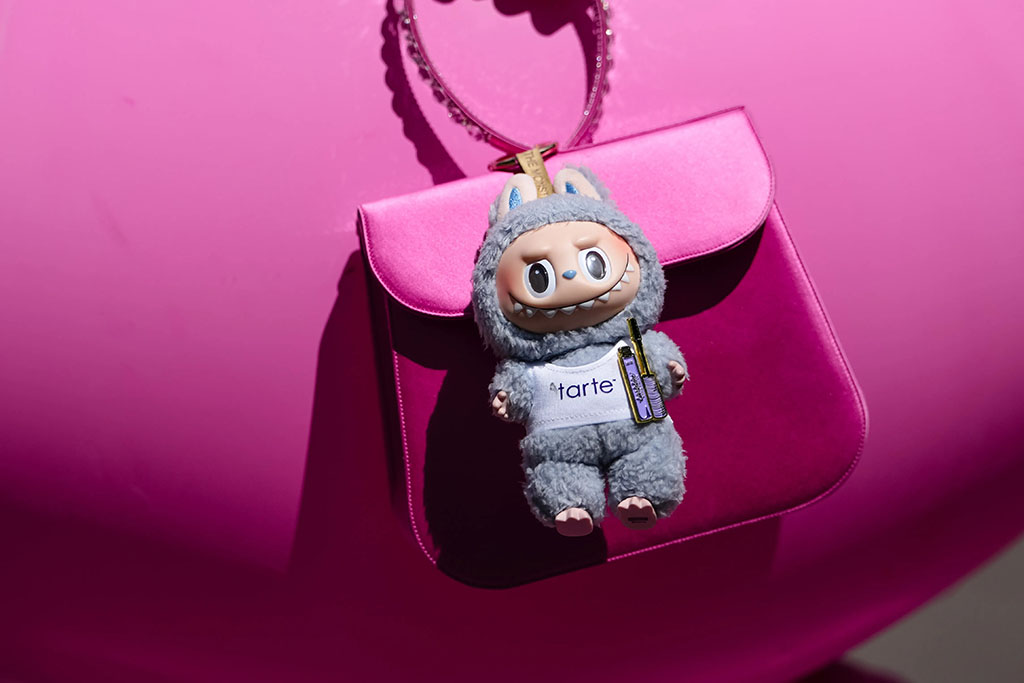
Before mass distribution, collaborations with specialist makers and curated stores gave Labubu a “learning arena.” Fans discovered how scarcity could feel fair: clear calendars, humane queues, and quality that justified the chase. Material experiments—translucent shells, frosted textures, metallic dusting—kept curiosity high while the silhouette stayed sacred. Geography added ritual: Taipei or Hong Kong drops one month, a small gallery event another. Collectors built travel stories, learned to trade politely, and started photographing shelves as if they were tiny museums. Most important, provenance became part of the fun: signed cards, artist notes, and edition markers turned each piece into a chapter of a larger book. I recommend the same pattern to new IP owners: pair with a few credible partners, add one new capability per collab (a texture, an accessory, or a display idea), and keep documentation simple but consistent. On the factory side, collaboration phases demand tight tolerances—eye alignment, seam cleanliness, color matching—because small runs magnify small flaws. In plush, we translate that discipline into density maps (firmer cheek zones for stable expressions), reinforced closing seams (ladder stitch with hidden knots), and inner liners if weight is required. These habits build a collector identity that is proud but welcoming: people feel they are joining a story, not fighting a lottery.
Collaboration identity builder
| Aspect | What Early Collabs Did | Collector Signal | Brand/Factory Action |
|---|---|---|---|
| Fair scarcity | Small, well-announced runs | “Respect my time” | Share calendars & caps |
| Material growth | One new finish at a time | “This world evolves” | Add capability per project |
| Geographic ritual | Regional drops | “Travel & trade” | Tell the local story |
| Provenance cues | Cards, signatures | “This is authored art” | Include creator ephemera |
| QC discipline | Clean faces, tight seams | “Worth the chase” | Shared tolerances, photo checks |
When did Labubu expand from art toy to mainstream merchandise?
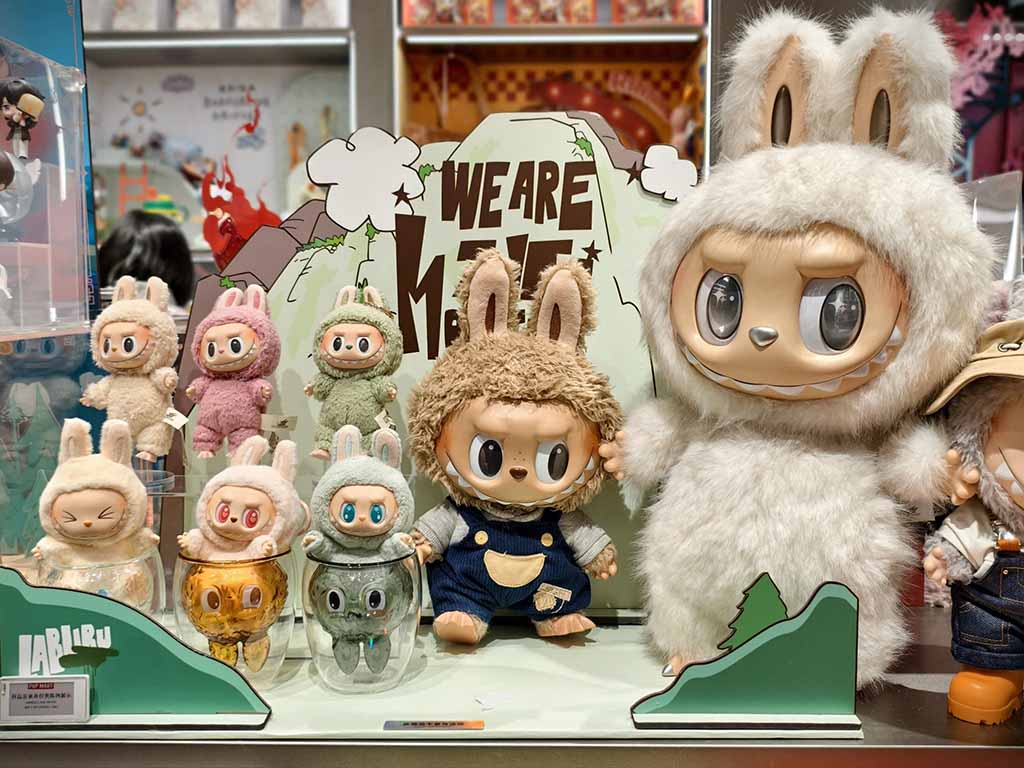
The shift from niche shelves to lifestyle bags and jackets came when cadence met comfort. Once the release rhythm was steady, softer formats—especially plush charms, long-pile minis, and giftable accessories—moved the character into daily life. The timing aligned with comfort culture: adults wanted small, soothing objects with design taste; teens wanted photogenic companions that clipped to totes and hoodies. Retail also matured. Specialty stores remained, but malls, pop-ups, and travel retail added broader visibility. Packaging helped tell the new story: clear windows for cute faces, matte boxes for gift tiers, and QR codes linking to authenticity or mini-lore pages. For brands, this stage is where unit economics matter. Plush SKUs need consistent expression control (face remains readable across sizes), washable materials, and clear care labels. We engineer faces with micro-cluster fill to prevent “sunken” looks, keep bellies softer for hug value, and use sealed bead liners only when a sitting pose needs weight. Price ladders also stabilize perception: entry-level charms always on, monthly specials for active fans, and occasional premium boxes for display collectors. The art stays intact, but the product becomes a friendly habit—something you see in selfies, cafés, and subway snapshots every day.
Format expansion map
| Phase | Format | Shelf Role | Ops Priority | Plush Tip |
|---|---|---|---|---|
| Niche | Vinyl art toys | Display hero | Finish quality | Keep silhouette strict |
| Bridge | Blind boxes | Cadence engine | Forecasting | Plan waves & variants |
| Lifestyle | Plush & charms | Daily touchpoint | Washability, tags | Stabilize face with clusters |
| Premium | Boxed editions | Gift & display | Packaging craft | Magnetic/foil options |
| Always-on | Core mascots | New fan entry | Replenishment | Keep SKUs in stock |
How did Pop Mart and artist collaborations boost its timeline growth?
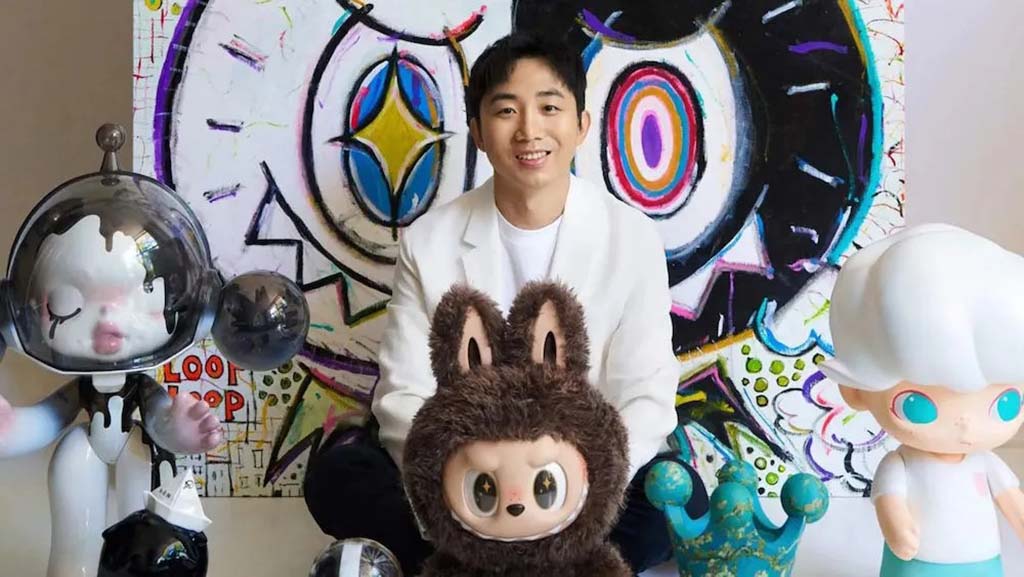
A modern IP needs two engines: creative authorship and distribution cadence. Pop Mart supplied the latter—global stores, an app ecosystem, and a culture of timed drops that fans could plan around. The artist protected the former—face geometry, mood, and story logic across variants. Together they formed a loop: announce, anticipate, drop, share, and archive. Each wave built on the last without flooding the market. The psychology is simple: collectors trust a rhythm that respects their time and budget, and casual buyers become collectors when they see that rhythm produce consistent joy. For your brand, the lesson is to pair creative governance (what cannot change) with release mechanics (what can change, when, and where). Write this down. Lock a style guide for faces and proportions, set a quarterly release ladder, and define slots for collaborations and seasonal experiments. On the factory floor, we mirror that structure with spec sheets, pull-test targets, needle detection, and photo checkpoints, so the pipeline stays reliable as volumes rise. Growth is not just more units; it is more trust per unit.
Growth engine blueprint
| Lever | What It Adds | Non-Negotiables | Risk to Watch | My Factory Note |
|---|---|---|---|---|
| Cadenced drops | Predictable hype | Honest calendars | Fatigue if too dense | Space waves 4–6 weeks |
| Omnichannel | Global access | Same rules online/offline | Channel confusion | Sync POS & app rules |
| Artist guardrails | Identity protection | Face geometry, mood | Off-brand variants | Keep a strict style guide |
| Collab slots | Fresh audiences | Clear rights & QC | Brand dilution | One capability per collab |
| Community content | UGC momentum | Authenticity tools | Fake/spam risk | Publish COA/QR checks |
What milestones marked Labubu’s global recognition and fanbase expansion?
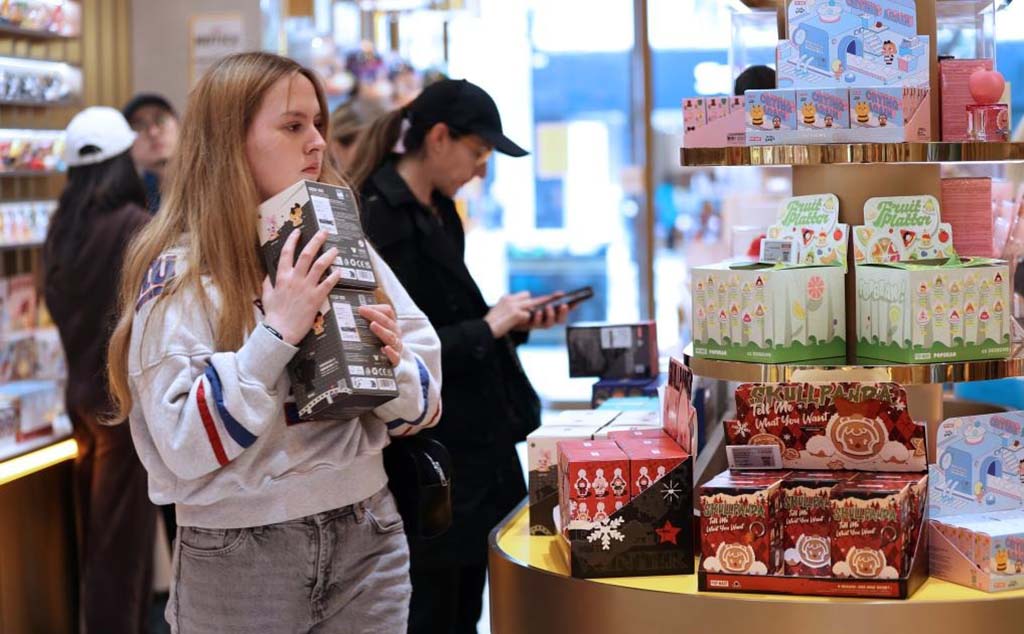
Every cultural rise has “spikes” that push awareness outside the core. For Labubu, several moments stand out: the first time a drop sold out across regions; the first celebrity sighting that made fashion pages cover a toy; the first café or pop-up where lines formed for photos; and the first travel retail presence that turned airport shoppers into fans. In parallel, plush charms became a quiet powerhouse—low price, high shareability, easy gifting. Media learned to describe the character in one line, which helped editors tell the story without deep background. The secondary market also matured, with price trackers and authenticity guides that kept trading energetic but safer. For brands, milestones are tools. Mark yours on a simple timeline, tie them to content plans, and capture clean photography for future press kits. When we support partners, we prepare “spike kits”: press images, packaging close-ups, and a short origin blurb so journalists can publish fast. Protect quality during hype—nothing kills momentum like seam issues or face misalignment during a viral moment.
Milestone tracker
| Milestone Type | Example Outcome | What It Signals | How to Prepare | Risk Control |
|---|---|---|---|---|
| Sell-through spike | Multi-region sellout | Product–market fit | Reorder triggers | Don’t overprint |
| Celebrity carry | Fashion/media coverage | Lifestyle crossover | Press kit ready | Verify rights usage |
| Pop-up lines | Long queues & UGC | Community strength | Staff & flow plan | Avoid fake scarcity |
| Travel retail | Airport/city stores | Global onboarding | Compact packaging | Consistent pricing |
| Plush virality | Charms in selfies | Daily visibility | Wash/care labels | QC face alignment |
How has Labubu’s release timeline influenced designer toy trends?
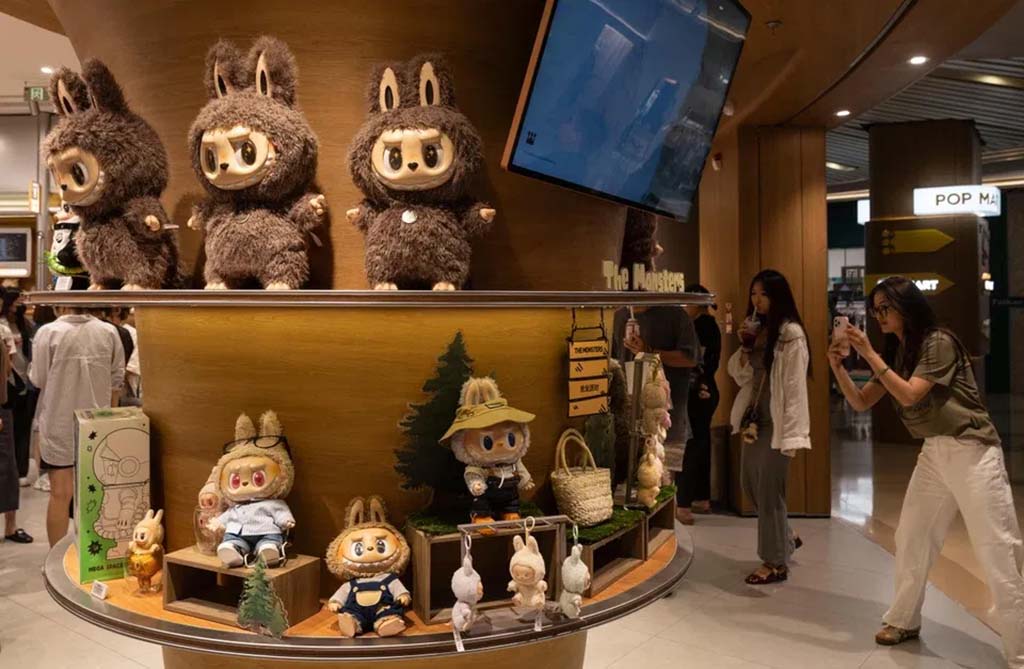
Labubu’s path has become a reference playbook for new IPs: start with authored art that sets a pure silhouette; use small, fair early runs to teach community etiquette; scale through a repeatable drop rhythm; and translate into soft formats to enter daily life. This structure changed how studios plan. Today, teams design for cadence and collaboration from day one—format grids, color libraries, and packaging tiers are mapped before the first photo hits social media. We also see a stronger focus on “gentle scarcity”: variants and regional moments exist, but core items remain available so newcomers can join without frustration. For plush makers, the influence is even more direct: face stability, softer handfeel, and friendly price ladders are now standard expectations. At Kinwin, we build those expectations into patterns and SOPs—micro-cluster in the face, softer body fill for hug value, sealed liners when weighted sitting is needed, and stitch choices that hide closures. Trends come and go, but this timeline logic—authorship, cadence, community, comfort—has staying power because it respects both art and buyers.
Influence map for new IPs
| Timeline Step | Trend Shift in Market | Brand Habit Today | Factory Habit Today | What to Avoid |
|---|---|---|---|---|
| Authored origin | Story over hype | Credit the creator | Keep geometry locked | Generic mash-ups |
| Fair early runs | Healthy scarcity | Publish counts/dates | QC photo gates | Chaos drops |
| Cadenced scaling | Predictable waves | Release ladders | Forecast by tier | Random restocks |
| Soft translation | Comfort formats | Plush & charms | Face-stability fills | Over-hard packing |
| Community tools | Safer trading | COA/QR | Needle detection & care tags | Ignoring fakes |
Conclusion
A good plush toy is safe, soft, durable, and emotionally appealing while also offering creative branding opportunities. Labubu’s timeline proves how a single authored design can move from art studios to global shelves without losing integrity.
At Kinwin, we help global buyers develop customized plush solutions that carry the same balance of artistry and safety. Every project is built on certified materials, stable stitching, and expressive design translation that protects the character’s original charm. Whether you are scaling a collectible IP or launching a new mascot line, our team ensures your plush stands out in competitive markets and passes CE, EN71, ASTM F963, and CPSIA standards.
Contact us at [email protected] or visit kinwintoys.com to discuss your next project and explore how our factory can support your success.