Skip to content
Stuffed animals are comforting and adorable, but when it comes to babies, timing matters. Parents often ask: When is it safe for my baby to sleep with a plush toy? The answer depends on pediatric guidelines, age milestones, and toy safety features.
As a plush toy manufacturer, I often hear this question from retailers and parents alike. In this guide, I will share what pediatric experts recommend, the risks of early introduction, and how to choose the safest plush options.
What do pediatric guidelines recommend for safe plush toy use during sleep?
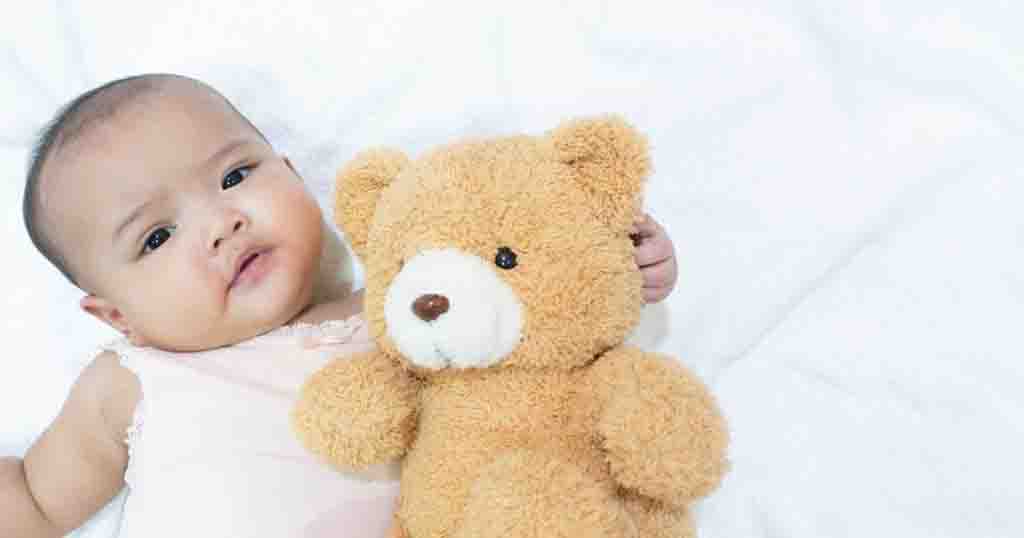
Pediatric associations around the world emphasize that stuffed animals and other soft items should not be placed in a baby’s sleep space during the first year. According to the American Academy of Pediatrics (AAP), the safest sleep environment for infants under 12 months is a crib or bassinet with a firm mattress and fitted sheet—without pillows, blankets, or plush toys.
The reason is suffocation risk. Even a small plush toy can cover a newborn’s face, leading to restricted airflow. That’s why most guidelines recommend waiting until after 12 months to introduce plush toys during sleep.
| Organization | Recommendation |
|---|---|
| American Academy of Pediatrics (AAP) | No plush toys in crib before 12 months |
| NHS (UK) | Avoid pillows, blankets, and soft toys before 12 months |
| Canadian Paediatric Society | Clear sleep surface until at least 1 year |
For supervised playtime, however, plush toys can be introduced earlier. Babies enjoy holding and touching them during awake hours, which helps with sensory development.
How do age milestones influence when babies can sleep with stuffed animals?
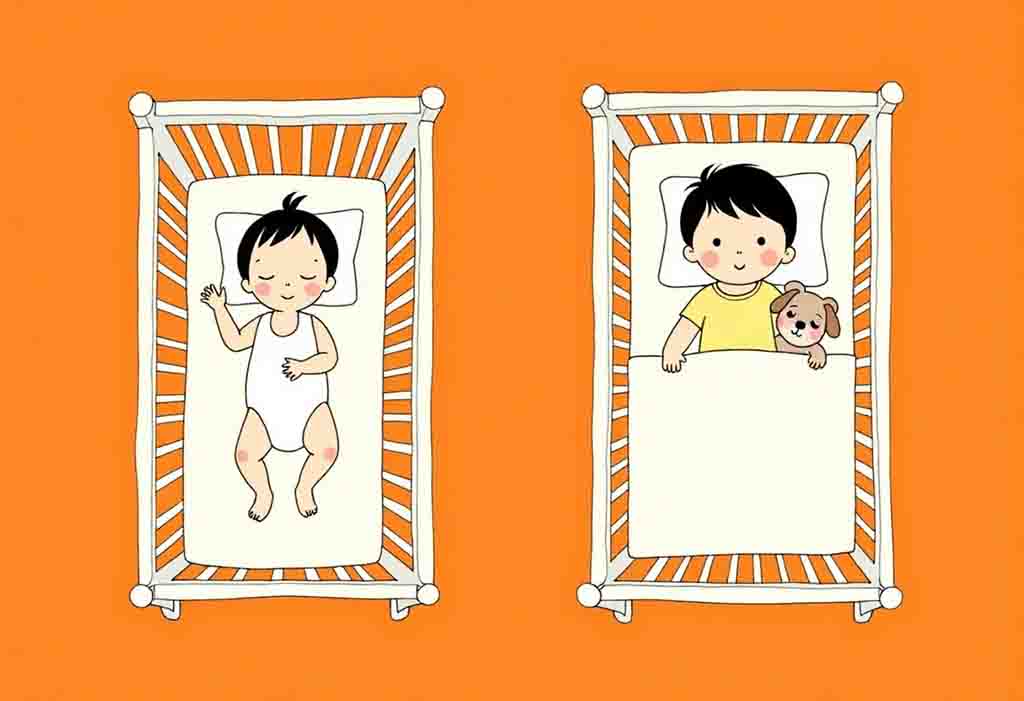
The right time to allow plush toys in a crib depends on age-related milestones. Babies gain motor control gradually, which reduces suffocation risks.
- 0–6 months: Babies have little control over their head and arms. They cannot push objects away, so plush toys are unsafe in sleep spaces.
- 6–12 months: Babies start rolling over and sitting up, but plush toys are still not recommended in cribs. They remain at risk of entanglement or airway obstruction.
- 12–18 months: At this stage, babies develop more mobility. Many pediatricians agree that a small, safe plush animal can be introduced as a comfort object.
- 18–24 months: Toddlers begin forming emotional attachments to objects. Plush toys become common sleep companions, provided they are safe in size and design.
| Age Range | Motor Skills | Plush Toy Safety |
|---|---|---|
| 0–6 months | Limited head/arm control | No plush toys in sleep |
| 6–12 months | Rolling, crawling | Still unsafe in sleep |
| 12–18 months | Sitting, standing | Small plush possible |
| 18–24 months | Walking, independence | Plush toys widely used |
This milestone-based approach ensures that plush toys are introduced only when babies have the ability to manage them safely.
What are the main risks of introducing plush toys too early?
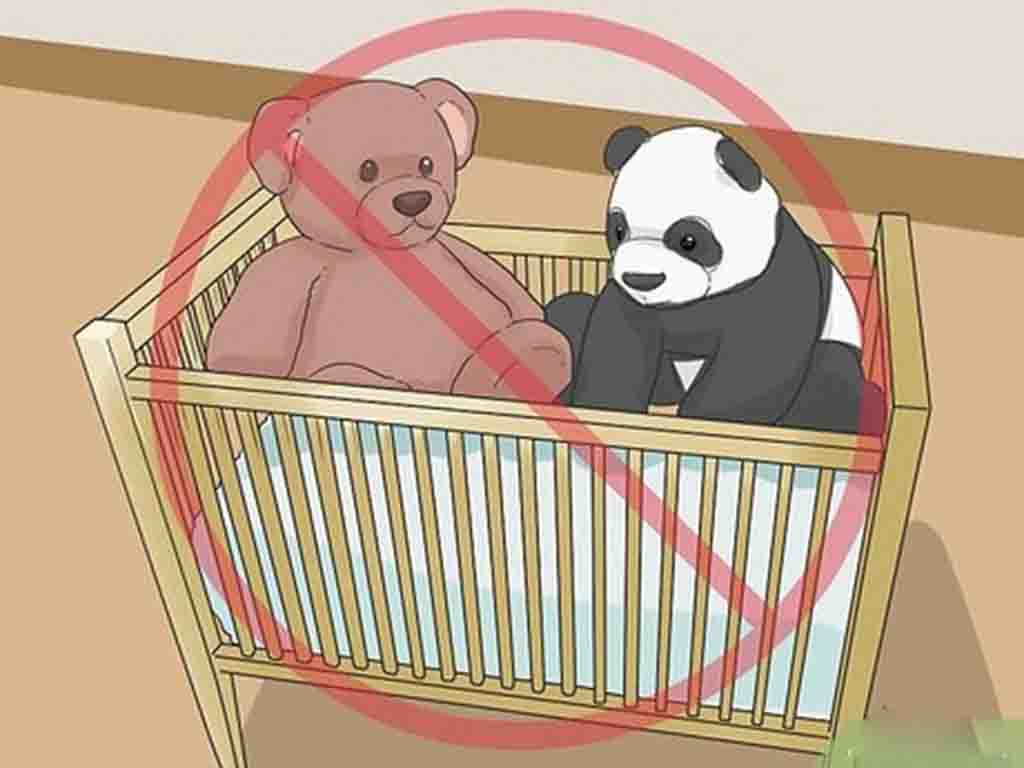
Placing a stuffed animal in a baby’s crib before 12 months carries several risks. Parents often underestimate these dangers, but pediatric research highlights them clearly.
The biggest concern is suffocation. A soft toy can cover the baby’s nose or mouth, making it difficult to breathe. Another risk is strangulation, if the toy has strings, ribbons, or loose accessories. Small parts like plastic eyes also create choking hazards.
Overheating is another overlooked risk. Plush toys trap heat, which can raise the baby’s body temperature. Pediatricians link overheating with sudden infant death syndrome (SIDS).
| Risk Type | Example |
|---|---|
| Suffocation | Toy covers nose/mouth |
| Strangulation | Loose ribbons or cords |
| Choking | Plastic eyes, beads |
| Overheating | Toy traps heat in crib |
Understanding these risks is essential for parents and retailers. That’s why safe sleep campaigns worldwide emphasize a “bare crib” policy during the first year.
How can parents safely transition babies to sleeping with a stuffed animal?
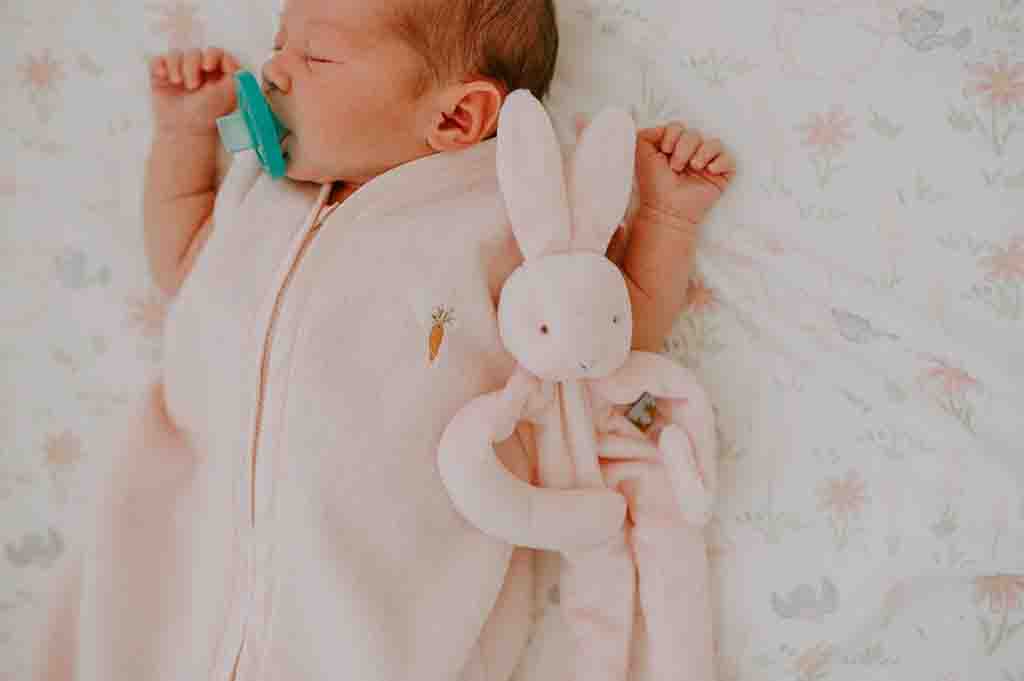
Once babies reach the appropriate age (after 12 months), parents can start introducing plush toys gradually. The key is to transition safely.
Start with a small, lightweight plush toy. Place it in the crib during nap times first, under supervision. If the baby handles it well, it can then be used at night. Always avoid oversized or weighted plush toys for infants.
Parents should check for signs of readiness. If the baby can roll over, sit up independently, and push objects away, they are better prepared for plush sleep companions.
| Step | Transition Method |
|---|---|
| 1 | Introduce toy during daytime play |
| 2 | Use during supervised naps |
| 3 | Place in crib at night once baby shows readiness |
| 4 | Monitor for safe use |
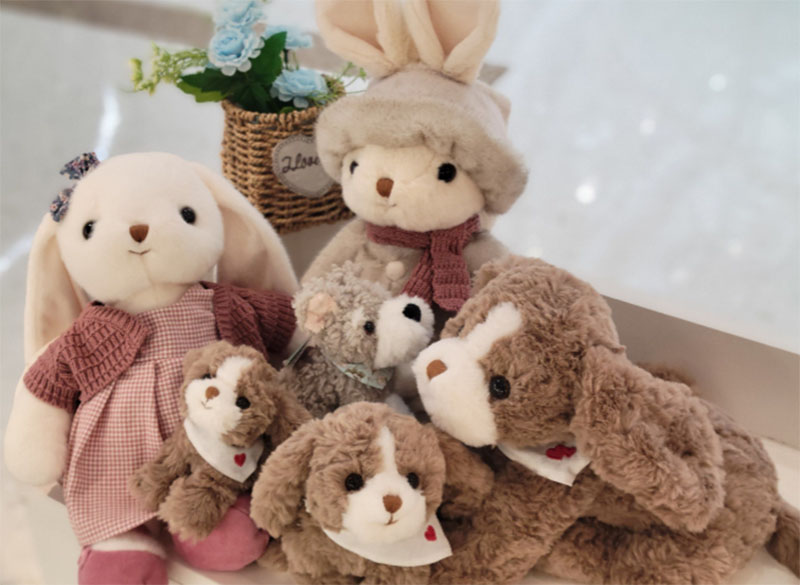
At Kinwin, we design smaller plush animals with embroidered features (instead of plastic eyes) specifically for this age group. This ensures safety while offering comfort.
Which features define the safest stuffed animals for infants and toddlers?
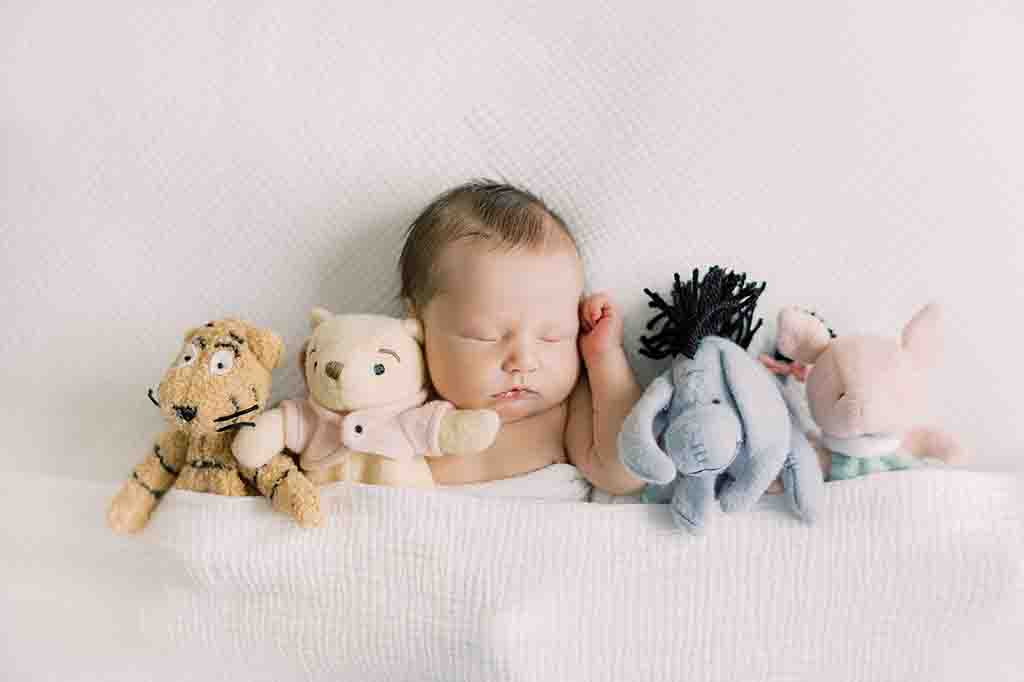
Not all plush toys are safe for babies. Parents and retailers should look for specific features when selecting products for infants.
The safest plush toys are:
- Small in size (under 25 cm) to prevent smothering.
- Lightweight and easy for babies to move.
- Made of soft, breathable fabric like cotton or fleece.
- Free from small detachable parts such as buttons or beads.
- Embroidered eyes and noses instead of plastic ones.
- Machine washable for hygiene.
| Feature | Safety Benefit |
|---|---|
| Small size | Reduces suffocation risk |
| Embroidered face | Prevents choking hazard |
| Soft fabric | Gentle on skin |
| Washable | Ensures hygiene |
For toddlers over 18 months, plush toys can be slightly larger, but the same safety rules apply. Parents and retailers should always confirm CE or ASTM certification before purchase.
Are there alternatives to stuffed animals for comfort and security before 12 months
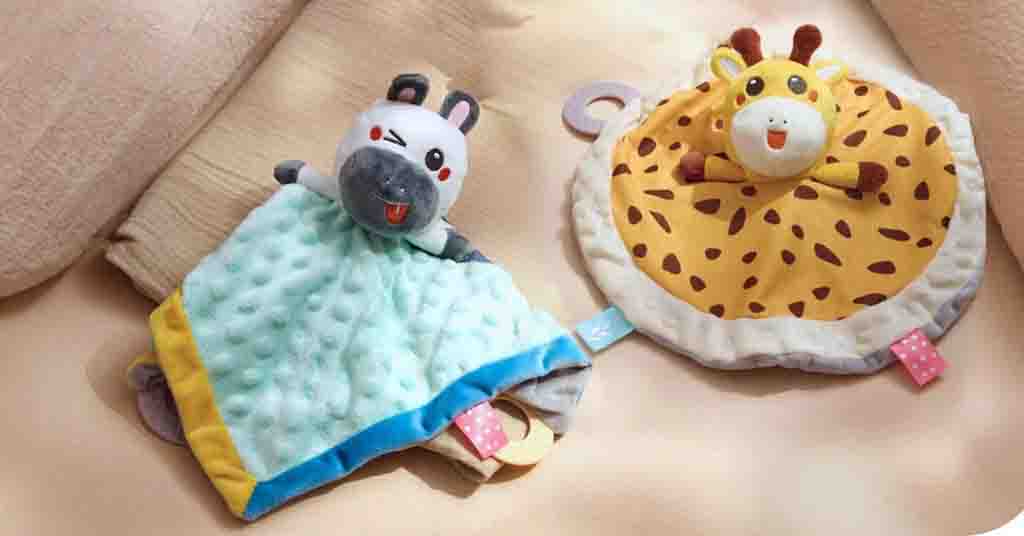
Since plush toys are not safe during the first year, parents often ask what alternatives can provide comfort. Luckily, there are several safe options:
- Swaddling blankets: Provide warmth and a sense of security.
- Pacifiers: Offer soothing sucking reflex without risk of suffocation.
- Sleep sacks: Replace blankets and reduce overheating risks.
- Soothing music or white noise: Helps babies relax without physical objects in the crib.
| Alternative | Benefit |
|---|---|
| Swaddle blanket | Security, warmth |
| Sleep sack | Safe alternative to blankets |
| Pacifier | Soothing comfort |
| White noise | Relaxation aid |
These options can be used safely before plush toys are introduced. Once the baby reaches 12 months or more, a small, safe stuffed animal can be added to their bedtime routine.
Conclusion
The right time for babies to sleep with a stuffed animal is after 12 months, when motor skills reduce suffocation risks. The safest plush toys are small, soft, embroidered, and free of loose parts. At Kinwin, we design and manufacture CE- and ASTM-certified plush toys tailored for infants and toddlers, ensuring both safety and comfort for global buyers.
Contact us at [email protected] or visit kinwintoys.com to explore safe and customized plush toy solutions for your brand.