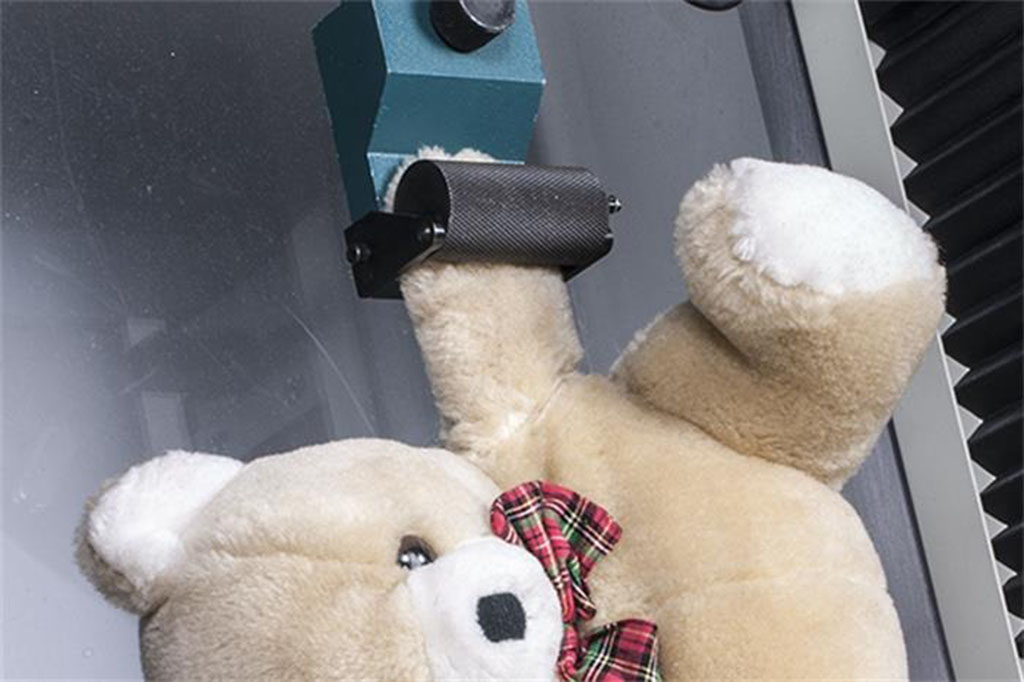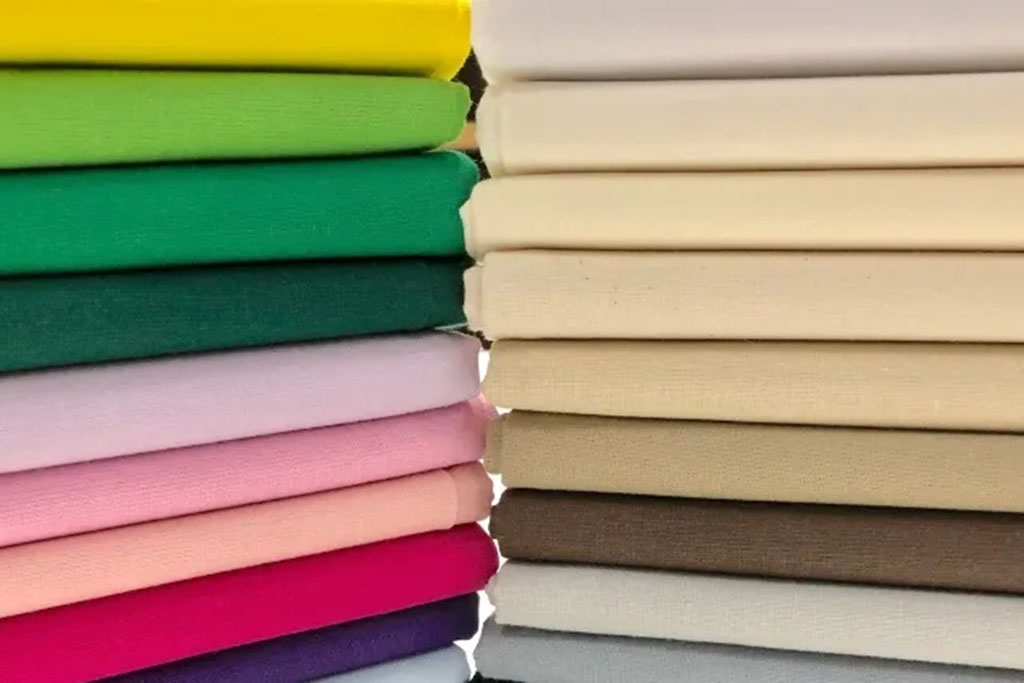
I’m Amanda from Kinwin in China. I help brands and retailers design and manufacture soft toys with clear specs, safe materials, and predictable lead times. One question I hear often is: what is the real difference between a “doll” and a “plush”? The words overlap in everyday speech, but they signal different structures, materials, safety expectations, and even pricing logic in the factory. In this guide, I break it down in plain language so your sourcing and marketing teams can act with confidence.
What defines a “doll” versus a “plush” in structure, materials, and intended use?
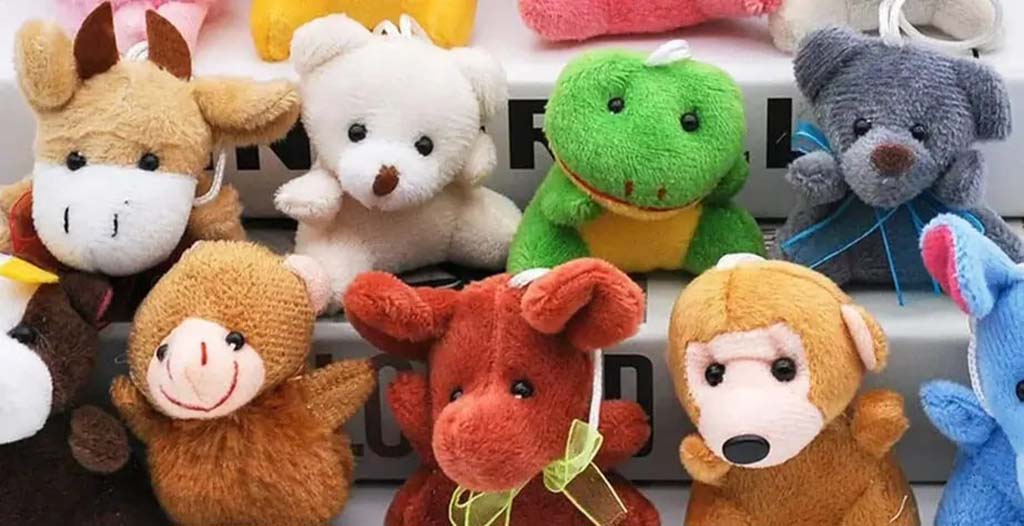
In professional use, a doll is a humanoid figure built for role-play. It often has hair, clothing, and changeable outfits. The face may be printed, embroidered, or molded (for hybrid hard-head dolls). The body can be soft or partially hard. A plush (or plush toy) is a soft, stuffed character—usually an animal or creature—engineered for comfort, collecting, and gifting. It focuses on handfeel and cuddle value over outfit play.
Materials:
- Dolls: tricot/knit faces, woven cotton for clothing, yarn or synthetic hair, sometimes vinyl heads or limbs for definition.
- Plush: pile fabrics (minky, velboa, faux fur), polyester fiberfill, optional pellets in sealed inner pouches, embroidery for faces.
Intent:
- Dolls encourage storytelling and dress-up.
- Plush prioritizes softness and emotional comfort; detail comes from shape, pile, and embroidery rather than clothing systems.
Table 1 — Structural Definition: Doll vs. Plush
| Aspect | Doll | Plush |
|---|---|---|
| Primary form | Humanoid | Animal/creature/mascot |
| Outer materials | Tricot/knit/cotton; may include vinyl parts | Minky/velboa/faux fur/sherpa |
| Face execution | Printed/embroidered; molded for vinyl heads | Embroidered or safety trims |
| Core intent | Role-play, outfits, hair play | Comfort, cuddle, collectibility |
| Interchangeables | Clothing, shoes, hair accessories | Minimal; accessories are sewn or simple add-ons |
How do design complexity, pattern-making, and articulation (soft body vs. jointed/poseable) differ between the two?
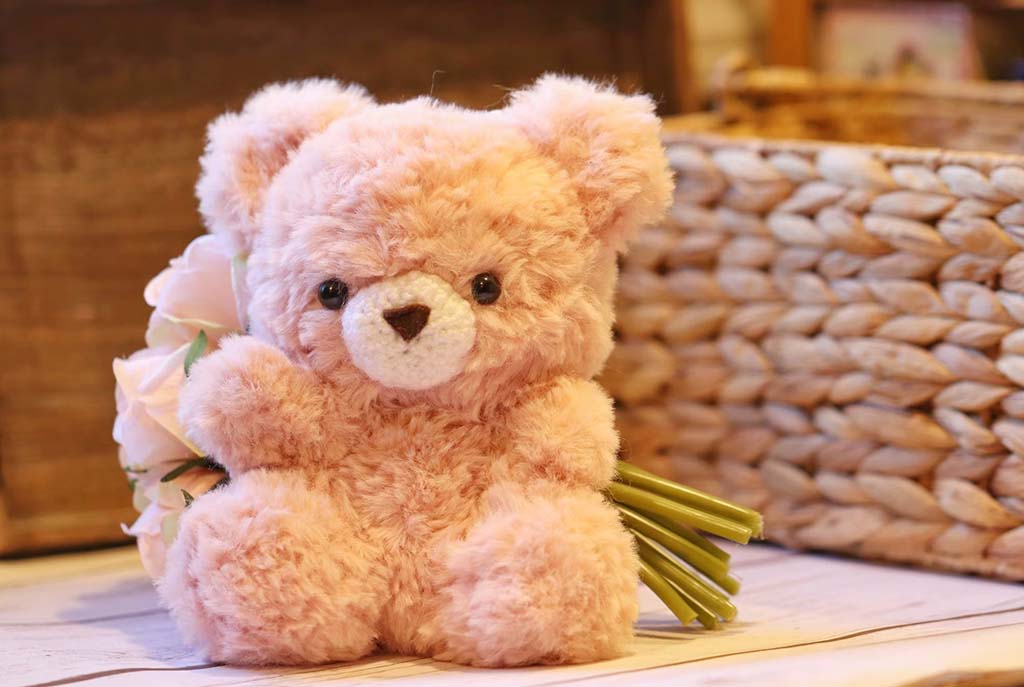
Dolls carry more subsystems: hair rooting or wig caps, outfit pattern sets, footwear, and sometimes jointed or poseable parts. Even a fully soft doll can include internal armatures (only for older age grades). Pattern-making for clothing adds multiple size blocks, seam finishes, and tolerances that must survive repeated dressing cycles. This complexity increases sampling rounds and unit minutes.
Plush focuses on body silhouette, face balance, and handfeel. Pattern-making optimizes panel shapes, pile direction, and seam flow. Articulation is usually non-mechanical—achieved with darting, foam inserts, or weighted pouches—so the toy sits or hugs nicely.
Table 2 — Articulation & Pattern Complexity: Impact by Category
| Driver | Doll (soft body or hybrid) | Plush |
|---|---|---|
| Articulation | Possible joints or internal armature (14+ only) | Pose via patterning, fill, pellets |
| Pattern sets | Body + multiple outfits + trims | Body panels + facial embroidery |
| Sampling cycles | More rounds (body + outfit sets) | Fewer rounds (shape + face) |
| Failure risks | Outfit fit, hair shedding, fastener pull | Face symmetry, seam strength, pile trimming |
| Minutes per unit | Higher (dressing, QC of outfit fit) | Moderate (stuffing balance, finish) |
Which safety standards, age grading, and labeling rules apply distinctly to dolls and plush (EN71, ASTM F963, CPSIA, REACH)?
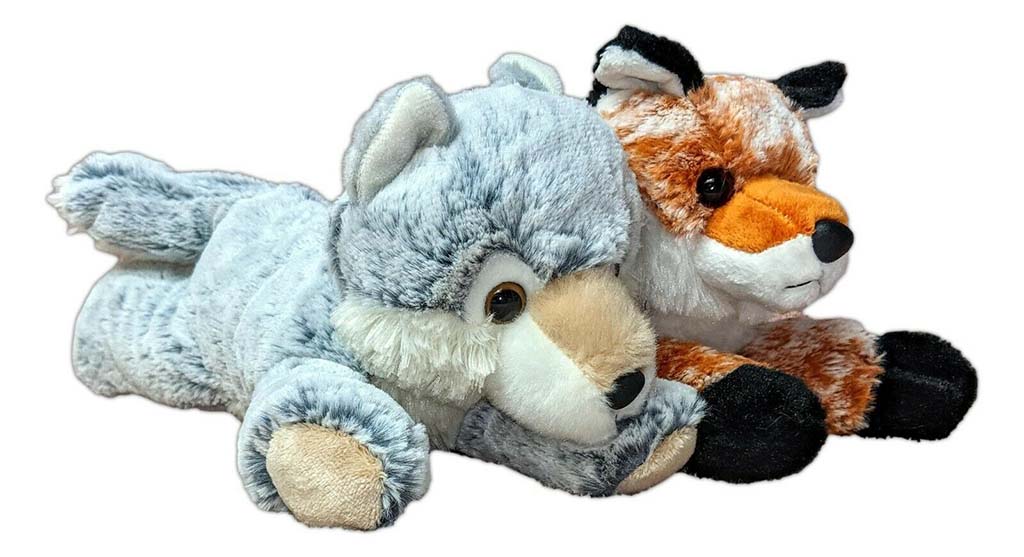
If it is a children’s product, both dolls and plush must comply with the same market safety frameworks. The differences come from material choices (hair, buttons, zippers), small-parts risk, and age grading.
EU: EN71-1/2/3 and REACH where relevant; you must issue a CE Declaration of Conformity.
US: ASTM F963 + CPSIA (lead, phthalates) + CPC + tracking label.
Global: Often aligns to ISO 8124. Retailers may ask OEKO-TEX for textile assurance.
Practical distinctions
- Dolls introduce choking hazards (buttons, snaps), hair-root strength checks, and fastener abuse tests.
- Plush focuses on face embroidery or locked trims, pile/flame behavior, and seam strength at limbs.
Table 3 — Compliance Matrix (What to Watch)
| Topic | Doll | Plush |
|---|---|---|
| Small parts | Buttons/snaps/shoes → strict tests | Safety eyes/noses or embroidery |
| Hair & trims | Hair-root/attachment strength | Pile shed level; trim attachment |
| Clothing chemicals | Dyes/prints on outfits → EN71-3/REACH | Dyes/prints on plush shells → EN71-3/REACH |
| Flammability | Fabrics & any plush parts | Pile height and composition matter |
| Labels | Size/care + toy labels | Care + toy labels; tracking label (US) |
Good practice: tie test reports to actual fabric and trim lots. If the dye lot or trim vendor changes, re-test the affected items.
How do customization options (hair, clothing sets, embroidery, accessories) change MOQs, sampling cycles, and per-unit cost?
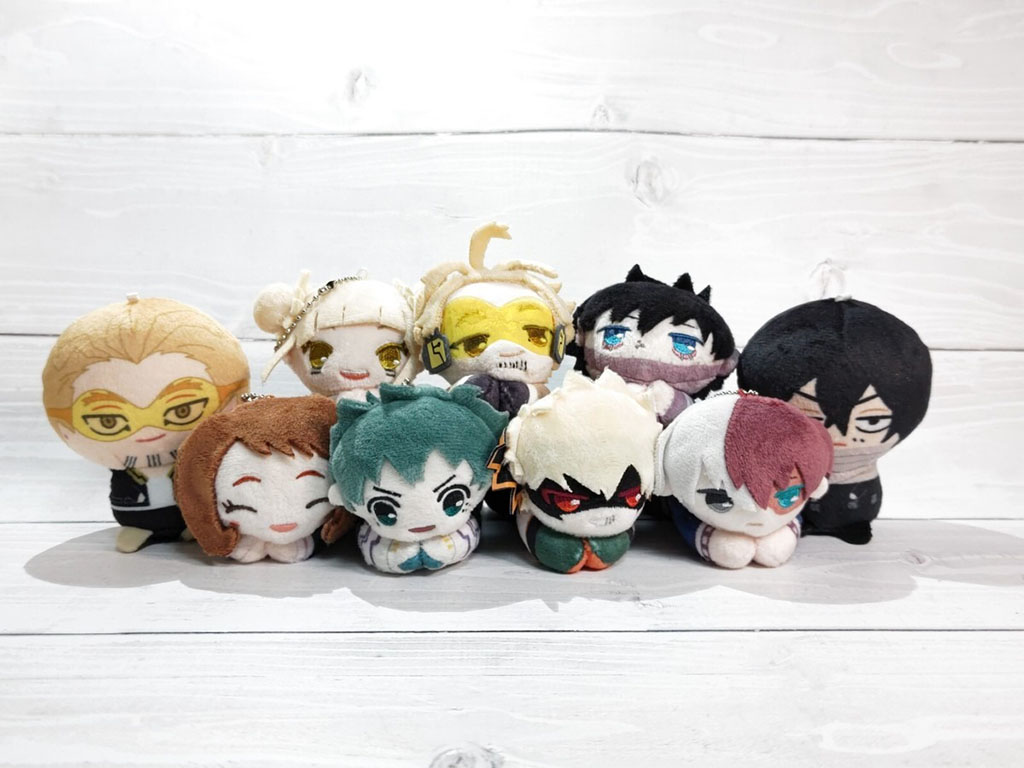
Customization is value, but it adds minutes, MOQs, and approvals. Keep the base silhouette stable; layer customization where it is easiest to control.
- Doll customization: hair color/length, outfit sets, shoe molds, accessories (bags, hats). Clothing vendors may set minimums per color/fabric. Every outfit adds fit risk and labeling steps.
- Plush customization: embroidery (eyes/logos), appliqué, weighted pouches, small garments (scarves, hats). Trims are simpler; risk is face balance and pile trimming.
Table 4 — Customization Levers and Their Effects
| Customization | Doll Impact | Plush Impact |
|---|---|---|
| Hair (color/length) | ↑ Sampling (shed/attach tests) | N/A |
| Clothing sets | ↑ MOQs (fabric/colors); ↑ unit minutes | Light garments only (scarves/hats) |
| Embroidery | Labels on outfits; logo placement approvals | Core value add; low small-part risk |
| Accessories | Fastener & pull tests; small-parts checks | Sewn accessories; bar-tacks at stress points |
| Weighted feel | Rare (adds complexity) | Pellet pouches; sensory comfort |
| Packaging | Outfit windows, hangers | Gift boxes or poly + hangtag |
Cost guardrails: request BOM-level quotes (shell GSM, fill grams, trim specs) and minutes per unit. It keeps negotiations honest and stable across revisions.
What market positioning and buyer expectations drive channel strategy and pricing for dolls vs. plush?
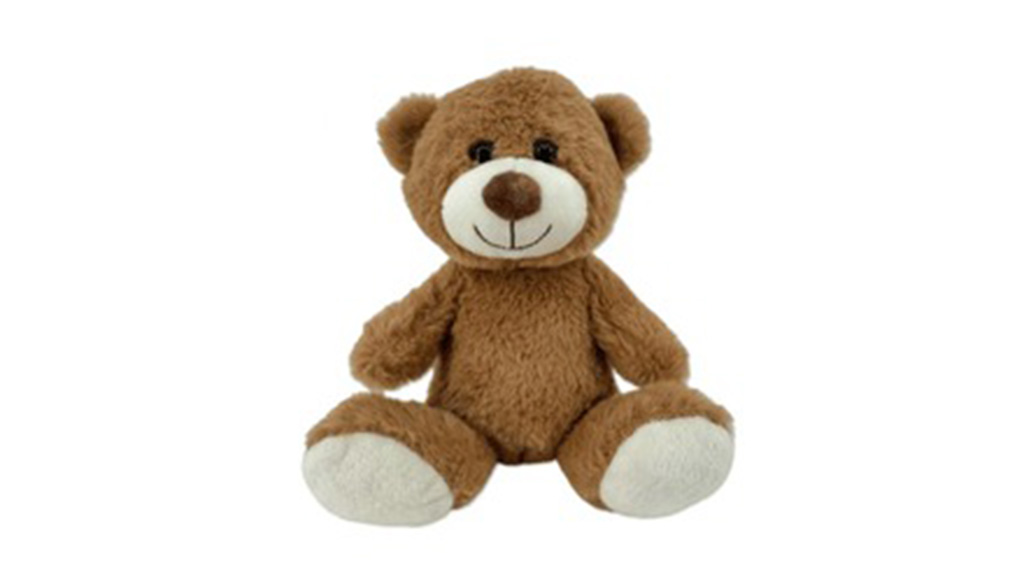
Dolls sell role-play and fashion. Buyers expect outfits, hair play, and a set of accessories. Plush sells softness and emotion. Buyers expect cuddle value, cute faces, and gift-ready packaging.
Pricing logic:
- Dolls justify higher prices with outfits and hair detail.
- Plush justifies price with fabric quality, embroidery, and weighted or collector features.
Channel:
- Dolls thrive in specialty toy, department stores, and education/family channels.
- Plush wins in gifting, DTC, specialty lifestyle, and theme attractions—plus mass when value builds are offered.
Table 5 — Positioning, Packaging, and Channels
| Attribute | Doll | Plush |
|---|---|---|
| Value hook | Role-play, outfits, hair play | Softness, comfort, collectibility |
| Photo content | Outfits, hair styles, mix-and-match | Texture close-ups, “scale-in-hand” |
| Packaging | Window/rigid box; outfit visibility | Gift box or poly + hangtag |
| Price band | Mid → premium (by outfit depth) | Value → premium (by fabric/weight) |
| Channel focus | Specialty toy, dept. store, EDU | DTC, lifestyle, gifting, mass variants |
How should brands choose taxonomy and SEO terms (“doll,” “plush,” “plush doll”) to maximize discoverability and compliance?
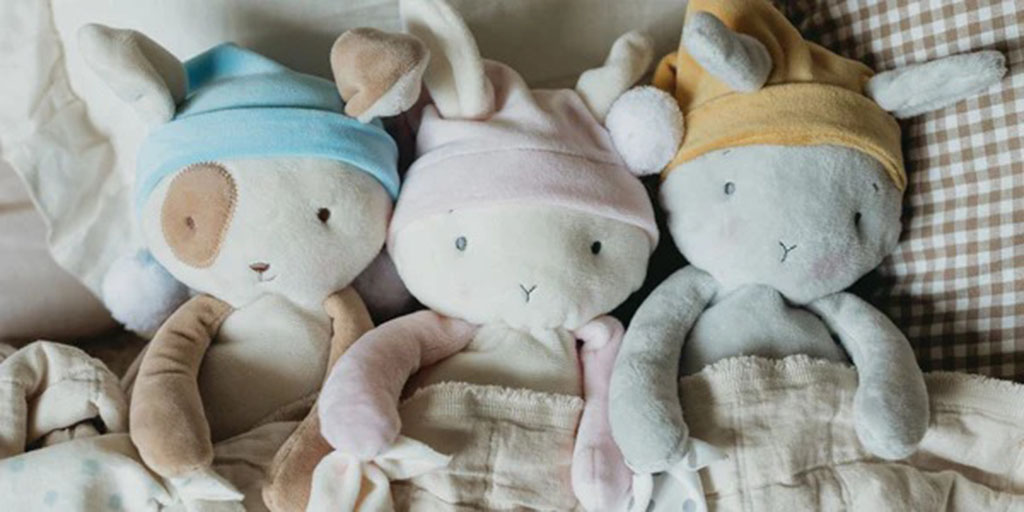
Search language must match how shoppers think and how platforms index.
- If the product is clearly humanoid with outfits/hair, lead with “Doll” in the title and add “Soft Doll / Plush Doll” where relevant.
- If it is a soft animal/creature, lead with “Plush Toy” and include “Stuffed Animal” as a secondary phrase for US searchers.
- For hybrid soft dolls (all-fabric humanoid with embroidery), use “Plush Doll” to capture both doll and plush search traffic.
Title templates (copy-ready):
- Doll:
Soft **Doll** with Outfit Set (Plush Doll), 30 cm, Tricot Face, EN71/ASTM - Plush:
12" Bunny **Plush Toy** (Stuffed Animal), Minky Shell, Embroidered Eyes, CE/ASTM - Collector hybrid:
Limited Edition **Plush Doll** – Embroidered Face, Gift Box, Numbered Tag
Bullets should confirm: fabric, fill grams, wash care, age grade, EN71/ASTM/CPSIA stance, packaging type, and any edition features. For UK/EU, include “soft toy” phrasing; for US, keep “stuffed animal” and “plush toy” in tags.
Practical workflow (so you can act now)
- Define taxonomy first: Doll, Plush, or Plush Doll. Align with age grade and channels.
- Write a one-page brief: size, shell, fill grams, trims, outfit items (if doll), wash claim, tests, packaging, MOQ, Incoterm.
- Approve silhouette with stock fabrics; then lock face art (plush) or outfit blocks (doll).
- PPS (PP sample): seal one golden sample at the factory and one with your team.
- AQL plan: General II; Major 2.5 / Minor 4.0; IQC → in-line (~30%) → FRI (≥80% packed).
- Lab tests tied to lots (EN71/ASTM/CPSIA/REACH as needed). Re-test if dye lot or trim vendor changes.
- Content & SEO: texture macros for plush; outfit mix-and-match photos for dolls; “scale-in-hand” for both.
- Channel split: gift-boxed plush for DTC; simplified value plush or basic doll pack for mass.
Follow this path and you’ll ship faster, pass audits, and convert better online.
Conclusion
A doll is a humanoid, role-play system with hair and outfits; a plush is a soft, cuddle-first character that sells on handfeel and expression. Both can be safe, high-quality, and profitable—if you choose the right materials, lock your compliance early, and name the product in a way shoppers and retailers both understand. At Kinwin, we turn clear briefs into sealed PPS and on-time mass runs with EN71/ASTM/CPSIA discipline, stable quality, and channel-ready packaging. Email [email protected] or visit kinwintoys.com to plan your next doll or plush collection.