Skip to content
A safe stuffed animal starts long before the fiber goes inside. The outer fabric, inner stuffing, threads, trims, and even the inks on the label all work together to decide whether a toy is truly safe, soft, and durable. If one part fails, the whole product feels risky, even if the design is cute.
In this guide, I look at safe stuffing from a full-material angle. You’ll see which fabrics are normally used for soft toys, how minky, velboa, fleece, and general “plush” compare, which fillings give structure and comfort, how threads and trims affect safety, what chemical and flammability rules you need to think about, and how eco and recycled materials can fit into a real project. My goal is to help you talk with your factory in clear, simple terms and avoid material choices that cause problems later.
I’m Amanda from Kinwin, a plush toy factory in China. Every day I see how material decisions made at sampling stage affect safety tests, production stability, and final customer reviews. I’ll share the same thinking we use with our own B2B clients worldwide.
What primary fabrics are used in modern soft toy manufacturing?
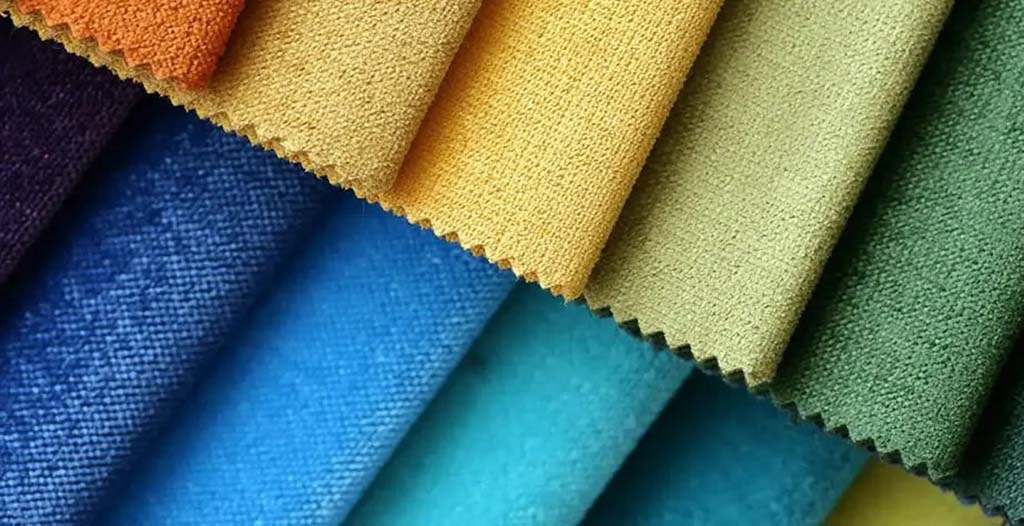
When people think about “stuffing safety,” they often look only at what goes inside. But the shell fabric is the first line of defense. It holds the stuffing, carries the design, and faces all the rubbing, chewing, and washing in real life. If the fabric is weak, sheds fibers, or tears easily, even the safest stuffing can leak out.
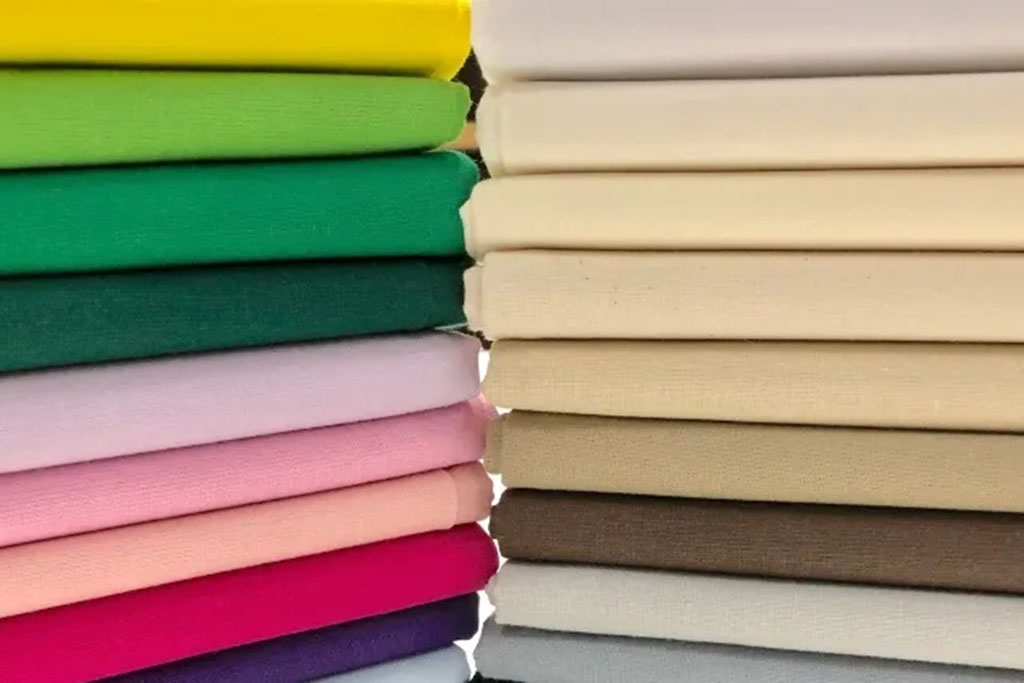
Most modern soft toys use synthetic knit pile fabrics. These include minky, short plush, velboa, and various micro-plush materials based on polyester or recycled polyester (rPET). They are popular because they are soft, washable, color-stable, and compatible with toy safety testing. The knit backing gives some stretch and good drape, while the pile provides a soft touch. For baby products, these fabrics are often used in shorter pile versions to reduce loose fibers and make cleaning easier.
You will also see fleece, flannel, jersey, and sometimes woven cotton or cotton blends in clothing, accessories, or special styles. Fleece offers a cozy, brushed texture and is often used for budget-friendly lines and doll outfits. Flannel and woven cotton bring a “garment” feeling and can support a natural or retro story, but they need careful control of shrinkage and fraying. Jersey appears in soft “comforter” toys and dolls where the body or head should look more like a fabric doll than a fur animal.
For more dramatic designs, long plush and faux fur fabrics appear. These have pile heights from 10 mm up to 60 mm or more and create strong volume and realistic animal fur. They are powerful tools for collectible or display pieces, but they also create more lint during cutting and can shed more fibers if the quality is poor. For younger age groups, long pile must be chosen and tested very carefully.
When you select primary fabrics, you should think not only about softness, but also about seam strength, pilling, colorfastness, and lint. The fabric must work with your stuffing choice: if it is too thin, the outline of the stuffing will show through or poke out. If it is too stiff, even a soft stuffing will feel hard. A good fabric balances softness with enough body to hold shape and contain the inner materials.
Key fabrics in modern soft toys
| Fabric type | Typical use in soft toys | Strengths for safety and feel | Main points to watch |
|---|---|---|---|
| Minky / micro-plush (poly/rPET) | Baby plush, cuddle toys, bodies, blankets | Very soft, good drape, good wash performance | Control stretch, choose good GSM and pile quality |
| Short plush / velboa | Faces, bodies, small characters | Clear detail, stable shape, soft but not too fluffy | Avoid very cheap, low-density grades |
| Fleece | Budget bodies, clothing, winter themes | Cozy feel, easy to sew, wide availability | Pilling in low grades, shrinkage control |
| Flannel / woven cotton | Doll clothing, retro styles, comforters | Natural look, homey feeling | Fraying edges, shrinkage, colorfastness |
| Long plush / faux fur | Realistic animals, special editions, trims | Strong visual impact, rich texture | Shedding, seam bulk, extra lint in production |
How do minky, velboa, fleece, and plush compare in performance?
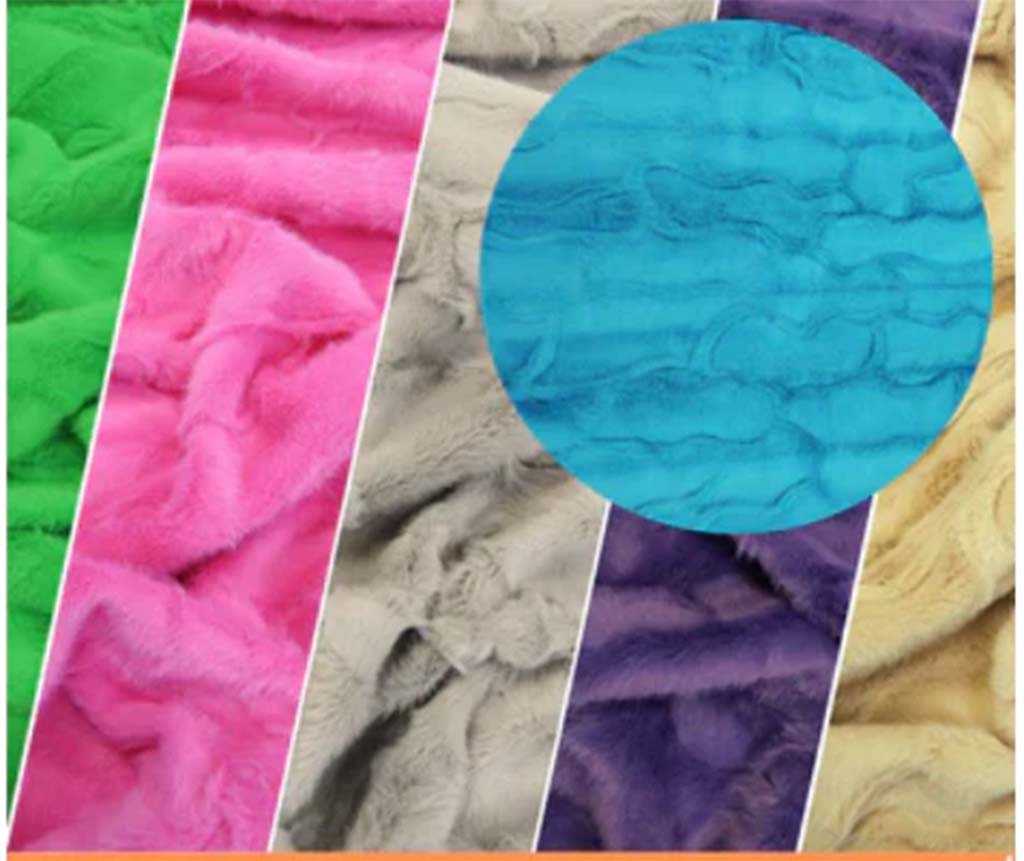
Most B2B buyers who contact us have heard these four names: minky, velboa, fleece, and “plush” (usually short plush or micro-plush). On the surface they all sound “soft,” but their performance is very different. The best way to choose is to match each fabric to its job: what the toy needs to feel like, how long it should last, and which age group will use it.
Minky is the “cloud-soft” option. It has a knit base and a silky, short-to-mid pile (around 2–5 mm). Good minky feels smooth when you slide your hand over it and drapes gently over the stuffing. It compresses easily and springs back without feeling stiff. Because of this, minky is a top choice for baby plush, sleep buddies, and comfort toys. Its main risk is stretch: if patterns or sewing are not controlled, shapes can distort and sizes can vary across a batch.
Velboa is a short-pile plush (often 1–3 mm) with a smooth, low nap and a stable backing. It feels soft but less fluffy than minky. The big advantage is detail: facial embroidery, fine lines, and logos all look sharp and clean on velboa. It is ideal for character faces, mascots, and any design where visual clarity is more important than deep fluffiness. It also stretches less than minky, so it is easier to keep consistent shapes in mass production.
Fleece is a brushed knit with a cozy sweatshirt-like surface. It is often more economical than minky or high-grade plush and works well for bodies in cost-sensitive ranges, clothing, and winter themes. Good fleece feels soft and warm, but low-quality fleece can pill quickly and lose its appearance after a few washes. For safe toys, anti-pill grades and wash tests are essential.
“Plush” is used broadly, but in factories we usually mean short plush or micro-plush designed for toys. These fabrics have a pile between roughly 1 and 4 mm and use fine polyester fibers. They find a middle point: soft enough for cuddle toys, neat enough for embroidery, and stable enough for high-volume production. Short plush is often chosen when a brand wants one main fabric for many SKUs.
When we compare these four in practice, we look at: hand-feel, stretch and stability, pilling, colorfastness, lint, and wash behavior. The safest choice is not always the softest; it is the fabric that stays soft after use and holds the stuffing securely without tearing or thinning.
Performance comparison: minky, velboa, fleece, short plush
| Fabric | Hand-feel style | Typical performance in use | Best suited projects | Main cautions |
|---|---|---|---|---|
| Minky | Silky, “buttery,” flowing | Very soft, good for frequent hugging and sleep | Baby and toddler toys, comfort plush, blankets | Stretch control, pick good GSM and pile |
| Velboa | Smooth, low nap, warm | Clear detail, stable shape, good embroidery base | Character faces, mascots, detailed small plush | Avoid cheap, thin, shiny grades |
| Fleece | Brushed, cozy, sweatshirt-like | Soft at first; risk of pilling in low grades | Budget toys, clothing on dolls, winter-themed items | Strong pilling if grade is poor |
| Short plush / micro-plush | Soft with neat texture | Balanced softness and durability | Everyday plush bodies, mid-range retail collections | Nap direction must be aligned carefully |
What stuffing materials give soft toys structure, resilience, and comfort?
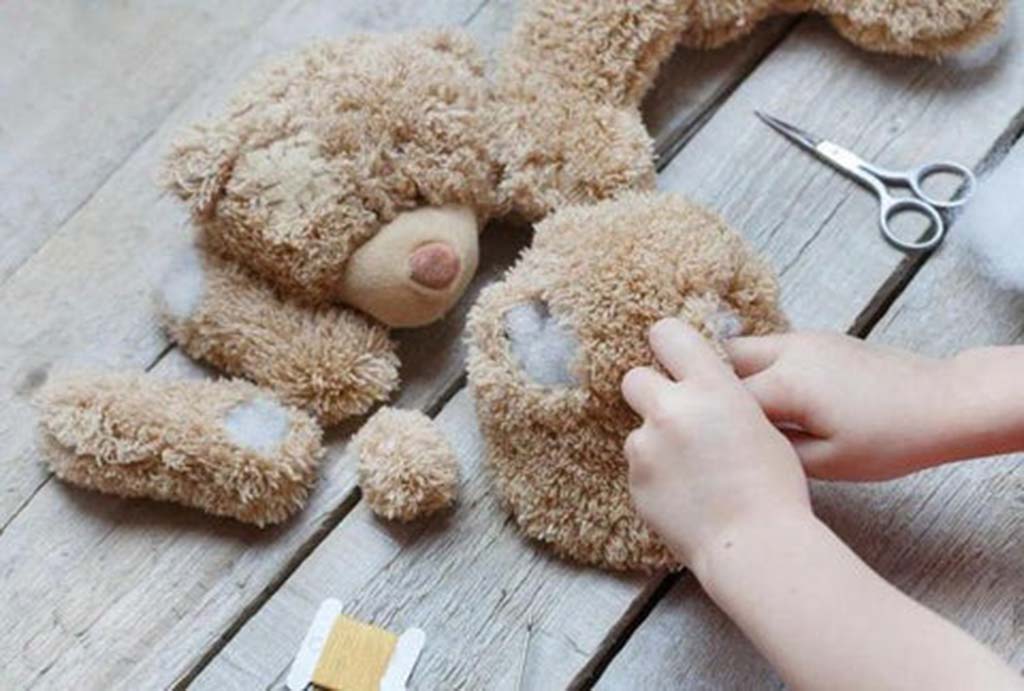
Now we look inside the toy. The stuffing defines how it feels when squeezed, how it returns to shape, and how much weight the user senses. Safe stuffing must be clean, non-toxic, free from sharp objects, and locked inside the shell. At the same time, it must support comfort and long-term performance.
The most common stuffing is polyester fiberfill. It is light, washable, and stable. Fine-denier fibers give a softer, smoother hand, while thicker fibers add bounce. If you want a very soft, floppy toy, you choose lighter stuffing density and finer fibers. If you want a more structured plush that stands up on a shelf, you choose medium density with some spring. For sustainability, many brands now use rPET fiberfill made from recycled polyester. When sourced from reliable suppliers, rPET can feel almost the same as standard polyester.
For extra resilience, factories may blend regular fiberfill with cluster fiber (small, pre-formed clusters of fiber). Cluster fiber helps the toy recover better after heavy squeezing and can reduce clumping. For certain shapes (snouts, ears, edges), a small amount of foam or foam chips can help hold structure, but must be used carefully so the toy never feels too hard.
Natural fillings like cotton, wool, or kapok can support a “natural” story, but they compact more and hold moisture more easily. They are rarely used alone in high-volume soft toys for children, unless the brand is very focused on natural materials and accepts specific care instructions. Even then, they must be tested for cleanliness, insects, and mold risk.
Weighted media such as plastic pellets, glass beads, or steel beads are used to add calming weight or help toys sit upright. These materials must always be kept inside a separate, strong inner liner made of tight-weave fabric and double-stitched seams. Loose pellets inside the main shell are not acceptable for safe toys, especially for children under three years old. For baby products, many brands avoid pellets entirely.
A safe and comfortable soft toy often uses a combination: fiberfill for general volume and softness, with possible weighted liners in specific zones, plus careful control of stuffing density. The factory should work with stuffing charts and weight checks to keep each toy consistent.
Common stuffing materials and their roles
| Material | Feel and behavior | Benefits for structure and comfort | Safety and QC points |
|---|---|---|---|
| Polyester fiberfill | Light, soft, springy | Washable, stable, easy to control density | Must be clean, low dust, from reliable supplier |
| rPET fiberfill | Similar to polyester, with recycled content | Supports eco story, can be very soft | Ask for documentation; test hand-feel and pilling |
| Cluster fiber (poly) | Soft with extra bounce | Better recovery after squeezing | Blend percentage and density must be consistent |
| Foam pieces / inserts | Firmer, hold edges or shapes | Keeps noses, ears, and edges defined | Avoid hard or sharp shapes; test comfort by age |
| Plastic pellets (in liner) | Neutral, add weight and stability | Helps toy sit; can offer calming weight | Always use strong liners; avoid loose pellets |
| Glass/steel beads (in liner) | Heavy per volume, smooth | Deep weight in small space for specialty products | Strong liners, seam reinforcement, age limits |
| Natural cotton / wool / kapok | Soft but more compacting and moisture-sensitive | Natural story, specific feel | Cleanliness, allergy, and mold checks needed |
How do threads, trims, and accessories impact safety and durability?
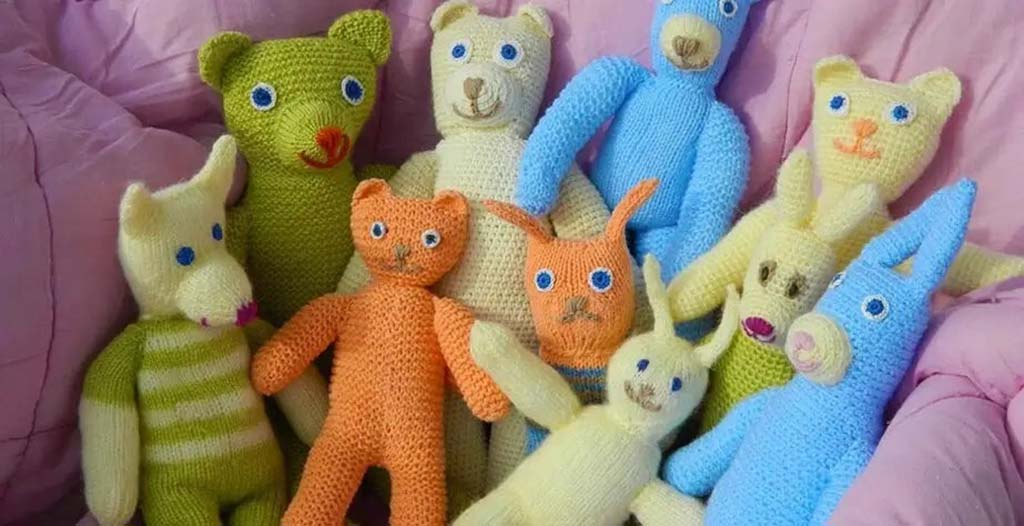
Many safety issues in soft toys come not from the fabric or stuffing, but from threads, trims, and accessories. These elements may look small, but they can create big problems if they come loose, break, or contain sharp or toxic parts. A safe stuffing system depends on all of these components working together with the shell and filling.
Threads are used for stitching panels, closing stuffing openings, and embroidery. For seams, we normally use strong polyester sewing thread. It resists stretching and moisture better than cotton thread and holds up under pulling tests. Stitch length and density must match the fabric thickness: too few stitches, and seams can open; too many, and the fabric can perforate and tear. For embroidery, embroidery thread must be stable in color and strong enough that children cannot easily pull it out.
Trims and accessories include eyes, noses, bows, ribbons, clothing, zippers, buttons, snaps, Velcro, and labels. For younger children, the safest “accessory” is embroidery: eyes and noses stitched directly into the fabric. If plastic eyes or noses are used, they need proper back washers and must pass pull tests. Ribbons, bows, and clothing should be attached securely, with ends folded and stitched in a way that prevents unraveling. For baby toys, long loose ribbons and cords are not recommended.
Labels and internal tags also matter. They must be soft enough not to scratch, printed or woven with safe inks or dyes, and securely sewn. Some brands place a long, detailed care label inside a seam and then a smaller brand label on the outside; both must be attached in a way that they do not tear out and leave sharp edges or holes.
Accessories like zippers, magnets, or sound modules need special care. Zippers should be covered and have soft pulls. Magnets and modules must be locked inside sewn compartments that cannot be accessed by a child. Any opening used to access these parts in manufacturing must be fully closed by strong seams before the toy leaves the factory.
A good factory sets internal standards for threads, trims, and accessories, and tests them along with the main toy. When you discuss a project with your supplier, it is useful to ask not only about fabrics and stuffing, but also about how they choose and test these smaller parts.
Threads, trims, and accessories – safety and durability overview
| Component | Common use in soft toys | Safety and performance focus | Good practice for safe design |
|---|---|---|---|
| Sewing thread | Seams, closing openings | Seam strength, resistance to breakage | Use strong polyester; control stitch density |
| Embroidery thread | Eyes, noses, logos, patterns | Colorfastness, resistance to pulling | Use tested thread; avoid long floating stitches |
| Plastic eyes/noses | Facial features | Pull-out risk, choking hazard | Use locked washers; lab-test for intended age |
| Ribbons/bows | Decoration, branding | Detachment, unraveling, entanglement | Stitch ends securely; avoid long loose lengths |
| Clothing/trim | Outfits, hats, scarves | Small parts, tearing at seams | Reinforce stress points; age-grade carefully |
| Labels/tags | Branding, care info | Tearing, sharp edges, ink safety | Use soft labels, safe inks, secure sewing |
| Zippers/magnets/modules | Hidden features | Access to hard parts, ingestion risk | Lock in inner compartments; strong final closures |
What chemical, flammability, and allergy standards govern material selection?
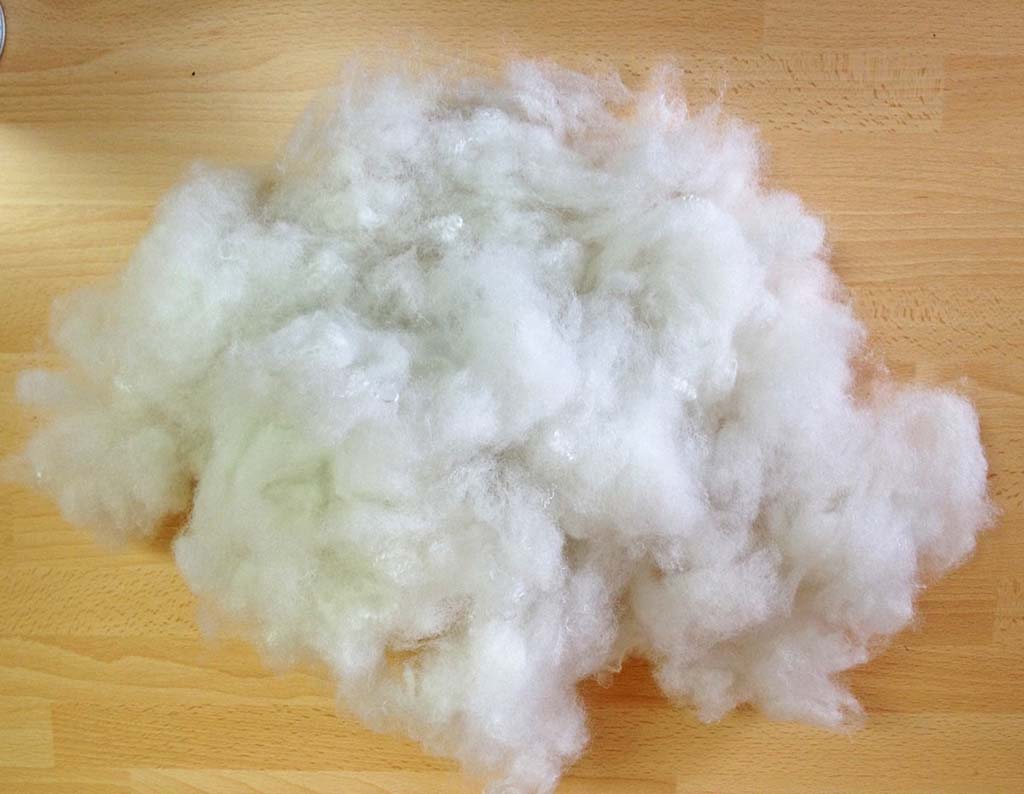
Even if a toy feels soft and looks safe, it still must pass chemical and flammability expectations in the target markets. These rules make sure materials do not release dangerous substances and that the toy behaves reasonably if exposed to a small flame or heat source. For sensitive users, allergy considerations also matter.
Chemical rules differ by region, but they commonly restrict heavy metals, certain plasticizers, formaldehyde, and other harmful substances in fabrics, stuffing, plastics, inks, and coatings. That means every layer matters: shell fabric, thread, embroidery, label ink, internal plastic parts, even the glue in a sound module. In practice, responsible factories rely on certified raw material suppliers and send finished toys to third-party labs for testing before shipping.
Flammability for soft toys is usually tested on the finished toy or relevant materials. The goal is that the toy does not catch fire too easily or support rapid flame spread. For example, long pile fabrics and dense natural fibers can behave differently in flame tests than short synthetic piles. This is one reason why many brands avoid untested loose fibrous materials and focus on known, tested plush fabrics and fillings.
Allergy-related concerns focus on dust, shedding fibers, and known sensitizing materials. Wool, natural rubber, and certain finishes can trigger reactions in some users. For baby toys and sensitive-skin products, brands often avoid wool and strong finishes, and choose low-lint, well-cleaned polyester or certified natural fibers. Cleanliness in stuffing is also critical: no mold, insects, or foreign objects.
To manage all of this, you should choose materials from suppliers who understand toy requirements and can provide material test reports when needed. Your factory should also have a plan to keep material batches separate, record lot numbers, and manage retesting when suppliers change. When you design a product, think ahead: if you use unusual materials, you will need to plan extra time and cost for testing.
Material standards focus – chemical, flammability, allergy
| Risk area | What it covers in a soft toy | Material-level decisions | Practical actions with your factory |
|---|---|---|---|
| Chemical safety | Heavy metals, restricted chemicals, plasticizers | Use toy-grade fabrics, fillings, plastics, inks | Ask for certificates; lab-test finished toys |
| Flammability | How fast materials ignite and burn | Avoid untested long fibers or highly flammable blends | Use known plush/fleece; follow market requirements |
| Allergy/sensitivity | Dust, mold, wool, latex, strong finishes | Choose low-lint, clean, non-irritating materials | Source clean stuffing, avoid risk fibers in baby toys |
| Cleanliness | Foreign objects, dirt, pests | Use new, sealed materials and clean storage | Control warehouse and production hygiene |
| Traceability | Knowing which batch of material was used | Clear labeling of rolls and stuffing batches | Keep records for each production run |
How are eco-friendly and recycled materials integrated into soft toy design?
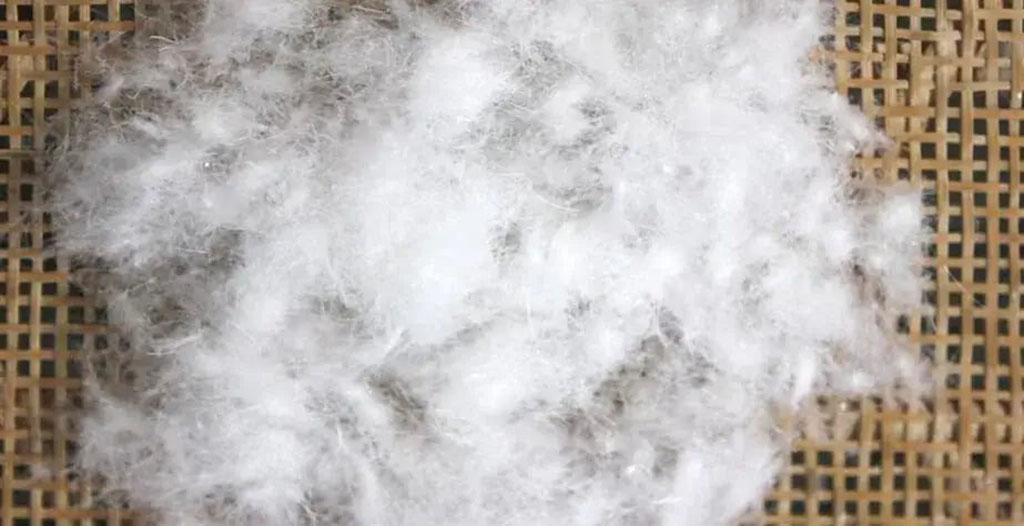
Many brands now want soft toys that feel good and tell a responsible materials story. Eco-friendly and recycled materials can fit very well into soft toy design, but only when they are chosen with safety, performance, and supply stability in mind. A “green” claim should never weaken toy safety or confuse customers.
The most common change is moving from standard polyester to recycled polyester (rPET) in fabrics and stuffing. rPET fiberfill and rPET plush fabrics can look and feel very similar to conventional polyester while reducing virgin plastic use. To use them well, you need reliable suppliers and clear documentation (for example, GRS or similar). You should also test softness, pilling, and colorfastness, just as with normal materials.
Some brands also use organic cotton or bamboo/micro-modal blends for shells or clothing. These natural fibers support an eco-story and can feel very pleasant, but they may shrink more, absorb more moisture, and need more careful washing. For baby products, organic cotton fabrics and certified low-impact dyes are attractive, but they must still pass the same safety and flammability requirements as synthetic fabrics.
Recycled pellets, bio-based plastics, or plant-based fillings (like certain foam types or fibers) appear in some projects. These can work, but their behavior under washing, aging, and testing must be validated. For example, recycled plastic pellets must be clean, consistent in size, and free of sharp fragments. Plant-based fillings must be checked for mold, insects, and compaction risk.
Eco design is not just about the core materials. Packaging and labels also matter. Recycled paper, minimal plastic, and clear recycling instructions help customers see that the brand is serious. However, the packaging must still protect the toy and keep it clean in transit.
The best eco soft toys make honest, specific claims: “shell fabric made with 50% recycled polyester,” or “organic cotton outer with polyester stuffing,” instead of vague statements. This protects your brand and helps buyers understand exactly what they are getting.
Eco and recycled material options in soft toys
| Eco option | Where it is used | Benefits for brand and product | Key checks before large-scale use |
|---|---|---|---|
| rPET plush fabrics (shell) | Bodies, limbs, blankets | Reduces virgin plastic, supports eco messaging | Hand-feel, pilling, shade consistency, documentation |
| rPET fiberfill (stuffing) | Main filling | Eco story with familiar performance | Cleanliness, dust level, batch stability |
| Organic cotton / bamboo fabrics | Shells, clothing, comforters | Natural story, pleasant hand-feel | Shrinkage, colorfastness, flammability behavior |
| Recycled plastic pellets (in liners) | Weighted toys | Reuse of plastic in inner components | Clean, uniform, safe liners, lab testing |
| Paper-based or reduced packaging | Boxes, tags, wraps | Lower packaging footprint, meets buyer expectations | Protection in transit, print durability |
Conclusion
Safe stuffing is never just about what you push inside the shell. It is the result of smart choices for fabrics, fillings, threads, trims, chemicals, and even eco options—all checked through real tests and real production. When these choices are aligned, your stuffed animals feel soft, stay safe, and stand up to both lab testing and everyday family life.
At Kinwin, we work with global buyers to balance safety, comfort, and cost in every material we select—from rPET plush fabrics and clean fiberfill to secure trims and eco-conscious packaging. If you are planning a new plush project or want to upgrade your current line, you’re welcome to email [email protected] or visit kinwintoys.com. Our team can help you turn material questions into a clear, safe, and market-ready soft toy collection.