Skip to content
The best plush toys feel soft at first touch, hold their shape after many hugs, and pass safety tests in every market. That result comes from smart material choices—not luck. As Amanda from Kinwin, I’ll share a clear, factory-tested framework for picking fabrics, fillings, trims, and eco options that are soft, durable, safe, and repeatable at scale. I’ll keep the English simple and add a practical table in every section so you can paste specs straight into RFQs and SOPs.
What material criteria define premium, safe plush toy construction?
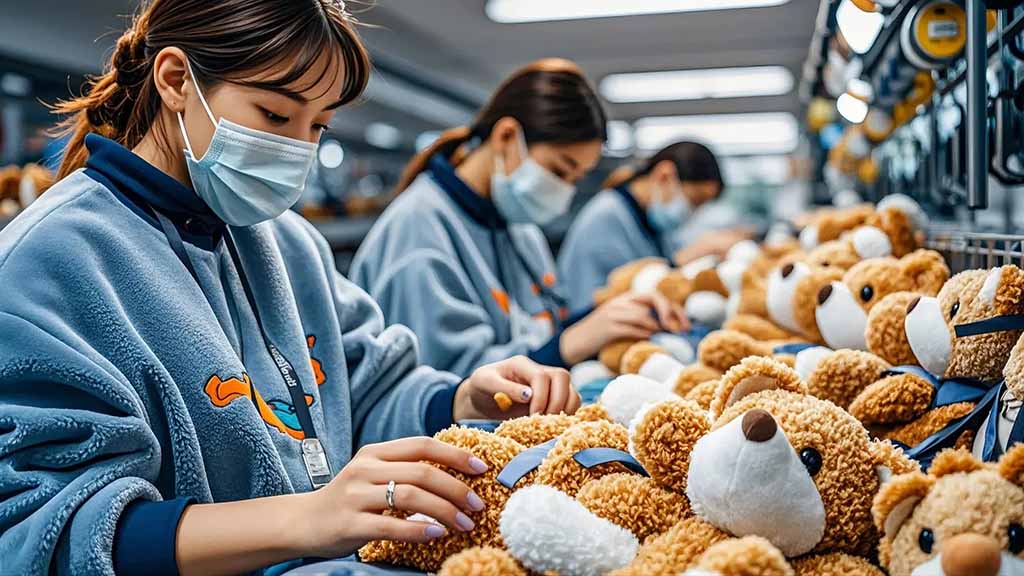
To choose the “best” materials, we check six pillars: hand-feel, sewability, durability, safety/compliance, care truth (what the label promises and we can prove), and supply resilience. Miss one pillar and problems appear: pilling, seam pops, rejected tests, or returns after washing. Start every project by locking these pillars into your tech pack.
Table 1 — Six pillars for premium, safe plush materials
| Pillar | What We Measure | Why It Matters | Factory Proof You Should See |
|---|---|---|---|
| Hand-feel | Softness, nap glide, temperature feel | First touch drives purchase | Fabric swatches; user panel comments |
| Sewability | Fray, bulk on curves, embroidery base | Low defects and rework | Stitch length/allowance rules; sample photos |
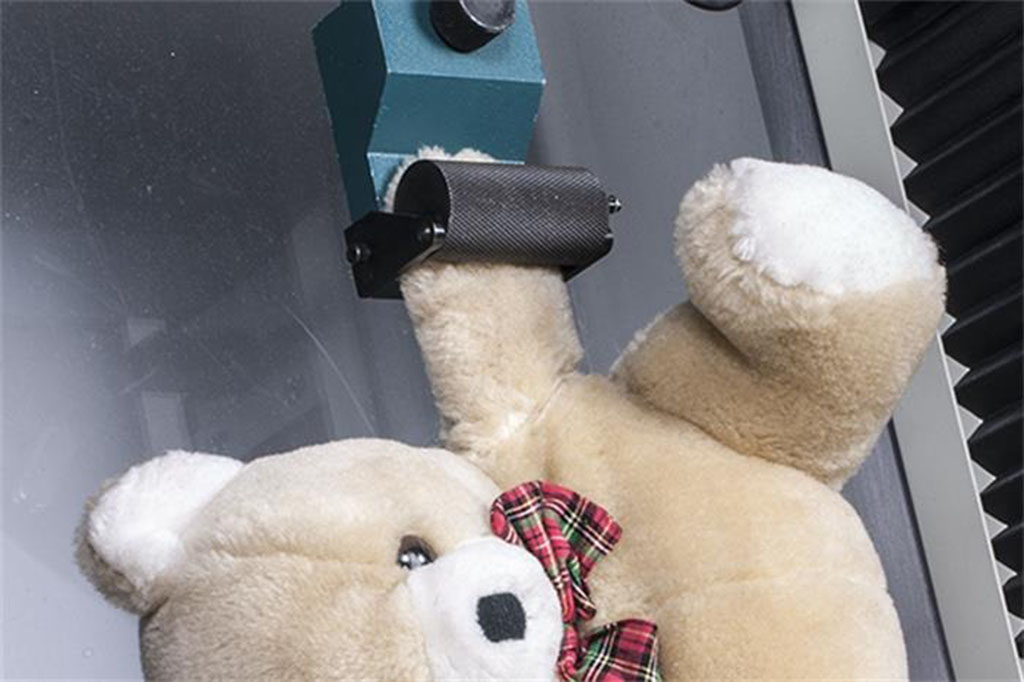
| Durability | Pilling/abrasion, seam strength | Real-life lifespan | Anti-pill grade; seam pull targets (N) |
| Safety/Compliance | EN 71 / ASTM F963 / CPSIA | Market access + brand trust | Third-party test reports per color/lot |
| Care truth | Washability vs. label | Returns prevention | Bag-wash validation photos; post-wash check |
| Supply resilience | Shade stability, backup mills | Lead time + price stability | Approved vendor list; lot mapping |
Which fabrics deliver optimal softness, durability, and seam strength?
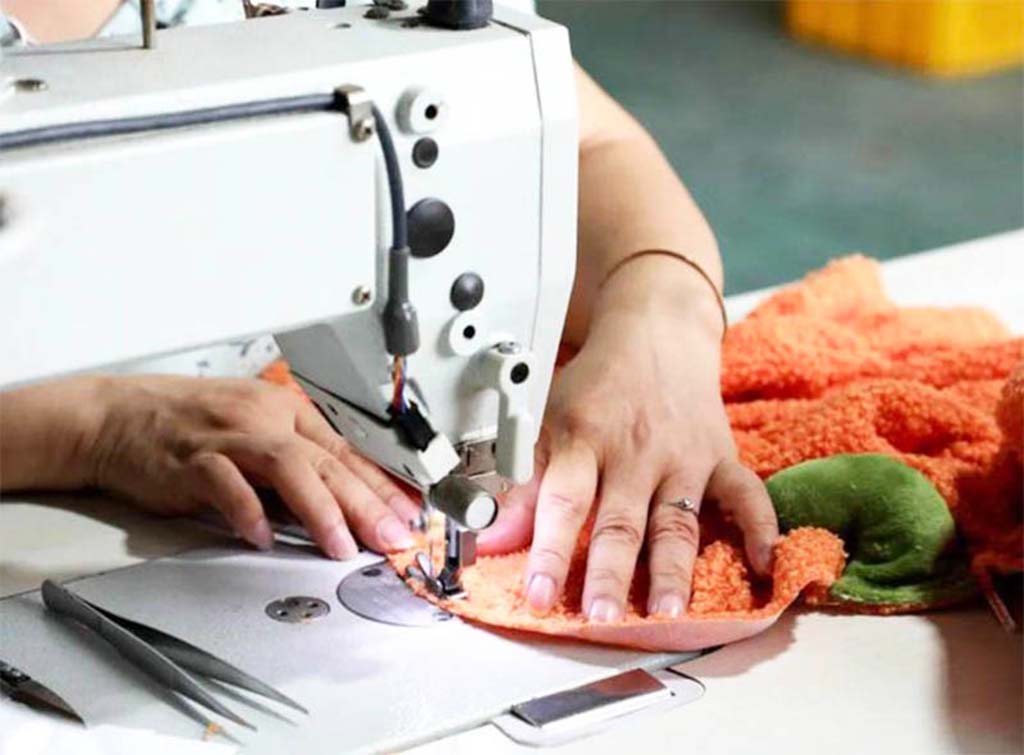
For shell fabrics, three options win most projects: minky for buttery softness, velboa/short plush for crisp faces and strong seams, and anti-pill microfleece for easy sewing and tidy care. Many top plush lines mix them: velboa face + minky body is a proven, premium combo.
Table 2 — Fabric short list (softness × durability × seam control)
| Fabric | Typical Spec | What It Does Best | Why We Choose It | Watch-Outs & Fixes |
|---|---|---|---|---|
| Minky | 3–5 mm pile, 260–360 gsm | Cloud-soft bodies; rich shadows in photos | Premium hand-feel; high perceived value | Use 0.5–0.7 cm seam allowance on curves; align nap arrows |
| Velboa / Short Plush | 1.5–2.5 mm pile, 220–280 gsm, tight tricot backing | Camera-clean faces; precise small parts | Crisp embroidery; low lint; quick dry | Add thin batting behind face to hide fill texture |
| Anti-pill Microfleece | 180–260 gsm | Lightweight bodies; warm, matte look | Non-fray; easy training for operators | Choose anti-pill grade (≥ target); test darkest color |
| Faux Fur / Sherpa (accents) | 6–25+ mm pile | Manes, trims, winter capsules | High visual impact | Trim seam bulk; brush after sew; surface clean if needed |
| Microfiber Suede (accents) | 180–260 gsm | Matte “skin-like” patches | Ultra-clean on camera | Round corners; avoid acute angles |
Factory notes:
- Faces: velboa + thin batting for smooth embroidery.
- Bodies: minky for premium hug; microfleece when you need lighter cost and easy care.
- Curves: widen seam allowance and trim bulk to keep contours smooth.
How do fillings affect hand-feel, resilience, and shape retention?
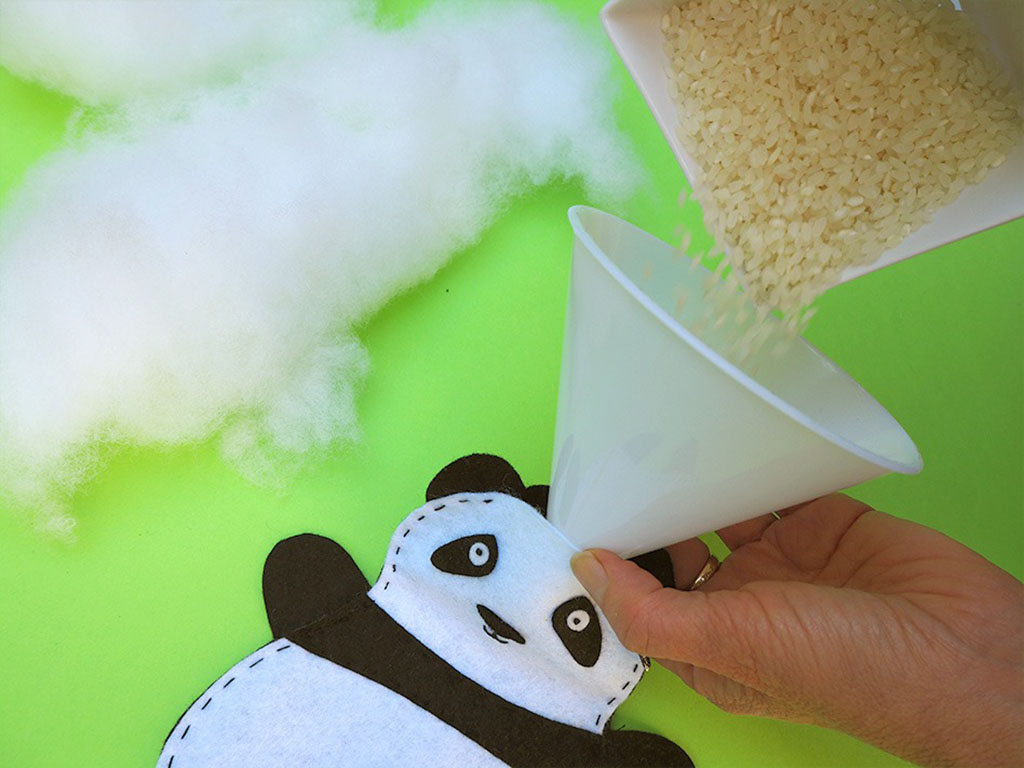
Fill turns fabric into feeling. Polyester fiberfill (PP cotton) is the standard for children’s plush: springy, clean, and washable. Microfiber fill gives a silkier, denser hand for premium SKUs. Add sheet batting under the face panel to avoid lumps and “stitch sink.” For posture or calm weight, use sealed, segmented bead liners (glass/ceramic) tacked to seams—never loose granules.
Table 3 — Filling options and how they shape the experience
| Filling | Feel & Rebound | Best Use | Key Controls | What to Avoid |
|---|---|---|---|---|
| Polyester fiberfill (PP) | Springy, light; good recovery | Most children’s plush | Denier/crimp/staple spec; density map (grams/zone) | Big clumps; uneven stuffing |
| Microfiber fill | Silky, uniform; excellent contour | Premium cuddle zones | Validate lint/odor; don’t over-pack | Over-stuffing the face |
| Sheet batting (poly) | Smooths surfaces | Behind face/appliqués | Thin layer only; test after wash | Replacing proper stuffing with batting |
| Bead liners (glass/ceramic) | Gentle weight; grounded feel | Teen/adult comfort, sit-stability | Sealed, segmented liner + seam reinforcement | Loose beads; no liner tacks |
| Natural fills (cotton/wool/kapok) | Natural story; variable rebound | Adult décor gifts | Dry storage; clear care | Child SKUs without strict care plan |
Tip: Lock a density map (lighter cheeks/head, slightly heavier belly/base) so every batch keeps the same silhouette.
What trims and accessories meet safety, washability, and compliance requirements?
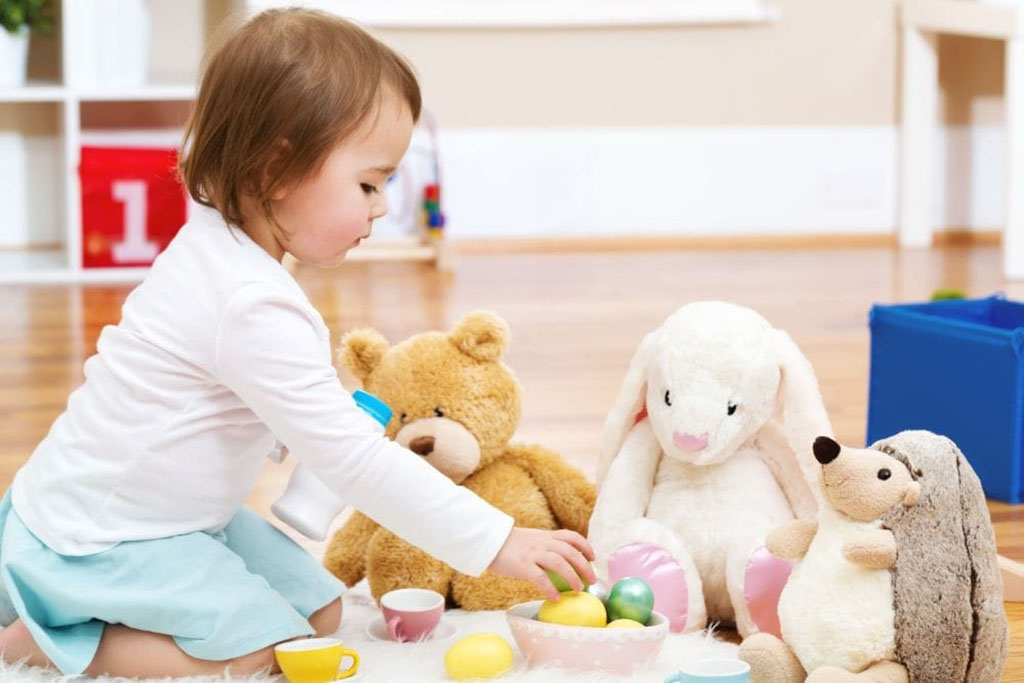
Trims must pass small-parts and wash rules. The safest baseline is embroidered features (eyes, nose, mouth). If hard trims are required (older age grades), test torque/tension, stitch anchors into structure, and keep edges smooth. Labels should be soft and securely stitched. Zippers, snaps, or accessories must match the age grading and market.
Table 4 — Trim selection and compliance guardrails
| Trim/Feature | Safe Default | When to Use Hard Parts | Tests/Controls | Care Reality |
|---|---|---|---|---|
| Eyes/nose/mouth | Embroidery on velboa face | Older age grades only | Small parts; torque/tension | Bag-wash 30 °C, air-dry |
| Clothing | Sewn-on for 0–3 yrs | Removable for 4+ yrs | Seam strength; trim pull | Validate pre-wash/post-wash fit |
| Zippers/snaps | Avoid for 0–3 yrs | 4+ yrs with testing | Pull/torque; nick-free edges | Surface clean or gentle wash |
| Labels | Woven/satin, soft corners | — | Secure stitch; tracking info | Match CPSIA/market rules |
| Weighted option | Sealed bead liner | Teen/adult comfort | Leakage/drop; seam pull | Clear finished weight & age note |
How do eco-certified and recycled materials perform in production?
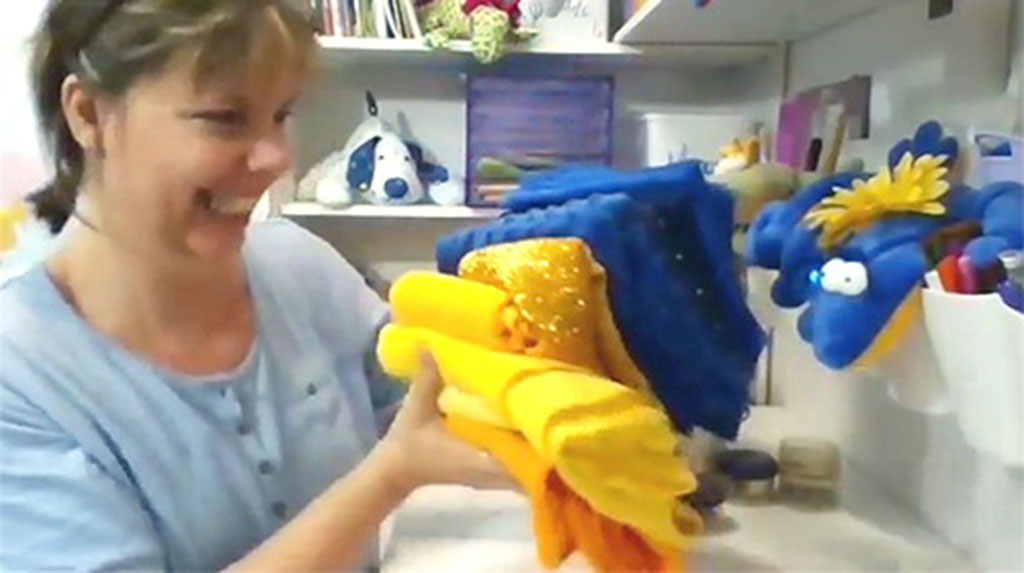
The most scalable eco path today is rPET (recycled polyester) for velboa, minky, and fiberfill. With the right mill, rPET can match virgin softness and rebound. We keep GRS certificates, map roll/lot IDs, and validate odor/VOC and post-wash recovery before switching a full line. For color stability and reduced water use, consider dope-dyed (solution-dyed) polyester for core darks (black/grey/navy). Natural-fiber outfits (organic/BCI cotton) are great accents if shrink/pill are controlled.
Table 5 — Eco options that actually work
| Material | Where It Fits | Proof Required | Production Tip |
|---|---|---|---|
| rPET velboa/minky | Shell fabrics | GRS + wash validation + odor/VOC panel | Start with a tight palette; align nap arrows |
| rPET fiberfill/batting | Fill & face smoothing | GRS + rebound vs. virgin | Pilot grams/zone to match hand-feel |
| Dope-dyed polyester | Core dark colors | Supplier declaration + fastness | Excellent for brand basics |
| Organic/BCI cotton (outfits) | Clothing & trims | Fiber cert + pre-shrink | Bio-wash; set stitch density |
Which material choices align with age grading and target markets?
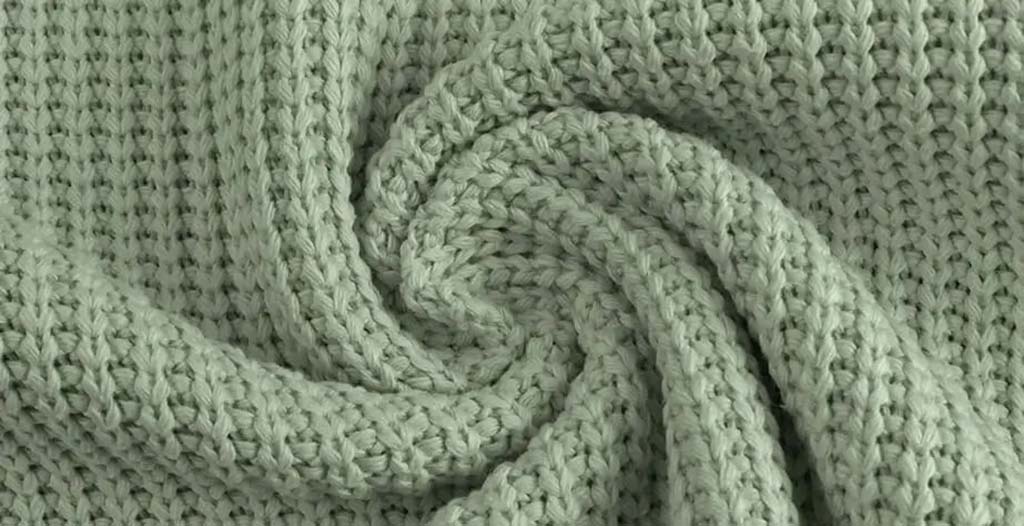
Age grading sets risk tolerance and care expectations; target markets set aesthetic and price. For babies, choose short pile faces and embroidered features. For kids, use durable minky/microfleece bodies. For teens/adults, allow texture play (faux fur, suede accents) and optional weight—with clear labels. Corporate/gifting favors neutral palettes and logo embroidery on bears.
Table 6 — Material map by age and market
| Segment | Face | Body | Fill | Trims | Care |
|---|---|---|---|---|---|
| 0–3 yrs | Velboa 1.5–2 mm + thin batting | Minky 3 mm or anti-pill microfleece | PP fiberfill (clean, low-odor) | Embroidery only; sewn-on outfits | Bag-wash 30 °C, air-dry |
| 4–8 yrs | Short plush 2 mm | Minky 3–4 mm / microfleece | PP or microfiber (zones mapped) | Removable simple outfits; no sharp parts | Washable; reinforce stress arcs |
| 9–14 yrs | Matte short plush/suede accents | Minky 4–5 mm + selective faux fur | Microfiber (premium hand) | Fashion trims (tested) | Mixed wash/surface per test |
| Adult décor/comfort | Short plush or microfiber suede | Minky/faux fur/sherpa accents | PP or microfiber + optional weight | Minimal trims; premium packaging | Often surface clean |
| Corporate/gift | Velboa face for logo clarity | Minky 3–4 mm | PP fiberfill | Logo embroidery; ribbon | Bag-wash or surface, per build |
Conclusion
The best materials for plush toys form a system: velboa (or short plush) for clean faces, minky for emotion and cuddle, microfleece for efficiency, and PP/microfiber fills tuned by a density map. Add embroidered features, honest care labels, and optional rPET for a credible eco story—and your plush will be soft in hand, strong in audits, and consistent from sample to container.
At Kinwin, we design that system end-to-end—fabric maps, filling specs, sealed liners, wash validation, and full compliance packs—so your toys arrive photo-ready, cuddle-ready, and audit-ready in every market.
Contact: [email protected] | kinwintoys.com