When collectors hold a Labubu—that mischievous little creature created by artist Kasing Lung—they often focus on its expression or limited-edition drop. But beneath the charm lies a question every serious buyer eventually asks: What exactly is Labubu made of?
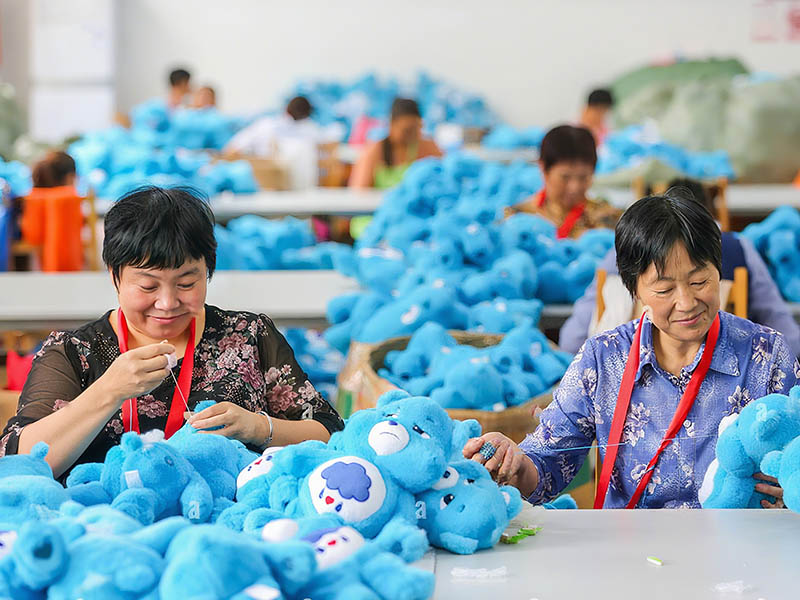
I’m Amanda from Kinwin, a plush toy manufacturer in China. While Kinwin mainly produces high-end plush dolls, we often collaborate with brands and designers who also create vinyl and resin art toys like Labubu. In this guide, I’ll break down the real materials that define both the hard collectible versions and the soft plush versions, explain how paints, fabrics, and coatings influence durability and safety, and share practical tips to identify authentic materials versus counterfeits.
What core materials are Labubu figures and plush made from?
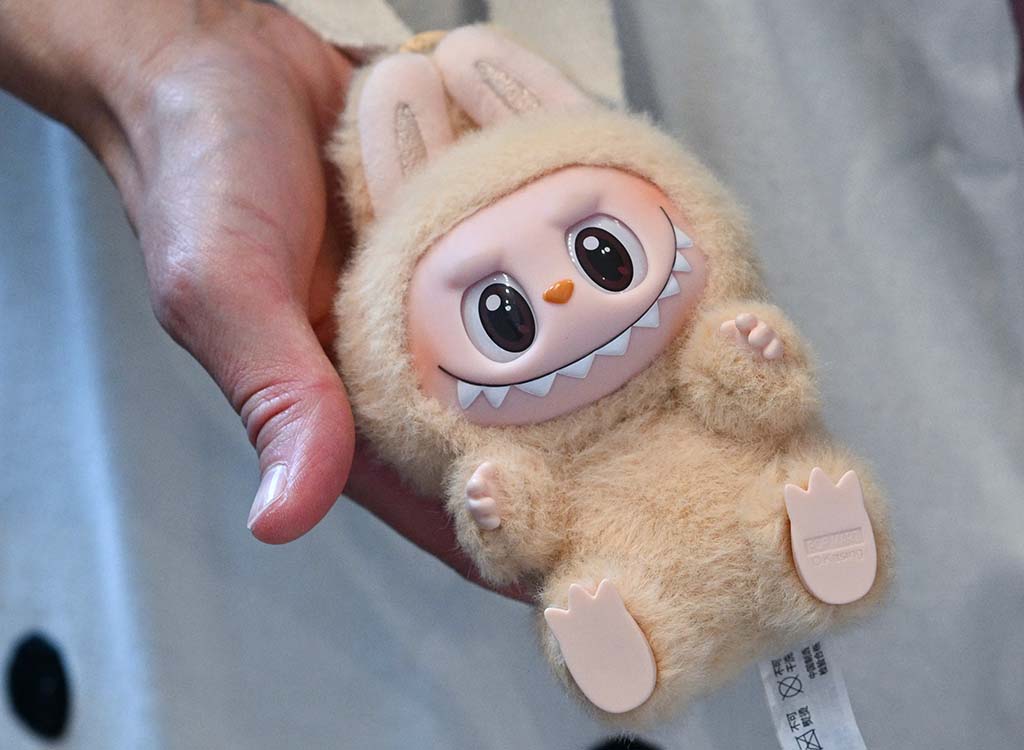
Labubu exists in two main forms: hard art figures and soft plush dolls. Each form uses different materials and manufacturing techniques, but both share one goal — capturing Labubu’s unique, expressive personality.
1. Hard Labubu figures (art toys)
- Made mainly from vinyl (PVC or soft vinyl) or resin (polyresin).
- Some limited editions use ABS for harder parts like accessories.
- Hand-painted or pad-printed details bring out facial features.
2. Plush Labubu dolls
- Made from plush fabrics (such as minky, short plush, or velboa).
- Stuffed with polyester fiberfill (PP cotton) or mixed fillings.
- Embroidered or heat-transferred eyes and faces for detail.
3. Packaging and accessories
- Collector boxes often use PET or PVC windows, printed cardboard, and custom inserts to protect surface coating.
Material comparison – Hard vs Plush Labubu
| Type of Labubu | Main body material | Key visual feature | Touch & handling | Common target user |
|---|---|---|---|---|
| Vinyl figure | PVC or soft vinyl | Matte or semi-gloss paint | Firm, cool feel | Adult collectors |
| Resin figure | Polyresin | Hand-painted texture | Heavy, fragile | Display collectors |
| Plush doll | Minky / short plush | Embroidered or printed face | Soft, huggable | General consumers / fans |
Collectors often display hard Labubus on shelves, while plush versions are meant for cuddling or gifting. Both are limited, but their material purpose is totally different: art versus emotion.
How do vinyl and resin define Labubu art toy versions?
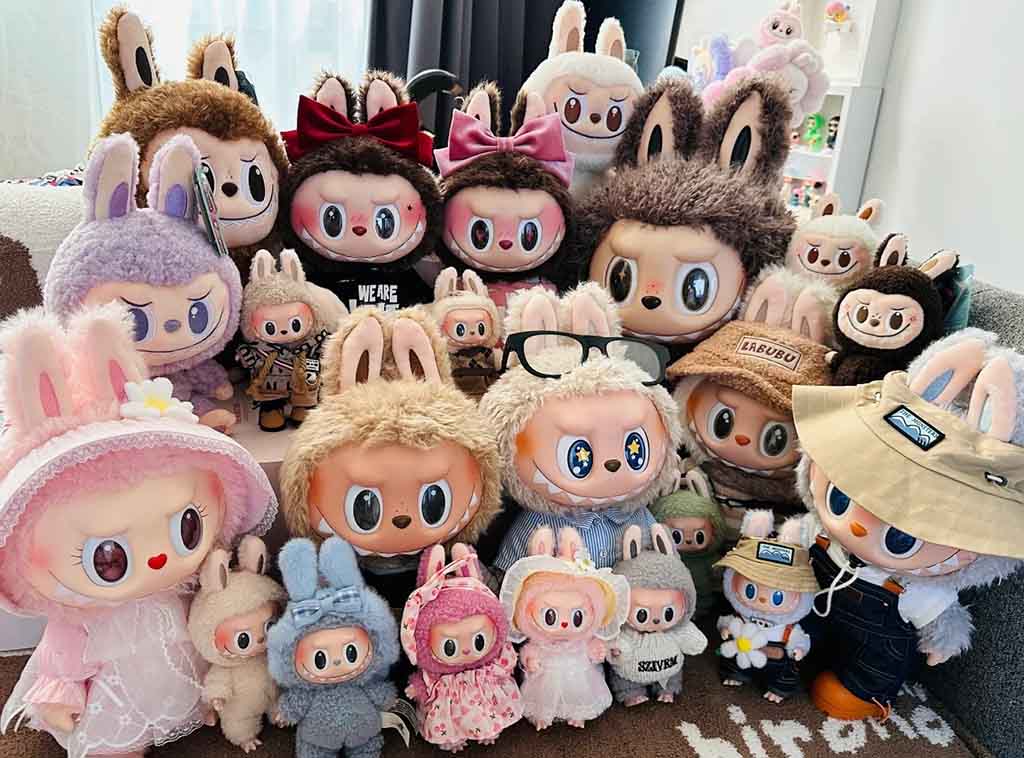
For art toy enthusiasts, the hard-body Labubu figures from How2Work, Pop Mart, or Kasing Lung’s collaborations are the foundation of modern designer toy culture. Their materials—vinyl and resin—define how each figure looks, feels, and lasts.
Vinyl (PVC / soft vinyl)
- Most mass-produced Labubus are made from PVC (polyvinyl chloride) or soft vinyl (sofubi).
- This material is light, flexible, and durable, ideal for molding fine details like Labubu’s pointy ears and mischievous grin.
- Surface finishing can be matte, glossy, or pearl, depending on paint and coating.
Pros:
- Lightweight, safe to handle.
- Stable under normal room temperature.
- Resistant to cracking and impact.
Cons:
- May yellow slightly under UV light over years.
- Requires controlled paint curing to avoid sticky surfaces.
Resin (polyresin)
- Some limited or artist-edition Labubus are cast in resin.
- Resin allows higher surface detail and complex paint effects, but is more brittle than vinyl.
- Used for display pieces, not toys for handling.
Pros:
- Rich paint texture and color depth.
- Premium “handcrafted” impression.
Cons:
- Fragile—can chip or break on fall.
- Heavier; needs proper packaging for shipping.
Vinyl vs Resin Labubu comparison
| Property | Vinyl (PVC / soft vinyl) | Resin (polyresin) |
|---|---|---|
| Production method | Injection molding or rotocasting | Hand casting and curing |
| Weight | Light | Heavy |
| Surface finish | Smooth, factory paint or pad print | Matte, hand-painted or airbrushed |
| Durability | Flexible, durable | Brittle, decorative |
| Price level | Moderate | High (limited runs) |
| Feel & sound | Hollow, slightly flexible | Solid, “ceramic-like” tap sound |
If you’re buying a “Labubu figure,” always check the product listing: vinyl = collectible toy, resin = art statue. Handling and care should match the material.
What fabrics and fillings are used in Labubu plush dolls?
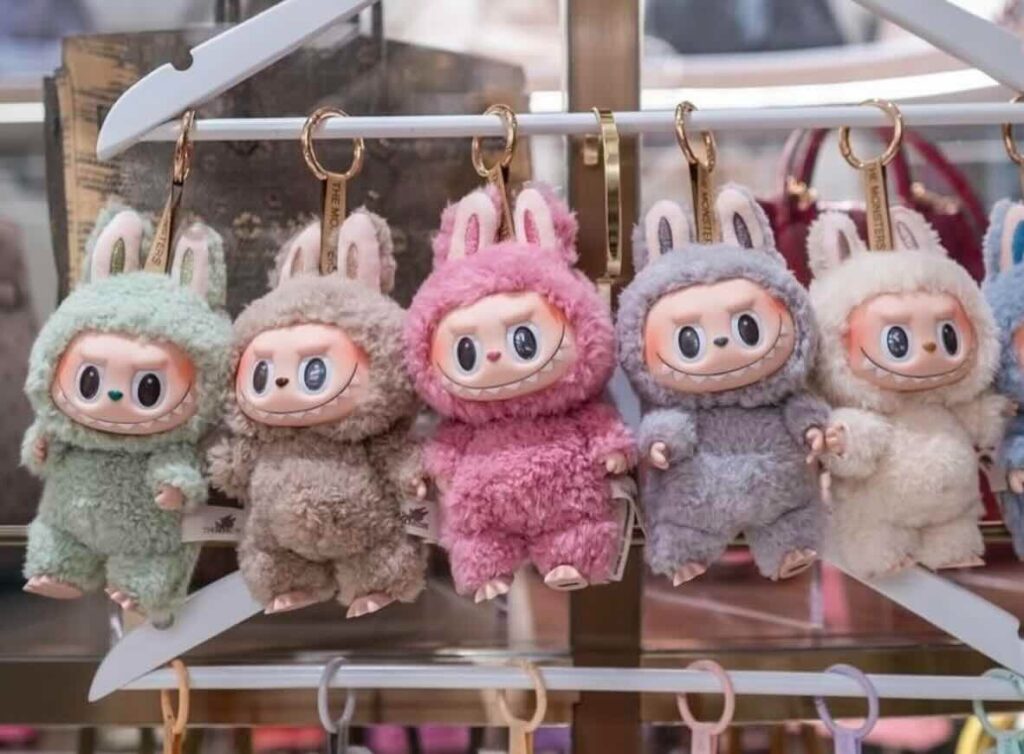
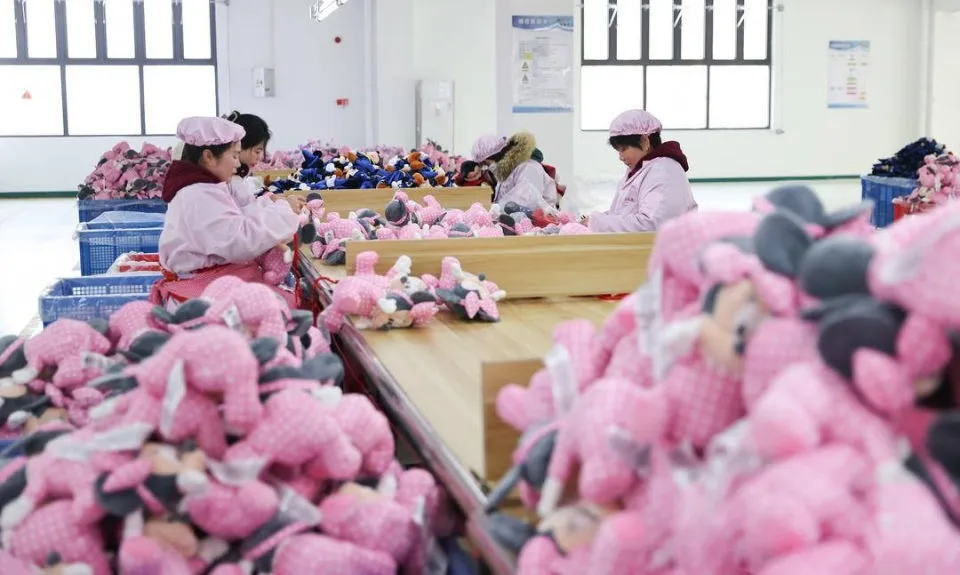
Labubu plush dolls bring softness and warmth to the brand’s eerie-cute world. Instead of resin or vinyl, these dolls rely on high-grade plush fabrics and stuffing materials.
Fabric types
- Minky: ultra-soft and smooth, commonly used for Labubu’s main body.
- Short plush (2–4 mm pile): adds volume and softness while keeping fine detail.
- Velboa: low-pile fabric for ears, faces, or accent parts needing stability.
These fabrics are usually polyester-based for durability, easy washing, and colorfastness.
Stuffing materials
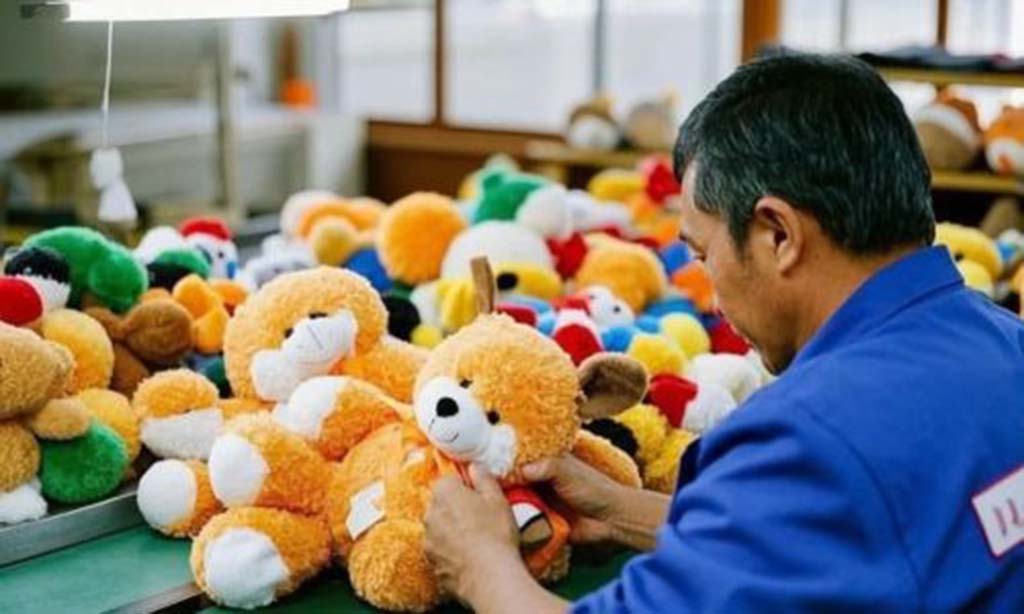
- Polyester fiberfill (PP cotton): standard filling that provides fluff and shape retention.
- Weighted beads (optional): used in larger Labubu plush to stabilize posture.
- Foam or sponges: sometimes added in ears or limbs for structure.
Facial detailing
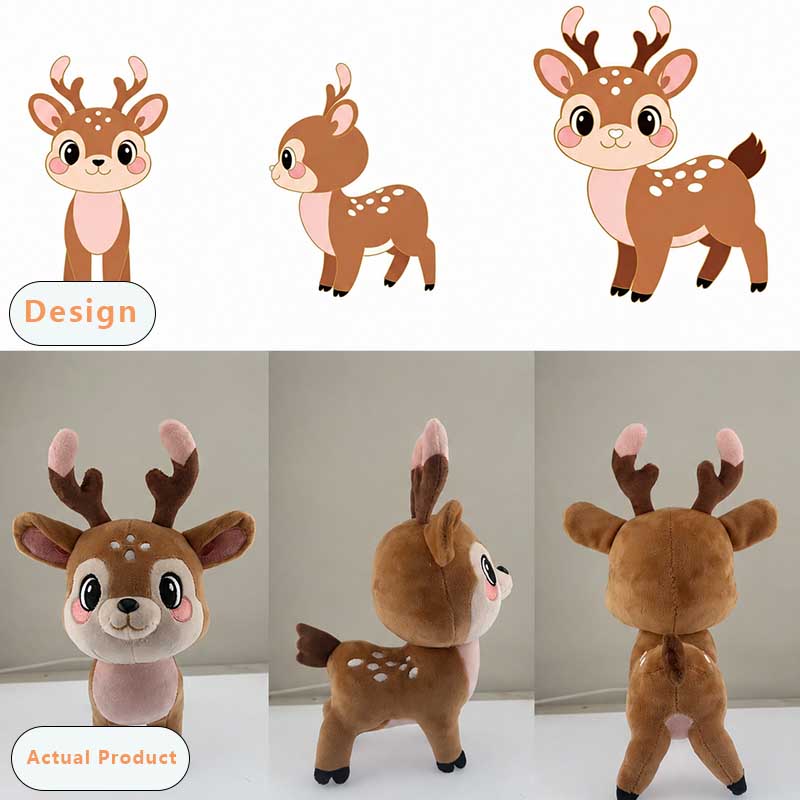
- Embroidery: preferred for safety and precision.
- Heat-transfer prints: used for gradients and small icons.
- Plastic eyes: rare; only in collector plush, not for children.
Labubu plush material summary
| Plush component | Common material used | Function and effect |
|---|---|---|
| Outer fabric | Minky or short plush (polyester) | Soft touch and surface shine |
| Accent fabric | Velboa or fleece | Shape control, contrast texture |
| Filling | PP cotton (polyester fiberfill) | Bounce and durability |
| Details | Embroidery / heat print | Safe and expressive facial detailing |
| Inner lining | Knitted fabric or cotton base | Keeps shape and stuffing even |
When made correctly, a Labubu plush keeps its shape for years, with soft, low-lint fabrics that pass global toy safety tests (CE, ASTM F963, CPSIA).
How do paints, coatings, and prints affect Labubu durability?
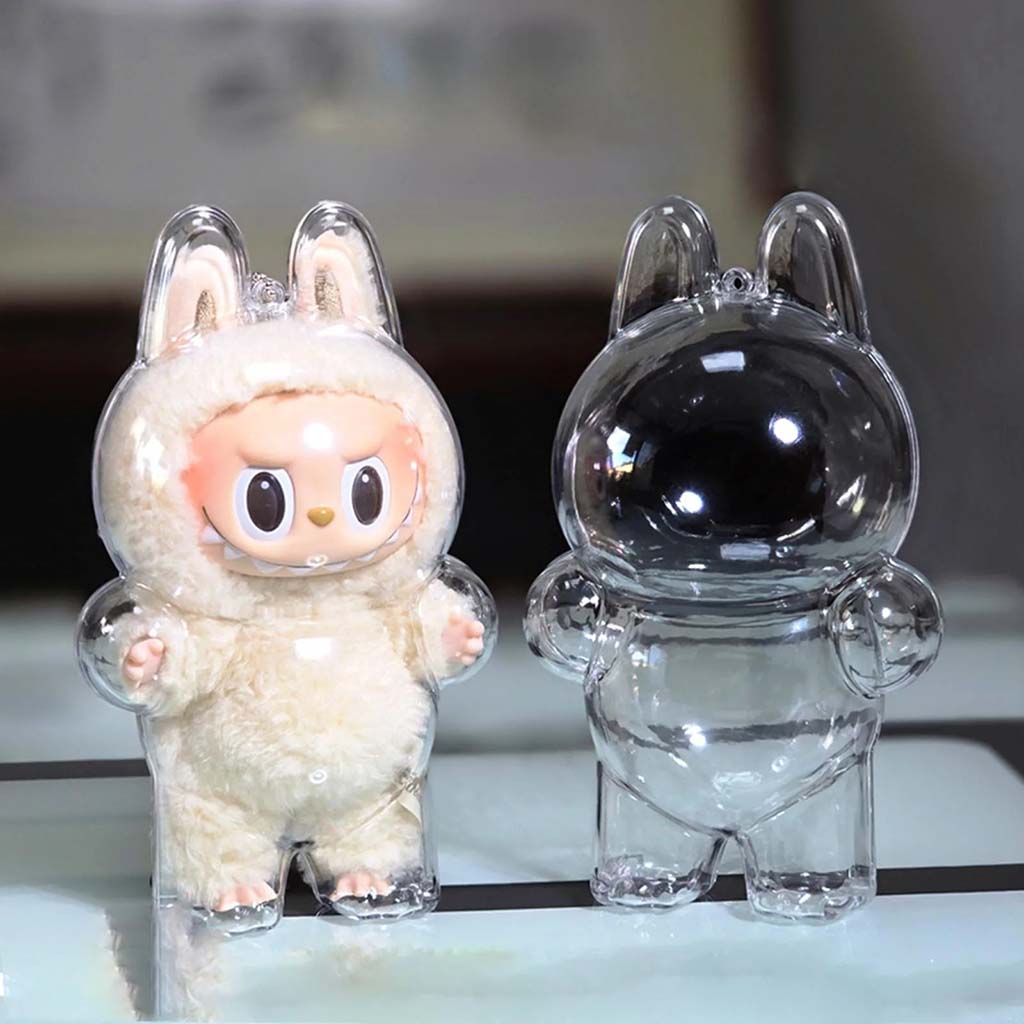
Paint and surface finishing define the life span and value of any Labubu—hard or plush.
For vinyl and resin Labubu
- Paint types: Acrylic-based and solvent-based paints, cured under controlled heat.
- Coatings: Matte, semi-gloss, or pearl finishes sealed with a protective layer.
- Risk: Poor curing or humidity can cause stickiness or fading over time.
For plush Labubu
- Printed fabrics: Heat-transfer or sublimation printing used for patterns or gradient effects.
- Embroidery: Keeps details permanent; unaffected by washing.
- Finishing: Anti-static and anti-pilling treatments extend softness.
To keep Labubu in good condition:
- Avoid strong sunlight or extreme humidity.
- Clean vinyl/resin versions with a dry, soft cloth.
- Hand-wash plush versions gently with mild detergent and air dry.
Paint and print durability comparison
| Type of Labubu | Decoration method | Common issue if poorly made | Maintenance tip |
|---|---|---|---|
| Vinyl figure | Acrylic/solvent paint, coating | Sticky surface, fading, yellowing | Avoid heat and direct sun |
| Resin figure | Hand-paint with matte varnish | Chips, scratches, color dulling | Keep in display case |
| Plush doll | Embroidery or sublimation print | Fading under hot wash or bleach | Hand wash cold, air dry |
Properly made Labubu products from official studios use certified paints and coatings that pass toy or collectible safety checks.
What safety and compliance standards apply to Labubu materials?
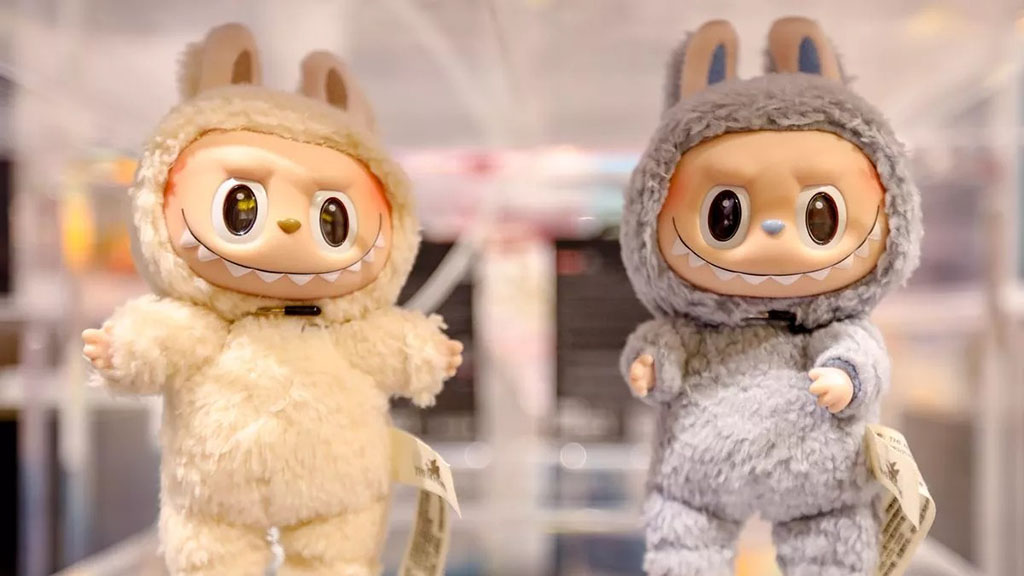
While adult collectors may treat Labubu as an art object, plush versions and crossover products still follow international safety norms—especially when sold through mainstream retailers.
Common standards applied:
| Region / Standard | What it covers | Material implications |
|---|---|---|
| CE (EN71) – Europe | Mechanical, flammability, chemical safety | Non-toxic dyes, secure seams, safe fillings |
| ASTM F963 – USA | Physical safety, flammability, labeling | Safe paints, tear-resistant fabrics |
| CPSIA – USA | Lead and phthalate content limits | Certified paint and PVC, clean polyester fibers |
| REACH / RoHS – EU | Restricted chemical substances | Compliance for dyes, coatings, and softeners |
| GB 6675 – China | National toy safety standard | Internal QC for local and export plush |
For plush Labubu, the key is that fabrics and stuffing meet toy-grade requirements (low lint, non-toxic, safe dyes).
For vinyl or resin Labubu, official editions come from certified studios using compliant materials; unlicensed versions rarely meet these standards.
How can buyers identify authentic Labubu materials versus counterfeits?
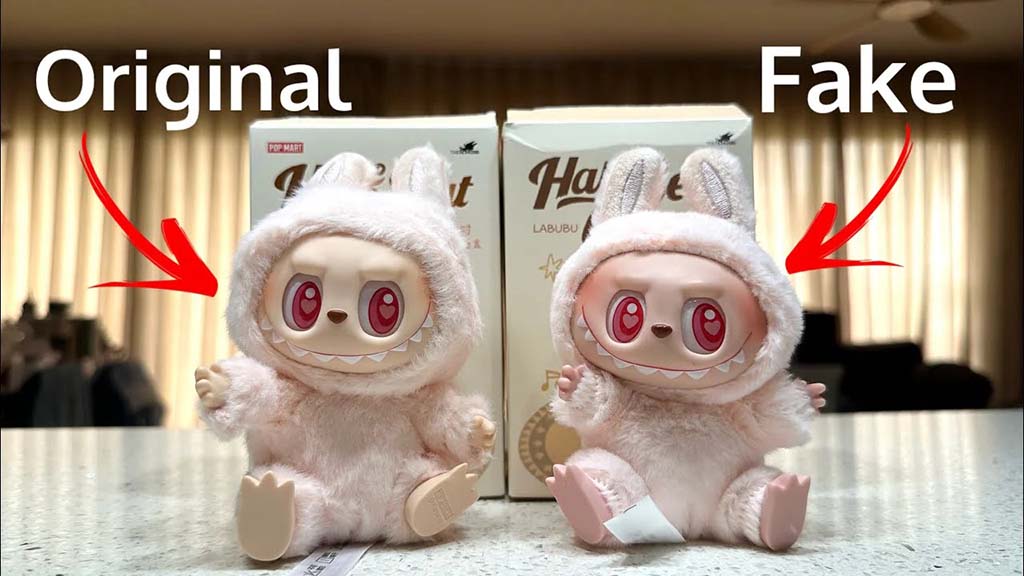
With Labubu’s popularity, counterfeit and bootleg figures have become common—especially online. Knowing the material differences can help you avoid fakes.
1. Surface and weight
- Real vinyl Labubu: smooth matte surface, light but sturdy.
- Fake: overly glossy, sticky, or chemical smell due to cheap PVC.
- Real resin Labubu: heavier and crisp details.
- Fake: dull surface, uneven paint, or air bubbles.
2. Paint precision
- Authentic: clean eyes, precise gradients, no glue marks.
- Fake: bleeding paint, uneven shading, rough seams.
3. Fabric feel (for plush)
- Genuine plush: soft, low lint, consistent texture.
- Fake plush: stiff, rough, sheds fibers easily.
4. Label and packaging
- Official packaging: trademarked logos, QR codes, edition numbers, and certificates.
- Counterfeits: missing or blurry print, poor font alignment, inconsistent sizing.
5. Price and source
- If the price is too good to be true, it usually is.
- Always buy from authorized channels like How2Work, Pop Mart, or official distributors.
Checklist – Spotting real vs fake Labubu
| Aspect | Authentic Labubu | Counterfeit imitation |
|---|---|---|
| Material quality | Stable vinyl, resin, or plush fabrics | Cheap PVC, brittle resin, rough plush |
| Paint finish | Clean lines, balanced matte or gloss | Sticky, patchy, or over-shiny coating |
| Packaging | Clear branding, series name, batch number | Missing details, faded print |
| Feel & smell | Neutral odor, solid yet clean touch | Strong plastic or chemical smell |
| Source | Official retailer, artist collab, Pop Mart | Unknown sellers or resale without proof |
Conclusion
Labubu’s charm lies in its mix of artistic design and material quality. From durable vinyl figures and detailed resin statues to soft, expressive plush dolls, each version of Labubu uses specific materials chosen to balance art, safety, and feel.
If you are sourcing or collecting, understanding what Labubu is made of helps you choose confidently—whether your focus is on collector value, production reliability, or emotional appeal.
At Kinwin, we specialize in plush toy manufacturing that meets CE, ASTM, and CPSIA standards. We help global buyers turn designs—like Labubu’s expressive world—into safe, soft, high-quality plush collectibles. You can reach me at [email protected] or visit kinwintoys.com to discuss your next plush or art-toy collaboration.