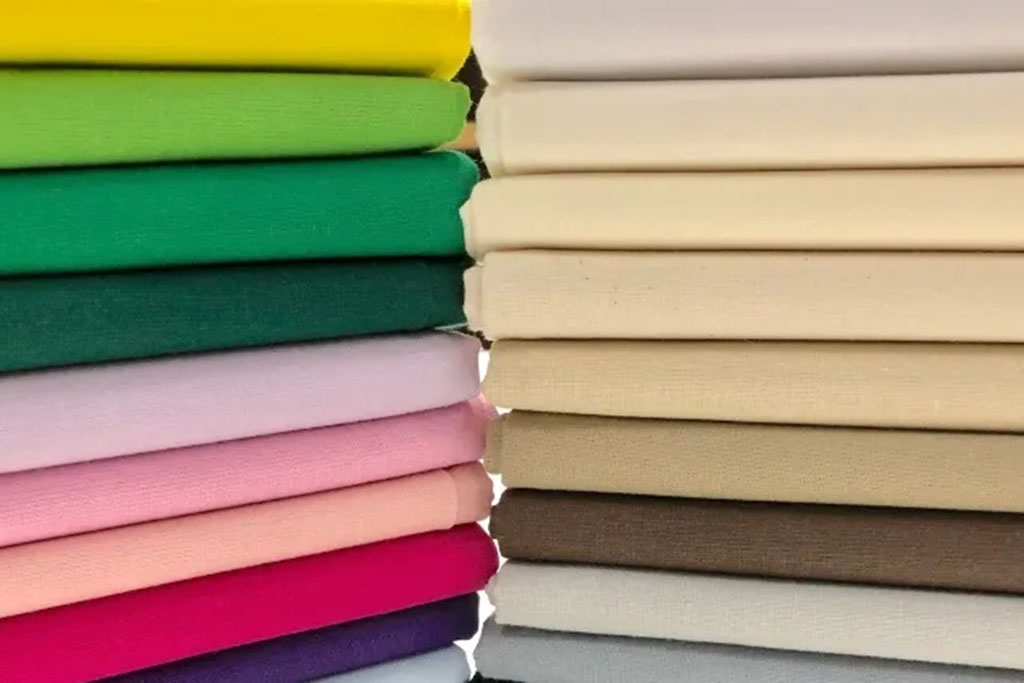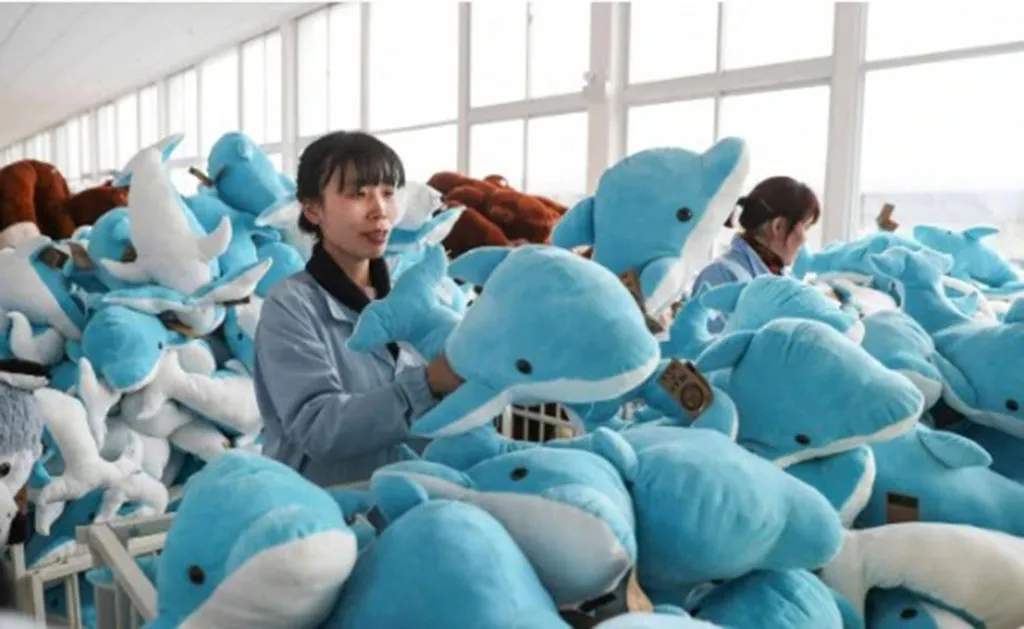
Soft toys feel “right” when the filling matches the design. The right stuffing gives a soft hug, a stable shape, and safe performance after many squeezes and washes. In this guide, I explain core stuffing types, how they compare, what safety rules apply, how density changes shape and life, and how to choose for each toy style and market.
Use the checklists and tables to brief suppliers, speed sampling, and reduce surprises in bulk.
What are the main types of stuffing materials used in soft toys?
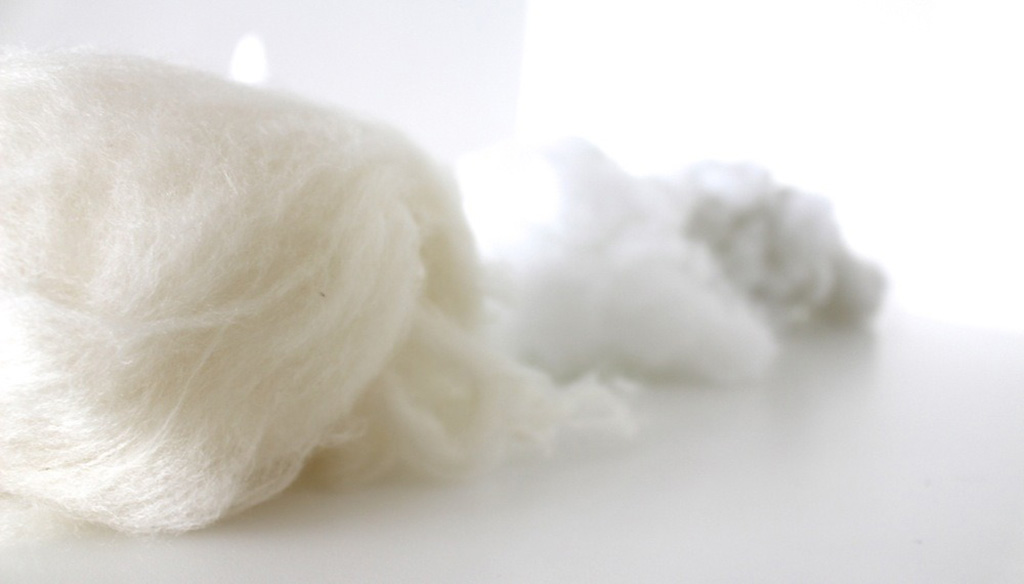
The most common fillings in plush manufacturing are PP cotton (polyester fiberfill), pearl cotton (denser polyester pellets/balls/coils), foam particles (EPE/EVA/PU crumbs, or EPS/EPP microbeads inside liners), and microfiber staple. You also see polyester batting sheets for smoothing faces, memory-foam crumbs for dense cushions, and natural fibers like wool in specialty lines. Each creates a different handfeel, weight, and resilience.
Quick overview you can act on
- PP cotton for soft, airy hugs and easy washing.
- Pearl cotton where shape must hold.
- Foam particles for spring and volume with less weight.
- Microfiber staple for silky, premium softness.
- Batting sheets to prevent lumps at faces and thin panels.
- Microbeads for weight balance (always in liners).
- Wool or recycled blends for brand stories with eco angles.
Table 1 — Core stuffing types at a glance
| Stuffing | Feel | Resilience | Washability | Typical Use | Cost | Notes |
|---|---|---|---|---|---|---|
| PP cotton (poly fiberfill) | Very soft, airy | Medium–High | Easy (gentle machine) | Most plush bodies/heads | Low | Hypoallergenic, light |
| Pearl cotton (poly pellets/balls) | Medium-firm, springy | High | Easy | Parts needing shape | Low–Mid | Fuller silhouette |
| Foam particles (EPE/EVA/PU crumbs) | Soft-springy | Medium | Varies by foam | Cushions, bases | Mid | Use inner pouch for control |
| EPS/EPP microbeads | Flowing, weighted | N/A | Hand wash preferred | Weighted zones | Mid | Always in sewn liner |
| Microfiber staple (fine denier) | Silky-soft | Medium | Easy | Premium bodies | Mid–High | Smooth handfeel |
| Polyester batting sheets | Smooth surface | Medium | Easy | Faces, limbs | Low | Lumps prevention layer |
| Wool roving/natural fiber | Warm-soft | Medium | Hand wash | Premium niche | Mid | Natural story, test mothproof |
How do PP cotton, pearl cotton, foam particles, and microfiber compare in texture and resilience?
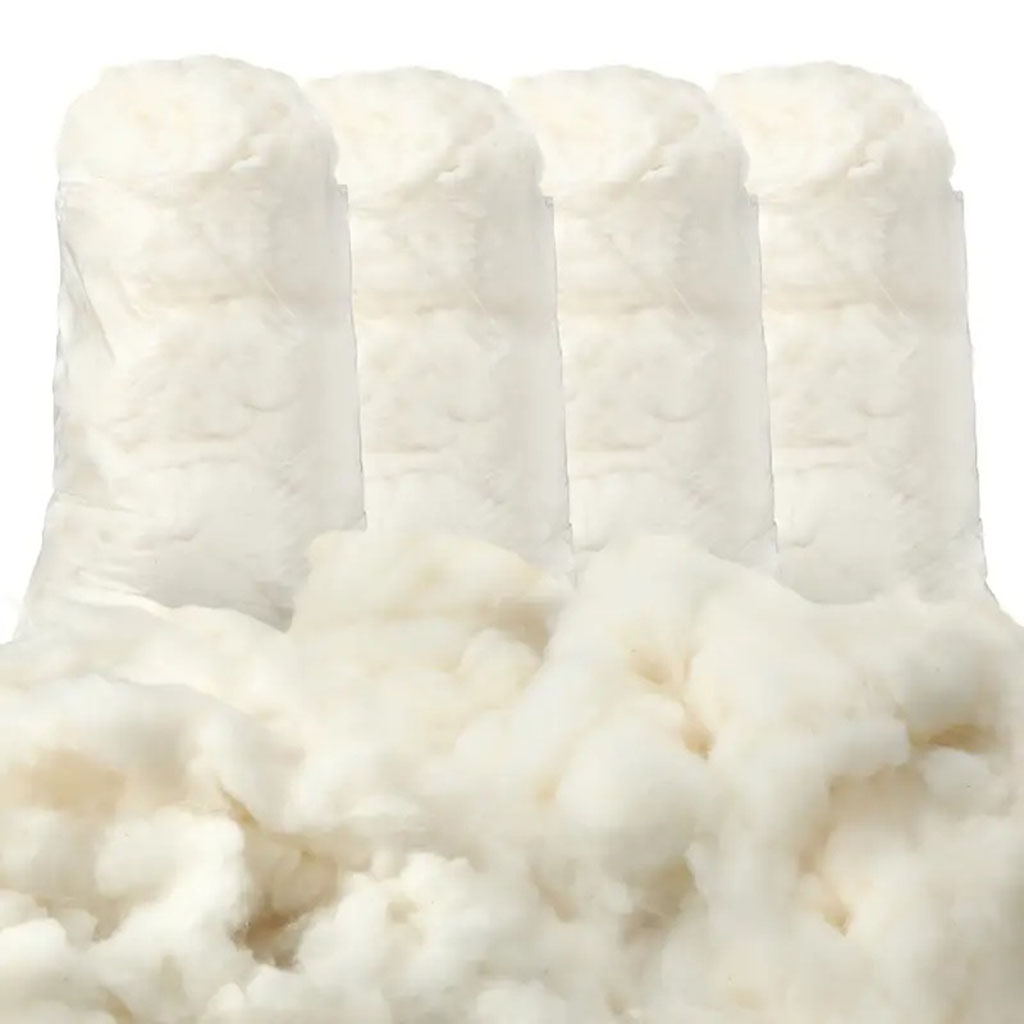
Each core filling has a signature handfeel and recovery profile. The choice affects hugs, silhouettes, and returns. Buyers often blend them to reach the right balance.
Field notes from sampling
- PP cotton gives the “classic plush hug.” It breathes and rebounds well.
- Pearl cotton builds crisp shapes and sits upright better.
- Foam particles feel buoyant and can reduce overall weight.
- Microfiber staple gives a silky, premium hand with fewer sharp fibers.
Table 2 — Texture & resilience comparison (the four most used)
| Attribute | PP Cotton | Pearl Cotton | Foam Particles | Microfiber Staple |
|---|---|---|---|---|
| Touch | Soft, airy | Medium-firm | Soft-springy | Silky, smooth |
| Shape Hold | Medium | High | Medium | Medium |
| Rebound Speed | Fast | Fast | Medium | Medium |
| Weight Feel | Light | Light–Mid | Light | Light |
| Lumping Risk | Low (if layered) | Very low | Medium (pouches help) | Low |
| Best Roles | General bodies/heads | Core/support zones | Cushions/bases | Premium bodies |
| Cost Position | Low | Low–Mid | Mid | Mid–High |
How to blend for better results
- Soft body + crisp outline: PP cotton outer + pearl cotton core.
- Stable sitter: PP cotton + bead/foam pouch in the base.
- Premium hand: Microfiber staple outer + thin pearl core for shape.
- Smooth face: Add a thin batting sheet below the face fabric.
What safety and hygiene standards apply to plush toy fillings?
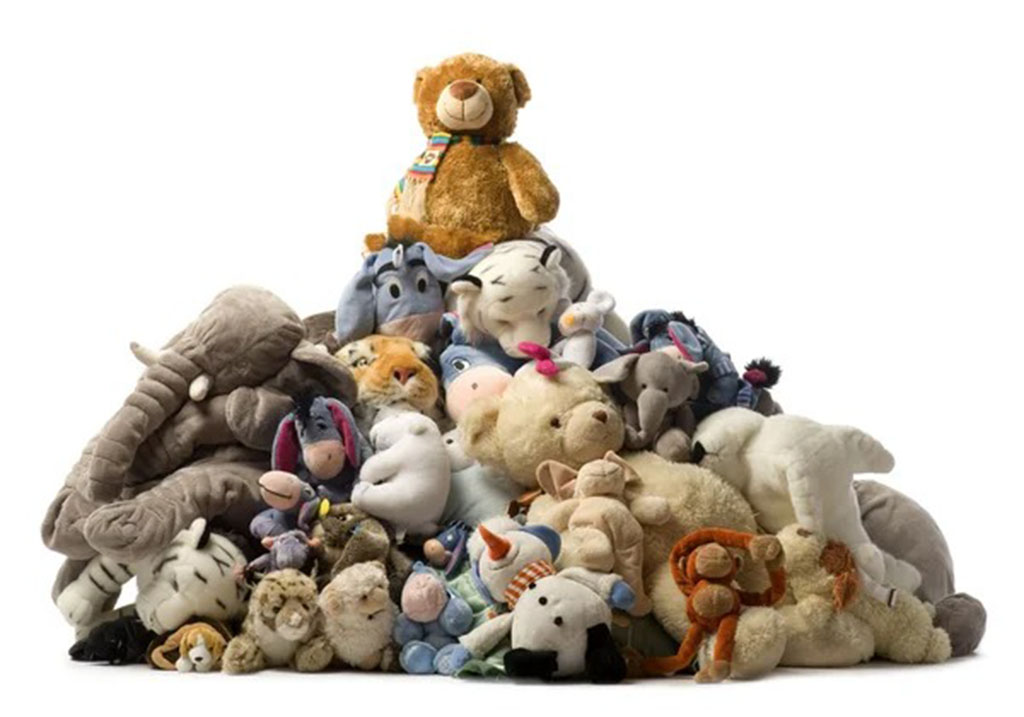
Fillings must support age-appropriate safety and regional compliance. In most markets, the whole toy is tested. Still, choosing clean, traceable filling reduces risk and speeds approvals.
Key frameworks:
- EN 71 (EU): mechanical/physical (Part 1), flammability (Part 2), chemical migration (Part 3).
- ASTM F963 (USA) + CPSIA: mechanical, flammability, heavy metals, phthalates.
- REACH (EU): substances of very high concern (SVHC) screening.
- GB/T (China), ST (Japan): local rules as required by destination.
Hygiene expectations:
- Fillings should be new, clean, and dry.
- Controlled lint/shed for baby-grade lines.
- Microbeads/foam crumbs must be inside sewn liners.
- Accurate care labels matched to real wash performance.
Table 3 — Compliance & hygiene checklist for fillings
| Checkpoint | What to Verify | Pass Criteria | Buyer Action |
|---|---|---|---|
| Material identity | Fiber type, origin | Matches spec, documented | Keep supplier COA per lot |
| Cleanliness | Dust, odor, moisture | Clean, neutral smell, dry | Random bag checks on receipt |
| Mechanical safety | Seam + liner integrity | No leaks at target force | Seam mockups at planned density |
| Chemical limits | EN71-3 / CPSIA scope | Within limits | Lab test on color/lot plan |
| Flammability | Per region | Pass required class | Confirm fabric + fill combo |
| Care label | Washing method | No clumping/bleed | Do wash tests before printing |
How does stuffing density affect shape, softness, and durability?
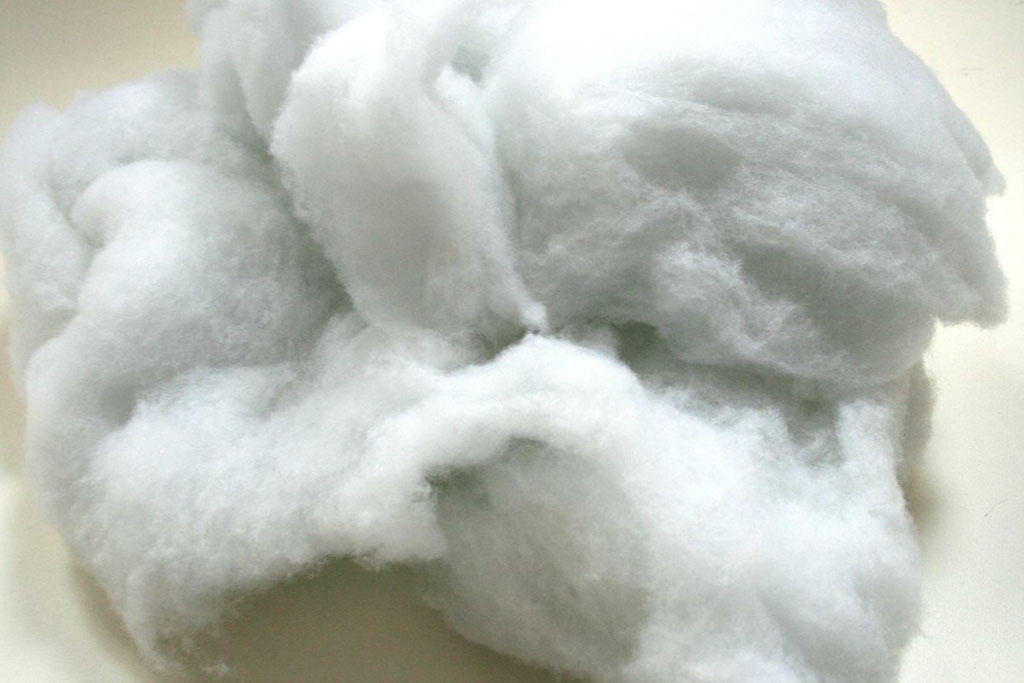
Density is your hidden design tool. It changes how a toy hugs, how it photographs, and how it survives play. Too little fill causes sag and seam wrinkles. Too much fill strains seams and feels hard. The sweet spot varies by size, fabric, and design intent.
Practical rules
- Layer, don’t cram. Add small tufts in steps; shape as you go.
- Sculpt with density. Denser at base for stability; lighter at cheeks for cuteness.
- Pin and test. Pin the opening and do a squeeze and balance test before final stitch.
Table 4 — Density vs. outcome matrix
| Goal | Body Density | Core/Support | Add-ons | Expected Result | Notes |
|---|---|---|---|---|---|
| Ultra-soft cuddle | Low–Medium | None | Batting under face | Cloudy hug, relaxed shape | Best for baby-soft feel |
| Everyday retail | Medium | Optional pearl core | Optional bead pouch | Balanced feel + neat silhouette | Good for 20–35 cm plush |
| Display/collectible | Medium–High | Pearl core | None | Crisp lines, sits upright | Watch seam stress |
| Weighted comfort | Medium | Lined beads low in torso | Batting near seams | Stable sitting/standing | Secure liner tacks |
Fast QC mini-tests
- Compression: Press 5 s, release, repeat ×3. Should rebound evenly.
- Seam pull: Gentle stretch across seam. No gapping or thread pops.
- Balance: Sit/stand on a flat table. No tipping.
Which eco-friendly or recycled fillings are emerging in the plush toy industry?
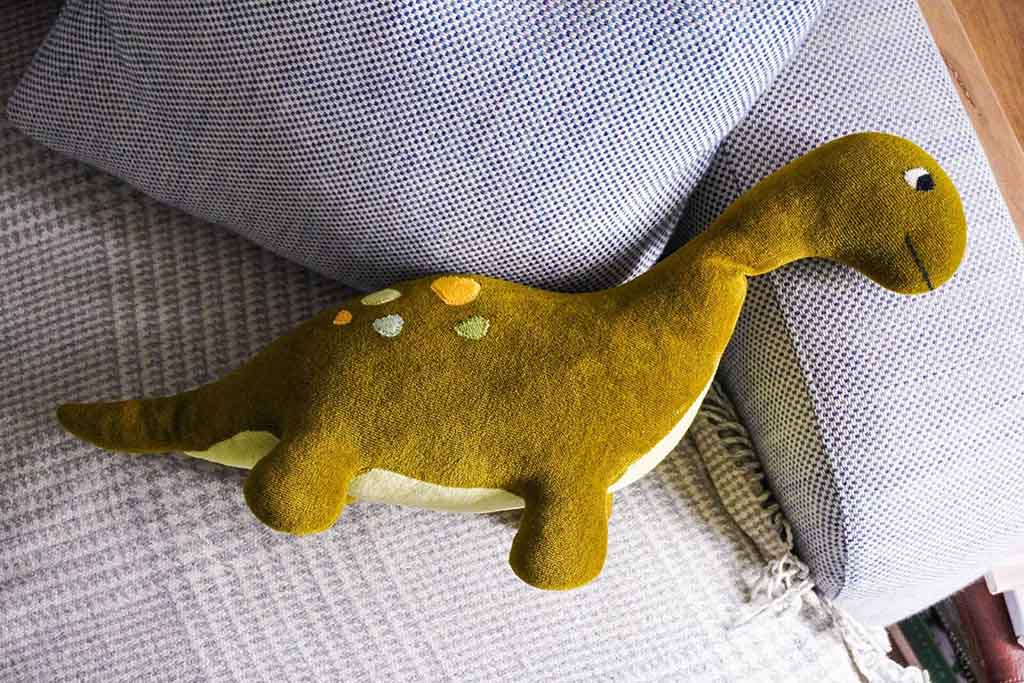
Buyers increasingly ask for sustainable options. The practical approach is recycled polyester (rPET) fiberfill with clear documentation, or clean scrap-fiber blends where supply is controlled. Some brands explore PLA or natural fibers, but washing, durability, and supply stability need careful review.
rPET fiberfill
- Made from recycled bottles.
- Handfeel near standard PP cotton if fiber is well processed.
- Requires strong documentation and batch consistency.
Clean scrap fiber
- Factory offcuts processed into fiber.
- Good cost story; quality varies.
- Needs cleanliness and smell checks per lot.
Table 5 — Eco filling options and trade-offs
| Filling | Sustainability Angle | Handfeel | Stability | Notes for Buyers |
|---|---|---|---|---|
| rPET fiberfill | Recycled bottles | Soft, close to PP | High if supplier is stable | Request GRS or similar docs |
| Recycled microfiber | Finer denier rPET | Silky-soft | Medium–High | Verify lint; test wash |
| Clean scrap fiber | Waste reduction | Varies | Medium | Define cleanliness + odor limits |
| Wool/plant fibers | Renewable | Warm-soft | Medium | Hand wash care, test mothproof |
| Bio-based foams | Lower fossil input | Soft-springy | Medium | Limited sources; pilot first |
How do manufacturers choose the right stuffing for different toy designs and purposes?
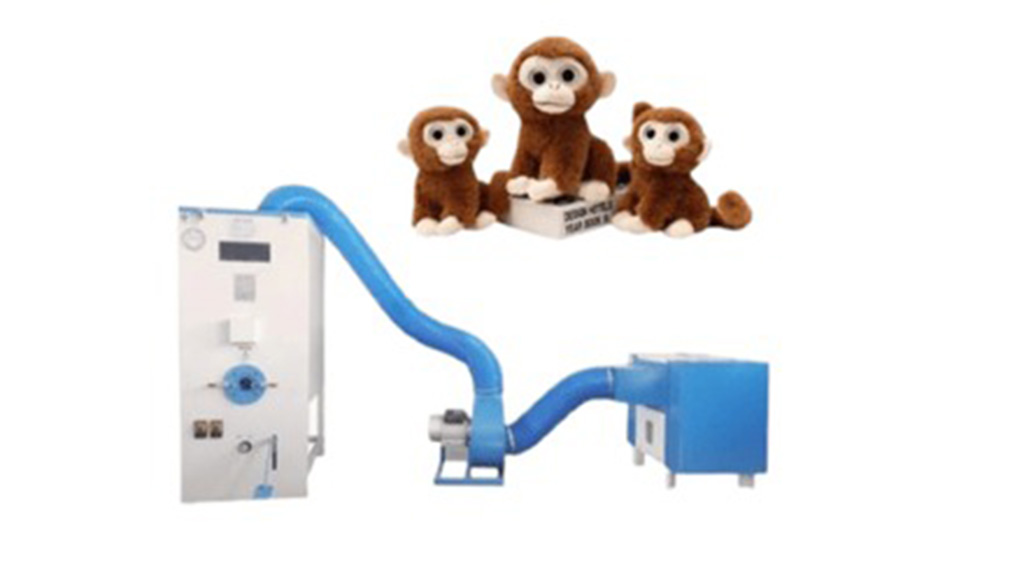
We map feel, shape, safety, and price to the target market. Then we lock a filling recipe during sampling. Small changes in density or layering can transform the result.
A simple selection path you can copy
- Define feel target: ultra-soft / soft but shaped / firm display / weighted.
- Mark support zones: belly, base, neck, limbs.
- Pick base fill: PP cotton for most; microfiber for premium; pearl for structure.
- Add support: pearl cotton core or bead/foam pouch where needed.
- Smooth surfaces: batting sheet under faces and thin panels.
- Pilot test: run 3 density levels; choose by rebound, seam stress, and photos.
- Document recipe: grams by part, liner specs, stitch type, QC mini-tests.
Ready-to-use recipes
Small chibi (10–18 cm)
- Base: PP cotton medium density.
- Face smoothing: thin batting.
- Option: pearl core in head for sharper cheeks.
Medium plush (20–35 cm)
- Base: PP cotton medium density.
- Support: pearl cotton core torso for stability.
- Option: bead pouch in base to sit upright.
Premium gift line
- Base: microfiber staple for silky hand.
- Support: small pearl core for silhouette.
- Face: batting sheet + careful density mapping.
Weighted comfort plush
- Base: PP cotton medium density.
- Add: microbead liner low in torso, tacked to inner seam.
- Balance: test sit/stand on flat table.
Conclusion
A good plush toy is safe, soft, durable, and well-shaped—so every hug feels the same.
At Kinwin, we help global buyers choose the right filling recipe, density map, and QC steps for each design. We lock feel, support shape, and plan compliance for EN71/ASTM/CPSIA so your products look great online and perform well in hand.
Contact us at [email protected] or visit kinwintoys.com to discuss your next project and see how our factory can support your success.