Skip to content
I’m Amanda from Kinwin in China. I help global buyers and brand owners build plush programs that combine premium feel, strong compliance, and clear positioning. When people ask, “What’s the most expensive cuddly toy?” they usually mean high-value collectible teddy bears and plush animals—the ones that appear at auctions or behind glass in museums. In this guide, I explain the value drivers, map the luxury and limited-edition brands, examine materials and craftsmanship (mohair, crystals, couture finishing), unpack licensing and rarity, show how appraisal and authentication work in the real auction market, and translate these insights into practical steps manufacturers can use to elevate a mainstream plush line without losing scale.
A quick note on records: different sources report different “world’s most expensive teddy” figures. I’ll flag those differences with citations and explain why numbers don’t always match.
What factors determine the value and collectability of high-end cuddly toys?
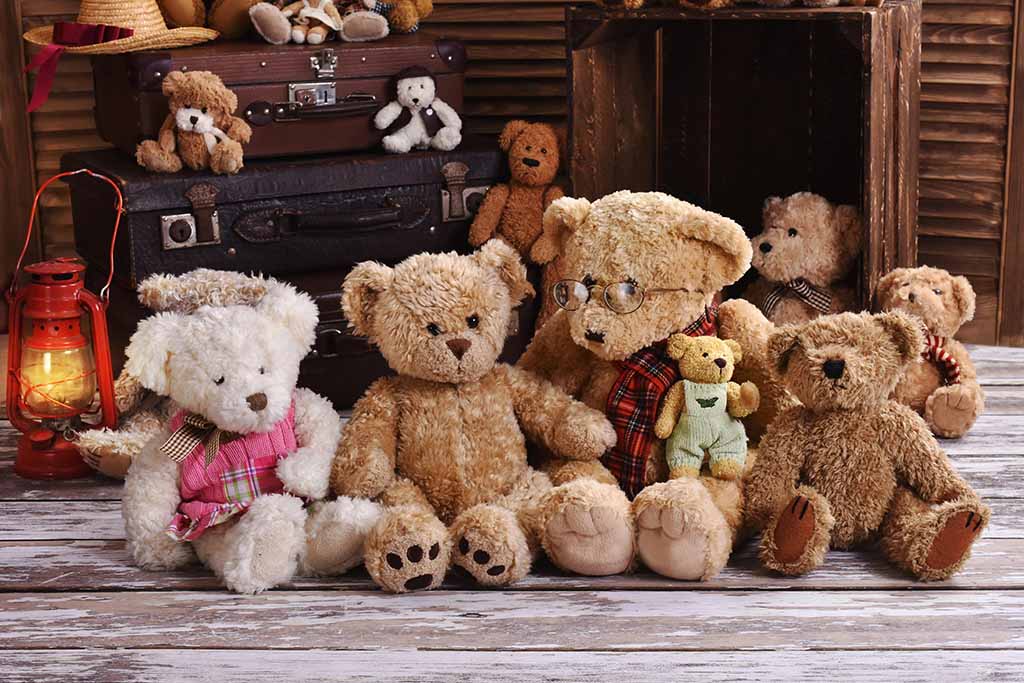
For premium plush, price is the end of a story that starts with provenance, materials, and myth. The market rewards pieces that combine historical context (early Steiff, famous owners), documented authenticity (factory marks, paperwork), condition (pile integrity, seam originality), and scarcity (low edition numbers or one-off art bears). When luxury fashion houses collaborate, the brand halo compounds value. When the story is weak, value collapses—even if the toy looks “luxury.”
- Provenance & narrative: Who owned it? Was it exhibited? Did it mark a milestone (anniversary models, historic events)?
- Authenticity markers: Steiff’s button-in-ear, ear tag numbers, edition certificates, retailer receipts, factory photos.
- Condition vs. age: Antique mohair can be valuable with wear if the story is strong (e.g., early 1900s Steiff). Modern “mint” matters more for limited editions and collaborations.
- Materials & craft: Mohair, alpaca, hand-set glass eyes, five-way jointing, couture tailoring, crystal/precious stone embellishment.
- Rarity & release: One-offs, short runs, or discontinued SKUs with fandom demand.
- Cultural heat: Celebrity features, museum placement, viral lore.
Table 1 — Collectible Value Drivers (and how auction houses weigh them)
| Driver | Why it moves price | Typical evidence an appraiser wants |
|---|---|---|
| Provenance | Links piece to person/place/event | Bills of sale, exhibition catalogs, media mentions |
| Authenticity | Separates originals from later copies | Factory marks (e.g., Steiff button), serials, COA |
| Condition | Signals survival and care | Pile state, seam originality, odor/moth check |
| Materials & craft | Premium inputs and labor | Mohair/alpaca specs, handwork notes, crystal lists |
| Rarity | Limits supply, intensifies bidding | Edition size, production notes, discontinued status |
| Cultural narrative | Creates demand beyond toy collectors | Museum display, celebrity association, viral coverage |
Which luxury and limited-edition brands produce the world’s most expensive plush collectibles?
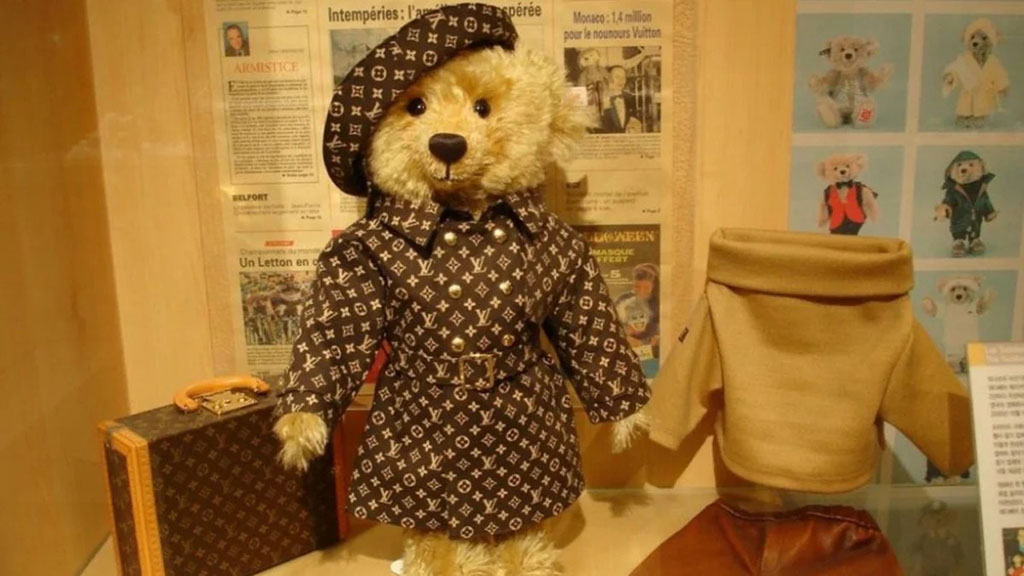
The short list of names that frequently anchor high prices includes Steiff (Germany) and fashion-house collaborations. Steiff dominates high-end teddy auctions because of its history and documentation culture.
- Steiff × luxury houses: The oft-cited Steiff “Louis Vuitton” bear (2000) is widely reported by blogs and museum marketing to have sold for $2.1 million to a Korean collector and to reside at the Jeju Teddy Bear Museum. However, Guinness World Records lists a Christie’s, Monaco sale price of €213,720 (~$182,550) for a Steiff “Louis Vuitton” bear on 14 Oct 2000—a far lower figure. The discrepancy persists because of charity-auction reporting, currency conversions, and repeated retellings online. Guinness World Records+2Goodlifebean+2
- Steiff antique legends: “Teddy Girl” (1905) achieved £110,000 at Christie’s London in 1994, a landmark antique-origin record often referenced by the trade. Guinness World Records+1
- Swarovski collaborations: Steiff has produced annual or special Swarovski-accented bears with original retail prices in the low hundreds of dollars; these are collectible, but not in the same tier as antique trophies. Crystal Fanatics+1
Other names to know: Harrods editions, artist bears (one-offs), museum commissions, and licensed couture capsules. Values spike when licensing + materials + scarcity align and there’s documented provenance.
Table 2 — Frequently Cited High-Value Lines
| Maker/Collab | Why collectors chase it | Typical value profile |
|---|---|---|
| Steiff (antique) | Early jointing, mohair, history | High 5-figures → 6-figures at auction |
| Steiff × Louis Vuitton | Cross-brand halo, 2000s lore | Record is disputed: €213,720 (Guinness) vs $2.1M (popular retellings) Guinness World Records+1 |
| Steiff × Swarovski | Glamour, giftable, limited runs | Low to mid 3-figures at retail; collectible multiples later Crystal Fanatics |
| Harrods / department store editions | Seasonal scarcity + tourist demand | 3- to 4-figures for rare years |
| Artist bears (one-offs) | Unique craft + signature maker | Wide range; story drives price |
How do materials, craftsmanship, and heritage (e.g., mohair, Swarovski crystals, Steiff editions) influence pricing?
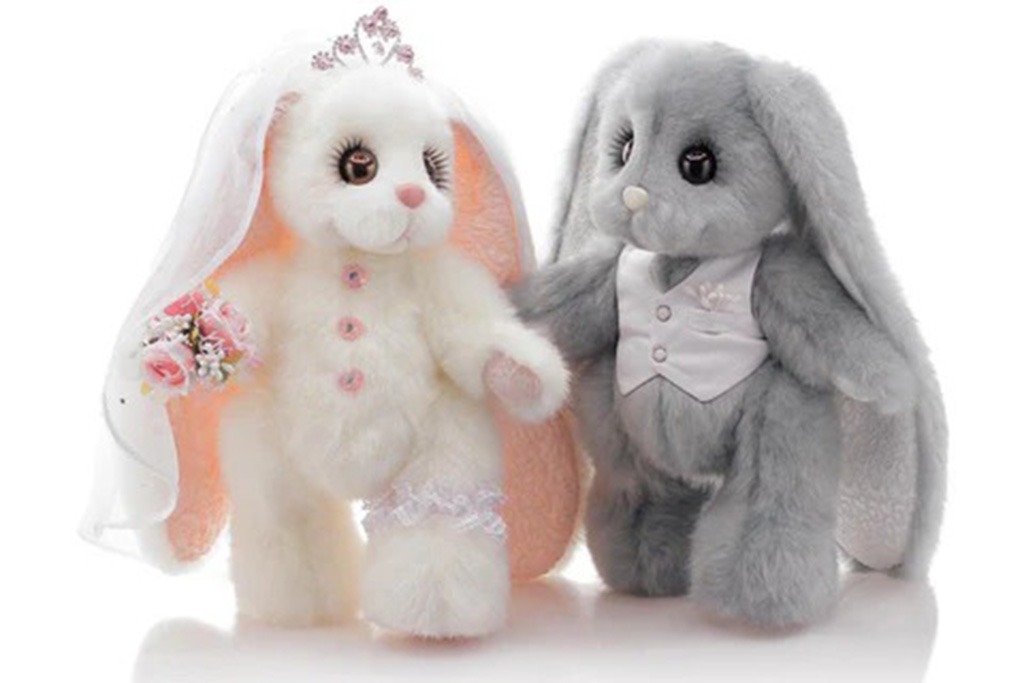
Materials are a signal. Mohair (from the Angora goat) remains the gold standard for premium teddy fur: it has a lively pile, ages with dignity, and photographs beautifully. Alpaca offers a denser, matte luxury. Cotton plush and synthetics can feel excellent today, but heritage buyers still favor natural fibers in older pieces. Five-way jointing, hand-set eyes, and hand-finished noses add labor minutes and collectible aura. Crystals and precious metals add spectacle, but rarely beat the history + provenance of an early Steiff.
Table 3 — Material & Craft Inputs (and how they read to collectors)
| Input | Collectors read it as | Pricing effect |
|---|---|---|
| Mohair/alpaca shell | Heritage luxury, tactile longevity | ↑↑ for antique/heritage lines |
| Five-way jointing | Authentic teddy engineering | ↑ (especially pre-WWI patterns) |
| Hand-set glass eyes | Period correctness, craft | ↑ when original to the piece |
| Couture outfits | Fashion crossover | ↑ if co-branded or bespoke |
| Crystals/precious elements | Spectacle & gift value | ↑ retail; auction value varies with story |
| Factory marks (e.g., Steiff button) | Authenticity backbone | Essential for top pricing |
What role do licensing, celebrity collaborations, and rarity play in market valuation?
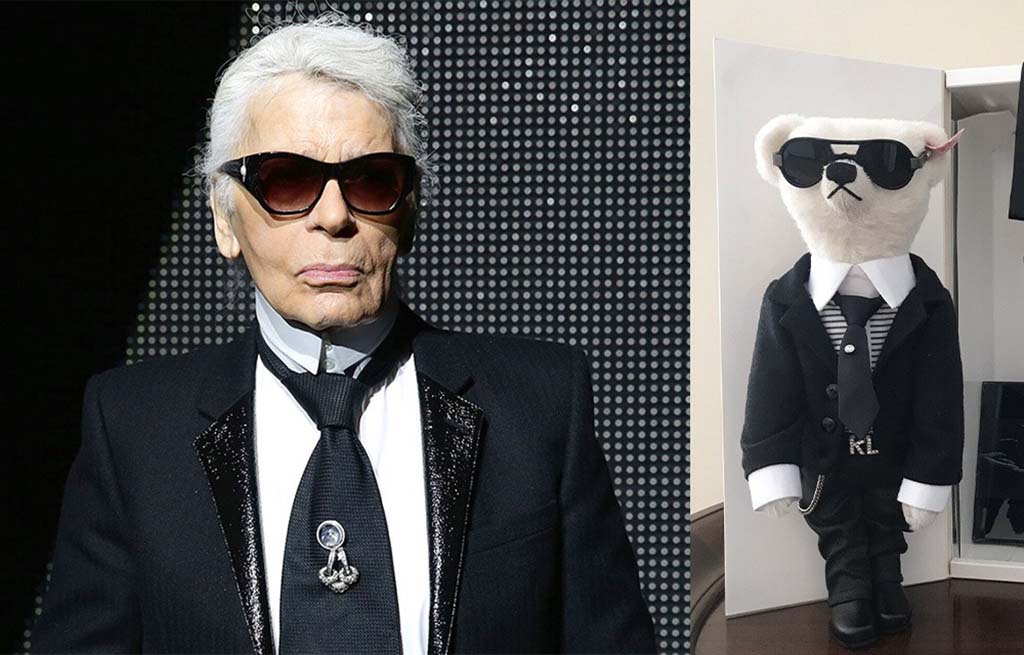
Three forces shape the price ceiling:
- Licensing/IP: When a bear carries a prestige fashion label or beloved character IP, new audiences enter the bidding. But licensing only drives sustained value if the edition is truly scarce and the build quality justifies the claim.
- Celebrity & museums: A celebrity’s ownership or a museum display can add narrative gravity; for example, repeated references to the Jeju museum reinforce the “LV bear” legend, regardless of which price you accept. Klook Travel
- Rarity math: Edition size, numbered tags, and sold-out status create tension. One-off artist bears can outperform big-name collabs when the story, photo record, and maker reputation line up.
Table 4 — Story Mechanics That Amplify Value
| Story lever | How it changes demand | Caveat |
|---|---|---|
| Cross-brand luxury (fashion × plush) | Pulls fashion collectors into toy auctions | Needs credible scarcity and finishing |
| Museum placement | Signals cultural status | Doesn’t guarantee price without provenance |
| Celebrity tie-in | Turbocharges press | Must be documented and transferable |
| Ultra-low edition size | Ensures bidding battles | Beware counterfeits; authentication is everything |
How are collectible plush toys appraised, authenticated, and traded in global auction markets?
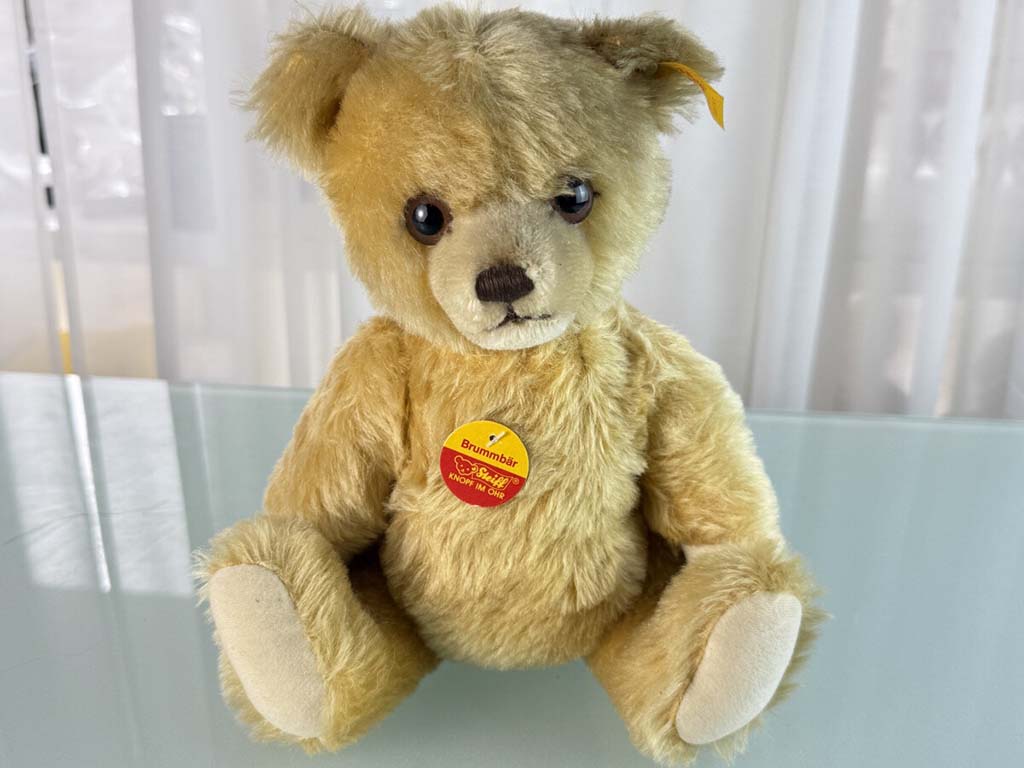
Appraisal blends object facts with market comps. Specialists examine fabric, jointing, stitching, nose/eye work, odor, repairs, and factory identifiers. They weigh provenance documents, edition papers, and sales history (catalogs, receipts). For mid-tier pieces, online appraisal services and specialist dealers provide fair-market estimates; for top pieces, major houses (Christie’s, Sotheby’s, Bonhams, regional salerooms) recommend pre-sale estimates and reserve strategies. mearto.com+2mearto.com+2
Authentication relies on maker marks (e.g., Steiff’s button-in-ear and tag systems), period features, and sometimes expert letters. Photos of the bear over time (with owners, in exhibits) strengthen the chain.
Trading venues include live auctions, vetted online platforms, specialist fairs, and reputable dealers. For modern limited editions, marketplaces and dealer sites can be adequate—documentation and condition still decide price.
Table 5 — Appraisal & Trading: A Practical Map
| Step | What a serious buyer/seller does | Why it matters |
|---|---|---|
| Identification | Confirm maker, era, fabric, jointing | Anchors authenticity |
| Provenance build | Gather receipts, catalogs, exhibitor notes | Removes doubt, lifts price |
| Condition report | Pile wear, repairs, odor, insect check | Sets expectation; avoids returns |
| Valuation | Compare recent comps; consult specialists | Aligns reserve and risk |
| Sale channel | Choose auction/dealer/marketplace | Fees, audience, speed differ |
| Post-sale docs | Transfer COA/provenance packet | Preserves value for next owner |
Two anchor sales to know:
- Steiff “Louis Vuitton” bear (2000): Guinness cites €213,720 at Christie’s Monaco (Oct 14, 2000). Popular retellings and museum marketing often repeat $2.1 million and attribute the purchase to Jessie Kim with museum display in Jeju. Treat the $2.1M number as contested lore unless the primary sale paperwork is produced. Guinness World Records+2Goodlifebean+2
- “Teddy Girl” (1905): £110,000 at Christie’s London (Dec 5, 1994) remains a milestone for antique-origin bears. Guinness World Records
What insights can manufacturers gain from luxury plush segments to elevate their own product positioning?
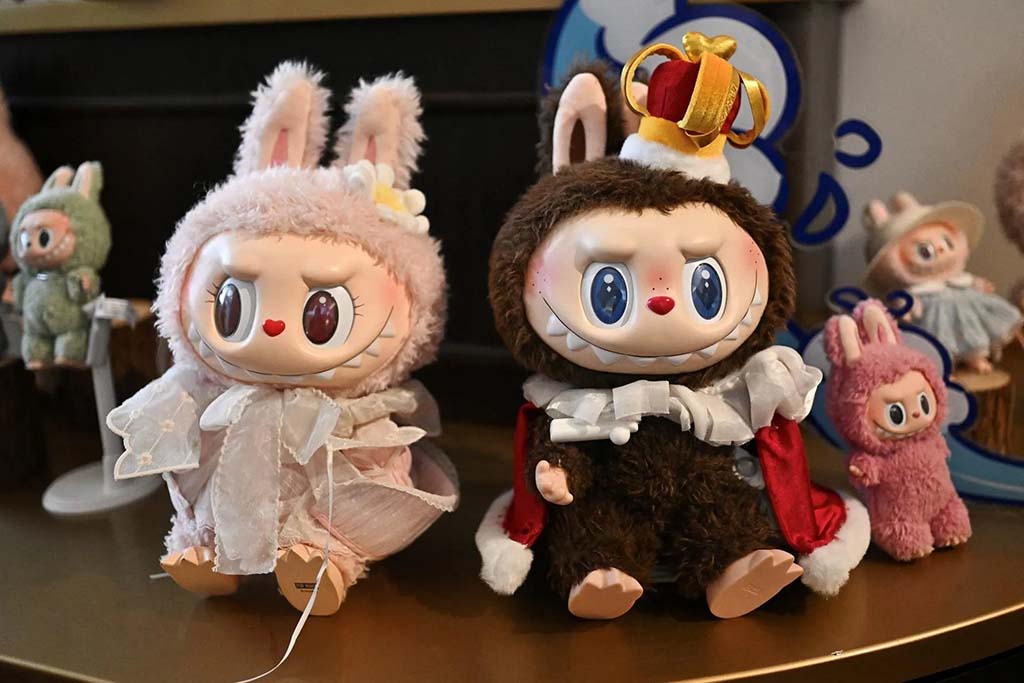
You don’t need gemstones to move upmarket. You need materials discipline, story design, and evidence.
1) Materials that read premium on camera and in hand
- Offer a hero SKU with denser pile (minky of higher GSM or mohair for boutique capsules).
- Specify fill grams per panel for smooth faces and stable silhouettes.
- For weighted models, use double-pouched pellets and publish a simple care + safety note.
2) Factory-level authenticity & traceability
- Build a serial/edition system (woven neck label + hangtag COA) even for mid-tier collector runs.
- Keep a golden sample per edition and an internal photo log of assembly details.
3) Storycraft that can be quoted
- Tie hero SKUs to anniversaries, places, or craftspeople.
- Print a short story card; add a QR to a microsite with behind-the-scenes shots.
- Consider museum/shop-in-museum partnerships for halo effect.
4) Compliance that travels
- For children’s products in the U.S., keep ASTM F963 + CPSIA (and CPC + tracking label) language in PDP bullets. EU pieces should hold EN71-1/2/3 reports and a CE Declaration of Conformity. Tie reports to actual lots. This professionalism supports premium pricing.
5) Edition math that enforces scarcity
- Publish edition size and stick to it. Numbered labels + a public edition ledger protect long-term value.
6) Channel strategy that mirrors luxury
- DTC for storytelling and margin; specialty/boutique for credibility; auction charity lots for PR (but be precise about hammer prices vs. premiums to avoid future confusion like the LV bear case).
So…what is the most expensive cuddly toy?
If we read strictly, the documented record recognized by Guinness World Records is a Steiff “Louis Vuitton” teddy bear sold on 14 Oct 2000 at Christie’s Monaco for €213,720 (~$182,550). Guinness World Records
If we read popular retellings, museum promos, and secondary blogs, the same Steiff × Louis Vuitton collaboration is often quoted at $2.1 million and said to belong to Jessie Kim, displayed at the Jeju Teddy Bear Museum—but these sources conflict with the Guinness figure. Treat the $2.1M claim as contested unless primary sale documents surface. Goodlifebean+1
For antique-origin teddies, “Teddy Girl” (1905) at £110,000 (1994) remains a landmark. Guinness World Records
For manufacturers and marketers, the lesson is clear: provenance, documentation, and honest storytelling outlive hype.
Quick exporter playbook (apply this week)
- Build a premium hero: denser pile, crisp embroidery, balanced fill; edition tag + story card.
- Photograph for value: texture macro, face symmetry, scale-in-hand, gift box.
- Document everything: COA per unit; keep lab tests tied to lots (EN71/ASTM/CPSIA).
- Name it right: US titles use “Stuffed Animal (Plush Toy)” + inches; UK titles use “Soft Toy” + cm.
- Guard scarcity: publish edition size, never reissue identical variants.
- Be precise with prices: state hammer price vs. premium in PR; cite sources.
Conclusion
At the very top of the market, story + scarcity + proof beat sparkle. The Steiff legends show how heritage, documentation, and cultural placement create durable value, while contested numbers remind us to market with care. If you’re building a premium plush line, focus on materials that read luxury, edition discipline, clean compliance, and a story buyers can repeat. At Kinwin, my team turns briefs into sealed PPS and on-time mass runs for giftable, collectible-ready plush—with the paperwork to match. Email [email protected] or visit kinwintoys.com to plan your next premium edition.