Skip to content
Plush toys are more than soft companions — they carry cultural, emotional, and commercial value in today’s toy market.
A plush toy is a soft, fabric-based toy stuffed with materials like polyester fiber, cotton, or wool. Known for their cuddly feel, they are designed for comfort, play, and decorative purposes. In the modern toy industry, plush toys span a wide range of categories, from collectible characters to infant-safe designs, serving both functional and emotional roles across global markets.
Let’s break down their definition, classifications, and market significance.
1. What Defines a Plush Toy in the Modern Toy Industry?
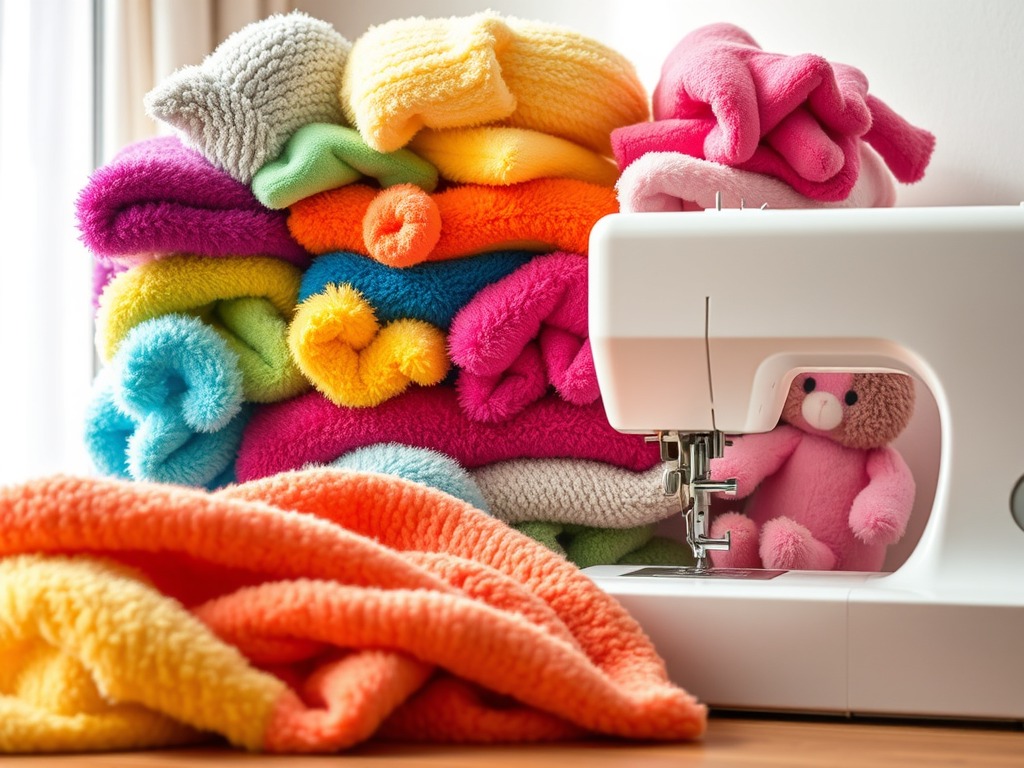
A plush toy is defined by its soft outer fabric, internal stuffing, and overall tactile appeal. Its identity in the toy industry is shaped by design trends, safety compliance, and evolving consumer expectations.
Plush toys are soft, sewn-fabric toys filled with stuffing material. They are distinguished by their gentle texture, comforting appearance, and adaptability in design, making them suitable for children, collectors, and promotional use.
Plush toys differ from other toys in both tactile experience and production requirements. The choice of fabric—velboa, minky, fleece, faux fur—determines the final touch and durability. Stuffing materials range from polyester fibers (most common for global export) to eco-friendly RPET or organic cotton, which are increasingly demanded by European and North American buyers seeking sustainability.
From a market perspective, plush toys occupy a unique segment that merges emotional value with physical functionality. Retailers and brand owners use plush toys not just for sales but as brand extensions, event giveaways, and promotional merchandise. Theme parks, for example, produce licensed plush characters that embody brand identity while generating significant revenue.
The definition also extends to compliance. In major markets, toys must meet CE and ASTM safety standards, which influence everything from seam strength to dye safety. A factory’s ability to produce plush toys that pass these tests is a key competitive advantage.
| Key Element | Industry Impact | Example Application |
| Fabric Choice | Affects texture & price | Minky for baby toys, velboa for mascots |
| Stuffing Material | Defines softness & eco-value | RPET for eco-conscious brands |
| Safety Compliance | Access to regulated markets | CE marking for EU export |
| Customization Level | Increases brand value | Logo embroidery for corporate gifts |
2. How Are Plush Toys Classified by Design, Material, and Function?
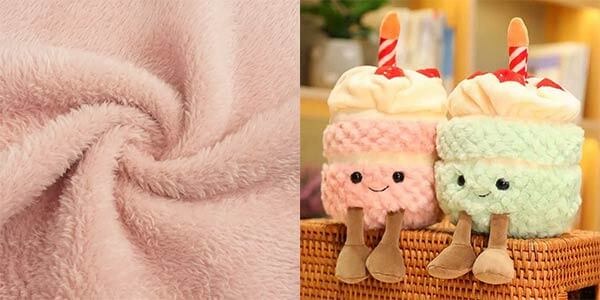
Plush toys are categorized based on physical design, materials used, and intended function. These classifications help manufacturers, retailers, and buyers communicate requirements clearly.
They can be classified by:
Design: Animals, characters, objects
Material: Polyester, RPET, cotton, fleece
Function: Decorative, interactive, collectible, or comfort items
In design classification, plush toys can be animal-shaped, human characters, or abstract objects (e.g., plush food, cushions). These appeal to different demographics: animal plush dominates children’s toys, while stylized character plush appeals to collectors.
Material-based classification considers outer fabric and inner filling. Factories often stock multiple fabric options for different buyer needs:
Velboa: Cost-effective, short-pile, ideal for high-volume production.
Minky: Ultra-soft, often used for baby-safe products.
Faux Fur: Long pile, premium feel for luxury lines.
RPET: Sustainable, recycled polyester meeting eco-standards.
Function classification is driven by market use:
Decorative: Designed for display; higher emphasis on aesthetics.
Interactive: Includes sound chips, lights, or vibration modules.
Comfort Items: Weighted plush for sensory therapy.
Promotional: Branded designs for marketing campaigns.
| Classification Type | Key Attributes | Example Product |
| Design | Shape & style | Plush teddy bear, plush burger cushion |
| Material | Fabric & stuffing composition | Minky fabric rabbit, RPET eco plush |
| Function | Intended use or interaction | Singing plush dog, logo-branded mascot |
3. What Role Do Plush Toys Play in Child Development and Emotional Comfort?
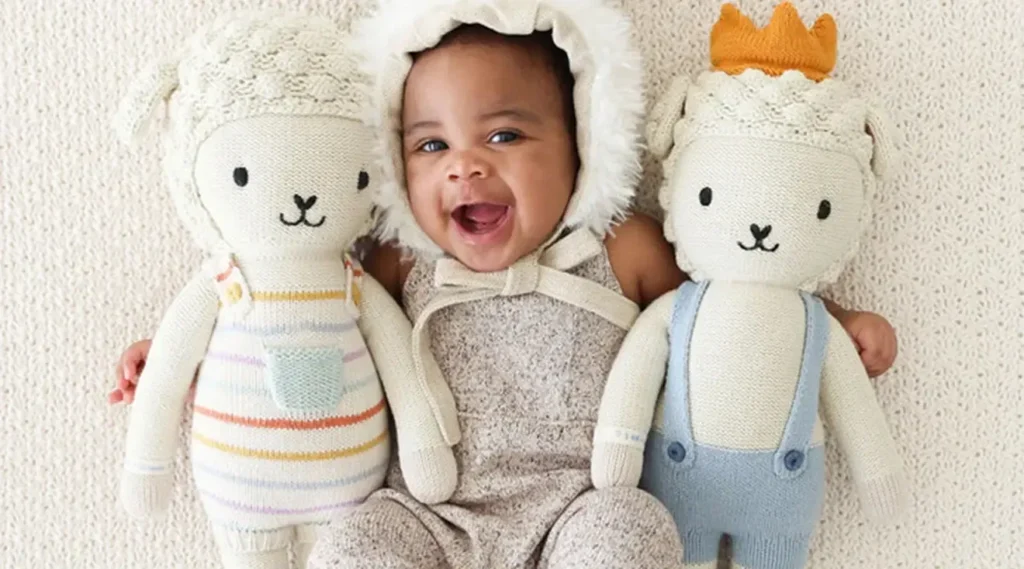
Plush toys are more than playthings — they support children’s emotional growth, creativity, and sense of security.
They help develop empathy, social skills, and imaginative play. Their soft textures provide comfort, making them a source of emotional stability during early childhood.
In psychology and child development, plush toys are considered transitional objects—items that help children move from dependence to independence. A toddler with a favorite plush animal often uses it as a coping mechanism during stress or change.
From an educational standpoint, plush toys encourage role-play, fostering language skills and problem-solving abilities. Interactive plush toys, which sing or respond to touch, also enhance sensory engagement.
In therapeutic settings, plush toys are tools for emotional expression. Hospitals and clinics use plush toys to ease anxiety in pediatric patients. Weighted plush products have gained traction for children with autism or sensory processing disorders.
| Development Aspect | Plush Toy Role | Example Product |
| Emotional Comfort | Provides security | Baby-safe minky bunny |
| Social Skills | Encourages empathy | Animal family plush set |
| Sensory Engagement | Stimulates multiple senses | Musical plush with lights |
4. How Do Safety Standards Shape the Production of Plush Toys?
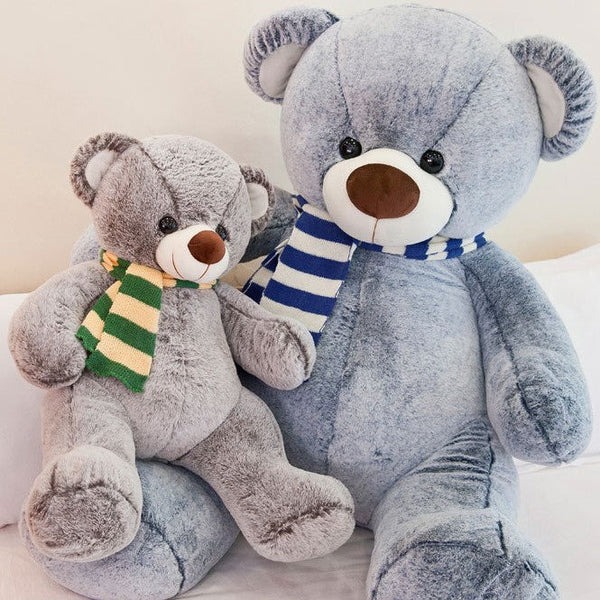
Safety in plush toy manufacturing is not just about meeting legal requirements — it’s about earning trust from buyers and ensuring products can pass customs checks in different countries without delays.
In major markets like the USA, EU, Japan, and Middle East, safety standards cover every stage of production:
Material sourcing: Fabrics and fillings must be non-toxic and tested for chemical safety.
Design stage: Avoiding detachable small parts for toys intended for children under 3.
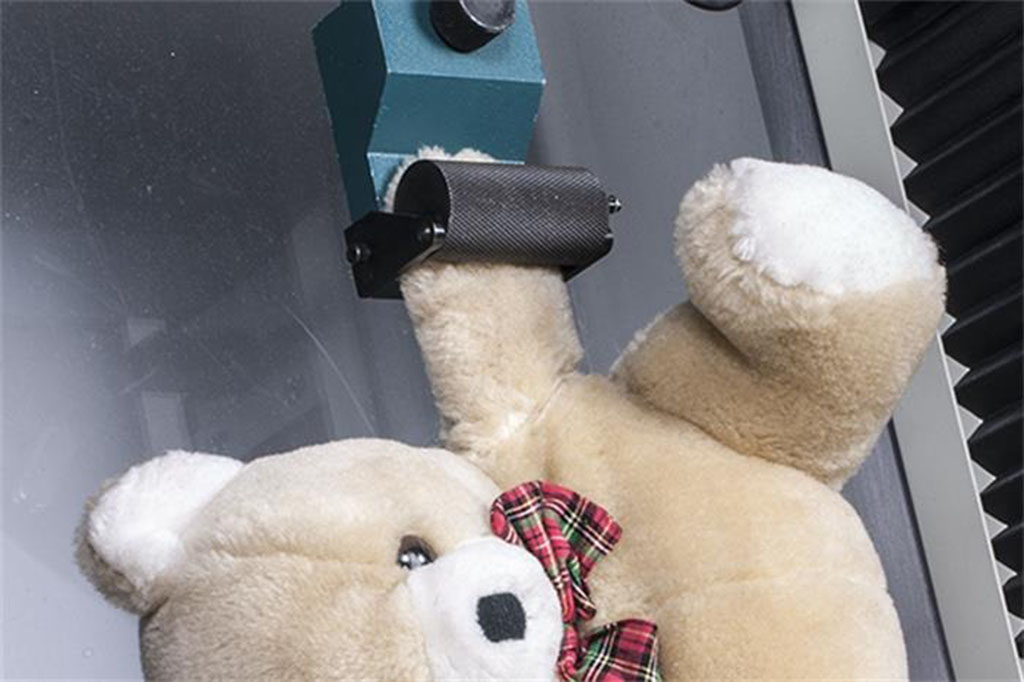
Production process: Maintaining seam strength, accurate stitching density, and uniform stuffing to prevent shape deformation.
Post-production: Third-party laboratory testing before shipment to provide official compliance reports.
In practice, a factory producing for Europe will run EN 71 mechanical tests, chemical analysis, and flammability checks, while US-bound products undergo ASTM F963 testing and CPSIA compliance verification. Japan often requires ST Mark certification, which is stricter on certain chemical substances.
Buyers like Jessica in the USA look for suppliers who can proactively provide test reports without waiting to be asked. This not only shortens lead time but also reduces the risk of shipment holds.
| Safety Requirement | Purpose & Scope | Example in Practice |
| EN 71 (EU) | Mechanical, chemical, and flammability safety for toys | Seam pull test, azo dye testing, flammability check |
| ASTM F963 (USA) | Physical & chemical safety for children’s products | Small parts cylinder test, heavy metal content check |
| CPSIA | Lead & phthalate limits for children’s items | Testing all accessible parts for toxic substances |
| ST Mark (Japan) | Comprehensive toy safety standard | Additional restrictions on specific chemical residues |
| GCC / GCC Toys Standard | Safety compliance for Gulf markets | Sharp edge, labeling, and heavy metal testing |
Pro Tip for Buyers: Always request recent test reports (within 12 months) from suppliers and confirm they are from accredited labs like SGS, Intertek, or TUV. This ensures your shipment will not face customs clearance issues.
5. What Are the Key Differences Between Plush Toys and Other Soft Toys?
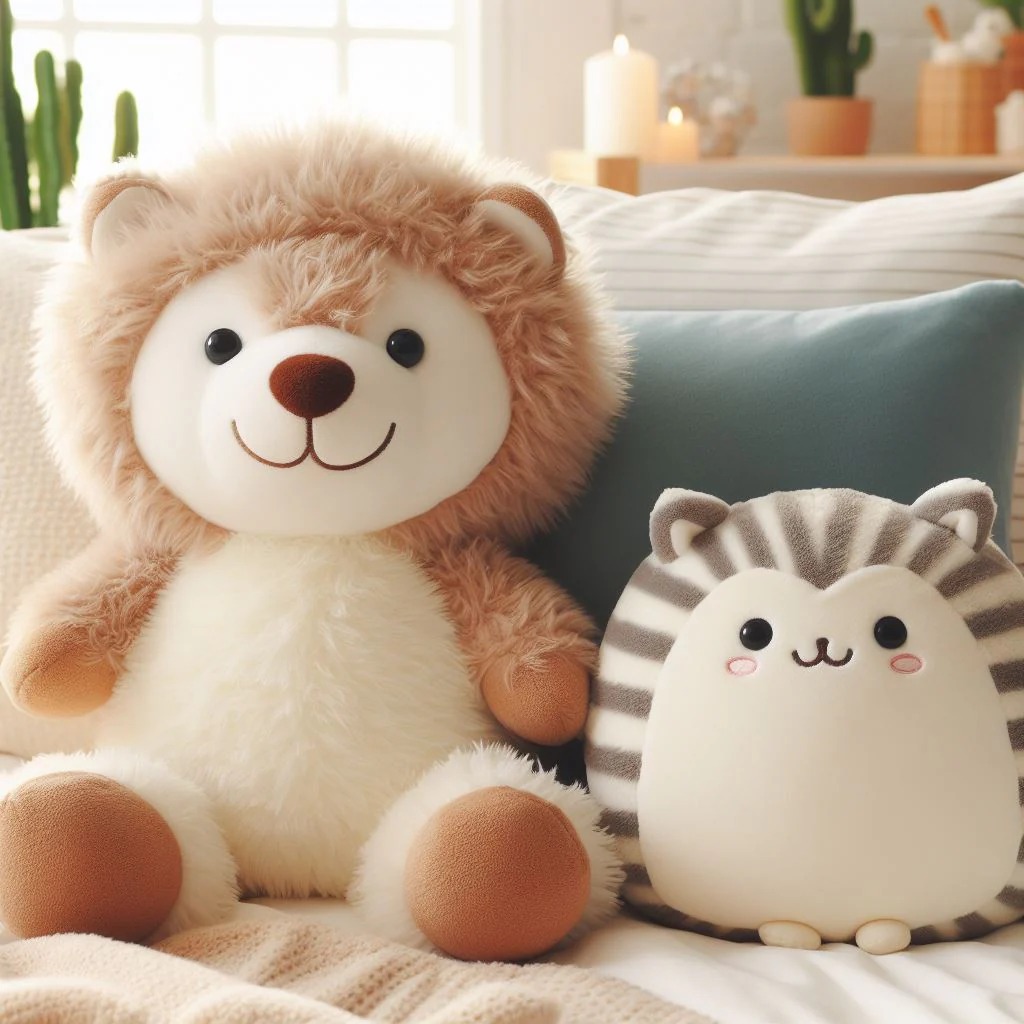
While plush toys and other soft toys share the “soft” characteristic, their material structure, production complexity, and market positioning are different — and this affects pricing, customer perception, and compliance requirements.
Material difference:
Plush toys use pile fabrics like velboa, minky, or faux fur, which have raised fibers for a fluffy, luxurious feel.
Other soft toys may use flat fabrics (cotton, linen), knitted yarns, or felt, resulting in different textures and visual appeal.
Production process:
Plush toy manufacturing requires specialized machinery to cut, align, and sew pile fabrics while controlling nap direction.
Flat-fabric toys may require simpler sewing but often rely on decorative stitching, printing, or embroidery for appeal.
Market perception:
Plush toys often carry a “premium” image, making them ideal for gift shops, branded merchandise, and licensed character lines.
Flat-fabric or knitted toys can target a “handcrafted” or “eco-artisan” segment, appealing to niche markets but with smaller mass production scalability.
Cost impact:
Pile fabrics generally cost more than flat fabrics, and the production process has a higher labor demand, meaning plush toys usually have a higher unit price.
| Aspect | Plush Toys (Pile Fabric) | Other Soft Toys (Flat/Knitted) |
| Fabric Type | Velboa, minky, faux fur | Cotton, linen, felt, knitted yarn |
| Texture & Feel | Fluffy, velvety | Smooth, flat, or textured knit |
| Production Process | Specialized cutting & sewing for pile fabrics | Simpler sewing, possible hand-finishing |
| Market Perception | Premium, collectible, branded merchandise | Handcrafted, niche, eco-focused |
| Price Range | Mid-to-high | Low-to-mid |
Buyer’s Insight: If your target market is mainstream retail or licensed merchandise, plush toys are worth the higher investment due to perceived value. For handmade or eco-artisan markets, other soft toys may align better with brand image.
6. How Has the Global Plush Toy Market Evolved Over the Years?
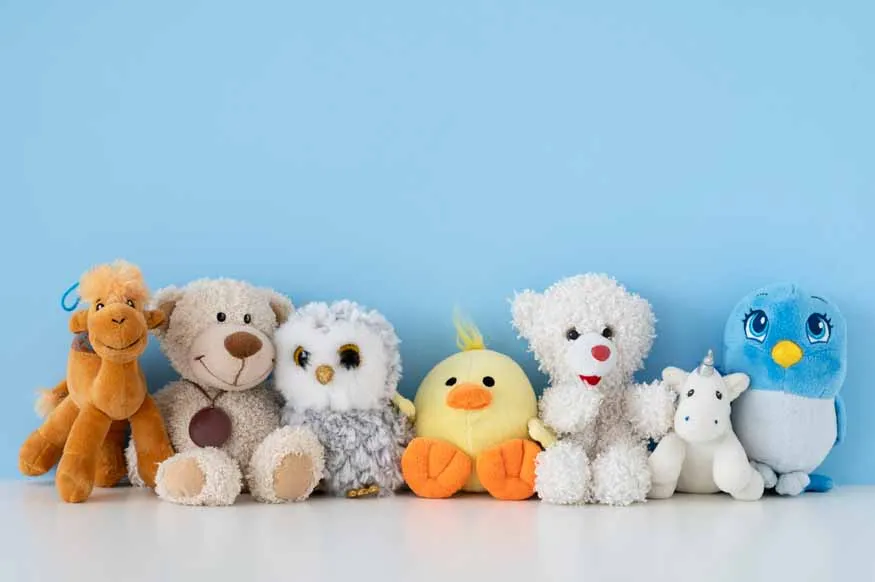
The plush toy market has undergone a major transformation over the last 50 years, driven by changes in materials, manufacturing technology, licensing trends, and consumer buying behavior.
1960s–1980s:
Plush toys were largely handmade or produced in small workshops.
Natural fibers like cotton and wool dominated, but had limited color and design flexibility.
1990s–2000s:
Introduction of synthetic pile fabrics like polyester velboa and minky revolutionized design possibilities.
Globalization shifted manufacturing hubs to China, making large-scale production cost-effective.
Licensing deals with media companies created branded plush merchandise.
2010s–2020s:
E-commerce opened direct-to-consumer channels.
Sustainability became a key driver, with RPET and organic fabrics gaining popularity.
Technology enabled interactive plush with sound, lights, and motion modules.
Today, plush toys are part of a multi-billion-dollar global industry with seasonal peaks (Christmas, Valentine’s Day, graduation) and growing demand in emerging markets.
| Era | Key Market Trends | Buyer Strategy Tip |
| 1960s–1980s | Handmade, natural fibers | Target nostalgic or premium artisan markets |
| 1990s–2000s | Synthetic fabrics, mass production | Leverage licensing deals for brand growth |
| 2010s–2020s | Sustainability, e-commerce, interactivity | Combine eco-materials with online marketing |
| Current & Future | Personalization, AI-assisted design | Offer small-batch customization for B2B buyers |
Buyer’s Outlook:
Future growth will be shaped by eco-regulations, shorter lead times, and design personalization. For B2B sourcing, working with factories that can combine sustainability, compliance, and customization will be key to staying competitive.
Plush toys combine comfort, creativity, and compliance — making them an enduring category in the global toy market. Contact Kinwin to start your custom plush project today.