Skip to content
I’m Amanda from Kinwin in China. I help brands and retailers design, test, and ship soft goods that feel premium and pass audits. Many buyers ask me a simple question with big downstream impact: what is the difference between “plush” and “soft toys”? In daily speech these words may overlap, but in factories, retail systems, RFQs, and compliance files they point to different scopes and expectations. In this guide, I’ll explain the definitions and materials, how pile parameters change classification and feel, what compliance really cares about, how construction influences risk, and how to choose the right terminology for merchandising, SEO, and spec sheets. I’ll keep the language clear and practical so your sourcing, QC, and marketing teams can act right away.
What definitions and material taxonomies distinguish “plush” from the broader “soft toy” category?
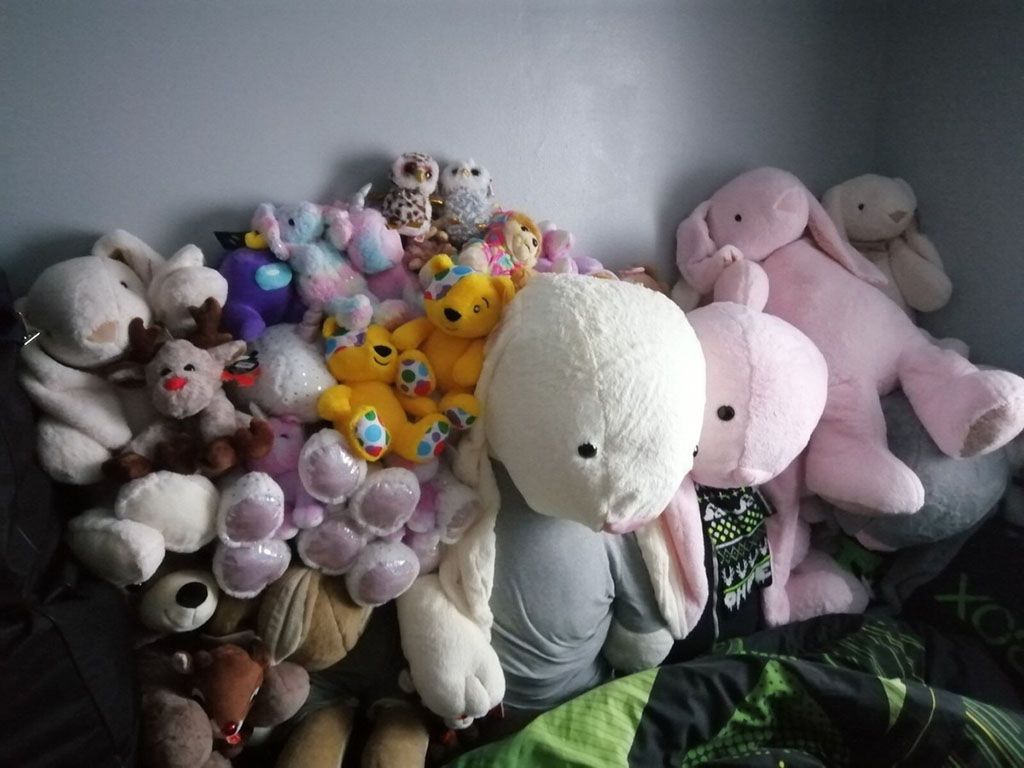
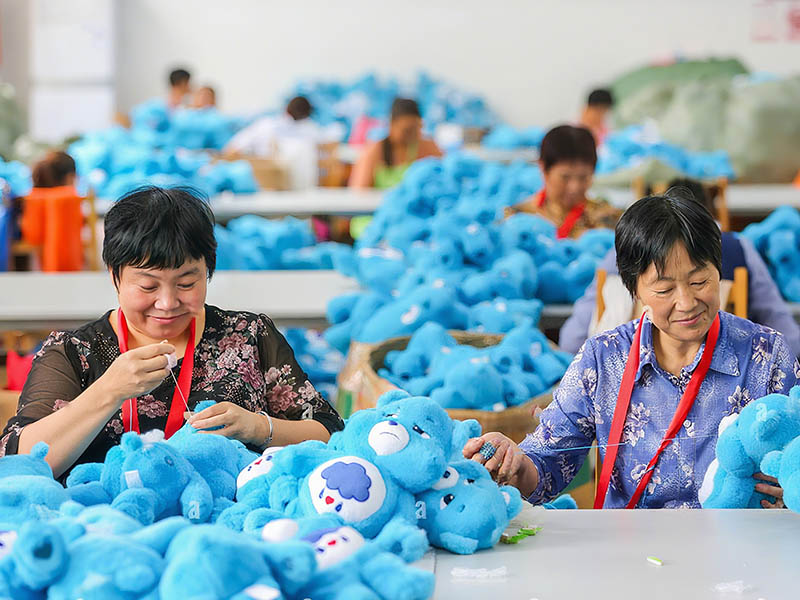
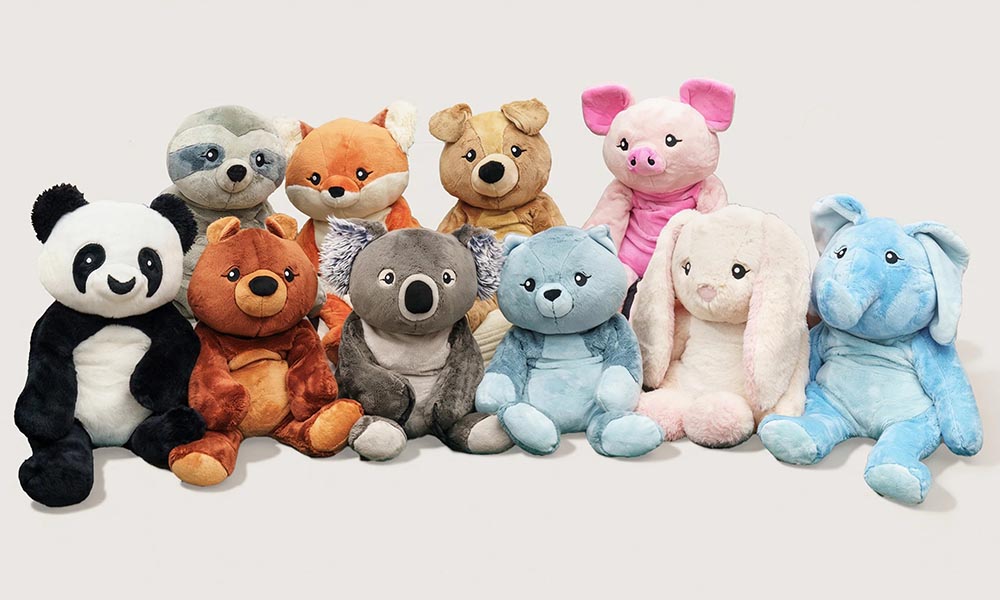
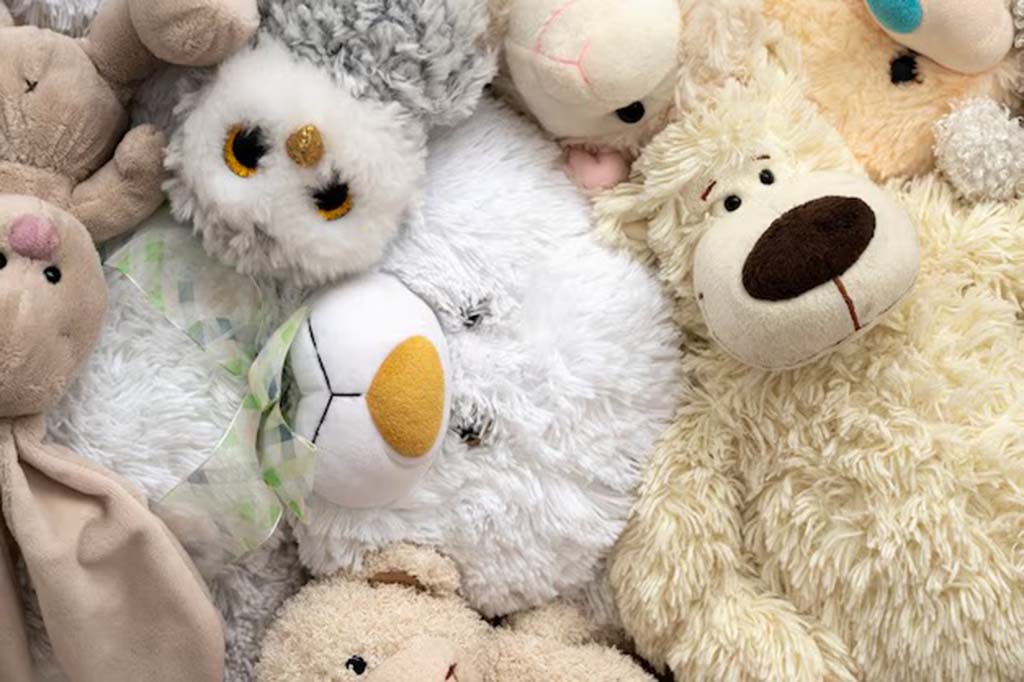
In industry terms, “soft toy” is the umbrella: any toy with a textile shell and soft filling. It includes plush animals, fabric dolls, rag toys, soft blocks, and more. “Plush” is a subset of soft toys defined by a pile-face shell (minky, velboa, faux fur, sherpa/boa). The feel is the promise: cuddly, pile-forward, warm to the touch.
- Soft toy (umbrella): textile shell + soft fill; covers many shapes and play patterns.
- Plush (subset): pile shell + soft fill; focus on cuddle, handfeel, and texture.
Why it matters: category words set buyer expectations, test plans, age-grading choices, and title taxonomy on marketplaces. Call a rag doll “plush” and the reviewer may expect pile fabric that is not there. Call a faux-fur wolf a “soft toy” only, and you may miss shoppers who filter for plush.
Table 1 — Definition at a Glance
| Term | Scope | Typical Shell | Core Promise | Examples |
|---|---|---|---|---|
| Soft Toy | Broad category | Knit/woven or pile | Soft, safe, squeezable | Rag dolls, fabric blocks, plush animals |
| Plush | Subset of soft toys | Pile (minky/velboa/faux fur/boa/sherpa) | Cuddle-first, textured feel | Teddy bears, furry animals, plush dolls |
How do fabric systems (minky/velboa/faux fur) and pile parameters (GSM, pile height, denier) affect classification and handfeel?
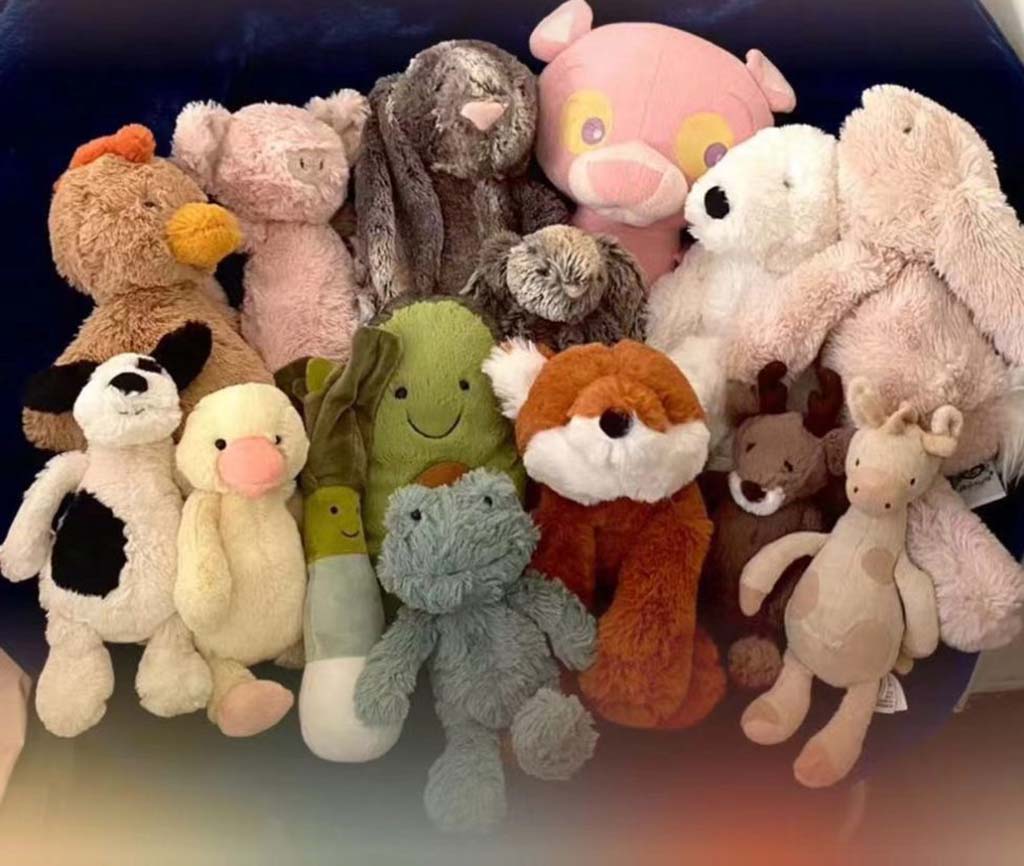
Fabric system = user experience. A pile fabric has upright fibers that catch light and cushion the hand. Three parameters decide feel and camera read:
- GSM (grams per square meter): weight per area. Higher GSM often feels denser and looks richer, but adds cost and shipping weight.
- Pile height: longer fibers feel fluffier and look more “furry,” but need trimming around eyes/mouth and careful brushing after wash.
- Fiber denier / density: finer denier gives a silky touch; higher stitch density stabilizes pile and improves embroidery clarity on short-pile fabrics.
Minky (short pile) is silky and ideal for baby lines. Velboa is smooth and supportive; it holds embroidery crisply and resists lint at the office or on a desk. Faux fur (longer pile) is dramatic and premium; it needs grooming guidance. Sherpa/boa reads cozy for winter capsules.
Table 2 — Pile Parameters and What the Customer Actually Feels
| Fabric | Typical GSM | Pile Height | Handfeel | Notes for QC |
|---|---|---|---|---|
| Minky | Mid–high | Short | Silky, baby-soft | Check stitch clarity; colorfastness |
| Velboa | Mid | Short | Smooth, “clean” on camera | Holds shape; great for desks |
| Faux fur | Mid–high | Medium–long | Fluffy, realistic | Trim face zones; brush after wash |
| Sherpa/Boa | Mid | Loop/nap | Cozy, warm | Watch shedding; choose higher-grade |
| Alpaca/Mohair | High | Variable | Heritage luxury | Boutique runs; cost ↑ |
If the shell is pile, the buyer and the platform will read it as plush. If the shell is flat knit or woven (no pile), even with soft fill, most reviewers will tag it soft toy rather than plush.
Which compliance and labeling frameworks (EN71, ASTM F963/CPSIA, REACH) differ in scope or emphasis for plush vs. soft toys?
Compliance frameworks do not change because you say “plush” or “soft toy.” They change with age grade, intended market, materials, and small-parts risk. That said, pile shells add specific checks (flammability behavior, shedding) and surface trims may change small-parts evaluations.
- EU/UK: EN71-1/2/3; consider REACH for restricted substances; keep a Declaration of Conformity.
- USA: ASTM F963 + CPSIA (lead, phthalates), a CPC (Children’s Product Certificate), and a tracking label.
- Retail adds: Some buyers ask for OEKO-TEX (textile safety) or recycled-content proofs.
Plush-specific emphasis
- Pile flammability and surface behavior under EN71/ASTM flammability rules.
- Shedding/pile pull standards via mechanical tests and in-house rub checks.
- Trim attachment when using safety eyes/noses on pile shells.
Table 3 — Compliance Map (Same Laws, Different Emphasis)
| Area | Soft Toy Focus | Plush Extra Attention | Docs to Keep |
|---|---|---|---|
| Mechanical/Physical | Small parts, seam pulls | Trim retention on pile, seam strength under compression | EN71-1 / ASTM F963 reports |
| Flammability | Fabric behavior | Pile height & burn direction | EN71-2 / ASTM flammability |
| Chemical | Heavy metals, phthalates | Dyes/finishes on pile | EN71-3 / CPSIA |
| Traceability | Labels, age grade | Same | CE/UKCA DoC, CPC, tracking label |
| Retail extras | OEKO-TEX, recycled content | Same | Lot certificates |
Key point: “Plush” vs “soft toy” does not change the law; it changes what engineers and QC look at more closely during build and test.
How do construction methods (pattern count, seam types, embroidery/appliqué) and small-parts risk profiles diverge between the two?
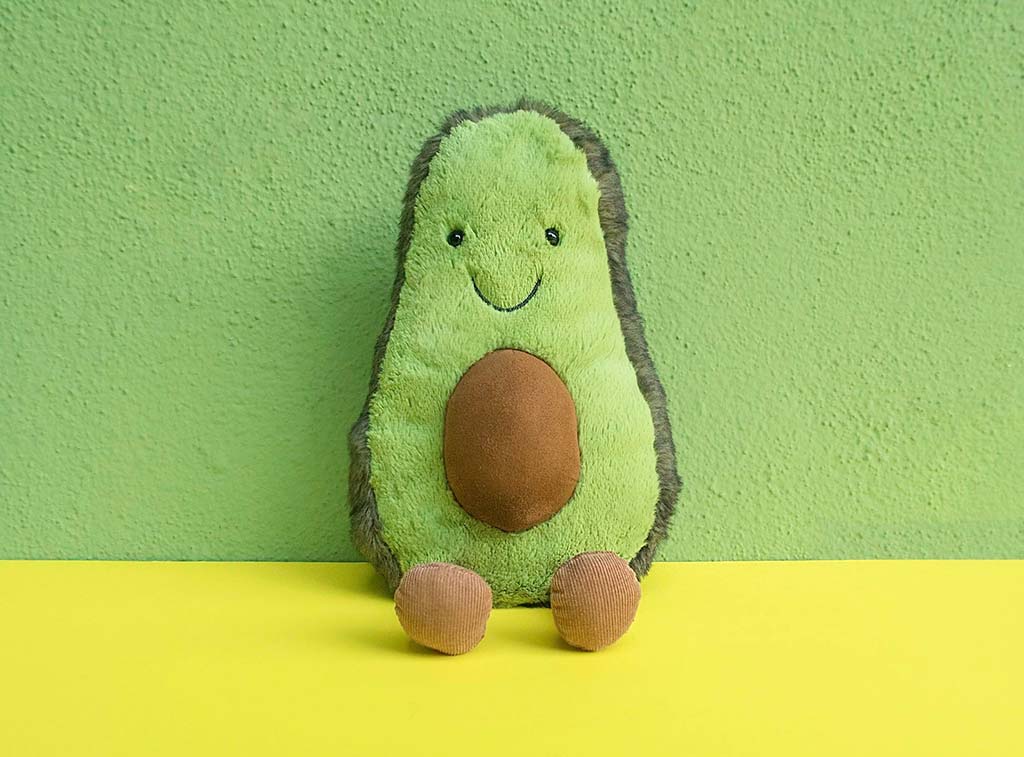
Construction choices shape risk and minutes per unit. Plush toys with pile shells usually use lockstitch/overlock seams, bar-tacks at stress points, and a ladder stitch close. Faces are often embroidered for under-3s. Soft toys with flat shells may share these methods, but dolls and rag toys can bring outfits, snaps, and hair—new small-parts risks.
- Pattern count: More panels = more seams, more minutes, more seam failure risk.
- Embroidery density: High stitch counts look premium but slow the line and can pucker thin backings.
- Appliqué: Adds depth; needs tight edge stitching to prevent lift.
- Safety eyes/noses: Allowed for 3+ with passing small-parts and tensile tests; under-3s should prefer embroidery.
- Weighted pellets: Great for posture; always double-pouch and test for leakage.
- Outfits/fasteners (more common on soft dolls): introduce fastener abuse tests, labeling, and extra AQL checks.
Table 4 — Construction & Risk Comparison
| Feature | Plush (pile shell) | Soft Toy (umbrella) | Risk Controls |
|---|---|---|---|
| Faces | Embroidery or safety trims | Embroidery/print/safety trims | Match age grade; tensile tests |
| Seams | Lockstitch/overlock + bar-tacks | Same | Stitch length spec; seam pulls |
| Weighted bases | Common in plush | Less common in rag toys | Double-pouch; leakage tests |
| Outfits/props | Occasional (scarves/hats) | Common in dolls | Fastener abuse; 3+ labeling |
| Appliqué | Used for depth | Used across | Edge-stitch inspection |
The label plush hints at cuddle-first builds; the label soft toy may include role-play features that trigger extra tests and minutes.
What are the implications for merchandising, SEO taxonomy, and marketplace filters when choosing “plush” versus “soft toy”?
Choose terms the shopper uses, align them with filters, and keep region in mind.
- United States: Use “Stuffed Animals & Plush Toys” as the category; titles often use “Stuffed Animal (Plush Toy)”; inches lead.
- United Kingdom/EU: Use “Soft Toys” as the category; “Teddy Bear” for bears; centimeters lead.
- Filters: “Plush” (material), “Weighted,” “Embroidered Eyes,” “Scented,” “Size,” “Age.”
- Search behavior: “Plush” signals material; “soft toy” signals category; “stuffed animal” is everyday U.S. speech.
Table 5 — Merchandising & SEO Alignment
| Region | Category Label | Title Noun(s) | Size Unit | Secondary Terms |
|---|---|---|---|---|
| USA | Stuffed Animals & Plush Toys | Stuffed Animal (Plush Toy) | Inches | cute plush, cuddly toy |
| UK/EU | Soft Toys | Soft Toy / Teddy Bear | Centimeters | plush toy (secondary) |
| Global PDP | Use store views | Mirror local noun | Local unit | Spread synonyms in bullets/meta |
Practical tip: Use hybrid titles plus clean attributes. Let filters do the SEO heavy lifting while the title stays human-readable.
How should manufacturers select terminology in RFQs/spec sheets to align MOQs, testing scope, and buyer expectations?
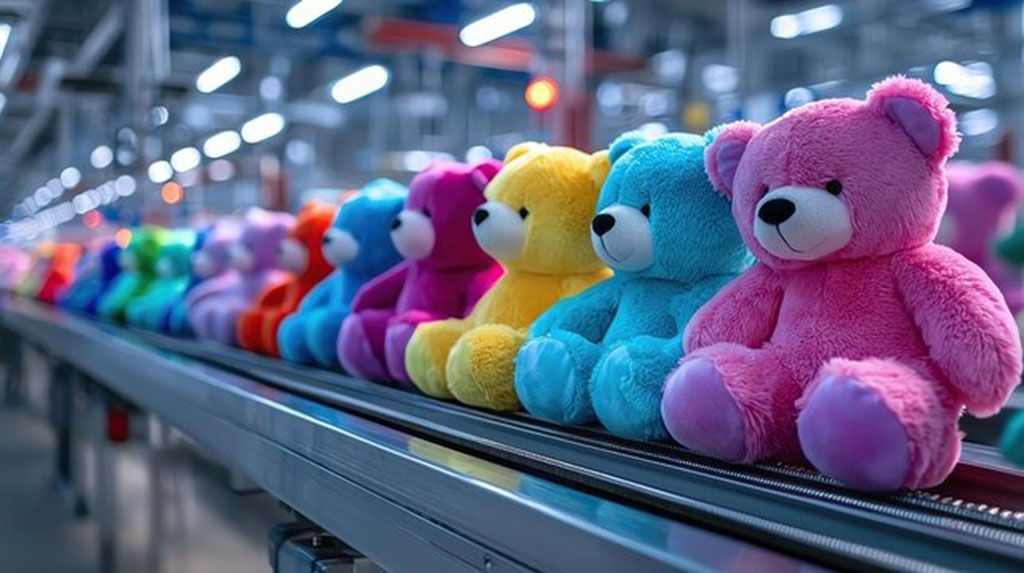
Your wording in an RFQ decides material options, sampling path, MOQ logic, and testing scope. Be precise.
- Name the shell: “Plush (minky/velboa/faux fur)” vs “Soft toy (flat knit/woven).”
- Set parameters: GSM, pile height, and stitch density (SPI) for embroidery.
- Define fill: hollow vs solid fiberfill; pellet grams and double-pouch spec if weighted.
- Age grade & tests: under-3 → embroidery, stronger seams; 3+ → trims can pass small-parts/tensile. Note EN71/ASTM/CPSIA.
- Sampling sequence: Soft Sample #1 (silhouette) → Soft Sample #2 (face/trim/pouch) → PPS; lock colorways after silhouette.
- MOQ clarity: fabric dye lots, trim vendor minimums, and packaging runs.
- Packaging: gift box vs poly; carton ECT/BCT and case pack for freight.
Copy-ready RFQ snippet (you can paste):
- Category: Plush Toy (minky shell), 30 cm.
- Shell: minky, GSM 240 ±10, pile 2.5–3.0 mm; shade lot control.
- Fill: hollow fiberfill; pellet base 120 g in double inner pouches.
- Face: embroidery only; SPI and stitch-count to spec sheet.
- Age grade: 0+ (EU/UK/US); tests: EN71-1/2/3, ASTM F963, CPSIA, tracking label; wash claim: gentle machine.
- AQL: General II; Major 2.5 / Minor 4.0; IQC → in-line at ~30% → FRI ≥80% packed.
- Packaging: poly inner + taped carton seams; case pack 12; ECT 44.
Actionable checklist (so your team can move this week)
- Decide category wording per market: USA = Stuffed Animal (Plush Toy); UK/EU = Soft Toy.
- If it has pile, list and market it as plush; if not, keep soft toy as the lead noun.
- Lock GSM, pile, and embroidery SPI in the tech pack; trim long pile around features.
- Choose embroidery for under-3s; use safety eyes/noses only with passing tests for 3+.
- Tie lab reports to actual lots; re-test when dye lots or trim vendors change.
- Map attributes that match filters: material = plush, weighted, embroidered, size, age.
- Photograph texture macro, scale-in-hand, and seated stability for every SKU.
Follow these steps, and your products will feel correct in hand, look correct online, and sail through compliance and category review.
Conclusion
Plush is a pile-based promise inside the larger soft toy world. The shell texture, not the label, drives hands and hearts—and it guides how we build seams, pick trims, and plan tests. If you name the materials clearly, lock GSM and pile height, align age grading with trims, and write region-wise titles that match shopper language, you will reduce friction from RFQ to retail and lift conversion across channels. At Kinwin, my team turns clear briefs into sealed PPS and on-time mass runs with EN71/ASTM/CPSIA discipline and plush quality that reads premium online. Email [email protected] or visit kinwintoys.com to plan your next line.