Soft toys go by many names, but two terms dominate global conversation: “stuffed animal” and “plushie.” While they often describe the same product, their meanings differ depending on culture, age group, and market positioning. To help buyers, brands, and collectors understand this distinction, here’s a comprehensive guide exploring their definitions, material differences, marketing use, and global trends.
What defines a stuffed animal in traditional toy terminology?
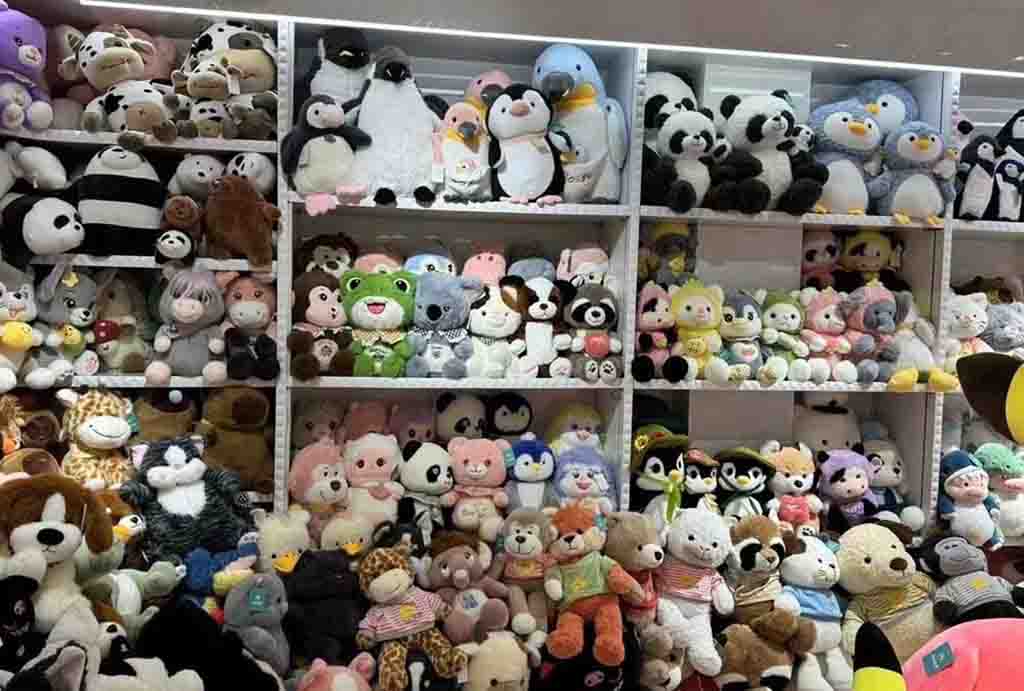
The phrase “stuffed animal” has been used for more than a century, especially in North America and Europe. It is rooted in the early teddy bear boom of the early 1900s, when toys were literally described by their manufacturing process—fabric shells “stuffed” with cotton, wool, or kapok.
Characteristics of stuffed animals
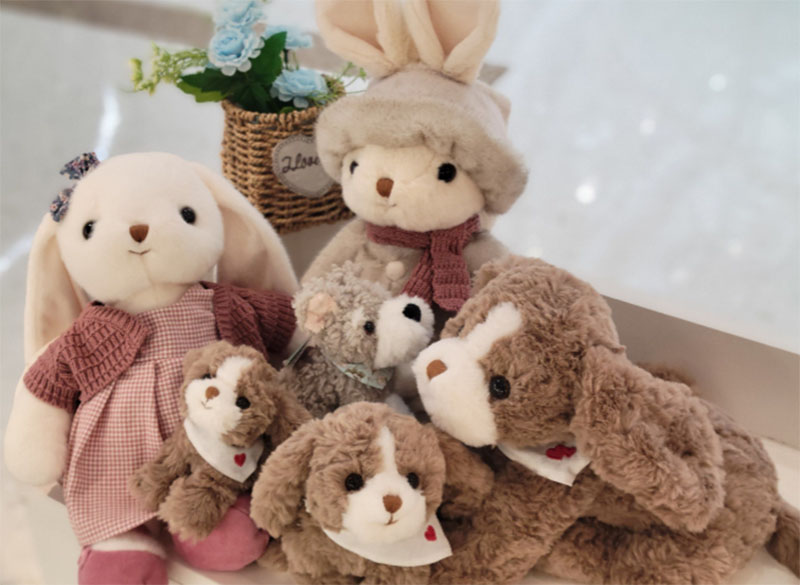
- Typically represent realistic animals (bears, dogs, cats, rabbits).
- Use simple materials like cotton, wool, and later polyester fiberfill.
- Emphasis is on practical description rather than emotional branding.
- Associated strongly with children’s toys and family gifting.
| Attribute | Stuffed Animal |
|---|---|
| Origin | Early 20th century, industrial toy production |
| Focus | Realistic animal shapes, “stuffed” process |
| Common Buyers | Parents, traditional toy markets |
| Tone | Descriptive and formal |
How is the word “plushie” understood in modern culture and fandoms?
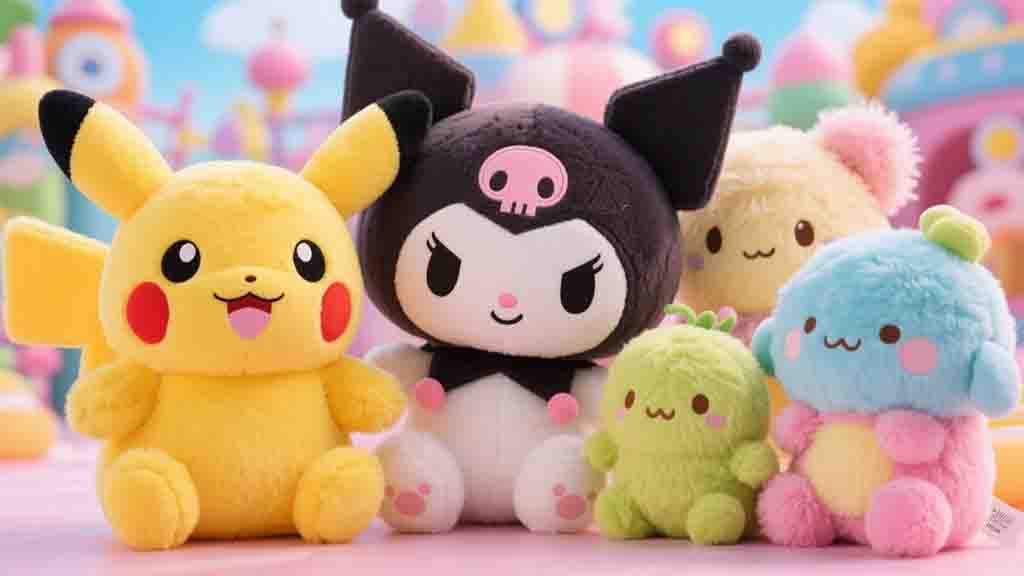
“Plushie” emerged as a casual, affectionate term popularized by younger generations, anime fans, and online communities. Unlike the formal “stuffed animal,” plushie conveys cutness, collectability, and emotional value.
Key aspects of “plushie”
- Derived from the word “plush,” referring to soft velvet-like fabrics.
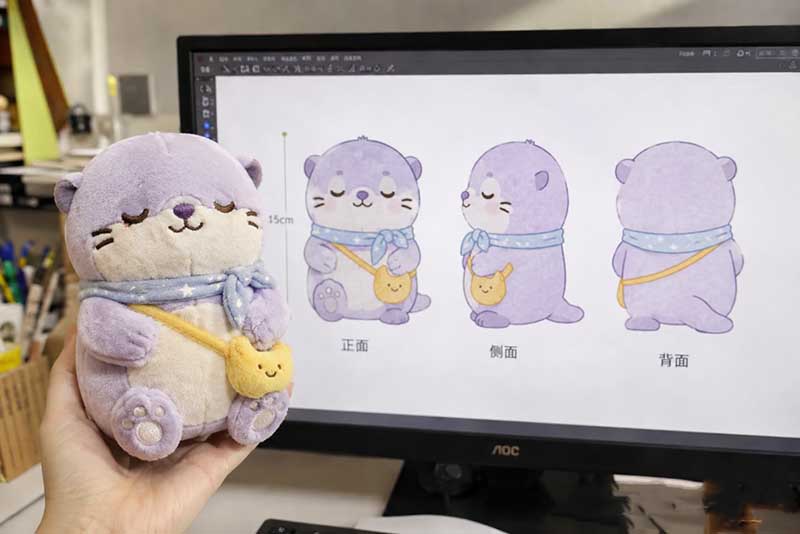
- Commonly used for cute, stylized, or character-driven toys.
- Widely adopted in anime, gaming, and social media cultures.
- Often used by teens, young adults, and collectors across global fandoms.
| Attribute | Plushie |
|---|---|
| Origin | Pop culture, late 20th century |
| Focus | Cute, stylized, collectible toys |
| Common Buyers | Teens, adults, collectors |
| Tone | Friendly, emotional, fandom-driven |
What material and construction differences exist between plushies and stuffed animals?
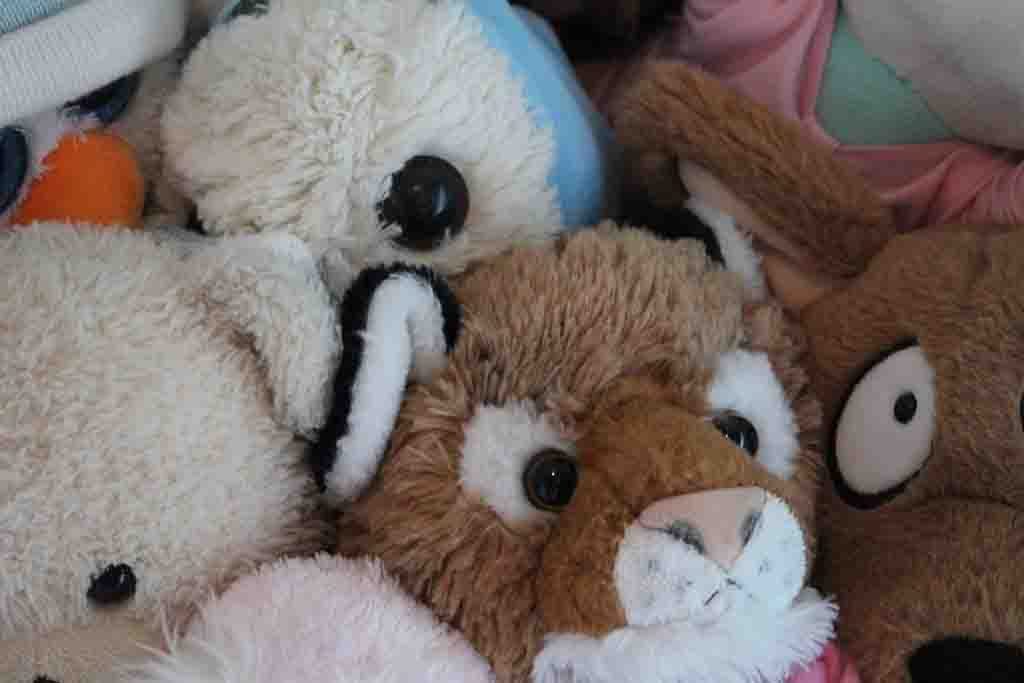
In practice, the two terms overlap heavily, but there are subtle distinctions in design choices and materials.
Stuffed Animals
- Fabrics: Cotton, fleece, or standard polyester.
- Filling: Polyester fiberfill or natural stuffing (historically cotton/wool).
- Style: More realistic animal forms.
Plushies
- Fabrics: Ultra-soft synthetics like minky or velboa.
- Filling: May include microbeads, weighted pellets, or memory foam for tactile variation.
- Style: Exaggerated features (large heads, pastel colors, embroidered faces).
- Accessories: Clothing, props, or themed costumes.
| Feature | Stuffed Animals | Plushies |
|---|---|---|
| Fabrics | Cotton, polyester blends | Minky, velboa, fleece |
| Style | Realistic animals | Cute, stylized characters |
| Filling | Fiberfill | Fiberfill + beads/foam |
| Market | Traditional toys | Collectibles, fandoms |
How do age demographics and regional language preferences influence usage?
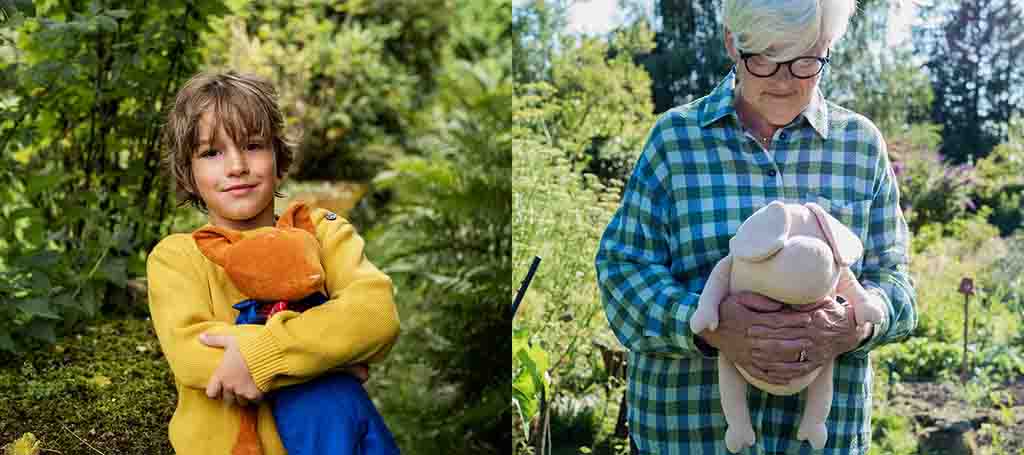
Generational and cultural factors strongly influence which word is preferred.
- Older demographics (parents, grandparents) generally use “stuffed animals.”
- Younger demographics (teens, Gen Z, millennials) prefer “plushie.”
- Regional differences:
- North America: “Stuffed animal” remains dominant, though “plushie” is rising.
- Europe: “Plush toy” or “plushie” appear alongside stuffed animal.
- Asia: “Plushie” is mainstream due to kawaii and anime cultures.
| Demographic/Region | Preferred Term | Reason |
|---|---|---|
| Older adults | Stuffed animal | Tradition & familiarity |
| Younger fans | Plushie | Online & fandom influence |
| North America | Mixed | Generational split |
| Europe | Plush/plushie | Balanced influence |
| Asia | Plushie | Anime & kawaii culture |
Why do brands and retailers market toys differently under each term?
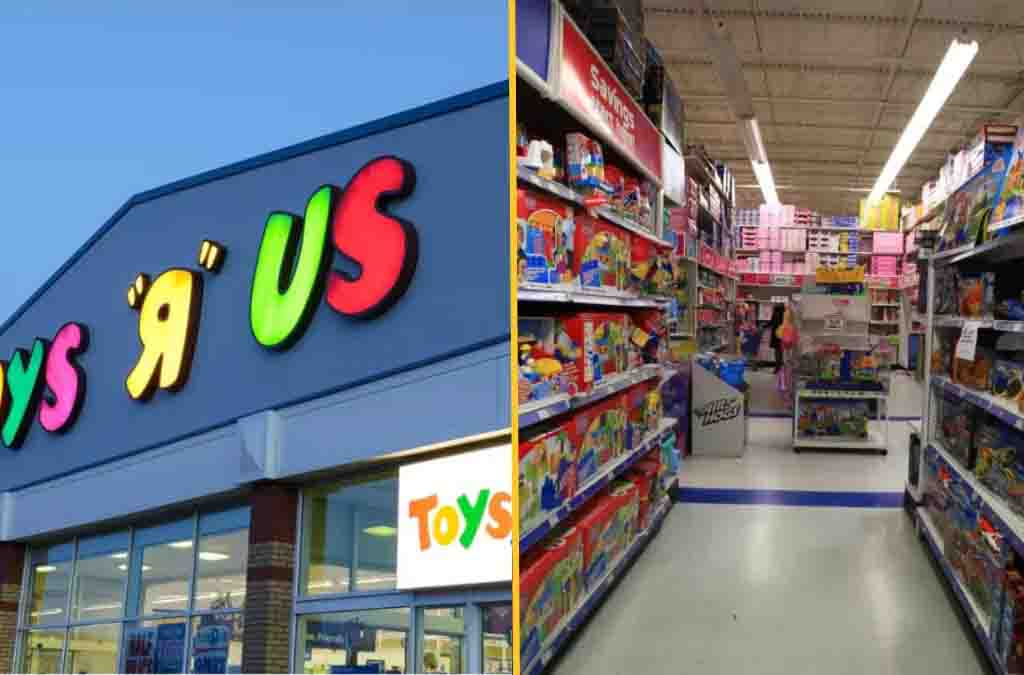
Marketers choose between the two terms strategically, based on target audience and channel.
- Stuffed Animals
- Used in catalogs, formal retail, and B2B contexts.
- Emphasizes tradition, reliability, and trust.
- Strong with parents buying for children.
- Plushies
- Used in social media, e-commerce, and youth-targeted campaigns.
- Conveys trendiness, cuteness, and collectability.
- Appeals to teen and adult fandoms, lifestyle buyers, and collectors.
| Term Choice | Marketing Benefit | Example Channels |
|---|---|---|
| Stuffed Animals | Reliability, heritage | Toy stores, parent-focused retail |
| Plushies | Trendy, fandom-friendly | Social media, anime shops, e-commerce |
Are global industry trends shaping the distinction between plushies and stuffed animals?
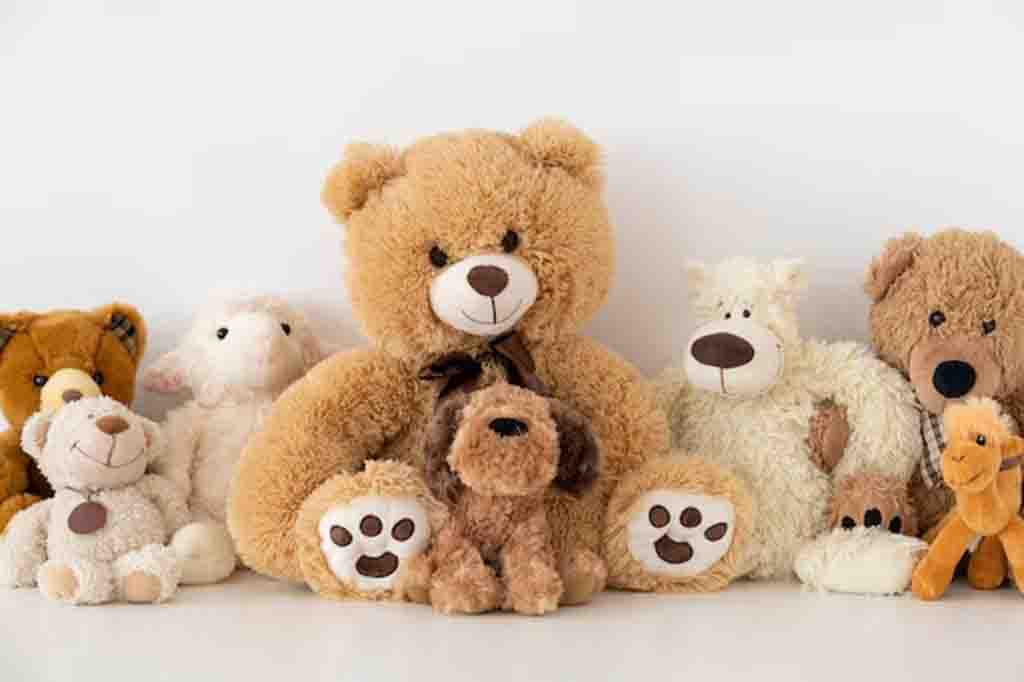
Yes. Global toy industry dynamics increasingly reflect a dual strategy:
- Stuffed animals anchor traditional retail, family gifting, and educational toys.
- Plushies dominate youth-driven markets, online sales, and collectible ecosystems.
Key Trends
- E-commerce growth: Search terms like “plushie” outperform “stuffed animal” among Gen Z shoppers.
- Anime & K-pop influence: Asia exports plush culture worldwide.
- Customization & sustainability: Plushies often lead with eco-friendly fabrics and themed designs.
- Adult collectors: Plush is no longer just for kids—weighted, therapeutic, and premium plushies drive growth.
| Industry Trend | Effect on Terminology |
|---|---|
| E-commerce SEO | “Plushie” gains traction |
| Asian pop culture | “Plushie” globalized |
| Sustainability | Both terms adapt, plushie leading |
| Adult collectors | “Plushie” as lifestyle product |
Conclusion
The difference between a plushie and a stuffed animal is shaped by history, culture, and consumer perception. “Stuffed animals” represent tradition and formal toy terminology, while “plushies” reflect modern, fandom-driven, and emotionally expressive culture. For manufacturers and brands, the smartest approach is to leverage both terms—using “stuffed animals” for formal B2B and parent-facing channels, and “plushie” for online, youth, and fandom-driven markets.
At Kinwin, we help global buyers navigate these trends by offering plush products that are soft, safe, customizable, and certified (EN71, ASTM, CPSIA, ISO). Whether your customers ask for stuffed animals or plushies, our toys are designed to meet expectations across markets.
📧 Contact us at [email protected]
🌐 Visit kinwintoys.com
Let’s create plush toys that bridge tradition and modern culture.