Skip to content
I’m Amanda from Kinwin, a B2B plush toy manufacturer with over a decade of experience serving global buyers and retailers. Many clients ask about the difference between plush toys and stuffed toys. Understanding this distinction helps brands select the right product, materials, design, and production methods. This guide explains the differences in materials, design, safety standards, markets, pricing, and manufacturing considerations.
What defines a plush toy versus a stuffed toy in terms of materials and construction?
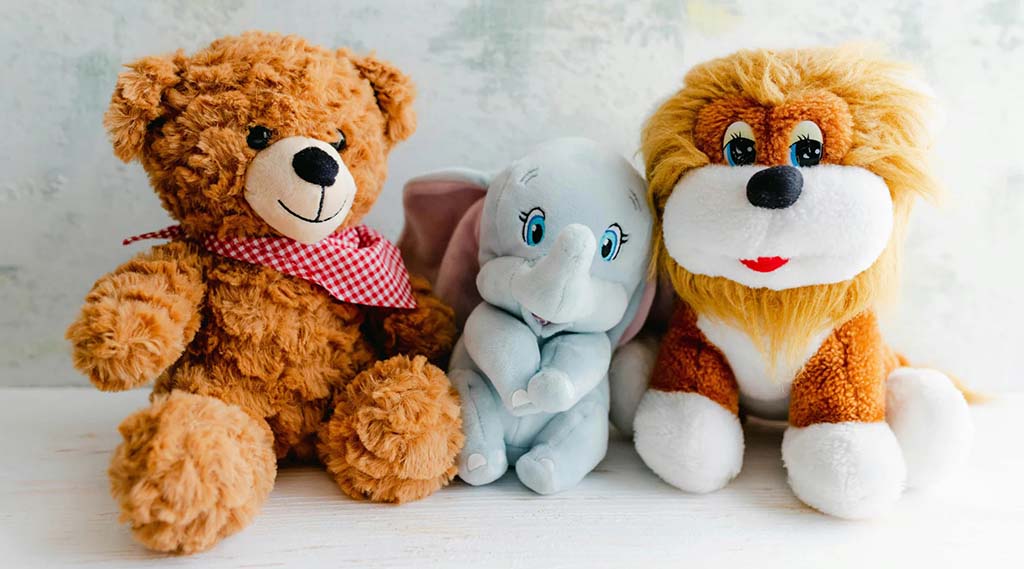
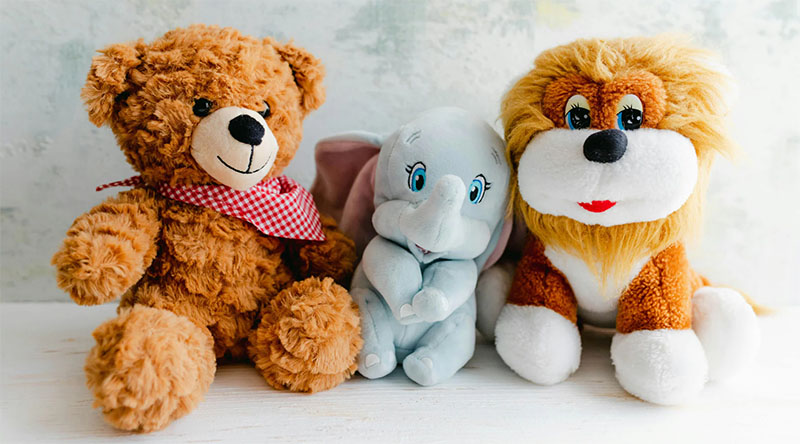
Plush toys and stuffed toys often look similar but differ in material choice and construction.
Plush toy characteristics:
- Made with soft, high-quality fabrics like velboa, minky, faux fur, or premium plush.
- Filling is typically polyester fiberfill or specialized pellets for softness.
- Stitching is fine and seamless where possible to create a smooth, cuddly feel.
- Often designed for tactile comfort, not heavy use or extreme durability.
Stuffed toy characteristics:
- Materials may be simpler or less refined, including cotton, basic plush, or mixed fabrics.
- Fillings vary from fiberfill to shredded fabrics or inexpensive foam for bulk production.
- Construction focuses on durability over softness, often with visible seams.
- Designed to withstand rougher handling, making them suitable for daycare, schools, or mass giveaways.
| Feature | Plush Toy | Stuffed Toy |
|---|---|---|
| Outer material | Premium soft plush | Basic plush, cotton, or mixed fabrics |
| Filling | Polyester fiberfill, pellets | Fiberfill, shredded foam, or cotton blends |
| Stitching | Fine, seamless | Functional, visible seams |
| Purpose | Comfort, tactile appeal | Durability, cost-effectiveness |
| Targeted feel | Soft, luxurious | Sturdy, practical |
The choice between plush and stuffed often depends on the balance between comfort, appearance, and durability.
How do design complexity and detail differentiate plush toys from stuffed toys?
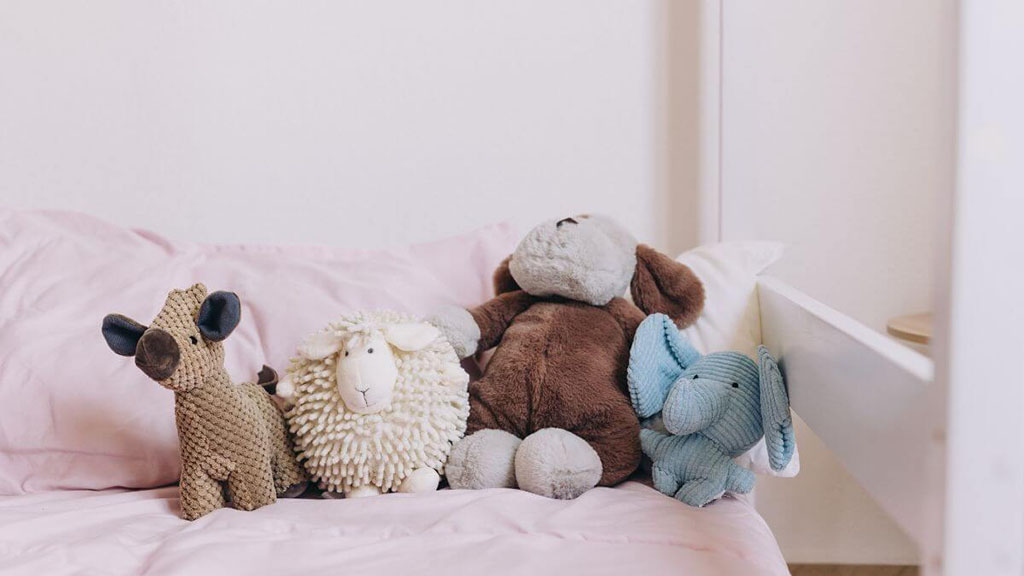
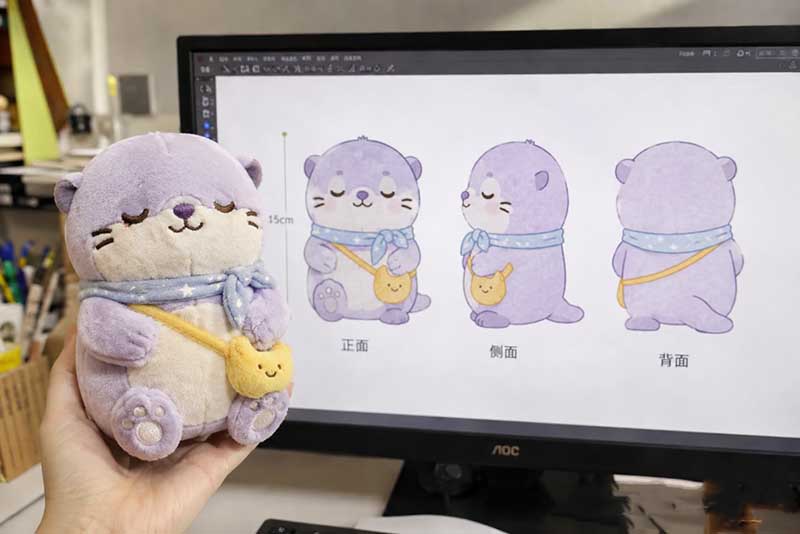
Plush toys tend to feature higher design complexity. Facial expressions, body proportions, and detailed textures are carefully crafted. Features such as embroidery, color gradients, and poseable limbs are common.
Stuffed toys, on the other hand, are usually simpler in shape with fewer details. Their appeal is broad but less refined, focusing on general shapes and colors rather than intricate design elements.
| Aspect | Plush Toy | Stuffed Toy |
|---|---|---|
| Facial features | Embroidered or highly detailed | Simple stitched or printed |
| Limb articulation | Often poseable or flexible | Fixed limbs, basic construction |
| Texture & patterns | Mixed fabrics, textures | Single fabric, minimal texture |
| Accessory integration | Hats, clothes, removable items | Rarely included |
| Complexity level | High | Low to moderate |
Complex design affects prototyping, production, and cost. Plush toys require careful quality control to preserve aesthetics, whereas stuffed toys prioritize speed and cost-efficiency.
Which safety standards and certifications apply uniquely to each type?
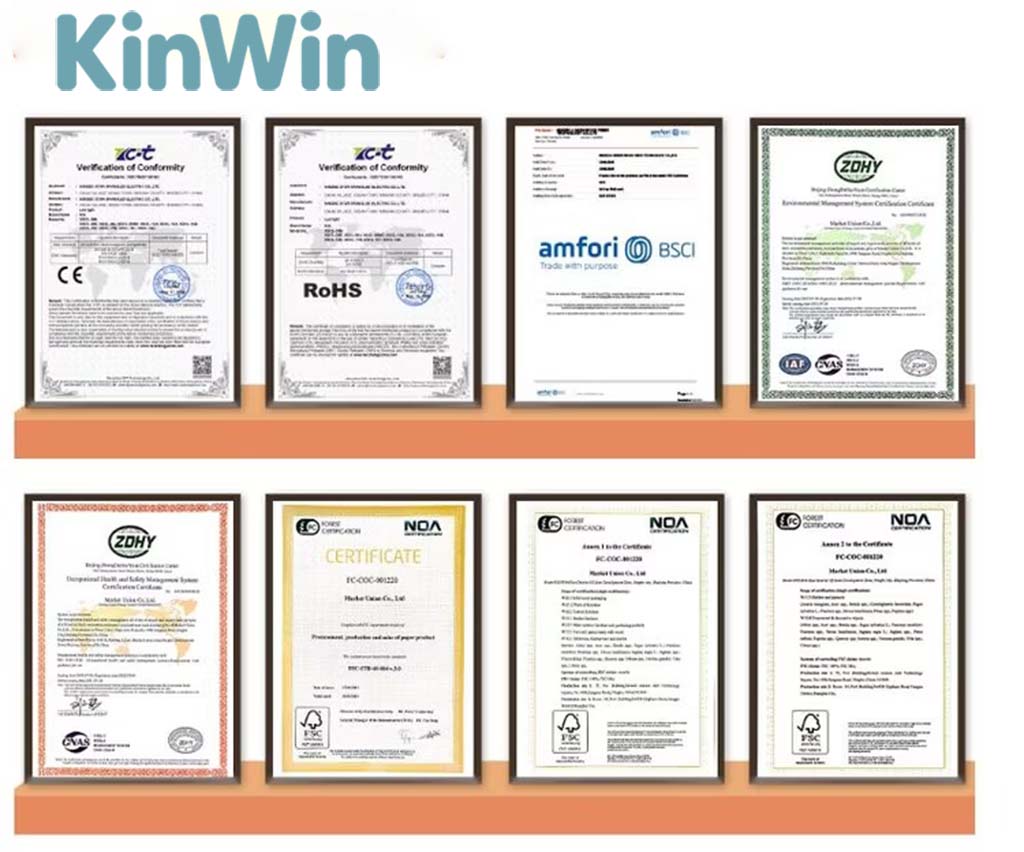
Safety standards differ depending on target market and intended use.
Plush toys:
- Must comply with CE, ASTM, CPSIA, especially for infant or toddler use.
- Emphasis on non-toxic materials, flame retardancy, and small part prevention.
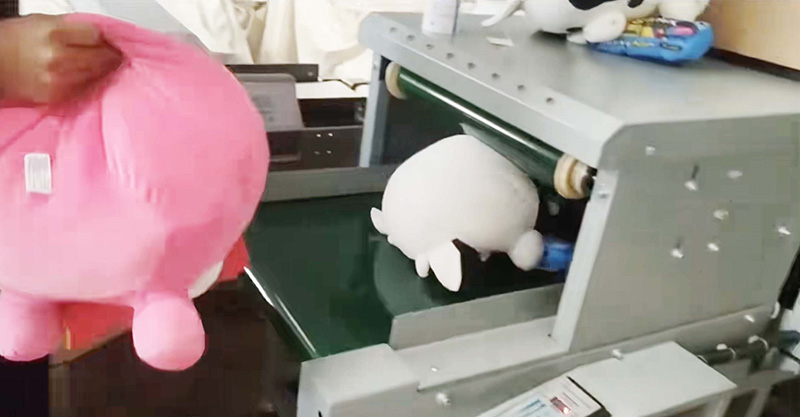
- Often requires testing for fiber shedding, choking hazards, and chemical safety.
Stuffed toys:
- May also require CE or ASTM if marketed for children.
- Safety emphasis is usually on durability and seam strength, as these toys are often handled more roughly.
- Accessories and small parts need secure attachment to avoid hazards.
| Standard | Plush Toy Focus | Stuffed Toy Focus |
|---|---|---|
| CE | Non-toxic, soft feel | Secure stitching, durability |
| ASTM | Fiber safety, small parts | Choking, seam strength |
| CPSIA | Chemical & dye safety | Basic safety for rough use |
| Additional | Soft tactile comfort | Longevity under heavy play |
Even when marketed to older children, ensuring compliance protects buyers and reduces returns.
How do target markets and consumer expectations influence product classification?
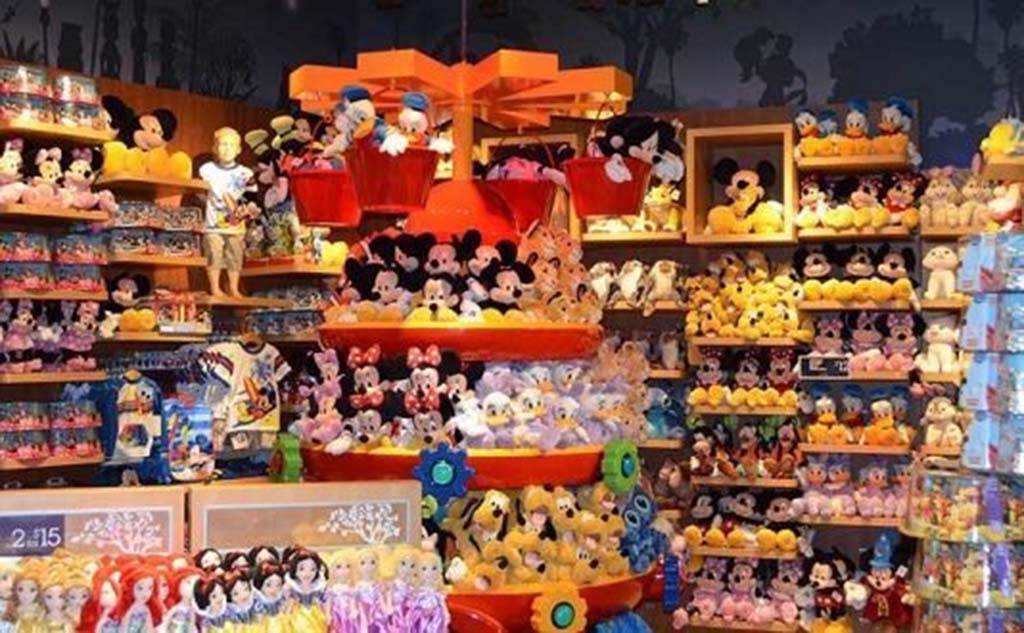
Target audience heavily influences whether a toy is classified as plush or stuffed.
- Plush toys target families, gift buyers, or collectors. They emphasize softness, huggability, and emotional connection.
- Stuffed toys often target schools, daycare centers, promotional giveaways, or budget-conscious buyers. They emphasize durability and affordability.
| Market Segment | Plush Toy Appeal | Stuffed Toy Appeal |
|---|---|---|
| Gift buyers | Soft, cute, premium feel | Functional, cost-effective |
| Children 0–5 | Huggable, safe for infants | Simple, sturdy for rough play |
| Retail & online | Brandable, collectible | Bulk purchase, budget-friendly |
| Institutions | Not primary target | Durable for heavy use |
Consumer expectations guide design, material choice, and pricing strategy, ensuring the toy performs well for its intended purpose.
What are the pricing, durability, and quality implications of choosing plush versus stuffed toys?
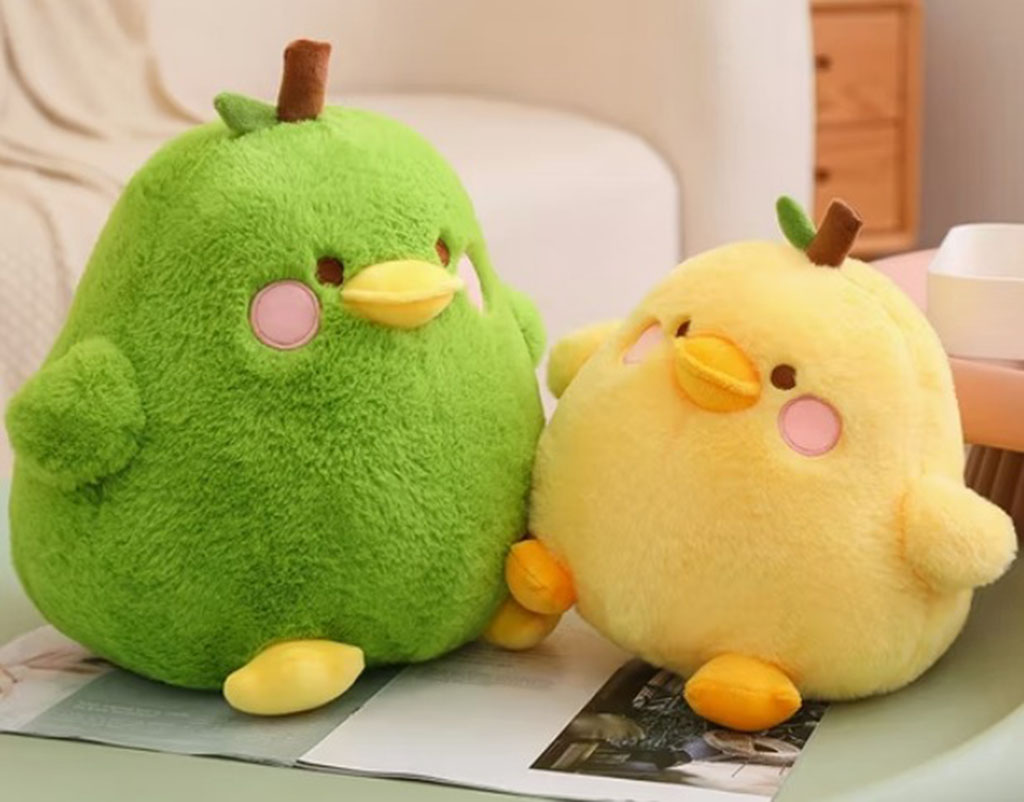
Plush toys:
- Higher material cost due to premium fabrics and soft fills.
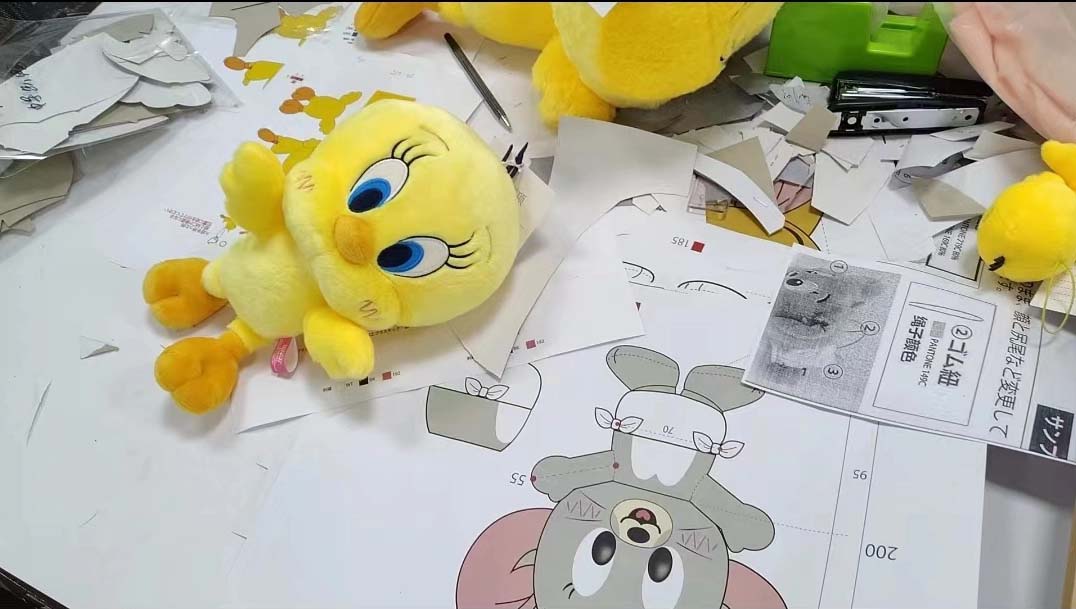
- Requires careful stitching, embroidery, and QC.
- Price point is higher but justifiable due to tactile appeal and safety standards.
Stuffed toys:
- Lower material costs, simpler production.
- More robust for rough handling, longer-lasting in bulk use.
- Lower price point suitable for large-scale distribution.
| Factor | Plush Toy | Stuffed Toy |
|---|---|---|
| Material cost | High | Low to moderate |
| Production complexity | High | Moderate |
| Durability | Moderate | High |
| Price point | Premium | Budget-friendly |
| Customer perception | Soft, collectible | Practical, functional |
Choosing between the two depends on brand positioning, target market, and intended use.
How can manufacturers decide which type best suits their brand and production capabilities?
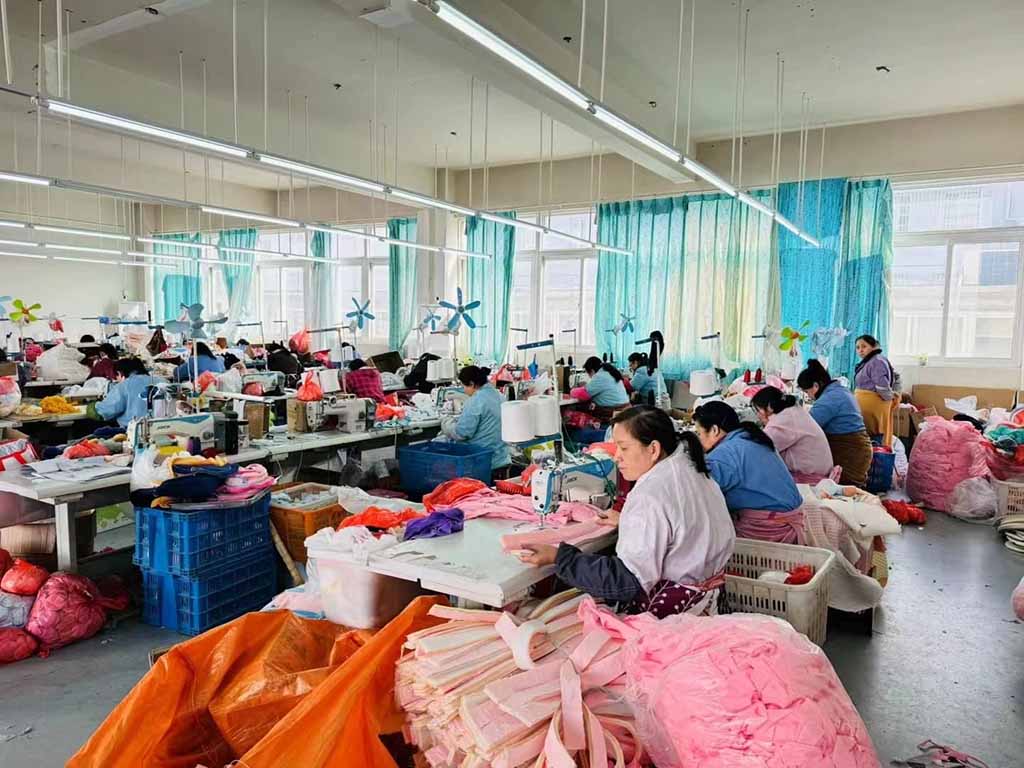
Manufacturers evaluate:
- Target audience and use: Soft and collectible vs. durable and bulk.
- Available materials and supply chains: Premium fabrics and safe fills for plush; bulk cotton or polyester for stuffed.
- Production equipment and expertise: Fine embroidery, soft texture control, and QC for plush; high-volume efficiency for stuffed.
- Pricing and margin goals: Plush allows higher margins; stuffed is volume-driven.
- Brand identity and marketing: Premium or emotional brand favors plush; functional or institutional brand favors stuffed.
| Decision Factor | Plush Toy | Stuffed Toy |
|---|---|---|
| Audience | Gift/collector | Institutional/bulk buyers |
| Material & supply | High-quality fabrics | Basic, cost-effective fabrics |
| Production expertise | Skilled sewing, embroidery | Efficient mass assembly |
| Pricing | Premium | Budget-friendly |
| Brand alignment | Emotional, soft, collectible | Functional, durable |
By assessing these factors, manufacturers can select the optimal toy type to match brand goals, production capabilities, and buyer expectations.
Conclusion
Plush toys emphasize softness, detail, and emotional appeal, while stuffed toys prioritize durability and cost-efficiency. At Kinwin, we guide global buyers in selecting and producing the right toy type for their brand, ensuring safety, quality, and market success. Contact us at [email protected] or visit kinwintoys.com to explore how our factory can support your next project.