I’m Amanda from Kinwin in China. I help brands choose fillings that feel soft, pass audits, and still protect margin. When teams ask, “What is the cheapest stuffing for stuffed animals?” I always answer: the cheapest per kilogram is not always the cheapest per toy. True cost depends on loft efficiency, labor minutes, testing, freight, and returns. Below I compare budget fillings, explain the yield math in simple terms, show the sourcing levers that move price, flag compliance traps, and offer cost-reduction tactics that keep handfeel while lowering spend.
Which low-cost fillings—virgin polyfiber, rPET recycled fiber, shredded foam, kapok/cotton, or PP pellet blends—offer the best price-to-performance?
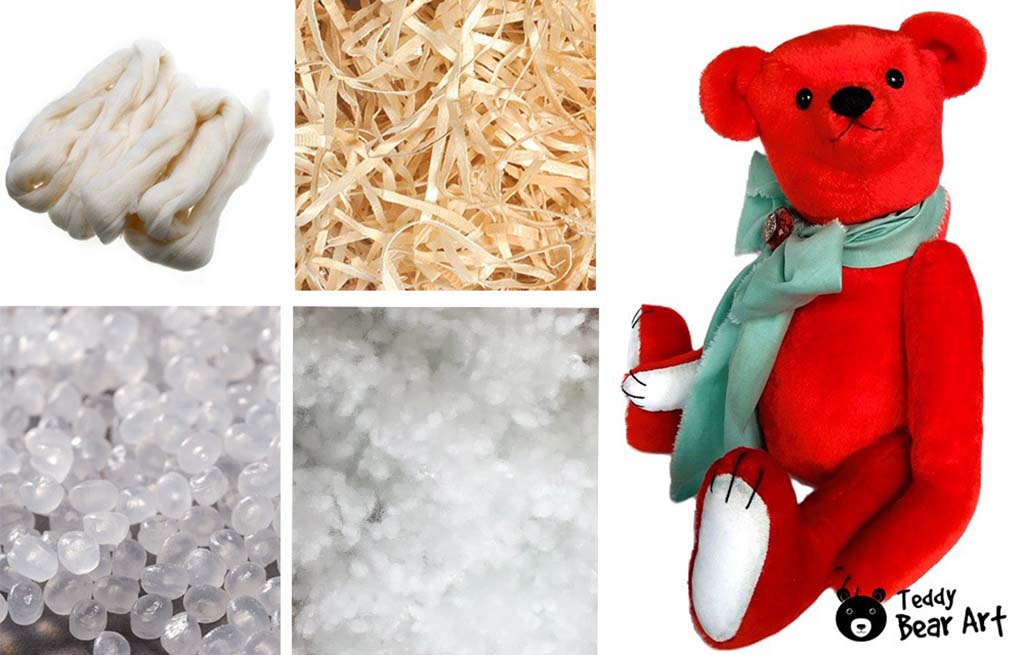
For most children’s SKUs, virgin hollow polyester fiber wins overall: high yield per gram, easy stuffing, stable compliance. rPET hollow fiber can match the feel and cost at scale if you keep lot documents. Shredded foam is cheap per kg but heavy per unit, harder to wash, and better for adult décor. Kapok/cotton sounds “natural,” but compacts with time and can complicate flammability. PP pellet blends are not a full stuffing replacement; they add a weighted base to improve sit-stability and perceived value, but increase leakage risk if not double-pouched.
Table 1 — Budget Fillings at a Glance
| Filling | Cost posture | Feel & yield | Best use | Watch-outs |
|---|---|---|---|---|
| Virgin hollow polyfiber | Lowest overall | Cloud-soft; high loft per gram | Kids’ plush, mass retail | Verify staple consistency |
| rPET hollow fiber | Low–mid (close to virgin at volume) | Similar to virgin if quality | Eco lines; brand story | Keep lot-level rPET certs |
| Shredded foam | Low per kg; heavy per unit | Supportive; slow recovery | Adult décor cushions | Spot clean; not infant-safe |
| Kapok/cotton | Mid; regional | Natural, airy then compacts | Craft/vintage looks | Moisture & flammability care |
| PP pellet blends | Adds “grounded” feel | Not a fill replacement | Weighted bases (3+ / adult) | Double-pouch + leakage tests |
How do loft efficiency, staple length, and compression ratio impact cost-per-liter and perceived softness in stuffed animals?
Think in liters, not only grams. Loft efficiency is how much volume a kilogram of fiber can fill at your target squeeze. Higher loft = fewer grams per toy = lower true cost. Staple length and crimp drive consistency; uneven staples create lumps and slow operators. Compression ratio matters for freight: some plush can be gently compressed in cartons and rebound later; others (long-pile faux fur, sculpted faces) should not.
Table 2 — Yield & Feel: The Simple Math
| Metric | Definition | Cheaper when… | Risk if ignored |
|---|---|---|---|
| Loft efficiency (L/kg) | Volume delivered per kg | Higher L/kg → fewer grams per toy | Over-stuffing to “look full” raises cost |
| Staple length tolerance | Uniform fiber lengths | Smooth flow; even squeeze | Lumps, slow stuffing, AQL failures |
| Compression ratio | How small units ship | Safe compression + full recovery | Deformed faces; returns |
| Perceived softness | Surface glide + squeeze | Right loft at lower grams | Under-filled toys feel cheap online |
Action: In sampling, record grams per unit, a 60-second squeeze test for recovery, and a 48-hour compression recovery photo. Choose the fiber with the lowest cost-per-look, not just lowest cost/kg.
What sourcing factors (MOQs, denier/GSM specs, colorfastness grades, and freight class) most affect the final stuffing cost?
Stuffing cost is set long before production. You lower real cost when you spec in numbers and align purchases with MOQs.
Table 3 — Sourcing Levers That Move Cost
| Lever | What to lock | Why it saves |
|---|---|---|
| MOQ cadence | Rolling releases tied to your forecast | Price stability; fewer rush buys |
| Denier & crimp spec | Written spec with retain samples | Repeatable loft → fewer grams |
| Staple length window | Tight tolerance (e.g., ±2 mm) | Faster stuffing; less fly loss |
| Color/white point | White grade for light shells | No grey show-through at seams |
| RSL/OEKO expectations | Agree before sourcing | Avoid rework when retailers ask |
| Freight class | Plan ocean FCL for core, air only for launches | Landed cost control |
Which compliance and safety requirements (EN71, ASTM F963/CPSIA, flammability, migration) can make “cheap” fillings risky or costly?

“Cheap” becomes expensive when a lot fails. Children’s products must pass EN71-1/2/3 (EU/UK) or ASTM F963 + CPSIA (U.S.). Fail points include seam strength, stuffing integrity, and flammability. Natural fibers can raise flammability risk and moisture sensitivity. Pellet systems require leakage validation. If you claim rPET, keep lot-tied certificates; unverifiable “eco” claims trigger relabeling and markdowns.
Table 4 — Compliance Traps (and Fixes)
| Trap | Why it happens | Hidden cost | Fix |
|---|---|---|---|
| Seam pops | Over-stuffing low-loft fiber | Rework, scrap, delays | Better yield fiber; SPI tuning |
| Lumps/collapse | Mixed staple; no baffles | AQL fails; returns | Tighter spec; add baffles |
| Flammability flags | Long pile / natural fibers | Extra testing; redesign | Short-pile face; proper finishes |
| Pellet leaks | Single pouch; weak seams | Claims; reputation hit | Double-pouch; leakage test |
| Greenwashing | rPET claim w/o docs | Relabel; retailer penalties | Lot-tied certificates only |
How do durability, recovery, and wash-care outcomes differ among budget fillings over real-world use cycles?
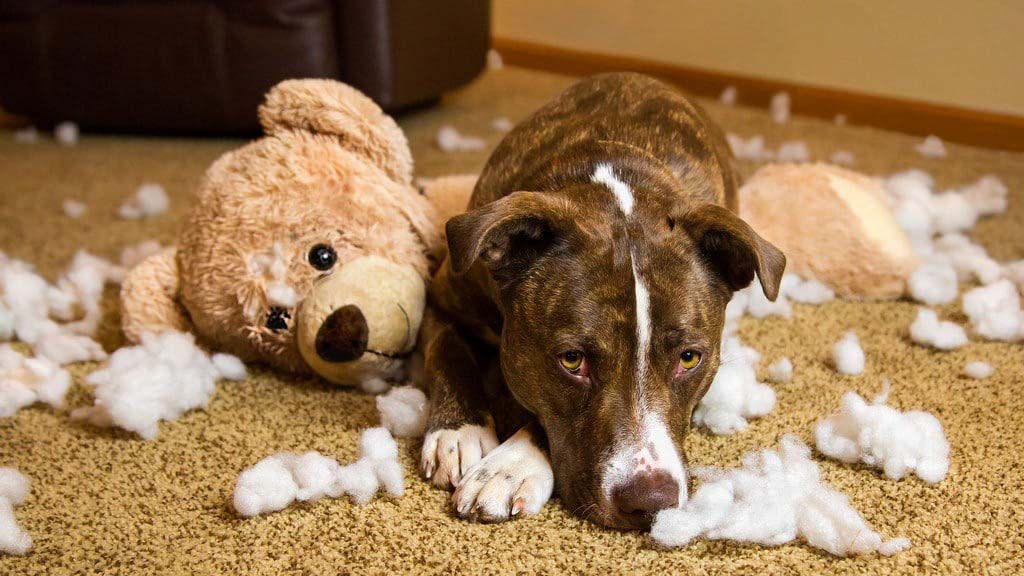
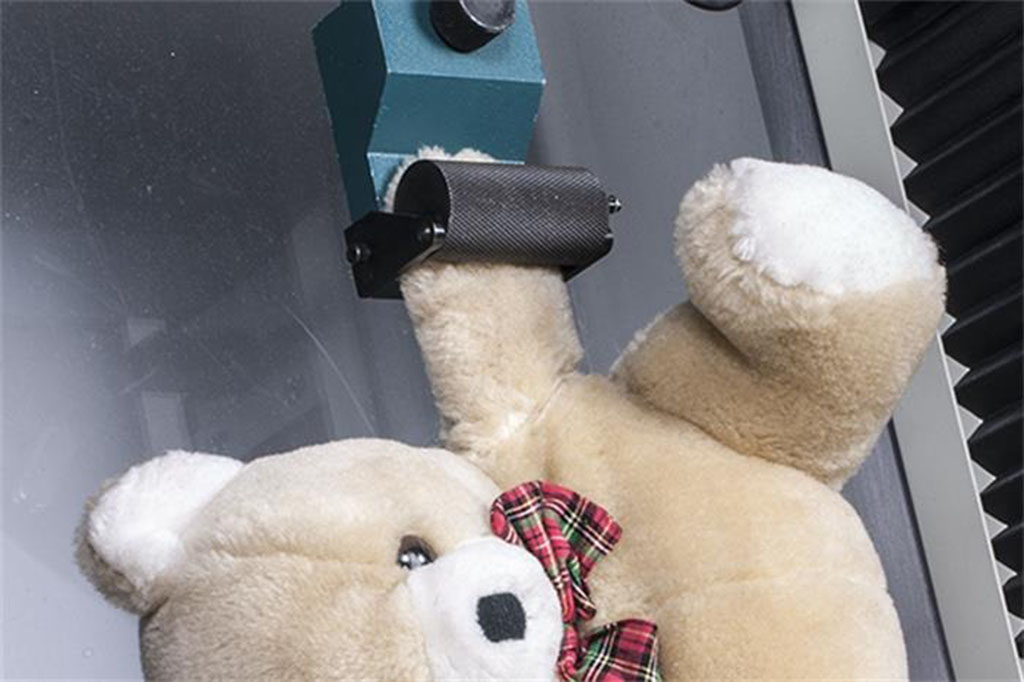
Durability is the second price tag. If toys look tired after two washes, returns erase your savings. Short-pile shells with quality hollow polyfiber recover well on gentle machine cycles; faux fur needs surface clean + brush. Shredded foam tends to clump and is better for adult décor. Kapok/cotton compresses; it suits vintage aesthetics but not high-wash kids’ lines. Pellet bases last if double-pouched and seams are reinforced.
Table 5 — Real-World Performance (Budget Fillings)
| Filling | Recovery after squeeze | Wash-care reality | Long-term look |
|---|---|---|---|
| Virgin hollow polyfiber | Fast rebound | Gentle machine (short-pile shells) | Holds loft with panel fill map |
| rPET hollow fiber | Fast rebound (if quality) | Same as virgin | Stable if lot quality is consistent |
| Shredded foam | Slow rebound; clump risk | Spot clean | Shape drift over time |
| Kapok/cotton | Compresses; shape memory low | Gentle/spot; dry thoroughly | “Vintage soft,” less volume |
| PP pellets (base) | N/A (weight only) | N/A | Stable if double-pouched |
What cost-reduction strategies (blend ratios, packing density targets, VAVE) preserve handfeel while minimizing stuffing expense?
Cost down does not mean cheap feel. It means engineer the squeeze.
Table 6 — Cost-Down Without Compromise (VAVE Playbook)
| Strategy | How it works | Result |
|---|---|---|
| Face/body split | Velboa/minky face for clarity; faux fur only where it adds value | Premium look; sewing minutes down |
| Fill map & baffles | Grams per panel; baffles in big bodies | Even squeeze; fewer grams overall |
| Loft-optimized fiber | Choose higher L/kg at target firmness | Lower grams per unit |
| Weighted only where needed | Double-pouched base for sit-stability | Perceived quality ↑ without over-filling |
| Gentle compression plan | Compress short-pile SKUs with recovery test | Cartons/unit ↓; freight saved |
| Variant logic | One silhouette → multiple palettes/sizes | Scale buys; test fewer materials |
| rPET at scale | Match virgin cost with volume + docs | Eco story without margin loss |
Conclusion
The “cheapest” stuffing for stuffed animals is usually virgin hollow polyester fiber—when the spec delivers high loft per gram, consistent staple, and smooth line flow. rPET can match it at volume with verified documents. Real savings come from fill maps, baffles, loft-optimized fibers, and smart freight, not from chasing the very lowest price/kg. If you want a factory partner to benchmark fibers and lock a fill plan that protects softness and margin, email [email protected] or visit kinwintoys.com—my team at Kinwin can take you from brief to PPS to on-time mass with plush that cleans up beautifully.