When buyers ask me, “What is the best stuffing for plush toys?”, they are really asking a deeper question:
How can we make plush that feels good in the hand, stays beautiful after use, passes safety tests, and still fits our cost and brand story?
I’m Amanda from Kinwin, a plush toy factory in China. My team and I work with brands, retailers, and e-commerce sellers around the world. Every day we choose and test different stuffings: polyester fiberfill, natural fibers, pellets, foam inserts, and eco-friendly options.
In this guide, I’ll walk you through how to judge “best stuffing”, how each filling type behaves in real production, and how to match stuffing to different users and markets.
What criteria define the best stuffing for plush toys?
There is no single stuffing that is “best” for every plush. The best stuffing is the one that fits your user, design, and market. In practice, I look at several core criteria:
- Softness & hand-feel – Does the plush feel pleasant and inviting?
- Resilience & recovery – Does it bounce back after squeezing and washing?
- Safety & cleanliness – Is it non-toxic, low-dust, and safe for age grading?
- Washability – Can it handle hand-wash or machine-wash if needed?
- Weight & drape – Should the plush feel light and fluffy, or weighted and solid?
- Consistency – Will every production batch feel the same?
- Cost & availability – Does it match your target price and supply chain?
- Sustainability – Do you need recycled or eco-story materials?
Key criteria for “best” plush stuffing
| Criterion | What I look for in real projects | Why it matters for you |
|---|---|---|
| Softness | Smooth, non-scratchy fibers; no hard clumps | First impression in the customer’s hands |
| Resilience | Stuffing returns to shape after squeezing or washing | Keeps plush looking new longer |
| Safety & cleanliness | Low lint, no sharp contaminants, compliant material | Essential for child safety and brand trust |
| Washability | Structure remains after washing; no heavy clumping | Important for baby and everyday kids’ plush |
| Weight & drape | Correct density for hugging, sitting, or “floppy” feel | Matches design intent (cute pillow vs weighted toy) |
| Consistency | Stable supply and quality from batch to batch | Reduces complaints and returns |
| Cost & availability | Reliable sourcing at your target cost level | Keeps your project profitable and scalable |
| Sustainability | Recycled content, certifications if needed | Supports eco-positioning and CSR goals |
When you define your stuffing, try to be specific. Instead of “soft but not too soft,” say things like “we want a fluffy but light feel” or “we want a denser, more weighted feel.” This gives your factory a clear direction.
How does polyester fiberfill balance softness, safety, and cost?
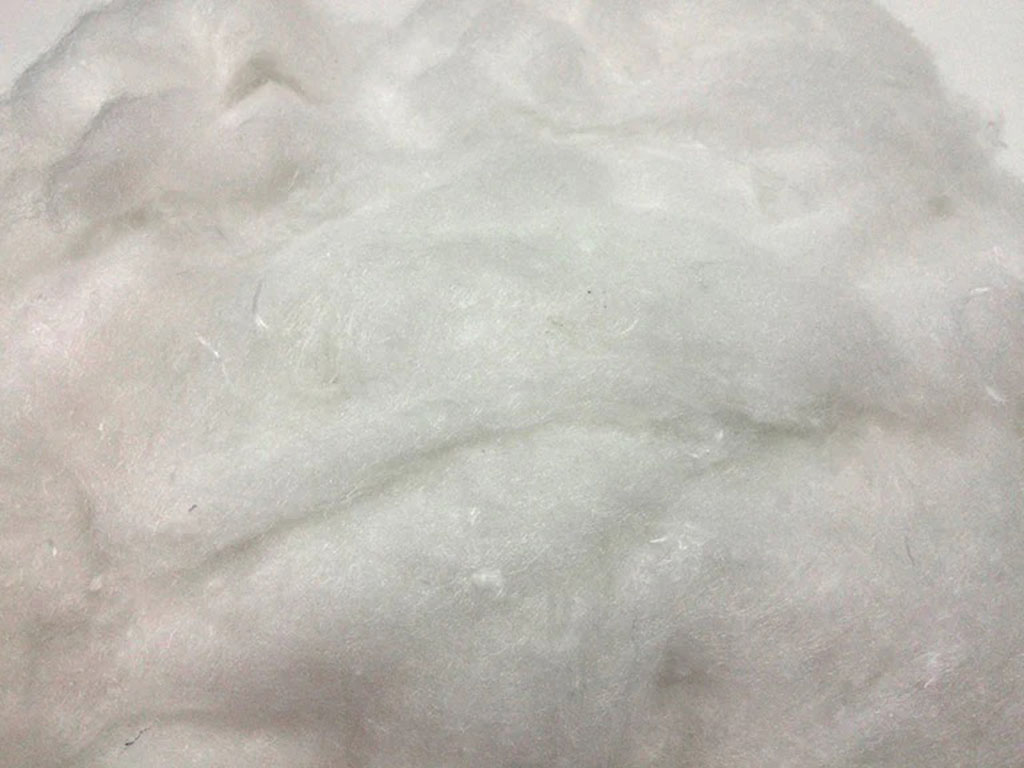
In modern plush manufacturing, polyester fiberfill (often called PP cotton) is still the main stuffing choice. There are good reasons for this.
Why polyester fiberfill is the standard
- It is soft and bouncy when made with fine, hollow fibers.
- It is lightweight, so the plush does not feel heavy or stiff.
- It is washable and dries relatively quickly.
- It is stable, so it does not rot, attract pests, or absorb moisture easily.
- It is widely available and cost-effective for mass production.
For baby toys and general children’s plush, we usually use siliconized, hollow conjugate polyester fiber. This type of fiberfill slides nicely inside the plush body and resists clumping.
Safety and compliance
Good quality polyester fiberfill:
- Has low dust and low loose fibers.
- Can be tested to meet CE, ASTM, CPSIA and other toy standards.
- Does not introduce natural allergens like some seed or grain-based fillings may.
For strong safety control, we also use inner net bags for special weighted parts, and we keep fillings traceable by lot.
Polyester fiberfill – pros and considerations
| Aspect | Benefits for plush toys | Points to watch |
|---|---|---|
| Softness | Can be very soft and fluffy with fine fibers | Too low density can feel “empty” |
| Resilience | Springs back after squeezing when quality is good | Very cheap fiber can flatten over time |
| Safety | Non-rotting, low allergen risk, easy to test | Still needs clean processing and QC |
| Washability | Handles hand/machine wash with proper design | Must avoid over-stuffing in narrow parts |
| Cost | Excellent cost-performance for mass markets | Virgin polyester has environmental footprint |
| Supply | Stable global supply | Choose trusted suppliers for consistent quality |
In short: if you do not have a very special story or requirement, polyester fiberfill is usually the best starting point for plush stuffing.
How do natural fillings compare to synthetic options in performance?
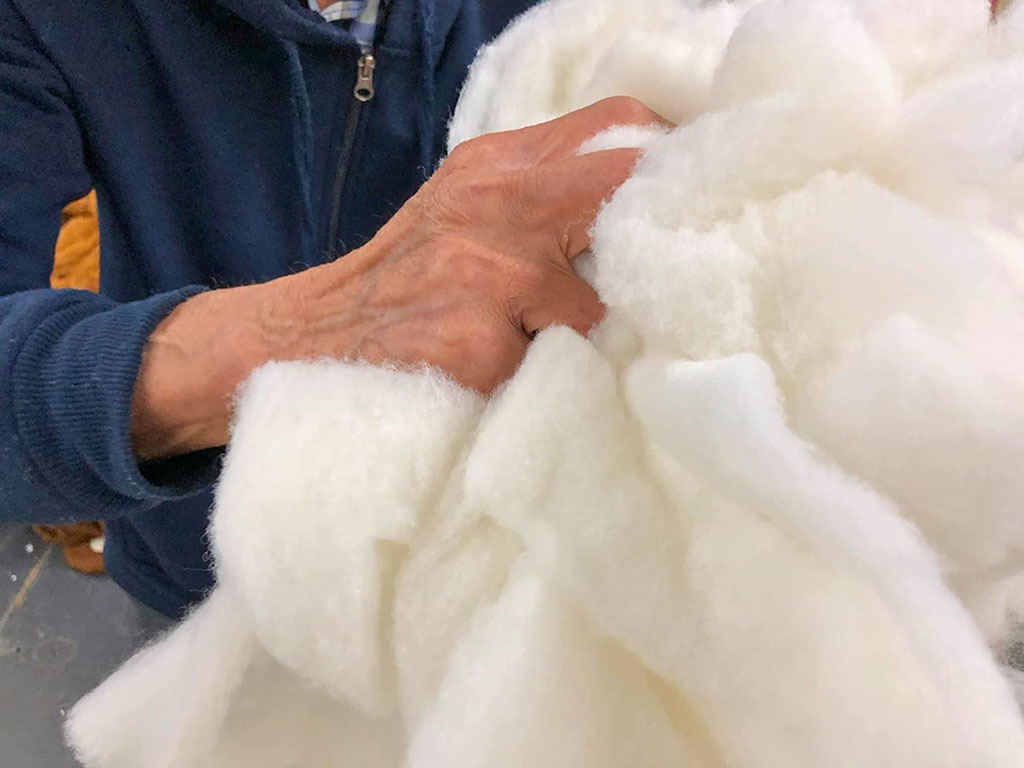
Some brands and customers like the idea of natural fillings. They sound “healthier” and more eco-friendly. But in real manufacturing, natural fillings need careful evaluation.
Common natural fillings
- Cotton fiber – soft, natural, but can compact and hold moisture.
- Wool – warm and springy, but can felt, shrink, or cause allergies.
- Kapok fiber – light and fluffy plant fiber, but more delicate to process.
- Seeds / grains (beans, rice, buckwheat, etc.) – used mostly in local crafts, not mainstream toys.
Pros
- Natural story for marketing.
- Can feel unique and traditional.
- Fits certain brand identities (organic, handmade, artisanal).
Cons
- Higher risk of moisture, mold, or mildew if not stored and finished correctly.
- Harder to pass global toy safety and chemical tests, especially with grains or seeds.
- Potential allergen issues (dust, wool sensitivity, etc.).
- Less predictable consistency between batches.
- Often heavier and less washable than polyester.
For export toys and baby products, the practical choice is still synthetic fiberfill or recycled polyester, unless your whole brand is built around certified natural materials and you are ready for extra testing and QA.
Natural vs synthetic fillings – performance comparison
| Feature | Natural fillings (cotton, wool, kapok) | Synthetic fillings (polyester fiberfill) |
|---|---|---|
| Touch & feel | Can feel warm and “natural,” sometimes denser | Soft, fluffy, can be tuned with fiber type |
| Moisture behavior | Absorbs moisture; risk of mold if mismanaged | Low moisture absorption; more stable in storage |
| Allergies | Possible allergens (wool, dust, plant residues) | Generally low allergen risk (but still test needed) |
| Washability | Can shrink, felt, or clump | Washes well with proper design |
| Consistency | Quality can vary by harvest and processing | More consistent across batches |
| Safety testing | More complex; may need extra microbiological checks | Well-understood in toy test protocols |
| Marketing story | Strong “natural, traditional” appeal | Strong “clean, modern, tested” appeal |
If you want to explore natural fillings, I suggest using them in adult collectible, decorative, or artisanal plush, not in mass-market children’s toys.
What role do beads, pellets, and foam play in specialty plush designs?
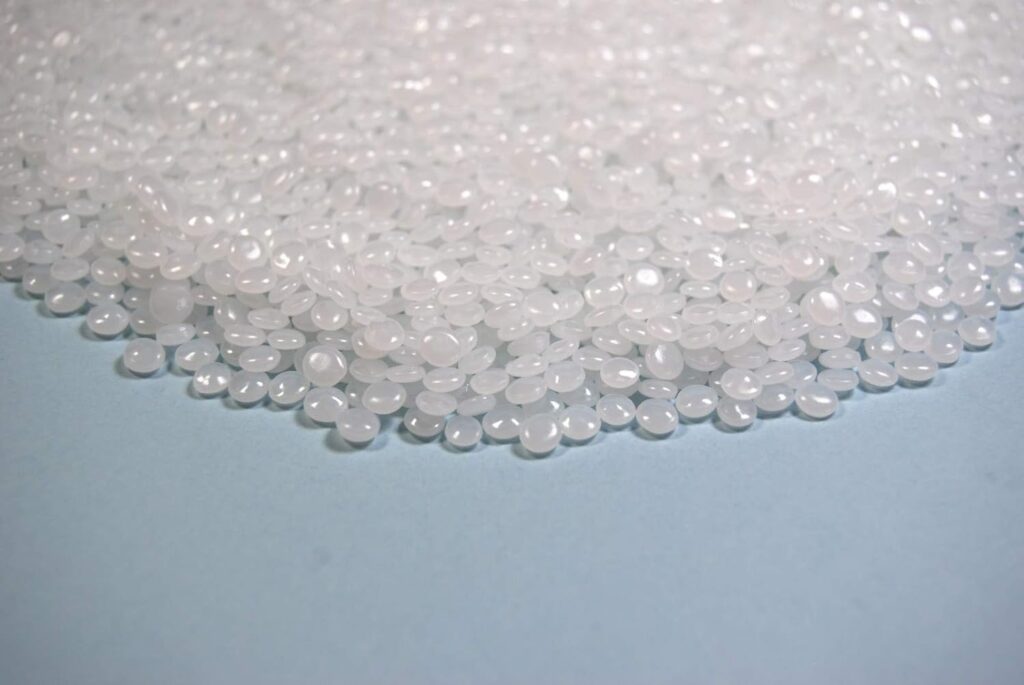
Not all stuffing is fluffy. Many great plush designs use a mix of fillings to control weight, structure, and “squish”.
Beads and pellets
Common types:
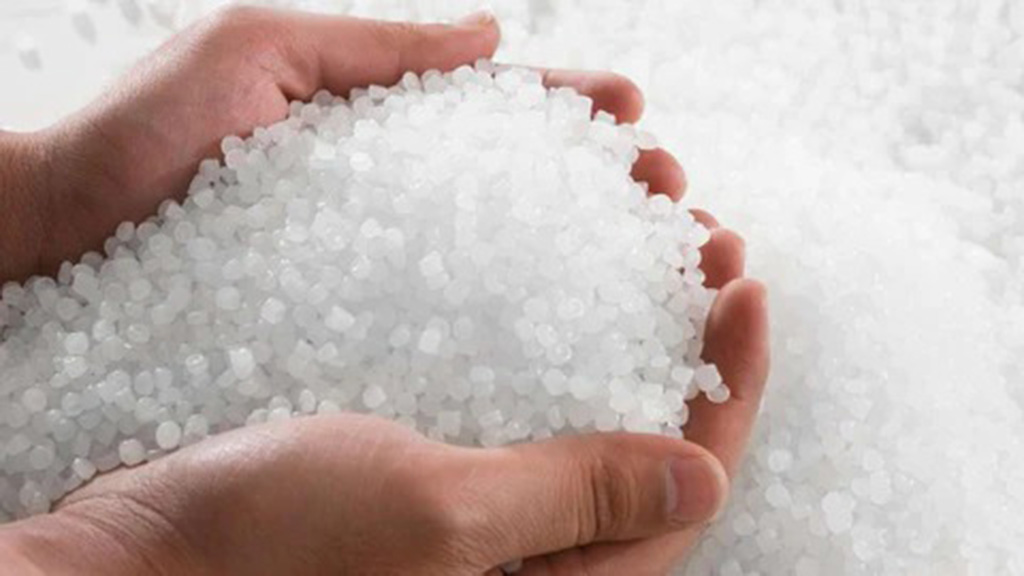
- Plastic pellets (PP or PE) – small, smooth beads used to add weight.
- Glass beads – used more in therapeutic or weighted products.
They are usually placed:
- In inner pouches inside the body.
- In hands, feet, or bottom to help the plush stand or sit.
Benefits:
- Add a pleasing weighted feel.
- Help plush sit upright on shelves.
- Create a “bean bag” style squish in some designs.
Safety notes:
- Pellets must be fully enclosed in strong inner bags.
- Plush with pellets is often marked for older children or adults, not babies who chew.
Foam and structured inserts
Foam can be used when you need specific shapes or extra support:
- Foam blocks or cut shapes in heads, muzzles, or big noses.
- Foam sheets to support wings, ears, or panels.
- Memory foam for cushions or “hug pillows.”
Benefits:
- Clear, stable shapes that fiberfill alone cannot create.
- Smooth surfaces for certain design styles.
Safety notes:
- Foam must be non-toxic and comply with relevant standards.
- Outer fabric and seams must cover foam fully with no sharp edges.
Specialty stuffing components – what they do
| Material | Main function in plush design | Typical use cases |
|---|---|---|
| Plastic pellets | Add weight and “bean bag” feel | Bottom, hands, feet, small collectible plush |
| Glass beads | Extra weight in smaller volume | Weighted plush for adults, therapeutic products |
| Foam blocks | Maintain defined shapes | Noses, heads, structural parts |
| Foam sheets | Give stiffness to flat parts | Wings, ears, decorative panels |
| Mixed stuffing | Pellets + fiberfill inside same plush | Balanced softness + weight |
When we design plush at Kinwin, we often mix fiberfill + pellet bags to get a stable, premium feel without losing softness.
How do eco-friendly and recycled fillings perform in mass production?
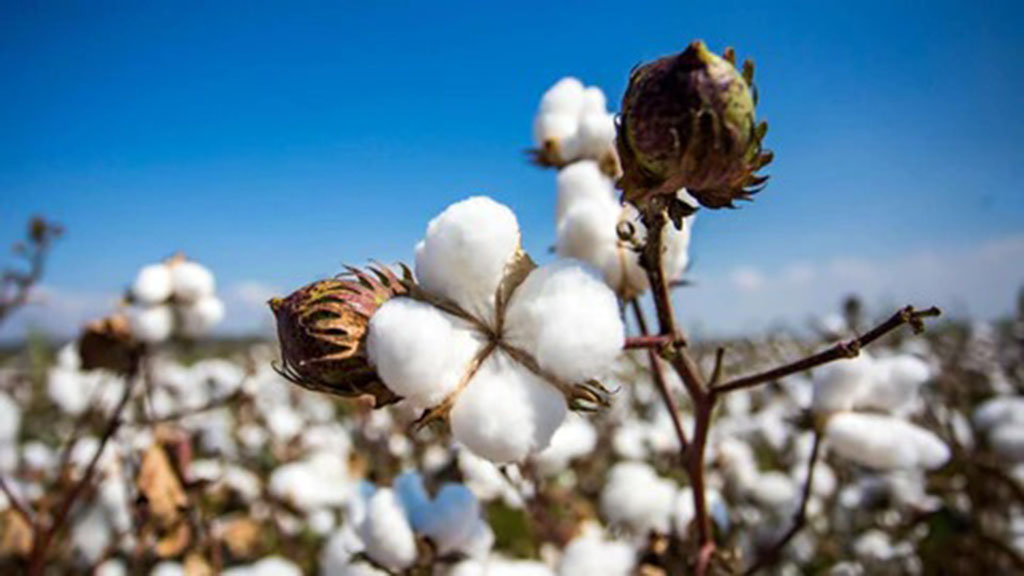
More buyers now ask for eco-friendly stuffing, especially for markets in Europe, North America, Japan, and Korea. The most practical answer today is usually recycled polyester fiberfill (rPET).
Recycled polyester fiberfill
- Made from recycled sources (often PET bottles).
- Still behaves like normal polyester when quality is good.
- Can be certified (for example, under global recycling standards).
Performance:
- Softness: can be nearly identical to virgin polyester, depending on supplier.
- Resilience: good if fiber processing is controlled.
- Pilling / lint: similar to standard fiberfill.
- Safety: still needs normal toy safety tests, but generally suitable.
Other eco fillings
- Recycled pellets – plastic pellets made from recycled plastic.
- Plant-based fibers (corn, bamboo, etc.) – used in niche projects.
These can support a strong eco story but may have:
- Higher cost.
- Less stable supply.
- More complex testing for long-term use.
Eco-friendly filling options in practice
| Filling type | Eco aspect | Production performance notes |
|---|---|---|
| Recycled poly fiberfill | Uses recycled plastic, can be certified | Most practical eco choice for mass plush |
| Recycled pellets | Reuses plastic waste for weight components | Similar feel to virgin pellets; needs QC |
| Plant-based fibers | Lower fossil origin, “natural” story | Need extra testing for moisture and durability |
| Natural seed fillings | Biodegradable, local craft story | High risk for mold/allergens; not ideal for toys |
If you want to claim “eco-friendly” in a real way, I suggest:
- Using recycled polyester fiberfill in as many SKUs as possible.
- Keeping transparent data (like certification documents) from suppliers.
- Matching eco-filling with reduced plastic packaging, so the whole product aligns with your story.
How should manufacturers match stuffing types to target users and markets?
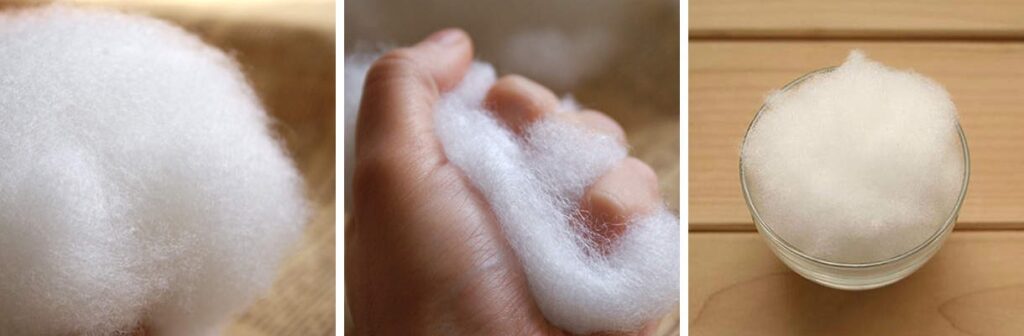
Choosing stuffing is easier when you start from who will use the plush and how they will use it. Here is how I usually match stuffing types to different segments.
1. Baby and toddler plush
Focus: maximum safety, softness, and washability
- Main stuffing: high-quality polyester fiberfill (virgin or certified recycled).
- Avoid loose pellets in baby products, or keep them double-bagged and age-graded clearly.
- Choose fillings with low lint and strong test history.
2. Children’s general plush (3+ years)
Focus: soft play, cuddling, bedroom decor
- Main stuffing: polyester fiberfill, tuned for medium firmness.
- Optional pellet bags for hands/feet for sitting or weight.
- Washable designs preferred by parents.
3. Collectible / fandom / adult plushies
Focus: appearance, character feel, display + light hugging
- Main stuffing: polyester fiberfill, sometimes slightly firmer for shape.
- Pellet bags in bottom to help plush sit on shelves.
- Optional weighted feel for higher perceived value.
Here, we can also use more complex inner structures if needed.
4. Therapeutic and weighted plush
Focus: deep pressure, sensory support, adult or older child users
- Filling mix: pellet bags + fiberfill.
- Pellets can be plastic or glass, held in strong inner pouches.
- Very clear labeling on weight and age suitability.
5. Budget / promotional plush
Focus: simple comfort within strict cost limits
- Main stuffing: cost-efficient but safe polyester fiberfill.
- Limited or no pellets to control cost.
- Maintain a minimum filling level to avoid “floppy and empty” feeling.
Stuffing strategy by user and market
| Segment | Main user & usage | Recommended stuffing approach |
|---|---|---|
| Baby / toddler plush | Under 3 years, sleep and comfort | High-quality poly fiberfill; no loose pellets |
| Kids’ plush (3+ years) | Play, hugs, room decor | Poly fiberfill + optional small pellet bags |
| Collectible / fandom plushies | Teens, adults, display and light hugging | Firmer fiberfill + weighted pellets for stability |
| Therapeutic / weighted plush | Sensory support, anxiety relief | Pellet-heavy inner bags + surrounding fiberfill |
| Budget / promo plush | Mass giveaway, low-price retail | Standard poly fiberfill, minimal complexity |
| Eco-positioned plush | Conscious consumers, premium channels | Recycled fiberfill, possibly recycled pellets |
When you brief your manufacturer, share three key things:
- Target user and age
- Main use scenario (sleep, display, therapy, promo, etc.)
- Target price band
From there, we can recommend stuffing types and densities that truly fit your project.
Conclusion
The “best” stuffing for plush toys is not just one material. It is the right combination of fiber, pellets, and structure that fits your user, your design, your safety needs, and your brand story.
Polyester fiberfill—virgin or recycled—remains the most practical base for most plush, but natural fillings, pellets, foam inserts, and eco-fibers all have their place when they are used with clear purpose.
At Kinwin, my team and I help buyers around the world design the inside of their plush as carefully as the outside—from baby-safe comfort toys to collectible plushies and weighted companions. If you’d like to review stuffing options for your new line or improve the feel of your current products, you’re welcome to contact me at [email protected] or visit kinwintoys.com. We can build a stuffing strategy that makes your plush look good on the shelf and feel right in the hug.