Skip to content
When buyers ask me “What is the best fabric for stuffed toys?”, I answer with a framework, not a single word. The best fabric is the one that matches your user, survives your care label, passes your tests, and looks beautiful on camera—at a cost your business can sustain. As Amanda from Kinwin, I’ll explain the criteria we use on the factory floor, compare the fabrics that balance softness and durability, show how production efficiency changes with minky/velboa/fleece, map the properties tied to safety and wash performance, align choices with age grading, and list eco-certified options that meet premium toy requirements. I’ll keep the language simple and include a table in every section so you can paste the essentials into RFQs and SOPs.
What criteria define the “best” fabric for stuffed toys?
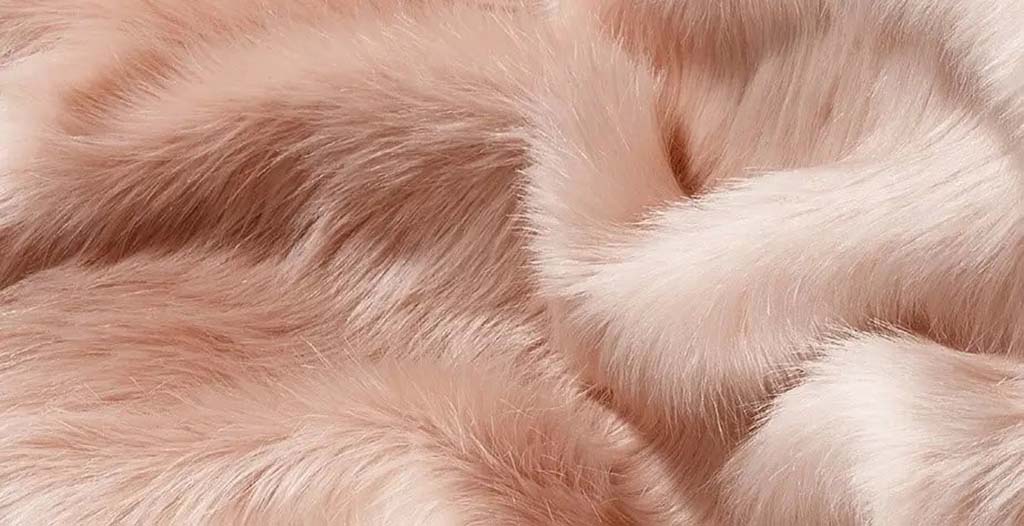
“Best” is a fit—between fabric behavior, design intent, user age, and the proof you can print on a care label. We evaluate six pillars: hand-feel, sewability, visual performance (photos/video), durability, safety/compliance, and supply resilience. If any pillar fails, the fabric stops being “best” for that project. For example, a lush faux fur may photograph like a dream, but if your age grade is 0–3 years with frequent washing, short plush may win. The opposite is true for premium décor: minky or faux fur can elevate perceived value and giftability. We lock these pillars early so sampling stays focused and cost stays predictable.
Table 1 — “Best fabric” decision pillars (factory checklist)
| Pillar | What We Measure | Why It Matters | Pass Signal |
|---|---|---|---|
| Hand-feel | Softness, nap glide, temperature feel | First touch drives purchase | “Buttery” or calm matte feel, no scratch |
| Sewability | Fray, bulk on curves, stitch stability | Low defects, fast training | Clean curves at 0.5–0.7 cm allowance |
| Visuals | Matte vs. gloss, shadow depth | E-commerce thumbnails & video | Clear face, no glare, readable textures |
| Durability | Pilling/abrasion, seam integrity | Real life + returns | Anti-pill grade; seam pull targets met |
| Safety/Compliance | EN 71 / ASTM F963 / CPSIA | Market access, brand trust | Full test pack per color/lot |
| Supply | Shade stability, availability, backup mills | Lead time & price stability | Approved vendor list; color control |
Which fabrics balance softness, durability, and seam strength best?
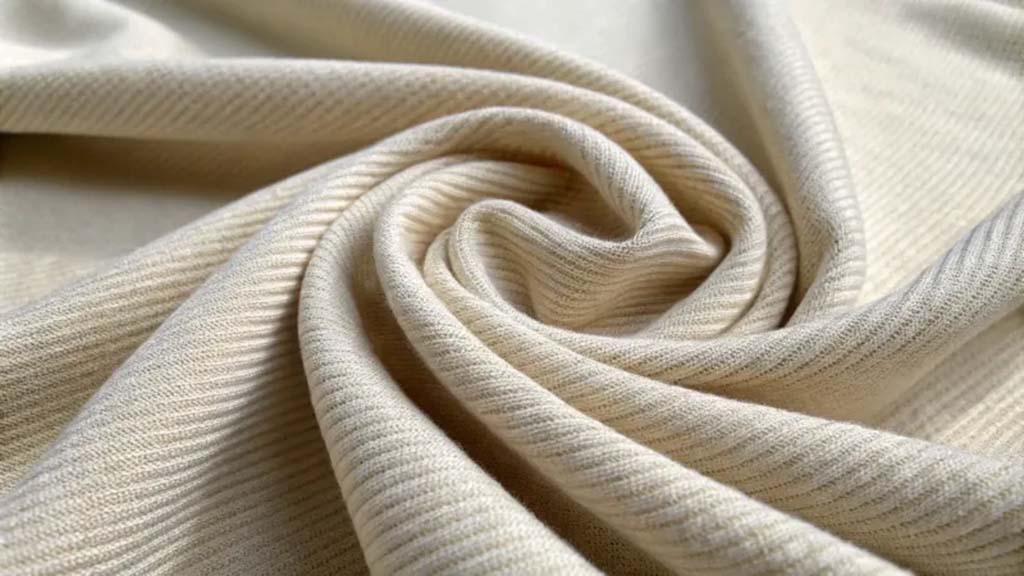
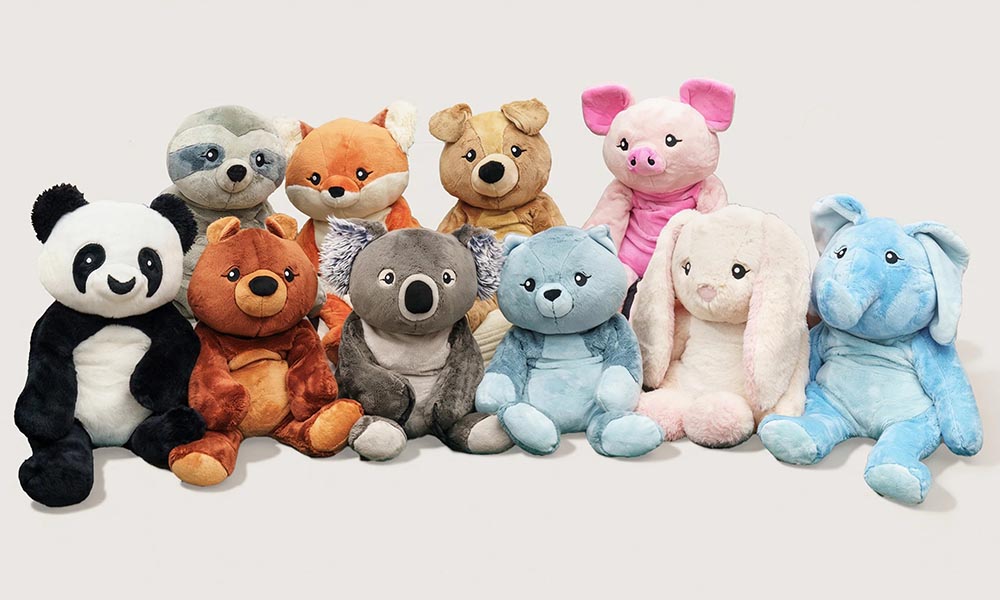
Across thousands of units, three fabrics consistently balance the triangle of softness–durability–seam strength: minky, velboa (short plush), and microfleece. Minky wins on cuddle feel and premium look; velboa wins on face clarity and seam stability; microfleece wins on easy sewing and low pilling in lighter builds. Often, the best solution is a hybrid: velboa for faces/small parts and minky for bodies, or microfleece bodies in warm climates with velboa faces for precision.
Table 2 — Softness × Durability × Seam strength (top picks)
| Fabric | Softness (perceived) | Durability (pilling/abrasion) | Seam Strength/Control | Where It Excels | Watch-Outs |
|---|---|---|---|---|---|
| Minky (3–5 mm) | ★★★★★ | ★★★★☆ (finish-dependent) | ★★★★☆ (thicker on curves) | Cuddle bodies, premium gift | Seam bulk; align nap; validate wash |
| Velboa / Short Plush (1.5–2.5 mm) | ★★★★☆ | ★★★★★ | ★★★★★ | Faces, precise parts, baby lines | Less “cloud” feel; add soft fill recipe |
| Microfleece (anti-pill) | ★★★★☆ | ★★★★☆ | ★★★★★ | Lightweight bodies, cost-sensitive | Pick anti-pill grades; test dark colors |
How do minky, velboa, and fleece compare in production efficiency?
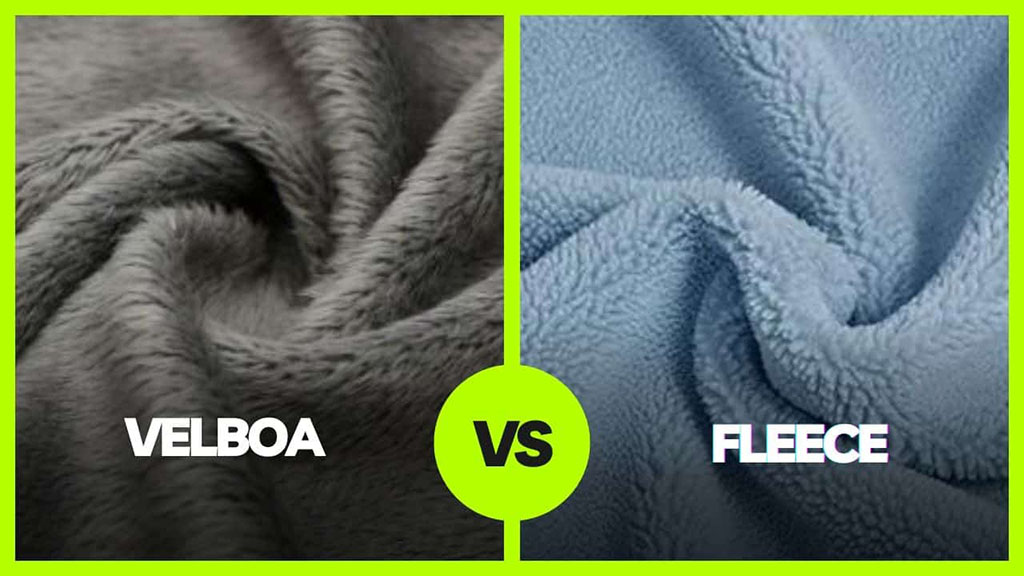
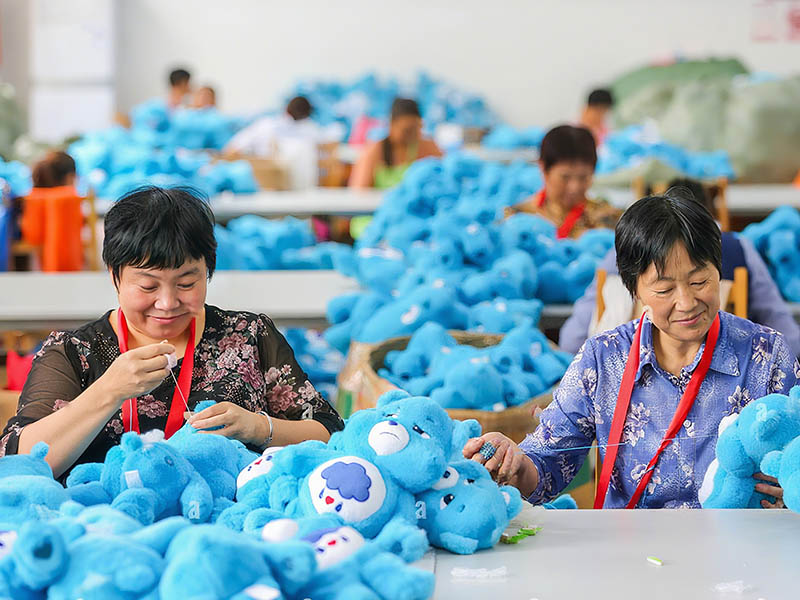
Efficiency is not just stitching speed; it’s yield, training time, defect rate, and rework. Velboa’s tight backing loves embroidery and tight curves—great for consistent faces and low rework. Minky cuts slower (manage nap and bulk) but sells the hug in photos—ideal for conversion. Microfleece is the operator-friendly middle ground—non-fray, flat seams, tidy turning—excellent for large runs, warm markets, and entry price points. We often standardize seam allowances (0.5–0.7 cm on curved minky/fur parts) and include nap arrows on markers to keep lines moving.
Table 3 — Production efficiency snapshot
| Factor | Minky | Velboa (Short Plush) | Microfleece |
|---|---|---|---|
| Cutting yield | Medium (nap alignment) | High (stable backing) | High |
| Operator learning curve | Medium (bulk control) | Low (very stable) | Low |
| Embroidery base | Good | Excellent (crisp) | Good |
| Defect risk | Nap/bulk, shade | Low | Low–Medium (pilling on cheap grades) |
| Rework likelihood | Medium | Low | Low |
| Net efficiency | High if trained | Very high | Very high |
What fabric properties optimize safety, compliance, and wash performance?
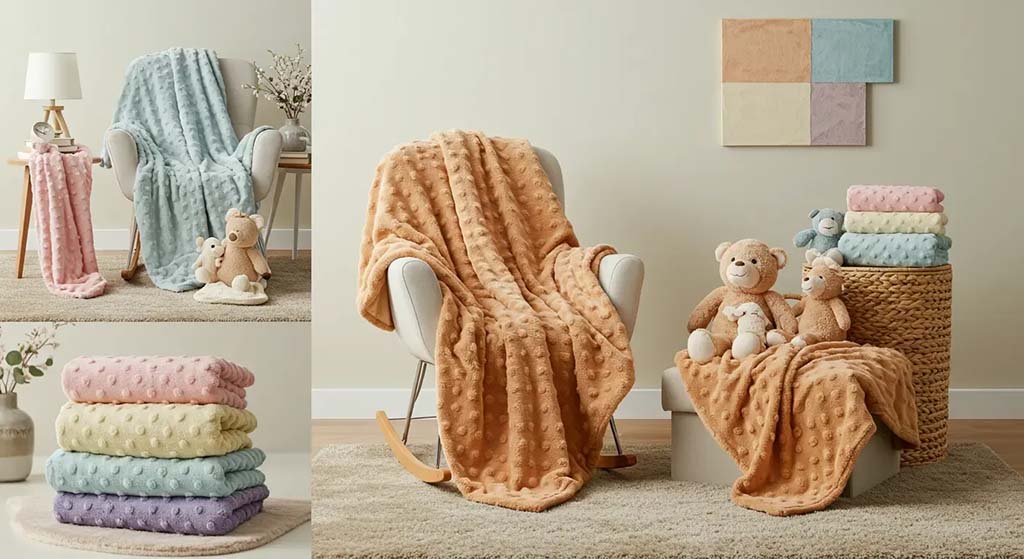
Safety and wash success are properties + process. Properties: tight backings for embroidery, anti-pilling finishes, colorfast dyes, and stable nap that recovers after air-dry brushing. Process: composite flammability (test actual fabric + fill), wash-bag validation on the darkest color, and realistic care icons (30 °C gentle, air-dry) only if proven. Short pile faces reduce lint exposure for infants; embroidered features reduce small-parts risk.
Table 4 — Properties that drive pass rates (and what to specify)
| Goal | Property to Seek | Why It Works | What to Put in the PO |
|---|---|---|---|
| Safe face & eyes | Tight backing, matte face | Crisp embroidery, low glare | Velboa 1.5–2.5 mm + thin batting |
| Low pilling | Anti-pill finish; quality pile binders | Cleaner after cycles | Anti-pill ≥ target grade (spec number) |
| Colorfastness | Approved dyestuffs; dark-first testing | Prevents bleed/irritation | Test saliva/sweat on darkest shades |
| Flammability | Composite behavior (fabric+fill) | Realistic pass, fewer surprises | Test complete toy, not swatch only |
| Wash label truth | Pile recovery + seam integrity | Fewer returns; honest UX | Attach wash validation photos in pack |
How should age grading influence fabric and finish selection?
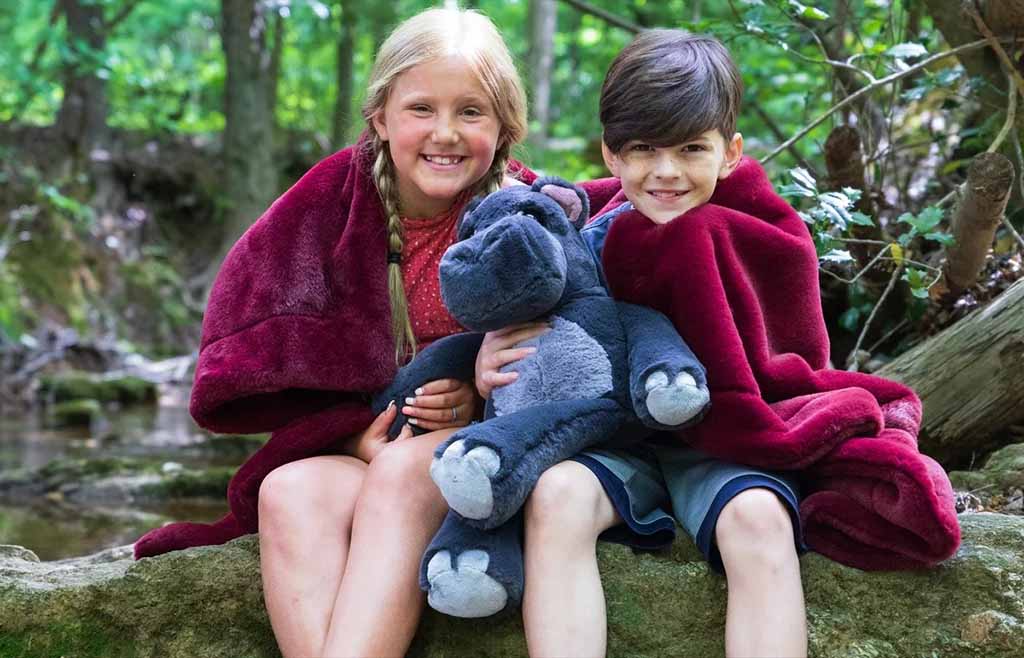
Age grading decides risk tolerance and care reality. For 0–3 years, choose short pile faces (low lint), embroidered features, and fabrics that survive gentle bag-wash and air-dry. For 4–8 years, nicks and playground trips mean higher abrasion—anti-pill microfleece or sturdy minky bodies make sense. For 9–14 years and adult décor, visual storytelling leads: richer nap, faux-fur accents, or velvet trims—paired with surface-clean labels if that’s the tested truth. Weighted variants for teens/adults must use sealed, segmented liners tacked to seams.
Table 5 — Fabric map by age/use
| Age/Use | Face Fabric | Body Fabric | Care Reality | Notes |
|---|---|---|---|---|
| 0–3 years | Velboa/short plush 1.5–2 mm | Minky 3 mm (lint-tested) or microfleece | Bag-wash 30 °C, air-dry | Embroidery only; simple trims |
| 4–8 years | Short plush 2 mm + batting | Minky 3–4 mm / anti-pill microfleece | Washable; robust seams | Reinforce stress arcs |
| 9–14 years | Matte short plush | Minky 4–5 mm; selective faux-fur trims | Mixed: wash/surface | Trend palettes, photo appeal |
| Adult décor/comfort | Suede-look/short plush | Minky/faux fur; velvet/sherpa accents | Often surface clean | Weighted options with sealed liners |
Which eco-certified or recycled fabrics meet premium toy requirements?
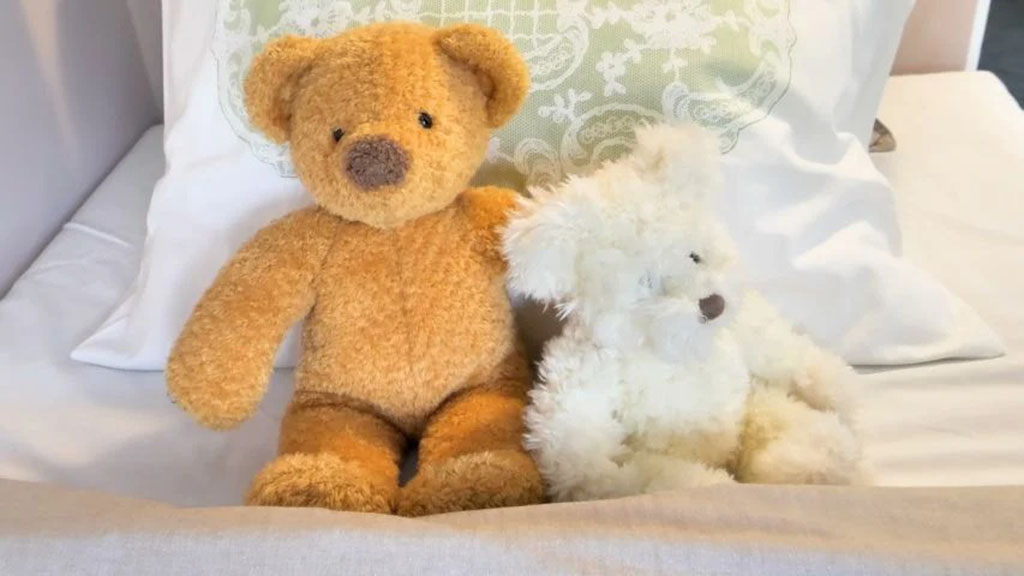
The eco path that scales is recycled polyester (rPET) in velboa, minky, and fiberfill. When supported by GRS certificates, controlled odor/VOC, and verified rebound, rPET can meet premium expectations. For deep color consistency and lower water/chemicals, consider dope-dyed (solution-dyed) polyester for core shades (black/grey/navy). Natural-fiber looks (organic/BCI cotton) are great for outfits or accents; for shells, ensure wash performance and pilling control. Always keep the paper trail: lot-linked certificates, finish SDS, and wash validation photos.
Table 6 — Eco options that actually work in plush
| Option | Where It Fits | Proof You Need | Practical Tip |
|---|---|---|---|
| rPET velboa/minky | Shell fabrics | GRS + odor/VOC + wash validation | Start with core color palette |
| rPET fiberfill/batting | Fills & face-smoothing | GRS + rebound vs. virgin | Pilot grams-per-zone to match feel |
| Dope-dyed polyester | Dark core colors | Supplier declaration + fastness tests | Great for black/grey/navy |
| Organic/BCI cotton | Outfits, trims | Fiber cert + shrink/pill control | Bio-wash + pre-shrink routine |
Conclusion
There is no single “best” fabric for all stuffed toys. The winning choice is a system: velboa (or similar short plush) for clean faces, minky for emotion and cuddle, microfleece for efficiency—each matched to age, care, compliance, and your brand story. When you engineer the fabric map, seam rules, and wash truth together, your plush looks premium online, feels right in hand, and passes audits smoothly.
At Kinwin, we design that system end-to-end—material selection (including rPET), density mapping, composite testing, and documentation—so your project ships photo-ready, cuddle-ready, and audit-ready.
Contact: [email protected] | kinwintoys.com