Skip to content
When buyers say “super soft,” they expect a cloud-like touch, smooth surface, and safe, durable performance after many hugs and washes. In this guide, I explain what makes a fabric ultra-soft, which materials deliver the feel, how finishing boosts touch, and how to balance softness with safety and durability for plush toys.
You will find practical spec ranges, simple tests, and buyer checklists. Use them to brief your supplier, speed up sampling, and reduce surprises in bulk.
What qualifies a fabric as “super soft” in textile and toy manufacturing?
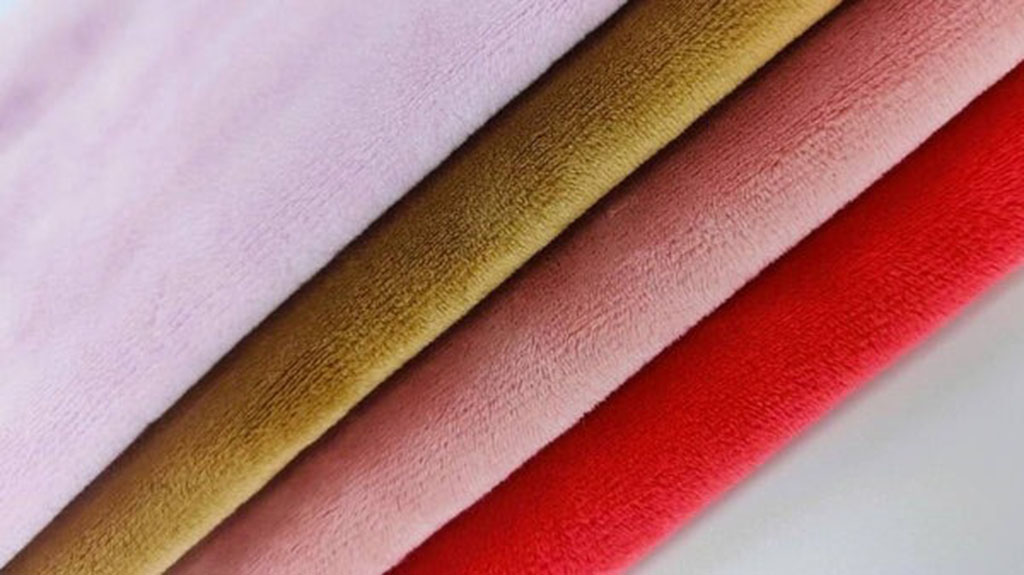
In manufacturing, “super soft” is not just a feeling. It is a result of fiber fineness, pile height, surface finish, and fabric weight (GSM) working together. For plush toys, the most reliable path to ultra-soft is microfiber polyester with a well-raised pile that is evenly sheared and heat-set. The surface must stay smooth after handling and washing. Seams should stay flat without harsh edges.
Key drivers of softness:
- Fiber denier: finer fibers feel softer (microfiber often <1.0 dpf).
- Pile height: more pile gives a cushioned touch, but too long can shed.
- GSM and knit density: enough weight for body and opacity, not so heavy that drape becomes stiff.
- Finishing: raising, brushing, sueding, and softeners reduce surface friction.
Table 1. What makes fabric feel ultra-soft (with quick buyer checks)
| Softness Driver | Why It Works | Simple Check | Buyer Tip |
|---|---|---|---|
| Fine denier fibers | More fibers per area = smoother touch | Rub on cheek/back of hand | Ask for denier spec in RFQ |
| Even pile raising | Fewer harsh points = velvet feel | View under raking light | Reject visible lines/stripes |
| Controlled shearing | Levels the surface | Stroke both directions | Nap should not scratch |
| Adequate GSM | Cushion + opacity | Bend and squeeze | Avoid “thin + see-through” |
| Heat-setting | Locks nap direction | Shake test | Nap should not collapse |
| Low friction finish | Silky glide | Slide palm slowly | No squeak, no drag |
Which materials are most commonly used for ultra-soft plush fabrics?
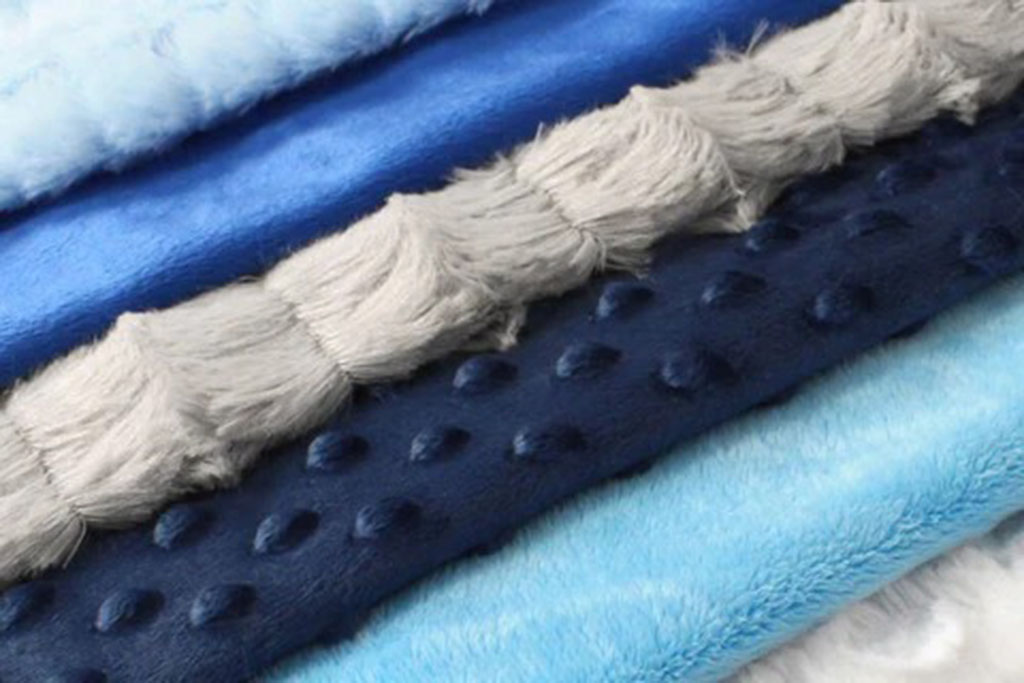
For toys, polyester-based plush is the standard because it is soft, durable, colorfast, and easier to wash. The most popular ultra-soft options are minky, coral fleece, microfleece, and premium faux fur. Some brands also use cotton velour or bamboo/modal blends for special lines, but these may need extra care and tighter QC.
Table 2. Ultra-soft materials at a glance
| Material | Typical Pile | Handfeel | Durability | Washability | Cost Position | Notes for Toys |
|---|---|---|---|---|---|---|
| Minky (microfiber PET) | 2–8 mm | Buttery, silky | Medium–High | Easy (gentle) | Mid–High | Top choice for premium plush bodies |
| Coral fleece (PET) | 3–6 mm | Fluffy, warm | High | Easy | Mid | Good body fabric; mind lint in cutting |
| Microfleece (PET) | 1–3 mm | Smooth, soft | High | Easy | Low–Mid | Light, great for apparel-style plush accents |
| Premium faux fur (PET/PE) | 10–25+ mm | Luxuriously soft | Medium | Hand wash preferred | High | Use for accents; check shed |
| Cotton velour | 1–3 mm | Natural, soft | Medium | May shrink | Mid–High | Gentle feel; slower dry time |
| Bamboo/modal blends | 1–3 mm | Silky, cool touch | Medium | Gentle wash | High | Nice for baby lines; test colorfastness |
| Velboa (dense PET) | 1–3 mm | Soft-firm | Very high | Easy | Low–Mid | Not the softest; superb durability |
How do finishing techniques enhance the softness and touch of fabrics?
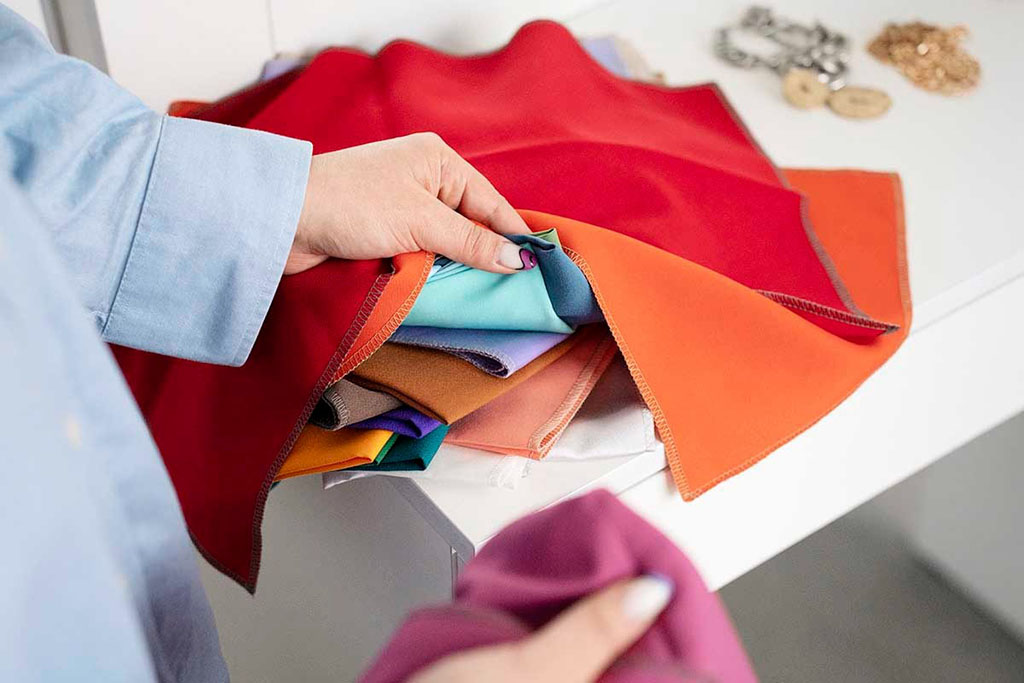
Finishing turns a decent fabric into a super soft one. Raising/Brushing lifts fibers. Sueding/Peaching micro-abrades the surface to reduce friction. Shearing levels the pile. Heat-setting stabilizes the nap. Softener finishes (often silicone-based) add glide. For toy fabrics, finishing must also control lint and shed.
Table 3. Finishing methods, effects, and trade-offs
| Technique | Effect on Touch | Typical Risks | What You Should Request |
|---|---|---|---|
| Raising/Brushing | Fluffier hand, fuller nap | Excess shed | Define acceptable lint level; request lint test |
| Sueding/Peaching | Velvet touch, low friction | Weakening surface if overdone | Sample swatch after each pass |
| Shearing | Smooth, even height | Stripe/banding | Laser/guide control + QC photos |
| Heat-setting | Stable pile, better recovery | Over-stiff hand | Time–temp window in SOP |
| Softener (silicone) | Silky glide | Oiliness, stain risk | Non-yellowing, toy-safe grade |
| Embossing (minky dots) | Tactile pattern, baby appeal | Pattern flattening in wash | Wash test + photo retention check |
What are the differences between minky, velboa, fleece, and faux fur?
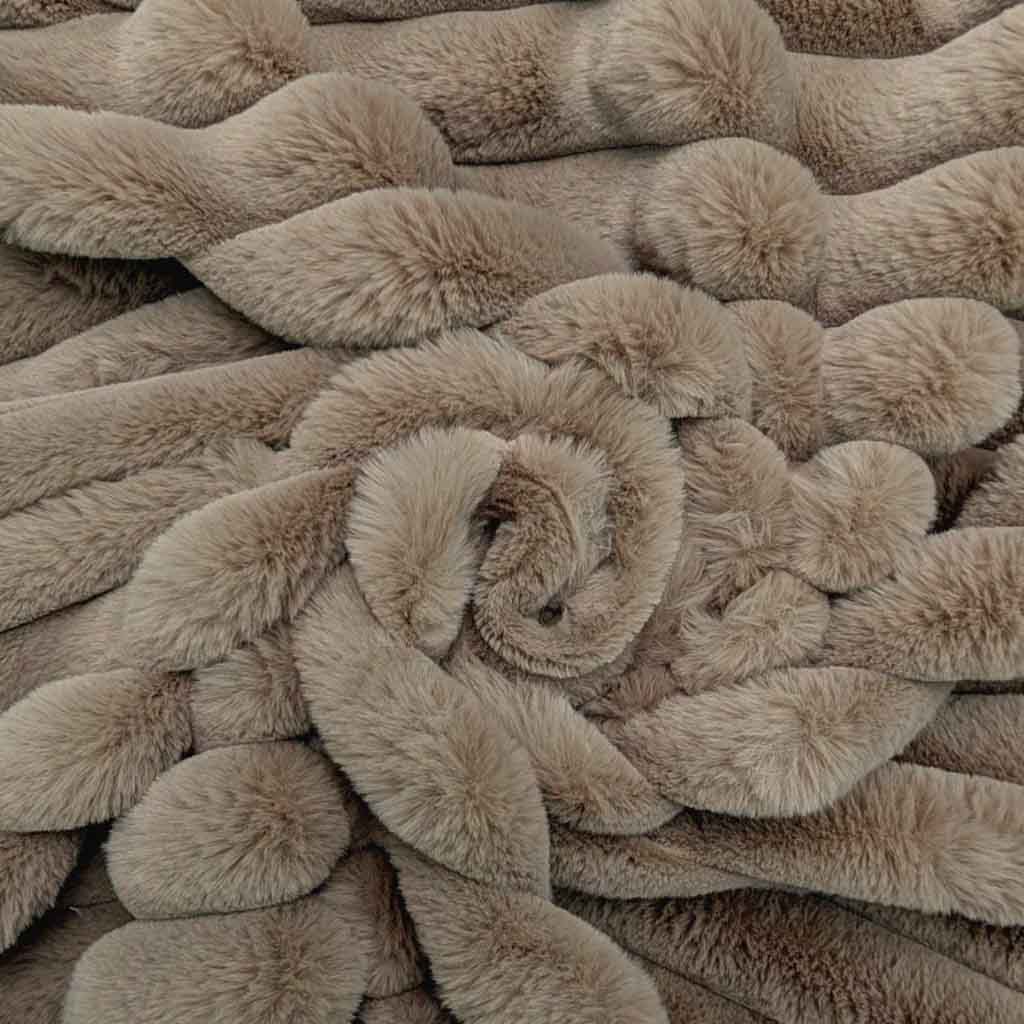
- Minky: Microfiber polyester with a soft, buttery hand. Pile is longer than velboa. Often used for premium bodies and baby-grade products.
- Velboa: Short pile, dense, and tough. Feels soft but not “buttery.” Great for edges, parts that need shape, and cost-sensitive SKUs.
- Fleece (micro/coral): Knit plush without directional nap like fur. Microfleece is smooth and light. Coral fleece is fluffier and warmer.
- Faux fur: Long pile, luxury look and feel. Best for accents and high-end collectibles. Needs shed control and careful washing.
Table 4. Minky vs. Velboa vs. Fleece vs. Faux Fur
| Fabric | Pile | Handfeel | Durability | Best Use | Pros | Considerations |
|---|---|---|---|---|---|---|
| Minky | 2–8 mm | Ultra-soft, silky | Medium–High | Premium plush bodies, baby-grade | High perceived value | Slightly higher cost; mind stretch |
| Velboa | 1–3 mm | Soft but firm | Very high | Faces, ears, parts needing shape | Crisp sewing, low pill | Not the softest feel |
| Microfleece | 1–3 mm | Smooth, soft | High | Apparel-style plush, blankets | Light, easy care | Less “luxury” feel |
| Coral fleece | 3–6 mm | Fluffy, cozy | High | Bodies needing warmth & loft | Plush look, value | Control lint at cutting |
| Faux fur | 10–25+ mm | Luxurious, deep pile | Medium | Accents, premium lines | High impact visuals | Shed control, wash care |
How do softness, durability, and safety balance in plush toy production?
Softness brings delight. Durability protects shape and seams. Safety protects children and your brand. You need all three. The safest path is tested materials, stable sewing, and controlled lint/shed. For exports, plan compliance from the start.
Key standards and checks:
- EN 71 (EU), ASTM F963 + CPSIA (USA), REACH (EU), and local rules (e.g., GB/T, ST).
- Mechanical: seam strength, small parts, fastener security.
- Chemical: heavy metals, phthalates, azo dyes (as applicable).
- Flammability: per region.
- Colorfastness: to saliva/sweat (where applicable), rubbing, washing.
- Lint/Shed: keep under defined threshold, especially for baby-grade.
Table 5. Practical QC plan to balance feel, life, and safety
| Stage | What to Test | Pass Criteria | Buyer Action |
|---|---|---|---|
| Fabric incoming | GSM, pile height, lint level | Within spec; lint below limit | Record per lot/color |
| Pre-sew | Stretch & seam mockups | No seam pop at target density | Adjust seam allowance/thread |
| Post-sew | Handfeel & symmetry | Even feel; no thin spots | Add batting at thin zones |
| Wash test | Gentle cycle in wash bag | No matting or dye bleed | Approve care label text |
| Safety | EN71/ASTM/CPSIA scope | Pass per destination | Keep traceable lab reports |
Which fabric choices best suit premium or baby-grade stuffed toys?
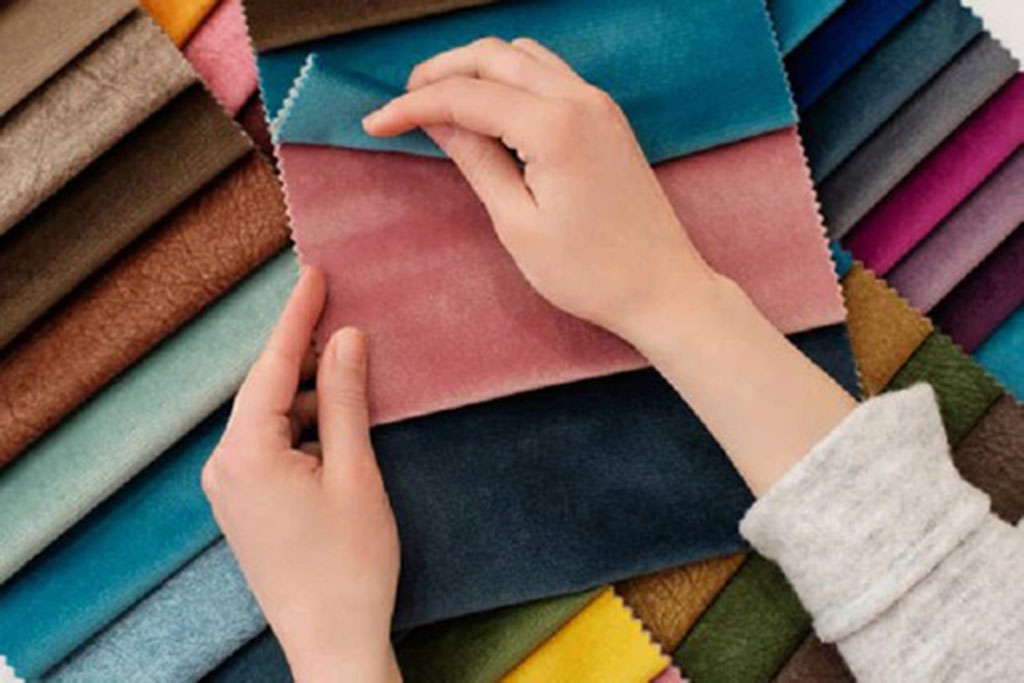
For premium plush or baby-grade lines, buyers usually want a soft, safe, and photo-ready surface. The common winning combo is minky body for the “wow” touch and a short plush or velboa face for crisp embroidery and shape control. For very young age targets, keep pile lengths moderate and lint low. Use bead liners for any loose media.
Ready-to-use selection patterns
- Baby-grade cuddle toy (0+ months, brand policy dependent):
Body: minky 3–5 mm pile, microfiber polyester.
Face/ears: short plush 1.5–2.0 mm for sharp embroidery.
Notes: enforce lint control; test colorfastness to saliva/sweat if required. - Premium gift plush (retail focus):
Body: minky 3–6 mm or coral fleece 4–6 mm for loft.
Face: velboa or short plush for clean details.
Notes: photograph samples under daylight to confirm nap and shade. - Collectible with luxury accents:
Body: minky or coral fleece.
Accents: low-shed faux fur on mane, tail, or trim.
Notes: test shed; advise gentle care on hangtag. - High-wear parts or cost-controlled SKUs:
Body: velboa for toughness.
Face: velboa or short plush.
Notes: very stable seams; strong price–value story.
Conclusion
A good “super soft” plush is more than a feeling—it is a system of fiber, pile, finish, and QC working together.
At Kinwin, we help global buyers choose the right minky, fleece, velboa, or faux fur, then lock specs and testing so every unit feels the same across markets.
You get the soft touch customers love, the durability stores expect, and the safety your brand requires.
Contact us at [email protected] or visit kinwintoys.com to discuss your next plush project and see how our factory can support your success.