Skip to content
Heatable plush—often known by the category-leading brand name Warmies—add comfort therapy to a classic plush toy. They deliver gentle warmth, a light calming scent, and sometimes cooling relief when placed in a freezer bag. As an OEM/ODM manufacturer, I’ll explain how heatable plush differ from standard toys, which fillings and scent treatments work best, how thermal validation is done, what regulations apply, how to vet suppliers, and how to maintain aroma and safety over time.
What are Warmies stuffed animals and how do heatable plush differ from standard toys?
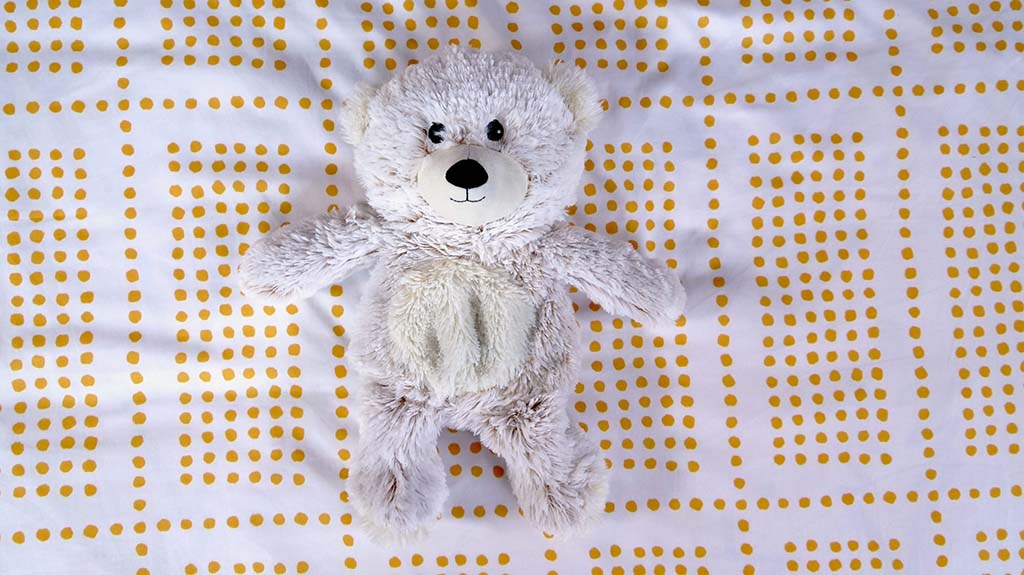
Heatable plush combine soft outer fabrics with an inner, microwaveable pouch (or integrated chamber) filled with grains, seeds, or clay beads—often blended with dried botanicals. The result is a plush that can be warmed in a domestic microwave for soothing heat or chilled for cooling relief. Compared with standard plush, heatable designs introduce thermal engineering, moisture control, and leak management. Stitch construction, liners, and labeling must handle repeated heat/cool cycles without deformation or spill risk.
Table 1 — Heatable plush vs. standard plush: what changes in engineering
| Aspect | Standard Plush | Heatable Plush (e.g., “Warmies”-type) | Why It Matters |
|---|---|---|---|
| Internal media | Polyester fiberfill only | Grain/seed/clay beads in liner + fiberfill | Adds thermal mass and aroma |
| Moisture management | Not required | Controlled water activity in fill | Prevents scorching, mold |
| Stitching & liners | Basic | Heat-resistant thread, sealed liners | Stops leaks; resists heat |
| Safety scope | EN71/ASTM/CPSIA | All of the above + thermal safety | Heat/cool validation needed |
| Labeling | Care & age | Microwave guidance, warnings | Consumer-safe instructions |
| Aging tests | Basic plush QC | Thermal cycle life + freezer tests | Long-term performance proof |
Which microwaveable fillings and scent treatments optimize warmth, aroma, and durability?
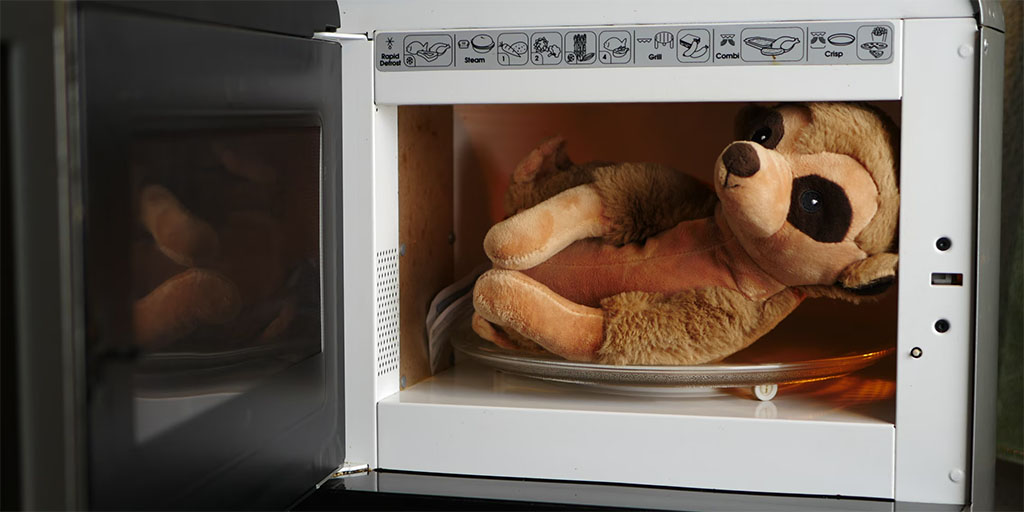
Fill choice decides warmth duration, weight feel, scent life, and leak risk. Common media include flaxseed, wheat, millet, cherry stones, clay/ceramic beads, and silica/clay moisture buffers. For aroma, brands use lavender, camomile, or vanilla—in dried botanical or micro-encapsulated form. The winning formula balances moisture, particle size, oil load, and liner integrity.
Table 2 — Fillings & scent systems (pros, cons, best uses)
| Medium / Additive | Thermal Behavior | Aroma Options | Pros | Watch-outs | Best Use Case |
|---|---|---|---|---|---|
| Flaxseed | Even, long warmth | Natural lavender | Pleasant weight, stable heat | Oil rancidity if poorly stored | General consumer SKUs |
| Wheat / Millet | Quick warm, good mass | Lavender, chamomile | Cost-effective | Moisture control critical | High-volume retail lines |
| Cherry stones | Gentle, drier heat | Light essential oils | Low scorch risk | Heavier, less “cuddly” | Kids + wellness gifts |
| Clay/Ceramic beads | Consistent, reusable | Micro-encap scents | Very stable, hypoallergenic | Needs weight tuning | Premium “long-life” SKUs |
| Silica/clay buffer (add-in) | Moisture regulation | — | Reduces scorch risk | Add only in small % | Humid climates, long storage |
| Micro-encap aroma | Heat-released | Lavender/vanilla blends | Longer scent life | Cost ↑; spec control | Premium gifting, spa lines |
Practical tips
- Keep water activity low; moisture spikes bring scorch and microbial risk.
- Use double liners for small grains; heat-resistant thread on seams.
- Choose micro-encapsulated essential oils for longer-lasting scent and cleaner labeling.
How are heating/cooling cycles validated for thermal safety, leakage control, and lifespan?
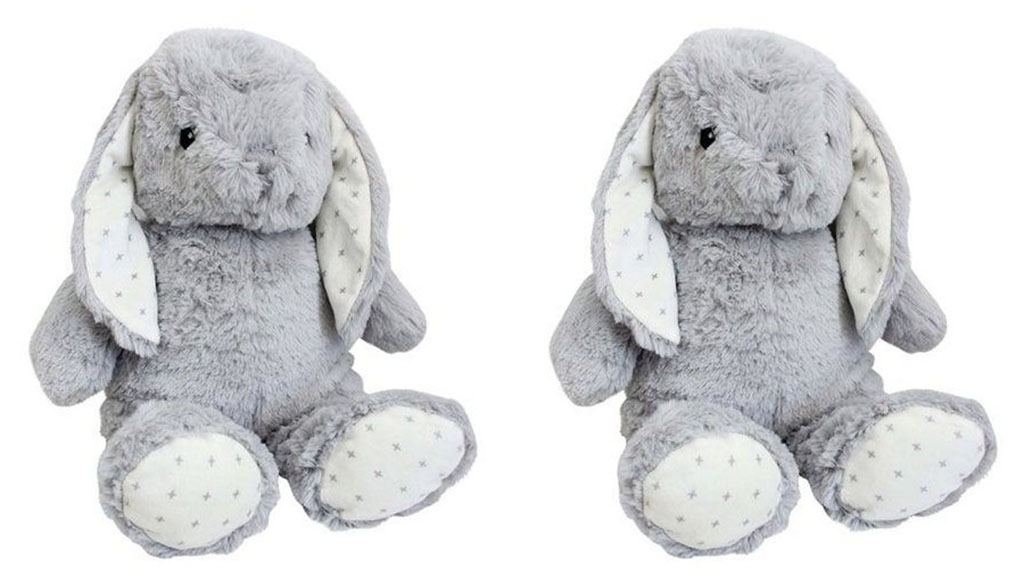
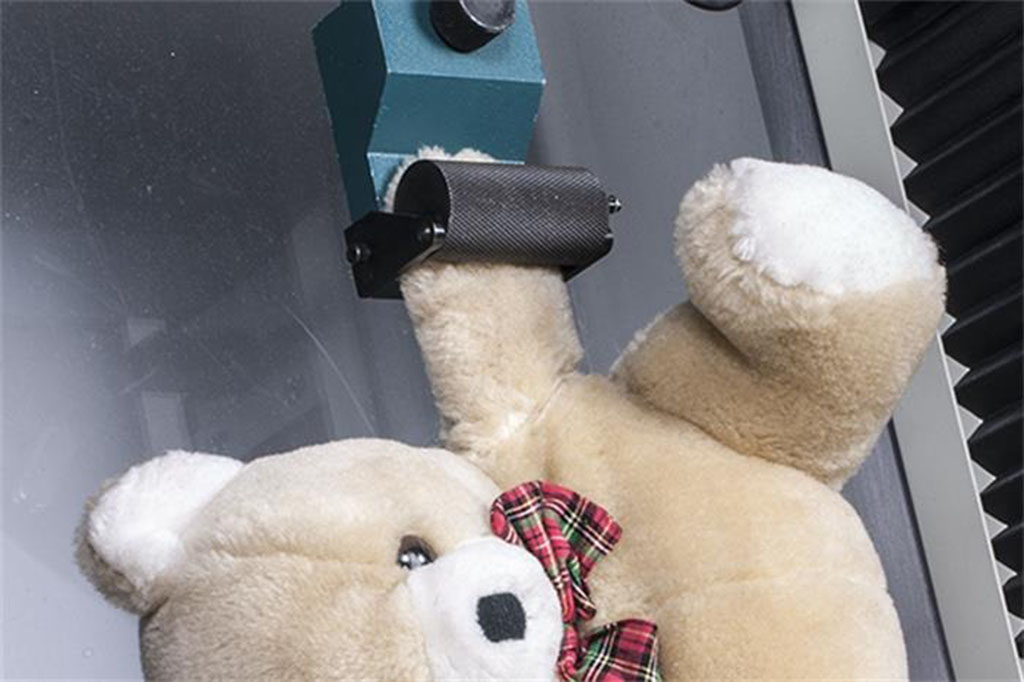
Validation must simulate real home use: repeated microwaving (at common wattages, e.g., 700–1000 W), resting periods, and cooling/freezing cycles. We test surface temperature, core temperature, hot-spot mapping, seam integrity, liner leakage, odor evolution, and cycle life (e.g., 50–100 thermal cycles). For cooling, we bag the plush (to keep it dry) and test condensation and fabric stiffness after freezer exposure.
Table 3 — Thermal validation plan (factory SOP)
| Test Item | Method Summary | Pass Criteria | Notes |
|---|---|---|---|
| Microwave time/wattage | Heat at labeled time for 700/900/1000 W | Surface ≤ recommended max; uniform warmth | Include “first use” instruction |
| Hot-spot mapping | IR camera across panels | ΔT within safe bands | Rework filler distribution if needed |
| Core vs. skin temp | Thermocouple in pouch | Core < safe limit; no steam burst | Prevent superheating |
| Liner integrity | Post-heat seam inspection | No bead/grain leaks | Heat-resistant thread + close stitch |
| Thermal cycle life | 50–100 heat/cool cycles | No seam failure; scent acceptable | Record weight loss & aroma decay |
| Freezer test | 2–4 h at −18 °C | No crack; fabric still flexible | Use bag to avoid moisture uptake |
| Odor / VOC check | Olfactory panel + basic VOC screen | Pleasant, no burnt note | Adjust oil load if rancid note |
What regulatory and labeling standards govern heatable plush (ASTM F963, EN71, CPSIA, thermal warnings)?
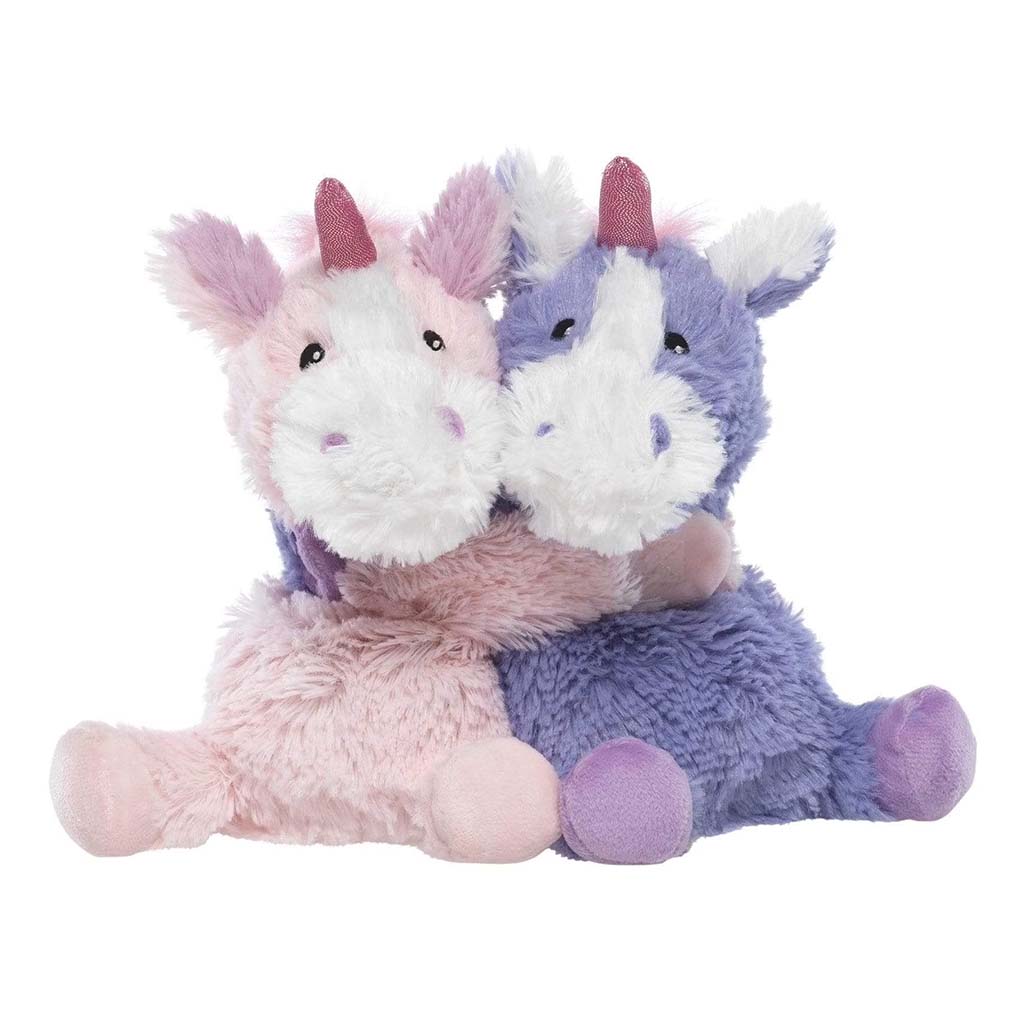
Heatable plush must meet toy safety and thermal-use expectations. Core regimes include EN 71 (EU), ASTM F963 (US), and CPSIA (lead, phthalates, tracking). If sold as soothing/heatable toys, avoid medical claims and ensure labels clearly state microwave wattage, heating time, shake/redistribute step, hot-surface caution, do-not-overheat, and adult supervision. Fabrics should meet required flammability classes; fillings must be clean, traceable, and food-grade or inert where applicable.
Table 4 — Compliance & labeling checklist (buyer-facing)
| Area | Standard / Expectation | What to Specify | Documentation to Keep |
|---|---|---|---|
| Mechanical & chemical | EN 71, ASTM F963, CPSIA | Fabric, trims, seams | Full lab reports per color/lot |
| Flammability | EN 71-2 / ASTM F963 | Fabric + liner behavior | Composite flammability test |
| Heavy metals & phthalates | CPSIA / REACH | Limits by region | Third-party test results |
| Microwave instructions | Clear, product-specific | Wattage, time, rest, shake | Label artwork + validation data |
| Thermal warnings | Hot surface, overheat risk | Adult supervision for kids | On-pack icons + IFU (insert) |
| Tracking & traceability | CPSIA tracking labels | Factory, date, batch | Batch map + COAs |
How should OEM/ODM buyers assess suppliers for material specs, QA protocols, and batch traceability?
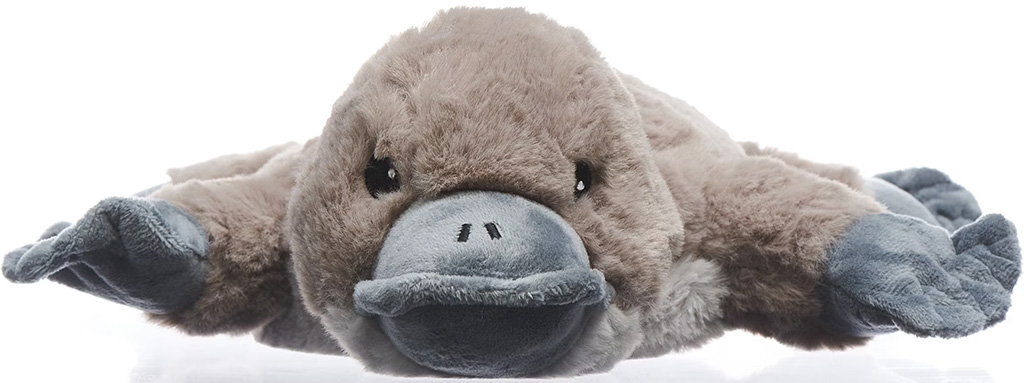
Choose suppliers who can prove material control, thermal validation, and traceability. Ask for filling COAs, microbial screens (for grains), oil/aroma specs, liner specs, thermal cycle data, and CAPA (corrective & preventive action) procedures. Confirm they can segregate aroma lines to prevent cross-scent contamination and document lot-to-lot equivalence.
Table 5 — Supplier due diligence (questions to ask + what “good” looks like)
| Topic | What to Ask | Good Evidence | Red Flags |
|---|---|---|---|
| Fill origin & quality | Grain/seed grade? Moisture spec? | COA, water activity data | “Food-grade unknown” |
| Aroma system | Natural vs. micro-encap? Load %? | SDS, stability study | No data; overpowering scent |
| Liner & thread | Heat rating, stitch spec | Material datasheet, seam test | Single thin liner only |
| Thermal validation | Wattage matrix, cycle life | IR maps, logs, failure rates | “We just test once” |
| Hygiene controls | Storage humidity, pest control | Warehouse logs, audits | No humidity records |
| Traceability | Batch map to cartons | Tracking label + ERP extract | Mixed loose lots |
How do care, cleaning, and packaging practices maintain aroma retention and user safety over time?
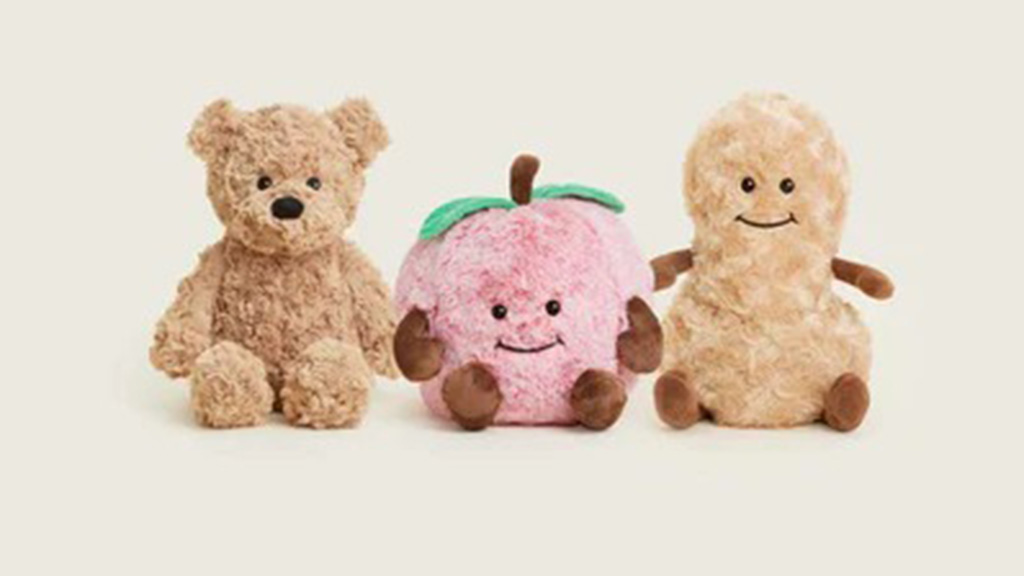
Care and packaging drive scent life and safety. Provide precise microwave instructions (by wattage), advise shaking the plush after heating to redistribute heat, and recommend air-dry only cleaning (surface clean for the outer shell). Packaging must breathe but also protect from humidity; inner moisture sachets help in tropical routes. For cooling use, include “place in sealed bag before chilling” to avoid condensation.
Table 6 — Care, cleaning & packaging guide (include on your IFU card)
| Situation | What the User Should Do | Why | Notes for Label |
|---|---|---|---|
| First heat | Start with minimum time for stated wattage | Prevent overheat on first use | “Test appliance variance” |
| Every heat | Shake/redistribute before use | Balance hot spots | “Check temperature on wrist” |
| Cleaning | Surface-wipe outer only | Protect liner/fill | “Do not machine wash” |
| Storage | Cool, dry place | Preserve scent, prevent mold | Add silica gel in long storage |
| Cooling use | Seal in bag before freezer | Avoid moisture ingress | “Do not freeze when damp” |
| Package type | Ventilated box + moisture control | Aroma retention & safety | Include warning icons |
Conclusion
Heatable plush succeed when textile comfort meets thermal safety. The right filling, liner, moisture control, and labeling turn a cute toy into a reliable wellness gift.
At Kinwin, we help global buyers engineer heatable plush that feel soft, warm evenly, pass EN71/ASTM/CPSIA, and keep their scent through shipping and everyday use—supported by batch traceability and clear on-pack instructions.
Contact us at [email protected] or visit kinwintoys.com to plan your next heatable plush line—from concept and material trials to thermal validation and mass production.