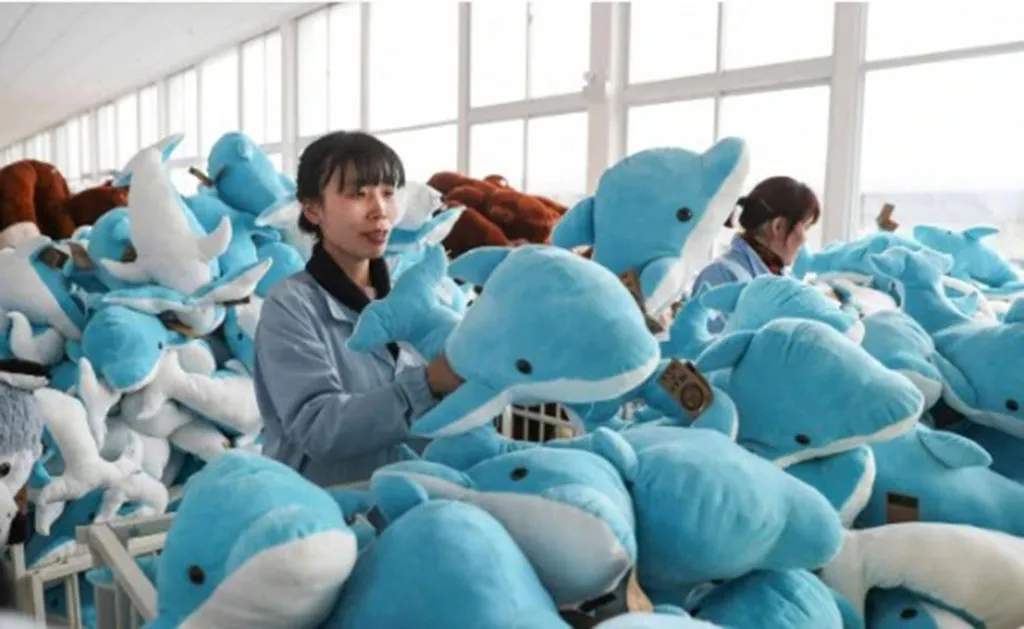
I’m Amanda from Kinwin in China. I help brands, retailers, and e-commerce teams adapt soft-toy copy for different English markets. In the UK, shoppers don’t usually say “plushies.” They say “soft toys” and “teddies.” Retailers follow this habit in their navigation, filters, and product titles. Below I explain which terms are used where, how major retailers structure categories, how region and demographics shape word choice, how UK SEO affects naming, what EN71 labeling means for on-pack language, and how exporters can write copy that works in Britain without losing global discoverability.
What terms do UK consumers and retailers most commonly use—“soft toy,” “teddy,” or “plush”—and in which contexts?

In everyday UK English, “soft toy” is the neutral umbrella term. “Teddy” (or “teddy bear”) is both a specific animal and a colloquial stand-in for any cuddly toy, especially for younger children or gifting. “Plush” appears in trade copy and specialist/collector contexts, but it is not the mainstream shopper’s default.
Table 1 — UK Usage at a Glance
| Term | Core Meaning in the UK | Where it appears most | Tone/Connotation |
|---|---|---|---|
| Soft toy | Generic category for any cuddly toy | Retail nav, filters, parenting sites | Neutral, inclusive |
| Teddy / teddy bear | Bear specifically; often used broadly for cuddly toys | Gifting, kids, nurseries, cards | Warm, nostalgic |
| Plush / plush toy | Trade/collector wording; quality signal | Niche brands, collector lines, specs | Specialist, premium |
Practical rule: Put “soft toy” in your main UK category titles. Use “teddy” for bear SKUs and gift language. Keep “plush” for technical specs or collector ranges.
How do major UK retailers and style guides classify plush products in category taxonomy and product titles?
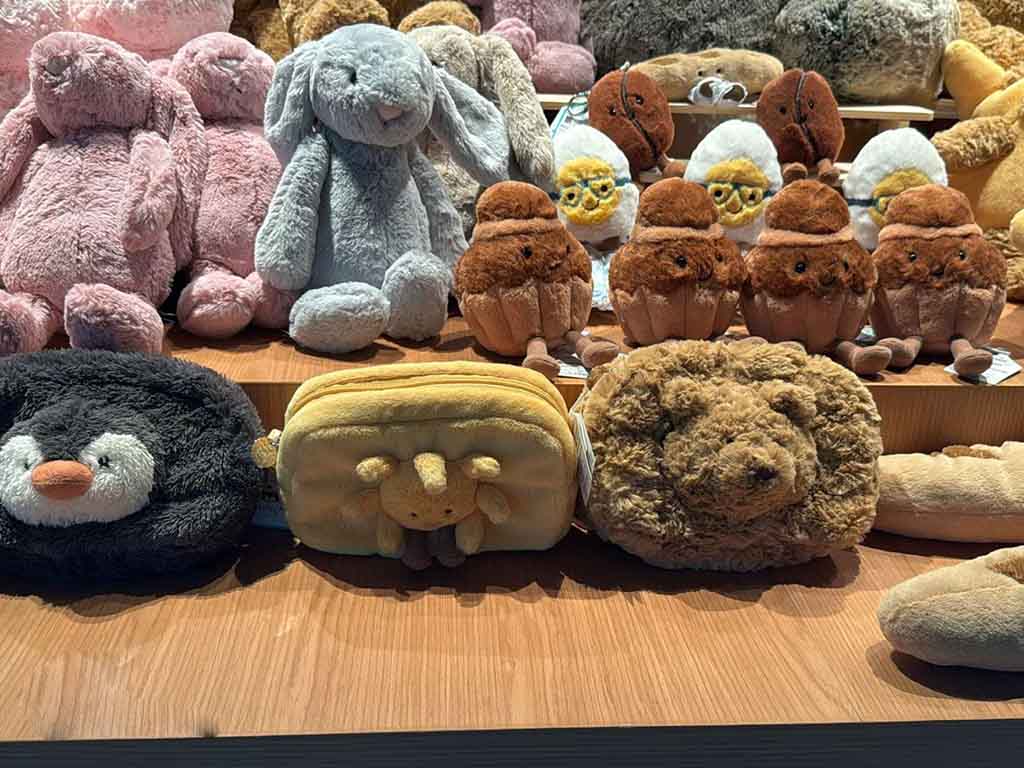
UK retailers typically structure navigation like Toys → Soft Toys. Beneath that, they split by animal type (e.g., Teddy Bears), brand/licence, size, or occasion (newborn gifts). In titles, they lead with the animal/character, then the size, then material or feature claims. “Plush” is rarely the first noun.
Table 2 — Typical UK Retail Taxonomy & Title Patterns
| Layer | Common UK Practice | Example (UK-friendly) |
|---|---|---|
| Department | Toys | — |
| Category | Soft Toys | — |
| Sub-category | Teddy Bears / Animals / Characters / Newborn Gifts | — |
| Product title (bear) | [Size] [Colour] **Teddy Bear** – Soft Toy, Embroidered Eyes | 30 cm Honey **Teddy Bear** – Soft Toy, Embroidered Eyes |
| Product title (non-bear) | [Size] [Animal/Character] **Soft Toy** – [Fabric/Feature] | 25 cm Fox **Soft Toy** – Minky Fabric, Weighted Base |
| Bullets | Material, wash care, age grade, safety | “EN71 tested, suitable from birth, surface wash” |
Why this matters: Titles and filters must match how UK shoppers browse. If your primary noun is “plushie,” many British users simply won’t search that way.
Which regional, demographic, and channel factors influence the preference for “soft toy” versus “teddy” in the UK?
Language shifts slightly by age, region, and channel. “Teddy” is strong with family gifting and early-years education. “Soft toy” is universal across retail navigation and parenting content. Specialty boutiques may lean into “plush” when selling premium faux-fur animals or collectibles.
Table 3 — UK Preference Drivers
| Factor | Lean “Soft Toy” | Lean “Teddy” | Notes |
|---|---|---|---|
| Age & life stage | Parents, gift buyers, educators | Early-years gifts, baby showers | “Teddy” feels intimate/warm |
| Region | National retail & media | Informal speech across regions | “Soft toy” works everywhere |
| Channel | Supermarkets, national chains, e-comm filters | Greeting cards, florists, baby boutiques | Premium niche: may add “plush” |
| Product type | Non-bear animals, characters | Bears and bear-styled gifts | Bears often get a “teddy” bias |
| Occasion | General shopping | Valentine’s, newborn, “get well” | “A teddy” reads as the default gift |
Actionable tip: Use “teddy” wherever the SKU is a bear or the page is gifting-led. Use “soft toy” for everything else.
How do UK search trends and SEO best practices affect naming conventions for product listings and filters?
For UK search, “soft toy(s)” and “teddy bear(s)” are your primary nouns. “Plush toy” is secondary; “plushies” is long-tail or subculture. In category pages and filters, surface Soft Toys at the top level and add Teddy Bears as a high-traffic sub-filter. In product titles, pair the animal/character with Soft Toy or Teddy Bear and size in cm.
Table 4 — UK SEO Naming Checklist
| Element | UK-Friendly Practice | Example |
|---|---|---|
| Category name | Soft Toys | Nav: Toys → Soft Toys |
| Key sub-filter | Teddy Bears | Filters: Teddy Bears, Animals, Characters |
| Product title base | [Size cm] [Animal/Character] Soft Toy | 28 cm Cat Soft Toy |
| Bear titles | [Size cm] [Colour] Teddy Bear – Soft Toy | 35 cm Cream Teddy Bear – Soft Toy |
| Secondary terms | plush toy, cuddly toy, stuffed toy | Use in bullets/meta, not main noun |
| Image SEO | alt includes “soft toy / teddy bear” + animal | alt="30 cm bunny soft toy with minky fabric" |
Keep it simple: UK shoppers type “teddy bear” or “soft toy” first, then the animal (“bunny,” “fox”), brand, or size.
What compliance and labeling requirements (e.g., EN71) shape on-pack and e-commerce terminology in the UK market?
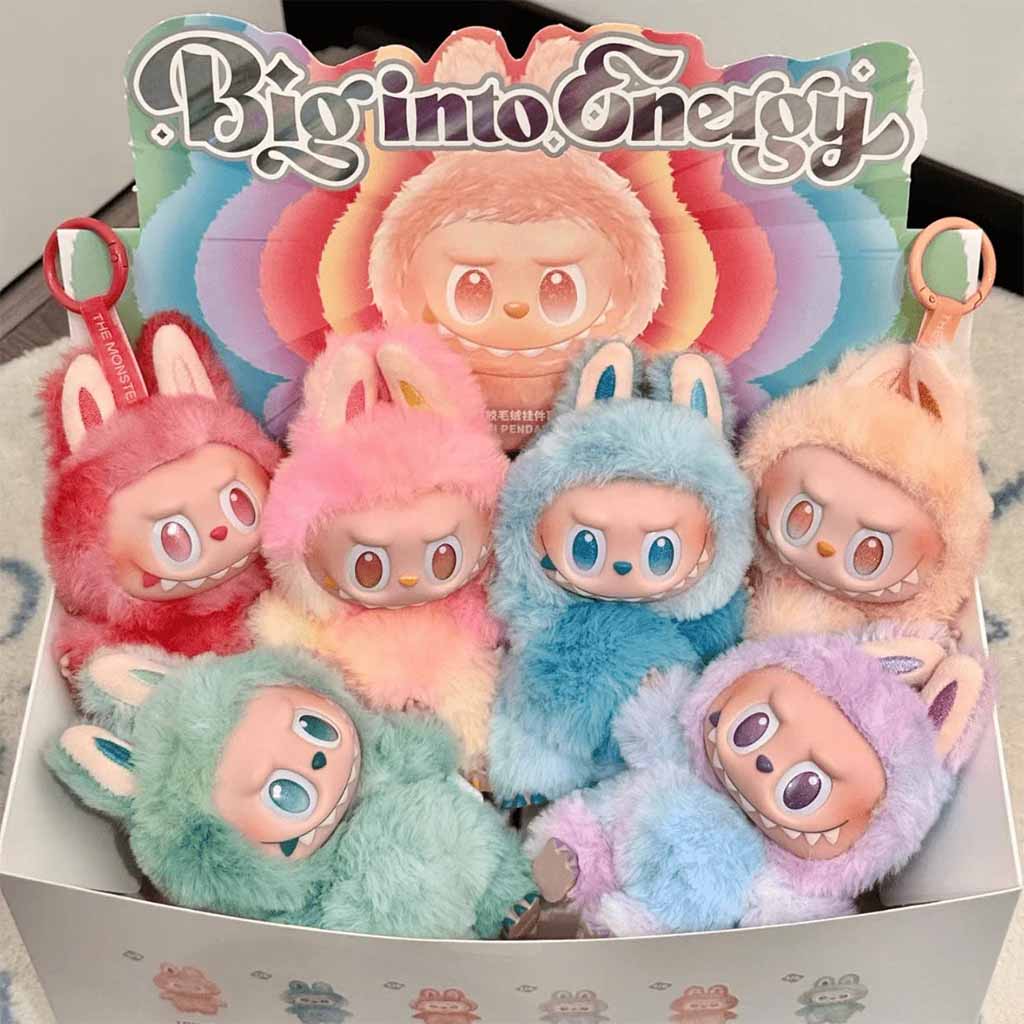
The UK follows EN71 family standards for toy safety (mechanical/physical, flammability, chemicals) and requires a Declaration of Conformity and proper traceability for children’s products. Your e-commerce page and on-pack labels should reflect age grading, care, and responsible claims.
Table 5 — Compliance Terms That Influence UK Copy
| Area | What’s expected in the UK | Copy/Label Guidance |
|---|---|---|
| Safety framework | EN71-1/2/3; REACH considerations; UKCA/CE | Mention compliance in bullets (avoid over-claims) |
| Age grading | “Suitable from birth” / “3+ years” | Align with trims (embroidery vs safety eyes) |
| Traceability | Manufacturer/importer details, batch/lot | Include tracking on labels; keep tidy in bullets |
| Care & materials | Surface wash or gentle machine; fiber content | Keep claims realistic and tested |
| Sustainability | Recycled polyester, OEKO-TEX fabrics (if used) | Only claim with documents; match hangtag text |
Compliance tone: British shoppers and retailers value clear, calm, and factual language. Keep safety statements short and consistent with lab documentation.
How should exporters adapt metadata and copy for UK audiences while preserving global discoverability?
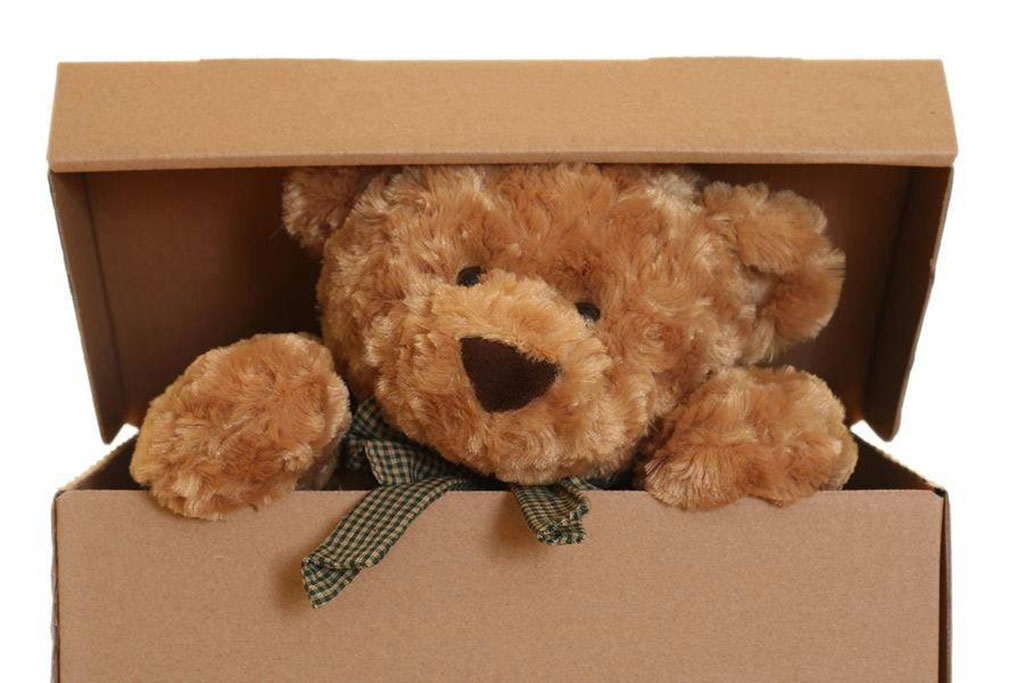
Use UK-first nouns in titles and filters, then tuck global/US terms into bullets, tags, and alt text. If you sell in multiple markets from one PDP, consider localized store views or region-aware titles.
Title templates (UK-ready)
- Bear:
30 cm Honey **Teddy Bear** – **Soft Toy**, Embroidered Eyes, Gift Box - Non-bear:
25 cm Fox **Soft Toy** – Minky Fabric, Weighted Base
Bullets (mix UK + global discoverability)
- Material: minky/velboa shell, polyester fiberfill; weighted base (double-pouched pellets)
- Safety: EN71 tested; age grading (e.g., suitable from birth / 3+ years)
- Care: surface wash / gentle machine; quick-dry guidance
- Size: length in cm (add inches in brackets if selling globally)
- Secondary discoverability: include plush toy / cuddly toy once in bullets or meta description
Metadata & alt text
- Meta title:
[Animal] Soft Toy | [Brand] UK - Meta description: include “soft toy”, “teddy bear” (if relevant), and one secondary term (“plush toy”).
- Alt text: “[size cm] [animal] soft toy”; add texture/material mention for accessibility and SEO.
UK-ready copy blocks (you can paste today)
PDP Title (bear):35 cm Cream Teddy Bear – Soft Toy, Embroidered Eyes, Gift Box
PDP Title (non-bear):25 cm Fox Soft Toy – Minky Fabric, Weighted Base
Bullets:
- Ultra-soft minky shell with balanced polyester filling
- EN71 tested; suitable from birth (embroidered features)
- Surface wash; dries quickly; brush pile gently after washing
- Size: 25 cm (9.8”) from head to toe
- A perfect gift soft toy for birthdays and new arrivals
Meta Title: Soft Toys & Teddy Bears | [Your Brand] UK
Meta Description: Discover soft toys and teddy bears in premium minky and velboa. EN71 tested, gift-ready packaging, fast UK delivery.
Action plan for a UK launch (fast checklist)
- Rename category to Soft Toys; add Teddy Bears as a sub-filter.
- Convert all bear SKUs to “Teddy Bear – Soft Toy” titles; keep size in cm.
- For non-bears, use “[Animal] Soft Toy”; place “plush toy” in bullets/metadata only.
- Add concise EN71 and age grade lines to bullets; match lab docs.
- Shoot scale-in-hand photos and a texture close-up for each SKU.
- Localize meta titles/descriptions with “soft toy”/“teddy bear”; keep “plush toy” as a secondary term for global traffic.
- For gift collections, add a Teddy Bears landing page with occasion filters (Newborn, Valentine’s, Get Well).
Follow these steps and your listings will read local, match UK retail expectations, and still capture global search.
Conclusion
In the UK, shoppers and retailers speak “soft toy” and “teddy”, not “plushies.” Use Soft Toys for categories, Teddy Bear for bears and gifting, and keep plush as a supporting term in specs or collector ranges. Align titles and filters with UK habits, keep EN71 and age-grading clear, and localize metadata while preserving global search reach.