Skip to content
I’m Amanda from Kinwin in China. I work with U.S. brands, retailers, and DTC founders to plan soft-toy assortments, lock compliance, and write copy that actually converts. One question I hear every season is: “What do Americans call plushies?” In daily U.S. English, people rarely type “plushies.” They say “stuffed animals,” “plush toys,” or just “plush.” This matters because your title wording shapes search visibility, your category taxonomy shapes browsing behavior, and your on-pack labels must align with ASTM F963/CPSIA if the item is a children’s product. In this guide, I’ll map the language Americans use, show how major marketplaces structure categories, explain which buyer groups prefer which terms, translate search intent into titles/filters, tie wording to U.S. safety frameworks, and give you a clean exporter playbook for metadata and structured data—so you can be discoverable in the U.S. while keeping global reach.
What terms do U.S. consumers and retailers most commonly use—“stuffed animal,” “plush,” or “plush toy”—and in which contexts?

In the United States, “stuffed animal” is the everyday phrase that parents, gift buyers, and mass-market shoppers use without thinking. It’s the term a grandmother will type when searching for a bear for a grandchild, and the phrase a parent will say to a store associate. “Plush toy” is the retail-ready noun that feels slightly more technical; it appears on category pages, product titles, and buyer guides because it reads clean and professional. “Plush” on its own is a compact signal—retailers use it in filters, lifestyle brands use it in bullets, and collectors read it as a quality fabric cue. If you lead with “plushies,” you will catch some youth traffic, but you will miss the broad U.S. shopper who defaults to “stuffed animal.”
This language split is not just style—it reflects buyer intent. “Stuffed animal” often signals gift or general need (“cute bear, good price, safe for kids”). “Plush toy” signals category clarity plus openness to features (“weighted base, embroidered eyes, minky fabric”). “Plush” alone signals material preference and is common in filter chips (“Plush,” “Organic,” “Weighted”). The safest approach is to combine terms in the same headline where the platform allows: [Size"] [Animal] Stuffed Animal (Plush Toy)—you capture broad search and the retail noun together, without looking spammy.
Table 1 — U.S. Usage at a Glance
| Term | Core U.S. meaning | Where it appears | Shopper vibe |
|---|---|---|---|
| Stuffed animal | Any soft animal toy | Everyday speech, mass retail, gifting | Familiar, broad, family-friendly |
| Plush toy | Soft toy (animal or character) | Category pages, product titles | Clear, retail-standard |
| Plush | Shorthand for plush fabric category | Filters, bullets, brand voice | Premium, concise, material-led |
How do major American marketplaces and retailers classify plush products in category taxonomy, filters, and product titles?
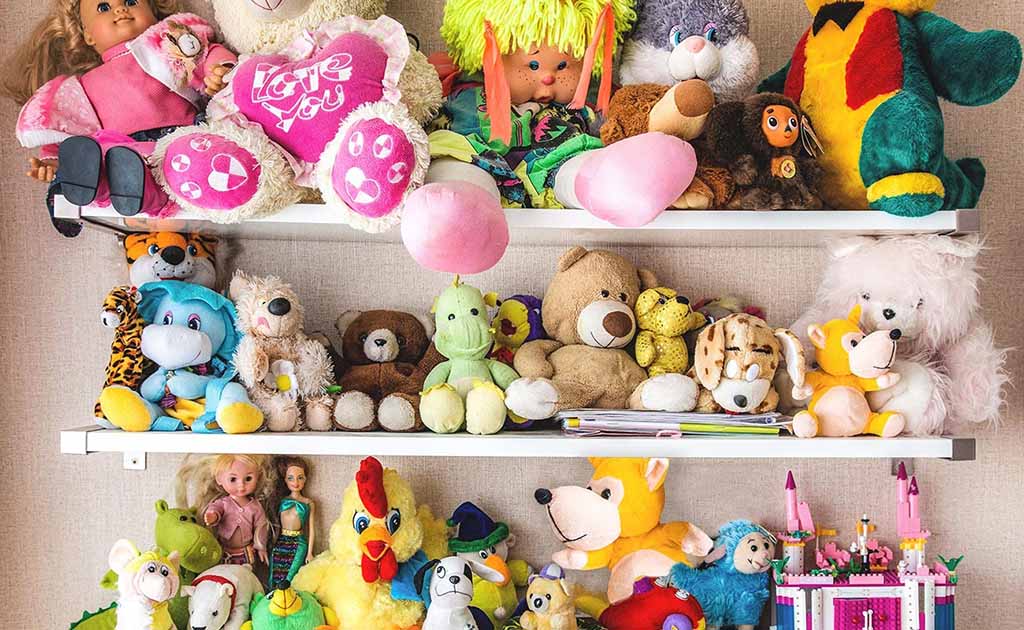
U.S. e-commerce favors straightforward, hierarchical navigation: Toys → Stuffed Animals & Plush Toys. Within the category, sites usually surface animal types (bear, bunny, dog), sizes (inches), features (weighted, scented, embroidered eyes), age (0+, 3+), and brand/licensed IP. Product titles typically start with the size and animal/character, then add a key feature. This lets filters do the heavy lifting while titles stay readable.
Two details matter for conversion: first, inches are the default size unit in U.S. titles (you can add centimeters in bullets for global shoppers). Second, retailers reward titles that match filter terms—if your filter offers “Weighted,” include “Weighted” in the title or first bullet. Over time, that alignment encourages higher click-through and better facet engagement, which quietly improves rank.
Table 2 — Typical U.S. Taxonomy & Title Patterns
| Layer | Common practice in the U.S. | Example (U.S.-ready) |
|---|---|---|
| Department | Toys | — |
| Category | Stuffed Animals & Plush Toys | — |
| Sub-filters | Animal/character, size (inches), features (weighted/scented/embroidered), age, brand | — |
| Title pattern | [Size"] [Animal/Character] **Stuffed Animal (Plush Toy)** – [Feature] | 12" Fox **Stuffed Animal (Plush Toy)** – Minky Fabric, Embroidered Eyes |
| Bullets | Materials, fill, wash care, ASTM F963/CPSIA, age grade, packaging | “Minky shell; ASTM F963 & CPSIA; Ages 3+; Surface wash” |
Good PDPs also show scale-in-hand photos and a texture macro. Those two images reduce returns more than any extra paragraph of copy, because shoppers instantly understand size and softness.
Which regional, demographic, and channel factors influence the preference for “stuffed animal” versus “plush” in the U.S.?
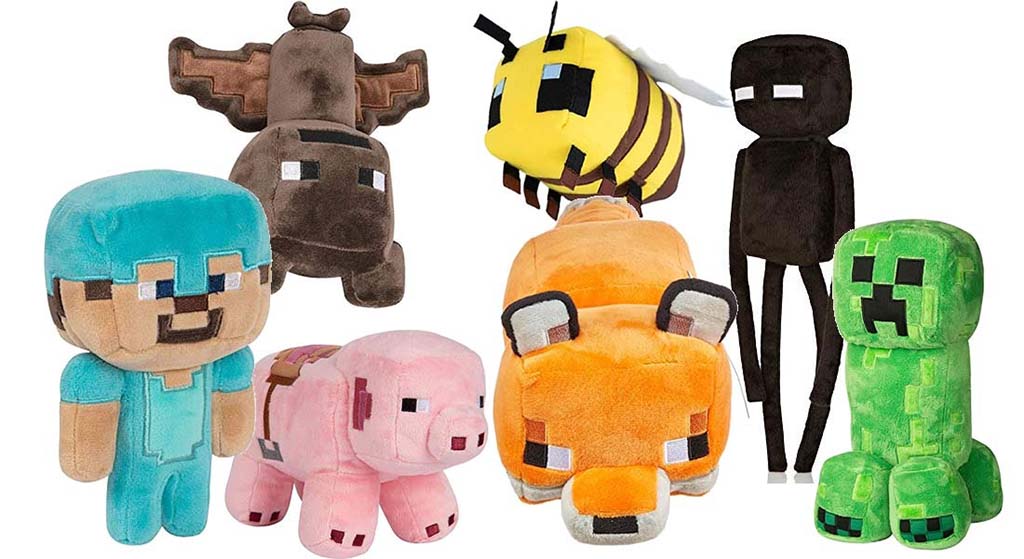
Preference in the U.S. is driven more by life stage and channel than by geographic region. In family shopping contexts—big box, mainstream marketplaces, school fundraisers—people lean naturally to “stuffed animal.” In DTC lifestyle and collector contexts—weighted animals, faux-fur realism, minimalist décor colors—“plush toy” or just “plush” feels more at home. Teens and young adults who live in anime/game fandoms will use “plush” and “plushie” inside the community, but when they type a purchase query in a marketplace, they still mix in “stuffed animal” because that’s how listings and filters are labeled.
Price band also nudges language. Value tiers and programmatic replenishment lines tend to lead with “stuffed animal.” Designer lines, collabs, and limited drops tend to lead with “plush toy” to highlight material/finish rather than price. If you straddle both worlds, use a hybrid title and let imagery/story carry the premium feel.
Table 3 — Preference Drivers in the U.S.
| Factor | Leans “Stuffed Animal” | Leans “Plush / Plush Toy” | What to do |
|---|---|---|---|
| Life stage | Parents, gift buyers for kids | Teens, collectors, décor shoppers | Use both in the title |
| Channel | Mass retail, large marketplaces | DTC lifestyle, specialty boutiques | Mirror the channel tone |
| Product type | Classic animals, value builds | Weighted, faux-fur, limited editions | Highlight features with “Plush Toy” |
| Content style | Practical specs | Aesthetic storytelling | Keep specs in bullets; story in gallery |
| Price band | Value–mid | Mid–premium | Let photos and packaging signal tier |
How do U.S. search trends and keyword intent shape naming conventions for listings, attributes, and site navigation?
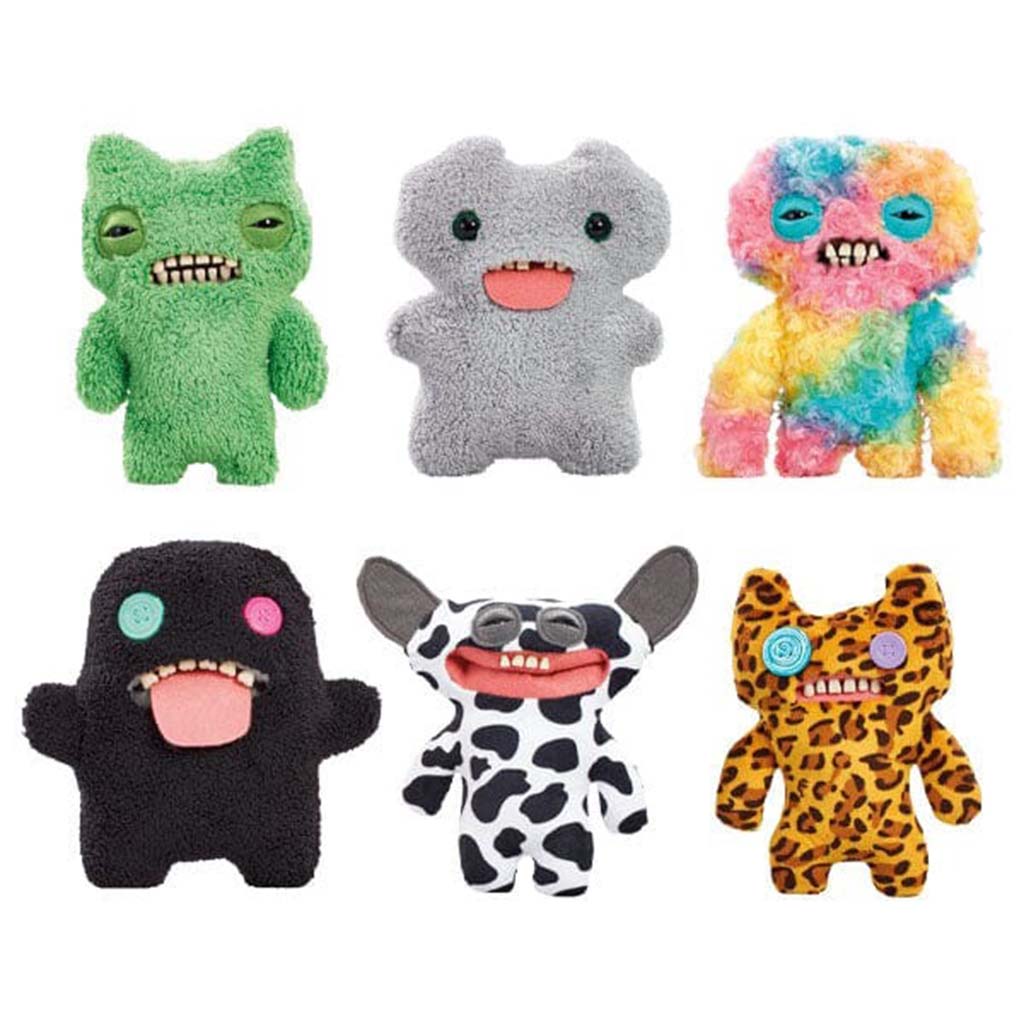
Most U.S. search behavior falls into three buckets: generic shopping (“stuffed animal bear” / “bunny stuffed animal”), feature shopping (“weighted plush” / “plush with embroidered eyes”), and use-case shopping (“soft toy for anxiety” / “gift for toddler”). Your PDP needs to catch all three without looking like keyword stuffing. The simplest path is a hybrid title plus clean bullets plus structured attributes that match your filter set. Keep inches in the title, because that’s what buyers scan; put centimeters in bullets if you run a global store view.
For indexing, alt text should include animal + ‘plush toy’ or ‘stuffed animal’ + size in natural English. Avoid repeating “plush” five times in a row—redundancy is a ranking drag and a trust signal problem. Instead, spread synonyms across title, bullets, meta description, and alt text, and let attributes (size, weighted, embroidered, scented, age) do the rest.
Table 4 — U.S. SEO Naming Checklist
| Element | Best practice (U.S.) | Example |
|---|---|---|
| Category label | Stuffed Animals & Plush Toys | Nav link copy |
| Title | [Size"] [Animal] Stuffed Animal (Plush Toy) – [Feature] | 14" Bunny Stuffed Animal (Plush Toy) – Weighted Base |
| Bullets | Materials, fill grams, wash care, ASTM/CPSIA, age | “Minky shell; double-pouched pellets; Ages 3+” |
| Attributes | Size (in), features (weighted/embroidered/scented), age, brand | Structured fields mapped to filters |
| Alt text | Include stuffed animal/plush toy, animal, size | alt="12 inch fox plush toy stuffed animal" |
| Long-tail | Add cuddly toy/cute plush/gift for kids in meta/bullets | Keep language natural and brief |
A note on “plushie”: it is useful as a long-tail tag in bullets or meta when targeting fandom-heavy traffic on social. Don’t anchor your title on it for U.S. mass search.
What labeling and compliance requirements (ASTM F963, CPSIA) affect on-pack and e-commerce terminology choices in the U.S.?
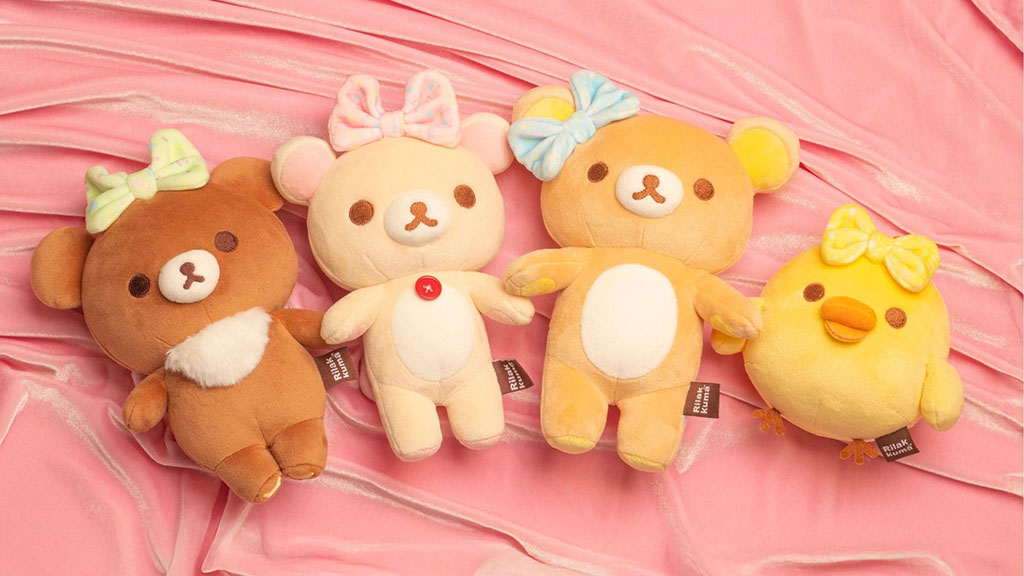
No matter what you call the product—“plush toy” or “stuffed animal”—if it is a children’s product in the U.S., you must meet ASTM F963 (toy safety) and CPSIA (lead, phthalates, tracking label) requirements. You also need a Children’s Product Certificate (CPC) that lists the standards and the accredited lab that performed testing. Age grading must match trims (e.g., embroidery for 0–3 years; safety eyes for 3+ with passing small-parts tests).
Copy should stay factual and short: put ASTM F963 & CPSIA in bullets, declare age grade, and match wash claims to your actual testing outcomes. If you change dye lot or trim vendor, re-test the affected components and keep documentation by lot. Marketplaces increasingly audit safety wording against documentation, and consistency protects your sell-through.
Table 5 — Compliance Copy Cues for the U.S.
| Area | Requirement | How to reflect it in PDP copy |
|---|---|---|
| Toy safety | ASTM F963 | Bullet: “ASTM F963 tested” |
| Children’s product | CPSIA + tracking label | Bullet: “CPSIA compliant; tracking label included” |
| Age grading | Based on small parts & trims | Bullet: “Ages 3+” or “Suitable from birth (embroidered features)” |
| Materials claims | Only if documented (e.g., recycled, OEKO-TEX) | Keep claims specific and verifiable |
| Care | Match verified wash tests | “Surface wash” or “Gentle machine wash; air dry” |
If you position a design as an adult collectible (14+) and keep it clearly out of children’s channels and aesthetics, some retailers may allow a non-toy path. In practice, most will still ask for ASTM screens to de-risk. When in doubt, build a toy-standard test matrix—it gives your sales team fewer headaches.
How should exporters adapt metadata, synonyms, and structured data for American audiences while maintaining global discoverability?
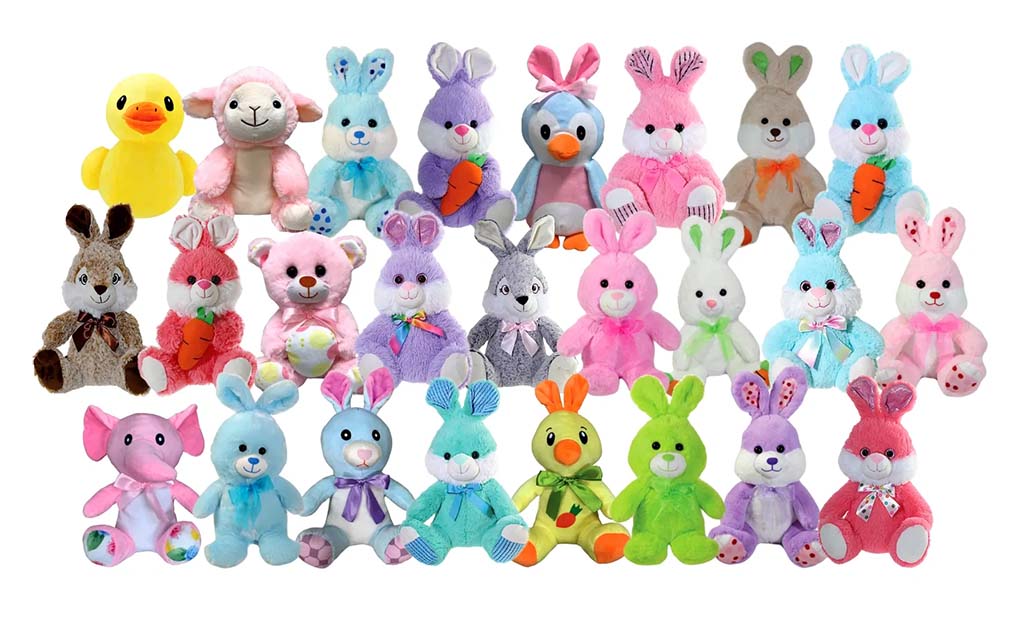
Think U.S.-first title, global bullets, and clean attributes. In the title, lead with “Stuffed Animal (Plush Toy)” and inches. In bullets, mention minky/velboa, weighted base (if any), ASTM F963/CPSIA, and the age grade. In structured data, map size in inches, mark features (weighted, embroidered, scented), and specify animal/character. In meta and alt text, scatter “plush toy / stuffed animal / cuddly toy” naturally so you capture both American and international searches. If you operate multiple store views, localize: U.K. titles prefer “soft toy” and cm, while U.S. titles prefer “stuffed animal/plush toy” and inches.
Long-term, the most resilient setup is a taxonomy twin: one global parent category with localized child labels per store (U.S.: “Stuffed Animals & Plush Toys” / U.K.: “Soft Toys”). That preserves analytics consistency while meeting local search habits. For images, keep alt text English-neutral (“bunny soft toy/plush toy”) and let regional keywords live in meta titles and H1/H2s.
U.S.-ready copy blocks (you can paste today)
PDP Titles
12" Fox **Stuffed Animal (Plush Toy)** – Minky Fabric, Embroidered Eyes10" Weighted Bunny **Plush Toy (Stuffed Animal)** – Double-Pouched Pellets14" Bear **Stuffed Animal (Plush Toy)** – Velboa, Surface Wash
Bullets
- Ultra-soft minky/velboa shell; balanced polyester filling
- ASTM F963 & CPSIA compliant; Ages 3+ (embroidered features for under-3)
- Weighted base for stable sitting; double-pouched pellets
- Surface wash; air dry; brush pile gently after washing
- Size: 12″ (30.5 cm)
Alt text examples
12 inch fox plush toy stuffed animal, minky shell10 inch weighted bunny plush toy with embroidered eyes
Meta TitleStuffed Animals & Plush Toys | [Brand] USA
Meta DescriptionShop stuffed animals and plush toys in premium minky and velboa. ASTM F963 & CPSIA compliant, gift-ready packaging, fast U.S. shipping.
Action plan for an American launch (operational checklist)
- Category label: set navigation to Stuffed Animals & Plush Toys; add animal and feature filters (Weighted, Embroidered, Scented).
- Titles: write hybrid titles with inches first and both terms (Stuffed Animal (Plush Toy)). Keep titles human-readable.
- Bullets: list shell fabric, fill type/grams (if relevant), wash care, ASTM/CPSIA, age grade, packaging (gift box/polybag + hangtag).
- Attributes: enforce structured fields for size (inches), features, age, brand, character/animal—so filters and facets index correctly.
- Images: include scale-in-hand, texture macro, face detail, and seated stability shot; add a short squeeze video.
- Compliance files: keep CPC and lab reports tied to actual fabric/fill lots; re-test if dye lot or trim supplier changes; maintain tracking labels on pack.
- Localization for global stores: mirror PDPs with U.K. naming (“Soft Toy,” centimeters), but keep shared assets (photos, attributes) identical for ops efficiency.
Execute these steps and your listings will read local to American shoppers, satisfy retailer reviewers, and still capture global organic traffic.
Conclusion
In the U.S., shoppers say “stuffed animal” first and “plush toy” in retail contexts, while “plush” serves as a concise material signal. Use a hybrid title with inches, back it with clear bullets and attributes, and align your copy with ASTM F963/CPSIA. When your taxonomy mirrors marketplace filters and your wording matches how Americans actually search, you lift both discoverability and conversion. At Kinwin, we help brands localize titles, pass tests, and ship plush programs that perform across channels. Email [email protected] or visit kinwintoys.com to plan your U.S. rollout.