Skip to content
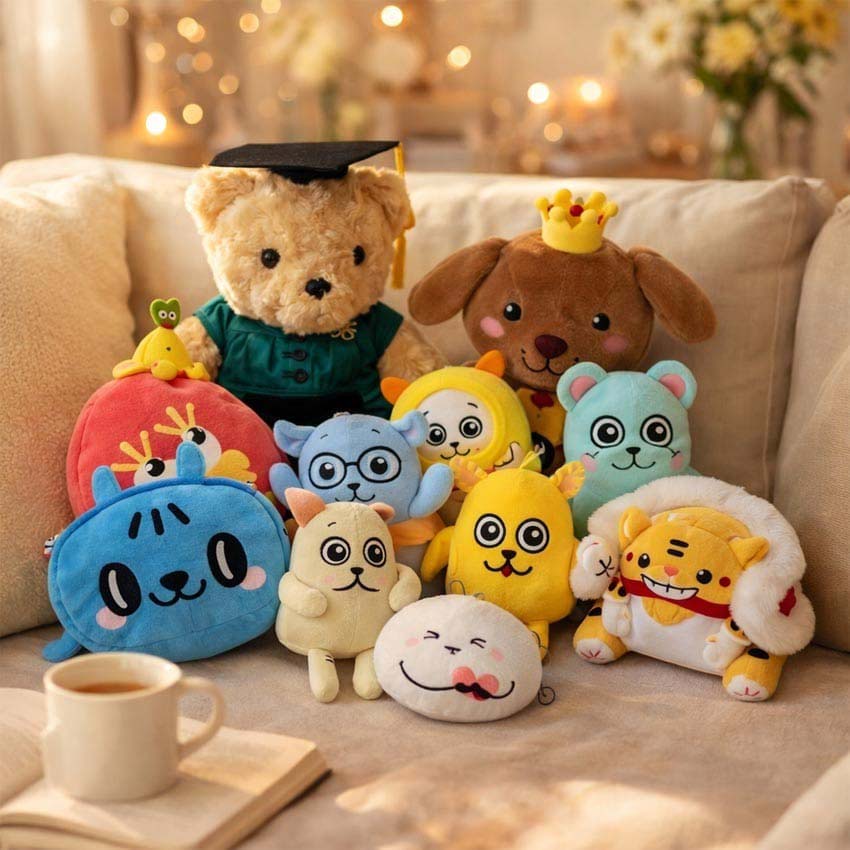
When planning a soft toy line, it’s not enough to say “we sell plush.” Buyers, parents, and fans all look for different types of soft toys with different purposes: comfort, play, education, decor, collection, or therapy.
I’m Amanda from Kinwin in China. My factory produces plush toys and soft toys for brands, retailers, e-commerce businesses, and promotional projects in the USA, Europe, Japan, South Korea, and the Middle East. In this guide, I’ll walk through the main soft toy categories, how they differ in function, and which types are best for different age groups and markets.
What main categories of soft toys exist in today’s market?
Today’s market is much wider than just teddy bears. From a manufacturing and buying point of view, most soft toys fall into a few big groups:
- Plush animals
- Soft dolls and humanoid characters
- Licensed character soft toys (IP-based)
- Sensory and educational soft toys
- Therapeutic and weighted soft toys
- Decor and lifestyle soft toys (pillows, cushions, room plush)
- Collectible and limited-edition soft toys
Many products sit in more than one group. For example, a brand mascot plush can be both licensed and collectible. But thinking in categories helps you design and source with more focus.
Main soft toy categories at a glance
| Category | Simple description | Typical buyers / usage |
|---|---|---|
| Plush animals | Bears, dogs, cats, bunnies, zoo animals, fantasy creatures | Babies, kids, gift buyers |
| Soft dolls & humanoid characters | Rag dolls, plush people, stylized figures | Kids, decor, brands, fashion / lifestyle |
| Licensed IP soft toys | Disney, game, anime, cartoon, VTuber characters | Fans, collectors, parents buying known brands |
| Sensory & educational soft toys | Crinkle toys, soft books, shape-learning plush | Parents, schools, therapists |
| Therapeutic & weighted soft toys | Weighted animals, calming plush, emotion tools | Older kids, adults, therapy and wellness users |
| Decor & lifestyle soft toys | Plush cushions, floor pillows, giant plush, room mascots | Teens, young adults, home decor buyers |
| Collectible & limited-edition soft toys | Numbered, collab, drop-based plush collections | Fans, collectors, specialty retailers |
Once you know which group your product belongs to, it is easier to decide fabric, stuffing, size, price, and packaging.
How do plush animals, dolls, and character toys differ functionally?
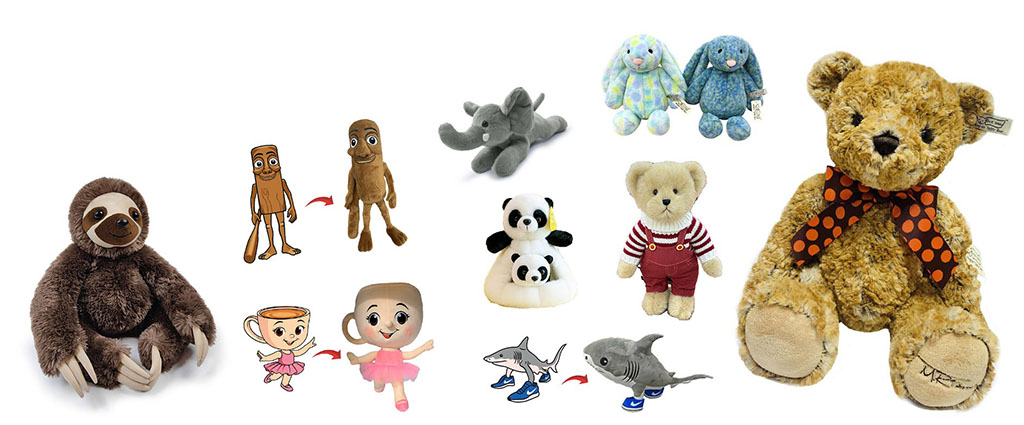
Three classic pillars of the soft toy world are plush animals, soft dolls, and character plush. They may share materials, but they do very different jobs in daily life.
Plush animals
These are the classic “soft toy” image:
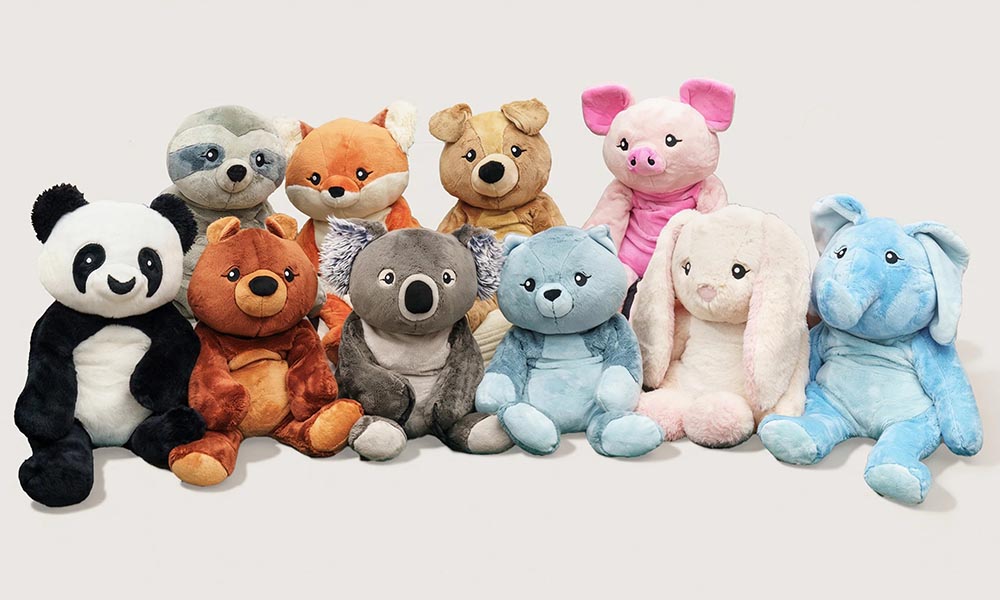
- Bears, dogs, cats, bunnies, dinosaurs, sharks, jungle animals, farm animals, etc.
- Often given as gifts for babies, birthdays, hospitals, and holidays.
- Used for sleep, comfort, pretend play, and room decor.
Functionally, plush animals are emotional and flexible. A child can turn a bear into any character in their mind. An adult can keep a plush animal on a sofa or bed as a neutral, soft decoration.
Soft dolls & humanoid characters
Soft dolls include:
- Rag dolls
- Plush “people” with clothes and hair
- Chibi-style humanoid characters
- Cultural or fashion-themed dolls
They support strong role-play and identity exploration. Children use them to act out family roles, school, friendships, and dreams. Adults may choose them as decorative items that match a style (vintage, cottagecore, kawaii, etc.).
Character plush (licensed or original IP)
Character plush use a specific design and story:
- Cartoon and movie characters
- Game and anime characters
- Brand mascots and VTuber avatars
- Food characters, objects with faces, and designer creatures
Functionally, these soft toys are part of a brand universe. They help users express fandom, decorate their space with their favorite IP, and feel closer to a world they love.
Functional differences – animals vs dolls vs characters
| Type | Main functions in daily life | Emotional role |
|---|---|---|
| Plush animals | Sleep, comfort, free pretend play, general gifting | Simple, open-ended friend or “pet” |
| Soft dolls | Role-play, social learning, self-expression | “Someone like me or like my dream self” |
| Character plush | Fandom, collection, decor, brand engagement | Connection to a story, brand, creator, or world |
When you choose between these types for a new project, ask: Do we want open play, identity play, or brand/story play? The answer will point to the right base type.
What defines sensory, educational, and therapeutic soft toy segments?
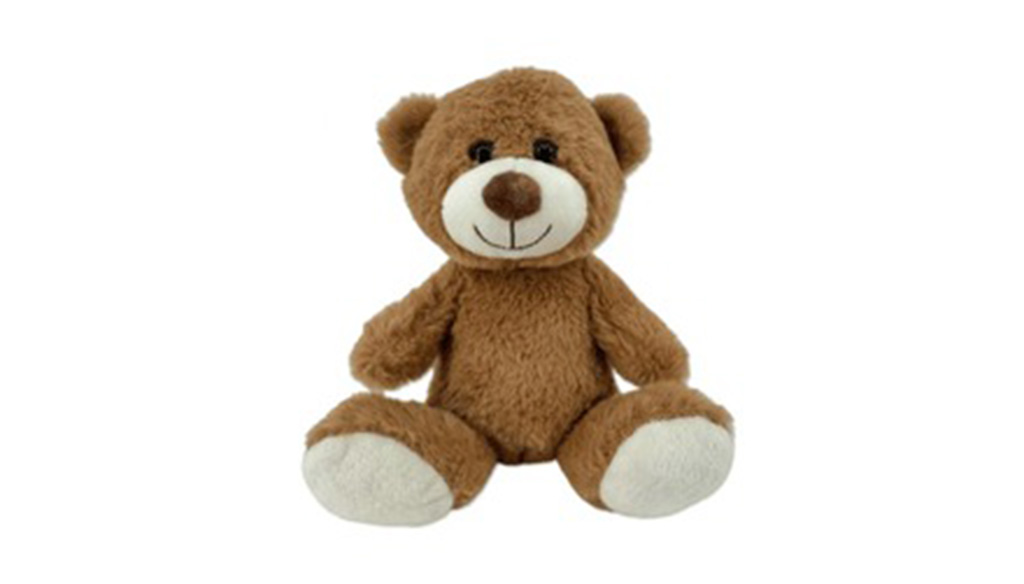
Not all soft toys are “just toys.” Some are designed with specific learning or therapeutic goals.
Sensory soft toys
Sensory soft toys focus on touch, sound, and sometimes gentle visuals:
- Crinkle ears or wings
- Soft tags and ribbons
- Different textures (smooth, bumpy, fuzzy, ribbed)
- Rattles or gentle chime inserts
They are often used for babies, toddlers, and children with sensory processing needs. The goal is to provide safe sensory input that helps the child explore their senses and calm themselves.
Educational soft toys
Educational soft toys are designed around learning tasks, such as:
- Counting (plush with numbers or separate pieces)
- Colors and shapes (soft blocks, sorting toys)
- Simple letters or words (soft books, alphabet plush)
- Life skills (plush with zippers, buttons, laces for practice)
These toys mix comfort with cognitive and motor skill development.
Therapeutic soft toys
Therapeutic soft toys support emotional and mental well-being:
- Weighted animals for deep pressure and grounding
- Emotion plush that help children name and talk about feelings
- Calming designs with soft colors and faces
They are often used in therapy, counseling, special education, and self-care.
Definition of sensory, educational, and therapeutic soft toys
| Segment | Key design features | Main purpose |
|---|---|---|
| Sensory soft toys | Textures, crinkle, rattles, different fabrics | Sensory exploration, self-regulation |
| Educational | Numbers, letters, shapes, skill elements | Learning, practice, early development |
| Therapeutic | Weighted stuffing, calm faces, emotion themes | Anxiety relief, emotional support, grounding |
When planning these types, it is important to work closely with your factory on materials, stuffing, and testing, because these toys often face extra expectations from parents and professionals.
How do licensed IP soft toys differ from generic designs?
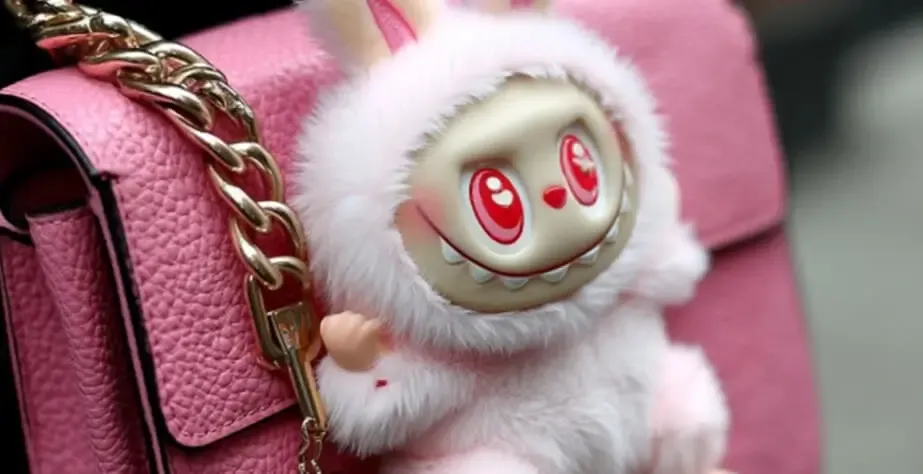
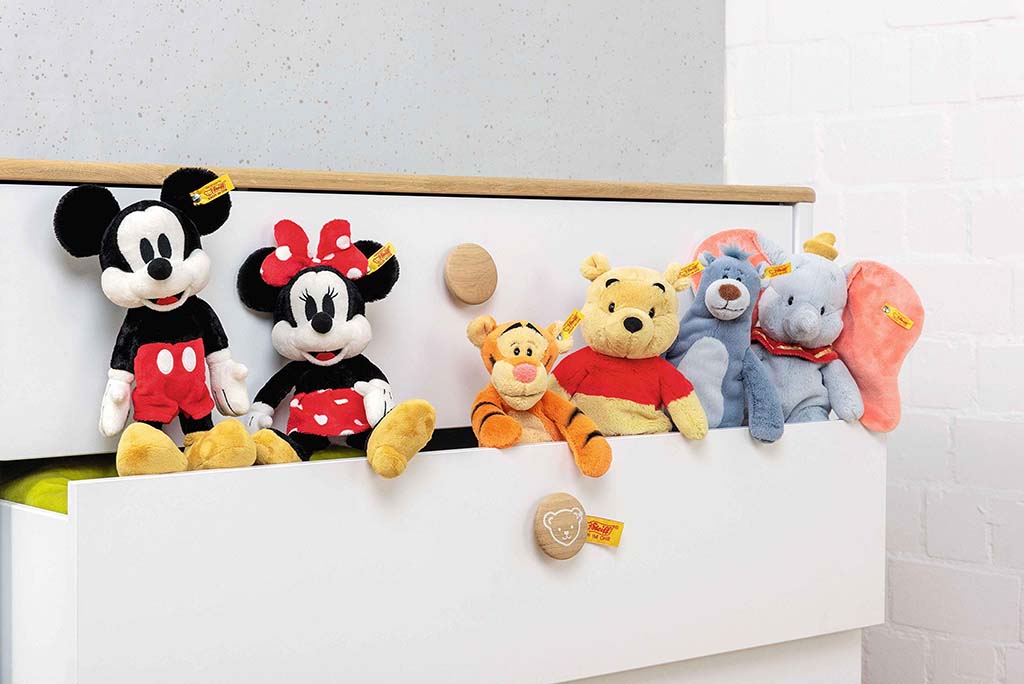
Licensed IP soft toys are based on protected characters and brands. Examples include:
- Disney characters
- Game and anime characters
- Cartoon series and movie franchises
- Brand mascots for apps, companies, sports teams, and events
Compared to generic designs (like a basic teddy bear), licensed IP soft toys have several distinct features:
1. Stricter design control
- Must follow style guides (colors, shapes, logo placement, expressions).
- Changes to patterns or colors need approval from the IP owner.
- Every detail must match the character’s identity.
2. Higher brand expectations
- Buyers expect high accuracy and quality.
- Mistakes are more visible (“this doesn’t look like the character”).
- Packaging and tags often carry official logos and series names.
3. Different cost and pricing model
- License fees or royalties add cost.
- Retail prices are usually higher than generic plush.
- Demand is strongly linked to content (shows, games, events) and fandom.
4. Stronger emotional and marketing power
- Character recognition drives impulse buys.
- Fans may collect sets, variants, and limited editions.
- Soft toys become part of a bigger marketing and story system.
Licensed IP vs generic soft toys
| Aspect | Licensed IP soft toys | Generic soft toys |
|---|---|---|
| Character design | Fixed by style guides | Flexible; created by brand or factory |
| Brand recognition | High, supported by media and fanbase | Depends on product quality and design |
| Cost structure | Includes license fees and approvals | Controlled mainly by materials and labor |
| Emotional pull | Tied to stories, nostalgia, fandom | Tied to overall cuteness and feel |
| Sales pattern | Linked to releases, fandom events, trends | More stable, evergreen if classic |
If your business works with IP, you need a factory that can translate style guides into plush patterns and manage approvals, not just sew a generic bear.
What soft toy types are most suitable for different age groups?
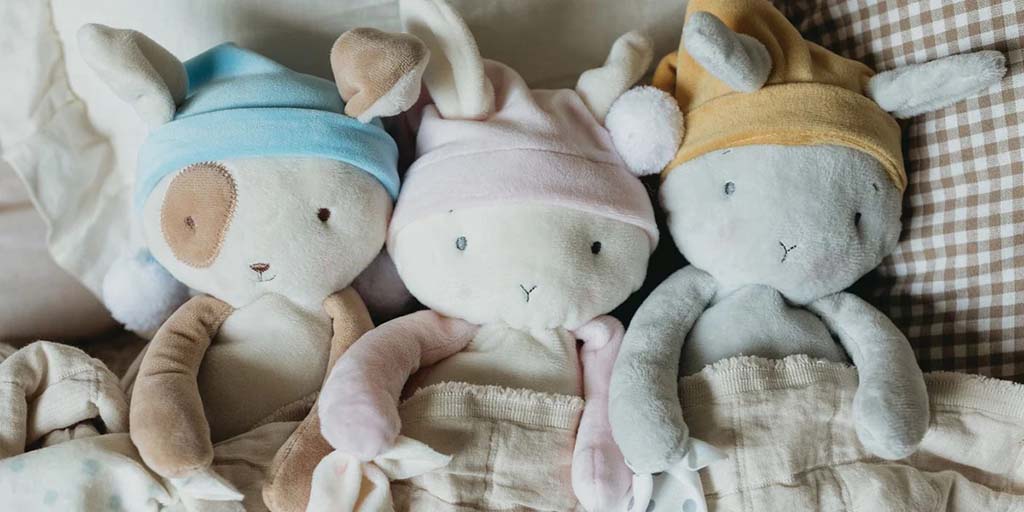
Matching soft toy type to age is vital for safety, engagement, and parent trust. Here’s a practical way to think about it.
Babies (0–18 months)
Best types:
- Simple plush animals with embroidered faces
- Soft comforters / loveys (flat or semi-flat soft toys)
- Sensory soft toys with gentle crinkle, tags, and different textures
Key needs:
- Safe fabrics with short pile, low lint, and soft stitching.
- No small parts, pellets, or hard eyes.
- Light weight and easy to grip.
Toddlers (18 months–3 years)
Best types:
- Plush animals with clear, friendly faces
- Small soft dolls or simple character plush
- Sensory and early educational soft toys (shape, color, simple numbers)
Key needs:
- Durable fabrics and seams.
- Washability.
- Soft shapes and bright but not overwhelming colors.
Preschool & early school age (3–7 years)
Best types:
- Plush animals with more personality (dinosaurs, fantasy creatures)
- Soft dolls with clothes and accessories
- Licensed character soft toys
- Educational plush (alphabet, role-play sets)
Key needs:
- Strong seams and fabrics for active play.
- Clear facial expressions and dynamic poses.
- Safe trims; pellets can be used if well-enclosed and age-graded.
Older kids, teens, and adults (7+ years and up)
Best types:
- Licensed character soft toys
- Decor and lifestyle plush (pillows, cushions, giant plush)
- Collectible and limited-edition soft toys
- Weighted or therapeutic plush for stress relief
Key needs:
- Distinct designs and quality finishes.
- Character accuracy and style matching.
- Eye-catching packaging and storytelling.
Age group and suitable soft toy types
| Age range | Suitable soft toy types | Main focus |
|---|---|---|
| 0–18 months (baby) | Simple plush animals, loveys, sensory soft toys | Safety, softness, simple comfort |
| 18 months–3 years | Plush animals, simple dolls, early sensory/learning toys | Durability, exploration, early pretend play |
| 3–7 years | Plush animals, soft dolls, licensed characters, edu plush | Imagination, stories, stronger play |
| 7+ years, teens | Character plush, decor plush, collections | Self-expression, room style, fandom |
| Adults | Collectible plush, lifestyle cushions, therapeutic plush | Comfort, identity, stress relief, decor |
When you plan a line, try to define a primary age band. Mixed-age appeal is good, but the core design and safety level should be clear.
How do collectible and limited-edition soft toys form a distinct category?
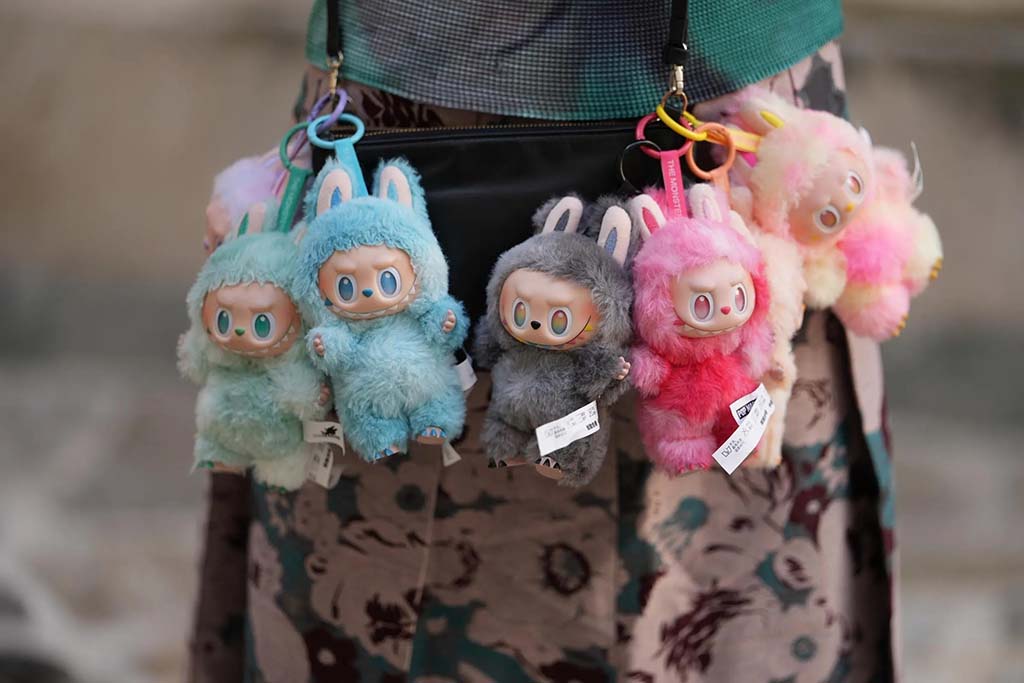
Collectible and limited-edition soft toys sit at the crossing point of plush and art toys. They are not just playthings; they are objects of passion and sometimes investment.
What makes a soft toy “collectible”?
- Limited run (numbered tags, certificates, or clear drop size).
- Special collaborations (artist x brand, creator x manufacturer).
- Unique styling (unusual colors, high-detail embroidery, premium fabrics).
- Story or event link (anniversary, tour, game release, festival).
Collectors look for:
- Clear information about edition size.
- Strong packaging that protects and presents the toy.
- Consistent quality across the whole run.
How collectibles differ from standard plush
- They may be priced much higher than normal plush.
- They may be labeled for older ages (e.g., 14+) due to trims, pellets, or display-only features.
- They are often sold in drops or pre-orders, not constant stock.
- Resale and second-hand markets (online platforms, events) play a big role.
Why brands create collectible soft toys
- To build hype and brand loyalty.
- To reward fans who want something special.
- To test new designs and styles before wider release.
- To position the brand at a higher design and emotional level.
Collectible / limited-edition soft toys vs standard soft toys
| Aspect | Collectible / limited-edition | Standard soft toys |
|---|---|---|
| Production run | Fixed, limited, often numbered | Ongoing or seasonal, larger quantities |
| Price | Higher, sometimes premium | Low to mid, depending on market |
| Target user | Collectors, fans, older kids, adults | General children’s market and gift buyers |
| Design | Bold, detailed, sometimes experimental | Safe, broad-market, versatile |
| Packaging | Display-friendly, often with story elements | Simple, functional, price-focused |
| Sales pattern | Drops, pre-orders, special events | Regular retail, online listings, gift seasons |
For this category, you need a factory that can handle detail, fabric variety, and tight quality control, not only volume.
Conclusion
Soft toys are no longer just “teddy bears.” Today’s market includes plush animals, soft dolls, licensed characters, sensory and educational designs, therapeutic plush, decor pieces, and high-end collectibles. Each category serves different functions, age groups, emotions, and brand strategies.
When you know which type of soft toy you are creating—and for whom—it becomes much easier to choose fabrics, stuffing, safety levels, price points, and packaging that truly fit your goals.
At Kinwin, my team and I help global buyers design and manufacture soft toys across all these segments—from simple baby comforters and family plush to branded mascots and collector-friendly plush lines. If you’d like to plan a new range or refine your current assortment by category and target user, you’re welcome to email me at [email protected] or visit kinwintoys.com. We can build a soft toy strategy that makes sense in the workshop and on the shelf—and in your customer’s arms.