Skip to content
I’m Amanda from Kinwin. I work with global buyers to design, manufacture, and deliver plush lines that win in retail and online channels. In this guide I explain what makes a plush brand top-rated today, how leading brands stand out, which names excel in safety and materials, how marketing and licensing shape reputation, what sustainability practices matter, and how emerging brands can benchmark to gain trust.
This is written for brand owners, buyers, and retailers. I keep language simple and practical so you can act on it fast.
What defines a top-rated plush toy brand in today’s global market?

A top-rated brand combines product quality, safety, emotional appeal, and consistent market presence. Customers choose plush that looks good, feels right, and lasts. Retailers buy brands that reduce returns and build loyal customers. Buyers and licensors want reliable suppliers who meet compliance and lead times.
Core elements that define a leading plush brand:
- Product safety and compliance. CE and ASTM certifications are table stakes for international markets. A top brand shows lab reports and batch traceability.
- Material and build quality. High-grade fabrics, secure stitching, and stable fills reduce defects and complaints.
- Design and emotional story. Characters that tell a story create attachment and repeat purchases.
- Consistency and supply reliability. On-time delivery and stable quality keep retailers happy.
- Brand presentation and packaging. Clear labeling, appealing packaging, and quality hangtags increase perceived value.
- After-sales support and traceability. Clear warranty, refill/repair options, and batch records build trust.
Table: Core brand attributes and why they matter
| Attribute | Why it matters for buyers | How it helps the end customer |
|---|---|---|
| Safety & compliance | Avoids recalls and liability | Safer play for children |
| Material & construction | Fewer defects, lower returns | Longer-lasting toy |
| Design & story | Easier marketing and SKU appeal | Emotional connection and repeat buys |
| Supply reliability | Stable product assortment | Less out-of-stock, steady sales |
| Packaging & presentation | Higher shelf impact | Better giftability |
| After-sales & traceability | Faster issue resolution | Confidence in purchases |
A top-rated brand is not perfect on day one. It invests in consistent improvement. It tracks returns, tests new materials, and listens to customers. Brands that win are easy to work with. They respond to problems and protect retail margins.
How do leading brands differentiate through design, storytelling, and emotional appeal?
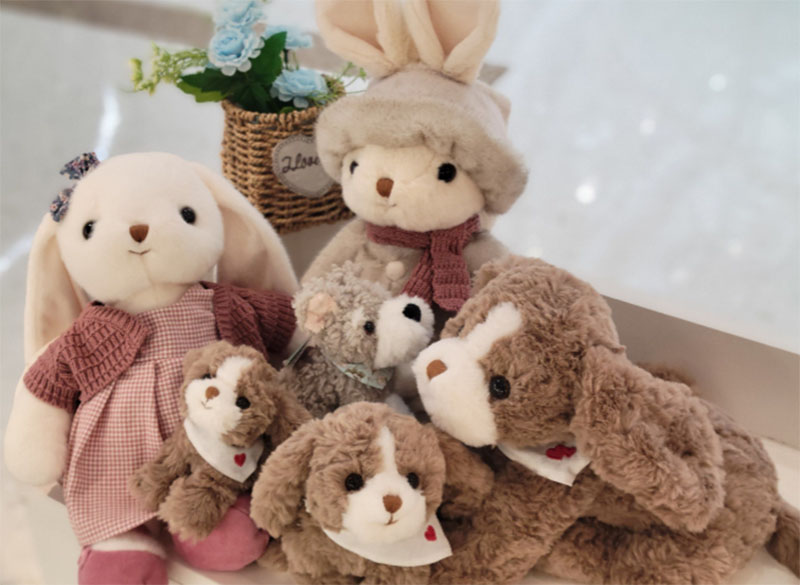
Design and story create long-term value. Good design makes a toy attractive. Strong storytelling makes it memorable. Together they turn a product into a character people want to keep.
Design elements that matter:
- Silhouette and proportion. Simple shapes read well on small images and shelves.
- Face and expression. Clear, friendly faces increase attachment. Subtle changes in eye size or mouth shape change perceived age and mood.
- Texture contrast. Mix smooth and textured fabrics to invite touch. Hands, feet, and ears often use different materials for tactile interest.
- Color palette and trends. On-trend colors help seasonal appeal. Use restrained palettes for premium lines.
Storytelling techniques:
- Backstory and personality. Short bios, names, and simple traits help children create play scenarios.
- Multichannel narrative. Use product tags, web pages, and social posts to expand the story. A small booklet inside the tag is cheap and effective.
- Collectible logic. Families of characters with clear roles increase repeat purchase and cross-sell.
- Experience design. Add sensory features like crinkle, sound chips, or weighted elements where appropriate.
Table: Design vs storytelling—practical differentiators
| Design choice | Storytelling tactic | Buyer benefit |
|---|---|---|
| Distinct silhouette | Character bio on tag | Easier branding and shelf recognition |
| High-contrast textures | Short story or poem | Increased tactile play and emotional value |
| Signature color | Social media character posts | Stronger marketing hooks |
| Simple, safe features | Character role (e.g., “sleepy bear”) | Clear target audience and use-case |
Leading brands invest in small, repeatable design cues. They test faces and textures with real buyers and children. They prototype quickly and iterate on feedback. This reduces costly design misses and speeds up market fit.
Which plush toy brands consistently excel in safety, material quality, and compliance?
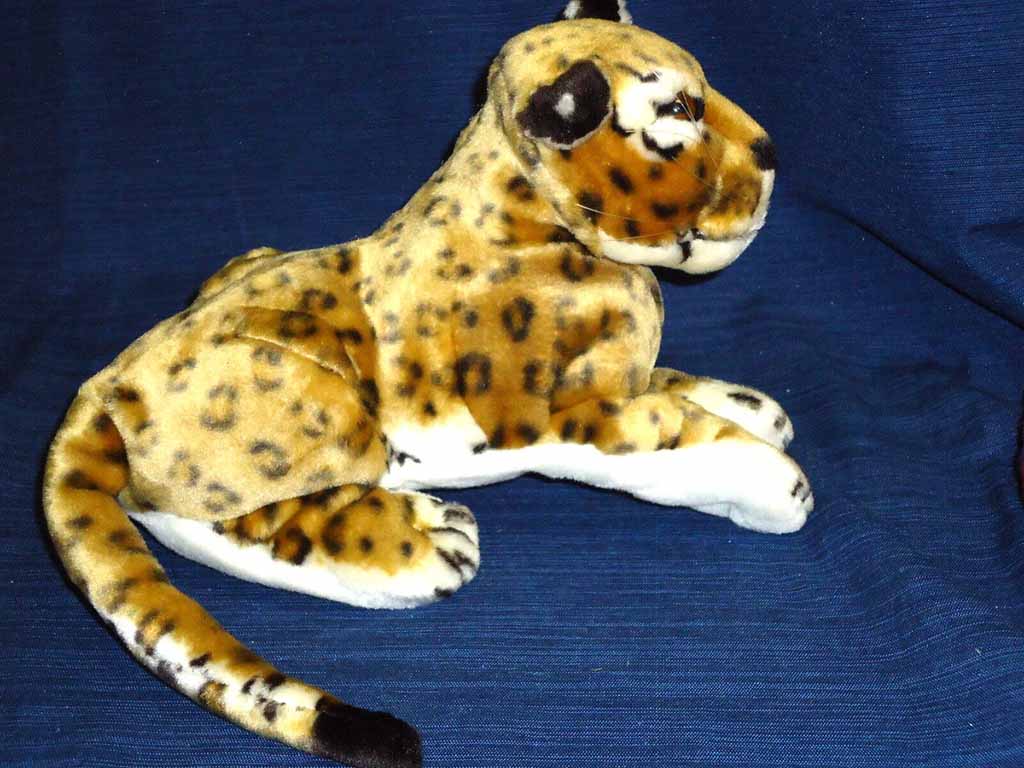
Top-performing brands build rigorous QA and supplier programs. They do not rely solely on spec sheets. They request material certificates, audit factories, and test samples in labs. This is how they keep returns low and maintain retailer trust.
Practices that make a brand stand out in safety and quality:
- Material traceability. They get batch certificates for fabrics, threads, fills, and trims.
- Mandatory lab testing. They test for flammability, heavy metals, and small parts per target market regulations.
- Incoming material inspection (IQC). Each lot is visually and physically inspected before use.
- Process control in factories. Stitch counts, seam allowances, and fill weights are recorded.
- Final random sampling (AQL). They test a sample from each shipment and keep records for audits.
Table: Safety & quality checkpoints
| Checkpoint | What to verify | Buyer action |
|---|---|---|
| Fill certificates | Composition, flame class | Request batch COA |
| Trim & eye tests | Tug test, chemical safety | Ask for sample lab reports |
| Seams & stitches | Stitch length, bar-tack at stress points | Include seam spec in PO |
| Wash & durability | After-wash look and feel | Run 3-cycle wash on samples |
| AQL sampling | Random checks on shipments | Agree AQL level in contract |
Brands that consistently excel make testing a non-negotiable line item in cost calculations. They budget for third-party lab reports. They also run internal “play tests” to see how the toy behaves in real life—this often uncovers small failures labs do not show.
How do marketing strategies and licensing partnerships shape brand reputation?
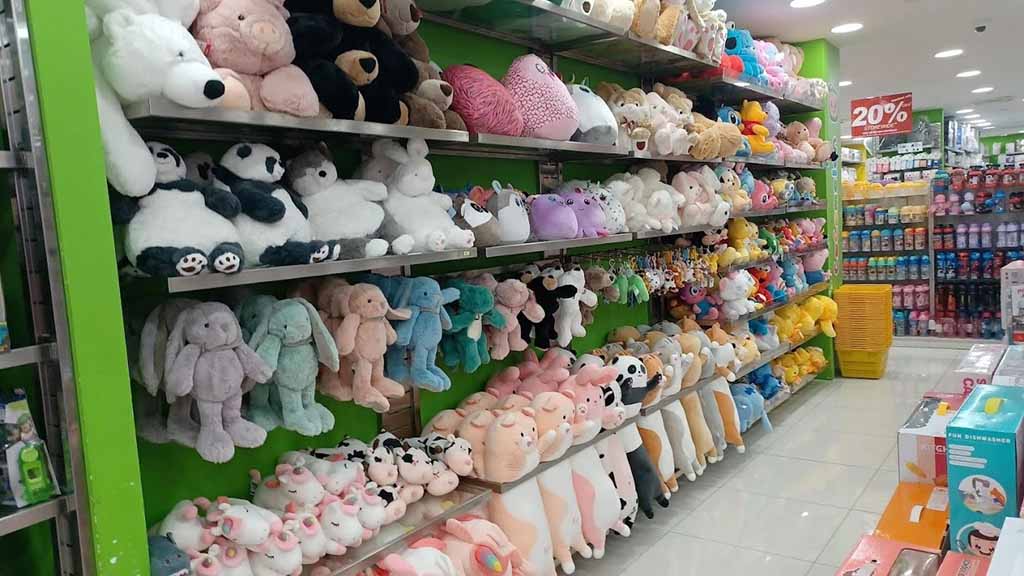
Marketing and licensing build visibility and trust fast. Good marketing tells the product story; smart licensing attaches existing emotional value to a product.
Key marketing levers:
- Content that shows play. Short videos and images of the toy being used build buyer confidence.
- Retail-ready assets. High-quality photos and packshots speed onboarding to marketplaces.
- Social proof. Reviews, influencer features, and unboxing content increase conversion.
- Consistent brand voice. Simple, clear messaging aligns retail and consumer expectations.
Licensing strategies:
- Character licensing. Partnering with known IP gives an instant audience but adds cost and compliance needs.
- Co-branding for limited editions. It can create urgency and higher price points.
- Educational or cause partnerships. Align with charities or learning programs to add value and justify higher margins.
Table: Marketing & licensing playbook
| Strategy | Why it works | What buyers should expect |
|---|---|---|
| Video demo content | Shows function and scale | Faster listing approvals and higher conversion |
| Unboxing & influencer reviews | Build social proof | Short-term sales lift; careful selection needed |
| Licensed characters | Instant recognition | Higher MOQ, licensing fees, strict approvals |
| Cause-based partnerships | Emotional and CSR value | Appeals to conscious consumers and retailers |
Top brands plan product launches with retail and digital channels in mind. They supply retail partners with images, shelf-talkers, and POS materials. They also coordinate social campaigns so product releases get immediate exposure.
What are the sustainability and ethical sourcing practices among premium plush brands?
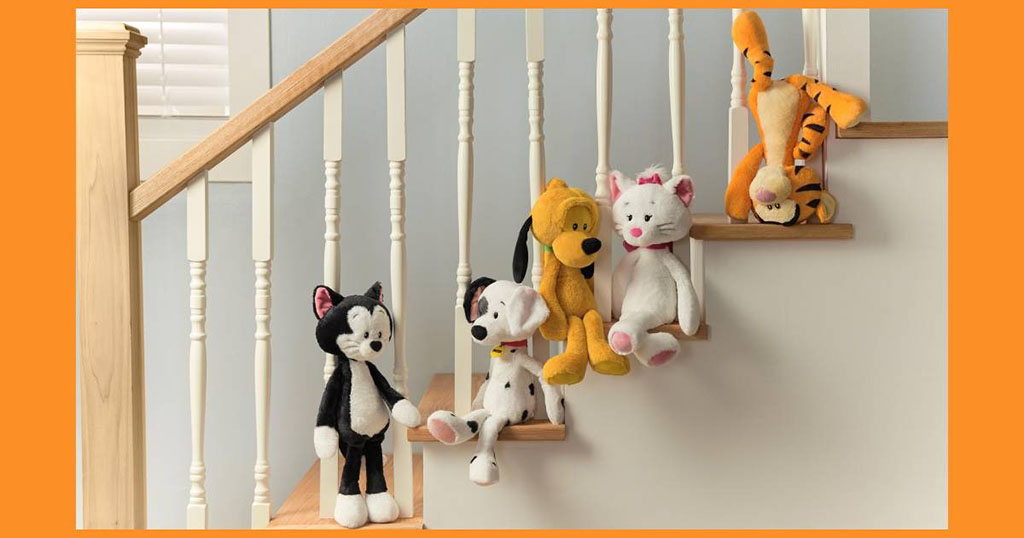
Sustainability and ethics are no longer optional for many buyers. Premium brands show a clear plan: better materials, safer chemistry, and fair manufacturing practices.
Common practices:
- Recycled and lower-impact fabrics. Recycled polyester and organic cotton reduce footprint. Brands keep certificates for these materials.
- Closed-loop or refill programs. Some brands offer repair, refill, or take-back programs that reduce landfill waste.
- Cleaner chemistry. Use of OEKO-TEX or equivalent certifications for dyes and finishes.
- Supplier audits and living wage commitments. Larger brands run social audits and engage in long-term supplier relationships.
- Reduced packaging and recyclable packing solutions. Minimalist designs and recycled cartons help retailers meet sustainability goals.
Table: Sustainability practices and buyer impact
| Practice | Benefit for brand | What buyers should request |
|---|---|---|
| Recycled fibers | Lower carbon footprint | Ask for recycled content % and COA |
| OEKO-TEX / bluesign | Safer chemical profile | Request certificates for fabric lots |
| Refurbish / refill programs | Reduced returns and waste | Ask if brand offers repair/refill options |
| Supplier social audits | Lower reputational risk | Request audit summaries and corrective plans |
| Recyclable packaging | Better shelf & disposal story | Confirm packaging materials and recyclability |
Premium brands are transparent about trade-offs. Recycled materials may change hand-feel. Brands that win communicate these changes clearly to buyers and often use hybrid material strategies to balance feel and impact.
How can emerging brands benchmark against industry leaders to gain market trust?
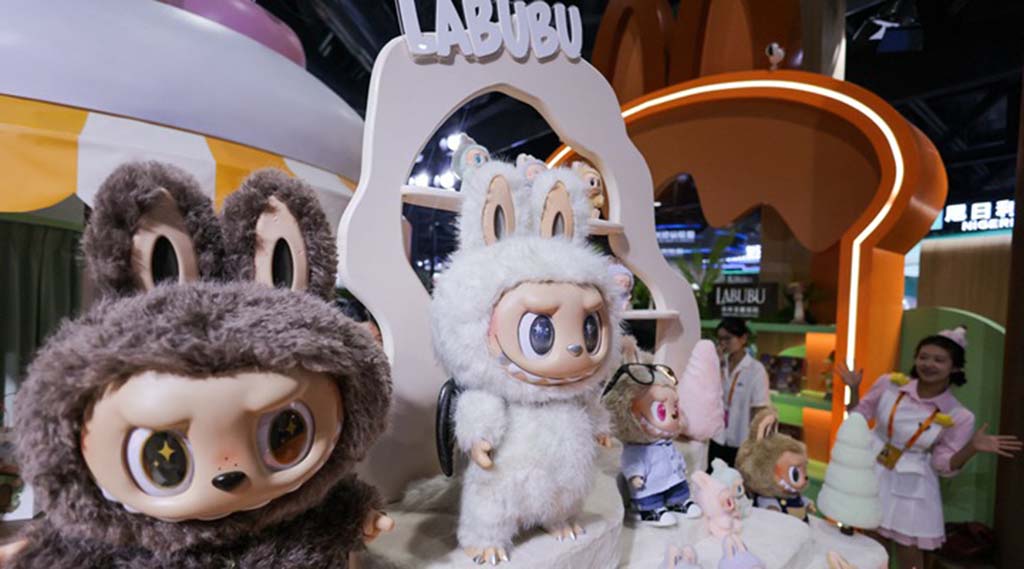
Emerging brands must show reliability fast. They can borrow credibility by adopting a clear set of checks and transparent processes. Benchmarking is about copying the right practices—testing, traceability, and simple storytelling.
A practical benchmarking roadmap:
- Start with safety. Get samples tested to target market standards (CE, ASTM). Display lab reports.
- Document materials. Keep COAs for fabrics, fills, and trims. Share them with buyers on request.
- Create simple, repeatable specs. Define seam allowance, stitch length, fill weight, and tolerance in your Tech Pack.
- Pilot with clear acceptance criteria. Run a 50–200 unit pilot and agree on cosmetic tolerances, weight range, and rework limits.
- Prepare retail assets. Invest in clean photos, short demo videos, and a one-page product story.
- Offer small guarantees. A limited warranty or straightforward return policy reduces buyer risk.
- Measure and iterate. Track returns, customer feedback, and durability issues to refine specs.
Table: Benchmark checklist for emerging brands
| Area | Minimum action | Desired action |
|---|---|---|
| Safety | Sample lab test to CE/ASTM | Batch COAs and traceability |
| Quality | Basic Tech Pack (specs) | Factory process controls and AQL |
| Marketing | Product photos and tags | Short video demos and reviews |
| Supply | Pilot run (50–200 units) | Reliable lead times and backup suppliers |
| Sustainability | Basic material claims | Certified recycled content and audits |
Emerging brands can also partner with a trusted manufacturer like Kinwin to accelerate this journey. A tested factory can provide material sourcing, lab testing contacts, and production best practices that reduce risk and speed market entry.
Final recommended actions for buyers and new brands
If you are buying plush products or building a brand, follow these steps to align with top-rated practices:
- Demand safety testing and material certificates.
- Require a small pilot and clear acceptance criteria.
- Insist on sample images and a short demo video.
- Build a simple brand story and consistent packaging.
- Consider sustainability claims carefully and verify certificates.
- Track returns and act on patterns quickly.
For retailers, the right supplier reduces returns and simplifies merchandising. For brand owners, clear specs and storytelling increase margins and customer loyalty.
Conclusion
A good plush toy is safe, soft, durable, and appealing while also offering branding opportunities. At Kinwin, we help global buyers develop customized plush solutions that meet safety standards and stand out in competitive markets. Contact us at [email protected] or visit kinwintoys.com to discuss your next project and explore how our factory can support your success.