Skip to content
As a B2B plush manufacturer, I see “popular” defined by what buyers reorder, what retailers feature, and what end users review well after months of use. Popular plush is not only cute; it is also safe, durable, and easy to stock at scale. In this guide, I explain how the market measures popularity, which animals and characters lead, how licensing and trends work, what materials and shapes hold value, how regions differ, and which collectible lines win attention. My goal is simple: help you pick SKUs that move fast now and still look strong next season.
What defines popularity in the global plush toy market today?
Popularity means repeat sales, low returns, and steady social buzz. In B2B terms, I track four signals: reorder velocity, sell-through speed, review quality, and cross-channel reach. Reorder velocity shows retailer confidence; if a SKU returns to purchase lists within 60–90 days, it is working. Sell-through speed shows how fast units leave shelves. Reviews prove comfort, safety, and finish. Cross-channel reach (store + e-commerce + gifting) signals a shape or face that works everywhere. For kids, softness and safety drive trust. For teens and young adults, expression, color, and poseability matter. For gifts, timeless animals, mid sizes (25–35 cm), and “huggable belly” shapes perform best. Practical traits matter too: low lint, stable color, neat embroidery, and packing efficiency. A popular plush is not the loudest trend; it is the SKU that keeps moving with fewer headaches for your team.
Popularity scorecard (how buyers evaluate)
| Factor | What I Look For | Why It Matters |
|---|---|---|
| Reorder Velocity | 60–90 day repeat PO | Confirms real demand |
| Sell-Through Rate | >70% in 8–12 weeks | Predicts cash flow |
| Return Rate | <2% (quality, safety, listing accuracy) | Protects margin |
| Reviews & UGC | 4.5★+, photo posts | Word-of-mouth multiplier |
| Channel Fit | Retail + e-com + gifting | Reduces dependence on one channel |
| Unit Economics | Pack density, defect rate, pick speed | Keeps price points competitive |
Which animal or character plushies dominate worldwide sales?
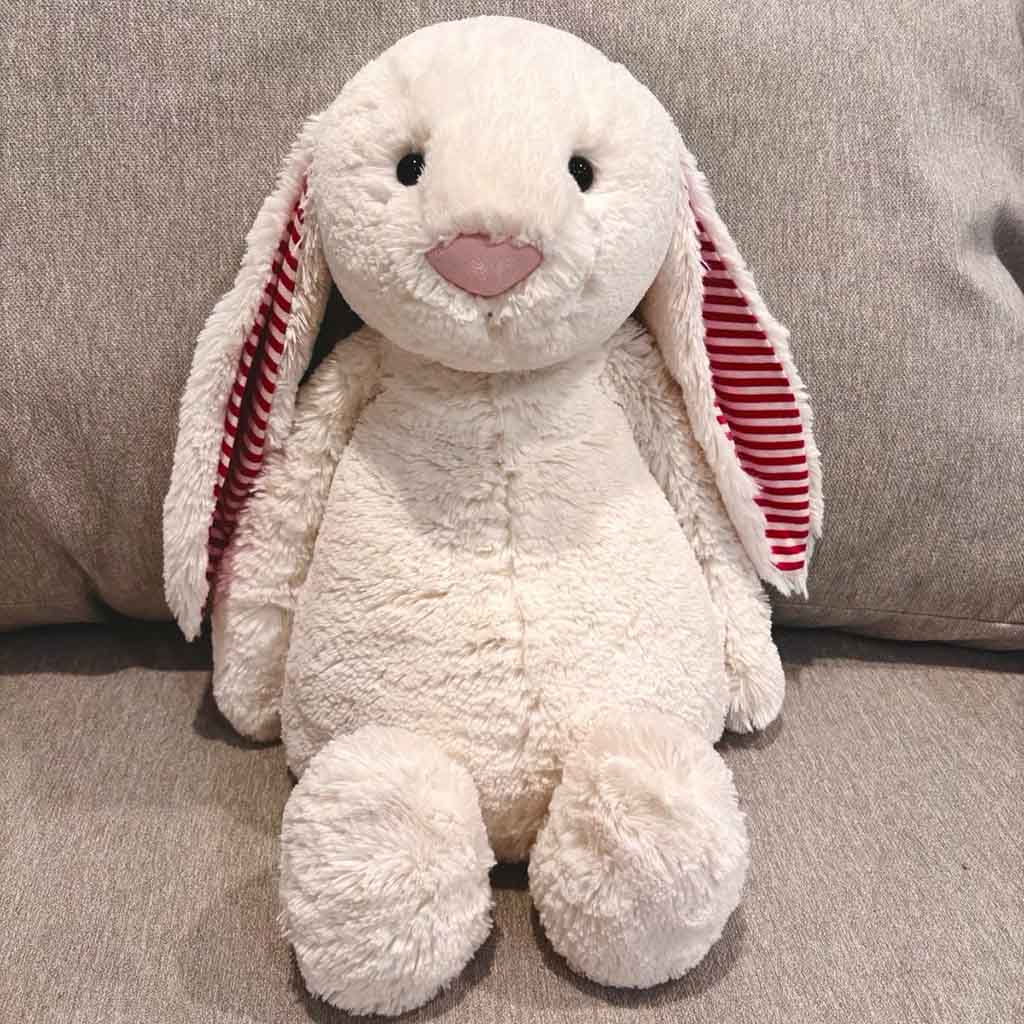
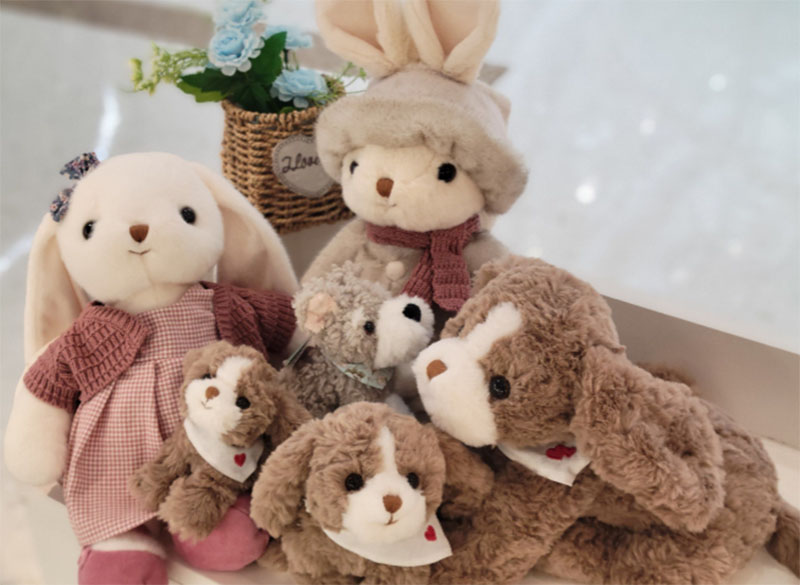
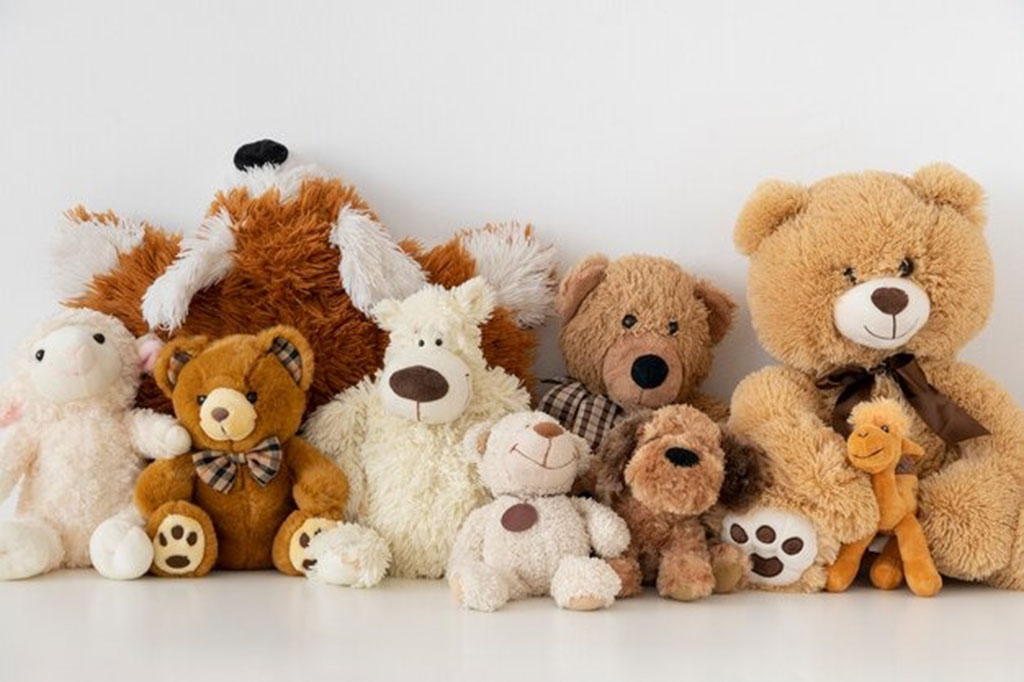
Across markets, five animals keep winning: bears, cats, dogs, rabbits, and dinosaurs. They read fast, feel friendly, and suit many colorways. Bears and rabbits excel in gifts; cats and dogs lead in everyday cuddle and lifestyle ranges; dinosaurs capture curiosity for preschool and up. For character IPs, the leaders vary by country, but the pattern is stable: bright faces, simple shapes, and clear silhouettes convert best online. When a character has strong media support, sales surge for 3–9 months, then settle. I guide clients to mix “evergreens” (bear/cat/dog/rabbit/dino) with 1–2 seasonal characters to balance risk. Sizes that convert: 15–20 cm for entry price, 25–35 cm for core cuddle, and 45–60 cm for statement gifts. Keep SKUs tight; too many variants slow replenishment.
Evergreen vs. character leaders (high-level view)
| Category | Examples (non-exhaustive) | Strength in Sales | Notes for Buyers |
|---|---|---|---|
| Bear | Classic, bow/hoodie variants | All-season gifting | Works across ages and channels |
| Cat | Round face, chubby body | Daily cuddle + lifestyle | Strong in Asia, growing worldwide |
| Dog | Friendly breeds, floppy ears | Family appeal | Neutral gifting for all genders |
| Rabbit | Long ears, soft pastel | Baby/seasonal gifts | Great for spring and newborn lines |
| Dinosaur | T-rex, brontosaurus | Preschool curiosity | Add textures and scales for play |
| Licensed IP | Popular media characters | Fast spikes + long tail | Align launches with content cycles |
How do licensed IPs and pop culture trends shape plush demand?
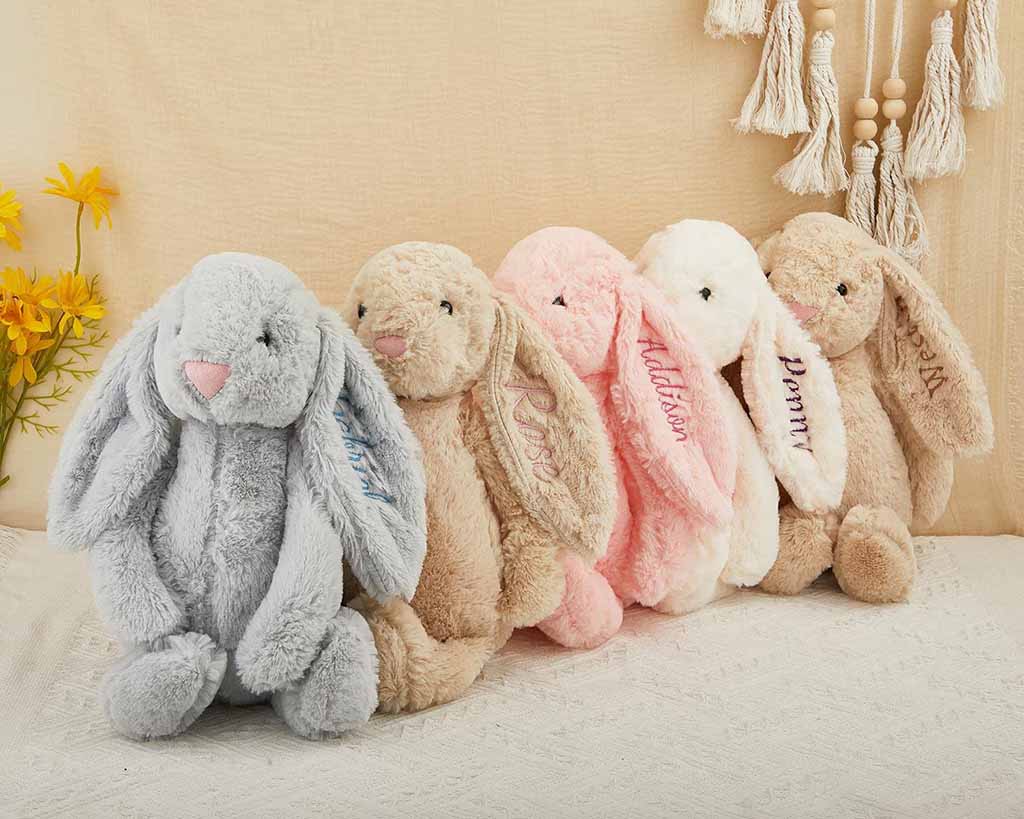
Licensing converts awareness into purchases. A character with a show, game, or film brings instant traffic, but timing is everything. The strongest window is often the content launch ±12 weeks, with a long tail if the brand maintains new episodes or events. For stable growth, I pair one or two licensed lines with evergreen animals in matching palettes. This lets stores keep a consistent shelf story even when trends shift. Plan SKUs by “tier”: a hero SKU (core size, signature pose), two support SKUs (alternate poses or outfits), and one gift set. Control MOQs and lead times; if a trend runs hot, you must scale without quality dips. Keep trim choices simple to pass small-parts tests. For regions with strict rules, prefer embroidery for faces on small sizes. Always secure artwork approvals early to avoid delays.
Licensing playbook (risk-balanced)
| Step | What We Do | Buyer Benefit |
|---|---|---|
| Content Calendar | Map releases, events, holidays | Launch SKUs when traffic peaks |
| SKU Tiers | Hero + support + gift | Clear shelf story, easy upsell |
| Palette Match | Align IP colors with evergreen animals | Cohesive displays, shared parts |
| MOQ Strategy | Laddered MOQs by size | Faster reorders, lower risk |
| Compliance First | Embroidery for small sizes, tested trims | Fewer rejections, smoother import |
| Exit Plan | Re-color or de-logo options (if allowed) | Clears stock when trend cools |
What materials and designs attract long-term consumer appeal?
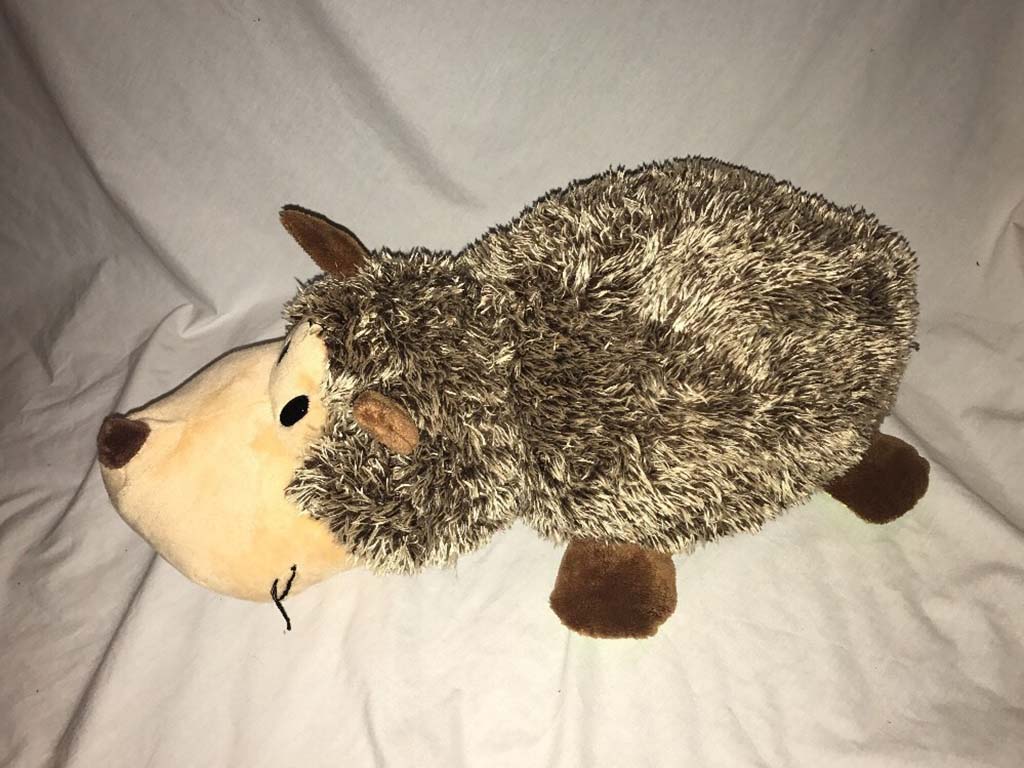
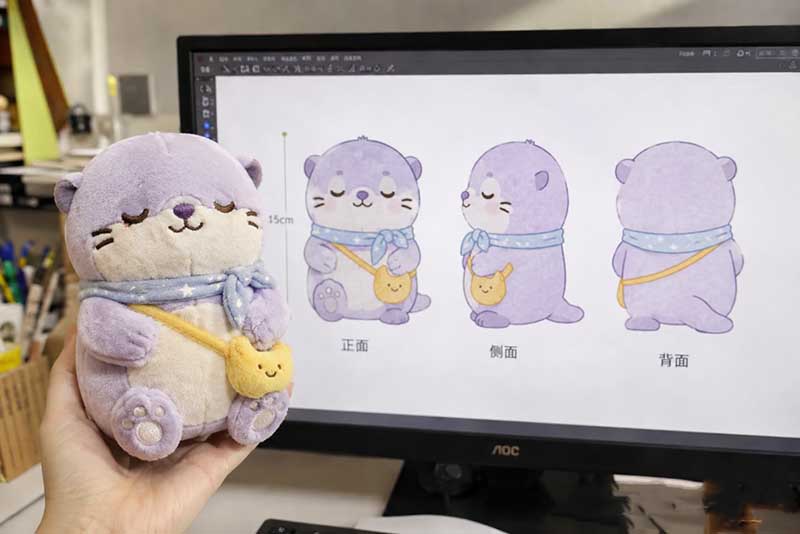
Longevity comes from handfeel, face design, and construction. For outer fabrics, minky, velboa, and premium faux fur give soft touch with low lint. For fillings, polyester fiberfill with zone-based density keeps shape: firmer base, balanced torso, softer face and limbs. Embroidered faces are safest for small sizes and read clean on camera. Round silhouettes with a slightly oversized head and a soft belly score high in photos and on shelves. Neutral, calming palettes (pastel or earth tones) extend life beyond the trend curve, while one accent color keeps it fresh. Construction details that pay off: even seam tension, hidden closing seam, stable ears, and a nose that does not tilt after washing. Add hanger loops or sit-flat bases for flexible merchandising. Document care routines on the label: “surface wash cold” is simple and clear.
Material & design checklist for long-running SKUs
| Element | Preferred Choice | Why It Works |
|---|---|---|
| Fabric | Short-pile minky / low-lint velboa | Soft touch, photo-friendly |
| Filling | Poly fiberfill, zoned density | Holds shape, comfy hug |
| Face | Embroidery or safety-locked parts | Passes tests, clear expression |
| Silhouette | Round head, soft belly, stable base | Strong shelf and thumbnail appeal |
| Palette | Pastel/earth + one accent | Timeless, easy to mix on shelf |
| Sizes | 20 cm, 30 cm, 50 cm | Entry, core, statement |
How do regional preferences differ across major markets?
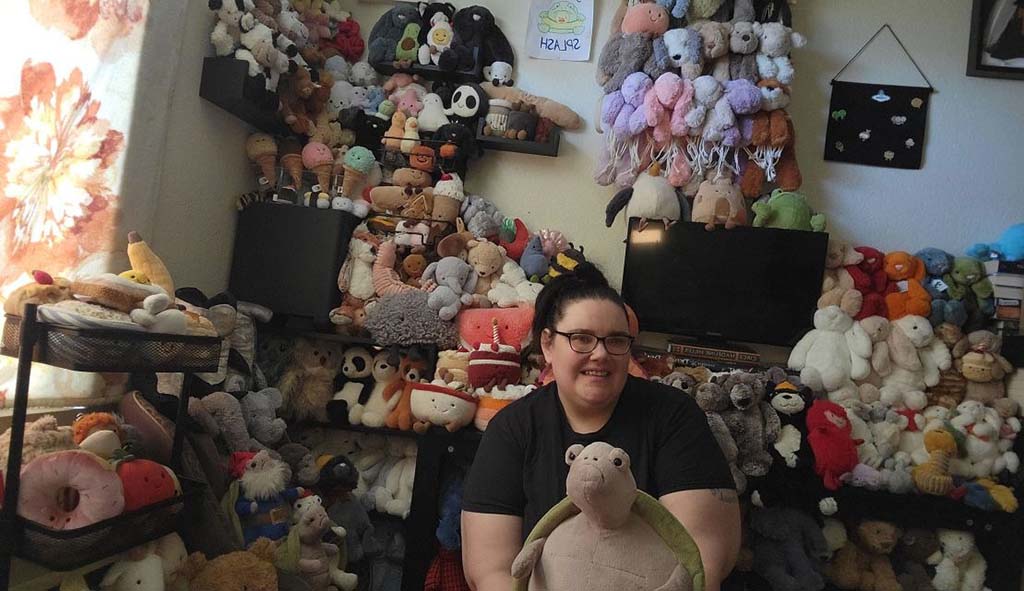
Preferences change by culture, climate, and retail format. In North America, core animals in neutral palettes do best, with strong demand for seasonal gift sets and licensed characters. In the EU/UK, quality cues and sustainability claims help; soft naturals and tasteful prints sell well. In Japan and South Korea, cute proportions, mini sizes, and clean embroidery lead; charms and bag clips are strong add-ons. In the Middle East, gifting formats with premium packaging matter; gold accents and modest colorways work. In Southeast Asia, bright colors and playful faces convert; price ladders by size are important for marketplaces. I align fabric handfeel with climate too: low-lint velboa for humid areas, plushier faux fur for colder zones. Packaging and labeling languages also affect speed to shelf.
Regional preference snapshot (generalized)
| Region | Style Tendencies | Size Focus | Notes for Buyers |
|---|---|---|---|
| North America | Neutral palettes, giftable sets | 25–35 cm core | Licensed + evergreen mix |
| EU/UK | Subtle colors, eco messaging | 25–35 cm core | Documentation and testing valued |
| Japan/Korea | Super-cute, mini/clip lines | 10–25 cm mini | Clean embroidery, limited lint |
| Middle East | Premium gift presentation | 30–45 cm gift | Elegant trims, boxed sets |
| Southeast Asia | Bright, playful, value tiers | 20–35 cm range | Strong e-commerce price ladders |
Which collectible or limited-edition plushies lead current trends?
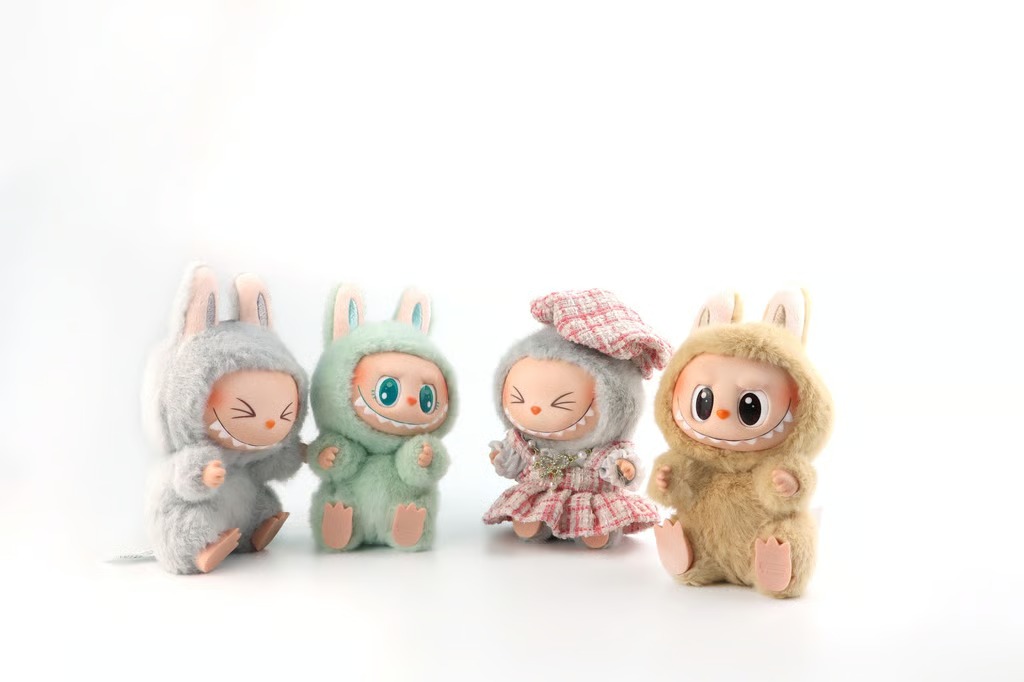
Collectibility rests on scarcity, story, and finish. Limited editions with numbered tags, artist collabs, or seasonal drops create urgency. Small runs (e.g., 500–3,000 units per style) with quality fabrics and unique accessories sell through quickly if the community trusts the brand. I suggest a predictable cadence: two to four drops per year, each with one hero piece and two supporting pieces. Keep COAs, care cards, and QR links to behind-the-scenes content. For packaging, use FSC boxes with fitted trays to protect pile. Weighted variants (13+) with sealed liners add premium feel. Avoid over-complex trims that risk delays or fails in testing. Track secondary-market feedback; when a face style or palette holds value, roll it into a non-numbered “core” to monetize the look while the LE retains status.
Collectible success framework
| Lever | Practical Action | Outcome |
|---|---|---|
| Scarcity | Numbered runs, clear drop calendar | Fast sell-through |
| Story | Artist notes, origin cards, QR content | Community engagement |
| Finish | Premium fabric, neat embroidery, weight | Perceived value, lower returns |
| Proof | COA, batch logs, lab tests | Trust with retailers and fans |
| Aftermarket | Monitor resales, keep heroes in core line | Long-term brand equity |
Conclusion
A popular plush is simple to understand, easy to love, and dependable to stock. At Kinwin, we help global buyers balance evergreens and trend-right characters with safe materials, consistent softness, and clean construction—so your line moves now and keeps moving next season. Contact us at [email protected] or visit kinwintoys.com to plan your next best-seller lineup and see how our factory can support your success.