Skip to content
Stuffed animals bring joy to both children and adults, but their softness and durability depend largely on the filling inside. Choosing the right stuffing is essential for safety, comfort, and long-lasting quality.
The most common stuffing materials for stuffed animals include polyester fiberfill (PP cotton), natural cotton, down feathers, foam beads, plastic pellets, memory foam, and eco-friendly alternatives such as RPET fiber, organic cotton, corn fiber, and bamboo fiber. Each type has its own benefits in softness, durability, and safety, making it important for buyers and manufacturers to understand before sourcing or production.
Let’s look closely at the most widely used stuffing options and their advantages.
1. Polyester Fiberfill (PP Cotton)
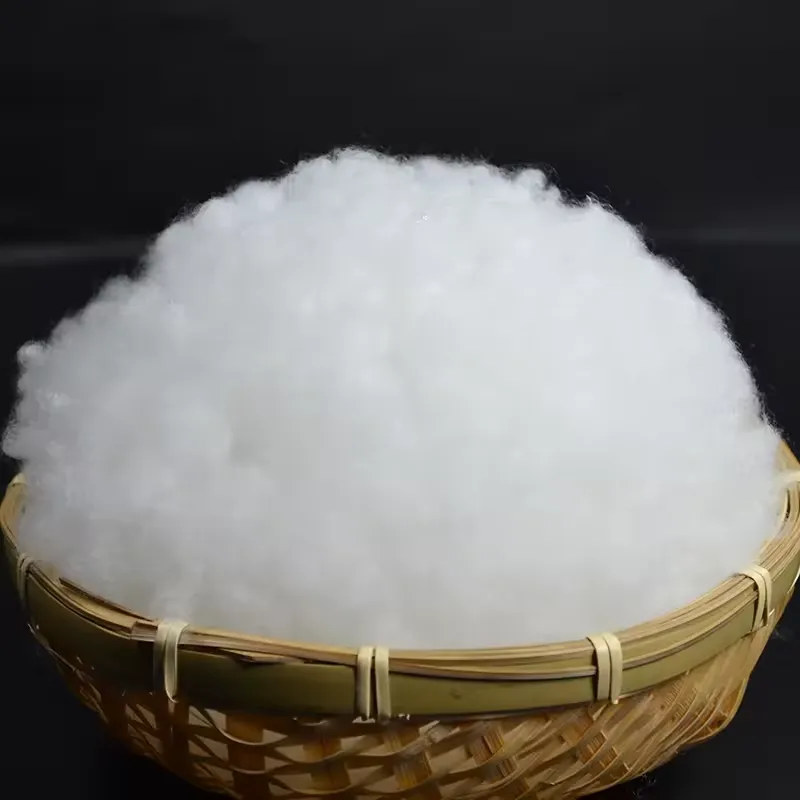
Polyester fiberfill, often called PP cotton, is the most common stuffing used in modern stuffed animals. This material is lightweight, fluffy, and gives toys their familiar soft touch. Manufacturers choose PP cotton because it is cost-effective, easy to source, and highly reliable for mass production. Parents like it because it is safe, washable, and keeps toys looking and feeling new for a long time.
Polyester fiber is made into thin, springy strands that trap air, creating a soft cushion inside the toy. This structure allows stuffed animals to maintain their shape even after repeated hugs and squeezes. Unlike natural cotton, polyester fiberfill resists moisture, dries quickly, and prevents mold or unpleasant odors. These features make it especially suitable for children’s plush toys, cushions, and pillows, where hygiene and durability are important.
For buyers in retail or wholesale markets, PP cotton is one of the most practical choices. It meets international safety standards such as CE and ASTM, ensuring products can enter global markets smoothly. It also offers consistency in large-scale production, which is critical for brand owners who need uniform quality across thousands of pieces. From promotional plush toys to premium retail products, PP cotton delivers a balance of softness, safety, and affordability that few other fillings can match.
| Feature | Benefit for Toys | Benefit for Buyers |
| Soft & fluffy | Comfortable to hug | Appeals to children |
| Lightweight | Easy to carry and shape | Reduces shipping cost |
| Washable & quick-dry | Easy to clean, hygienic | Long-term durability |
| Hypoallergenic | Safe for sensitive users | Meets CE/ASTM standards |
| Cost-effective | Keeps toys affordable | Ideal for bulk orders |
2. Down & Natural Cotton
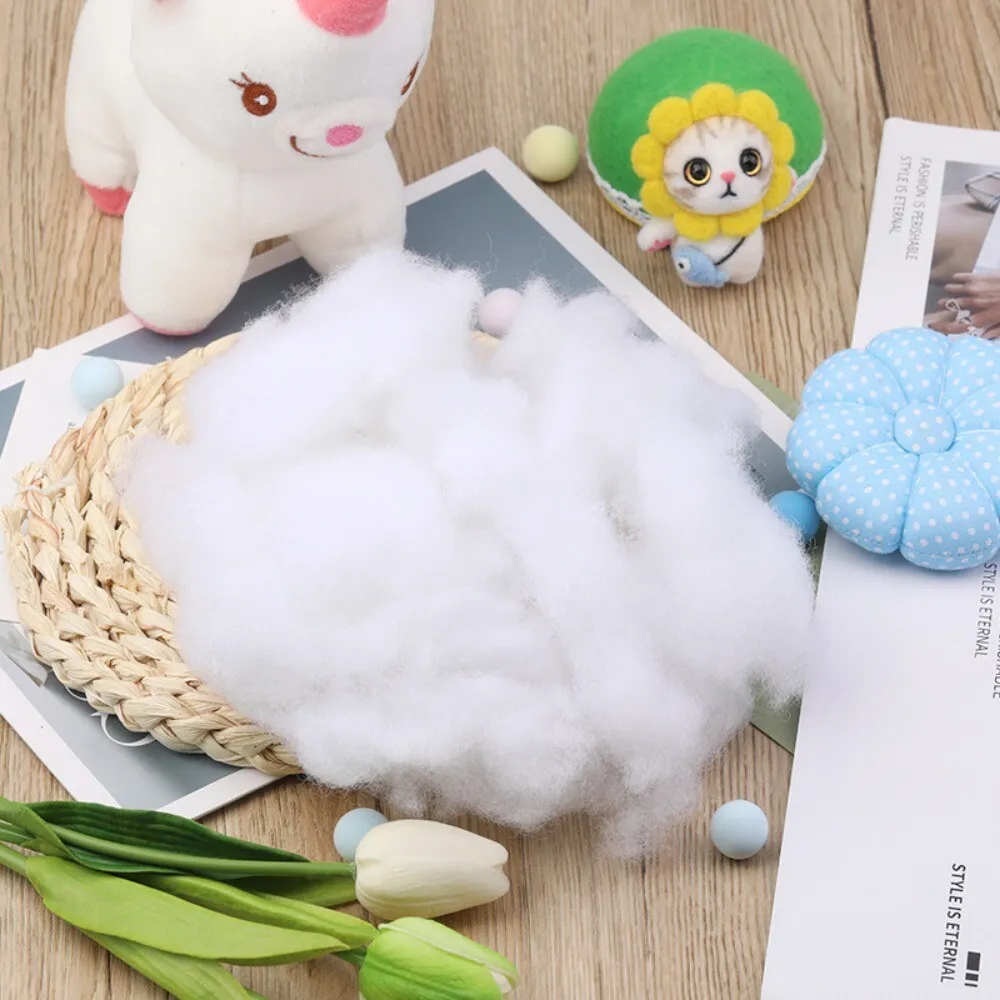
Natural cotton and down feathers are traditional stuffing materials that have been used for decades. Natural cotton is breathable, soft, and plant-based, while down feathers provide a luxurious, cushion-like softness. These materials are most often used in premium plush toys, decorative dolls, or specialty gifts where natural comfort is valued.
Natural cotton has the advantage of being renewable and familiar, but it absorbs moisture easily and can clump after washing. This makes it less suitable for children’s everyday plush toys. Down, on the other hand, creates a lightweight but very soft feel, similar to bedding materials, making it appealing for collectors or adults seeking luxury. However, down is more expensive and may trigger allergies, which limits its use in mass-market plush toys for children.
For B2B buyers, natural fillings can serve a niche but high-value segment. They are often selected for collectible plush dolls, cultural markets, or gift series where buyers want to highlight “natural” and “premium” features. Manufacturers need to ensure strict quality control, as natural fillings must be carefully processed to avoid hygiene issues.
| Feature | Benefit for Toys | Considerations |
| Cotton | Soft, breathable feel | Can clump, absorbs moisture |
| Down feathers | Luxurious, cushion-like touch | Higher cost, allergy risk |
| Natural origin | Eco value for premium markets | Less durable than synthetics |
| Premium appeal | Ideal for collectors & gifts | Not common in kids’ toys |
3. Foam Beads (EPS Beads)
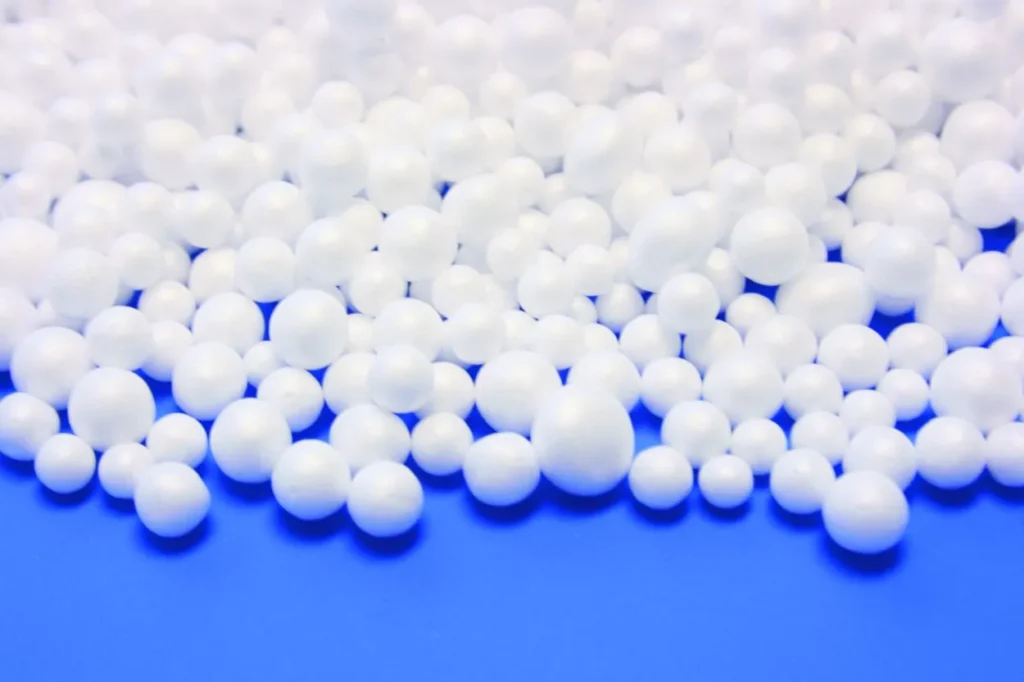
Foam beads, also called EPS beads, are small polystyrene spheres that give toys a unique moldable texture. They are widely used in plush beanbags, oversized cushions, and certain plush animals designed for stress relief. Unlike traditional stuffing, foam beads move and shift, creating a squishy, playful sensation that adapts to the body’s shape.
One of the biggest advantages of EPS beads is their lightweight property. Large plush toys can stay soft and comfortable without becoming too heavy, making them easy to carry and move around. They also provide a sensory play experience, which is why they are often chosen for plush pillows or toys designed for relaxation. However, they are less durable than fiberfill and can lose shape if not protected by strong inner linings.
Safety is especially important when using foam beads. Because they are small and lightweight, they must always be enclosed within secure stitching and inner bags to prevent leakage, particularly for children’s toys. For adult-focused products like beanbags or decorative plush, EPS beads are considered safe and popular. For B2B buyers, foam beads open opportunities for lifestyle and novelty markets, offering a different tactile experience that fiberfill cannot replicate.
| Feature | Benefit for Toys | Considerations |
| Squishy texture | Fun, stress-relief play | Needs secure inner lining |
| Moldable feel | Adapts to body shape | Not ideal for infants |
| Lightweight | Comfortable for large toys | Lower durability |
| Novel experience | Differentiates from fiberfill | Higher cost than PP cotton |
4. Plastic Pellets (Bean Pellets)
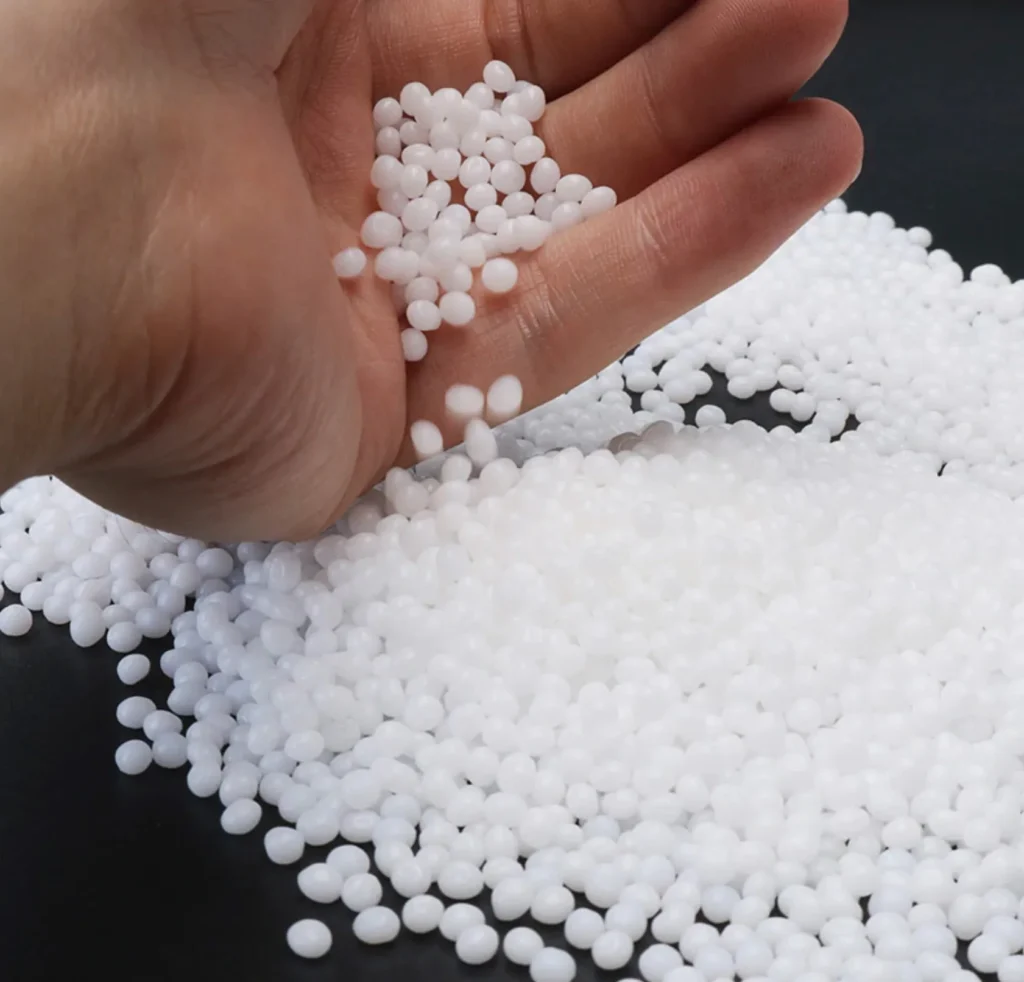
Plastic pellets, often called bean pellets, are small round beads made of polypropylene or polyethylene. They are usually added together with fiberfill to create weight, balance, and stability inside a stuffed animal. Unlike fluffy fillings, pellets give toys a more realistic and tactile feel, helping them sit upright or stay in position.
Many collectible plush toys, mascot dolls, or promotional items use pellets to enhance quality. Buyers often describe pellet-filled toys as more “premium” because the added weight makes them feel solid and durable. This is especially valuable in promotional and retail markets, where touch and feel influence purchase decisions.
Safety is the most important factor when using pellets. They must always be sewn securely inside an inner bag and surrounded by fiberfill to prevent any risk of choking. Properly used, plastic pellets can enhance product value without sacrificing safety. For manufacturers, they are also flexible—they can be used in different amounts to adjust toy balance and texture.
| Feature | Benefit for Toys | Benefit for Buyers |
| Adds weight | Keeps toys upright | Premium feel in hand |
| Mix with fiberfill | Flexible filling combination | Variety in design options |
| Durable material | Retains shape over time | Long-term customer value |
| Adjustable use | Customizable balance & size | Appeals to collectors |
5. Memory Foam / Sponge
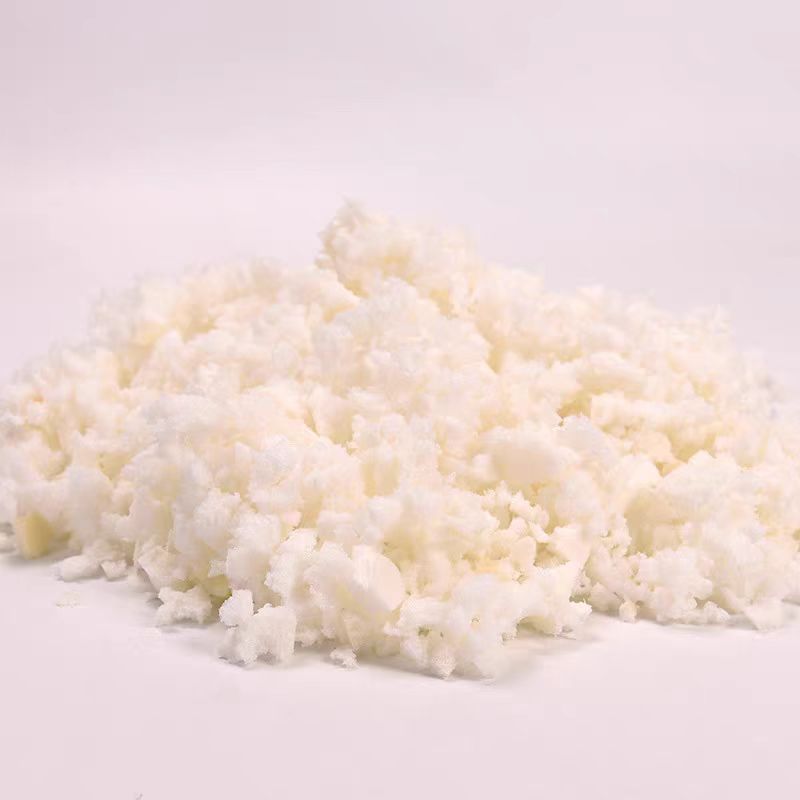
Memory foam and sponge fillings are increasingly used in plush toys designed for comfort, stress relief, and home décor. Unlike fluffy PP cotton, memory foam reacts to pressure, molding to the body before slowly returning to its original shape. This “slow rebound” effect gives plush toys a premium, cushion-like feel that appeals to adults as much as children.
Sponge offers similar comfort at a lower cost, but memory foam stands out for its unique support. It is ideal for plush pillows, plush cushions, and ergonomic toys used for relaxation or gifting. While not as fluffy as fiberfill, these fillings provide structure and firmness, making the toy feel supportive as well as soft.
From a business perspective, memory foam fillings help brands differentiate their plush products in competitive markets. Lifestyle buyers, especially in Europe and North America, value plush items that combine comfort with novelty. However, memory foam is heavier and more expensive than traditional fiberfill, so it is often used in premium products rather than mass-market toys.
| Feature | Benefit for Toys | Considerations |
| Slow rebound | Premium comfort, unique feel | Higher cost for production |
| Supportive texture | Provides structure & firmness | Heavier shipping weight |
| Long-lasting shape | Retains design for longer use | Less fluffy than PP cotton |
| Premium perception | Appeals to adult buyers | Niche market, not universal |
6. Eco-friendly Fillings (RPET, Organic Cotton, Corn Fiber, Bamboo Fiber)
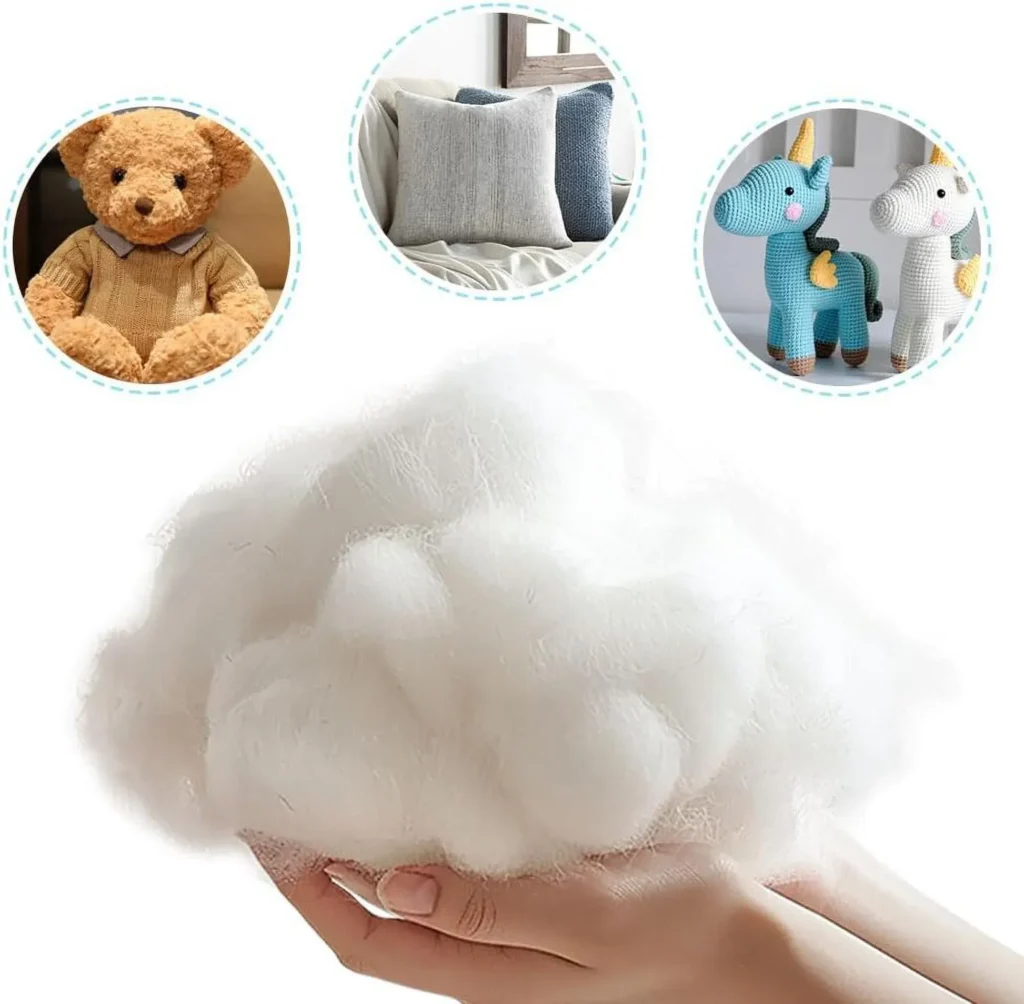
Eco-friendly fillings are the fastest-growing category in the stuffed toy industry. With increasing consumer demand for sustainability, brands are turning to RPET fibers, organic cotton, corn fiber, and bamboo fiber to replace traditional materials.
RPET fiber, made from recycled plastic bottles, is strong, washable, and eco-certified, making it a favorite for global toy brands. Organic cotton, grown without chemicals, is safe for babies and perfect for retailers targeting eco-conscious parents. Corn fiber is biodegradable, soft, and breathable, while bamboo fiber is naturally antibacterial and smooth to touch. These materials appeal to markets in the USA, Europe, and Japan, where certifications like GRS and OEKO-TEX are often purchasing requirements.
Although eco-fillings are more expensive, they create powerful marketing value. Buyers can highlight their use of sustainable stuffing as a unique selling point, boosting brand reputation and customer trust. For B2B clients, investing in eco-friendly plush toys positions their brand as forward-thinking and responsible, which is increasingly important in global markets.
| Eco-Filling Type | Benefit for Toys | Benefit for Buyers |
| RPET fiber | Durable, washable, eco-safe | Meets sustainability trends |
| Organic cotton | Soft, chemical-free | Baby-safe, eco branding |
| Corn fiber | Biodegradable, breathable | Strong eco-marketing appeal |
| Bamboo fiber | Antibacterial, soft texture | Premium sustainable choice |
| Eco certifications | Safer for global compliance | Trusted in USA/EU/Japan |
The choice of stuffing defines the softness, safety, and market value of every plush toy. From affordable PP cotton to sustainable eco-fillings, each option meets different needs for comfort, cost, and branding.
Looking to source plush toys with safe, high-quality, or eco-friendly stuffing? Contact Kinwin today or email [email protected] for customization.