Skip to content
I help brands build plush dolls from sketch to shipment at Kinwin. Over thousands of samples and production runs, I’ve learned that the best plush dolls share the same DNA: appealing design, soft and safe materials, strong craftsmanship, verified compliance, smart customization, and forward-looking sustainability. Below is a practical, detailed guide you can use to brief your team, select suppliers, and set quality bars that win customer trust.
What design features define the appeal of high-quality plush dolls?
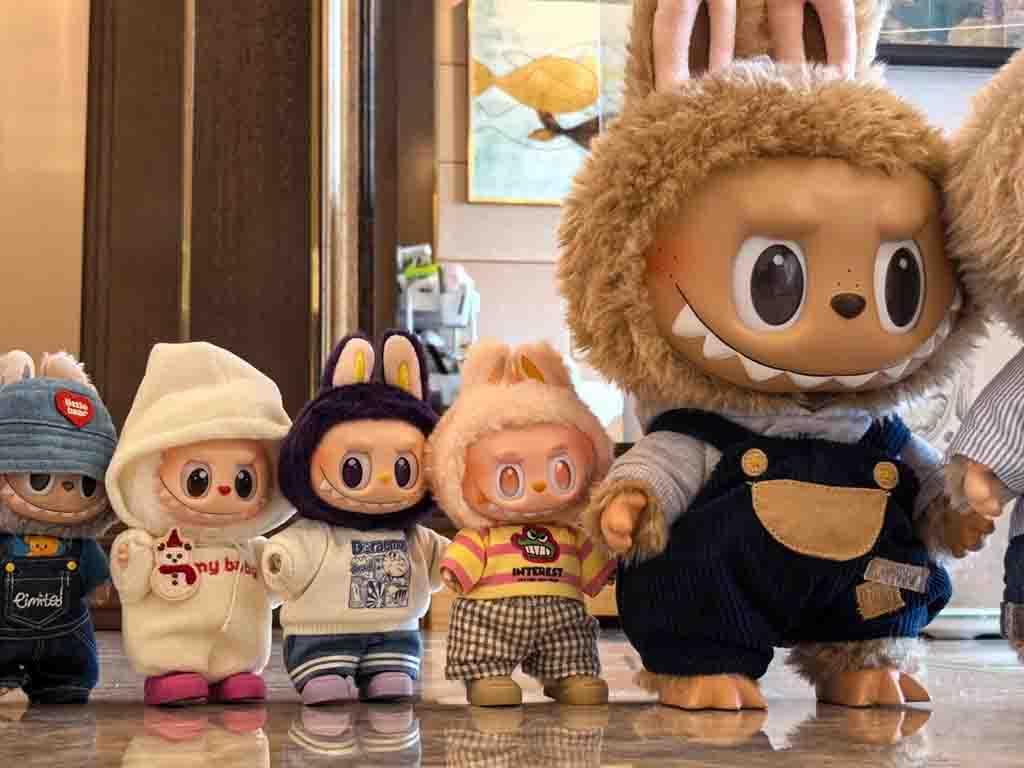
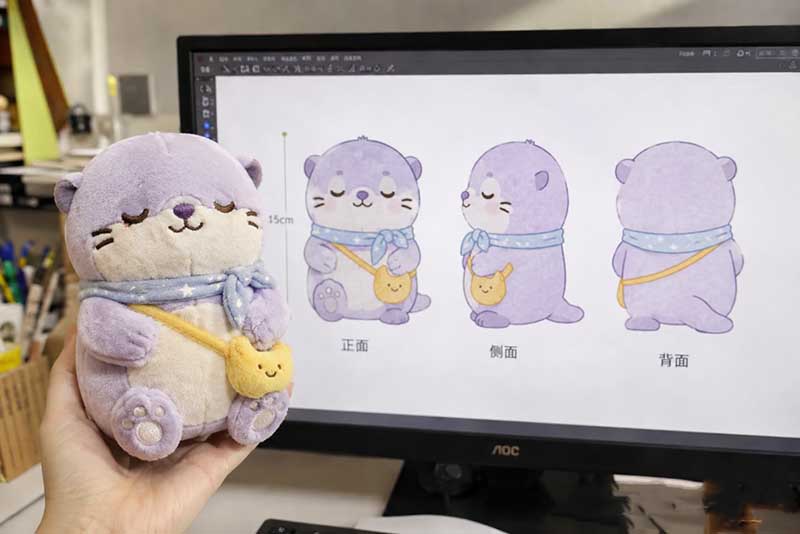
Great plush dolls connect in one second. The silhouette, face, color, and balance must “read” clearly on a shelf and in photos.
Core design pillars
- Silhouette & proportions
Big head (60–65% of height) reads cute. A round torso with slightly shorter limbs feels huggable and stable. - Face geometry
Eyes one–eye-width apart; a small nose; a soft smile line angled slightly upward. Embroidered cheek dots add warmth at low cost. - Color strategy
Harmonize 2–3 main tones with a lighter face panel for contrast. Pastels and earth tones test well for gifts; bold accents for e-commerce. - Texture mapping
Use ultra-soft fabric on face and belly; smoother short pile on arms/legs for clean edges and easier embroidery. - Pose & balance
The doll should sit or stand as designed, without tipping. Weighted base pouches (3+ only) help displays and photos.
Design checklist (use at art sign-off)
- Can a shopper grasp the character in one glance?
- Do face elements align (center line, symmetry, smile arc)?
- Are trim counts and color breaks realistic for target cost?
- Does the doll look good in a 1:1 social photo and a 45° shelf angle?
| Design Element | Why it Matters | Practical Target |
|---|---|---|
| Head/body ratio | Instant cuteness | 60–65% head height |
| Eye spacing | Friendly expression | One eye-width apart |
| Contrast panel | Face clarity | Lighter face/belly |
| Stability | Photo & shelf impact | Weighted base (3+), wider hips |
How do material and fabric choices impact softness, durability, and safety?
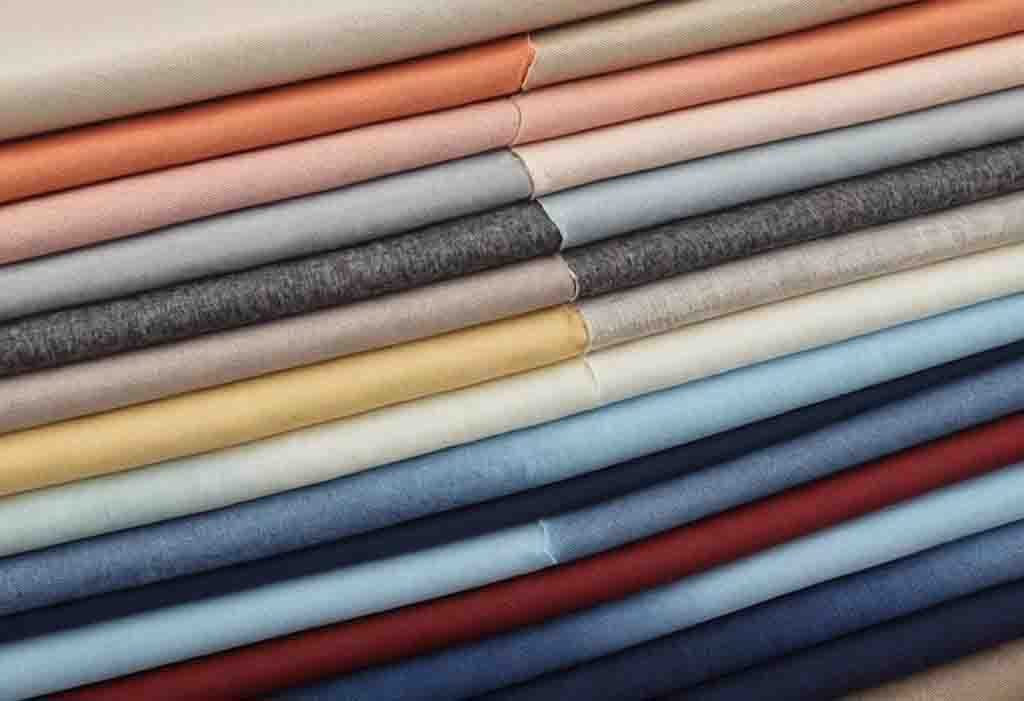
Fabric is your first touchpoint. Choose by who will use the doll, how it will be washed, and what your market promises (eco, premium, budget).
Fabric options that work
- Minky / microplush (1–3 mm pile): Silky-soft, warm touch. Great for face panels and comfort lines.
- Velboa (short pile): Smooth, durable, and cost-effective; ideal for bodies and high-wear zones.
- Faux fur (controlled pile): Visual depth for hair or trims; manage shedding with process controls.
- Cotton/organic cotton (knits/wovens): Natural image for eco lines and clothes; pre-shrink and test colorfastness.
- Bamboo-viscose blends: Very soft; verify chemical compliance in wet processing.
Stuffing matters, too
- Polyester or rPET fiberfill: Standard for resilience, washability, and hypoallergenic feel.
- Pellets/beads (3+ only): Add base stability; always double-contained.
- Memory foam crumbs (≤10%): Support in larger heads while keeping a soft hug.
| Part | Best-in-Class Choice | Why |
|---|---|---|
| Face | Short-pile minky + stabilizer | Ultra-soft + crisp embroidery |
| Body | Velboa (1–1.5 mm) | Durable, clean seams |
| Hair/trim | Faux fur (managed nap) | Premium depth |
| Filling | rPET fiberfill | Soft, eco story, reliable |
Safety note: Under 3 years old—no loose fur, no hard parts, embroidered features only. Always specify EN71/ASTM/CPSIA testing.
What role does craftsmanship and stitching play in product longevity?
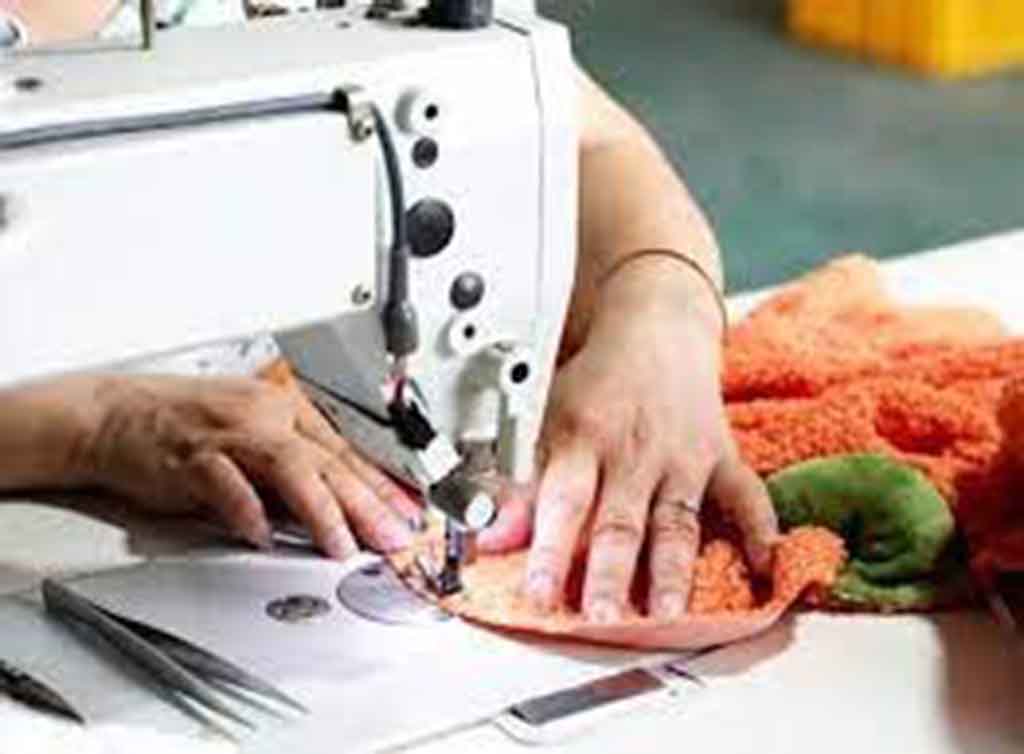
Craftsmanship is the difference between a keepsake and a return. Strong, neat seams keep stuffing inside and shape consistent.
Stitching methods I trust
- Main seams: Straight stitch 2.6–2.8 mm; backtack start/end.
- Edge control: Narrow zigzag or overlock to prevent fray.
- Stress zones (neck, armholes, crotch, ear bases): Triple stitch or bar tack.
- Curves: Clip convex, notch concave after sewing for smooth turns.
- Final close: Hand ladder stitch with polyester thread; small, even bites.
Embroidery & appliqué
- Use light fusible interfacing behind face panels to stop tunneling.
- Satin stitch density should match pile height (too dense = warping).
- Appliqué edges finished with satin stitch or tight zigzag; no raw felt edges in infant products.
| Craft Area | Common Failure | Preventive Step |
|---|---|---|
| Arm joins | Seam burst | Triple stitch + reinforce tape |
| Face embroidery | Puckering | Stabilizer + correct density |
| Final close | Gap after squeeze | Tight ladder stitch + extra knot |
| Faux fur seams | Bulky edges | Trim seam allowance inside |
How do safety certifications and compliance build buyer trust?
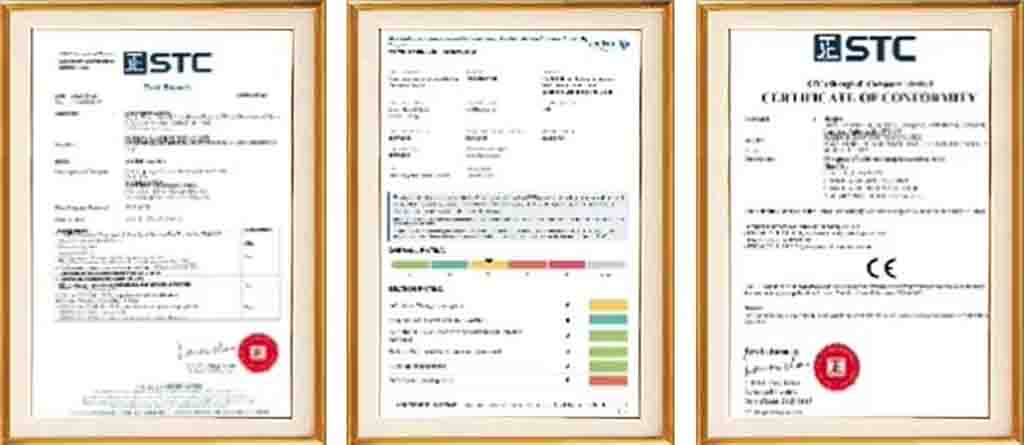
Compliance is not a sticker—it’s a system. Retailers and parents trust what is documented, tested, and traceable.
Core standards
- EN71 (EU) — mechanical/physical, flammability, chemical migration.
- ASTM F963 (USA) — mechanical hazards, flammability, chemicals.
- CPSIA (USA) — total lead, phthalates, tracking labels for children’s products.
- ISO 8124 (Global) — aligned international framework.
What we document for buyers
- Bill of Materials (BOM) with lot codes.
- Test reports tied to final production samples (not just materials).
- Aging/age grading rationale and warning labels.
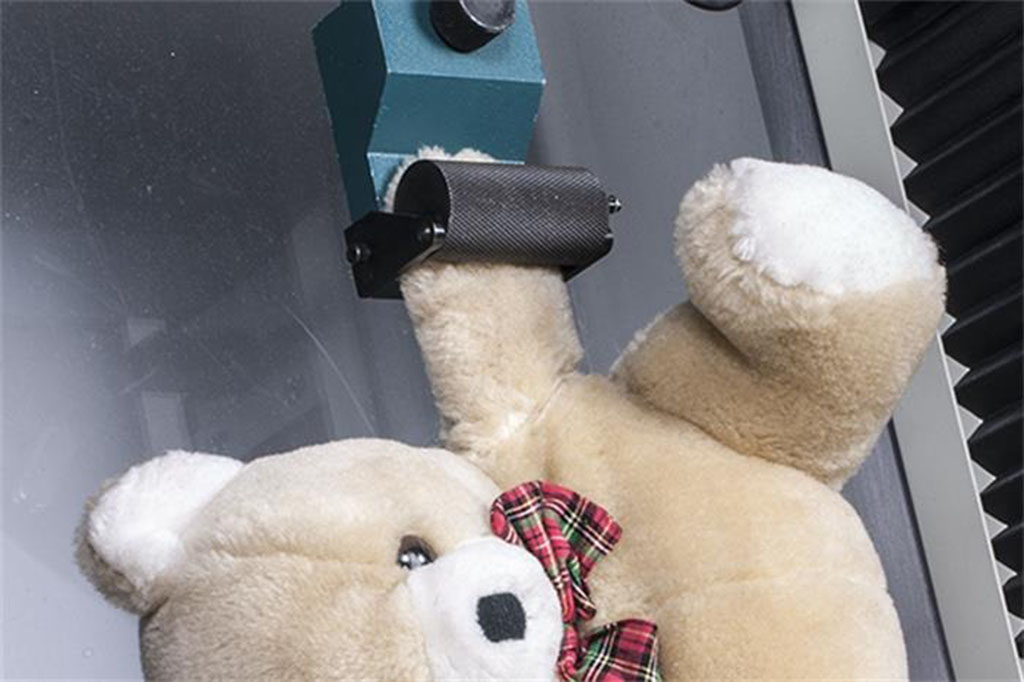
- AQL plans and seam-strength results at stress points.
- Wash tests: colorfastness, shrinkage, shape retention.
| Compliance Piece | Buyer Benefit |
|---|---|
| Third-party lab reports | Faster onboarding & customs clearance |
| Tracking labels | Traceability for each batch |
| AQL & seam test data | Lower return risk |
| Wash test results | Honest care instructions |
Which customization options enhance the uniqueness of plush dolls?
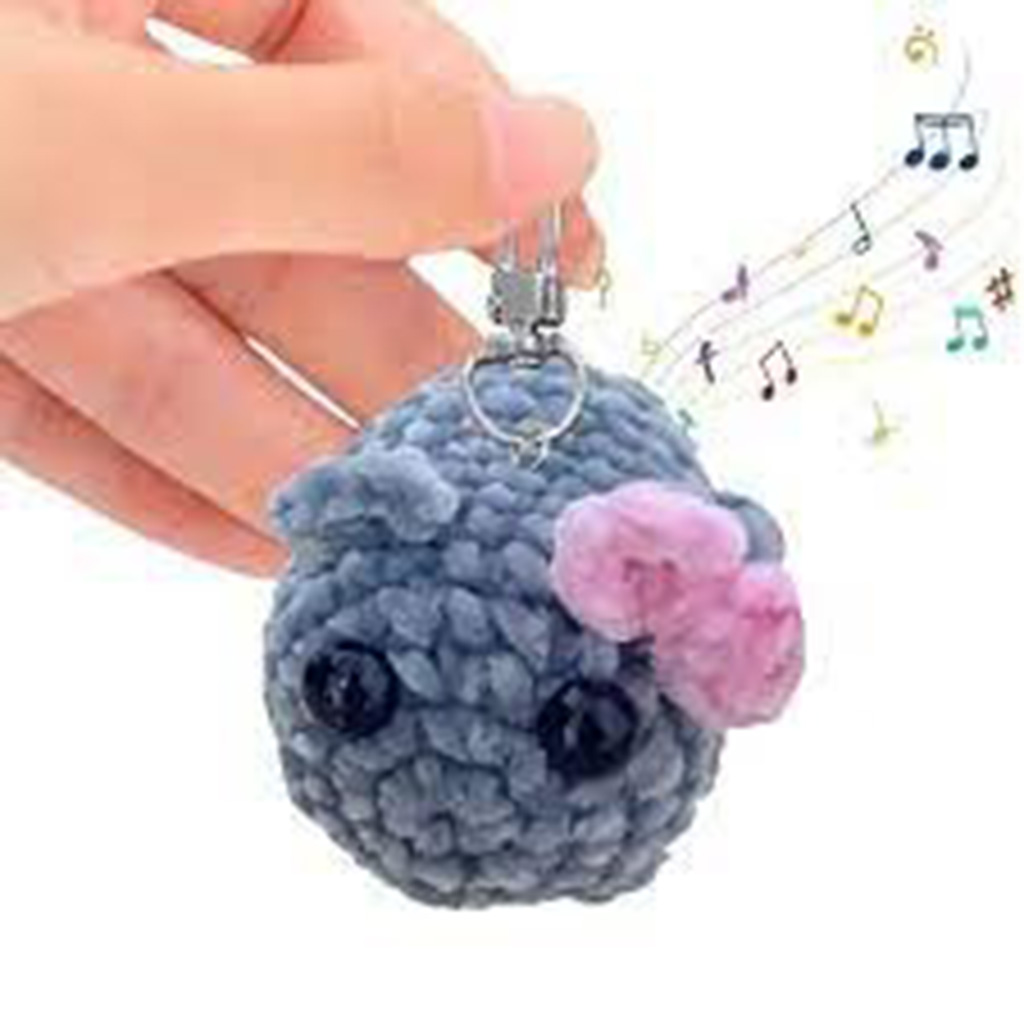
Customization turns a cute doll into your brand’s doll—and protects margin.
High-impact, low-risk options
- Face variants: Wink, smile, sleepy eyes using interchangeable embroidery files.
- Colorways: Seasonal palettes or retailer exclusives without new tooling.
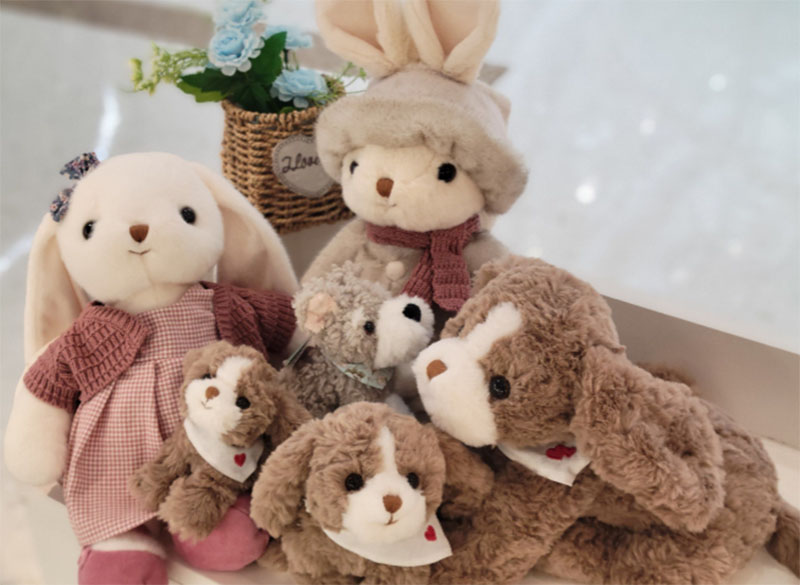
- Clothing capsules: Removable hoodie, dress, or scarf; shared base body lowers cost.
- Personalization: Name embroidery on the foot or chest patch (on-demand or limited run).
Premium touches
- Accessory sets: Mini backpack, pillow, or soft book to lift AOV.
- Gift packaging: Window boxes with tissue and story cards; great for holiday lines.
- Collabs: Small-run co-brands or artist prints to engage collectors.
| Custom Path | Cost Impact | Time Impact | Why Do It |
|---|---|---|---|
| Embroidery face swaps | Low | Very low | Fast differentiation |
| Palette changes | Low | Low | Seasonal refresh |
| Outfit add-ons | Medium | Medium | Higher basket size |
| Personalization | Medium | Low–Medium | Emotional value |
Are sustainable and innovative practices shaping the future of plush doll quality?
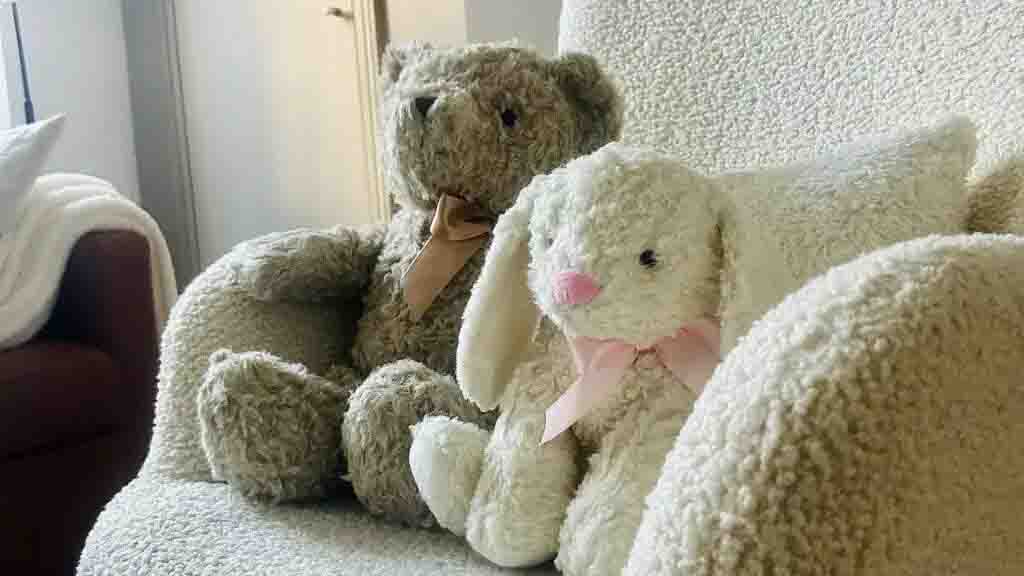
Yes. Sustainability is rapidly moving from “nice to have” to buying requirement—especially in Europe and North America.
What we deploy now
- rPET fabrics and fiberfill (GRS-backed) with softness equal to virgin polyester.
- Organic cotton panels for face or clothes in eco capsules (GOTS-backed).
- Reduced-impact dyeing and OEKO-TEX-compliant inputs where possible.
- Right-size packaging: recyclable swing tags, thinner poly, or paper bands.
Emerging ideas to watch
- Bio-based fibers (PLA blends): good handfeel; test heat sensitivity.
- Digital product passports: QR codes linking to material provenance and care.
- Repairability: Spare outfits and simple mending guides to extend life.
| Sustainability Lever | Consumer Value | Practical Note |
|---|---|---|
| rPET fiber + shell | Big eco step, same handfeel | Verify with GRS docs |
| Organic cotton | Natural trust | Pre-shrink, colorfast tests |
| Low-impact dyes | Safer perception | Align with OEKO-TEX |
| Slim packaging | Less waste | Protect nap with tissue |
Practical spec worksheet (copy & adapt)
| Section | Spec |
|---|---|
| Size & pose | 28 cm seated plush doll; sits unaided |
| Fabrics | Face: short-pile minky 1 mm; Body: velboa 1.5 mm; Hair: faux fur 8 mm |
| Filling | rPET fiberfill, 7D hollow-conjugate; pellet pouch in base (3+) |
| Stitching | Main 2.7 mm; stress zones triple stitch; edges serged |
| Face | Embroidered eyes/nose/mouth; light fusible interlining |
| Customization | 2 face variants, 3 colorways, hoodie outfit option |
| Testing | EN71/ASTM/CPSIA full suite; wash test @ 30 °C gentle |
| Packaging | Recyclable window box; tissue; story card |
Quality control flow (factory-proven)
- Incoming — verify fabric pile, color lot, and lab reports; inspect fiberfill cleanliness/odor.
- Pre-production — seal a golden sample with signed trims list and stitch settings.
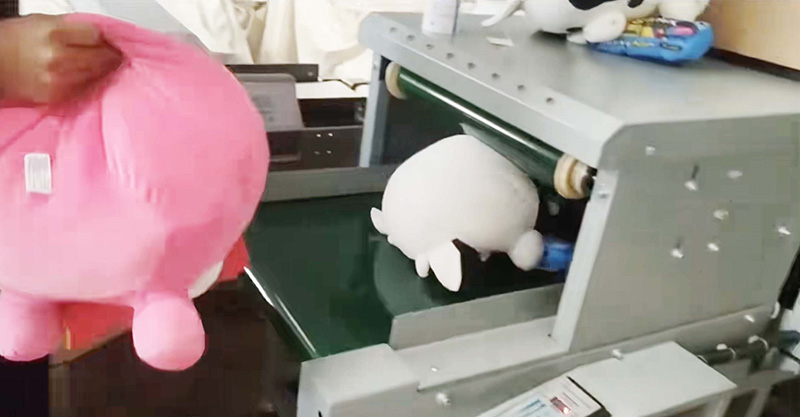
- In-line — seam pull checks at neck/arms; embroidery density audit; pellet pouch leak test.
- Final — AQL visual; metal detection if retailer requires; wash simulation on samples.
- Documentation — attach lot codes to cartons; archive test reports and photos.
| QC Stage | Key Metric | Pass Target |
|---|---|---|
| Seam strength | Neck/arm pull | ≥ 70 N (typical spec) |
| Embroidery | Pucker/warp | None visible at 30 cm |
| Stuffing | Lumps/voids | Smooth to touch, symmetric |
| Colorfastness | Wet/dry rub | Grade per target market |
Conclusion
The best plush dolls feel soft, look alive, and stay safe and beautiful after real use. You get there by aligning appealing design, right fabrics and fill, robust stitching, and clean compliance—then layering customization and sustainability to lift brand value. Lock these elements into your brief and you’ll see higher reviews, lower returns, and stronger repeat orders.
At Kinwin, we turn your concepts into certified products—OEM & ODM, from sample to mass production—tested to EN71, ASTM, CPSIA, ISO 8124. We prototype fast, document clearly, and deliver on time.
📧 [email protected]
🌐 kinwintoys.com
Let’s build plush dolls that customers keep—and remember.