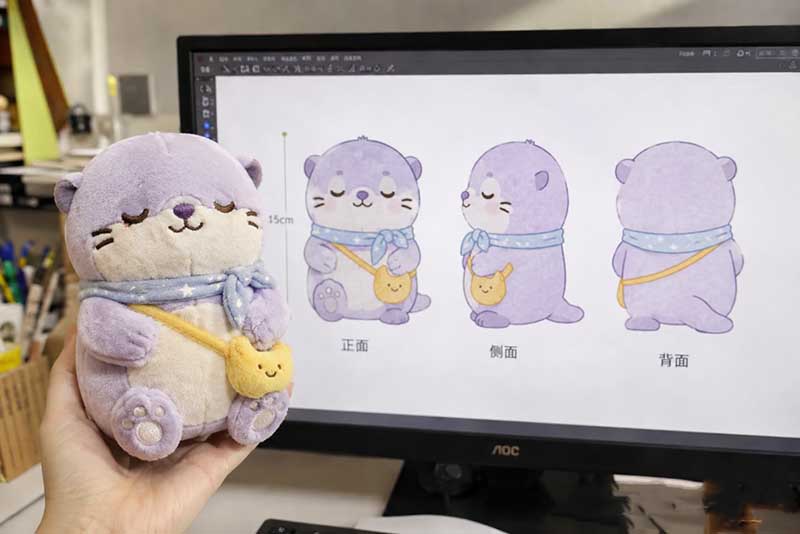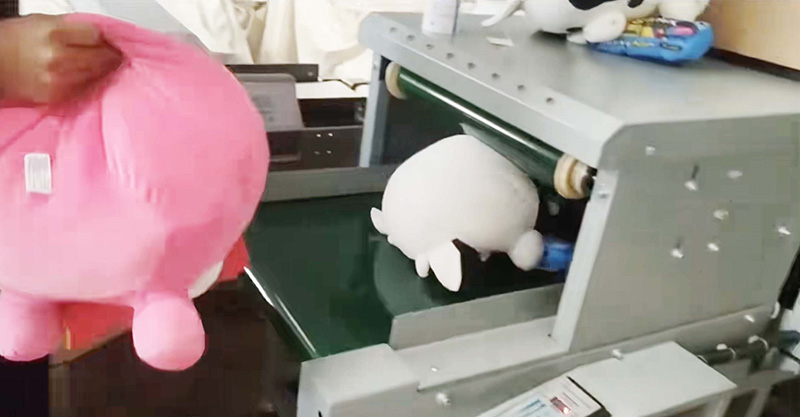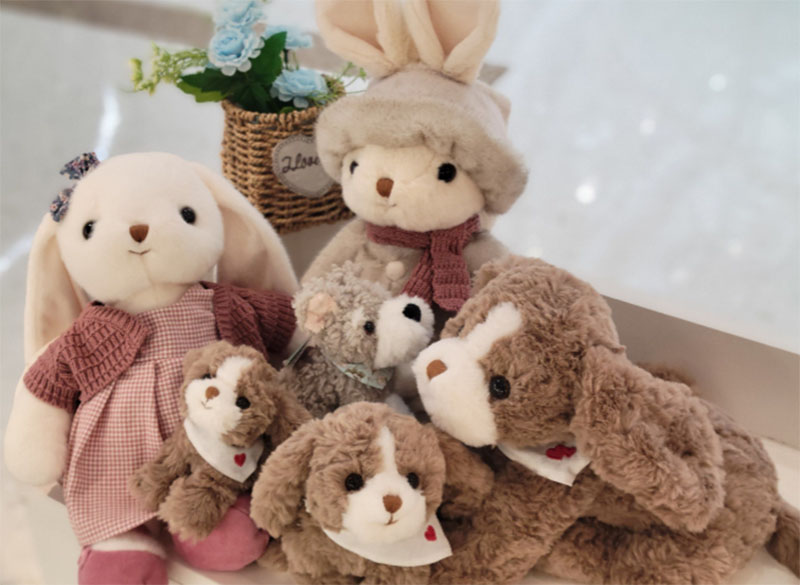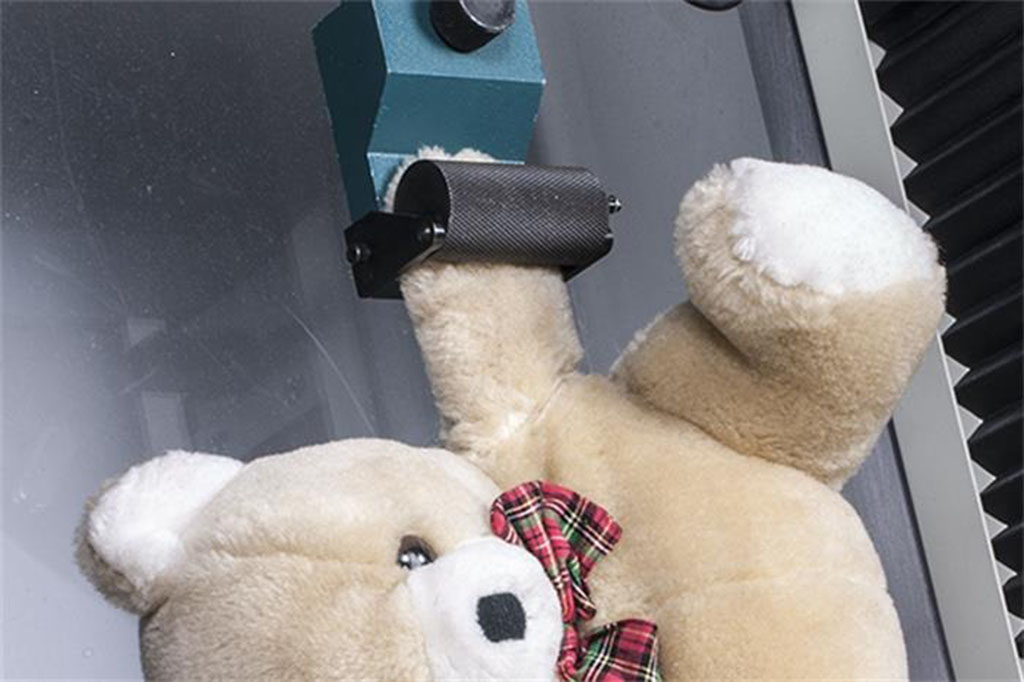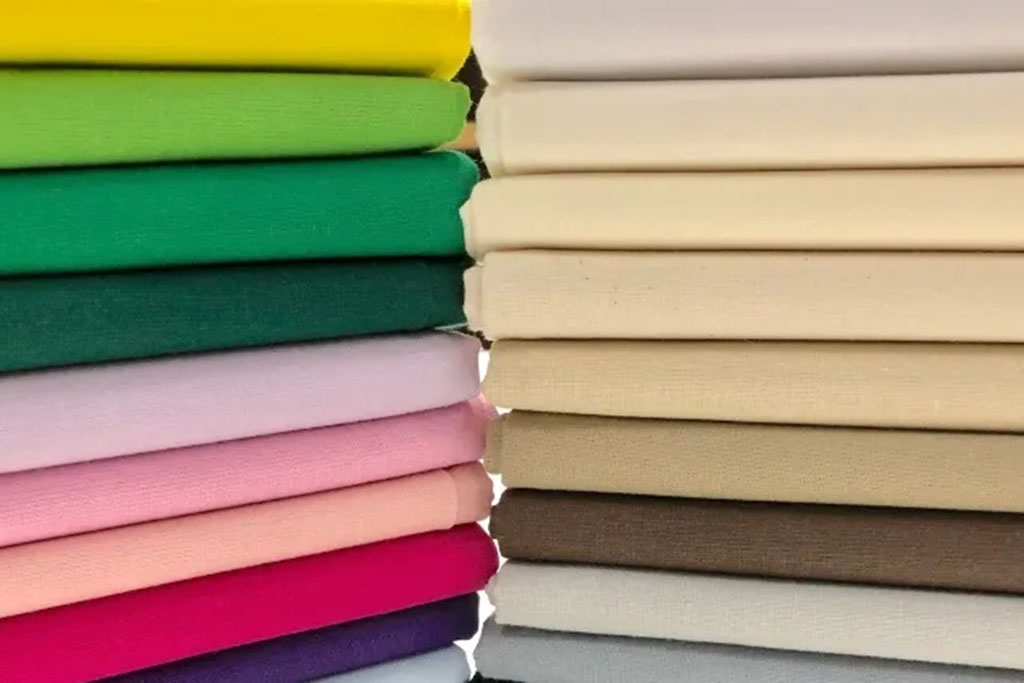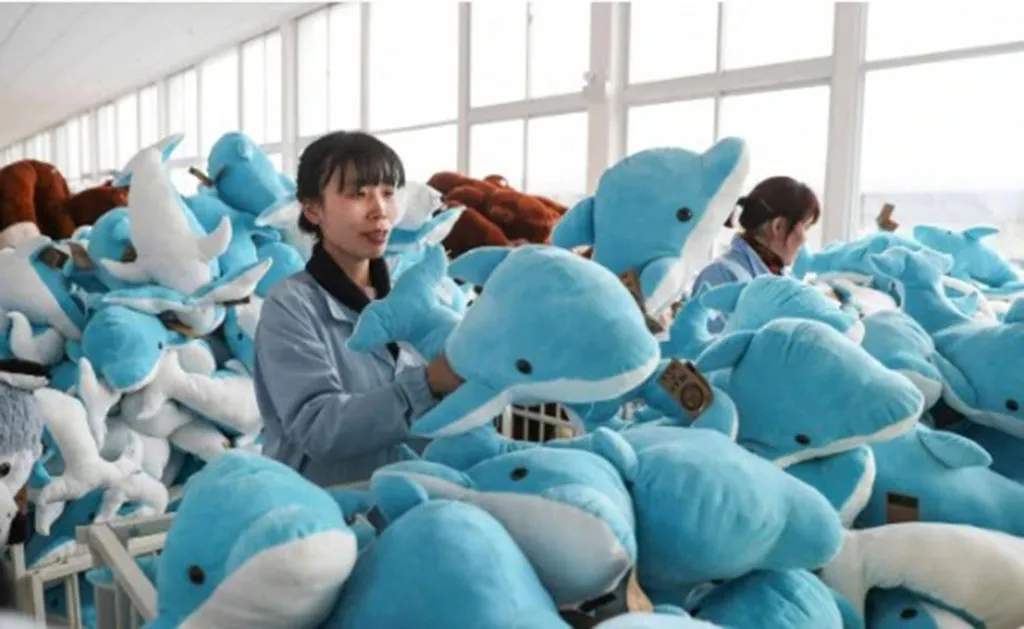
I’m Amanda from Kinwin in China. I help brands choose fabrics that feel soft, pass EN71/ASTM/CPSIA, and look great in photos. Below I explain what “best fabric” really means for plush toys, compare common options, add premium/sustainable choices, and give numeric specs (GSM, pile height, knit type) you can put straight into RFQs and tech packs.
What properties define an ideal fabric for plush toys—softness, durability, safety, and visual appeal?
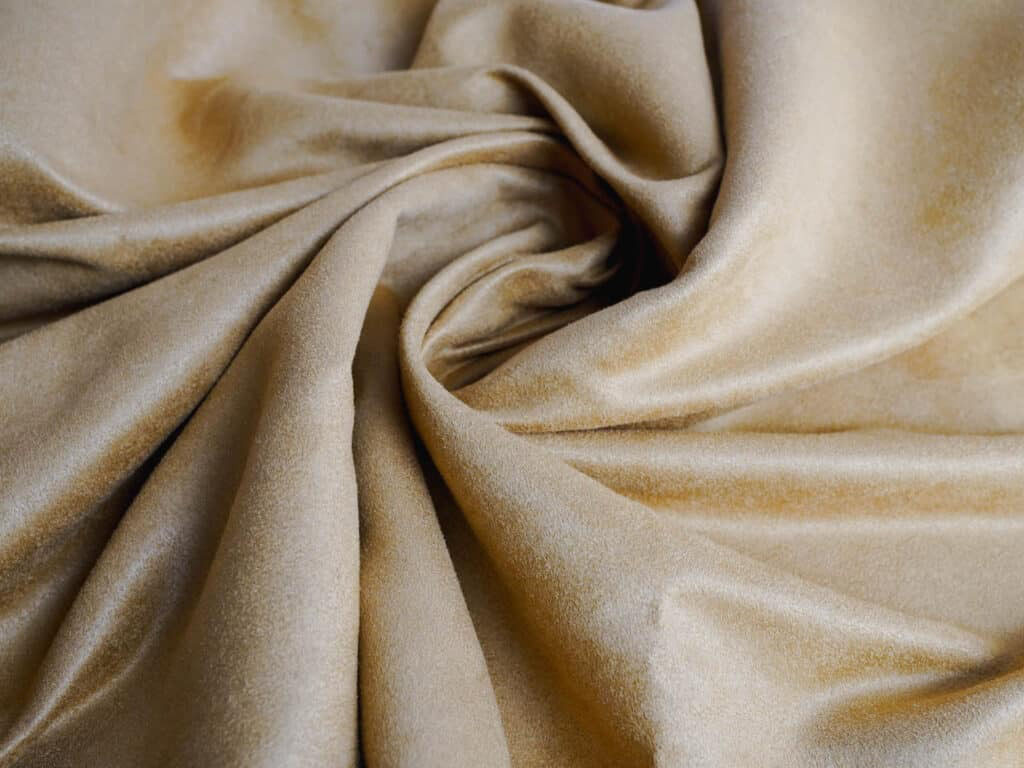
For plush, the fabric must win four things at the same time: handfeel, wash durability, compliance, and camera appeal. In practice, I start with the face zone: short, even pile makes embroidery crisp and reduces lint. For the body, I balance pile height with weight, so silhouettes hold shape without heavy stuffing. Safety sits across all choices—EN71-2 flammability, EN71-3/REACH or CPSIA migration where needed, and seam strength to support stuffing pressure. Finally, the fabric must photograph well (clear muzzle/eye zones, no glare, stable color under daylight). This is how we keep returns low and price perception high.
Table 1 — Ideal Fabric Targets (Face vs. Body)
| Area | Spec target | Purpose |
|---|---|---|
| Face shell | 2–3 mm pile, 220–280 GSM, circular/warp knit | Crisp embroidery, clean photos |
| Body (short pile) | 2–5 mm pile, 240–320 GSM | Soft hand + shape stability |
| Body (faux fur) | 6–12 mm pile, 300–450 GSM | Premium “wow” with grooming notes |
| Backing quality | Tight, low-shed knit; low skew | Seam strength; low lint |
| Dye/finish | LAB ΔE ≤ 1.0 vs. hold | Reorder color match |
How do common plush fabrics like minky, velboa, fleece, faux fur, and short-pile tricot compare in performance and cost?
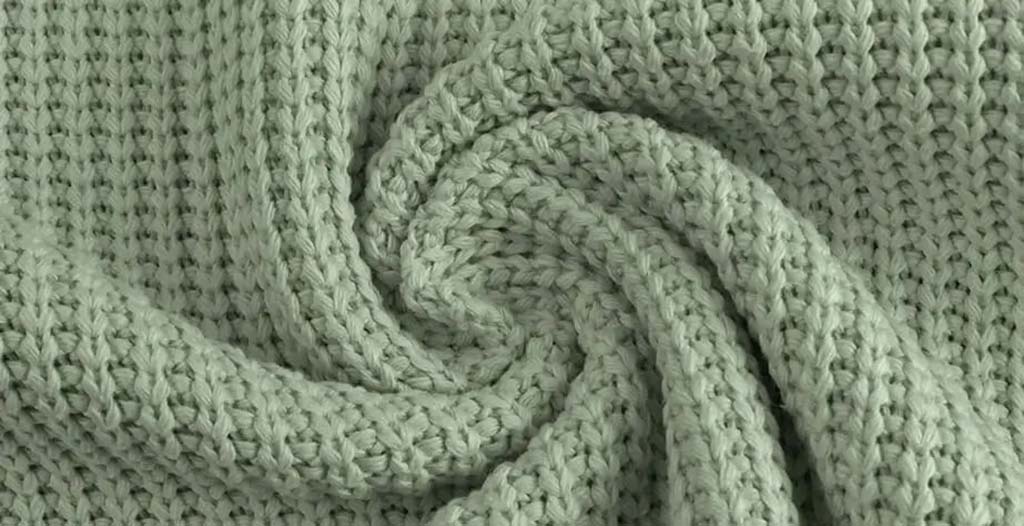
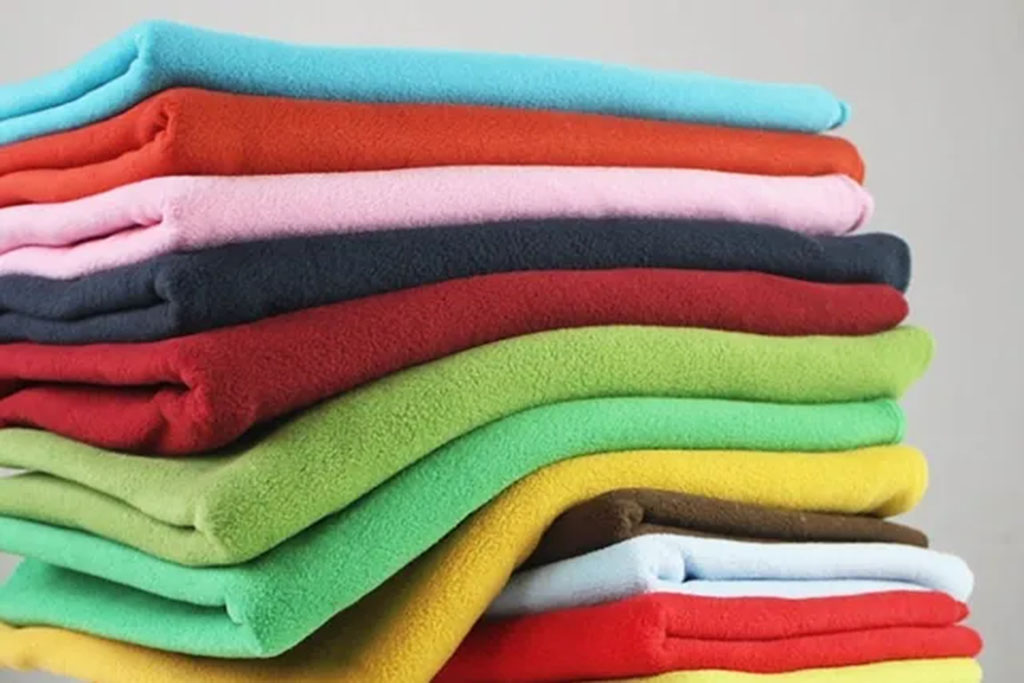
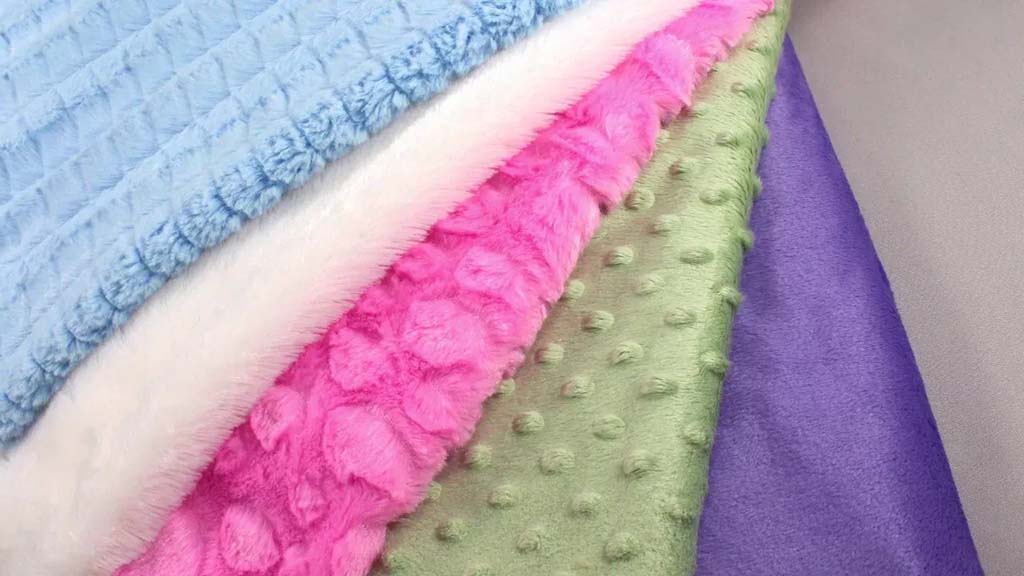
Each fabric has a job. Minky and velboa are my default for faces because they read clean on camera. Fleece is forgiving on cost and care, but it pills sooner than velboa. Faux fur sells emotion and price, yet it needs trim masks around muzzle/eyes plus brushing guidance. Short-pile tricot is great for tiny features, appliqué grounds, or infant-safe panels where clarity is more important than “fluff.”
Table 2 — Common Plush Fabrics (Field Comparison)
| Fabric | Typical spec | Strengths | Watch-outs |
|---|---|---|---|
| Minky | 2–4 mm, 240–300 GSM | Silky touch, photo friendly | Show oil; needs clean care copy |
| Velboa | 1.5–3 mm, 220–280 GSM | Crisp embroidery, low pill | Can look flat if underfilled |
| Fleece | 1–3 mm, 200–260 GSM | Easy wash, budget | Pilling over cycles |
| Faux fur | 6–12 mm, 320–450 GSM | Premium look, “wow” | Grooming, shedding risk |
| Short-pile tricot | ≤1.5 mm, 180–240 GSM | Tiny details, infant clarity | Less plush, shows tension lines |
*Relative material cost; final unit cost depends on minutes and yield.
Which specialized materials—organic cotton, rPET fiber, mohair, and sherpa—support sustainability and premium positioning?
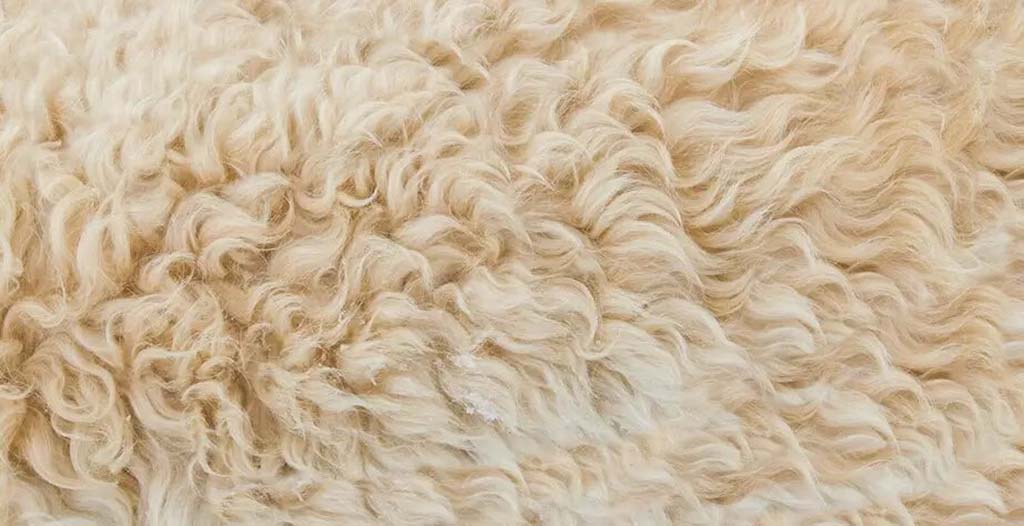
If your brand wants eco claims or luxury cues, specialized fabrics help. Organic cotton pile reads “natural,” good for baby sets, but usually feels less silky than velboa. rPET plush and rPET fiberfill support sustainability language; keep lot-level certificates and align hangtag claims with real content %. Mohair (luxury/collector) delivers heirloom value but needs surface-clean care and higher price. Sherpa adds cozy texture for décor plush and winter capsules.
Table 3 — Premium & Sustainable Options
| Material | Typical spec | Positioning | Compliance/data to keep |
|---|---|---|---|
| Organic cotton pile | 2–4 mm, 230–300 GSM | Natural/baby story | EN71/ASTM; organic certs (GOTS/OCS) |
| rPET plush (shell) | 2–4 mm, 240–300 GSM | Eco narrative | Lot-tied rPET certs; REACH/RSL |
| rPET fiberfill | Hollow 7D–15D | Eco + weight savings | Claim % on hangtag must match |
| Mohair | Short to mid pile | Collector/luxury | Care = surface only; premium price |
| Sherpa | 4–8 mm loop, 280–380 GSM | Cozy décor | Lint control; seam mapping |
How do GSM, pile height, and knit type influence texture, washability, and compliance with EN71/ASTM standards?
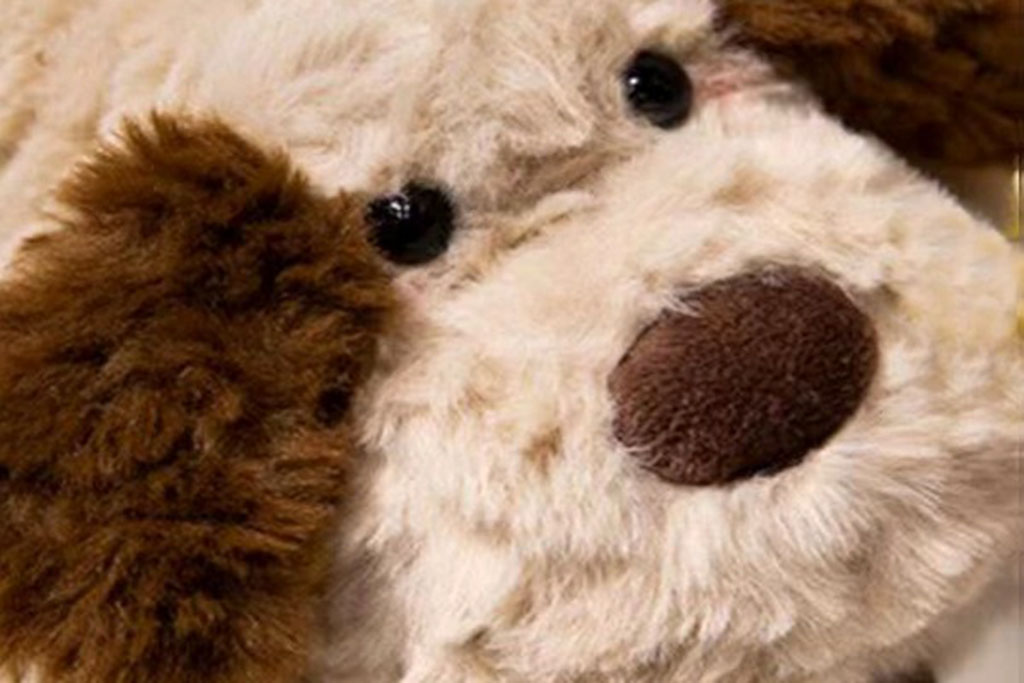
GSM drives drape and opacity; too low and seams print, too high and minutes rise. Pile height sets visual “fluff” and lint behavior; I keep faces at 2–3 mm and use trim masks to frame eyes/nose on longer piles. Knit type (warp vs. circular) changes stretch and seam pull results. For EN71-1 seam strength and ASTM stuffing integrity, balanced SPI and bar-tacks at stress points matter as much as fabric choice. For EN71-2 flammability, longer piles may flame faster; fabric blend and finishes matter, so always test on production lots.
Table 4 — Engineering the Surface
| Parameter | Working range | Effect | Compliance note |
|---|---|---|---|
| GSM (face) | 220–280 | Embroidery stability, no show-through | Helps seam strength tests |
| GSM (body) | 240–340 (short pile) | Shape + yield balance | Over-GSM = heavy minutes |
| Pile height | Face 2–3 mm; body 2–12 mm | Photo clarity vs. plushness | EN71-2: test per lot |
| Knit type | Warp/circular, tight backing | Low skew, strong seams | Better ASTM seam pulls |
| SPI at curves | 10–12 SPI typical | Prevents seam pop | AQL “special check” helpful |
What sourcing and QC practices ensure consistent color, shrinkage control, and fabric stability across production lots?
Lock LAB targets at S2, keep hold swatches, and approve lab dips against ΔE ≤ 1.0. Run wash/press shrinkage on each dye lot; I like ≤ 2% after your declared care method. Check skew/bowing so cutting markers stay true. For long-pile, run a lint/shedding test and confirm grooming notes for packing. Tie everything to lot IDs; re-test if a lot or vendor changes. During mass, my QC pulls panels hourly to weigh fill grams per panel and to seam-pull high-stress points.
Table 5 — Fabric Sourcing & QC Checklist
| Checkpoint | Target | Why |
|---|---|---|
| LAB color match | ΔE ≤ 1.0 vs. hold | Reorder consistency |
| Wash shrinkage | ≤ 2% to care spec | Size + symmetry control |
| Skew/bowing | Minimal; within marker tolerance | Yield + fit |
| Lint/shedding | Pass brand threshold | Clean face, fewer returns |
| Lot traceability | IDs on rolls + BOM | Lot-tied testing & CAPA-ready |
How can manufacturers balance cost, softness, and certification goals when selecting fabrics for OEM/ODM plush projects?
Start with the face: use velboa or minky (2–3 mm, 220–280 GSM) for crisp features and repeatable embroidery. Put “wow” in select body panels (faux fur or sherpa) only where it reads on shelf. Lock rPET fiberfill if you need eco claims, and keep certificates per lot. For cost, remember the real drivers are minutes and yield—a slightly cheaper fabric that raises grooming time or seam rework is a false saving. Build your RFQ with numbers (GSM, pile, knit, SPI, bar-tacks, fill grams per panel) and define your test matrix (EN71-1/2/3 or ASTM/CPSIA) early. Then add AQL special checks for lint, face symmetry, and pellet leakage (if weighted).
Table 6 — Selection Matrix (Cost vs. Softness vs. Compliance)
| Goal | Face fabric | Body fabric | Fill | Notes |
|---|---|---|---|---|
| Best value | Velboa 2–3 mm | Velboa 2–5 mm | Hollow poly | Low minutes, clean photos |
| Premium soft | Minky 2–3 mm | Faux fur 6–10 mm | Hollow poly + sculpt | Grooming + trim masks |
| Eco story | rPET velboa | rPET velboa/sherpa | rPET fill | Lot-level certs; aligned claims |
| Baby-safe | Tricot/velboa face | Short pile body | Hollow poly | Embroidery-only face; 0+ tests |
| Collector | Short-pile face | Mohair/faux fur | Sculpted fill | Surface-clean care; premium pack |
Conclusion
The “best” plush fabric depends on where softness must show, what the camera sees, and how the toy must test and wash. Use velboa/minky for faces, add faux fur/sherpa only where it adds value, and keep rPET claims honest with lot certificates. Write specs in numbers, test actual lots, and your plush will look premium, feel soft, and clear audits the first time. If you want help turning this into sealed PPS and on-time mass, email [email protected] or visit kinwintoys.com—my team at Kinwin can support you end-to-end.