Skip to content
I’m Amanda from Kinwin in China. I help brands, retailers, and e-commerce sellers design and produce soft toys that are safe, durable, and loved by customers. In this expert guide, I explain what a soft toy is in factory terms, how it differs from plush toys, dolls, and stuffed animals, which fabrics and fillings matter, how design and stitching affect value, the global trends behind growth, and how manufacturers can use customization, certification, and branding to stay competitive.
I keep the language simple, but I go deep so your sourcing team and marketing team can act on this right away.
What defines a “soft toy” in terms of structure, materials, and manufacturing standards?
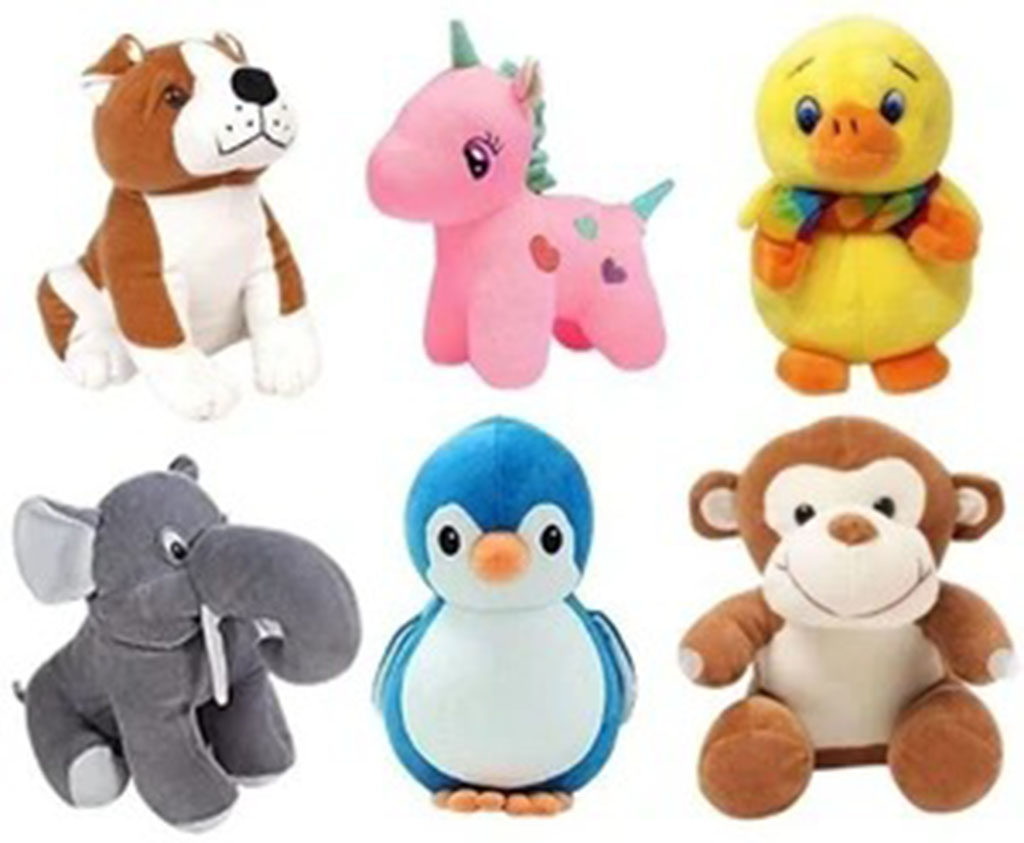
A soft toy is a textile-based toy with a flexible fabric shell and a soft filling. It is engineered for comfort, safety, and play. In the factory, we build it as a set of patterned panels with seam allowances, join them with lockstitch or overlock, add bar-tacks at stress points, insert the filling, and close the opening with a ladder stitch (invisible) or a secure machine seam.
Key elements:
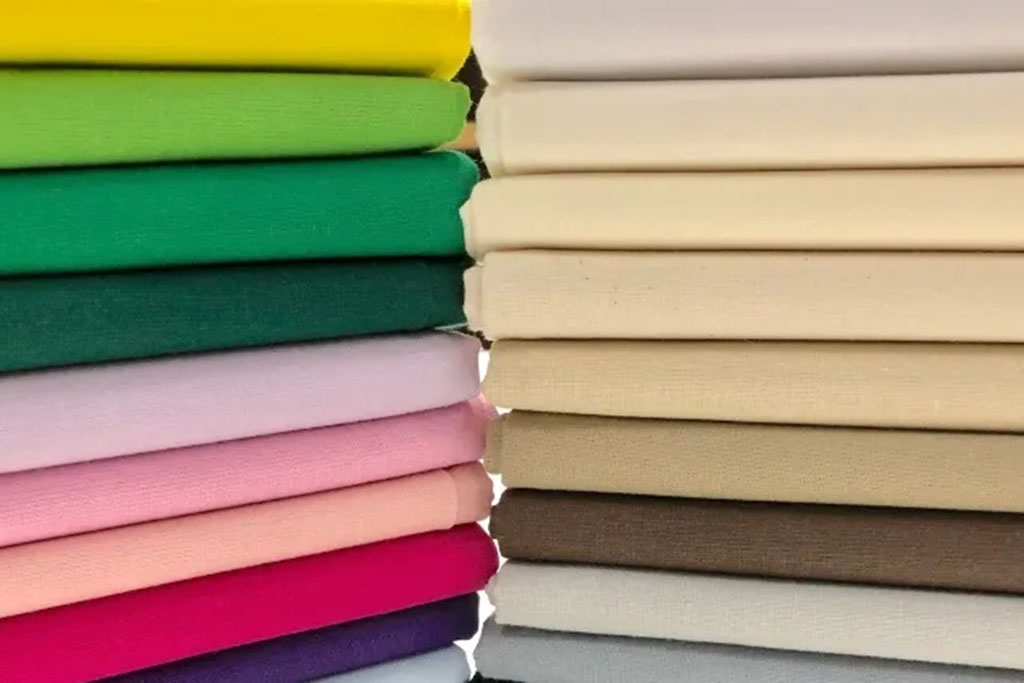
- Shell: pile or knit/woven fabrics (minky, velboa, faux fur, sherpa, cotton knits).
- Filling: polyester fiberfill (hollow/solid), pellets in sealed inner pouches, or local foam inserts for posture.
- Seams: strength and neatness; no loose threads; no needle fragments.
- Safety: age grading, small-parts control, chemical and flammability tests.
- Care: washability that matches the claim (gentle machine, spot clean, or dry clean only).
Table 1 — Soft Toy: Factory Definition at a Glance
| Component | Factory focus | What you check |
|---|---|---|
| Shell fabric | Hand-feel, pile direction, colorfastness | GSM, shade lot, OEKO-TEX/REACH if claimed |
| Filling | Loft, recovery, weight balance | Fill grams, pouch seals, lot certificates |
| Seams & stress points | Strength and symmetry | Stitch type/length, bar-tacks, seam allowance |
| Safety setup | Age grade & market | EN71/ASTM/CPSIA plan, labels, tracking |
| Care claim | Realistic & repeatable | Wash tests (3 cycles) and appearance after dry |
Takeaway: The “soft toy” label is a construction + compliance promise, not just a marketing phrase.
How do soft toys differ from plush toys, dolls, and stuffed animals in professional classification?
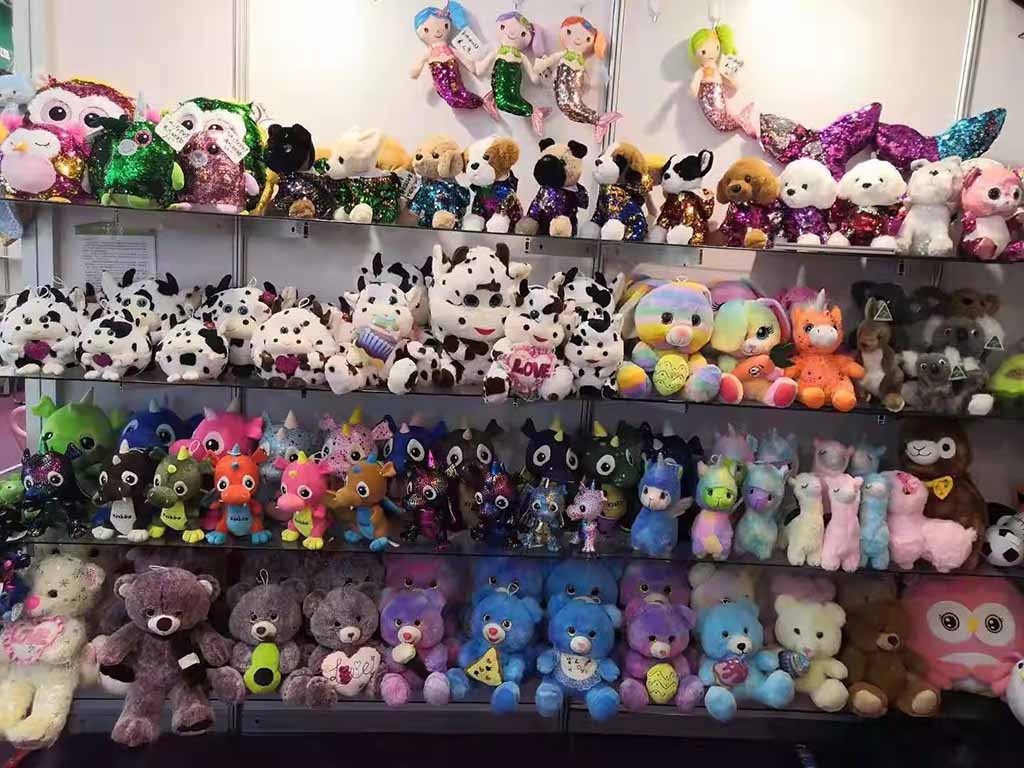
These terms overlap, but their focus and usage differ:
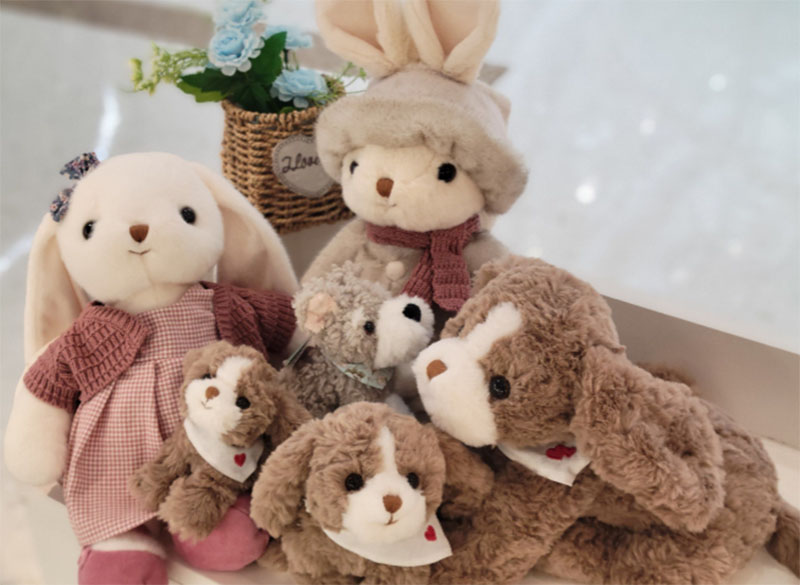
- Soft toy: umbrella term in Europe/UK and many standards. Any textile toy with soft filling.
- Plush toy: soft toy made with pile fabrics (minky, velboa, faux fur) and a cuddle-first promise.
- Stuffed animal: common in North America; any animal-shaped soft toy with stuffing (premium or value).
- Doll (soft): human-like forms with clothing/outfits, role-play features, and face style suited for storytelling.
Table 2 — Classification Differences (Professional View)
| Term | Shape focus | Typical fabrics | Where you see it |
|---|---|---|---|
| Soft toy | Any (animal, character, abstract) | Pile or knit/woven | UK/EU specs, compliance docs |
| Plush toy | Character/animal, cuddle-driven | Minky/velboa/faux fur | Premium retail, gifting |
| Stuffed animal | Animal form, broad price tiers | From velboa to cotton blends | US retail, education, promos |
| Soft doll | Humanoid, outfits/accessories | Knits, tricot, cotton + plush parts | Role-play, fashion, education |
When I write technical packs, I use “soft toy” for the umbrella, then specify shell material (plush/minky/velboa etc.) to define the feel and price band.
Which fabrics, fillings, and safety requirements determine softness, durability, and child safety compliance?
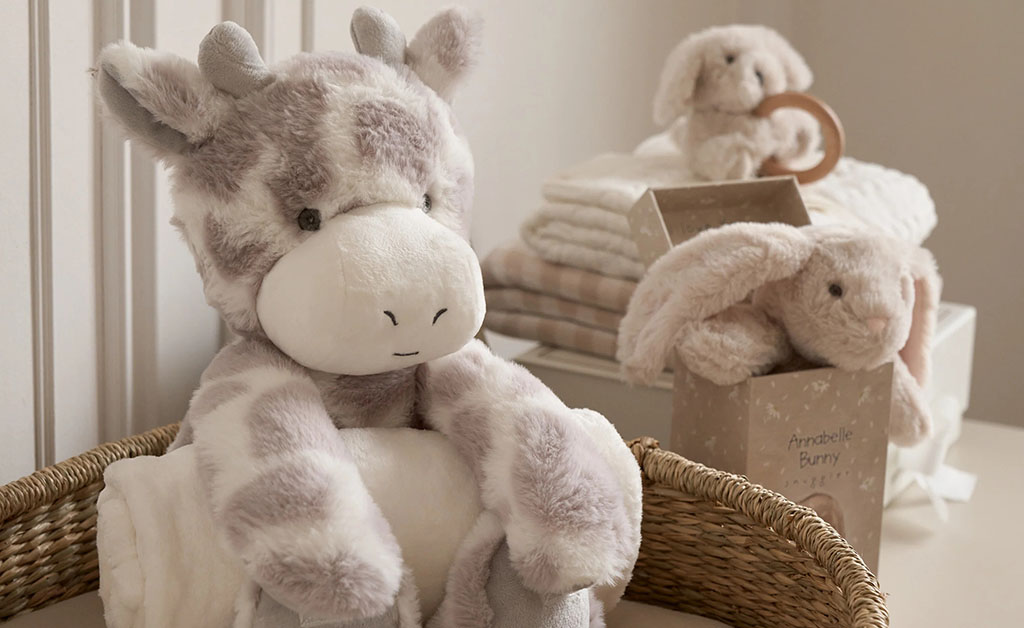
Fabrics define first touch. Filling defines recovery and posture. Safety defines legality and trust.
- Fabrics
- Minky (short pile): ultra-soft, baby-friendly, clean embroidery.
- Velboa: smooth, durable, good for detailed embroidery.
- Faux fur: premium look; needs trimming and brushing after wash.
- Sherpa/boa: cozy texture; watch shedding and pilling.
- Knits/Tricot/Cotton: doll faces, outfits, hybrid panels for contrast.
- Fillings
- Hollow polyester fiberfill: lofty and very soft.
- Solid polyester fiberfill: firmer, better shape retention.
- Plastic pellets: grounding weight; always in double inner pouches.
- Foam pieces: local structure for heads/bases without over-stiffness.
- Safety & compliance (children’s products):
- EU: EN71-1/2/3 + REACH where relevant; CE Declaration of Conformity.
- USA: ASTM F963, CPSIA (lead, phthalates) + CPC and tracking label.
- Others: often align with ISO 8124. Retailers may ask OEKO-TEX for textiles.
Table 3 — Materials & Safety: What Decides Feel and Compliance
| Item | Options | Why it matters | Typical tests/docs |
|---|---|---|---|
| Shell fabric | Minky/velboa/faux fur/sherpa/cotton | Hand-feel, wash look, embroidery clarity | Colorfastness, flammability |
| Filling | Hollow/solid fiberfill, pellets, foam | Loft & posture; weight balance | Lot COAs; pellet pouch seal checks |
| Face & trims | Embroidery vs. safety eyes/nose | Small-parts risk & age grade | Small parts tensile; under-3 → embroidery preferred |
| Chemicals | Dyes, finishes, inks | Legal safety & brand trust | EN71-3/REACH; CPSIA lead/phthalates |
| Labels | Care, fiber, origin, tracking | Legal traceability | CPC (US), CE DoC (EU), tracking label |
Best practice: tie lab reports to actual lots used in production. If a dye lot or trim vendor changes, re-test the affected components.
How do design aesthetics, stitching methods, and quality control affect the perceived value of soft toys?
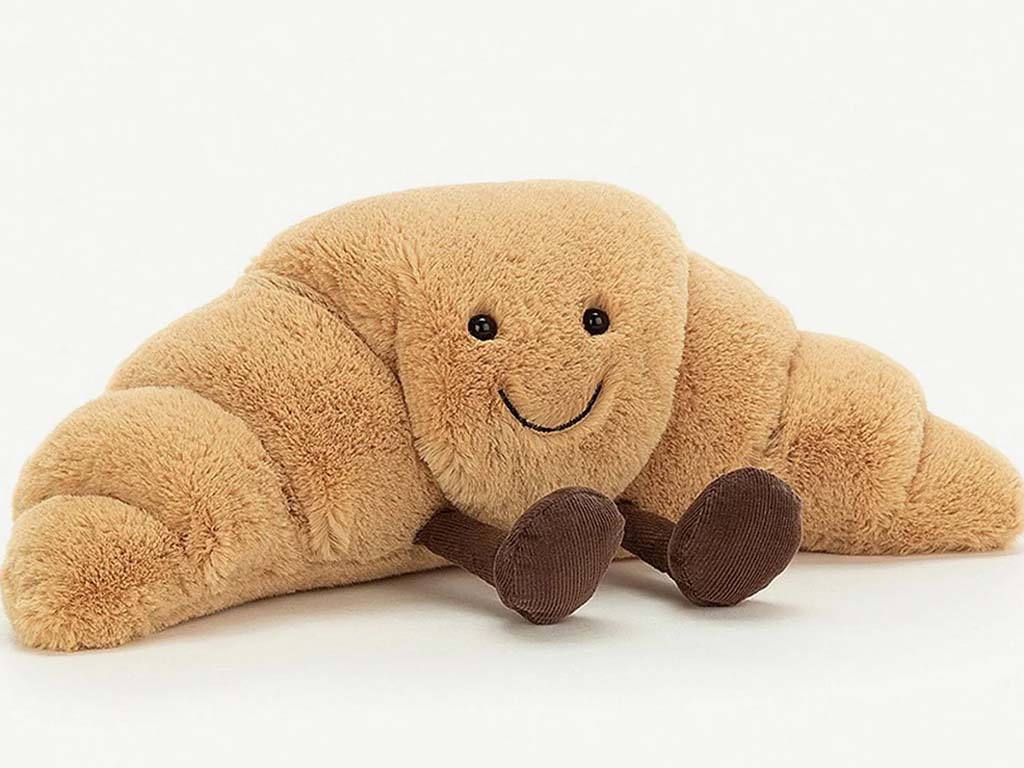
Customers judge value in one second: face balance, surface smoothness, and overall silhouette. The rest is durability after a few weeks of play and a few wash cycles.
Design aesthetics
- Clean silhouette; balanced eyes and mouth; consistent ear/limb symmetry.
- Texture contrasts (smooth + fluffy) add perceived richness.
- Color palettes aligned with season and brand story.
Stitching methods
- Lockstitch/overlock for strength; ladder stitch for hidden closing.
- Bar-tacks at stress points (shoulders, hips, accessories).
- Even stuffing to avoid lumps and dents in the face.
Quality control
- AQL plan (General Level II; Major 2.5 / Minor 4.0 baseline; tighten for infant lines).
- Checkpoints: IQC for fabrics/fills; in-line at ~30% sewn; FRI at ≥80% packed.
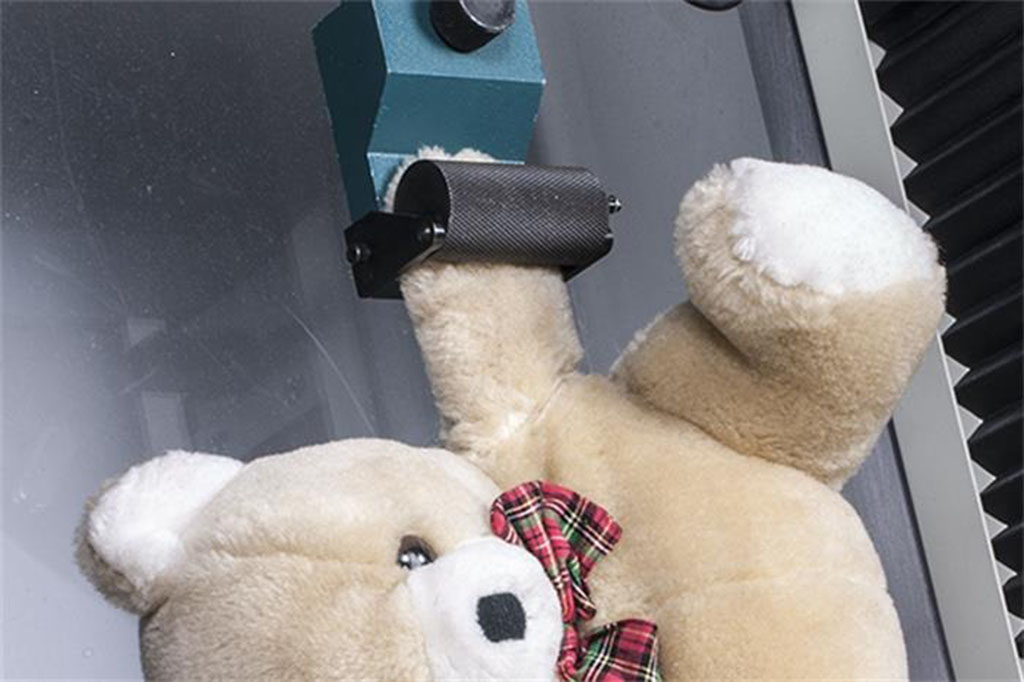
- Simple wash tests (3 cycles) and seam-pull tests catch 80% of downstream issues.
Table 4 — Craft → Perceived Value: What Customers Actually Feel
| Craft element | What the buyer sees | QC lever |
|---|---|---|
| Face symmetry & embroidery | “Cute or not? Premium or not?” | 1:1 face art; stitch-count control |
| Pile management | No bald spots, clean features | Trim long pile around eyes/mouth |
| Seam neatness | No puckers, no loose threads | Stitch length spec; bar-tacks |
| Stuffing balance | Smooth hug, no hard lumps | Fill grams per panel; weigh checks |
| Wash durability | Shape holds, color stays | 3-cycle wash test; photo records |
Tip: Approve silhouette first using stock fabrics. Then lock face art, then colorways. That order saves cost and time.
What global market trends and consumer behaviors are shaping the evolution of soft toys?
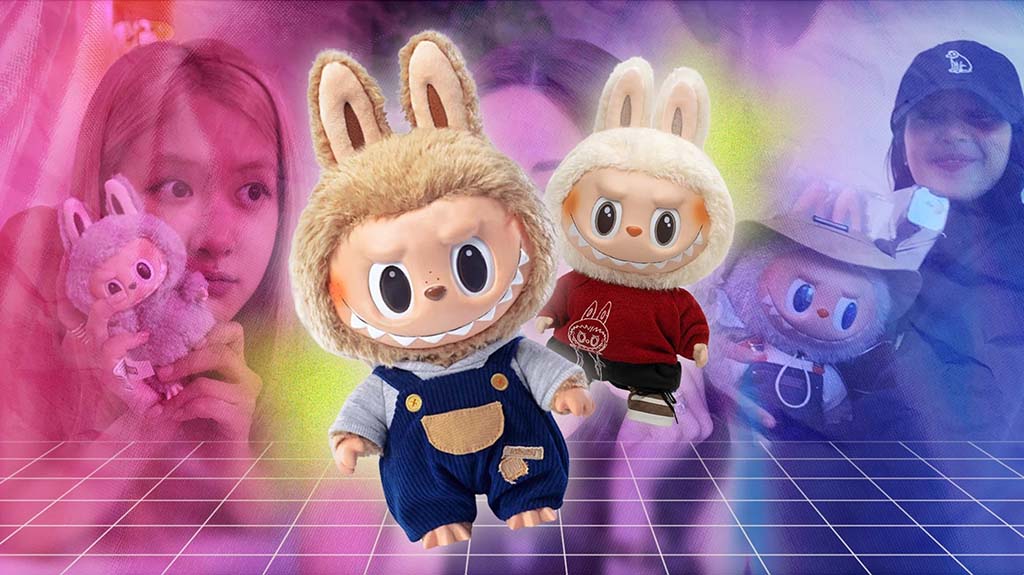
Comfort + content are driving growth. Shoppers want soft textures, cute stories, and safe claims. The rise of short video means touch and expression must read well on camera.
Key trends:
- Weighted & sensory soft toys for calming routines (pellet weight; double pouches).
- Sustainable storytelling: recycled polyester fills, OEKO-TEX shells, and honest claims.
- Licensed and fandom lines: character backstories and micro-drops keep collectors engaged.
- Home décor crossover: color-coordinated plush for living rooms and desks.
- Gift-ready packaging: boxes and story cards for instant gifting, especially Q4.
Table 5 — Global Trends at a Glance
| Trend | Why it sells | What factories must do |
|---|---|---|
| Weighted/sensory plush | Comfort and routine support | Double-pouch pellets; seam reinforcement |
| Eco materials & claims | Brand trust & CSR goals | Hold recycled-content docs; align tags |
| Licenses & collabs | Instant audience & social buzz | Approval workflows; stitch/color accuracy |
| Décor-friendly palettes | Fits lifestyle & rooms | Stable dye lots; color QC |
| Video-ready textures | Converts on social & e-com | Close-up texture checks; face symmetry |
How can manufacturers leverage customization, certification, and branding to enhance competitiveness in the soft toy sector?
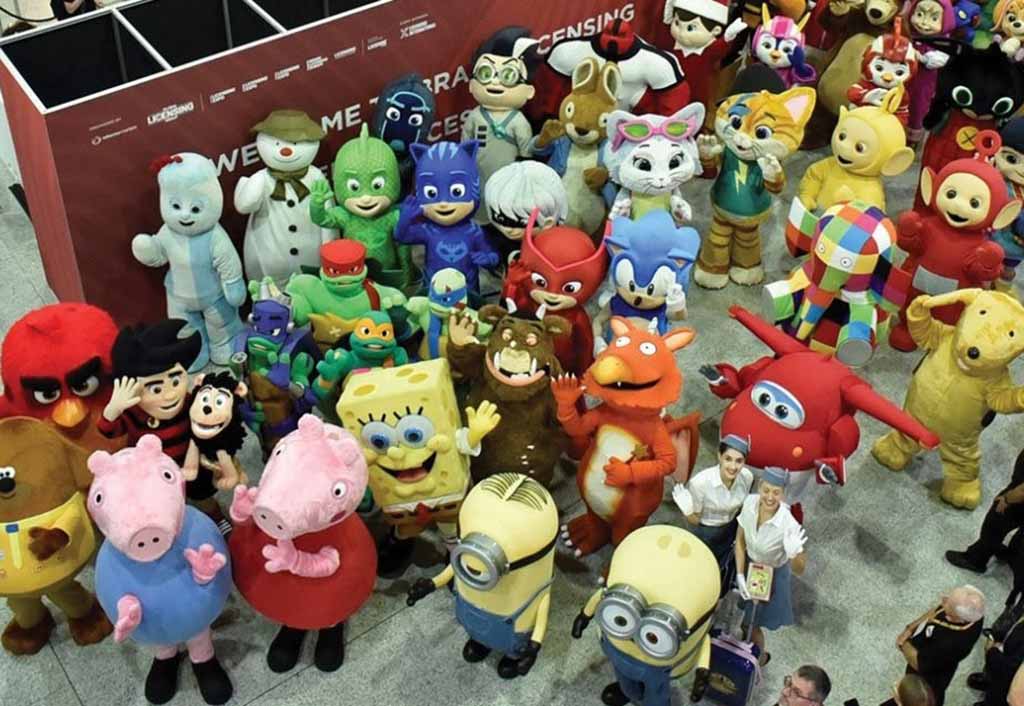
Winning factories combine customization (design that fits the brand), strong certification (to pass retail gates), and smart branding (to lift value perception).
Customization
- Embroidery for faces/logos; appliqué panels for depth; accessories (hats/scarves/outfits) with bar-tacks.
- Weighted bases, sound chips, or scent pouches (where allowed) for experience design.
- Packaging: gift boxes, hangtags with bios, QR codes to story pages.
Certification & compliance
- Pre-agree the test matrix (EN71/ASTM/CPSIA/REACH) by SKU and age grade.
- Tie certs to lots; keep CPC (US), CE DoC (EU), tracking labels.
- Keep retailer-specific add-ons (e.g., OEKO-TEX) organized by fabric lot.
Branding & SEO
- Titles that mix shopper language: “Plush Toy (Soft Toy)” and animal/character name.
- Bullets: material, fill grams, wash guidance, safety claims, age grade, packaging.
- Images: scale-in-hand, texture close-up, face detail, and packaging shot.
- Regional terms: “soft toy” (UK/EU), “plush toy/stuffed animal” (US), local terms for JP/KR with English subtitle.
Execution playbook (copy-ready)
- One-page brief: size, age, shell fabric, fill grams, trims, wash claim, tests, packaging, MOQ, Incoterm.
- Soft Sample #1 (stock colors) → silhouette & face balance.
- Soft Sample #2 → trims & embroidery density; sign off stitch count.
- PPS sealed; golden samples kept at factory and buyer side.
- AQL fixed in PO; IQC → in-line → FRI with photos and defect log.
- Lab tests tied to lots; re-test on dye/trim change.
- Hybrid titles for SEO; regionally adjust “soft toy/plush toy.”
- Shoot video-ready visuals; show texture and squeeze.
Action steps you can start this week
- Define age grade and market; draft a one-page Tech Pack.
- Approve silhouette with stock fabrics first; then confirm colors.
- Specify fill grams per panel; require double-pouch for pellets.
- Book EN71/ASTM/CPSIA tests tied to real lots; keep CE DoC/CPC.
- Lock AQL (General II; Major 2.5 / Minor 4.0); schedule in-line and FRI.
- Build hybrid SEO titles (“Plush Toy / Soft Toy”) and shoot texture close-ups.
- If you need help, I can convert this into a printable SOP for your factory team.
Conclusion
A soft toy is more than fabric and stuffing—it is a system: shell, filling, seams, safety, and story. When you choose the right materials, engineer the seams, verify compliance, and tell a clear brand story, you get a product that feels premium, passes tests, and sells across channels. At Kinwin, we turn briefs into sealed PPS samples and on-time mass runs with EN71/ASTM/CPSIA compliance, stable quality, and clean logistics. Email [email protected] or visit kinwintoys.com to plan your next soft toy line.