Skip to content
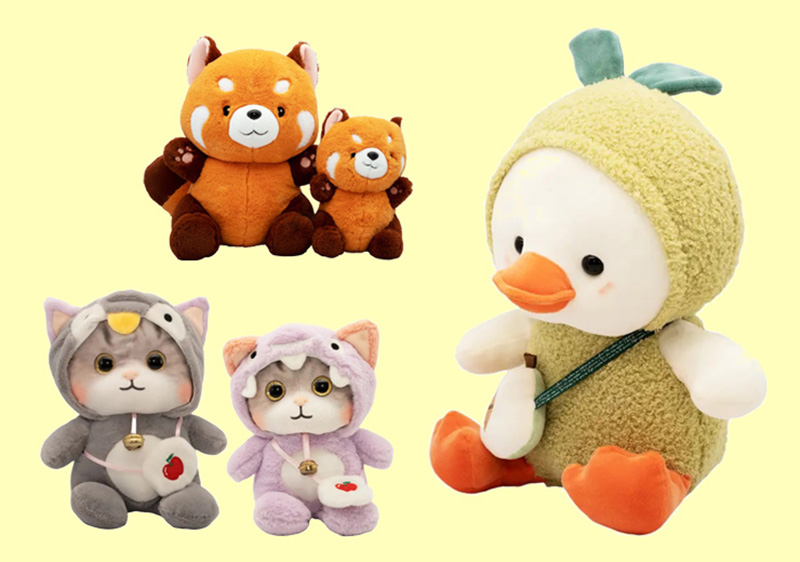
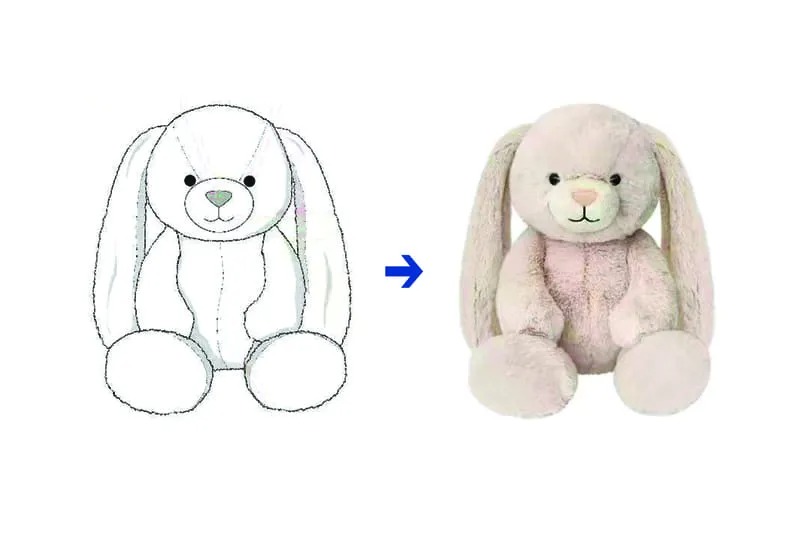
When people say “cheap plushies,” they usually mean low-cost, giftable soft toys that look cute on screen and on shelf, sell at aggressive price points, and ship reliably at scale. Low cost does not have to mean unsafe or rough; it means smart material choices, simplified patterns, and disciplined QA. I’m Amanda from Kinwin. Below I’ll explain which materials commonly appear in budget plush, how factories reduce cost while keeping a pleasing look, which fillings hold basic softness, how safety rules still apply, the durability trade-offs you should expect, and how buyers can verify compliance to avoid substandard suppliers. Every section includes a practical table you can paste into RFQs and SOPs.
What materials commonly appear in low-cost plush toys?
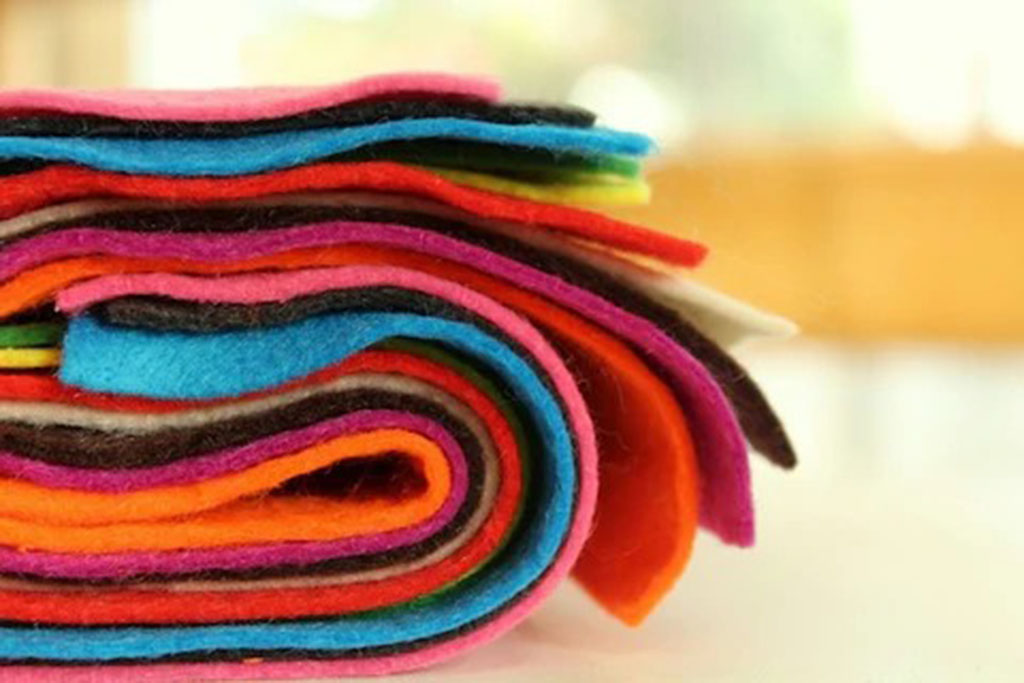
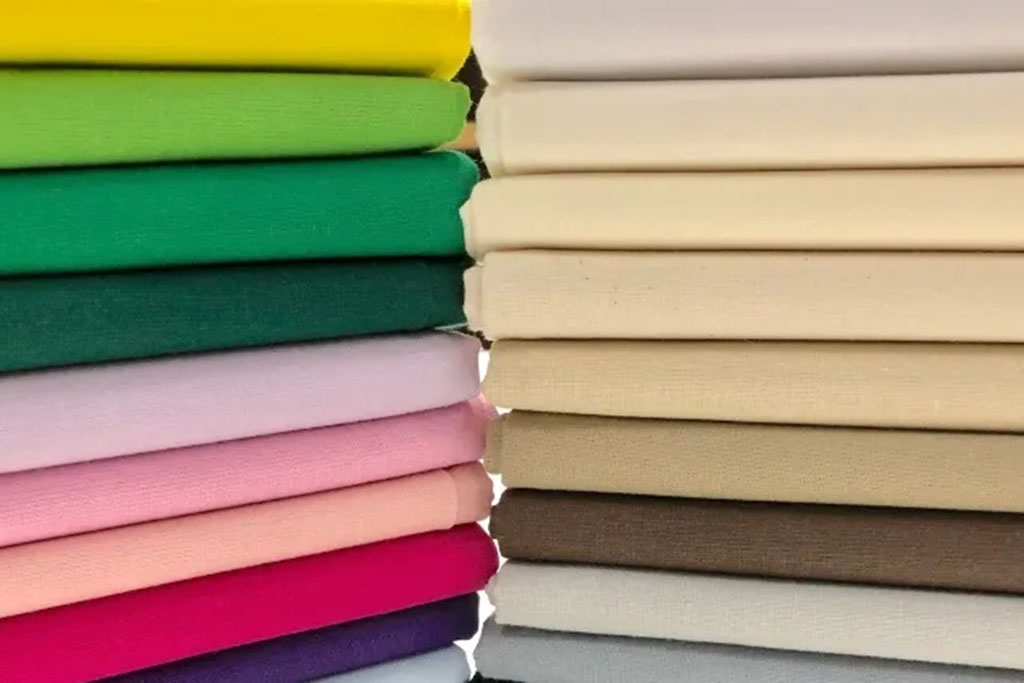
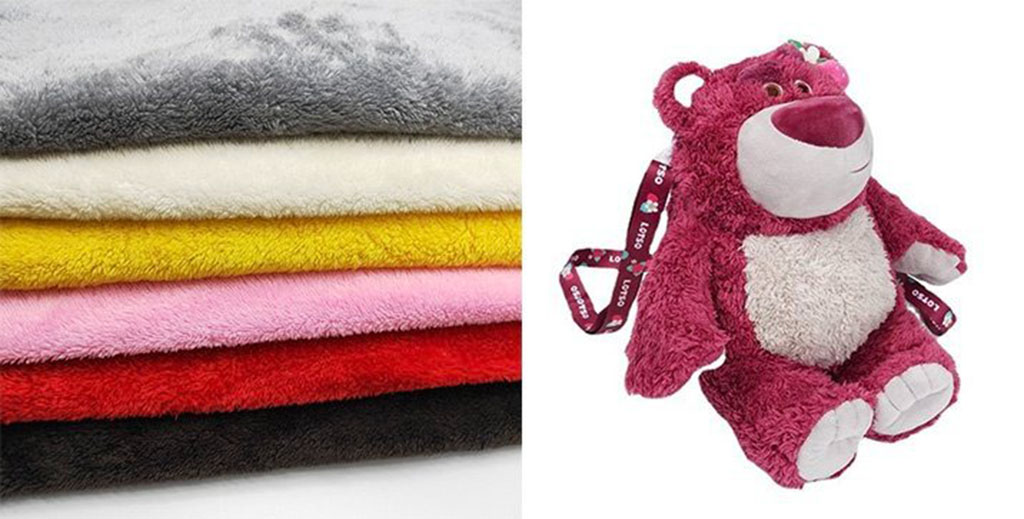
Budget plush relies on stable, widely available synthetics that cut cleanly, sew fast, and pass toy tests with minimal rework. The classics are short plush/velboa for faces and small parts, basic minky (lower GSM) for bodies, and microfleece where a flat, lightweight hand is desired. Trims are kept simple—embroidery for facial features instead of hard eyes—to save assembly time and reduce test risk. Patterns favor broad curves and low panel counts to maximize cutting efficiency and speed on the line.
Table 1 — Common budget-friendly materials (factory perspective)
| Component | Typical Material | Reference Spec (guide) | Why It’s Chosen | Cost Notes |
|---|---|---|---|---|
| Face/skin | Velboa / short plush | 1.5–2.0 mm pile; 200–240 gsm; tight backing | Crisp embroidery, low lint | Low cost, high yield |
| Body | Basic minky | 2.5–3.5 mm pile; 220–280 gsm | Soft enough for e-commerce photos | Cheaper than premium minky |
| Lightweight body alt. | Microfleece | 180–220 gsm | Easy sewing, matte look | Good for warm markets |
| Inner smoothing | Polyester batting | 40–80 gsm sheet | Hides fill texture under face | Minimal add-on cost |
| Labels | Woven/poly satin | — | Clear care icons, tracking | Bulk pricing |
| Thread | Polyester thread | Tex 18–27 | Strength + colorfast | Standardized across SKUs |
How do fabric choices reduce cost without sacrificing appearance?
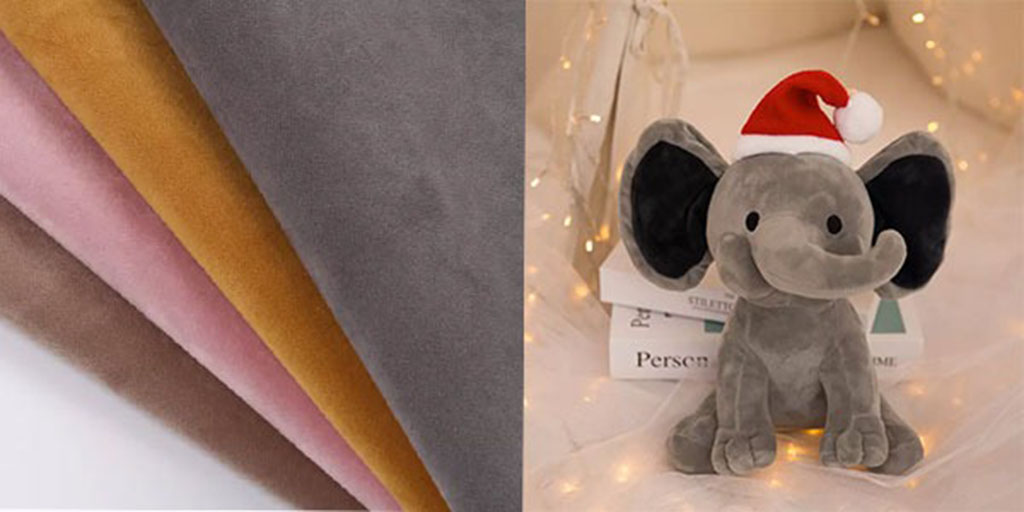
The goal is “looks premium, costs sensible.” We do this by placing materials where they matter most visually. Faces use short plush for clean embroidery and sharp photos; bodies use basic minky to create that soft, cozy look on camera. We keep pile heights moderate so cutting is fast and seams are not bulky. Colors are planned as limited palettes to raise dyeing efficiency and reduce shade-matching waste. We also design with nap direction marked on markers so visual consistency stays high even with economy fabrics.
Table 2 — Cost-down fabric tactics that keep a premium look
| Tactic | What We Do | Visual Benefit | Cost Effect |
|---|---|---|---|
| Upgrade the face, economize the body | Velboa face + basic minky body | Crisp expression + soft silhouette | Uses premium only where needed |
| Moderate pile heights | 2.5–3.5 mm body; 1.5–2.0 mm face | Smooth seams; fewer defects | Faster cutting/sewing |
| Limited color set | 3–5 core colors reused | Consistent shade in photos | Lower dye/stock complexity |
| Matte vs. gloss control | Matte faces, soft body nap | Camera-friendly, no glare | Avoids expensive special finishes |
| Fabric yield optimization | Broad curves, fewer panels | Clean, friendly shapes | Higher yield per roll |
Which fillings minimize expense yet maintain basic softness?
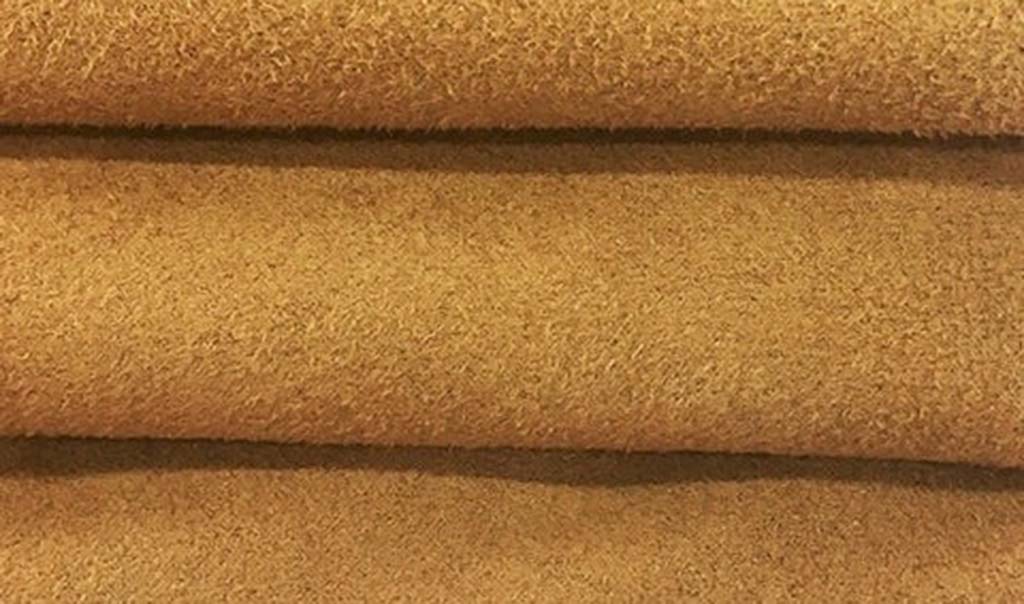
The most cost-effective fill is standard polyester fiberfill (PP cotton) from a reliable mill. It offers springy loft, low odor, and repeatable density when operators follow a simple density map (grams per zone). For very lean budgets, we still avoid “scrap blends” or reclaimed foams that can smell, shed dust, or harden. A thin batting layer under the face makes even low-cost fill look smooth in photos. For posture, a tiny pearl-cotton pouch low in the belly (optional) helps sit stability without adding expensive beads.
Table 3 — Budget filling options and how they feel over time
| Filling | Feel (Day 1) | Shape Over Time | Best Use | Notes |
|---|---|---|---|---|
| Standard PP fiberfill | Springy, light | Good if layered | Most budget plush | Cheapest safe default |
| Premium PP fiberfill | Smoother hand | Very good | Mid-tier SKUs | Higher cost; selective use |
| Microfiber fill | Silky-soft | Excellent | Hero SKUs only | Not typical for lowest cost |
| Pearl-cotton mini core | Subtle structure | Stable | Sit-stable belly | Use small sewn pouch |
| Recycled rPET fill | Similar to PP | Good (grade-dependent) | Eco budget ranges | Validate odor/rebound |
| Loose beads/pellets | Weighted feel | Stable if sealed | Not budget default | Needs sealed liner + tests |
How do safety standards constrain budget material selection?
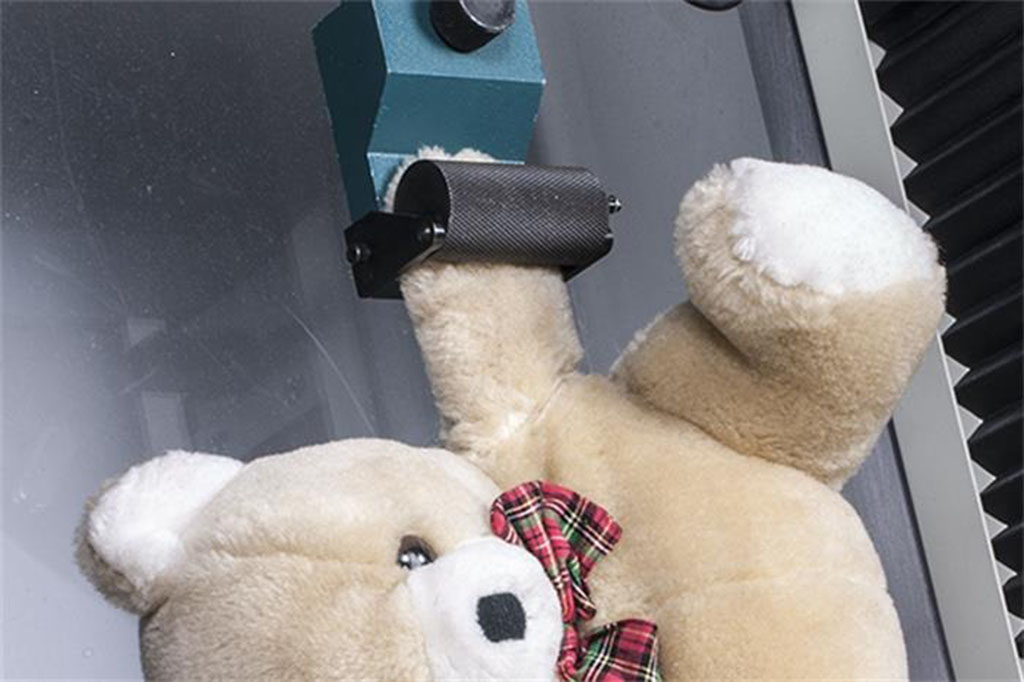
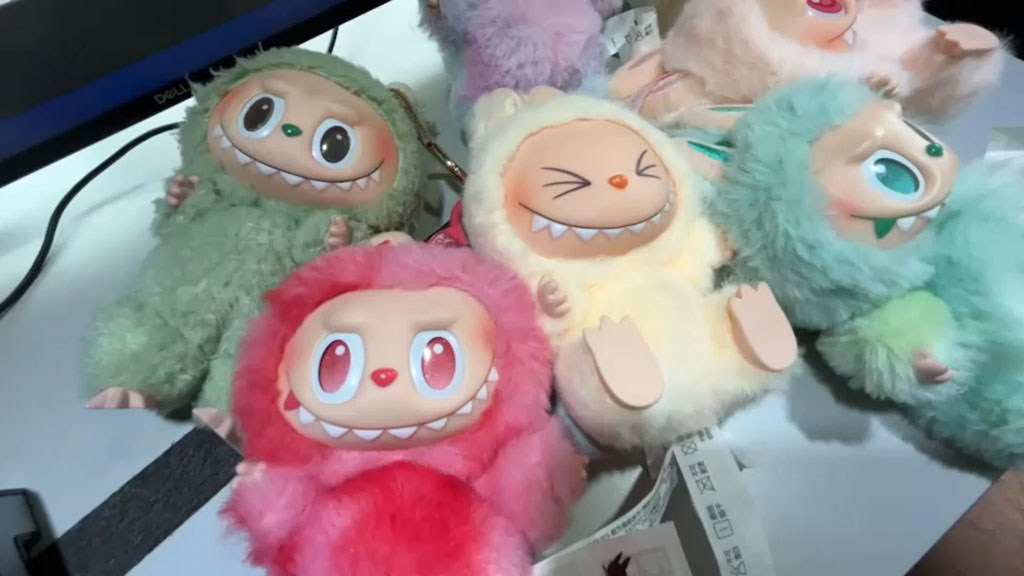
Low price never removes the need to meet EN 71 / ASTM F963 / CPSIA requirements (plus local rules). Budget programs still require mechanical/physical tests (seam strength, small parts), flammability checks on the full toy, and chemical limits on dyes/finishes. To stay compliant without cost spikes, we use embroidered features, avoid complex hard trims, and validate the wash label on real units (bag-wash at 30 °C, air-dry) before we print icons. Weighted or bead options are generally avoided at rock-bottom price points because they require sealed, segmented liners and extra testing.
Table 4 — Safety-first choices that also control cost
| Risk Area | Budget-Safe Choice | Why It Helps | Cost Impact |
|---|---|---|---|
| Small parts | Embroidered eyes/nose | No hard parts = fewer failure modes | Saves trims + testing |
| Seam failure | Wider allowance at curves (0.5–0.7 cm) | Stronger seams with same thread | Minimal cost add |
| Chemical limits | Approved dyestuffs; low-VOC finishes | Reduces retest risk | Vendor consolidation saves costs |
| Flammability | Composite test (fabric + fill) | Confirms real build, not swatches | Avoids late rework |
| Care label truth | Validate wash method | Honest icons prevent claims | Prevents returns |
What durability trade-offs arise with economy fabrics and stitching?
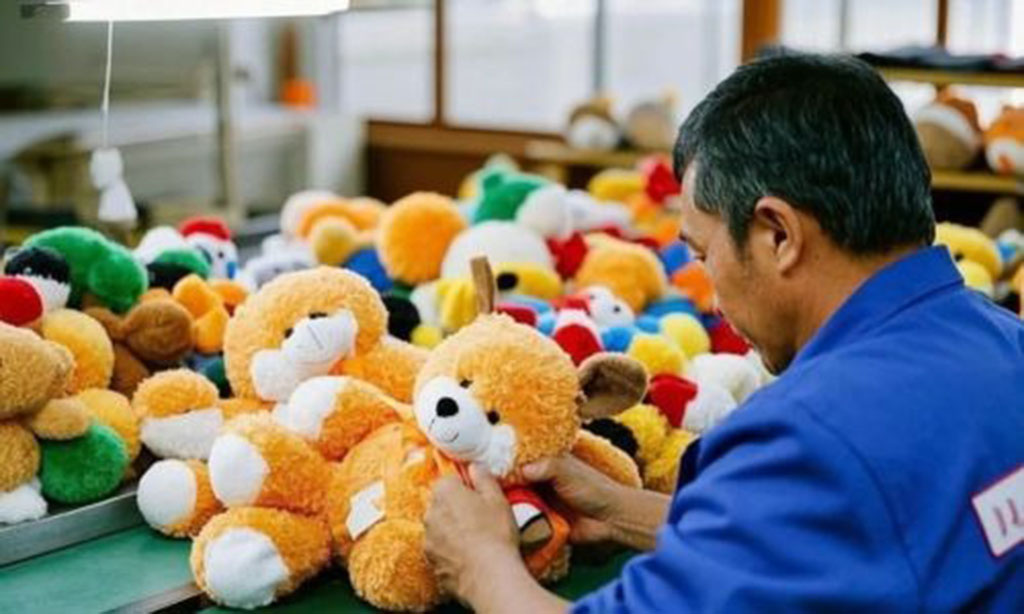
Economy inputs can flatten sooner, pill sooner, or show nap direction more strongly if care is rough. Lower-GSM minky may lose volume faster under heavy hugging or frequent washing. Tight curves sewn with minimal allowance may strain and pop. The fix is not expensive parts—it’s smart engineering: broad curves, stitch length control, reinforcement at stress arcs (neck/hips), and a density map that avoids hard lumps. Expect an honest level of durability: budget plush is aimed at light to moderate use, not extreme laundering.
Table 5 — Expected trade-offs and engineering mitigations
| Potential Issue | Why It Happens | Mitigation in Design | What to Tell Buyers |
|---|---|---|---|
| Nap flattening | Lower GSM, frequent wash | Gentle bag-wash + air-dry; light brushing | Include simple care card |
| Early pilling | Economy finishes | Choose anti-pill grades where possible | Set realistic expectations |
| Seam stress | Tight curves, small allowance | 0.5–0.7 cm on curves; stitch length 2.5–3.0 mm | Not for rough tugging |
| Shape slump | Sparse fill or no belly weight | Density map; slightly heavier base | “Sits well when placed” |
| Color shade drift | Multi-mill sourcing | Daylight shade checks, fewer colors | Keep palette tight |
How can buyers verify compliance and avoid substandard materials?
Ask for simple, non-negotiable proofs: (1) recent EN 71/ASTM/CPSIA reports for similar builds and current colors, (2) material COAs for fabric and fill, (3) a wash-validation photo set proving the label claim, and (4) a visual QC board with golden-sample angles (front/side/45°/top). During sampling, run a sit test, a quick seam pull check by hand, and a lint swipe on the darkest color. Finally, ensure CPSIA tracking labels are present so lots can be traced.
Table 6 — Buyer checklist to keep budget plush compliant
| Checkpoint | What to Request | Pass Signal | Red Flag |
|---|---|---|---|
| Safety reports | EN71/ASTM/CPSIA on similar build | Current, 3rd-party, matches materials | Old or mismatched reports |
| Material COAs | Fabric, thread, fill | Lot-linked documents | Generic, no lot ID |
| Wash validation | Photo before/after + method | Face stays smooth, color stable | Warping, bleed, matting |
| Visual QC board | 4-angle photos + tolerances | Symmetry close to golden | Big face/ear asymmetry |
| Tracking label | Factory/date/lot on tag | Clear, scannable | Missing or generic |
| Sample handling | Sit test, seam tug, lint swipe | Sits steady; seams hold; low lint | Slump, popped stitches, fuzz clouds |
Conclusion
Cheap plushies don’t have to feel cheap. With short plush faces, basic minky bodies, honest PP fiberfill, and smart engineering, you can deliver low-cost toys that look soft, sit well, and pass tests. The difference between a risky bargain and a reliable value line is documentation, density control, and simple, repeatable construction.
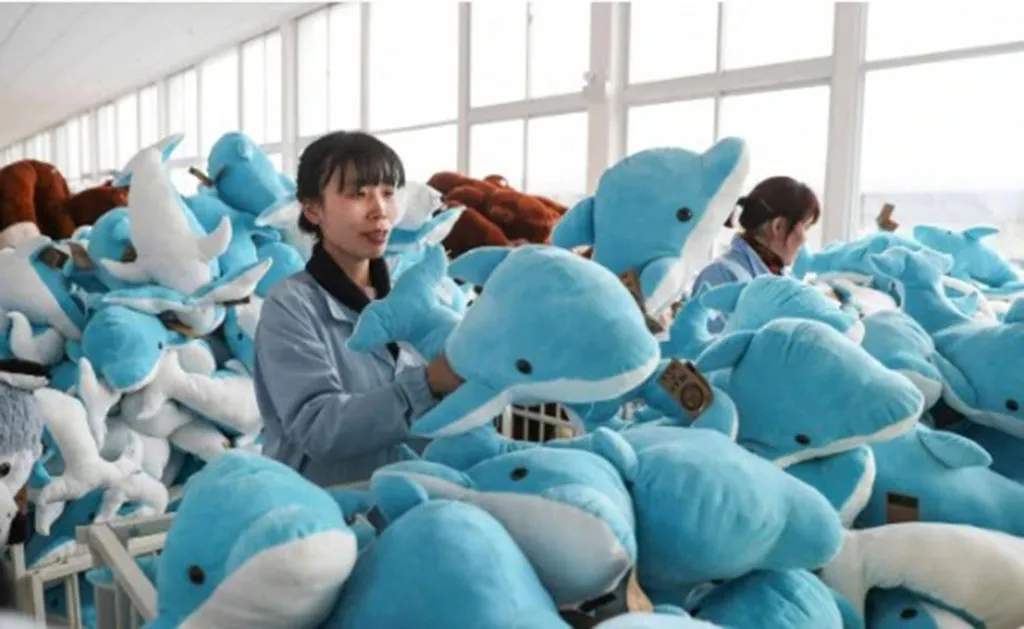
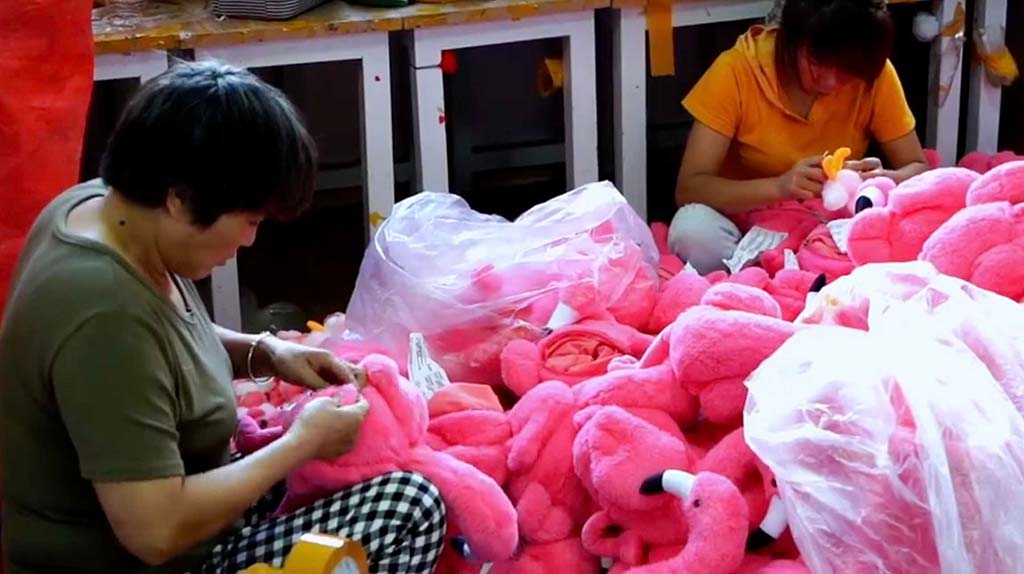
At Kinwin, we build value ranges that protect margin and reputation—tested fabrics, clean embroidery, disciplined filling, and complete compliance packs. If you need budget plush that still looks premium on camera and ships trouble-free, let’s plan your fabric map and density spec together.
Contact: [email protected] | kinwintoys.com