Skip to content
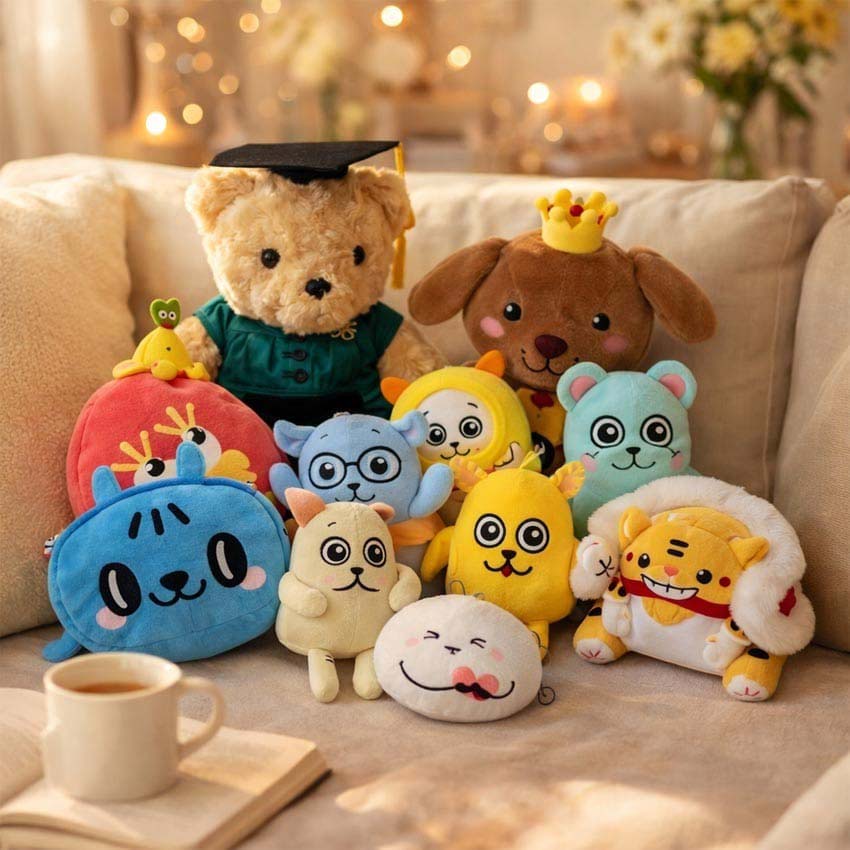
Stuffed toys are among the most versatile products in the global toy industry. They are not only companions for children but also gifts, décor items, collectibles, and branding tools. As markets expand and customer expectations evolve, different types of stuffed toys serve unique purposes across retail, education, and corporate campaigns.
At Kinwin, I help buyers from retail chains, e-commerce platforms, and promotional companies design plush toys that meet safety standards and market demand. This guide explores the main categories of stuffed toys and the trends shaping their production.
What defines classic stuffed animals in the global toy market?
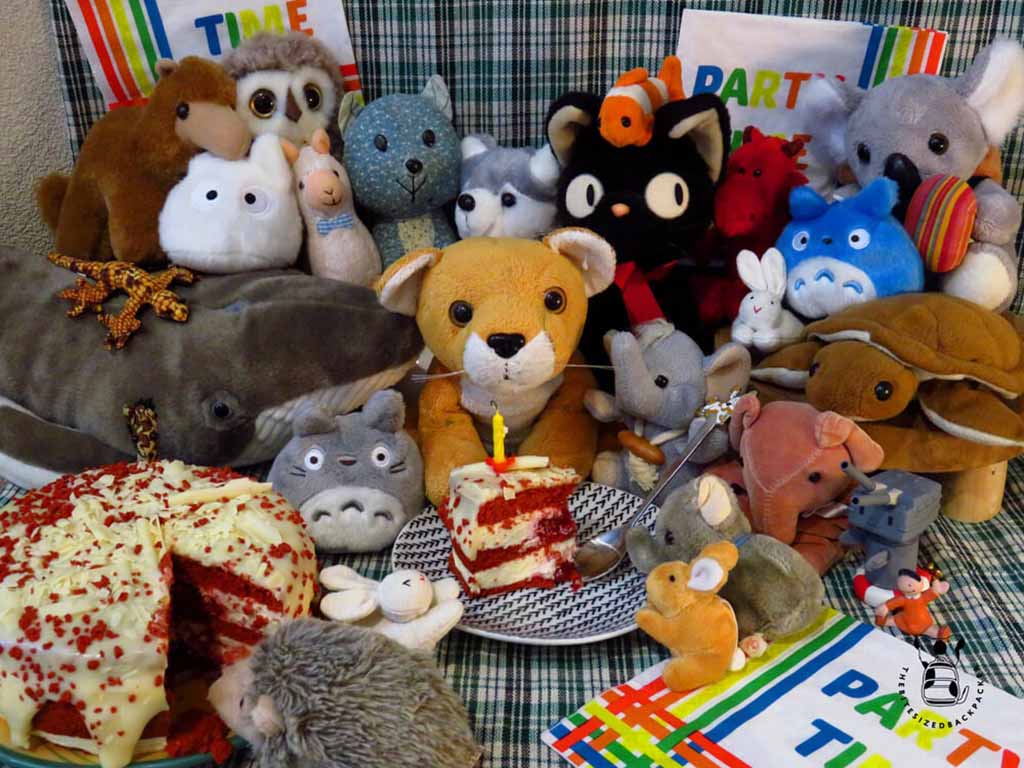
Classic stuffed animals are timeless. They include bears, dogs, cats, rabbits, and other familiar animals. These toys are valued for their simplicity, universal appeal, and ability to provide comfort.
Most classic stuffed animals feature soft polyester fabric, fiberfill stuffing, embroidered or plastic eyes, and huggable designs. Their strength lies in versatility—they fit into toy shops, gift stores, supermarkets, and even promotional campaigns.
| Feature | Common Standard |
|---|---|
| Size | 15–30 cm |
| Fabric | Plush fleece, minky |
| Filling | Polyester fiberfill |
| Audience | Children, gift buyers |
Classic stuffed animals remain bestsellers worldwide. Retailers appreciate their steady sales cycle, while manufacturers like us can easily customize them with color variations, seasonal outfits, or branding add-ons.
How do character and licensed plush toys shape consumer demand?
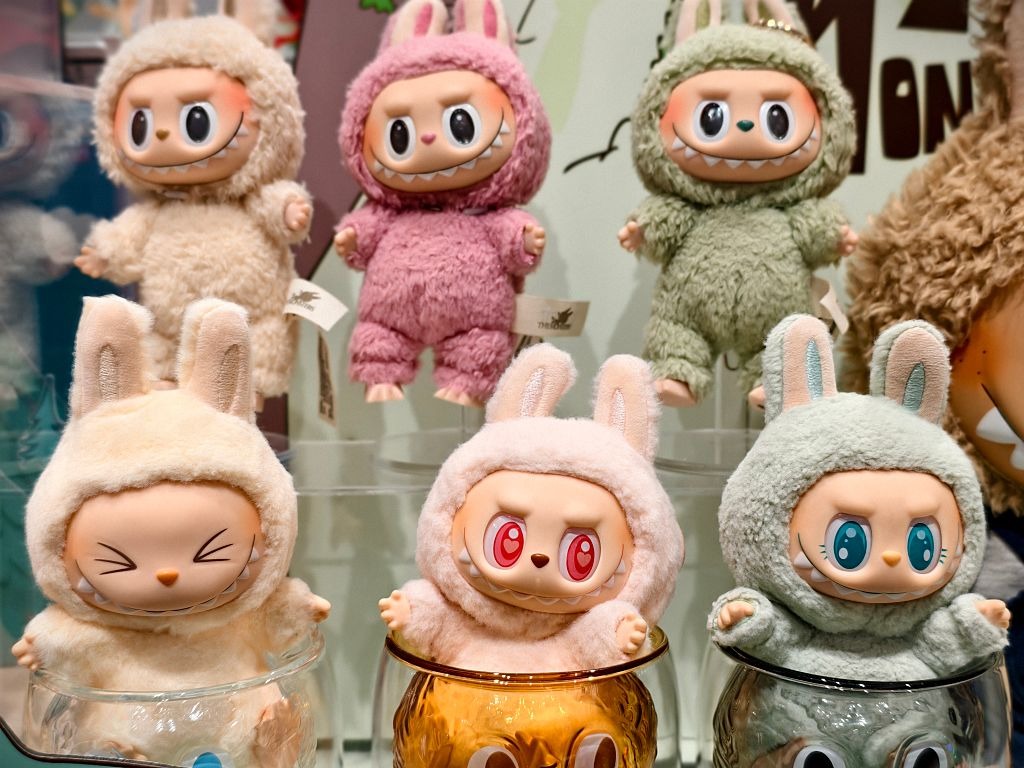
Licensed plush toys are tied to popular characters from cartoons, movies, video games, and TV shows. Think Pokémon, Disney characters, or Marvel heroes. These toys often dominate retail spaces because they capitalize on brand recognition and fan loyalty.
Licensing requires agreements between toy manufacturers and IP holders. While they come with royalties, licensed plush toys usually sell at higher prices and achieve strong market penetration.
| Factor | Impact |
|---|---|
| Character recognition | Higher demand |
| Licensing costs | Increased retail price |
| Global trend | Strong in U.S., Japan, Europe |
For example, in Japan, anime-inspired plush toys lead the market. In the U.S., movie-based plush like Minions or Frozen characters generate seasonal sales spikes. At Kinwin, we often help buyers develop OEM alternatives—original characters that mimic the appeal of licensed toys without high royalty fees.
Which features distinguish educational and developmental stuffed toys?
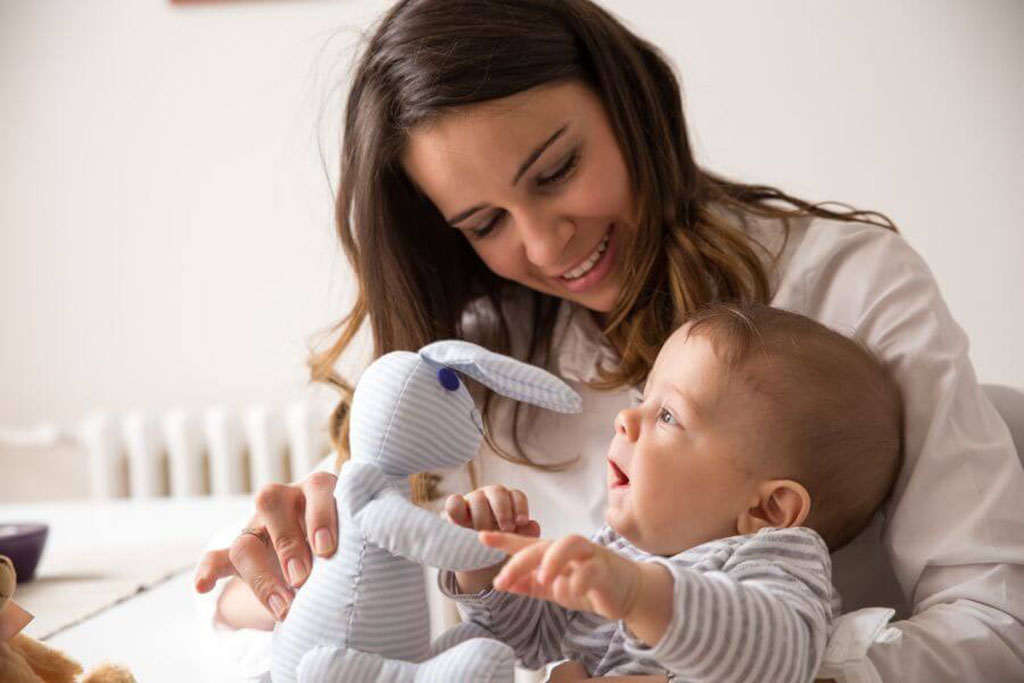
Educational plush toys go beyond cuddling. They are designed to stimulate learning, sensory development, and emotional skills.
Examples include:
- Alphabet or number plush toys (teaching early literacy).
- Interactive plush with sound chips (teaching words or songs).
- Sensory plush with textured fabrics, crinkle paper, or beads (for tactile learning).
| Type | Learning Benefit |
|---|---|
| Alphabet plush | Language learning |
| Number plush | Math basics |
| Sensory plush | Tactile development |
| Interactive plush | Cognitive skills |
These toys are especially popular among parents seeking early-learning solutions and schools using plush for classroom activities. Safety is critical: seams must be reinforced, and fabrics must pass CE/ASTM standards.
What role do oversized and pillow-style plush toys play in home décor and gifting?
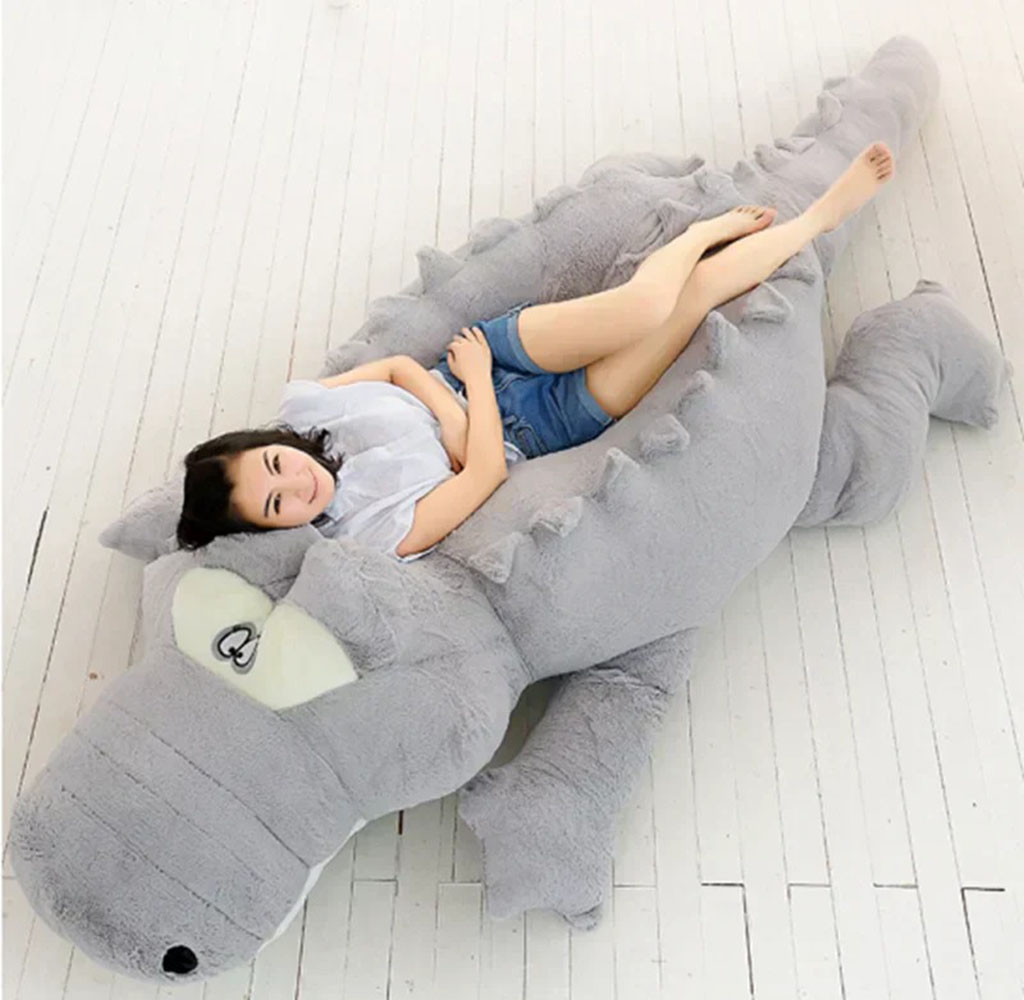
Oversized stuffed toys (60–150 cm) and pillow-style plush are not just toys—they double as decorative items and comfort accessories. Teenagers and young adults increasingly buy them as gifts or room décor.
They serve multiple functions:
- Home décor: placed on sofas, beds, or playrooms.
- Gifting: used for Valentine’s Day, anniversaries, or baby showers.
- Comfort: act as cushions for reading, lounging, or stress relief.
| Product Type | Market Use |
|---|---|
| Oversized bear (100 cm+) | Gift, décor |
| Plush pillow | Bed cushion |
| Long body pillow plush | Sleeping support |
Because of their large size, durability and proper filling distribution are essential. At Kinwin, we reinforce stitching and use polyester fiberfill with anti-clumping treatment to maintain shape even after prolonged use.
How are collectible mini plush and keychain toys used in retail and promotions?
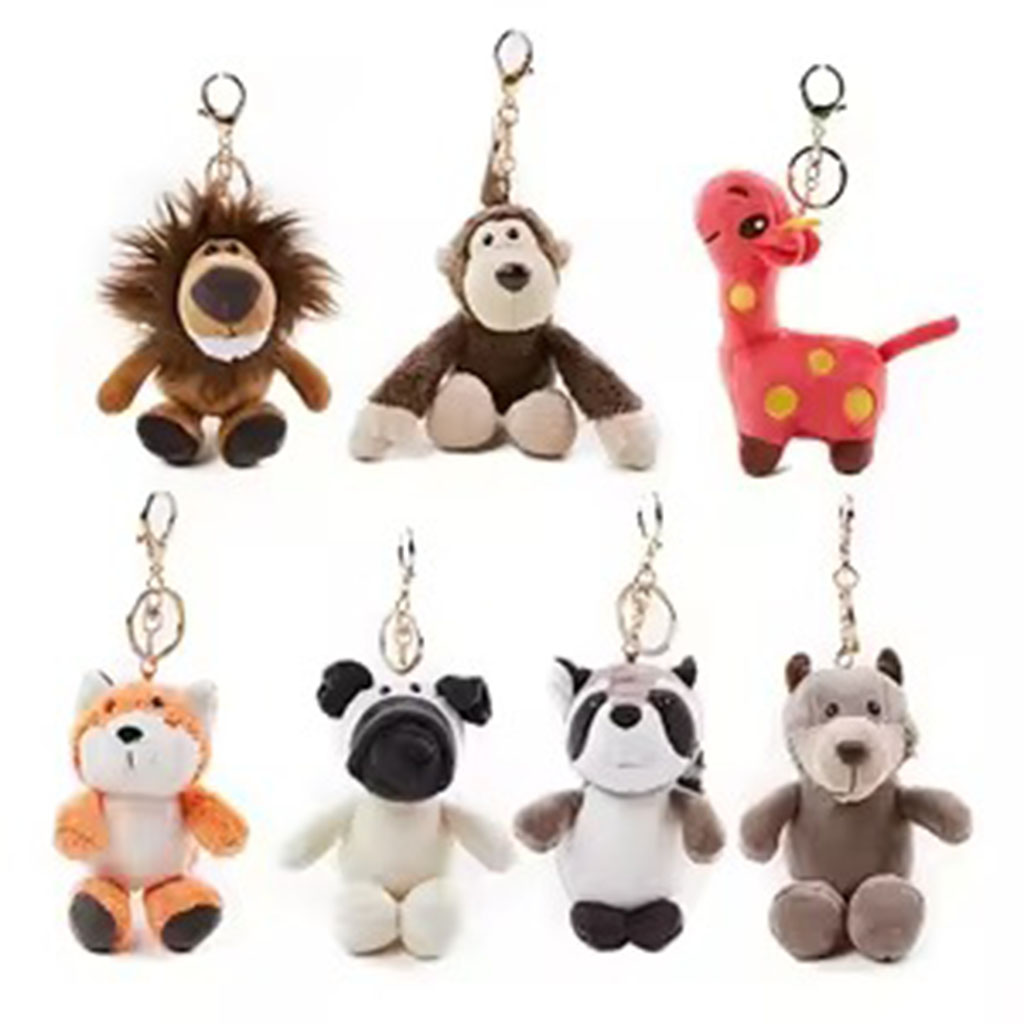
Mini plush (≤10 cm) and keychain toys are compact, affordable, and often sold in sets. They are perfect for retail add-ons, blind boxes, and promotional giveaways.
Retailers love mini plush because customers tend to buy multiple units at once, creating repeat purchases. Brands use them as freebies for campaigns or mascots attached to bags.
| Size | Common Use |
|---|---|
| 5–8 cm | Keychains |
| 8–10 cm | Blind box collectibles |
| 10–12 cm | Promotional giveaways |
In markets like Japan and Korea, capsule machines (gashapon) thrive on mini plush sales. In the West, e-commerce platforms like Amazon bundle mini plush as gift packs. At Kinwin, we design compact plush with embroidered features to ensure safety and durability despite their size.
What trends are driving eco-friendly and sustainable stuffed toy production?
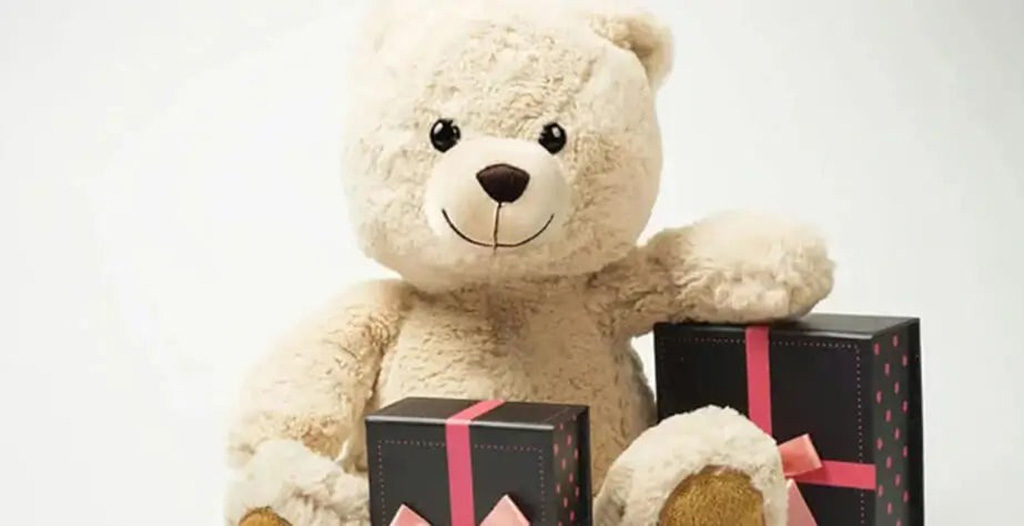
Sustainability is now a key driver in the toy industry. Buyers in Europe and North America increasingly demand plush toys made with eco-friendly materials and packaged in recyclable cartons.
Eco-friendly options include:
- Organic cotton fabrics free of harmful dyes.
- Recycled polyester (rPET) stuffing from bottles.
- Plant-based or biodegradable packaging films.
| Material | Eco Advantage |
|---|---|
| Organic cotton | Natural, chemical-free |
| Recycled polyester | Reduces plastic waste |
| Biodegradable film | Sustainable packaging |
Eco plush toys align with consumer values and allow brands to position themselves as responsible. At Kinwin, we already provide eco-certified plush lines to help buyers enter green markets.
How do custom-branded stuffed toys support marketing and corporate campaigns?
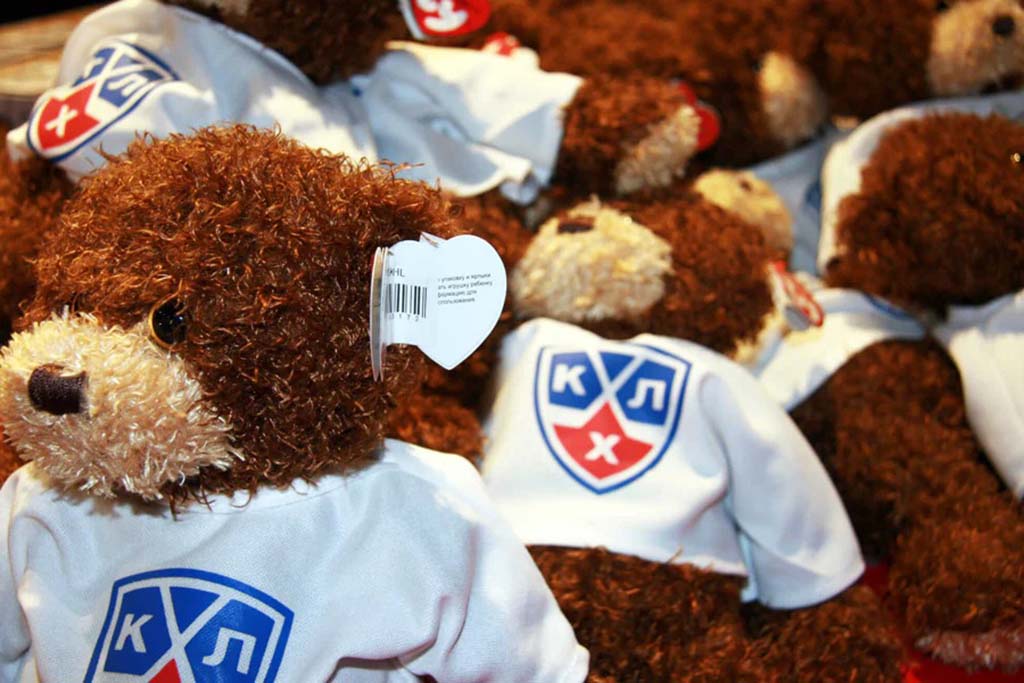
Stuffed toys are powerful marketing tools. Companies order plush mascots, logo-embroidered toys, or themed designs for events, giveaways, and corporate campaigns.
Benefits include:
- Emotional branding: Plush creates lasting attachment to the brand.
- Visibility: Logos and slogans stay in customers’ homes.
- Event promotion: Plush mascots boost awareness during campaigns.
| Branding Option | Example |
|---|---|
| Logo embroidery | Company logo on plush ear |
| Mascot design | Brand character plush |
| Seasonal design | Holiday corporate gift plush |
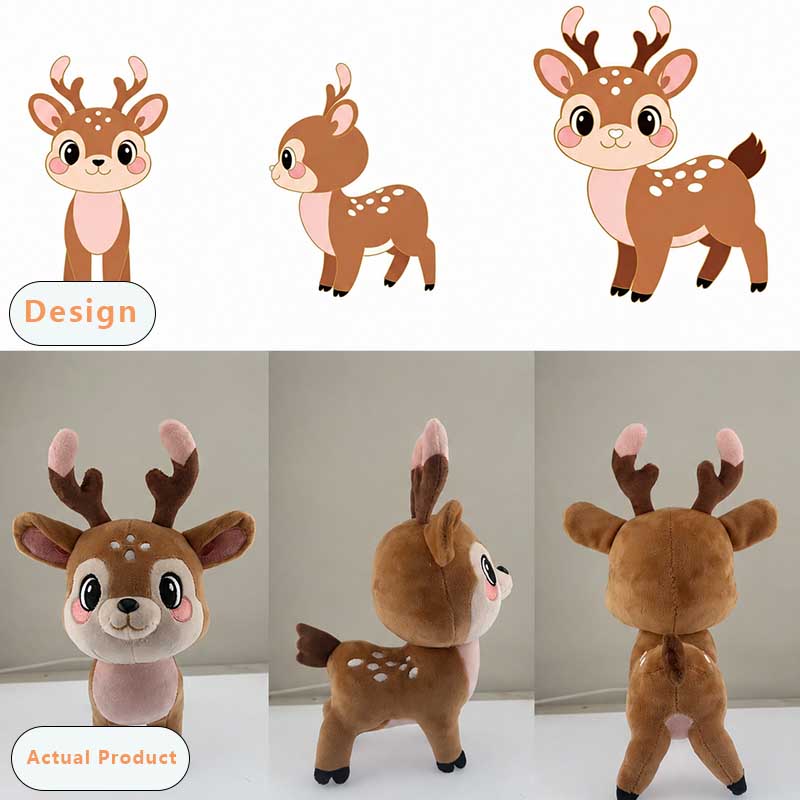
At Kinwin, we provide OEM/ODM customization, from concept design and prototyping to bulk manufacturing. This helps companies strengthen their campaigns with high-quality branded plush that customers actually keep and use.
Conclusion
Stuffed toys come in many forms—from timeless classics to eco-friendly innovations. Each type serves unique functions, whether for children, décor, education, or branding. At Kinwin, we help global buyers develop customized plush toys that are safe, creative, and market-ready, ensuring long-term business success.
Contact us at [email protected] or visit kinwintoys.com to discuss your next plush toy project.