Skip to content
Choosing a reliable plush toy manufacturer is far more than just finding a factory that can sew and stuff toys. For global brands, the ideal partner ensures quality, consistency, compliance, scalability, and long-term collaboration. Trust in manufacturing translates directly to brand reputation, customer satisfaction, and supply chain stability, while mitigating risks associated with delayed production, quality issues, and regulatory non-compliance.
In this guide, we’ll explore the essential criteria that define a trusted plush toy partner—from core capabilities and certifications to production capacity, communication, material sourcing, and post-production support—and provide actionable insights for global buyers seeking a dependable manufacturing partner.
What Core Capabilities Define a Reliable Plush Toy Manufacturer?
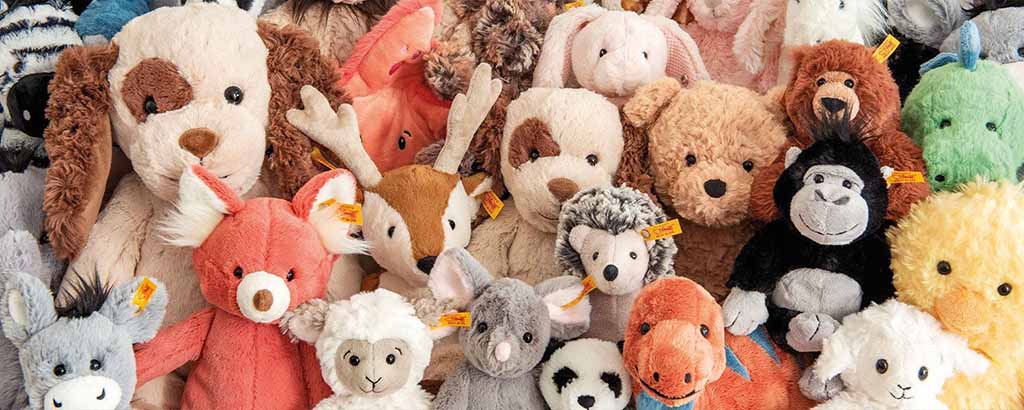
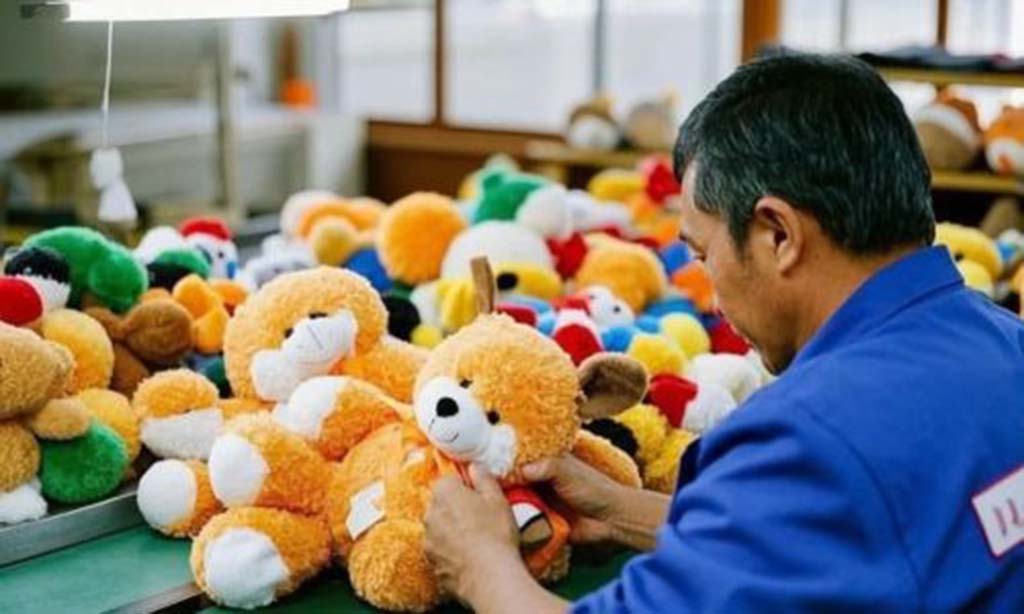
A reliable plush toy factory demonstrates proficiency across multiple dimensions: design interpretation, pattern making, material handling, assembly, and finishing. The ability to handle complex or customized designs while maintaining consistent quality is a key indicator of expertise.
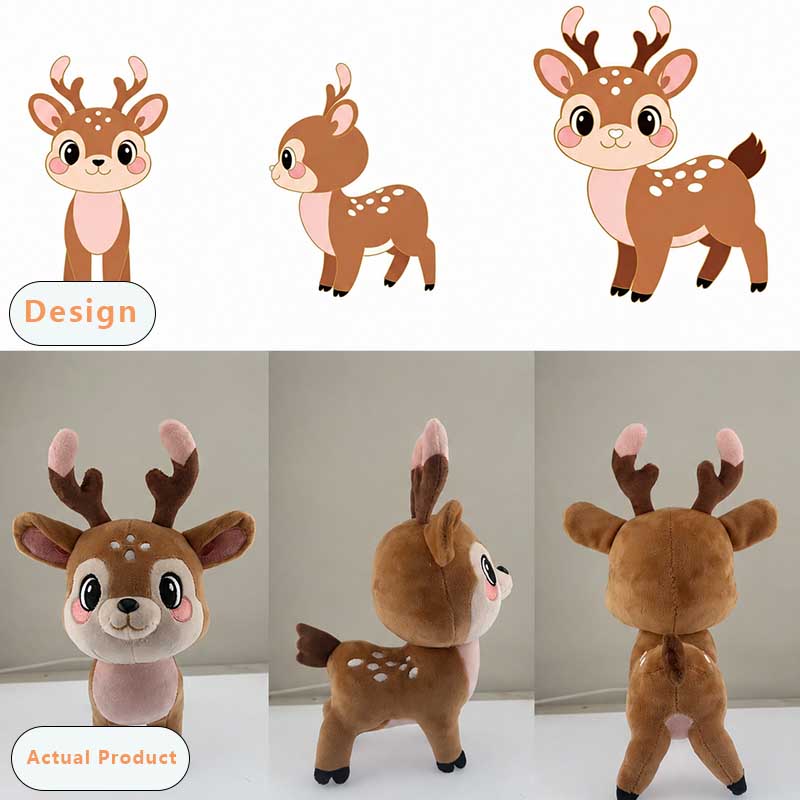
A trusted manufacturer has not only skilled workers but also robust internal processes to manage design intricacies. Pattern making is central: translating 2D sketches or 3D CAD models into accurate fabric templates requires precision, experience, and an understanding of how materials behave after sewing and stuffing. Factories that excel at prototype development can predict potential production challenges before mass manufacturing, reducing errors and ensuring a smoother scaling process.
Other capabilities include advanced material handling, from selecting the correct plush fabrics to managing specialized fillings. This directly affects softness, durability, weight, and overall toy appeal. Sewing and embroidery techniques, both machine-based and hand-stitched, are crucial for achieving a professional finish while maintaining structural integrity. Finally, familiarity with international compliance standards ensures that every batch meets market-specific regulations for safety, chemical content, and labeling.
| Core Capability | Function | Buyer Benefit |
|---|---|---|
| Pattern Making | Convert design into fabric template | Accuracy in prototypes and bulk production |
| Material Handling | Select and manage fabrics/fillings | Consistent tactile feel and safety compliance |
| Sewing & Embroidery | Machine & hand techniques | Durability, aesthetics, and premium finish |
| Compliance Knowledge | Adhere to ASTM/EN71/CPSIA | Market access without delays |
| Full-Service Production | From sample to bulk | Streamlined supply chain and scalability |
How Do Quality Certifications and Compliance Influence Brand Trust?
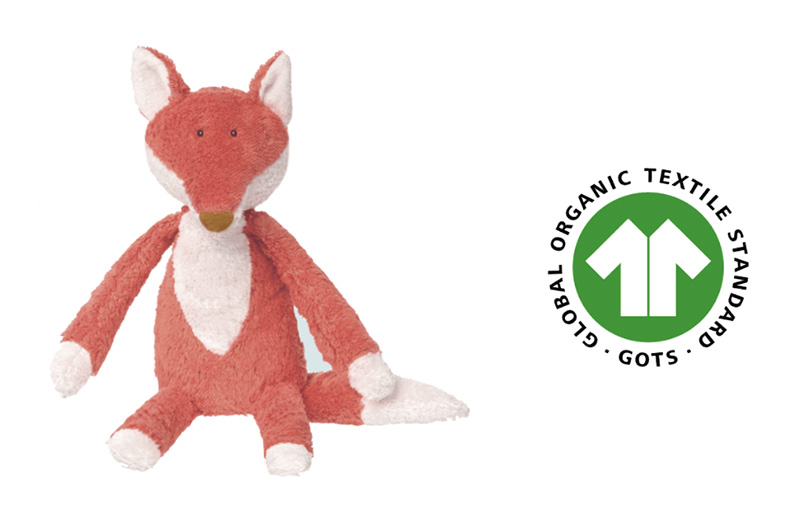
Certifications are more than mere paperwork; they are tangible proof of a factory’s adherence to safety, quality, and international standards. For global brands, these certifications minimize the risk of recalls, regulatory fines, or reputational damage, which could otherwise impact consumer trust and sales.
When assessing a factory, it’s essential to evaluate not only whether they possess certifications but also the scope, validity, and implementation of those certifications. For example, EN71 covers European safety requirements, ASTM F963 applies to the U.S., and CPSIA addresses chemical content and labeling. Valid, up-to-date documentation ensures that the supplier consistently follows regulatory requirements, and internal audits demonstrate ongoing commitment to quality.
Furthermore, a certified factory typically integrates testing into every production stage—from raw materials inspection to finished goods sampling. This proactive approach ensures that safety, durability, and compliance are built into the production process, rather than checked post-production. Brands partnering with such suppliers gain confidence that products entering the market will meet legal and ethical standards, strengthening brand credibility and consumer trust.
| Certification | Region / Standard | Purpose |
|---|---|---|
| CE | Europe | Safety & consumer protection |
| ASTM F963 | USA | Toy safety compliance |
| EN71 | Europe | Mechanical, chemical, and flammability testing |
| ISO 9001 | Global | Quality management systems |
| CPSIA | USA | Lead content, phthalates, labeling compliance |
What Role Does Customization Flexibility Play in B2B Partnerships?
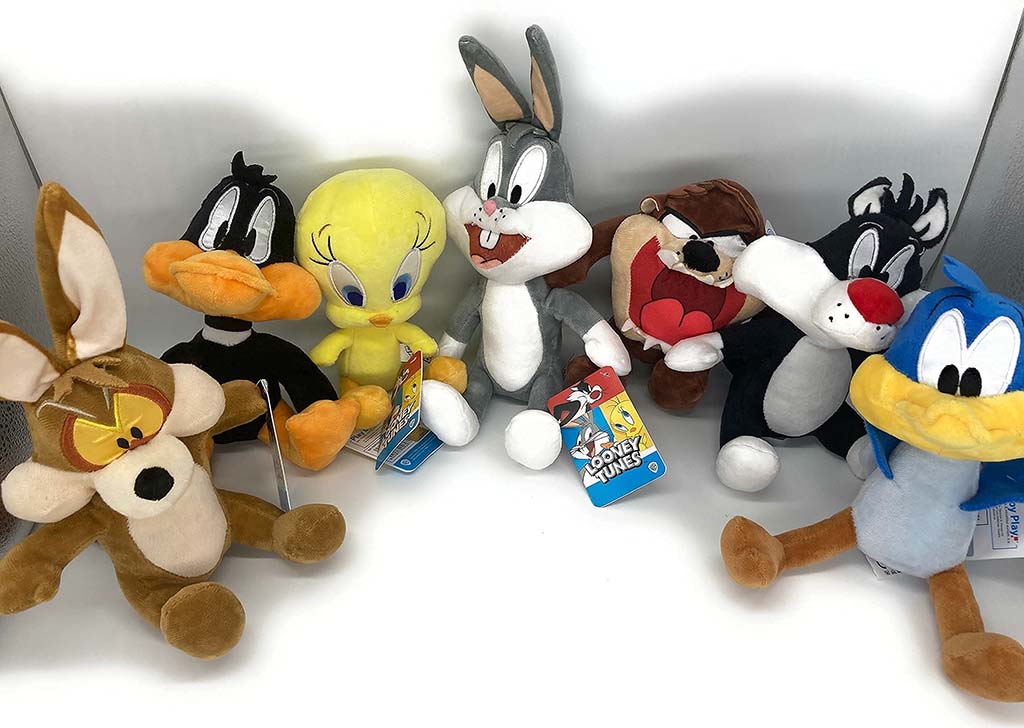
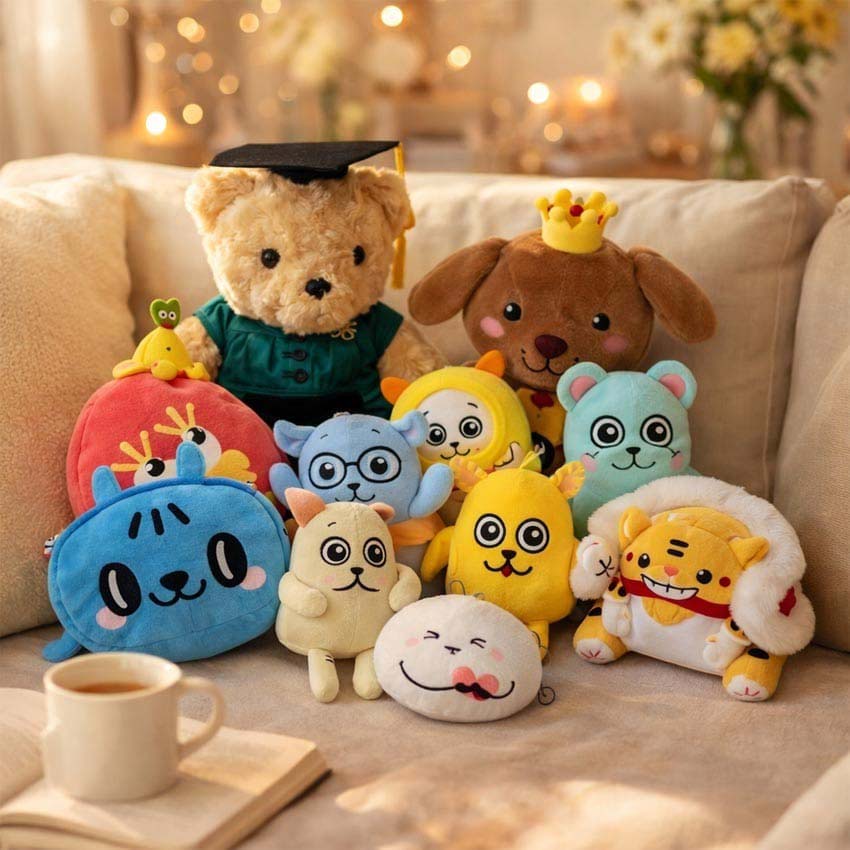
Customization flexibility is a hallmark of a trusted B2B plush toy manufacturer. Global brands often require unique designs, seasonal editions, or co-branded items, and the ability to accommodate these requests without compromising quality or lead times differentiates top-tier partners from ordinary factories.
A flexible factory can manage multiple sample iterations efficiently, adjust patterns, fabric choices, or embroidery details, and integrate specialty components like music modules, lights, or interactive elements. Moreover, they can handle a variety of packaging options, from custom hangtags and branded boxes to limited-edition gift sets, ensuring the final product aligns with the brand’s market positioning.
Brands benefit from this flexibility in several ways: faster response to market trends, smoother execution of promotional campaigns, and the ability to test different SKUs without risking production delays. A manufacturer that demonstrates agility in customization fosters a sense of partnership rather than a simple vendor relationship.
| Customization Area | Capability | Example |
|---|---|---|
| Design Iterations | Rapid prototyping | Multiple sample rounds per SKU |
| Specialty Components | Integrated features | LED lights, music boxes, sensors |
| Branding | Custom labels & packaging | Embroidery, gift boxes, hangtags |
| Color & Fabric | Pantone matching | Consistency across all batches |
How Can Production Capacity and Lead Times Affect Global Supply Chains?
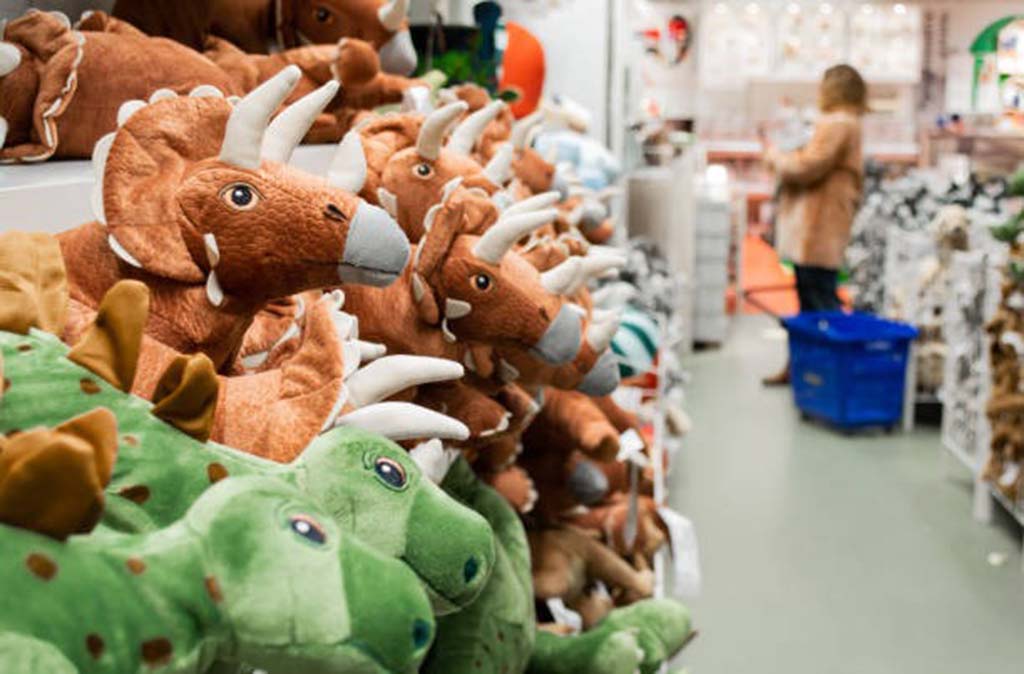
Reliable production capacity ensures that large orders or urgent restocks can be fulfilled without delays. Lead times are crucial for global inventory planning, seasonal launches, and marketing campaigns.
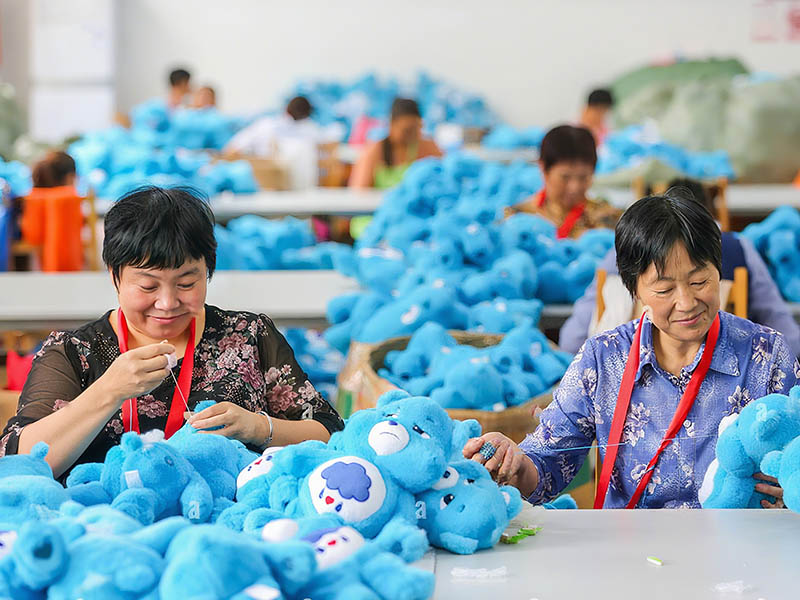
Factors influencing production reliability include the number of production lines, the experience of the workforce, and the factory’s internal management systems. More production lines allow for simultaneous processing of multiple orders, minimizing bottlenecks. A skilled workforce maintains stitching quality, proportion accuracy, and adherence to safety standards, even during high-volume production. Efficient factory management systems track material flow, progress, and deadlines to ensure that the production schedule is realistic and achievable.
Transparent communication of production capacity and expected lead times helps brands align marketing, logistics, and inventory management, reducing the risk of stockouts or delayed product launches. For example, factories with accurate capacity data can advise whether a rush order of 5,000 units is feasible within 4 weeks, or whether additional shifts or lines are required.
| Production Metric | Typical Range | Impact on Supply Chain |
|---|---|---|
| Sample Turnaround | 10–15 days | Early identification of design or quality issues |
| Bulk Order Lead Time | 30–60 days | Ensures on-time inventory replenishment |
| Maximum Daily Output | 500–2000 units | Ability to meet seasonal demand peaks |
| Workforce Experience | 3–10 years avg | Maintains consistent quality |
What Communication and Project Management Practices Build Long-Term Trust?

Effective communication bridges time zones, languages, and cultural differences, and is critical to maintaining quality, timing, and partnership alignment. A factory’s project management approach determines how smoothly sample approvals, design changes, and bulk production proceed.
Best practices include assigning dedicated project managers to act as a single point of contact for the brand, scheduling weekly progress updates, maintaining version control on tech packs and sample revisions, and using digital collaboration tools like Google Drive, Slack, or Trello. Clear documentation of each revision, decision authority, and deadlines reduces misunderstandings, prevents repeated errors, and fosters accountability.
Strong communication practices are not just operational—they signal to global brands that the factory is professional, transparent, and invested in long-term collaboration, which strengthens trust and partnership continuity.
| Practice | Implementation | Benefit |
|---|---|---|
| Dedicated PM | Single contact for buyer | Faster problem resolution and accountability |
| Weekly Reports | Annotated photos, progress summaries | Keeps project on track |
| Version Control | Track sample revisions | Prevents confusion between iterations |
| Digital Collaboration | Google Drive, Slack, Trello | Centralized access to files and updates |
How Do Material Sourcing and Sustainability Policies Impact Brand Reputation?
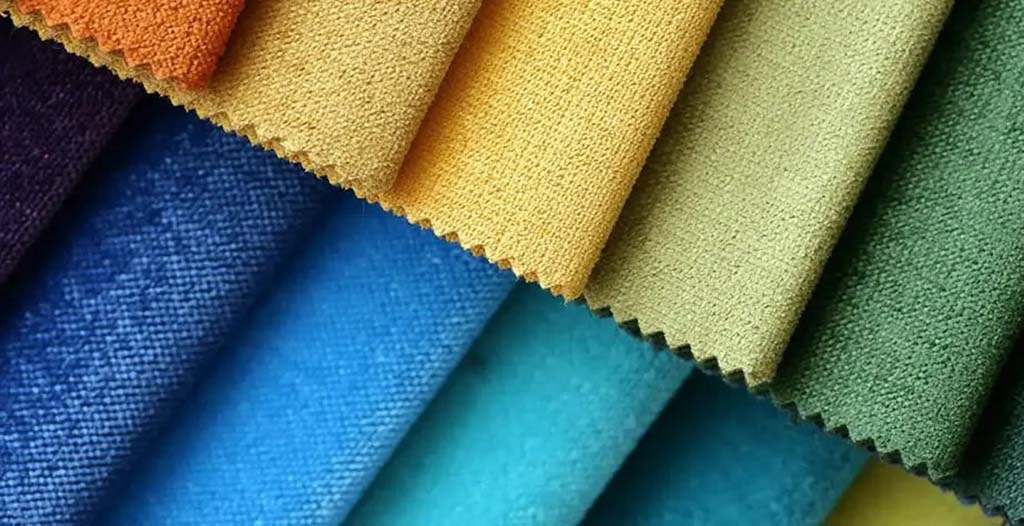
Increasingly, brands prioritize eco-friendly materials, ethical sourcing, and social responsibility. A manufacturer that aligns with these values enhances brand image and consumer perception.
Material sourcing transparency, such as documented origins of plush fabrics or certifications for recycled content, reassures brands and end consumers about safety and environmental responsibility. Factories adopting low-toxicity dyes, energy-efficient processes, and proper waste management further strengthen the brand’s sustainability profile. Ethical labor practices, fair wages, and safe working conditions also contribute to a positive brand narrative and minimize reputational risk.
By selecting a partner with strong sustainability policies, brands can confidently market their products as safe, eco-friendly, and ethically produced—an increasingly important differentiator in competitive markets.
| Sustainability Area | Factory Practice | Buyer Benefit |
|---|---|---|
| Material Sourcing | Certified safe & recycled fabrics | Eco-friendly branding & compliance |
| Production Waste | Recycling & minimal waste | Reduces environmental impact & cost |
| Chemical Use | Low-toxicity dyes & finishes | Safety compliance and brand trust |
| Labor Standards | Audited workforce | Ethical brand image and social responsibility |
What Post-Production Support and After-Sales Services Strengthen Partnerships?
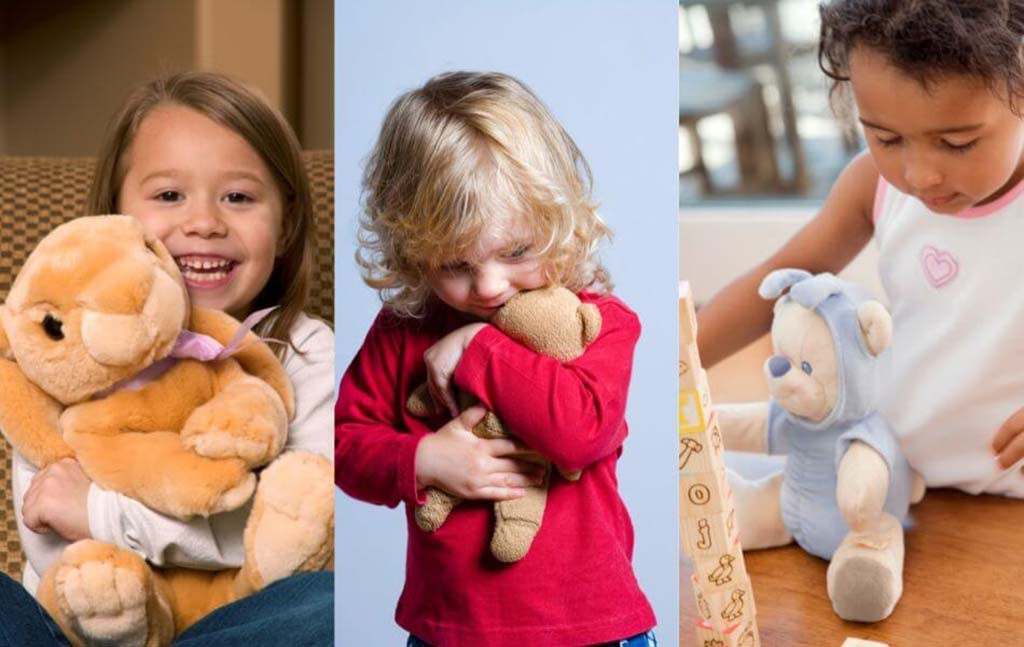
A trusted plush toy partner provides support that extends beyond shipment. Post-production services are essential for maintaining product quality, protecting brand reputation, and ensuring smooth market entry.
Key services include defect management (replacement, repair, or credit for faulty units), streamlined reorders and restocking for seasonal peaks, assistance with compliance documentation and customs clearance, and technical advice for packaging, merchandising, or storage. A factory that proactively supports buyers in these areas demonstrates accountability and commitment to long-term collaboration, transforming a supplier relationship into a strategic partnership.
| Service Area | Factory Offering | Benefit |
|---|---|---|
| Defect Handling | Replacement & repair | Protects brand reputation and reduces customer complaints |
| Reorders | Efficient restocking | Meets seasonal or promotional demand |
| Documentation | Compliance & export support | Smooth customs clearance and market readiness |
| Technical Advice | Packaging & merchandising guidance | Enhances product presentation and sales potential |
Conclusion
Selecting a trusted plush toy manufacturer involves evaluating a comprehensive set of factors: technical capabilities, certifications, customization flexibility, production capacity, communication, sustainability, and post-production support. Brands that prioritize these factors gain a partner capable of delivering high-quality, compliant, and market-ready plush toys consistently, strengthening both operational reliability and brand reputation.
Factories like Kinwin exemplify these qualities, offering decades of experience, strict quality control, transparent communication, sustainability practices, and comprehensive post-production support. Partnering with such a manufacturer ensures that global brands can focus on growth and creativity while leaving production in expert hands.
📧 Contact: [email protected]
🌐 Visit: https://kinwintoys.com