Skip to content
I’m Amanda from Kinwin in China. I build OEM/ODM plush lines for global buyers who need soft handfeel, clean compliance, and on-time delivery. Below is a practical, numbers-forward guide to the ten stuffed-animal brands most buyers benchmark. For each, I share a short analysis in simple English plus a data table you can use in range planning and competitor reviews. Ranges are indicative for 2023–2025 based on open retail observation, trade intel, and buyer interviews.
Jellycat
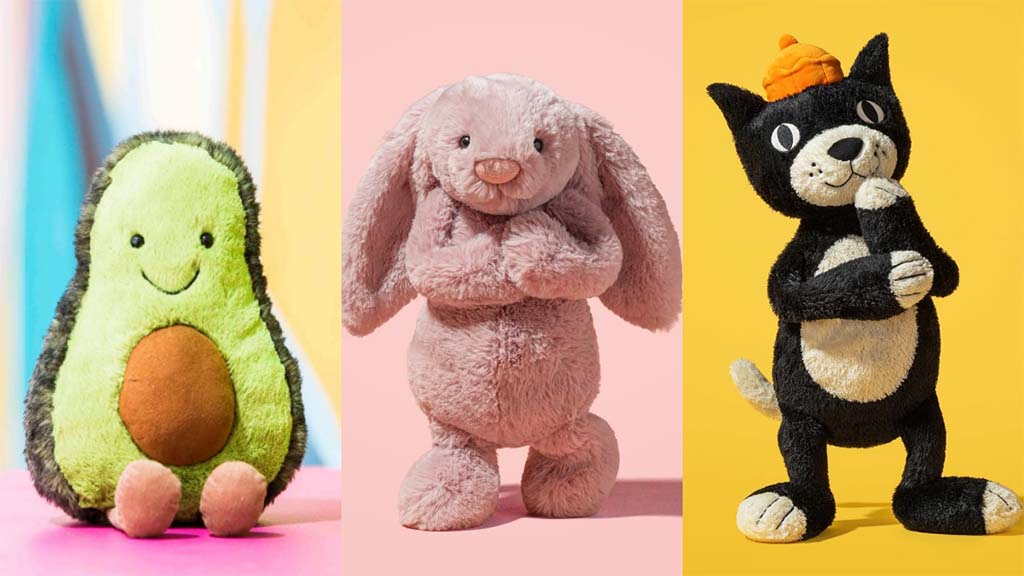
Jellycat leads the premium “soft & giftable” lane. In specialty and department stores, I see AOV $28–$48 for standard sizes and $55–$95 for large or seasonal heroes. Their sell-through is helped by 2–3 mm short-pile faces, modern pastel palettes, and stable sit-stance that photographs well. A typical door carries 120–250 active SKUs, refreshed in 3–4 seasonal drops. Online, conversion is high when PDPs use macro texture shots and a scale-in-hand image. Returns usually sit under 4–6% when care copy matches fabric reality (gentle machine for short pile; surface clean for long pile). For buyers, the main watch-outs are grooming time if you add faux fur and protecting margin with right-sized cartons; plush cubes out, so freight per unit responds to pack density. If you need a premium anchor, one Jellycat-style silhouette with a tight color story often lifts the whole shelf.
Table — Jellycat Snapshot
| Metric | Typical range |
|---|---|
| Core price band | $28–$48 (standard), $55–$95 (large/seasonal) |
| Channel mix | ~65–75% specialty/department, 25–35% online |
| Active SKUs per door | 120–250 |
| Drops per year | 3–4 |
| Return rate (well-described PDPs) | ~4–6% |
Gund
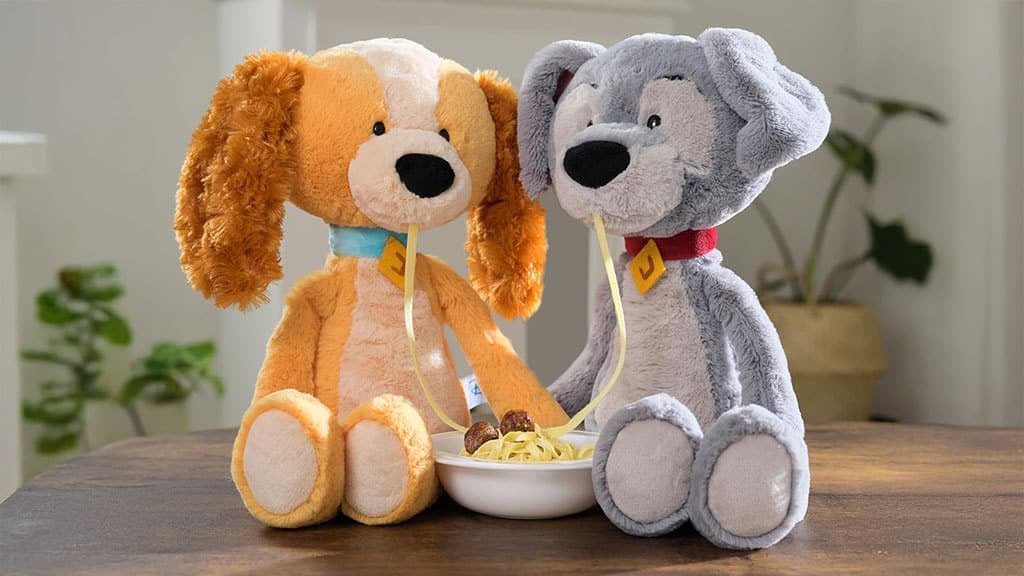
Gund is the baby-safe benchmark. Most 0+ pieces use embroidery-only faces and hold consistent seam strength, which keeps chargebacks low. I see $16–$32 at retail for core cuddlers and $24–$45 for gift bundles (plush + blanket/rattle). Specialty stores like the bundled sets because they raise basket size without complex merchandising. In mid-tier chains, Gund’s year-round teddy ladder (S/M/L) repeats well; a door often lists 60–140 SKUs with 2–3 seasonals. Returns cluster around sizing expectation; scale-in-hand photos reduce that. If you plan a baby line, copy the dense embroidery (clean faces after washing) and be strict with lot-tied EN71/ASTM/CPSIA tests, especially on dye-lot changes. Freight sensitivity is medium; most SKUs pack flat enough to keep air costs under control in peak.
Table — Gund Playbook
| Metric | Typical range |
|---|---|
| Core price band | $16–$32 (single), $24–$45 (bundles) |
| 0+ share of range | 70–85% |
| Active SKUs per door | 60–140 |
| Drops per year | 2–3 |
| Reported returns (with good PDPs) | ~3–5% |
Steiff
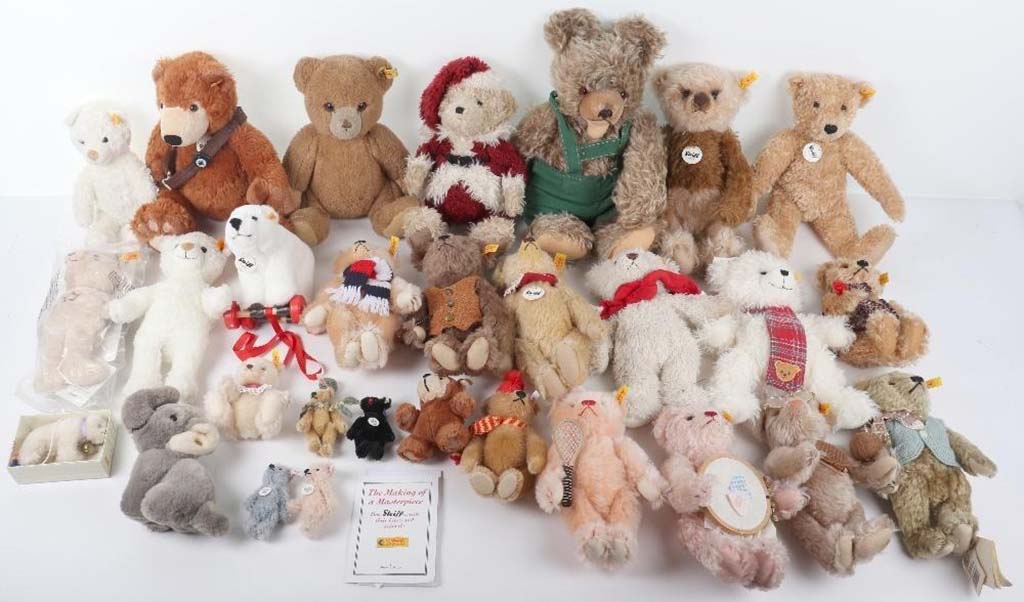
Steiff is heritage & collector. Mohair, jointing, and certificates create high perceived value; retail sits $95–$350+ for bears, with numbered editions well above that. Units are lower than mass brands, but gross margin % is strong when presentation is premium (keepsake box, certificate, story card). Typical specialty/luxury doors carry 30–80 SKUs, refreshing 2–3 times a year. The buyer profile skews collector and gifting; seasonality (Q4) is pronounced. If you emulate this lane, invest minutes where they show: symmetry, face proportion, and clean pile direction. Air shipping is common for limited editions; cartons should avoid compression to protect finish.
Table — Steiff Signals
| Metric | Typical range |
|---|---|
| Retail price | $95–$350+ (mohair/limited higher) |
| Channel | 70–85% specialty/luxury, remainder online |
| Active SKUs per door | 30–80 |
| Drops per year | 2–3 |
| Packaging | Keepsake box standard on hero SKUs |
Aurora World
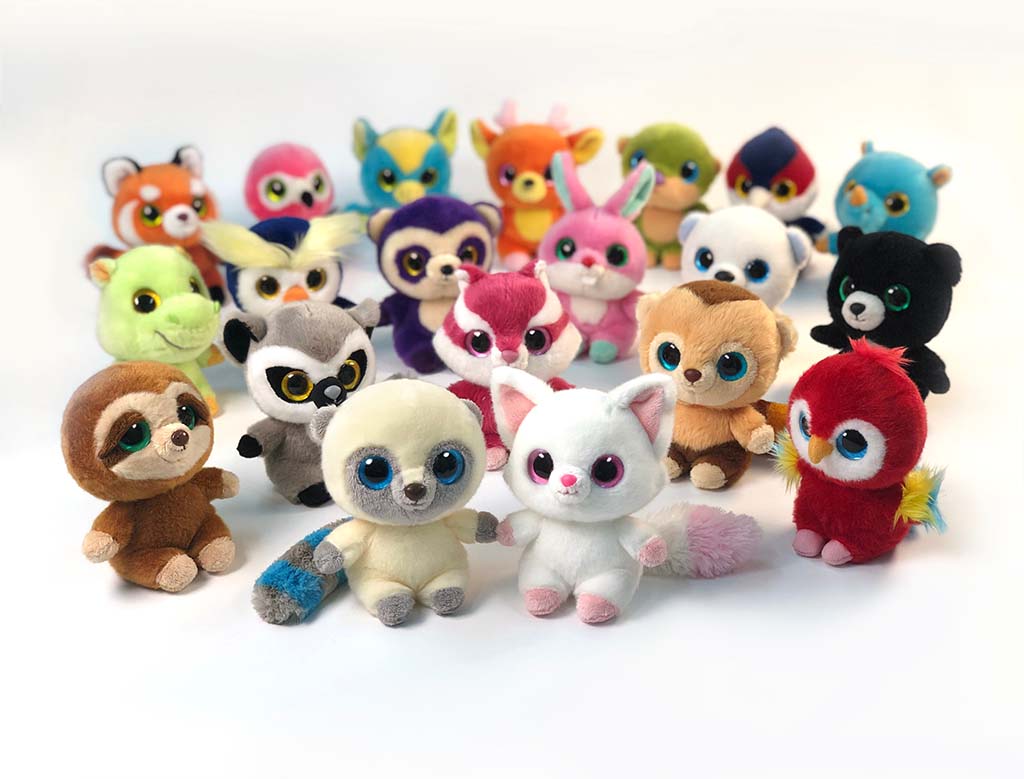
Aurora World is the breadth & reliability template. It balances basics with trend capsules and maintains clean compliance, which retailers like for scale. Core retail sits $10–$28 (mini to standard), with jumbos or licensed lines above that. A mass/specialty door can carry 150–400 SKUs, laddered across sizes and animals. I often see 4–6 refreshes a year, including seasonal. Freight per unit is competitive thanks to smart cartonization and short-pile faces that tolerate gentle compression. If your goal is steady volume, mirror Aurora’s size ladder and keep your AQL (G-II, Maj 2.5 / Min 4.0) consistently enforced.
Table — Aurora World System
| Metric | Typical range |
|---|---|
| Price band | $10–$28 (core); $30–$60 (jumbo/licensed) |
| Active SKUs per door | 150–400 |
| Drops per year | 4–6 |
| Compliance cadence | Lot-tied EN71/ASTM/CPSIA as standard |
| Freight sensitivity | Low–medium (good density) |
Ty Inc.
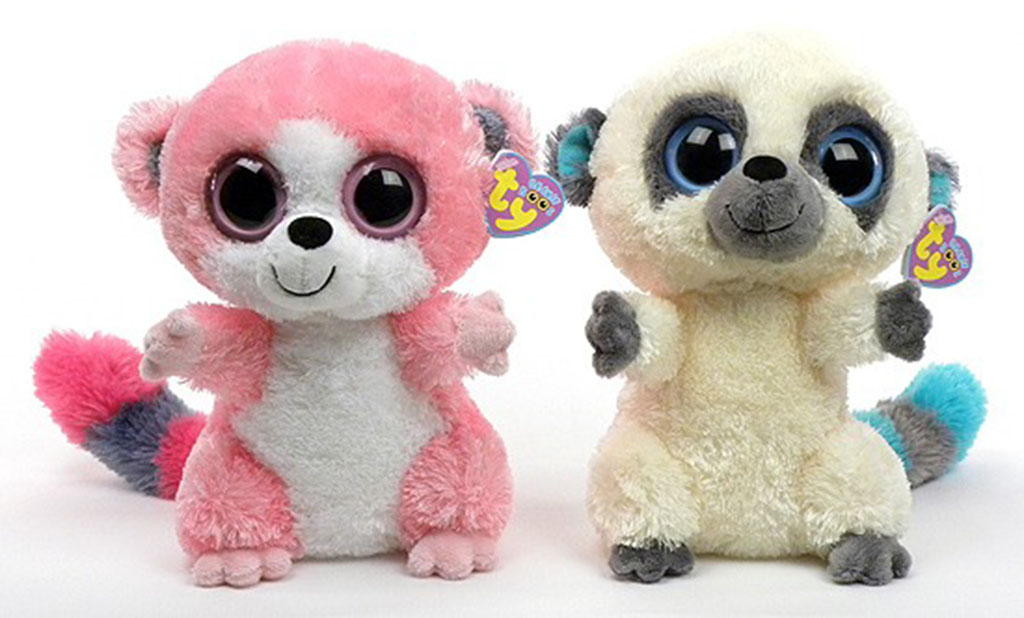
Ty drives velocity through pocket sizes and frequent waves. Retail is $6–$14 for minis, designed for impulse. Sell-through spikes in the first 48–72 hours after each drop when trays are well placed. A convenience or mass door can rotate 100–300 active minis, with 8–12 micro-drops yearly. The brand’s naming and “birthday” tags boost collectability and social sharing. To copy the formula, keep silhouettes simple, colors bold, and ensure tray displays hit eye level. Carton count per case should optimize for fast restock, not only freight.
Table — Ty Velocity
| Metric | Typical range |
|---|---|
| Price band | $6–$14 (minis) |
| Micro-drops/year | 8–12 |
| Active minis per door | 100–300 |
| First-week sell-through (good placement) | 30–50% of allocation |
| Return rate | ~2–4% (low, if sizing is clear) |
Squishmallows
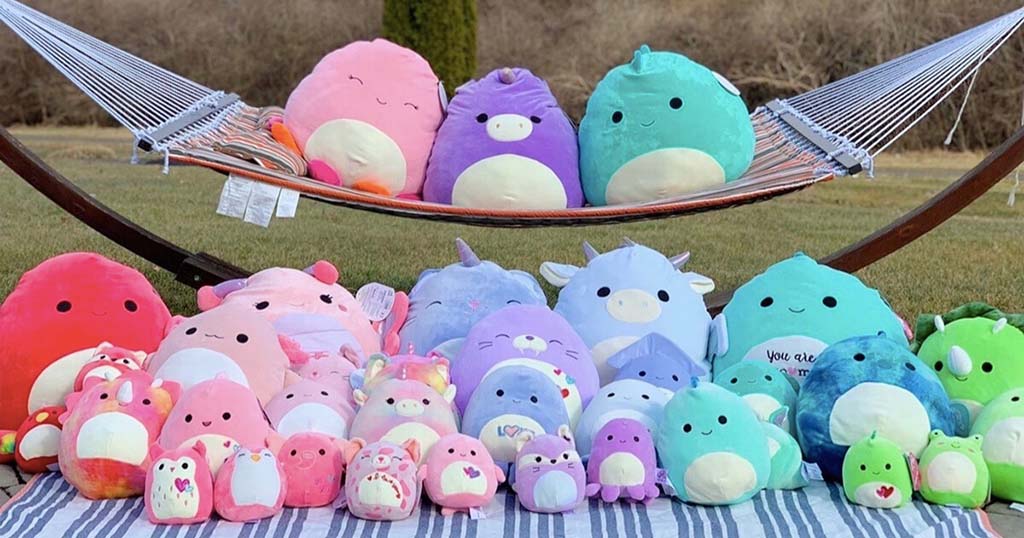
Squishmallows dominates squishy pillow plush with sensory appeal. Retail ranges $9–$24 (small/medium) to $29–$59 (large/event). Launches run in waves tied to themes and collabs; strong doors see 6–10 drops a year and carry 80–220 active SKUs. Conversion relies on feel plus face clarity; PDPs need macro textures and a short squeeze clip. Returns correlate with deformation; invest in shape-safe cartons and avoid over-compression. Community engagement (UGC, trades) supports repeat purchases and quick sell-through in the first week.
Table — Squishmallows Mechanics
| Metric | Typical range |
|---|---|
| Price band | $9–$24 (S/M), $29–$59 (L/event) |
| Drops per year | 6–10 |
| Active SKUs per door | 80–220 |
| 48-hr launch sell-through (strong doors) | 25–45% |
| Returns (shape protected) | ~3–6% |
Build-A-Bear Workshop
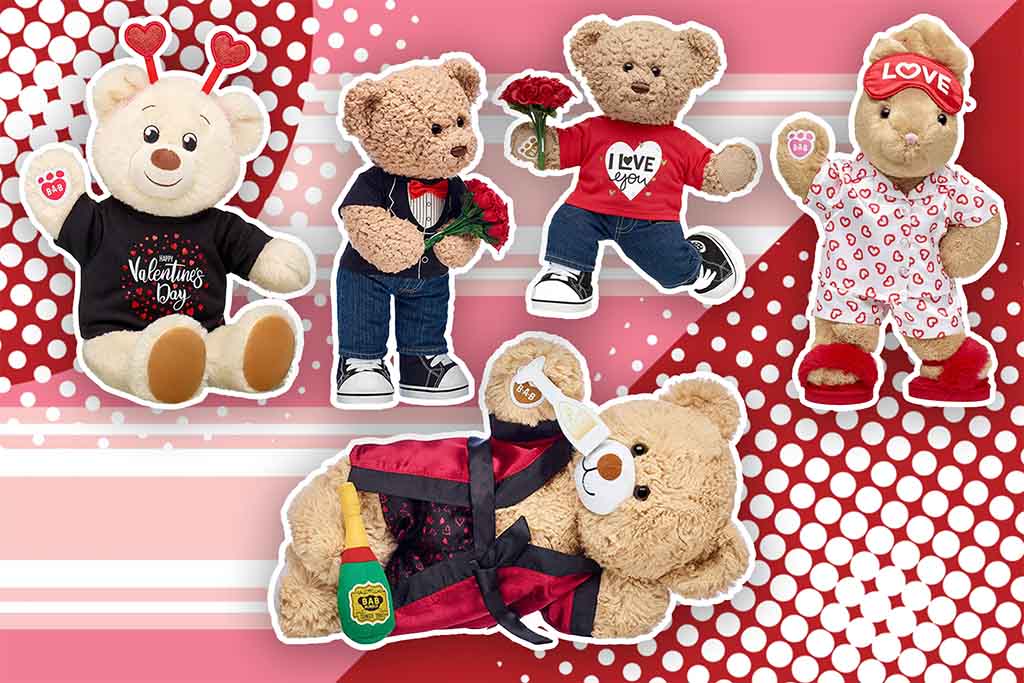
Build-A-Bear turns plush into an experience + accessory ecosystem. Base bodies retail $18–$35, outfits $10–$25, and full bundles often exceed $50–$70. Attachment rates on outfits/accessories commonly land in 1.4–1.9 add-ons per base plush in stronger stores. Online builders mirror the logic and drive AOV with guided bundling. If you sell wholesale, you can still adopt modular thinking: one size standard, multiple outfits, seasonal accessories, and clear age grading for small parts.
Table — Build-A-Bear Economics
| Metric | Typical range |
|---|---|
| Base body price | $18–$35 |
| Outfit price | $10–$25 |
| AOV (bundled) | $50–$70+ |
| Add-ons per plush (strong stores) | 1.4–1.9 |
| Drops per year | 6–8 themed capsules |
Wild Republic
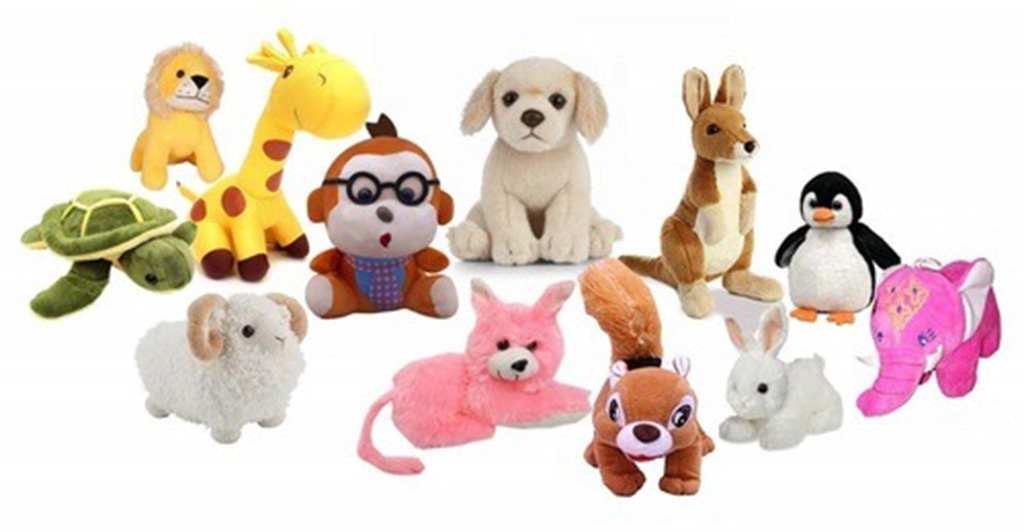
Wild Republic wins in wildlife & education channels—zoos, aquariums, museums. Retail ranges $12–$32, with larger realistic pieces higher. Doors often carry 70–180 SKUs, with 3–5 refreshes tied to exhibits or seasons. Species accuracy and natural palettes matter; add info cards or QR facts to raise value without heavy BOM. Chemistry expectations can be strict in museum retail; align REACH/RSL early and maintain lot-tied test files.
Table — Wild Republic Recipe
| Metric | Typical range |
|---|---|
| Price band | $12–$32 (core), higher for large realism |
| Active SKUs per door | 70–180 |
| Drops per year | 3–5 |
| Channel mix | 60–80% edu retail, 20–40% online/specialty |
| Return rate | ~3–5% (lower with accurate species photos) |
Douglas Company
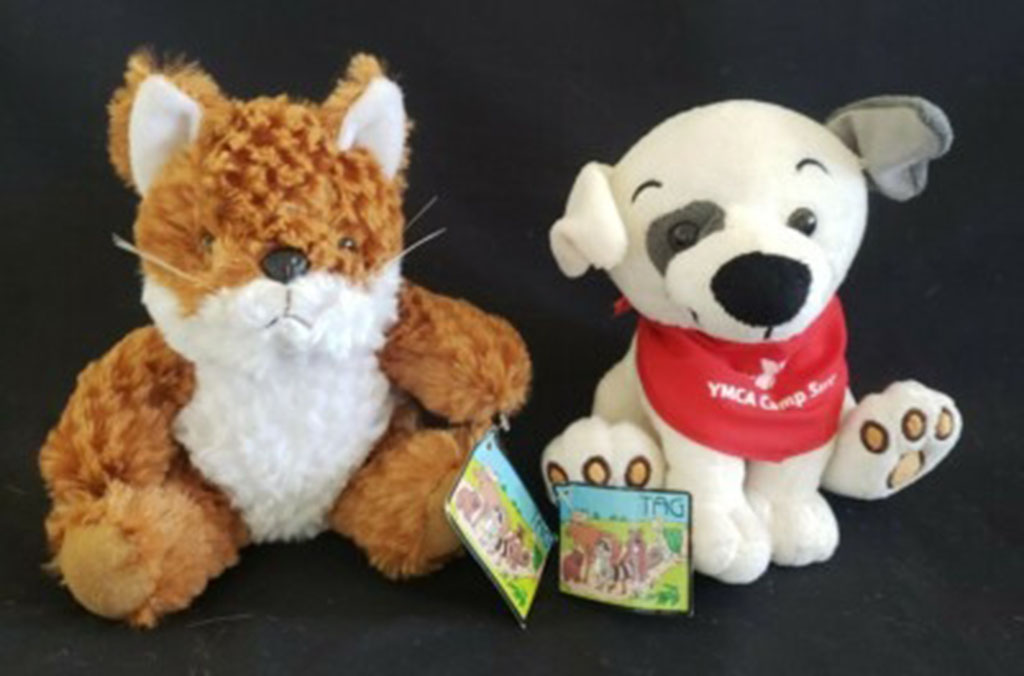
Douglas blends boutique aesthetics with baby-safe builds. Retail is $18–$36 for core cuddlers and $24–$48 for coordinated giftables. Specialty doors carry 60–150 SKUs in 3–4 soft-tone capsules each year. Photography is key: daylight nursery scenes, macro textures, and scale-in-hand shots raise conversion and reduce “smaller than I thought” returns. Keep embroidery dense on faces so features stay crisp after washing. Palettes often harmonize across animals and accessories to encourage cross-sell.
Table — Douglas Boutique Cues
| Metric | Typical range |
|---|---|
| Price band | $18–$36 (core), $24–$48 (giftable sets) |
| Active SKUs per door | 60–150 |
| Drops per year | 3–4 |
| Color strategy | Pastels & creams; cohesive sets |
| Return rate (good PDPs) | ~3–5% |
Hansa Creation
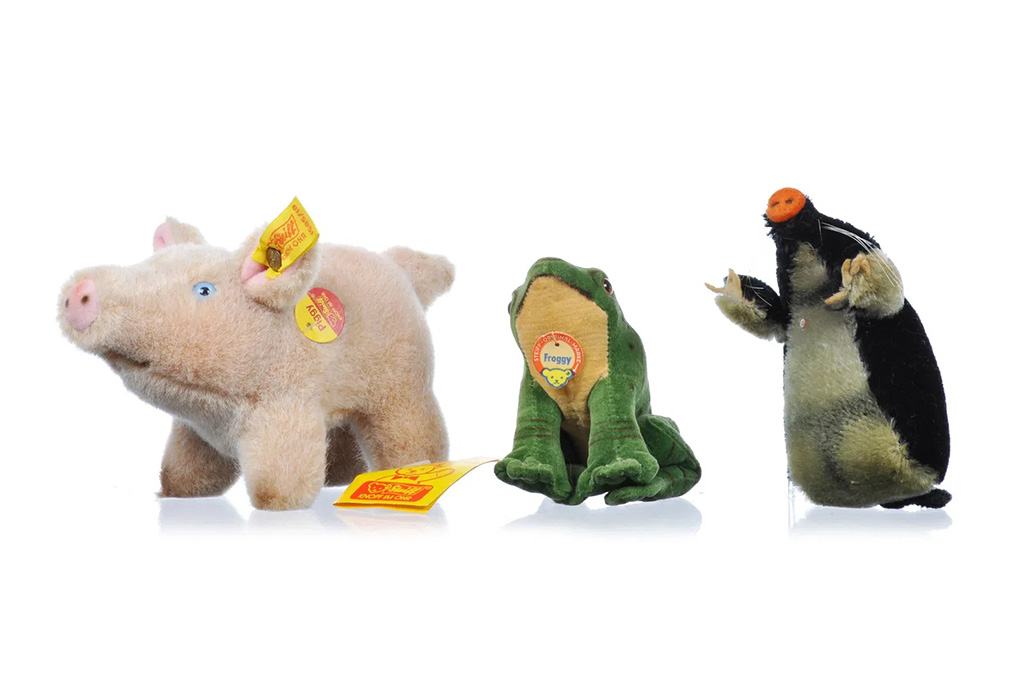
Hansa serves museum/luxury décor with realistic sculpting and hand airbrushing. Retail sits $85–$300+, with large display pieces higher. Stores typically stock 20–60 SKUs, refreshing 2–3 times a year. Minutes per unit are high; packaging should avoid compression and protect painted details. The buyer profile is décor/gift and institutional retail; volumes are modest but margins per piece are strong when presentation is refined.
Table — Hansa Realism Framework
| Metric | Typical range |
|---|---|
| Retail price | $85–$300+ (display pieces higher) |
| Active SKUs per door | 20–60 |
| Drops per year | 2–3 |
| Finish | Hand airbrushing; long pile |
| Care | Surface clean; no compression in ship |
Conclusion
The leaders in stuffed animals win with soft handfeel, clean faces, honest care, and clear stories. Use these ten playbooks—and the numbers above—to shape price ladders, drop cadence, and compliance planning that fit your brand and channel. If you want help turning a brief into sealed PPS and on-time mass with audit-ready files, email [email protected] or visit kinwintoys.com—my team at Kinwin can support your next launch.