Skip to content
To many people, “stuffed animals” and “plushies” look like the same thing. They are soft, huggable toys filled with stuffing. But in real projects and real marketing, these two terms carry different feelings, different target users, and even slightly different expectations about materials and design. If you sell or source soft toys, understanding this difference can help you speak to your customers more clearly.
In this guide, I’ll break down how people use both words today, how materials and construction may differ, how design style and target users shift, and what role fandoms and collectors play. I’ll also walk through regional habits and share practical tips on how your brand should label products—“stuffed animal,” “plush toy,” or “plushie”—so you can match both search behavior and brand voice.
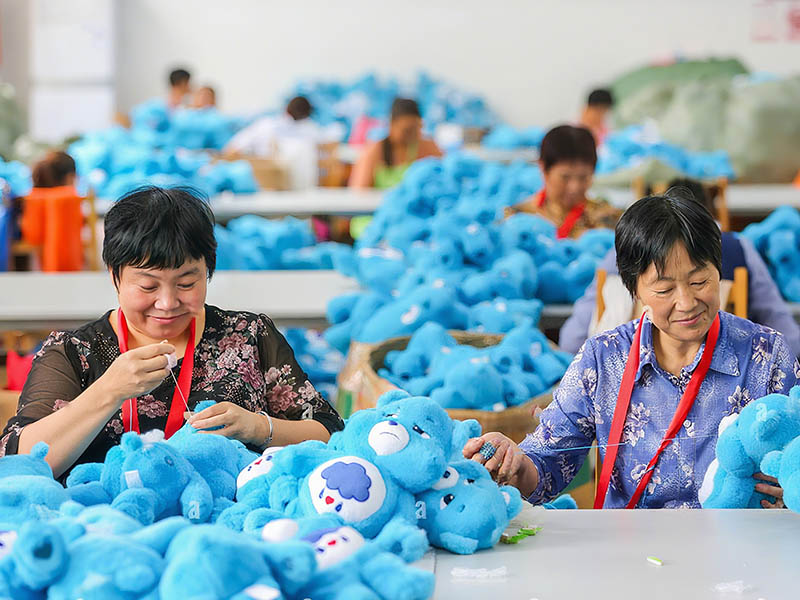
I’m Amanda from Kinwin, a plush toy factory in China. I work with buyers from North America, Europe, Japan, South Korea, and the Middle East. Every day I see “stuffed animal,” “plush toy,” and “plushie” appear in emails, spec sheets, and online product plans. Let’s translate that language into something useful for your sourcing and branding.
What do “stuffed animals” and “plushies” each mean today?
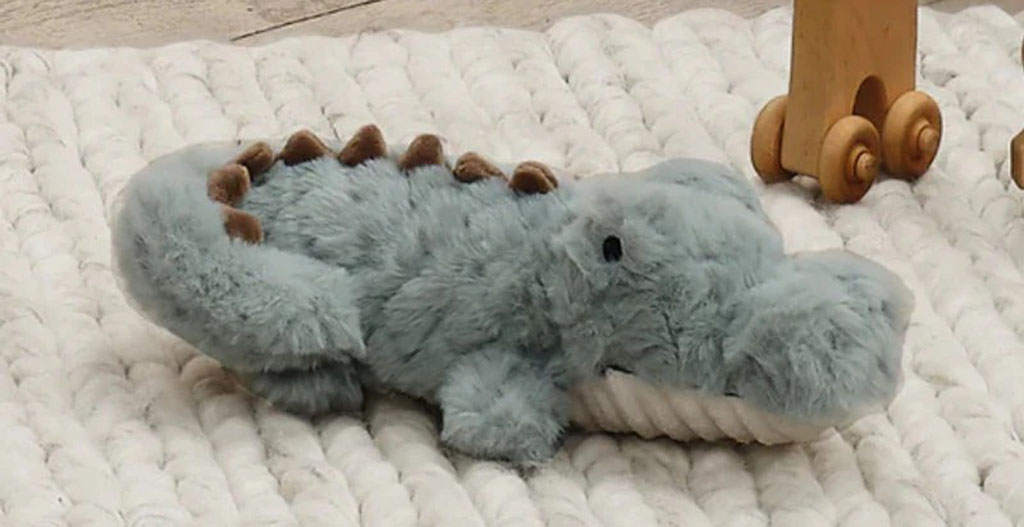
In simple terms, both “stuffed animals” and “plushies” refer to soft toys with fabric shells and inner stuffing. But the tone and usage of the two phrases are different.
“Stuffed animal” is the older and more traditional term. It sounds neutral and descriptive. It focuses on what the product is: an animal-shaped toy with stuffing inside. Parents, grandparents, and general retail often use this term, especially in offline conversations. In many safety documents, customs forms, and basic product categories, you still see “stuffed toy,” “stuffed animal,” or “soft toy.”
“Plushie” is newer and more emotional. It evolved from the word “plush” (the fabric) plus the “-ie” ending that English speakers use to make words feel friendly (like “blankie,” “kitty,” “doggy”). Today, “plushie” is common in online culture, especially among teens, young adults, gamers, anime fans, and collectors. It often includes not only animals but also food characters, fantasy creatures, game icons, and meme-based shapes.
When someone says “stuffed animal,” they usually mean a classic toy for children. When someone says “plushie,” they might mean a comfort toy, a collectible, a piece of character merch, or a soft item used as decor. The second word is more open and flexible.
In practice, you can treat “stuffed animal” as the safe, general label and “plushie” as the personal, community word. Both are useful. Your job as a brand is not to choose only one forever, but to know when each one works best—for parents, for fan communities, and for search engines.
Meaning today: “stuffed animals” vs “plushies”
| Term | Core idea today | Typical tone & feeling | Common users and contexts |
|---|---|---|---|
| Stuffed animal | Animal-shaped soft toy with stuffing inside | Neutral, traditional, descriptive | Parents, general retail, safety docs, offline speech |
| Stuffed toy / soft toy | Any stuffed toy, not always an animal | Formal, category-style wording | Labels, logistics, compliance, international documents |
| Plush | Short form of “plush toy”; can mean toy or fabric | Product or material category | B2B sourcing, product tags, retailer categories |
| Plushie | Soft toy (not always an animal), often character-focused | Cute, emotional, fandom-aware, informal | Teens, young adults, collectors, social media, fan stores |
How do materials and construction differ between stuffed animals and plushies?
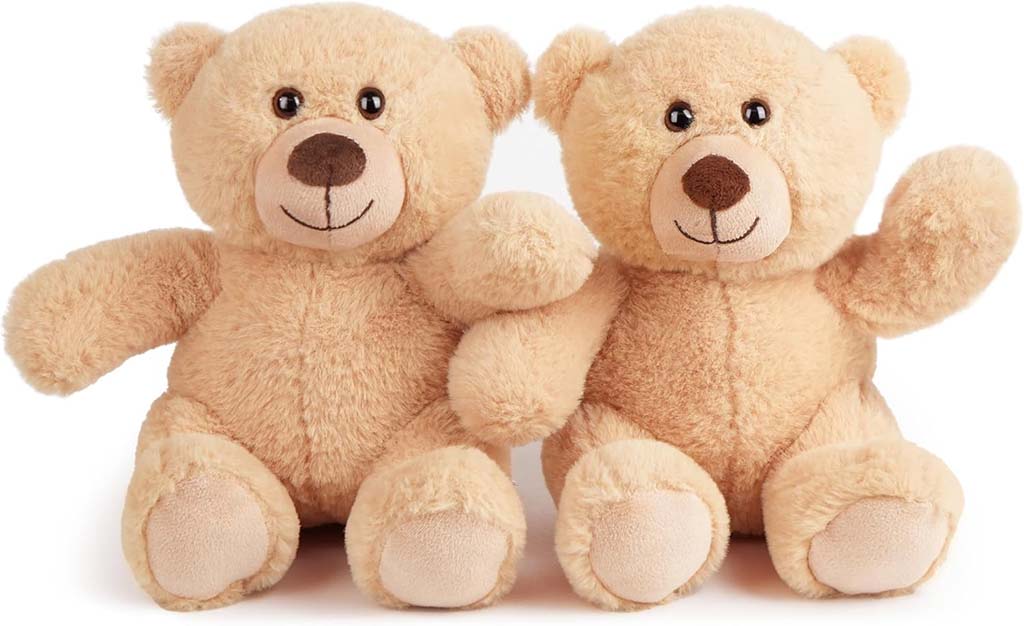
From a factory view, there is no strict rule that says “stuffed animals use these fabrics, plushies use those fabrics.” However, patterns appear in real orders and product lines.
Traditional stuffed animals often use basic plush or fleece fabrics and standard polyester stuffing. Many of these toys are built for children, general gift shops, and supermarkets. The focus is on safety, durability, and cost control. Fabrics may be shorter pile and slightly less luxurious, but still soft and washable. Construction is straightforward: clear animal shapes, strong seams, simple trims.
“Plushies,” especially for older fans and collectors, more often use softer, upgraded materials such as minky, micro-plush, high-density short plush, and sometimes detailed faux fur. Stuffing may be carefully tuned for a specific “squish” or weighted feel. Construction can include more complex shapes, extra facial embroidery, inner structures, and sometimes special accessories or clothes.
For example:
- A low-cost stuffed bear for a supermarket may use a standard short plush shell, simple fiberfill, and basic safety eyes.
- A character plushie from a game or anime brand might use minky for the face, denser plush for the body, different pile heights for hair and clothes, and high-detail embroidery for eyes and logos.
Of course, many products sit in the middle. But if your target audience is adult collectors or online fans, they will expect “plushie-level” softness, finishing, and character accuracy. If your audience is mainly children in general retail, “stuffed animal-level” materials and construction may be enough, as long as safety is high and the design is appealing.
Typical material & construction differences
| Aspect | More common in “stuffed animals” | More common in “plushies” |
|---|---|---|
| Shell fabrics | Standard short plush, velboa, fleece | Minky, micro-plush, high-density short plush, faux fur |
| Stuffing | Regular polyester fiberfill, medium density | Finer fiberfill, cluster fiber, optional weighted liners |
| Shape complexity | Simple animal forms, clear silhouettes | Complex character shapes, hair, clothing, accessories |
| Embroidery & detail | Basic eyes/nose or simple plastic parts | Rich facial embroidery, logos, patterns |
| Construction focus | Durability, safe seams, cost control | Detail accuracy, hand-feel, overall “squish” |
| Target cost level | Low to mid | Mid to high (depending on license and brand) |
How do design style and target users vary between both terms?
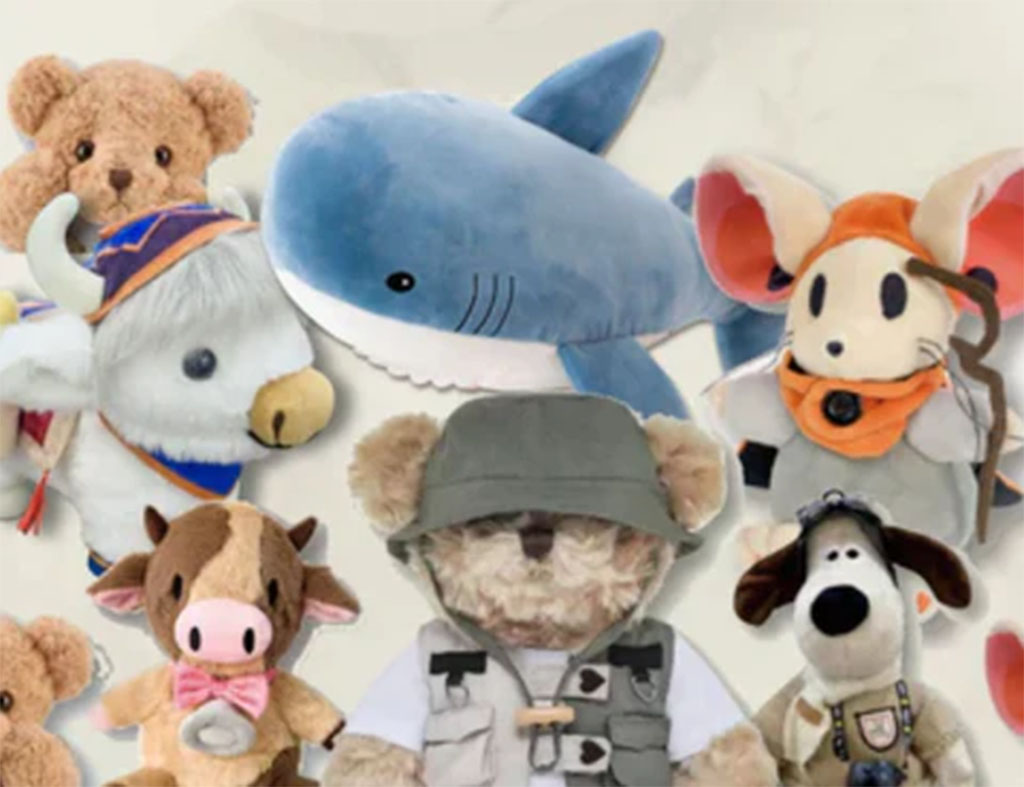
Design style and target users are closely connected to the words you choose. “Stuffed animal” and “plushie” help signal who the toy is for and how it should feel.
Designs sold as “stuffed animals” are often:
- Animal-based (bears, dogs, cats, farm animals, jungle animals, etc.).
- Designed for children, family gifts, and general-purpose play.
- Built with clear, friendly faces and rounded shapes.
- Slightly more classic in color and style—teddy bear browns, soft neutrals, simple patterns.
The main user here is a child, and the main buyer is a parent, grandparent, or gift-giver. These buyers care about safety, durability, and value. Many do not follow fandom trends. They want a toy that is simple, soft, and reliable.
Designs sold as “plushies” can be much broader:
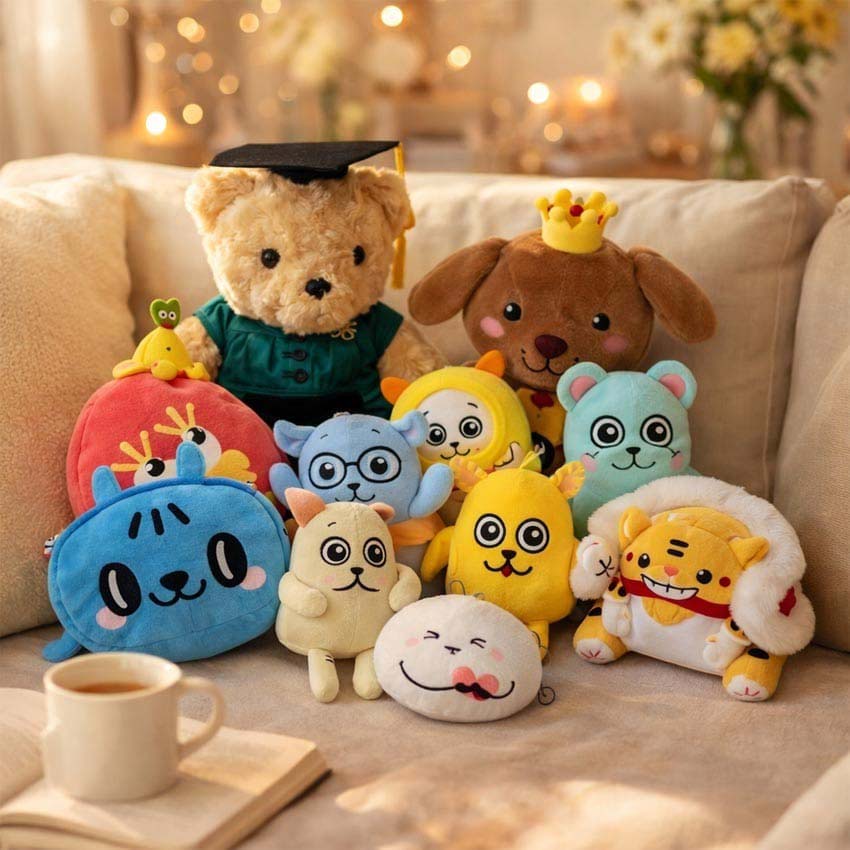
- Animals, fantasy creatures, food characters, objects with faces, memes, game characters, VTuber mascots, and more.
- Target users include teens, young adults, and collectors, not only children.
- Styles can be cute, weird, funny, aesthetic, minimal, or highly detailed.
- Color palettes often include pastels, neons, gradients, and theme-specific tones.
These buyers are often fans of something: a game, a streamer, an anime, a brand, or a mood (like “cottage core” or “pastel goth”). They want the plushie to match their emotional preference and personal identity. They also care about how the plushie looks in photos, on shelves, or on a desk.
You can have the same basic pattern but sell it differently:
- With classic colors and simple tags: “stuffed animal” for children’s stores.
- With stylized colors, special embroidery, and lore cards: “plushie” for fandom or lifestyle stores.
Design style & target user comparison
| Dimension | “Stuffed animal” focus | “Plushie” focus |
|---|---|---|
| Main character type | Realistic or stylized animals | Animals + food + objects + icons + fantasy |
| Main user | Children (toddlers to pre-teens) | Teens, young adults, collectors, as well as some kids |
| Buyer persona | Parents, grandparents, general gift buyers | Fans, community members, online shoppers |
| Color & style | Classic, safe, family-friendly | Experimenting, aesthetic, themed, fandom-driven |
| Use context | Play, sleep, comfort for kids | Display, collection, decor, comfort, fandom expression |
| Design priority | Safety, simple charm, durability | Personality, uniqueness, character accuracy |
What role do fandoms and collectors play in the word “plushie”?
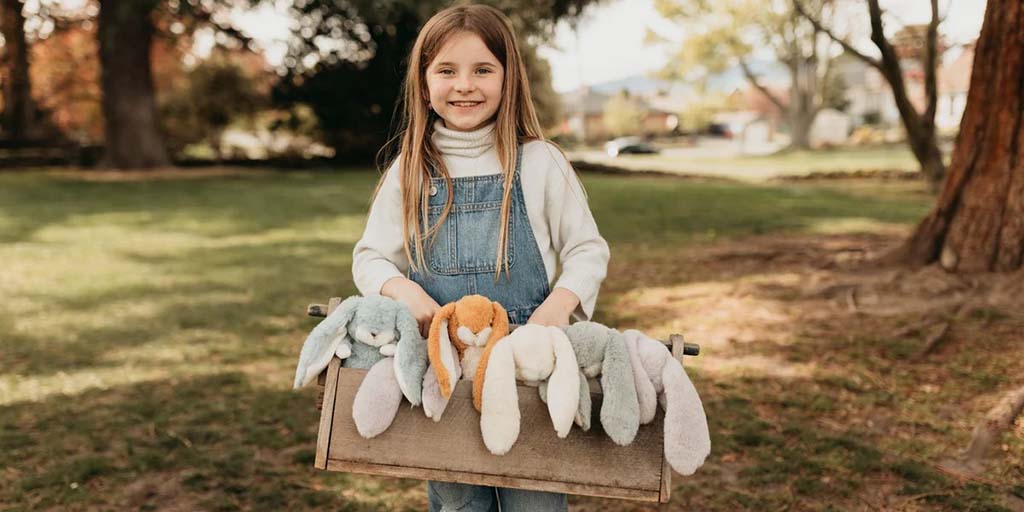
Fandoms and collectors are the main engines that pushed “plushie” into mainstream language. They changed soft toys from “child-only items” into collectible, shareable objects for all ages.
In anime, gaming, and creator communities, people talk about character goods using friendly, informal language. “Plushie” fits the same tone as words like “merch,” “stickers,” “charms,” and “figures.” It feels natural in posts like:
- “New plushie drop this weekend”
- “My plushie collection so far”
- “I finally got my grail plushie”
Collectors use the word “plushie” to talk about value, rarity, and emotional attachment:
- They track limited-edition releases and exclusives.
- They display plushies on shelves, in cases, or in photos, often together with books, cards, or figures.
- They trade or resell plushies on secondary markets.
For them, a plushie is less “toy” and more part of a collection or lifestyle. The name supports that role. Saying “I collect plushies” feels closer to “I collect figures” than to “I own toys meant for children.”
From a business view, this matters because fandom buyers have different expectations:
- They expect stronger design accuracy if the plushie represents an IP character.
- They often accept higher prices for limited runs or special editions.
- They care more about clean embroidery, print precision, and packaging design.
As a factory, we can tell when a project is fandom-driven because the brief includes words like “plushies,” “fans,” “merch,” “limited,” or “drop.” We then recommend fabrics, filling density, and packaging that match this collector mindset, not only child play.
Fandom and collector influence on “plushie”
| Fandom behavior | How it uses “plushie” | Impact on product expectations |
|---|---|---|
| Sharing collections | “Here are my plushies” posts, videos | Strong focus on display quality and finish |
| Limited editions | “Limited plushie drop,” “exclusive plushie” | Higher willingness to pay for detail and rarity |
| Character loyalty | Buying plushies to support specific IP/creator | Demands accurate design and consistent quality |
| Comfort & self-care | Plushies for stress relief or decoration | Emphasis on softness and emotional design |
| Community identity | Plushies as part of fandom identity | Encourages repeat purchases and line extensions |
How do regional markets use each term in retail and online?
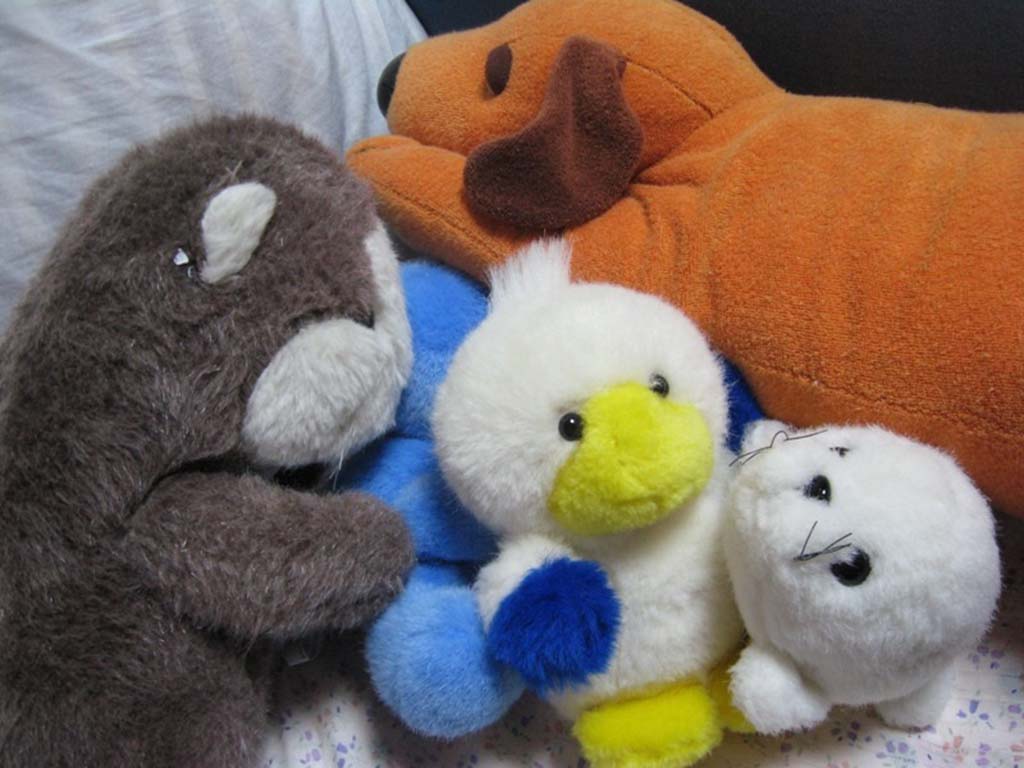
Because my factory exports to different regions, I see how language changes between formal retail, B2B documents, and online culture. The same product can be called many things depending on the channel and the audience.
In North America, “stuffed animal” and “stuffed toy” remain strong in physical stores and in family-facing communication. On Amazon and other platforms, you often see “plush,” “plush toy,” and “plushie” used as keywords. Product titles may mix terms, for example: “Cute Cat Plushie – Soft Stuffed Animal Toy.” This covers both search behaviors: parents who type “stuffed animal” and younger users who type “plushie.”
In Europe, there is more variation: “soft toy,” “cuddly toy,” and “plush toy” appear in English listings; local languages have their own words. “Plushie” is often used more in youth fashion, fandom stores, and social media rather than on conservative retail packaging. Larger, traditional chains may prefer “soft toy” or “plush toy” to keep a clear, family-friendly message.
In Japan and South Korea, local terms cover most soft toys, but English words like “plush,” “plush toy,” and “plushie” appear in global-facing content and in collabs aimed at international fans. Because these markets have strong character and idol cultures, “plushie” blends well with other English loanwords used in fandoms.
In Middle East and mixed-language regions, “plush toy” and “soft toy” are common in B2B and retail because they are easier to understand across different English levels. “Plushie” may still appear in youth-oriented online shops and social media, but less often on importer paperwork or mainstream packaging.
For your brand, the lesson is simple: you do not need one single global term. You need a core technical term and flexible marketing language. Use “plush toy,” “soft toy,” or “stuffed animal” in compliance, logistics, and general retailer talks, and use “plushie” where it helps you connect with younger, online, and fandom audiences.
Regional usage patterns
| Region / channel | Formal / retail wording | Informal / online wording | Recommended approach |
|---|---|---|---|
| North America | Stuffed animal, plush toy | Plushie, plush | Mix terms in titles; keep “stuffed” in basics |
| Europe (English-facing) | Soft toy, cuddly toy, plush toy | Plush, plushie (youth & fandom) | Use classic terms in retail, modern online |
| Japan / South Korea | Local terms + “plush toy” (global) | Character plush, plushie | Follow IP style guides; match fan language |
| Middle East & mixed | Soft toy, plush toy | Plush, maybe plushie in youth spaces | Stay clear and simple in formal materials |
| Global online fandoms | Plush, plushie | Plushie, character plush, merch | Use “plushie” in social, marketing, community |
How should brands label products—stuffed animal, plush toy, or plushie?
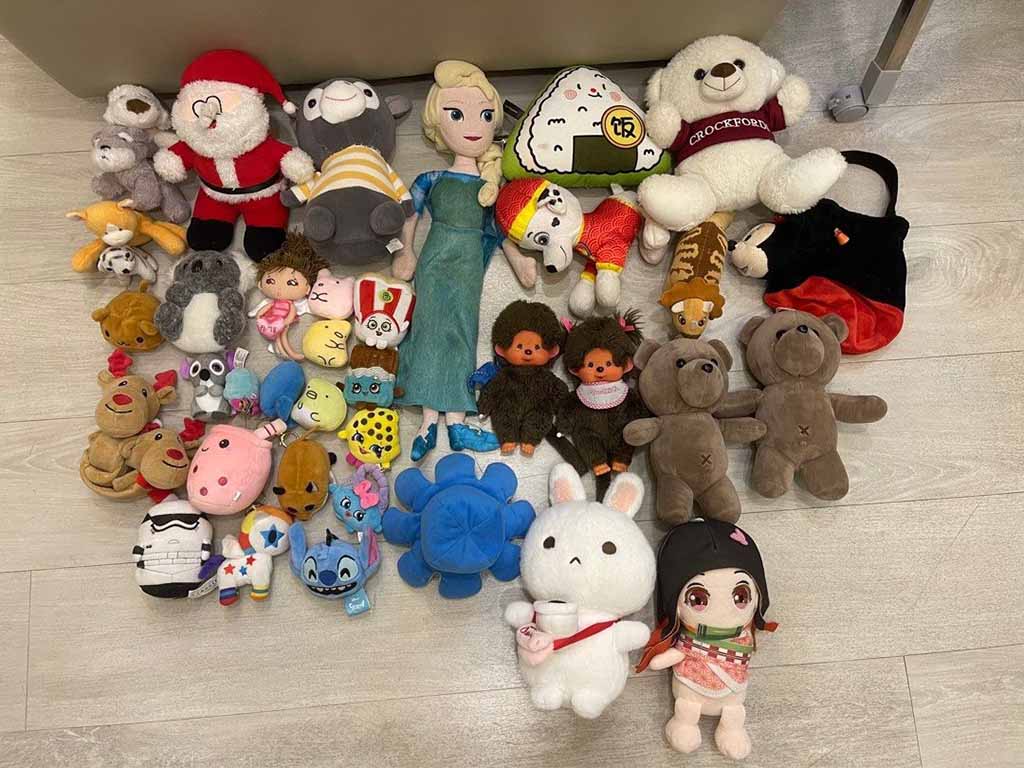
The best label is not about one “correct” word. It is about using the right combination for your audience, your channels, and your brand voice. You can think in three layers: technical, retail, and emotional/online.
- Technical / compliance layer
Use clear, traditional terms that regulators, importers, and logistics teams understand easily:- “Soft toy,” “plush toy,” “stuffed toy,” “stuffed animal.”
These words are safe for safety reports, test certificates, customs documents, and internal SKUs.
- “Soft toy,” “plush toy,” “stuffed toy,” “stuffed animal.”
- Retail and packaging layer
Choose terms that match your store type and target buyer:- For family retail and supermarkets: “Soft toy” or “Stuffed animal” on the main front.
- For design-focused or character stores: “Plush toy” or “Character plush.”
You can still include “plush” or “plush toy” in smaller print or category headers.
- Emotional / online layer
Here you speak like your customers do:- For kids’ lines and parent-facing marketing: you can use “soft toy,” “favorite stuffed animal,” “cuddly toy.”
- For fandom, TikTok, Instagram, or creator communities: use “plushie,” “character plushie,” “collectible plushie.”
You can also include multiple terms in SEO: “plushie (soft stuffed animal).”
From a sourcing side, you can tell your factory, “We will label this as a plush toy on packaging, but we will call it a plushie in social media.” This avoids confusion and allows the factory to use standard terms in all formal paperwork while you adapt your external language.
If your brand is new, a simple rule is:
- B2B and legal: “plush toy” or “soft toy”
- B2C product titles: mix terms (“Cat Plushie – Soft Stuffed Animal”)
- Social & community: “plushie”
This way you are searchable, understandable, and still emotionally engaging.
Label choice guide for brands
| Layer / context | Recommended main term(s) | Why it works |
|---|---|---|
| Compliance & logistics | Soft toy, plush toy, stuffed toy, stuffed animal | Clear, formal, widely understood |
| Mass retail packaging | Stuffed animal, soft toy | Simple for parents and general shoppers |
| Design / character stores | Plush toy, character plush | Highlights fabric quality and IP focus |
| Online product titles | Mixed: “Plushie / Plush Toy / Stuffed Animal” | Covers different search habits and age groups |
| Social media & fandom | Plushie, character plushie, collectible plushie | Matches community language and emotional tone |
Conclusion
“Stuffed animals” and “plushies” are not enemies; they are two useful lenses for the same category. “Stuffed animal” keeps you clear and safe in traditional retail and formal documents. “Plushie” opens the door to online communities, adult collectors, and modern character branding. When you understand how your buyers use each word, you can choose materials, designs, and labels that speak directly to them.
At Kinwin, we help brands and retailers position their soft toys in both worlds—classic “stuffed animals” for family channels and expressive “plushies” for fandom and lifestyle channels. If you want to plan a product line that feels right for your markets, you’re welcome to email [email protected] or visit kinwintoys.com. We can work with you from naming and material choices to final production and packaging.