Skip to content
I’m Amanda from Kinwin in China. I help brands, retailers, and e-commerce sellers design and manufacture soft toys that are safe, consistent, and ready for global markets. Many buyers ask me a simple question with big impact: should we call the product “plush,” “plush toy,” or “stuffed animal”? The words look similar, but they carry different signals for materials, construction, safety, price positioning, and SEO. In this guide I explain what the terms mean in real factory practice, how fabrics and fillings change the handfeel and wash behavior, which safety rules matter, how design complexity moves your calendar and cost, how each term positions your line in stores and online, and how to choose language that attracts the right shoppers while staying compliant.
I’ll keep the language simple and clear, but I will go deep. Think of this as a practical playbook you can hand to your sourcing team and your marketing team at the same time.
What material and construction differences distinguish “plush” from “stuffed animal” in industry terms?
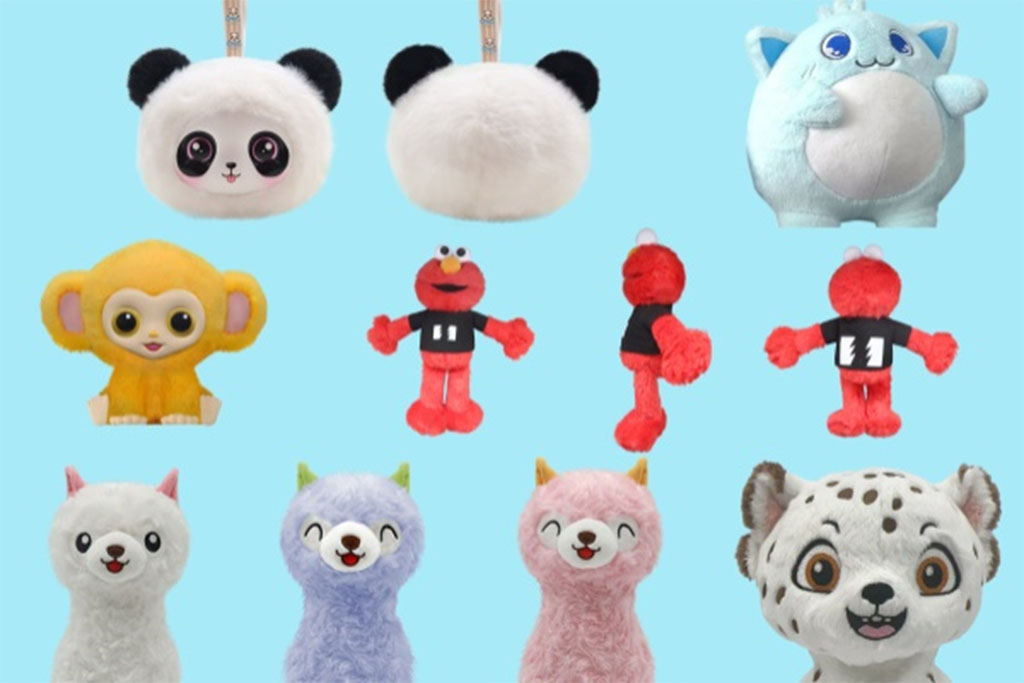
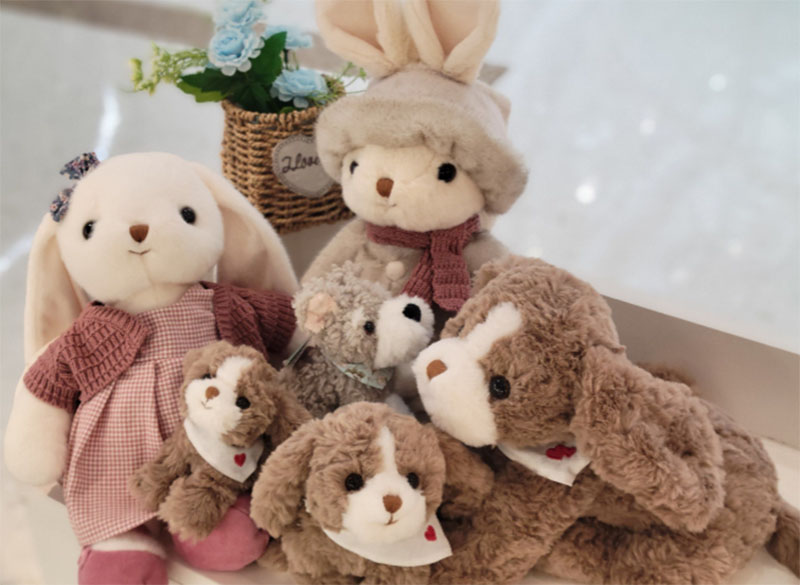
Inside factories, we use both words, but we use them differently. When a merchandiser says “plush” (narrow sense), we imagine pile fabrics—minky, velboa, faux fur—plus a build that aims for a soft, premium handfeel. When someone says “stuffed animal,” we imagine the broader category: any soft toy with a fabric shell and internal filling, from a premium faux-fur bear to a budget giveaway made of basic fabric and generic polyfill. In daily speech, shoppers mix the two. In production, the distinction helps me control fabric specs, seam styles, and QC.
With plush, we pay more attention to face symmetry, pile direction, and seam hiding. We trim long pile around the mouth and eyes for a clean look. We manage fill grams tightly so the silhouette stays full but not stiff. With stuffed animal, we still want safety and durability, but cost per minute and speed-to-line take the lead. We accept more visible top-stitches if it improves strength or lowers cost.
Table 1 — Construction Snapshot: plush vs stuffed animal
| Aspect | Plush (narrow industry sense) | Stuffed animal (broad category) |
|---|---|---|
| Outer fabrics | Minky, velboa, faux fur (pile) | Any soft textile, incl. basic plush or cotton blends |
| Seam approach | Finer tolerances; hidden ladder stitch for close | Functional seams; visible top-stitching common |
| Fill system | Fiberfill ± pellets in sealed inner pouches | Fiberfill; sometimes generic mixes |
| Design priority | Cuddle feel, silhouette, facial detail | Utility, price, robustness |
| Typical use | Giftable, collectible, lifestyle | Mass retail, education, promotional |
This difference is not about “good vs bad.” It is about promise vs purpose. If your promise is “soft, cute, collectible,” you are building a plush line. If your purpose is “durable, cost-effective, broad reach,” you are building stuffed animals. Many brands run both under one umbrella and change materials by channel and price tier.
How do fabric systems and fillings (minky/velboa/faux fur vs. generic polyfill mixes) affect handfeel, durability, and care?
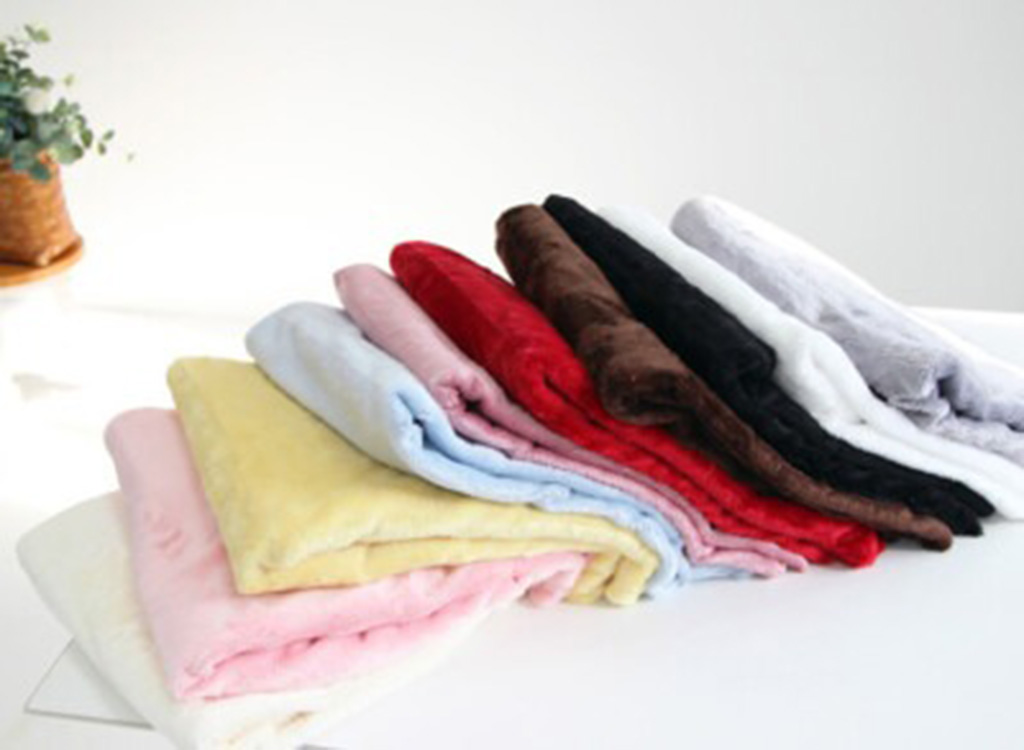
Fabric and filling work together like skin and muscle. The shell defines first touch. The fill defines recovery and posture. The seam engineering holds both in balance. If any one is wrong, the toy feels cheap or deforms after washing.
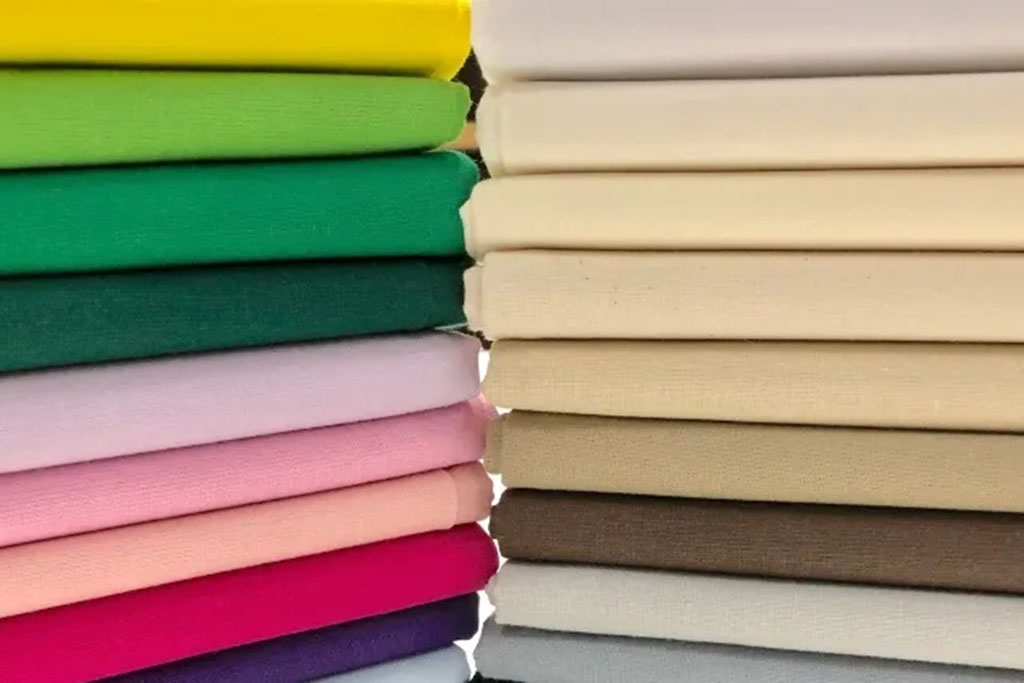
Minky is short-pile, velvet-smooth, and loved in infant lines. Velboa is short-pile with a slightly firmer hand, excellent for everyday retail because it holds embroidery detail well. Faux fur gives a natural animal look and premium fluff, but needs brushing after wash and careful trimming during sewing. Sherpa/boa gives cozy texture for seasonal collections. On the inside, hollow polyester fiberfill gives lofty softness; solid fiberfill gives shape retention; pellets add grounding weight but must live inside sealed inner pouches; foam pieces provide local structure (for heads or bases) without making the whole toy stiff.
If you sell a baby plush, you want low shedding, high softness, and clean embroidery. If you sell a display wolf with realistic fur, you accept heavier maintenance and a “brush to restore” note on the hangtag. For value-tier stuffed animals, a cotton-blend shell and generic polyfill can still pass safety and wash tests if we manage seam strength and filling grams correctly.
Table 2 — Fabric × Fill: what changes in handfeel, durability, and care
| Shell × Fill | Handfeel | Durability & Shape | Care & Notes | Best Use |
|---|---|---|---|---|
| Minky + hollow fiberfill | Ultra-soft, “cloudy” | Medium recovery | Gentle wash; quick dry | Infant & comfort lines |
| Velboa + solid fiberfill | Smooth, supportive | High retention | Machine wash; keeps silhouette | Everyday retail plush |
| Faux fur + fiberfill + pellets (double-pouched) | Fluffy with cozy weight | Medium (needs brushing) | Spot/gentle; brush pile after dry | Realistic animals & collector |
| Cotton blend + generic polyfill mix | Firm, practical | High for rough use | Machine wash; robust seams | Budget stuffed animals |
| Minky + localized foam inserts | Soft outside, structured core | Medium; stable posture | Spot/gentle; avoid overheat | Poseable heads/bases |
Practical tips I use with clients:
- Trim long pile around the eyes and mouth so expressions stay crisp after wash.
- Specify target fill grams per size in the Tech Pack. A small change of 5–10 g per limb can change the look.
- Always double-pouch pellets. Check for leakage during in-line QC.
Which safety, labeling, and compliance frameworks (EN71, ASTM F963, CPSIA, REACH) apply differently to each category?

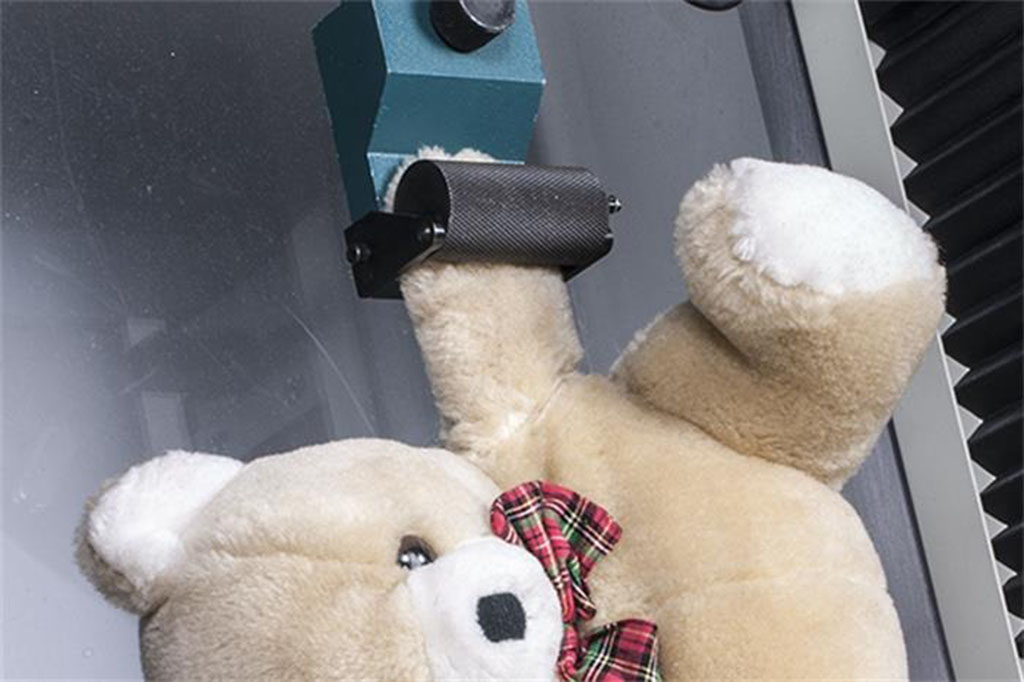
From a lab’s point of view, both plush and stuffed animals are toys if they target children. That means they follow the same frameworks for a given market. The differences come from materials and age grading. Long pile may need extra attention to flammability. Hard trims like eyes or noses need small-parts and tensile tests. For baby lines, I push for embroidered faces to avoid small-part risk.
For Europe you need EN71-1/2/3 plus REACH where relevant, and a CE Declaration of Conformity listing standards. For the US you need ASTM F963 plus CPSIA (lead, phthalates), a CPC (Children’s Product Certificate), and a tracking label. Many other markets align with ISO 8124. Retailers may add OEKO-TEX for fabrics.
Always link reports to the actual material lots you will ship. If you switch dye lot or trim vendor, re-test the affected parts. This prevents delays at receiving and protects your brand.
Table 3 — Compliance map: what to test and what to keep on file
| Destination | Core standards | What they cover | Must-have documents |
|---|---|---|---|
| EU | EN71-1/2/3 + REACH | Mechanical/physical, flammability, chemicals | 3rd-party lab reports + CE DoC |
| USA | ASTM F963 + CPSIA | Mechanical/physical; lead & phthalates; tracking | 3rd-party reports + CPC + tracking label |
| Global reference | ISO 8124 (where used) | Aligned toy safety baseline | Lab reports as required |
Good practice on labels and claims:
- Keep age grade, wash care, fiber content, country of origin, and tracking info consistent with your test plan.
- If you claim “recycled polyester,” hold the certificate for that lot and make sure the hangtag claim matches the documentation.
How do design complexity, pattern-making, and embellishments influence sampling cycles, MOQs, and unit economics?
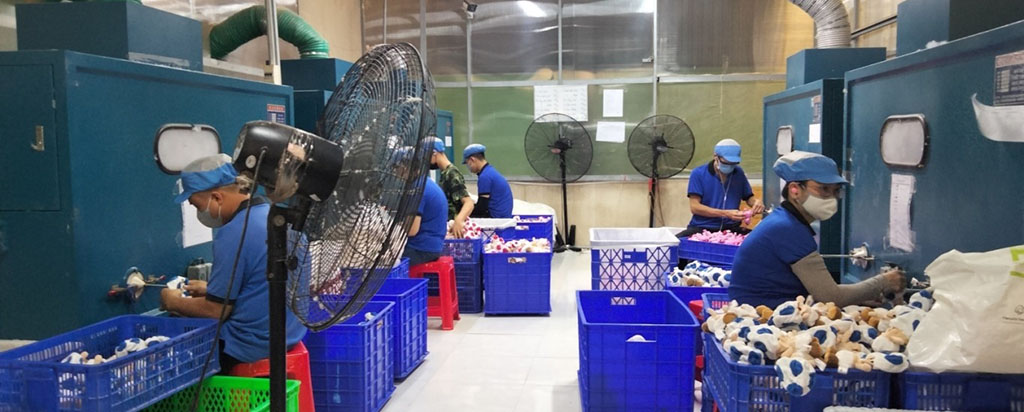
Design is emotion, but it is also minutes per unit. Each extra panel, each appliqué, and each thread color adds minutes, approvals, and sometimes MOQs. If we front-load silhouette approval, the later stages move fast. If we change shape late, the schedule slips and the cost rises.
A common rhythm for a new plush is: design brief → patterns → Soft Sample #1 using stock colors to fix silhouette and face balance → changes → Soft Sample #2 for final shape and trims → PPS (PP sample) sealed with confirmed BOM, labels, and packaging. If you start with custom-dyed fabric before silhouette is right, you risk re-dyeing and extra weeks.
Long-pile faux fur needs pile-direction control. Heavy embroidery needs digitizing time and stitch-count checks. Weighted plush needs inner-pouch tests and seam reinforcement. None of these are “bad”; they just need a calendar and cost line.
Table 4 — Design complexity: impact on time, MOQ, and unit cost
| Driver | Effect on sampling | Effect on MOQs | Effect on unit cost |
|---|---|---|---|
| Complex head/face patterning | Often +1 iteration for symmetry | Neutral | ↑ labor minutes |
| Heavy embroidery / appliqué | +2–3 days (digitizing & proofs) | Neutral | ↑ stitch time & thread |
| Long-pile faux fur panels | Extra trimming and pile-match checks | Possible fabric mill minimums | ↑ fabric + finishing |
| Weighted pellets (inner pouches) | Pouch integrity & leakage testing | Neutral | ↑ materials + QC time |
| Custom-dyed fabric | Lab dips & approvals add steps | ↑ due to mill minimums per color | ↑ setup + handling |
Speed strategy I use:
- Approve shape in stock fabrics.
- Lock face artwork and stitch density.
- Only then confirm custom colors, special trims, and gift packaging.
What market positioning and consumer expectations drive pricing, packaging, and channel strategy for each type?

Plush promises softness, cuteness, and often a small story or personality. Shoppers expect a premium feel, good photography, and gift-ready packaging. Stuffed animal promises value and durability. Shoppers expect clear size info, wash care, and strong seams. Both can be safe and well-made; the story and feel define the price band and the channel.
For plush, I encourage texture close-ups, face detail shots, and a micro bio on the hangtag. For stuffed animals, I encourage clear dimensions, weight, and practical care icons. Specialty retail and DTC love plush storytelling. Mass retail and education channels love sturdy stuffed animals with stable replenishment.
Table 5 — Positioning & channel guide
| Attribute | Plush | Stuffed animal |
|---|---|---|
| Price band | Mid–premium | Value–mid |
| Value hook | Softness, character, collectibility | Durability, price, volume |
| Packaging | Gift tags/boxes; story cards | Polybag + hangtag; shelf-ready |
| Content | Texture close-ups; name & bio | Size clarity; wash care; school-safe |
| Channel fit | Specialty, DTC, collabs | Mass retail, education, promos |
When we plan a family of SKUs, I often split the range: a hero plush with better fabrics and gift box for DTC and boutique channels, plus a value stuffed animal variant with simpler fabric and polybag for mass accounts. One character, two bills of materials, two price points, one coherent brand.
How should brands choose terminology and SEO taxonomy (“plush,” “plush toy,” “stuffed animal”) to maximize discoverability and compliance?
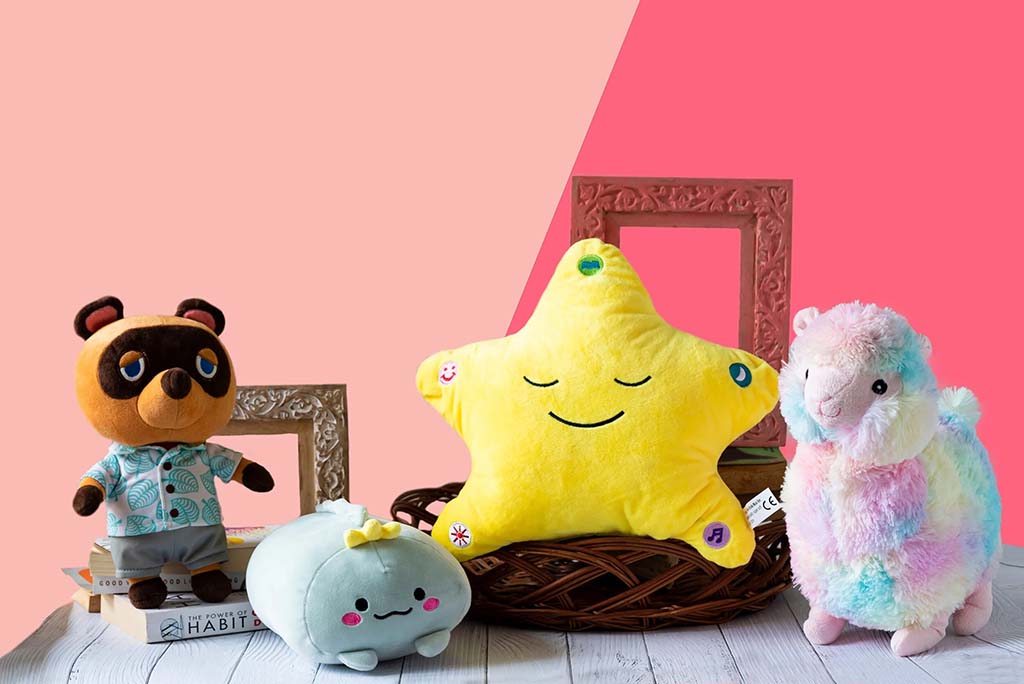
SEO is not just keywords; it is expectation management. The safest universal phrase is “plush toy” (US/EU) or “soft toy” (UK/EU). The community word “plushie” attracts youth and collectors. The generic “stuffed animal” captures broad search traffic in North America. I usually build hybrid titles that include both.
For example:12" Bunny Plush Toy (Stuffed Animal), Minky Fabric, Embroidered Eyes, CE/ASTM
The bullets then support the promise with materials and compliance: minky/velboa/faux fur, fiberfill grams, wash guidance, EN71/ASTM/CPSIA, age grade, packaging type. Alt text and tags include animal/character, color, and both terms (“plush toy,” “stuffed animal”). For the UK I also add “soft toy.” For baby SKUs, I put “embroidered eyes” and the wash claim near the top of bullets.
Why this works: the hybrid title hits both search habits while staying clear and compliant. The bullets de-risk you with retail reviewers and platforms that scan for safety claims.
Practical playbook I use with buyers
- Titles: lead with “plush toy” and include “stuffed animal.” Add size and material.
- Bullets: materials, fill type, wash care, EN71/ASTM/CPSIA, age grade, packaging.
- Images: scale in hand, texture close-up, face detail, packaging shot.
- Tags: animal/character, “plush toy,” “stuffed animal,” color, “gift,” “collectible,” season.
- UK/EU copies: add “soft toy.”
- A/B test two title lines and keep the one with better CTR and conversion.
Buyer scenarios and decisions (so you can act now)
Scenario 1 — Baby comfort line, US + EU.
Use minky shell, hollow fiberfill, embroidered face. Title with “Plush Toy (Stuffed Animal).” Run ASTM F963, CPSIA, EN71, REACH. Ship with gentle-wash claim. Package in card + polybag with suffocation warning and tracking label.
Scenario 2 — Collector fox, DTC + boutique.
Use faux fur shell, solid fiberfill core, pellet-weighted base in double pouch. Title with “Plush Toy / Plushie.” Provide brush-to-restore note. Gift box with small story card. Price mid-premium.
Scenario 3 — School program, value tier.
Use velboa or cotton-blend shell, solid fiberfill, strong top-stitches. Title with “Stuffed Animal / Plush Toy.” Machine-wash claim, clear size. Polybag + hangtag. Focus on replenishment and AQL controls.
Scenario 4 — Multi-channel family.
One character, two BOMs: hero plush for DTC (minky/faux fur, gift box) and value stuffed animal for mass (velboa/cotton blend, polybag). Shared face art keeps brand coherent.
Operations checklist (keeps projects on time)
- One-page brief: size, target age, fabrics, fill grams, trims, wash claim, tests, packaging, order size, Incoterm.
- Soft Sample #1 in stock colors to lock silhouette and face balance.
- Soft Sample #2 for final shape and trims; digitize embroidery; confirm stitch density.
- PPS sealed with BOM, labels, and packaging. Keep a golden sample at factory and at your office.
- AQL plan: General Level II, Major 2.5 / Minor 4.0 (tighten for infant lines).
- Checkpoints: IQC for fabric/fill lots → in-line at ~30% → FRI at ≥80% packed.
- Lab tests tied to actual lots. Re-test if dye lot or trims change.
- Logistics: confirm HS code (often 9503—verify sub-code), carton ECT/BCT, max weight 12–16 kg, and your Incoterm (FOB for control, DDP for convenience).
- Content: shoot scale-in-hand, texture close-up, face detail, and packaging.
- SEO: hybrid title with both “plush toy” and “stuffed animal”; regionally add “soft toy” for UK/EU.
Use this flow and you will ship faster, argue less, and convert better.
Conclusion
“Plush” and “stuffed animal” overlap, but they signal different promises. Plush says soft handfeel, charming faces, and giftable stories. Stuffed animal says practical value, strong seams, and wide reach. When you choose fabrics and fillings with intention, lock safety with EN71/ASTM/CPSIA, and write hybrid titles that match how people search, you protect margins and build trust.
At Kinwin, my team turns your idea into a sealed PPS and then a clean, on-time mass run—whether you lead with plush storytelling, stuffed-animal utility, or a split range that wins in both channels. Email [email protected] or visit kinwintoys.com to plan your next collection.