Skip to content
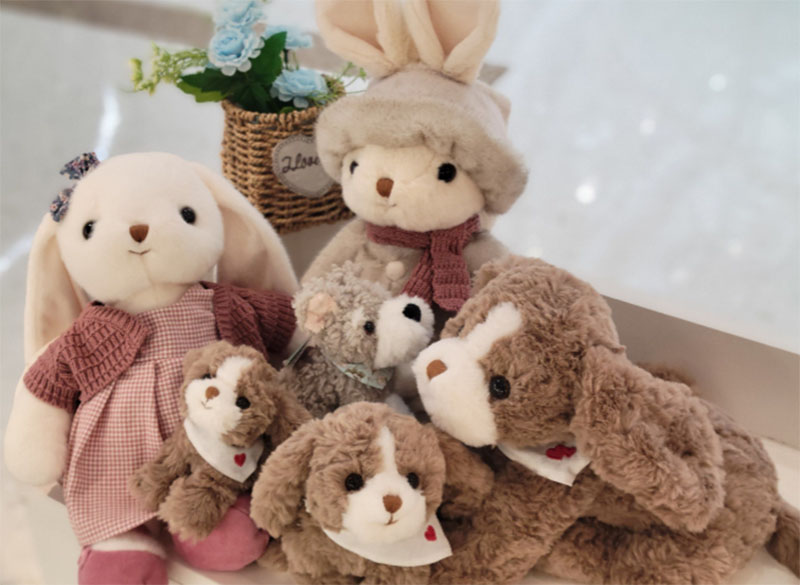
When buyers, designers, and parents say “plush doll,” they aren’t just naming a cute soft toy. They’re referring to a human-or humanoid-styled plush character whose value comes from expression, wardrobe, proportions, and hand-feel—supported by factory systems that keep those traits consistent at scale. As Amanda from Kinwin, I’ll break down what “plush doll” really means in manufacturing and retail, how the category evolved, what separates it from other plushies, which materials and builds create lifelike charm, and how culture, markets, and age grading shape global success.
What does the term “plush doll” mean in the toy industry?
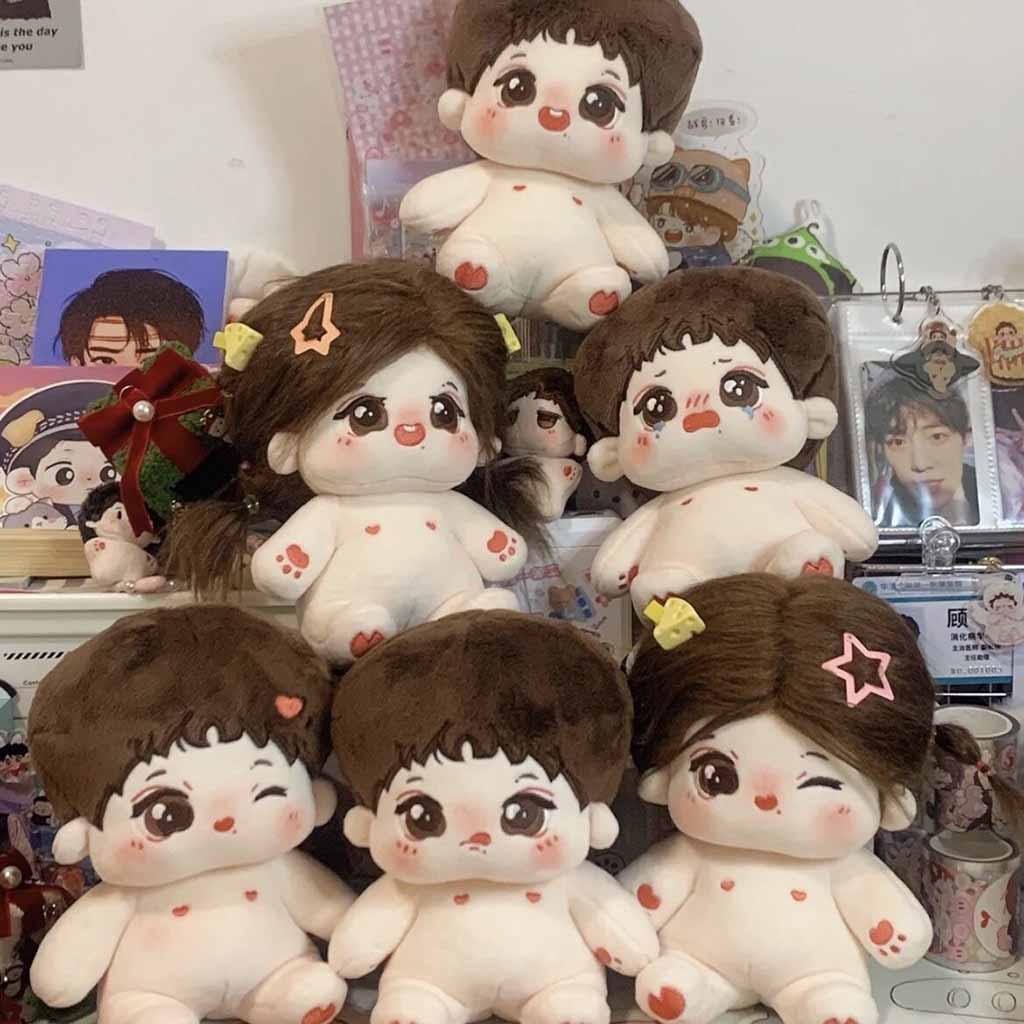
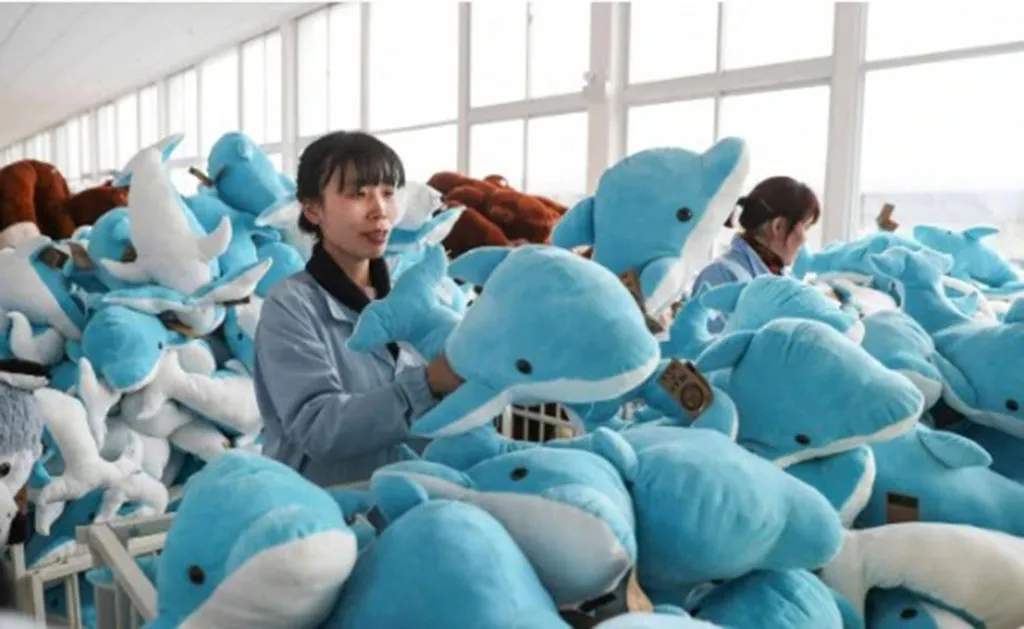
In industry terms, a plush doll is a soft, sewn figure that represents a person or humanoid character and usually includes a defined face style (embroidered/appliqué features), hair solution (yarn, felt, flocked plush, or plush “cap”), and wardrobe (sewn-on or removable garments). Unlike generic plush, the plush doll emphasizes identity and styling: skin tones, hairstyles, outfits, accessories, and named personas. In factories, we anchor that identity through a fabric map (which material goes where), a density map (grams of fill per body zone), and tolerance targets for symmetry, shade, and stitch counts—so every batch looks like the master sample.
A good definition also covers purpose. Plush dolls are made for role-play, display, gifting, collecting, and sometimes emotional comfort. Because they live in many contexts (nursery, school bag, dorm room, office shelf), we design for photo clarity, hug feel, and durable wardrobe details that survive repeated dressing.
Table 1 — Working definition of a plush doll (factory perspective)
| Dimension | What It Includes | Why It Matters in Practice |
|---|---|---|
| Core identity | Human/humanoid form with named persona | Drives collectability and storytelling |
| Face engineering | Embroidery/appliqué; thin batting under face | Safe, consistent expressions in bulk |
| Hair solutions | Yarn, felt/fringe, flocked cap, plush wigs | Style range across price tiers |
| Wardrobe logic | Sewn-on vs. removable garments | Balances safety, play value, and cost |
| Fill system | PP cotton, microfiber; optional weighted liner | Hand-feel, posture, and photo stability |
| QC references | Fabric map, density map, golden sample | Repeatable look and feel across lots |
How did plush dolls evolve from traditional soft toys?
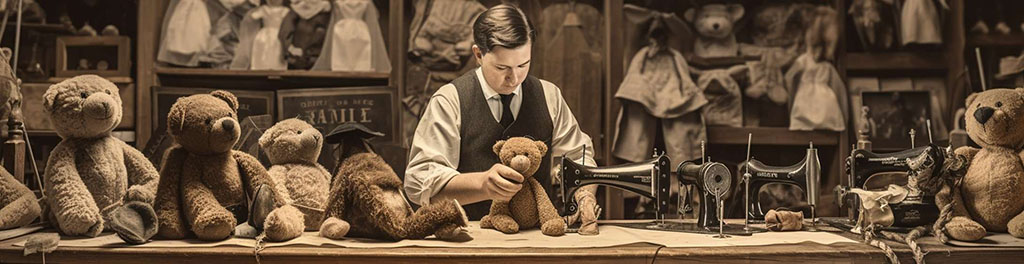
Traditional soft toys began as stuffed animals with simple shapes and minimal detailing. As textiles advanced, plush makers learned to cut tighter curves, stabilize backings, and embroider facial nuances. This enabled humanlike characters with gentle smiles, blush, and varied skin tones. Meanwhile, apparel techniques scaled down into miniature wardrobes—tiny collars, pleats, and snaps—turning soft toys into dress-up dolls with seasonal outfits and collaboration stories.
E-commerce accelerated the shift: photographs became the first “touch,” so factories optimized for camera-friendly faces, sitting posture, and low-glare fabrics that look natural on screen. Social media fueled limited drops and fandom crossovers, while safety standards matured to cover trims, dyes, and small parts. Today’s plush doll merges plush engineering with fashion thinking—and that’s why it outgrew the “just a plushie” label.
Table 2 — From soft toy to plush doll: key evolution steps
| Era/Driver | What Changed | Manufacturing Impact | Retail Impact |
|---|---|---|---|
| Early soft toys | Simple animal forms | Straight seams, basic fills | Hug value only |
| Embroidery era | Cleaner faces, safer eyes | Tight backing, batting under face | Photo clarity, baby-safe |
| Mini fashion | Scaled-down garments | Trim rules, seam tests, sizing | Dress-up play, upsell outfits |
| E-commerce boom | Screen-first evaluation | Sit tests, matte fabrics | Conversion via photography |
| Fandom & collabs | Story and identity | Colorway control, fast sampling | Collectability, limited drops |
| Sustainability | Recycled fibers, low-VOC | rPET, dope-dyed yarns, documentation | Retail scorecards, brand trust |
What design features distinguish plush dolls from other plushies?
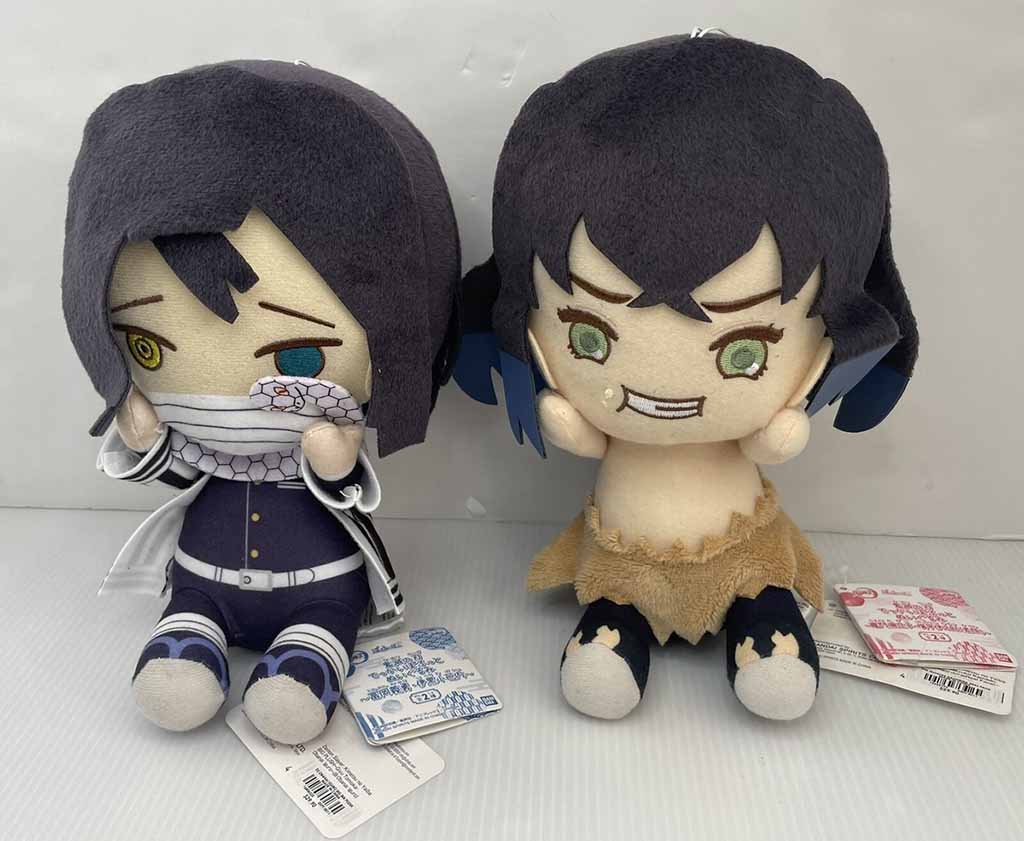
Three features set plush dolls apart: human-style faces, hair logic, and outfit systems. The face demands tight symmetry and clean embroidery with a thin batting sheet beneath to avoid lump shadows. Hair may be a plush cap, yarn braids, felt fringe, or flocked surfaces—each with its own pull-test and colorfastness needs. Outfit systems range from sewn-on staples (for younger ages) to modular wardrobes (for older kids/collectors), where jackets, dresses, and shoes are engineered like miniature apparel.
Form also differs. Plush dolls often use rounded torsos and proportioned limbs that sit upright on a shelf and look balanced in photos. We place weight low in the belly or hips (sealed liners tacked to seams) to keep the center of mass stable for e-commerce images and store displays.
Table 3 — Plush doll vs. other plushies (design checklist)
| Feature | Plush Doll | Stuffed Animal / Generic Plushie | Why It Matters |
|---|---|---|---|
| Identity | Human/humanoid persona | Species or abstract character | Enables wardrobes & representation |
| Face | Embroidered, high symmetry | Simplified animal cues | Screen clarity, brand signature |
| Hair | Yarn/felt/flock/plush cap | Fur or none | Styling and cultural range |
| Wardrobe | Sewn-on or removable | Minimal trims | Dress-up play, upsell potential |
| Posture | Sit-stable with low COM | Varies | Better shelf & photo performance |
| QC emphasis | Shade, stitch count, symmetry | Pile direction, overall fluff | Consistent expression across lots |
How do materials and construction influence realism and softness?
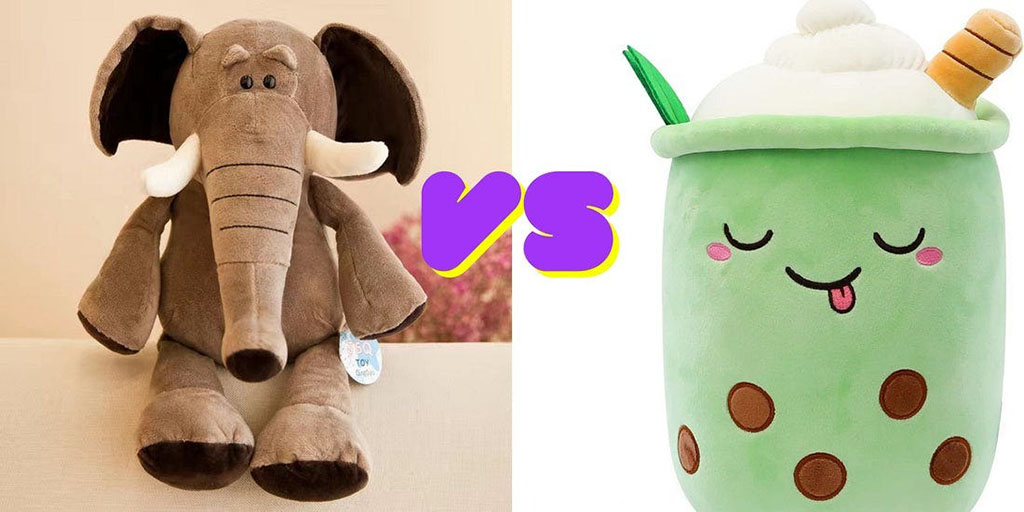
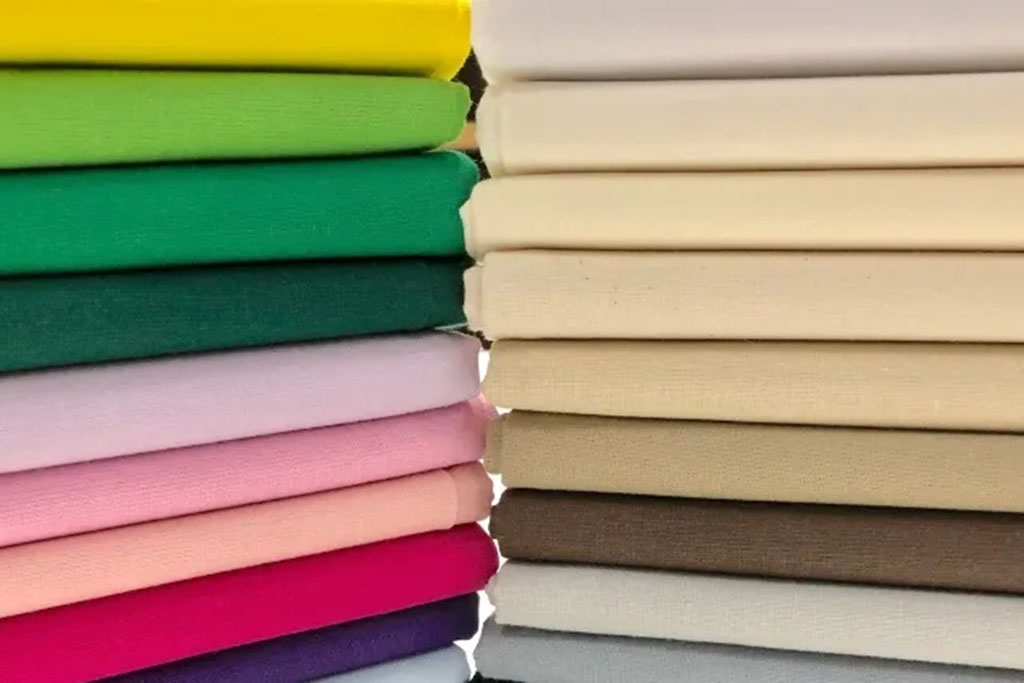
Materials translate concept into emotion. Velboa/short plush (1.5–2.5 mm) in skin tones gives matte, camera-clean faces; a thin batting layer under the face fabric smooths the surface so eyes and smiles stitch crisply. Minky (3–5 mm) or microfleece bodies deliver the “cloud” hug. For realism in fashion lines, we add woven poplin/twill for structure and cotton/spandex jersey for stretch comfort. Hair choices affect realism too: yarn builds braids and curls; felt/fringe yields neat bangs; flocked caps create a smooth “scalp.”
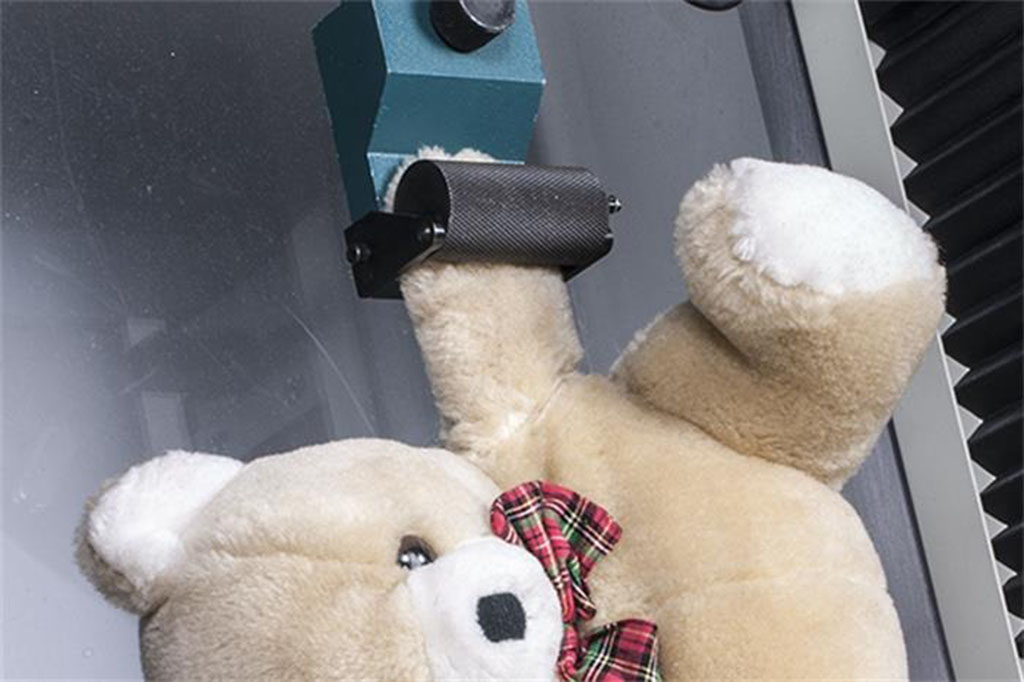
Construction is the quiet hero. We widen seam allowance to 0.5–0.7 cm on curves for minky/faux-fur parts, segment any weighted liners and tack them to interior seams, and record grams per part so the silhouette stays repeatable. These micro-decisions control softness, shape retention, and wash behavior—and they separate professional builds from hobby looks.
Table 4 — Material & build map for realism + softness
| Zone | Material Choice | Build Technique | Result in Hand & Photos |
|---|---|---|---|
| Face/skin | Velboa/short plush, tight backing | Thin batting under face; precise embroidery | Smooth expression, no stitch sink |
| Body | Minky 3–5 mm or microfleece | Wider seam on curves; layered fill | Cloud-soft hug; neat contours |
| Hair | Yarn/felt/flock/plush cap | Pull tests; colorfast checks | Styles from bangs to braids |
| Outfit | Jersey + poplin/twill | Stitch density tuning; reinforced trims | Realistic mini-apparel fit |
| Stability | Sealed bead/foam liner (optional) | Segmented, tacked to seams | Sit-stable, photo-ready posture |
What cultural and market factors drive global demand for plush dolls?
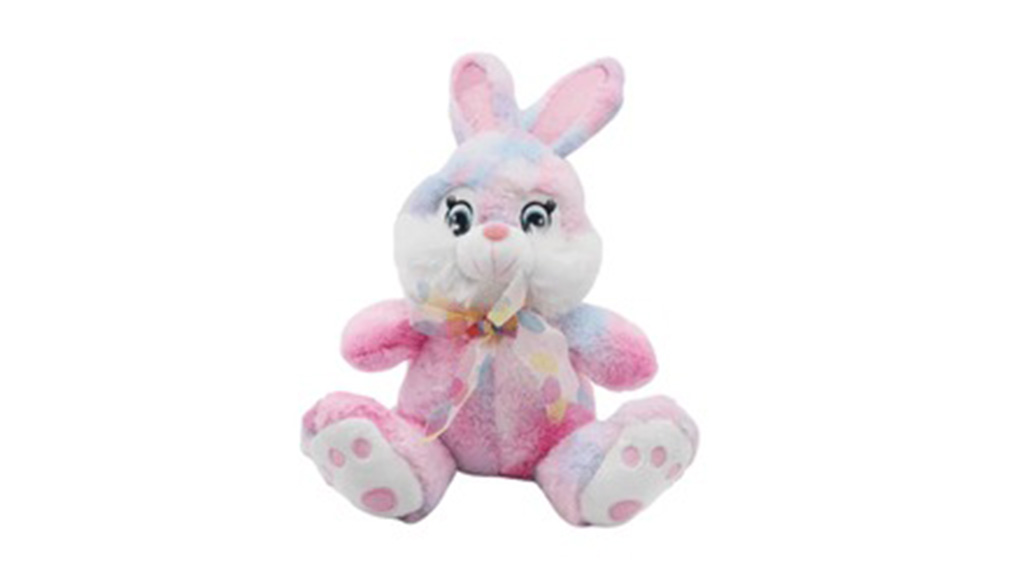
Demand rises where identity, comfort, and aesthetics meet. Parents appreciate gentle expressions and safe materials for toddlers; older kids enjoy dress-up narratives; teens and adults buy for décor, self-expression, gifts, and stress relief. Cultural representation matters: multiple skin tones, hair textures, and outfits broaden relevance. Fandom culture fuels limited colorways, collabs, and drops that reward collecting and social sharing. Meanwhile, retailers push for sustainability documentation (rPET fibers, low-VOC chemistry) and stable lead times—turning material traceability into a sales asset, not just a compliance task.
Digital commerce also shapes demand. Scroll-stopping textures, sit-stable poses, and true-to-screen color improve conversion. Clear care labels and real wash validation drive reviews and repeat purchases. In short: culture creates the desire; operations protect the promise.
Table 5 — Demand drivers by region and buyer mindset
| Driver | What Consumers Want | Factory/Brand Response | Impact on Sell-through |
|---|---|---|---|
| Representation | Skin tones, hair diversity | Shade maps, hair libraries | Wider audience fit |
| Comfort & wellness | Soft hand, calm expression | Minky body, balanced density | Higher review scores |
| Collectability | Limited drops, collabs | Fast sampling, color control | Repeat purchases |
| Sustainability | rPET, low-VOC | GRS docs, finish SDS | Retail approvals, trust |
| E-commerce visuals | Sit-stable, matte face | Low COM; batting under face | Better thumbnails & PDP |
| Gifting | Premium box & note | Unboxing design | Higher ASP and conversion |
How do brands position plush dolls across different age groups and markets?
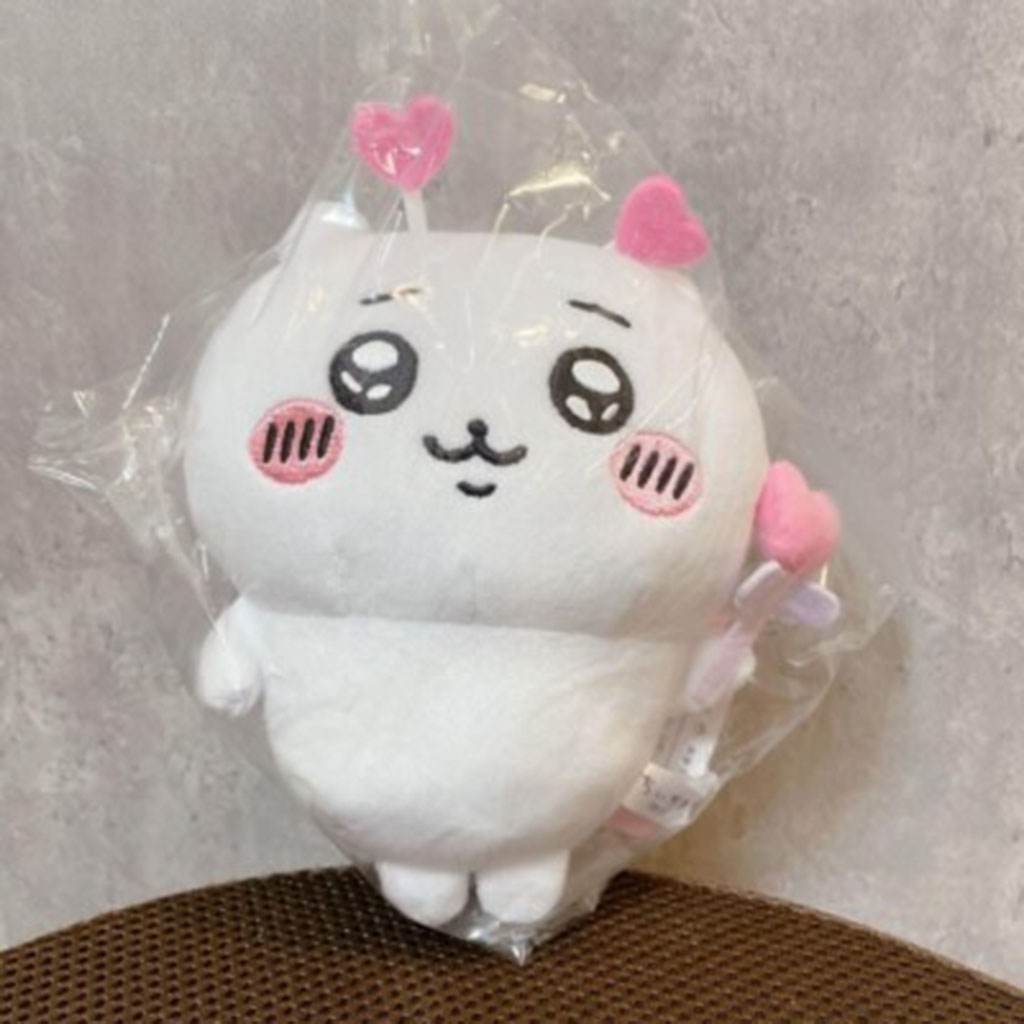
Positioning starts with age grading and use case. For 0–3 years, we prefer short pile faces, embroidered features, sewn-on outfits, and simple care. For 4–8 years, wardrobe play ramps up: removable outfits, stronger trims, anti-pilling bodies. For tweens/teens, aesthetics and collabs matter—muted palettes, limited editions, photogenic shapes. For adults, we lean into décor, comfort, and gifting: silky minky bodies, premium boxes, and subtle branding. Across all tiers, we standardize compliance (EN 71 / ASTM F963 / CPSIA) and keep batch traceability tight.
Channel strategy completes the picture: specialty toy shops want assortment stories; marketplaces want spec clarity and reviews; department stores ask for premium packaging and seasonality; B2B/corporate buyers need logo embroidery and reliable MOQs. One master doll with localized outfits/tones can serve many markets without reinventing the base.
Table 6 — Positioning matrix: age, channel, and proof points
| Segment | Product Focus | Channel Tactics | Proof Points |
|---|---|---|---|
| 0–3 years | Safe, sewn-on outfit; easy wash | Specialty baby, Amazon | EN 71/ASTM badges; care validation |
| 4–8 years | Dress-up play; durable trims | Toy retail; bundles | Trim strength; outfit packs |
| 9–14 years | Trend & identity; collabs | TikTok/IG, limited drops | Limited tags; color consistency |
| 15+ adults | Décor/comfort; gifting box | Dept. stores; Etsy | Premium unboxing; soft hand |
| Collectors | Numbered editions; lore cards | Drops, newsletters | Edition tracking; photosets |
| Corporate/B2B | Mascots/co-brand | Catalog + mockups | MOQ/lead time; compliance kit |
Conclusion
“Plush doll” means soft character with identity—a blend of humanlike features, thoughtful hair and wardrobe choices, and a build that feels gentle yet looks crisp on camera. When materials, construction, compliance, and storytelling work together, a plush doll becomes more than a toy: it becomes a companion people keep close and a product line retailers trust.
At Kinwin, we design plush dolls to be photo-ready, cuddle-ready, and audit-ready—with fabric maps, density maps, and traceable materials that keep quality stable from sample to container. If you want a doll that looks beautiful, feels premium, and clears global compliance smoothly, we’re ready to build it with you.
Contact: [email protected] | kinwintoys.com