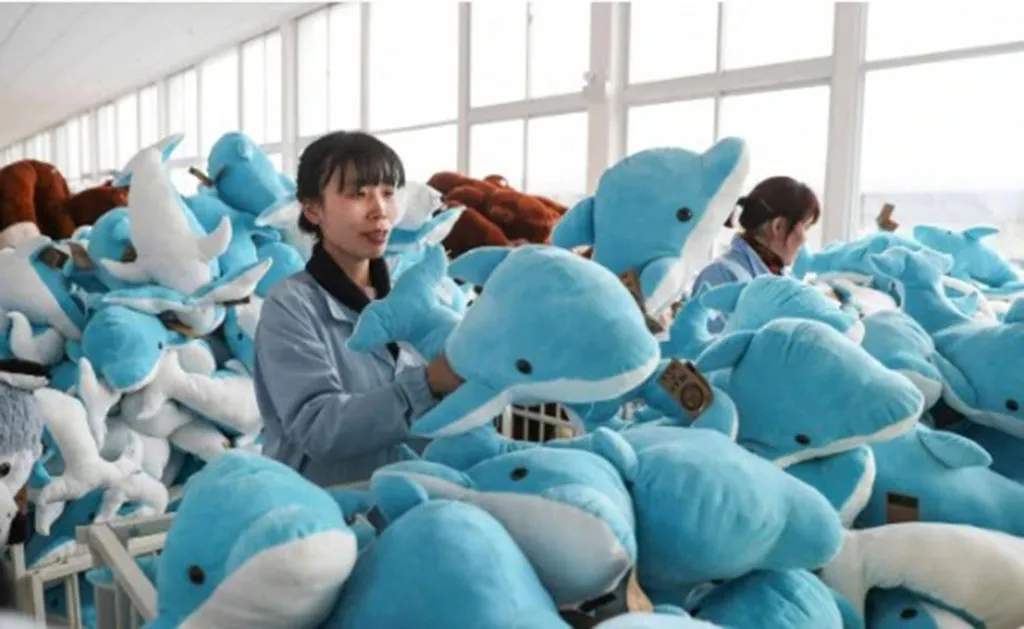
I’m Amanda from Kinwin in China. I lead OEM/ODM plush programs for brands and retailers who need safe products, clean documents, and on-time delivery. The direct question I hear most often is: “Is it safe to buy toys made in China?” My answer is yes—when you pick a reputable factory and run a disciplined, lot-tied compliance process. Safety is not about a country label; it is about standards, traceability, real testing, and predictable inspections. Below I explain how the system works, which documents matter, how to verify suppliers, what red flags to avoid, and how to maintain quality over years of production. I’ll keep the language simple and practical so your sourcing, QA, and legal teams can act today.
What safety standards and certification systems (EN71, ASTM F963, CPSIA, CE, REACH) regulate toy production in China?
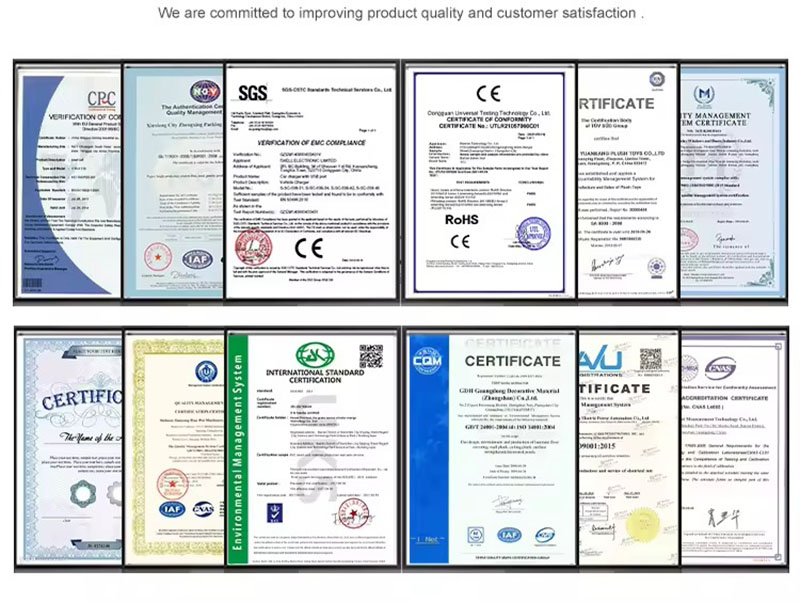
When a toy is manufactured in China, the destination market’s law controls what “safe” means. For the EU/UK, we follow EN71-1/2/3 and issue CE/UKCA with a Declaration of Conformity (DoC) and a technical file. For the U.S., we test to ASTM F963, meet CPSIA chemical limits, and issue a Children’s Product Certificate (CPC) with the tracking label artwork. Many retailers also request REACH or RSL screens. These are not optional. They define the test scope, labels, and even design choices such as embroidery-only faces for 0+ SKUs and double-pouched pellets on weighted items.
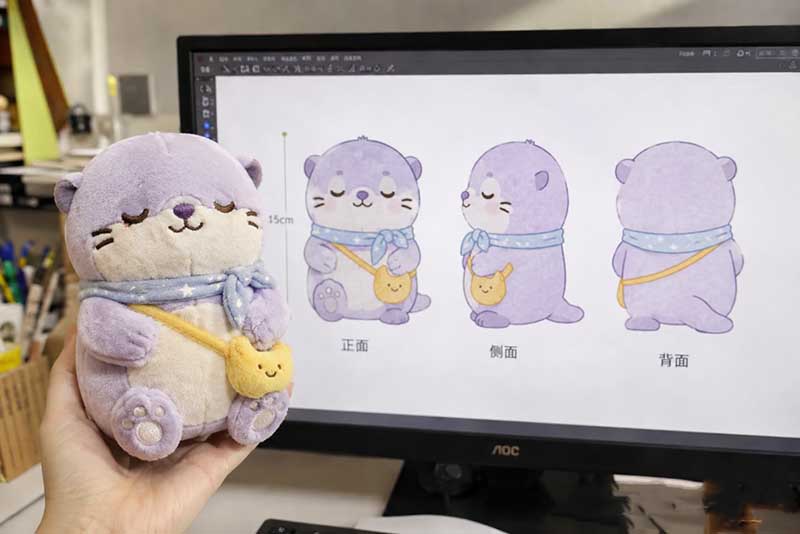
In practice, I lock standards at the briefing stage and map them inside the tech pack. During S1/S2 sampling we confirm which trims and fabrics will ship. The PPS (Pre-Production Sample) is built with final materials, labels, and packaging; this becomes the golden sample. Lab testing must be lot-tied to production, not just development swatches. If a dye lot or trim vendor changes, the re-test is scheduled before booking shipment. That is how we keep reports honest and shipments clean at customs and retail intake.
Table 1 — Core Standards & Required Documents
| Standard / Mark | Region | Scope (simplified) | Required documents |
|---|---|---|---|
| EN71-1 | EU/UK | Mechanical/physical: small parts, seam strength, cords | Lot-tied lab report + tech file |
| EN71-2 | EU/UK | Flammability behavior of materials | Lab report |
| EN71-3 | EU/UK | Migration of certain elements | Lab report |
| CE / UKCA | EU / UK | Conformity marking | DoC + technical file with evidence |
| ASTM F963 | U.S. | Mechanical/physical + labeling | Lab report |
| CPSIA | U.S. | Lead/phthalates + tracking label | CPC + tracking label sample |
| REACH / RSL | EU / Retailer | Chemical restrictions beyond EN71-3 | Lab report / declaration |
How do reputable Chinese manufacturers ensure material traceability, lab testing, and third-party inspections?
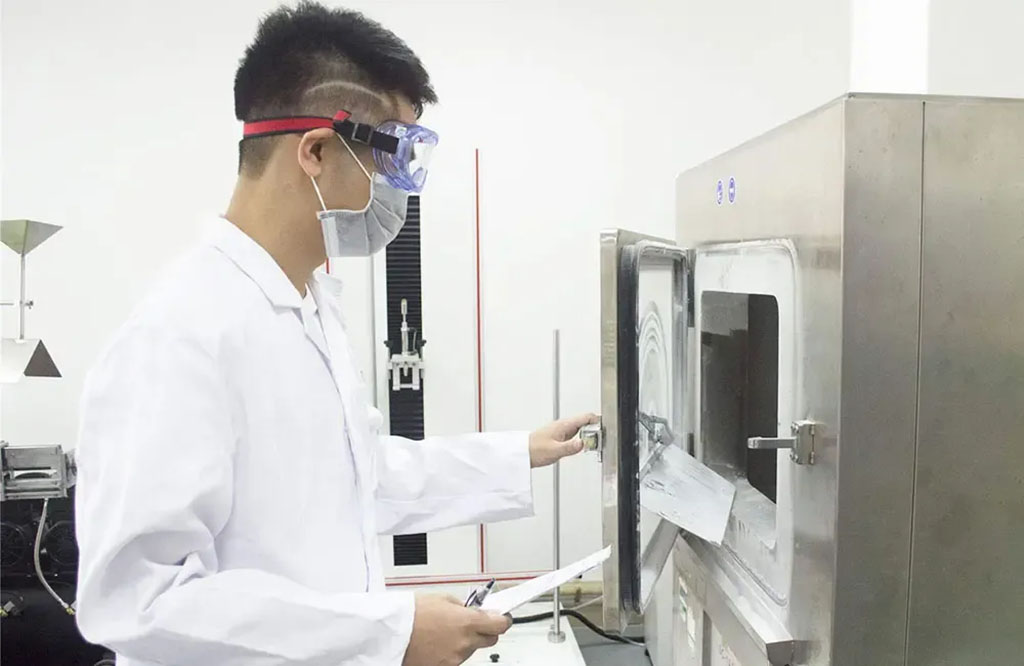
A serious factory is boring in the best way: traceable materials, repeatable builds, and independent checks. I start by freezing a BOM with fabric GSM, pile height, backing type, thread specs, pellet type/grams, and label versions. Each incoming component gets a lot ID. The production traveler links each carton back to the BOM + lot IDs, so if a retailer asks, we can show exactly which dye lot is inside that box.
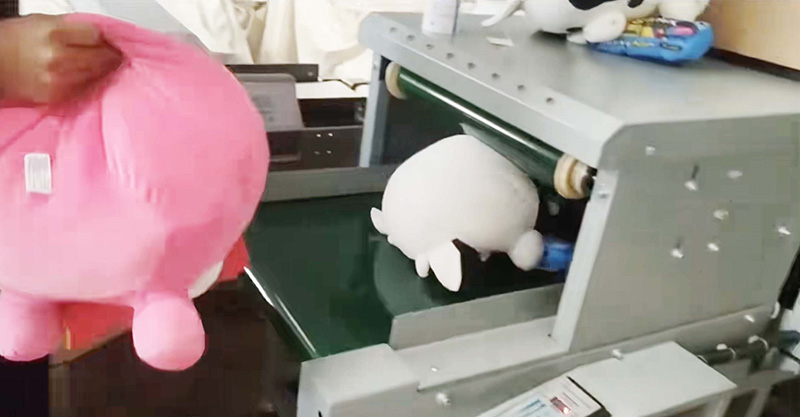
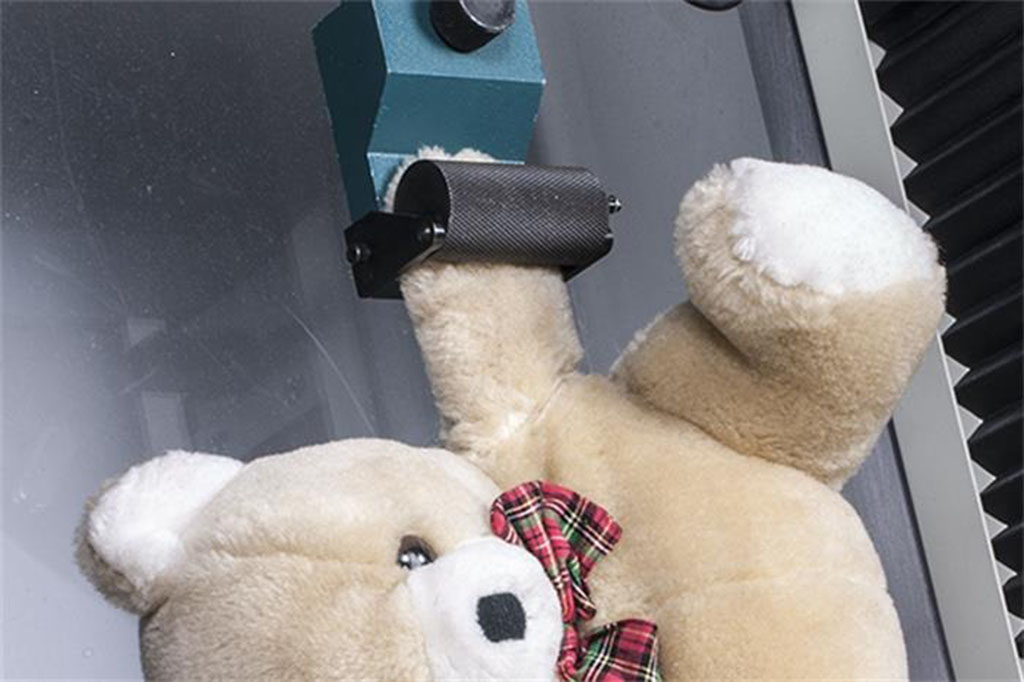
Testing is planned as lot-tied from day one. We pull finished-goods samples from the actual production and send them to accredited labs for EN71 / ASTM / CPSIA. Weighted items undergo leakage tests. Scented features follow IFRA-aligned inputs with clear disclosure. In parallel, my QC team runs in-line checks at cutting, embroidery, sewing, and stuffing (symmetry, seam pulls, panel fill grams, lint on velboa). Before shipment we run a Final Random Inspection (FRI) against the buyer’s AQL plan (for example, General Level II, Major 2.5 / Minor 4.0). The compliance folder closes only when reports, CPC/DoC, tracking labels, and PPS photos match the goods we are shipping.
Table 2 — Factory Controls That Keep Toys Safe
| Control | What we implement | Why it matters |
|---|---|---|
| BOM freeze | Fabric GSM/pile, trims, labels, pellet grams | Prevents silent substitutions |
| Lot IDs | Dye lot & trim lot labeling | Enables lot-tied testing |
| In-line QC | Hourly seam pulls; fill-map grams; symmetry | Catches drift early |
| Leakage test | Double-pouched pellets + abuse checks | Stops pellet escape risks |
| Lab testing | EN71/ASTM/CPSIA on production lots | Proves actual goods are compliant |
| FRI (AQL) | Pre-ship random inspection | Confirms workmanship + labeling |
What are the common misconceptions about toy safety from China versus the actual compliance data and audit practices?

The big misconception is that “made in China” equals low safety. What I see daily is the opposite: reputable Chinese factories are fluent in EU/UK and U.S. rules and operate change control that many buyers don’t even see. Problems usually come from unverified suppliers, paper-only certificates, or buyers who skip AQL and lot-tied testing to save a little time.
Another myth is that once a toy passes a test, it is always safe. In reality, testing is per lot. If the dye lot or trim vendor changes, the risk profile can change. Good factories re-test the affected scope and update the file. A third myth is that weighted plush is dangerous. It is dangerous only when built with single pouches and weak seams. Our weighted builds use double inner pouches and leakage validation, and we label by age grade.
Finally, buyers often worry that reports are easy to fake. Reputable labs now use QR codes, portals, and photo matching to verify model names, sample photos, and report IDs. Add a third-party FRI to match the paperwork to the cartons, and the risk of “paper compliance” drops sharply.
Table 3 — Myths vs. Reality
| Myth | Reality |
|---|---|
| “China doesn’t follow international rules.” | Reputable factories build to EN71/ASTM/CPSIA daily, with lot-tied reports. |
| “One certificate works forever.” | Tests are lot-specific; changes trigger re-tests. |
| “Weighted plush is unsafe.” | Safe with double-pouch pellets, reinforced seams, and leakage tests. |
| “Certificates are easy to fake.” | Labs provide QR/portal verification and image matching; add 3rd-party FRI. |
How can buyers verify factory reliability through documentation, audits, and certification platforms (BSCI, SEDEX, ICTI)?
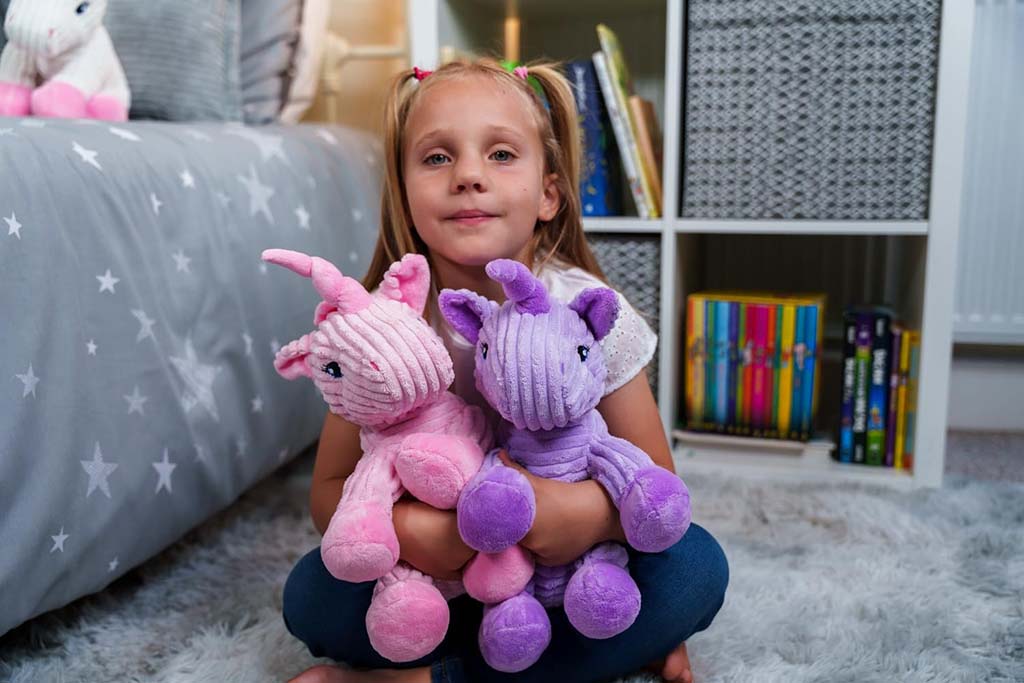
Verification is a repeatable checklist. Start with documents, then add audits and on-line platform checks. Ask for EN71/ASTM/CPSIA reports that match your model name, size, materials, and lot. In the U.S., review the CPC and tracking label artwork (date code and factory ID). For EU/UK, review the DoC and technical file index. Check social/ethical audits such as BSCI or SEDEX/SMETA; for toy-focused programs, the ICTI Ethical Toy Program is widely recognized. When time or travel is tight, run a video audit of cutting, embroidery, stuffing, and packing to see the real line, not just a showroom.
Then structure AQL + FRI into the purchase order. Agree the inspection levels and special checks (pellet leakage, embroidery placement, cheek symmetry, lint on velboa) up front. Tie shipment booking to upload of lot-tied reports and an FRI pass. Finally, keep a single compliance folder per SKU: BOM, reports, CPC/DoC, labels, PPS photos, and change logs. When everyone uses the same folder, confusion drops and onboarding with retailers is smooth.
Table 4 — Buyer’s Verification Toolkit
| Item | What to request | What it confirms |
|---|---|---|
| Lot-tied lab reports | EN71/ASTM/CPSIA with photos & model name | Your goods (not a past lot) were tested |
| CPC / DoC | Correct importer/factory info; scope | Legal market access |
| Tracking label sample | Date code + factory ID format | CPSIA traceability |
| BSCI / SEDEX / ICTI | Valid certificate + summary | Ethical sourcing acceptance |
| AQL plan & FRI report | G-II, Maj 2.5 / Min 4.0 + specials | Shipment workmanship & labeling |
| Video/on-site audit | Cutting → stuffing → packing | Real process capability |
What red flags—unverified suppliers, fake certificates, or missing batch traceability—should importers avoid?
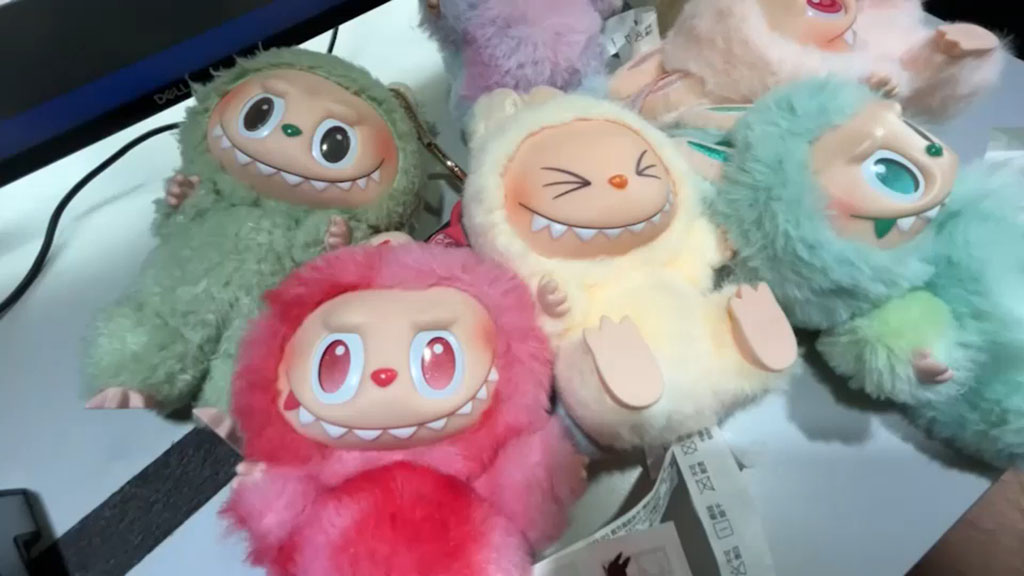
Most safety issues appear before the PO is placed. Red flags include generic claims like “we already passed EN71, no need to test again” (tests are lot-specific), lab reports with mismatched model names, or refusal to provide editable label files (tracking label and care icons). Be cautious with suppliers who will not allow third-party FRI or in-line checks. For weighted plush, a single pouch of pellets is a risk; insist on double-pouched pellets and leakage testing. Another warning sign is vendor swaps or dye-lot changes without documented change control and re-test scheduling.
Also look for incomplete BOMs (no GSM, pile height, or pellet grams), and quotes that never mention AQL, SPI, or bar-tacks. Real plush factories speak in numbers, not only adjectives. And finally, beware of certificates sent as low-resolution images with blurry QR codes. Reputable labs provide verifiable PDFs with traceable IDs.
Table 5 — Red Flags & Immediate Buyer Actions
| Red flag | Why risky | Your move |
|---|---|---|
| “Old” certificates offered for new lots | Not your production | Demand lot-tied reports |
| Model/brand mismatch on reports | Possible recycled files | Verify via lab portal/QR |
| No tracking label plan (U.S.) | CPSIA risk | Approve final label art early |
| Refusal of 3rd-party FRI | Hides workmanship gaps | Make FRI a PO condition |
| Single-pouch pellets | Leakage & claims | Require double-pouch + tests |
| Silent material/vendor swaps | “Paper compliance” | Add change-control clause + re-test |
How can importers maintain consistent quality and compliance through long-term partnerships and AQL-based inspections?
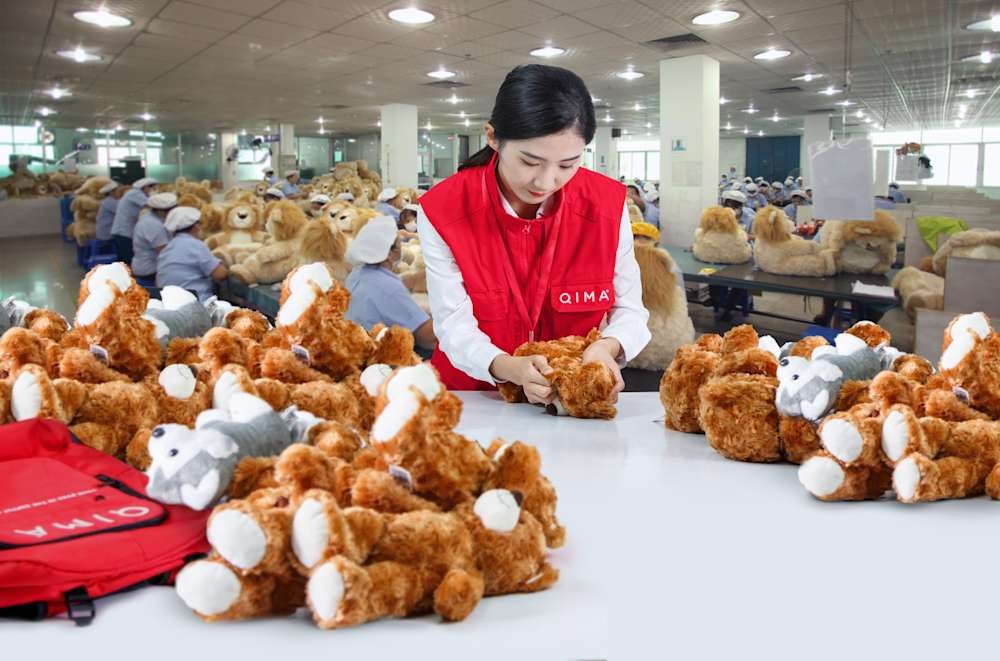
Consistency comes from a cadence both sides follow. First, set one AQL plan (e.g., General Level II, Major 2.5 / Minor 4.0) and keep it stable. Add special checks that reflect plush risk: seam pulls at neck/limbs, pellet leakage, embroidery alignment, and lint control. Second, run in-line QC during sewing and stuffing; catching drift early is cheaper than fixing packed cartons. Third, test by lot every time. If the dye lot or trim vendor changes, re-test the scope and update the compliance folder.
Hold a post-season review to analyze returns and defect reasons. Many issues vanish by adjusting fill grams per panel, SPI on tight curves, or adding trim masks around faux-fur muzzles. Keep a simple supplier scorecard (on-time rate, FRI pass, document accuracy, CAPA closure). For strategic SKUs, consider dual-sourcing, but maintain one master compliance file to avoid version chaos. Finally, link commercial terms to document milestones: deposit after S2 approval, balance after lot-tied reports are uploaded and FRI passes. This keeps everyone aligned on safety and schedule.
Table 6 — Year-Round Control Plan (Repeatable Rhythm)
| Moment | Action | Outcome |
|---|---|---|
| Pre-season | Agree AQL + specials; lock BOM & labels | Clear pass/fail rules |
| Pilot run | Time study; in-line pulls; leakage tests | Stable cycle time; early fixes |
| Mass production | Hourly checks on seams/fill; tolerance charts | Low drift; fewer reworks |
| Lab testing | Lot-tied EN71/ASTM/CPSIA | Real compliance every shipment |
| FRI | Random inspection per AQL | Shipment readiness |
| Post-season | CAPA + spec tweaks | Lower returns next season |
Conclusion
Yes—it is safe to buy toys made in China when you choose a reputable factory and insist on lot-tied testing, AQL inspections, and real documentation. Put standards in the brief, approve PPS, run in-line QC, require third-party FRI, and keep one clean compliance folder per SKU. That is how you protect children, your brand, and your margin. If you’d like a partner who runs this system end-to-end, email [email protected] or visit kinwintoys.com—my team at Kinwin can take you from brief to PPS to on-time mass with audit-ready files.