Managing a custom plush project is not just about making a cute sample and sending a quotation. For B2B buyers, a custom plush order usually connects product design, brand positioning, safety compliance, production cost, delivery schedule, packaging, and after-sales responsibility. If any stage is handled loosely, the project can become stressful very quickly: samples may go through too many rounds, colors may shift in bulk production, accessories may fail safety review, packaging may not fit the toy, or the final shipment may not match the buyer’s launch calendar.
A professional plush manufacturer manages custom projects as a controlled process. The goal is to turn a creative idea into a repeatable production standard. That requires clear communication, structured sampling, material validation, engineering review, production planning, quality checkpoints, and practical risk control. The buyer should not need to chase every detail or guess what is happening inside the factory. Good project management makes each decision visible before it becomes expensive.
This guide explains how we manage custom plush projects from the first inquiry to final shipment. It is written for brand owners, toy companies, retailers, promotional product buyers, event planners, distributors, and product development teams that need reliable plush manufacturing support. The deeper point is simple: a custom plush project succeeds when creativity and manufacturing discipline move together.
We Start by Clarifying the Real Project Goal
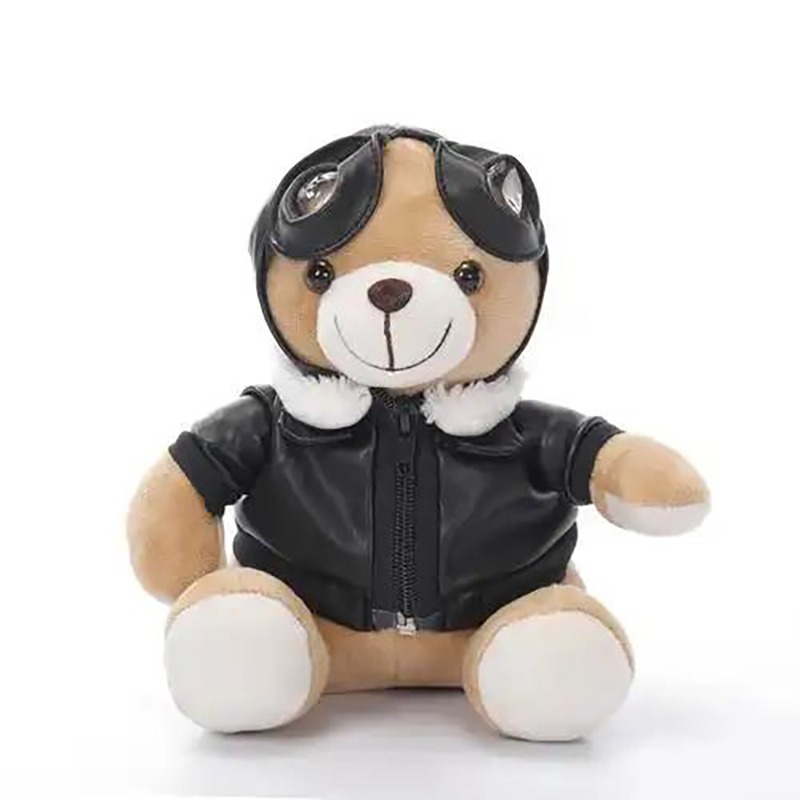
Every custom plush project begins with a product idea, but the idea alone is not enough for manufacturing. A buyer may send a sketch, reference photo, 3D rendering, existing character, brand mascot, or rough concept. Before discussing production details, we need to understand what the plush toy must achieve commercially. Is it a retail product, a promotional giveaway, a licensing item, a corporate mascot, a collectible, an event souvenir, or a product line extension? Each purpose creates different requirements for cost, safety, appearance, packaging, and lead time.
This first clarification stage prevents many later problems. A retail plush toy may need stronger shelf appeal, barcode rules, retail packaging, warning labels, and repeated production stability. A promotional plush may prioritize cost control, delivery timing, and brand color accuracy. A licensed character may require tighter shape consistency and approval documents. A plush toy for younger children may need more careful safety review than an adult collectible. If these differences are not discussed early, the factory may develop the wrong solution even if the sample looks attractive.
We also clarify quantity expectations, target market, age grading, required test standards, budget range, preferred size, fabric direction, decoration method, packing method, and shipment deadline. These details are not administrative noise. They guide the entire engineering path. For example, a 15 cm plush keychain with embroidery and a hangtag has a very different labor structure from a 45 cm stuffed mascot with mixed fabrics and retail display packaging.
For buyers, the risk of skipping this stage is hidden misalignment. The factory may quote based on incomplete assumptions, then revise the price after sampling. The buyer may approve a design that cannot meet the target price. Or the project may reach production before someone notices a compliance or packaging issue. A structured beginning makes the rest of the project calmer and more predictable.
| Project Question | Why It Matters | Factory Decision Affected |
|---|---|---|
| Who is the end user? | Safety and material standards may change | Age grade, components, testing plan |
| How will it be sold or used? | Retail and promotional products need different priorities | Packaging, quality level, price structure |
| What is the target quantity? | Small and bulk orders use different cost logic | Sampling depth, material sourcing, line planning |
| What deadline matters? | Launch dates require backward planning | Approval schedule, production slot, shipping method |
We Review the Design Before Sampling Begins
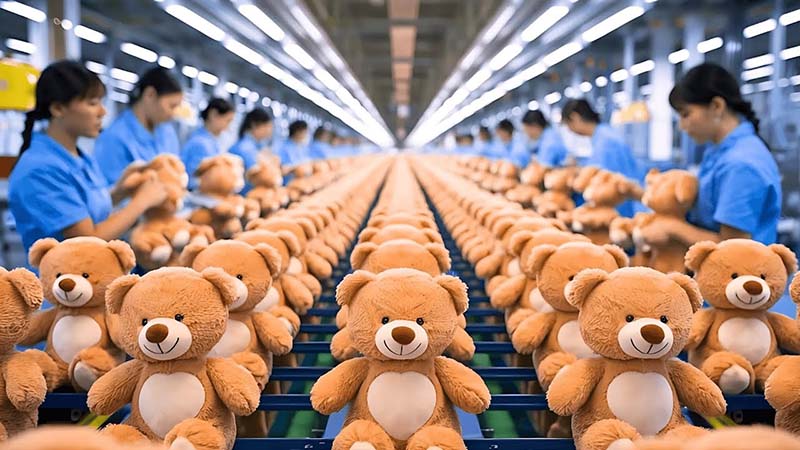
Design review is where a custom plush project starts becoming a manufacturable product. A drawing can include perfect curves, tiny details, rich colors, removable parts, special textures, and expressive features. Bulk production is more physical. Fabric stretches, pile direction changes the visual effect, seams consume space, stuffing changes volume, and small parts may become difficult to sew consistently. A professional factory must translate the design into a structure that can be made repeatedly.
During design review, we look at shape, size, panel structure, seam placement, fabric choice, embroidery areas, print details, accessories, labels, safety risks, and cost drivers. We ask which features are essential to the brand identity and which can be simplified without hurting the product. This discussion is not about weakening the design. It is about protecting the design from production problems.
For example, a mascot may have a very narrow neck, oversized head, small limbs, detailed clothing, and a printed logo on a curved body. If the structure is not adjusted, the toy may lean forward, the head may rotate, or the logo may distort after stuffing. We may suggest changing the internal panel shape, widening a hidden seam, moving a logo slightly, using embroidery instead of a small sewn patch, or adding a stabilizing construction method. These changes are usually easier before the first sample is made.
Buyers benefit from design review because it exposes cost and risk early. If a project needs a premium look, the factory can protect the details that matter most. If the budget is tight, the factory can recommend design simplifications before labor and material costs become fixed. This is one of the strongest differences between order-taking and real project management.
| Design Area | Potential Risk | Management Method |
|---|---|---|
| Small parts | Slow sewing and higher defect rate | Simplify shape or change decoration method |
| Large head or unusual body | Balance and shape instability | Adjust pattern and stuffing plan |
| Brand logo | Distortion on curved plush surface | Test embroidery or print placement |
| Mixed fabrics | Color and shrinkage inconsistency | Validate materials before bulk sourcing |
We Build Sampling Around Clear Approval Standards
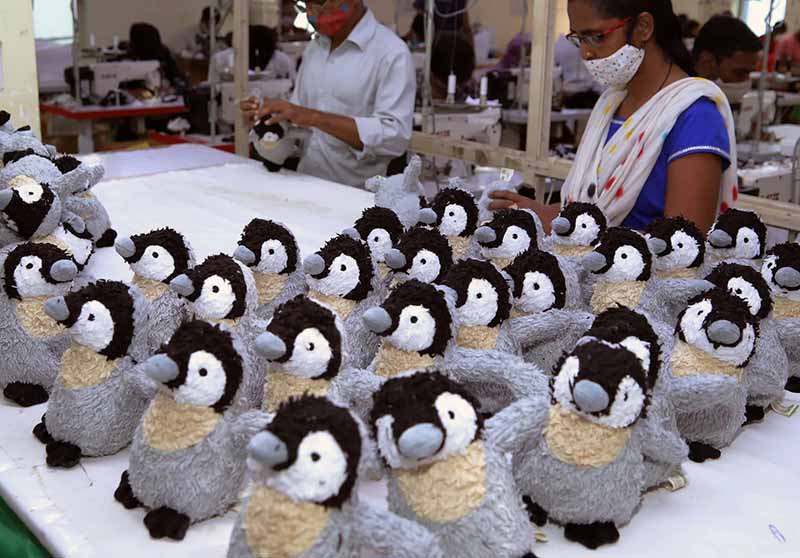
Sampling is one of the most important stages in custom plush development because it defines what bulk production should follow. A sample should not only answer the question, “Does it look good?” It should answer whether the product can be made consistently, whether the buyer’s expectations are realistic, and whether the factory has enough information to move into production.
We manage sampling through clear version control. Each sample round should identify what changed and why. Common changes include body shape, face expression, embroidery size, fabric type, color tone, stuffing firmness, accessory placement, tag position, and packaging fit. Without controlled version notes, teams may repeat old discussions or accidentally approve mixed details from different sample rounds. This wastes time and increases the chance of bulk confusion.
For custom plush toys, visual approval must be supported by practical standards. We define critical reference points: overall height, main proportions, fabric color, pile direction, embroidery position, stuffing density, seam cleanliness, accessory strength, label position, and packaging presentation. Some natural variation is unavoidable in soft goods, so the buyer and factory should distinguish between critical defects and acceptable tolerance. This prevents unnecessary rework later.
The approved sample becomes a benchmark for production, QC, and final inspection. In a professional factory, the sample is not kept only by the sales team. Production, purchasing, pattern making, cutting, sewing, stuffing, finishing, QC, and packing teams all need access to the relevant standard. When sampling is managed well, the bulk order is not a fresh experiment; it is a controlled repetition of an agreed product.
| Sampling Control | What It Prevents | Buyer Benefit |
|---|---|---|
| Version records | Confusion between sample rounds | Faster approval decisions |
| Critical detail photos | Misunderstanding of visual standards | More accurate bulk matching |
| Material confirmation | Unexpected fabric changes | Stable hand feel and appearance |
| Packaging test | Late packing revisions | Smoother shipment preparation |
We Confirm Materials and Components Before Bulk Production
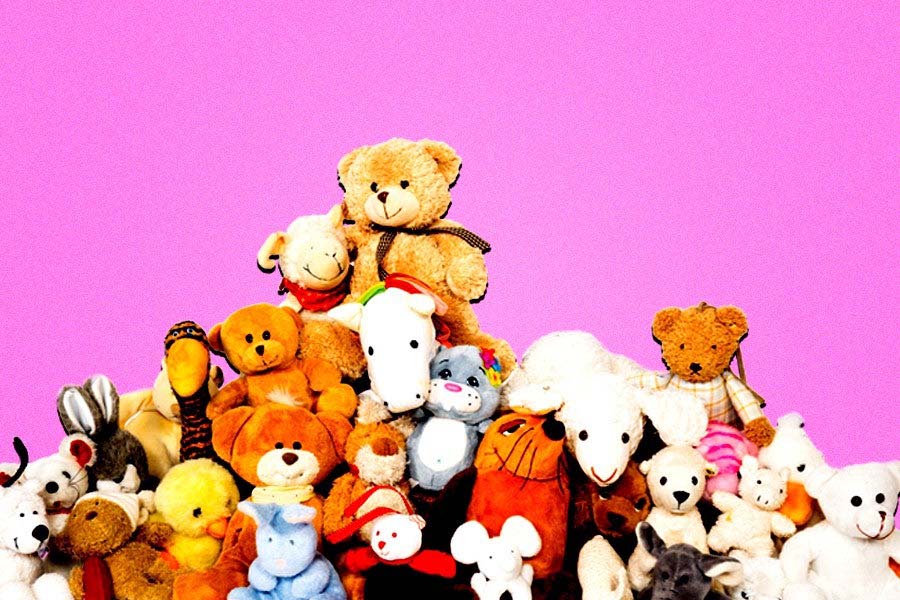
Material management is a major part of custom plush project control. Plush fabric, short plush, faux fur, minky, velboa, felt, printed fabric, embroidery thread, filling, eyes, noses, labels, hangtags, sound modules, squeakers, ribbons, keychains, suction cups, and packaging materials can all affect final quality. If these items are not confirmed before bulk production, even a well-approved sample can become unstable.
We usually review material availability, color consistency, texture, pile length, stretch, safety requirements, order quantity, and lead time. For repeat projects, we also check whether the same material batch is available or whether a new batch needs buyer approval. This matters because plush fabric can vary between dye lots. A small color shift may be acceptable for a generic product but unacceptable for a brand mascot or licensed character.
Components require special care. Plastic eyes, noses, keychains, electronic modules, batteries, magnets, or removable accessories may introduce safety and compliance risks. For children’s plush products, these details must be reviewed before production. A cheap component that fails testing can create a much larger cost than selecting a safer component from the beginning.
Professional material confirmation also protects schedule. If a buyer approves a sample using a fabric that is not stable in supply, the factory may struggle when the bulk order arrives. Good project management checks material reality before promising mass production. This is especially important for large orders, seasonal launches, or programs with multiple SKUs that must ship together.
| Material Item | Risk if Uncontrolled | Factory Control |
|---|---|---|
| Main fabric | Color or texture mismatch | Confirm swatch and batch before cutting |
| Embroidery thread | Face expression changes | Match thread color to approved sample |
| Accessories | Safety or durability failure | Check attachment and compliance needs |
| Packaging materials | Late packing delay | Approve artwork and structure early |
We Plan Production So the Factory Is Ready Before Cutting
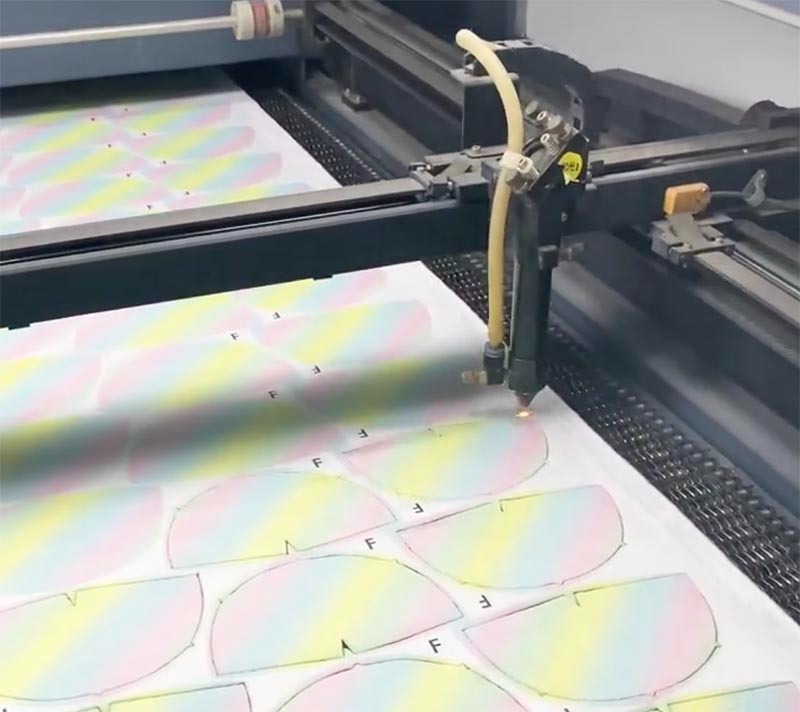
Bulk production should not begin only because materials have arrived. Before cutting starts, the factory needs a clear production plan. This includes final pattern files, cutting layout, operation sequence, sewing line arrangement, embroidery files, printing files, stuffing method, inspection standards, packing instructions, and delivery milestones. When these items are prepared before cutting, production becomes smoother and easier to control.
Cutting is a point of no easy return. Once fabric is cut, design changes become expensive. If a pattern detail is wrong, a fabric direction is reversed, or a component position is unclear, the factory may need to remake panels or spend labor correcting problems later. This is why professional project management treats pre-production review as a serious checkpoint.
For complex plush projects, we align the production team before mass work begins. The sample, pattern, material list, and QC notes should be reviewed together. Workers need to know which details are critical, which tolerances are acceptable, and which steps require special handling. For example, a plush with electronic sound modules may need a different assembly sequence than a normal stuffed toy. A toy with printed panels may require extra attention to pattern matching. A plush with a large head may need controlled stuffing distribution.
Buyers often experience production planning through delivery reliability. A factory that plans well can give clearer lead time updates and respond earlier if there is a risk. A factory that plans poorly may only discover problems when the order is already late. Good planning does not remove every risk, but it makes risks visible while there is still time to manage them.
| Pre-Production Item | Why It Matters | Result |
|---|---|---|
| Final pattern | Controls shape and sewing structure | Less production variation |
| Cutting plan | Controls material use and fabric direction | Lower waste and fewer defects |
| Line instructions | Guides worker operations | Faster and more stable output |
| QC checklist | Defines inspection focus | Fewer late-stage corrections |
We Monitor Bulk Production With Layered Quality Checks
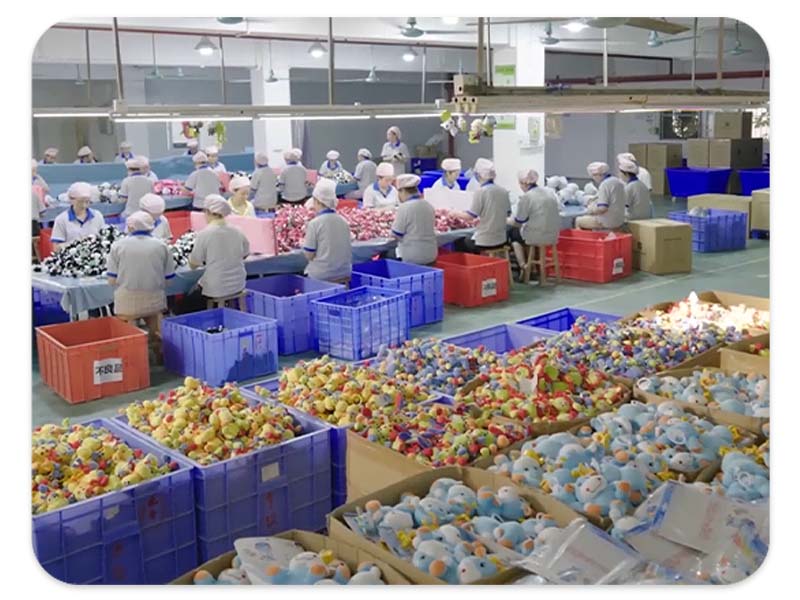
Custom plush projects need quality control throughout production, not only at final inspection. By the time finished plush toys reach the final inspection table, many costs have already been added. If a defect began at cutting or sewing, repairing it after stuffing and packing may require much more labor. Layered quality checks reduce this risk by catching problems earlier.
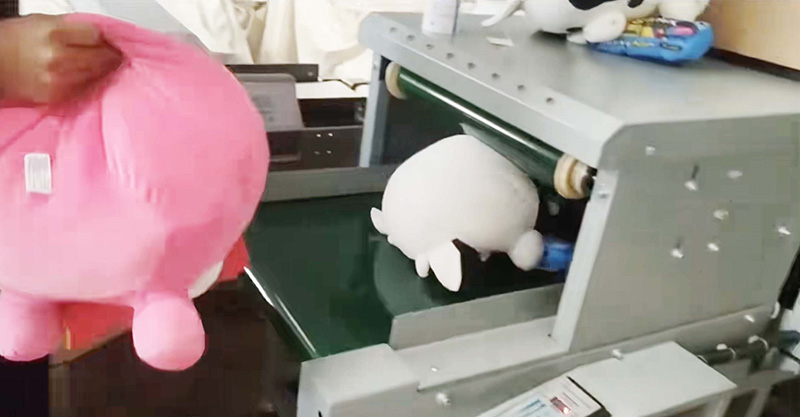
We use different controls at different stages. Material checks confirm fabric, color, texture, and components before use. Cutting checks confirm panel shape, fabric direction, and piece count. Inline sewing checks catch open seams, incorrect assembly, poor alignment, and size problems. Stuffing checks review firmness, symmetry, sitting position, and hand feel. Final inspection checks appearance, cleanliness, labels, accessories, packaging, carton marks, and shipment readiness.
For custom plush products, quality control must reflect the product’s purpose. A brand mascot may need strict face and color consistency. A promotional plush may prioritize logo clarity and delivery schedule. A baby plush may need stronger safety checks. A collectible may need packaging presentation and surface cleanliness. Professional management does not use the same generic checklist for every project; it builds checkpoints around the buyer’s actual risk.
Quality communication also matters. If a problem appears during production, the factory should not wait until final inspection to tell the buyer. Clear photos, defect descriptions, corrective actions, and updated timing help the buyer make decisions. This is especially important when the project is connected to a launch date, campaign, or retail delivery window.
| QC Stage | Main Focus | Risk Reduced |
|---|---|---|
| Material QC | Fabric, color, components | Wrong material entering production |
| Inline QC | Sewing and construction | Large-scale repeated defects |
| Stuffing QC | Shape and hand feel | Inconsistent product appearance |
| Final QC | Finished goods and packing | Shipment complaints and rework |
We Manage Communication So Buyers Do Not Have to Guess
Communication is often the part of custom plush project management that buyers feel most directly. A buyer may not see every sewing line or material warehouse, but they know whether the supplier gives clear answers, timely updates, and practical warnings. Poor communication creates stress even when the factory is doing real work. Good communication makes the project feel controlled.
We manage communication by separating decisions from updates. Decisions require buyer approval, such as sample changes, material substitutions, packaging revisions, or schedule adjustments. Updates help the buyer understand progress, such as sample status, material arrival, cutting progress, production start, inline inspection, final inspection, packing, and shipment preparation. Mixing these together can create confusion. A buyer should know when action is needed and when information is simply being shared.
Professional communication also means explaining trade-offs clearly. If a buyer asks for a lower price, the factory should explain whether savings can come from size adjustment, simpler construction, material substitution, packaging change, or order quantity. If a buyer requests a difficult design detail, the factory should explain its impact on sampling, labor, defect risk, and cost. This helps the buyer make informed decisions instead of approving changes blindly.
For international B2B projects, communication reduces cultural and operational gaps. Time zones, file formats, approval habits, test requirements, and shipment expectations can differ. A structured communication rhythm keeps the project moving. It also creates a record that protects both sides if questions appear later.
| Communication Item | What Buyer Needs | Project Value |
|---|---|---|
| Sample feedback | Clear change record | Prevents repeated revisions |
| Material update | Availability and color confirmation | Reduces schedule uncertainty |
| Production update | Milestone visibility | Supports launch planning |
| Problem report | Cause, action, and timing | Builds trust and faster decisions |
We Prepare Packaging and Shipment as Part of the Project
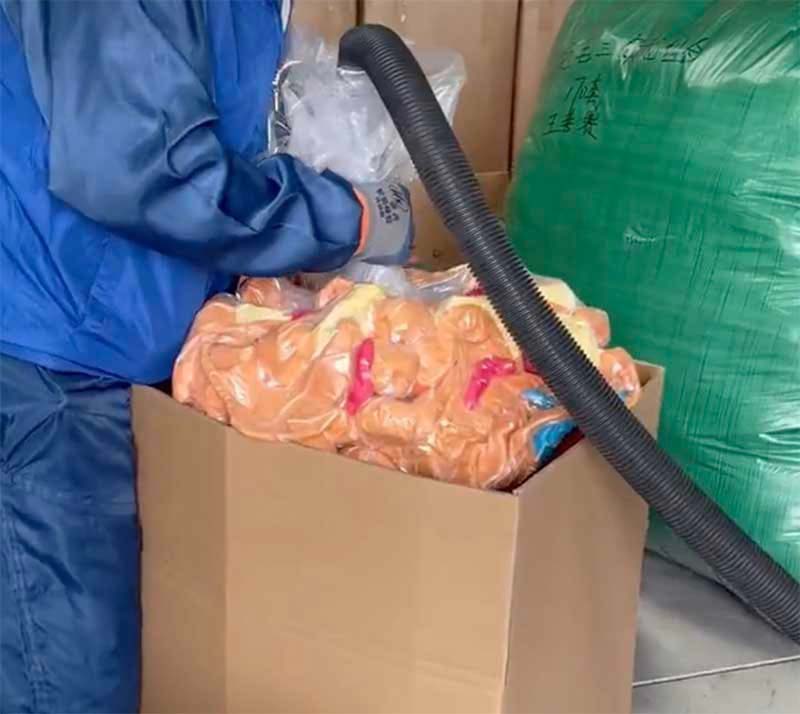
Packaging and shipment should not be treated as the final small detail of a custom plush project. They affect cost, labor, carton volume, product recovery, retail presentation, labeling compliance, and delivery reliability. A plush toy that looks good after production can still create problems if it is packed poorly, compressed incorrectly, mislabeled, or shipped with unclear carton marks.
We confirm packaging requirements early: polybag, hangtag, display box, gift box, vacuum packing, carton quantity, barcode label, warning label, retail insert, master carton marks, mixed SKU rules, and destination requirements. Each choice adds operational steps. If packaging artwork or label files arrive late, finished goods may sit in the warehouse waiting for repacking or relabeling. This is preventable with early planning.
For plush toys, volume control is especially important. Plush products are soft but bulky. Vacuum packing can reduce shipping space, but it is not suitable for every product. The factory should test whether the plush recovers its shape after compression and whether the buyer accepts the presentation after unpacking. For premium retail plush, a less compressed method may better protect appearance. For bulk promotional orders, vacuum packing may be practical if recovery is acceptable.
Shipment preparation also includes final carton inspection, quantity checks, document alignment, and communication with freight partners. Good project management keeps shipment details connected to production rather than discovering logistics conflicts at the end. For buyers, this means fewer surprises when the order is ready to leave the factory.
| Packaging Factor | Possible Issue | Management Control |
|---|---|---|
| Retail packaging | Slow packing and presentation defects | Test packing before bulk production |
| Vacuum packing | Shape recovery concerns | Approve compression sample |
| Labels and barcodes | Repacking or shipment rejection | Confirm files before packing |
| Carton marks | Warehouse and delivery confusion | Use clear packing instructions |
Conclusion
Managing a custom plush project requires more than creativity and production capacity. It requires a factory system that can clarify the buyer’s goal, review design feasibility, control sampling, confirm materials, plan production, monitor quality, communicate clearly, and prepare packaging and shipment with the same discipline as the toy itself.
For B2B buyers, the value of professional project management is reduced uncertainty. You can see where the project stands, what decisions are needed, which risks are being controlled, and how the approved sample will become a repeatable bulk product. When the factory manages the process well, custom plush development becomes less stressful, more predictable, and more commercially reliable.
FAQ
1. What information should buyers provide before starting a custom plush project?
Buyers should provide design references, target size, quantity, target market, intended use, budget range, safety requirements, packaging expectations, and delivery timeline. The more complete the brief, the easier it is to control sampling and quotation accuracy.
2. Why is design review important before sampling?
Design review helps identify construction risks, cost drivers, safety concerns, and details that may be difficult to reproduce in bulk production. It prevents the factory from making a sample that looks good but is hard to manufacture consistently.
3. How many sample rounds are usually needed?
The number depends on design complexity and feedback clarity. Simple projects may need one or two rounds, while complex characters, licensed products, or mixed-material plush toys may need more structured revisions before approval.
4. How does the approved sample guide bulk production?
The approved sample becomes the physical benchmark for shape, material, color, embroidery, stuffing, workmanship, and packaging. Production and QC teams use it to keep bulk goods aligned with buyer expectations.
5. What causes delays in custom plush projects?
Common delays include incomplete briefs, late design changes, slow feedback, material shortage, color reapproval, packaging artwork delays, failed component checks, and unclear shipment instructions.
6. Can a factory reduce project risk before mass production?
Yes. A professional factory reduces risk through design review, material confirmation, pre-production samples, production planning, inline QC, packaging tests, and clear communication at key milestones.
7. Why should packaging be discussed early?
Packaging affects cost, labor, carton volume, labeling compliance, retail presentation, and shipping efficiency. Early packaging confirmation helps prevent repacking, delays, and last-minute logistics problems.