Skip to content
Stuffed toys bring comfort and joy, but over time they collect dust, saliva, stains, and bacteria. Parents and retailers often ask: Can I wash stuffed toys in a washing machine, and how should I do it safely? The answer depends on the toy’s construction, materials, and features.
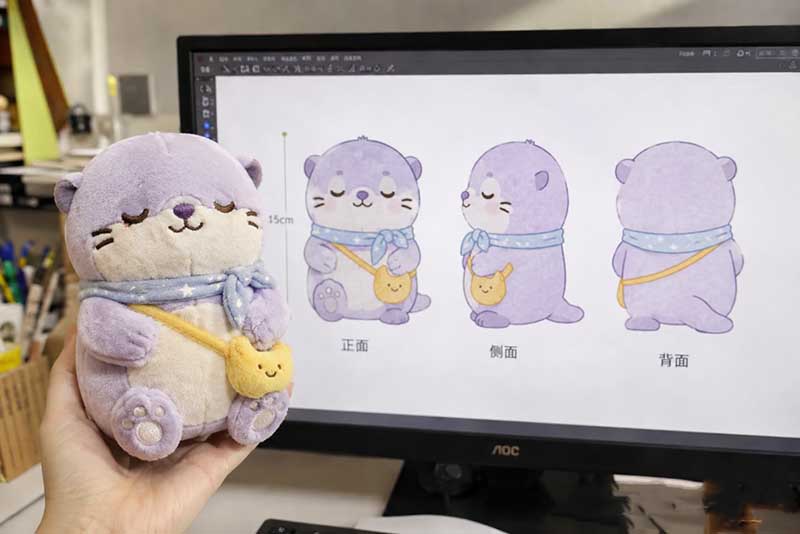
As a plush manufacturer at Kinwin, I work with global buyers to design toys that not only look appealing but also meet safety standards and survive cleaning. In this guide, I’ll explain how to safely wash stuffed toys in a machine, protect delicate features, and explore alternatives for non-washable toys.
What factors determine if a stuffed toy is machine-washable?
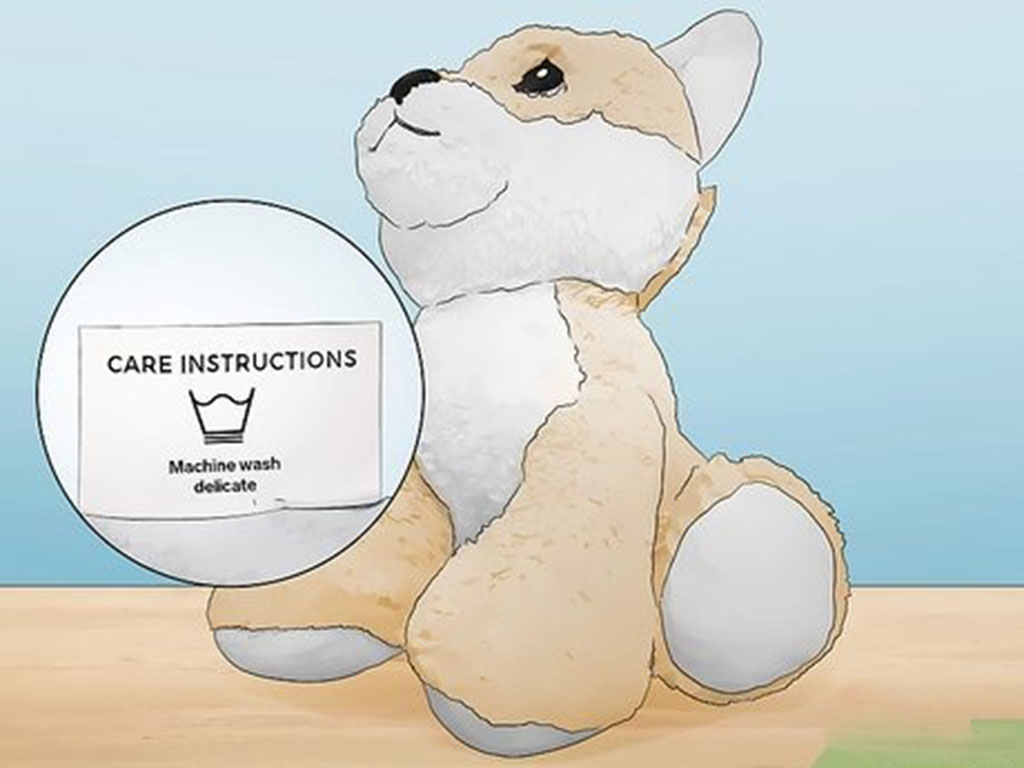
Not all stuffed toys can handle a washing machine. The decision depends on fabric type, filler material, and design complexity.
Machine-washable toys usually have:
- Durable fabrics like polyester plush, fleece, or cotton blends.
- Polyester fiberfill stuffing that resists clumping.
- Embroidered eyes and noses instead of plastic parts.
- No electronic components inside.
Non-machine-washable toys may include:
- Weighted fillers (beads, pellets) that can leak.
- Electronics (sound chips, lights).
- Delicate fabrics like silk or felt.
- Glue-based decorations that may loosen.
| Factor | Washable | Not Washable |
|---|---|---|
| Fabric | Polyester, fleece | Felt, silk |
| Filling | Polyester fiberfill | Beads, foam |
| Features | Embroidered eyes | Plastic/glued parts |
| Components | None | Electronics |
As a general rule, always check the care label. At Kinwin, we design most of our plush toys with washability in mind, making them safer and longer-lasting for families.
How should you prepare stuffed toys before placing them in the washing machine?
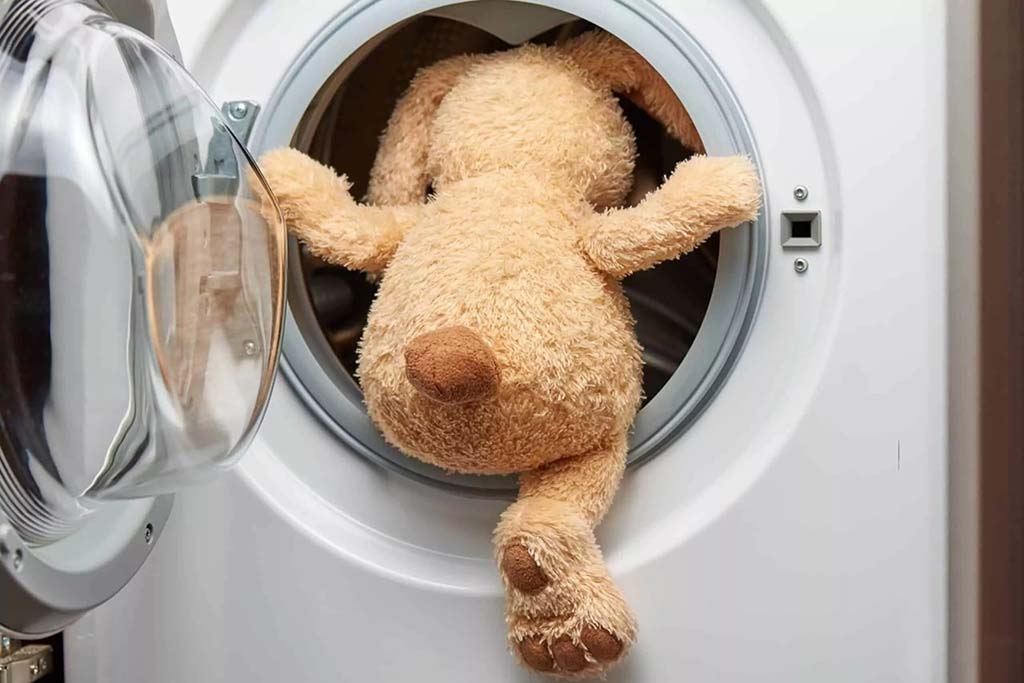
Preparation is key to avoid damage. Before tossing a plush toy into the washer, follow these steps:
- Check the label: Look for “machine washable” or symbols indicating water temperature and drying method.
- Inspect seams: Ensure there are no loose threads or holes that could release stuffing.
- Remove accessories: Take off clothes, ribbons, or detachable parts.
- Pre-treat stains: Dab mild detergent on tough spots.
- Protect the toy: Place it in a mesh laundry bag or pillowcase tied with a knot.
For toys with small parts like plastic eyes or buttons, preparation reduces stress during washing. For larger toys, you may need to wash them alone to prevent crowding.
| Step | Action | Purpose |
|---|---|---|
| 1 | Check label | Ensure machine-safety |
| 2 | Inspect seams | Prevent stuffing leaks |
| 3 | Remove accessories | Protect details |
| 4 | Pre-treat stains | Better cleaning |
| 5 | Use laundry bag | Extra protection |
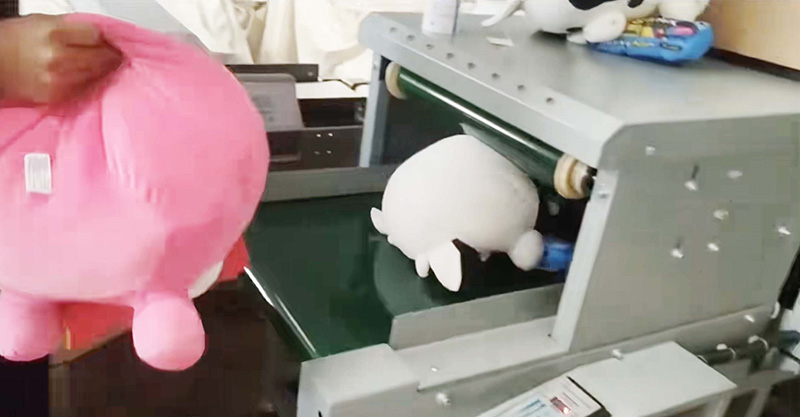
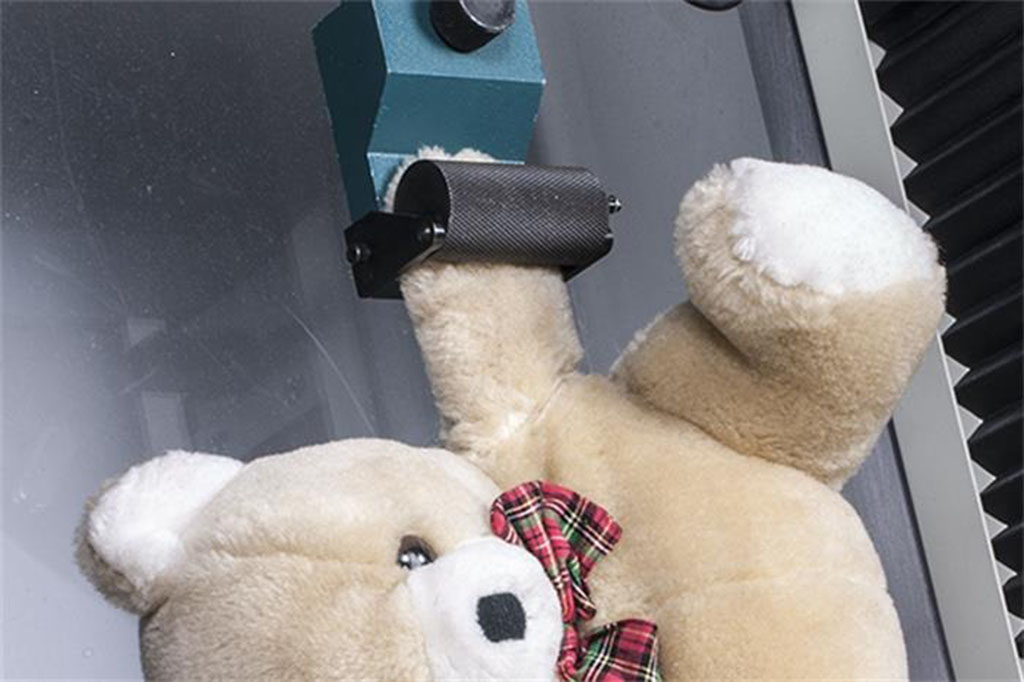
At our factory, we test plush toys for washability during product development. This reassures parents and retailers that toys can survive multiple washes.
Which washing machine settings and detergents are safest for plush toys?
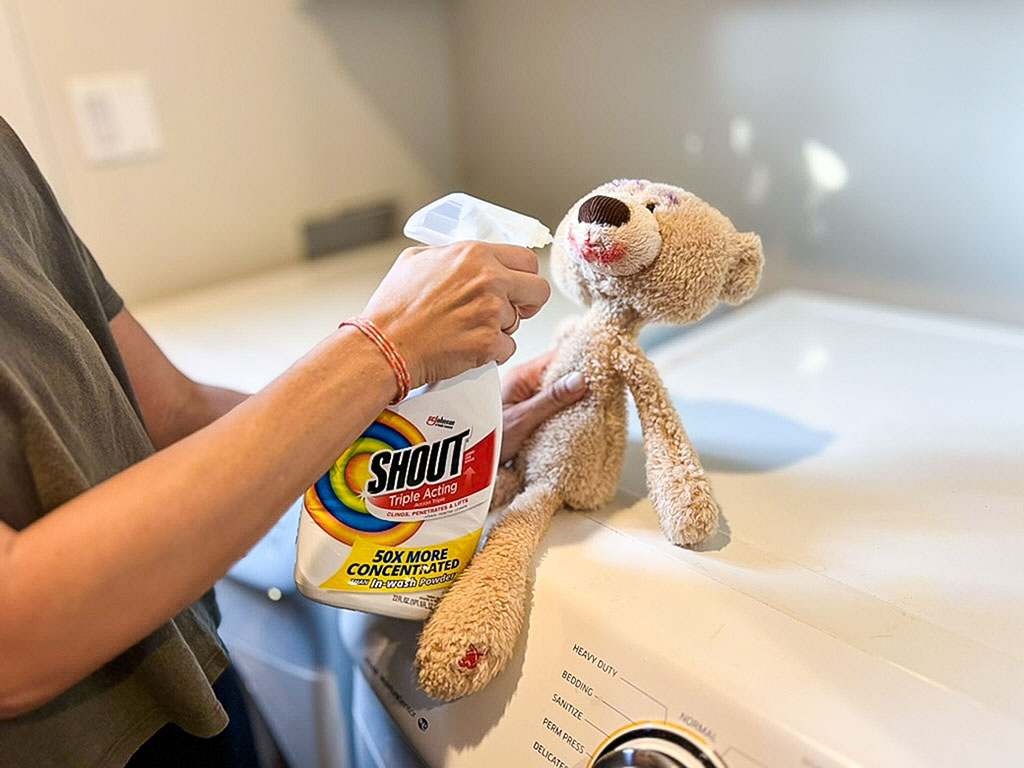
Stuffed toys need gentle handling. The wrong settings can cause fabric pilling, shape distortion, or color fading.
Best settings:
- Cycle: Gentle or delicate cycle
- Water temperature: Cold or lukewarm (30°C / 86°F)
- Spin speed: Low, to prevent stretching
- Load size: Medium—not too crowded
Best detergents:
- Mild liquid detergent (free of bleach and harsh chemicals)
- Baby-safe detergents for sensitive skin
- Avoid powder detergents, as they may leave residue in the fabric
| Setting | Recommendation | Why |
|---|---|---|
| Cycle | Gentle/delicate | Protects fabric |
| Temperature | 30°C/86°F max | Prevents fading/shrinkage |
| Spin speed | Low | Avoids deformation |
| Detergent | Mild liquid | Gentle on fabric and skin |
Tip: Add a couple of towels to balance the load and cushion the toy during washing. This reduces mechanical stress.
How do you protect delicate features like embroidery, buttons, or accessories during washing?
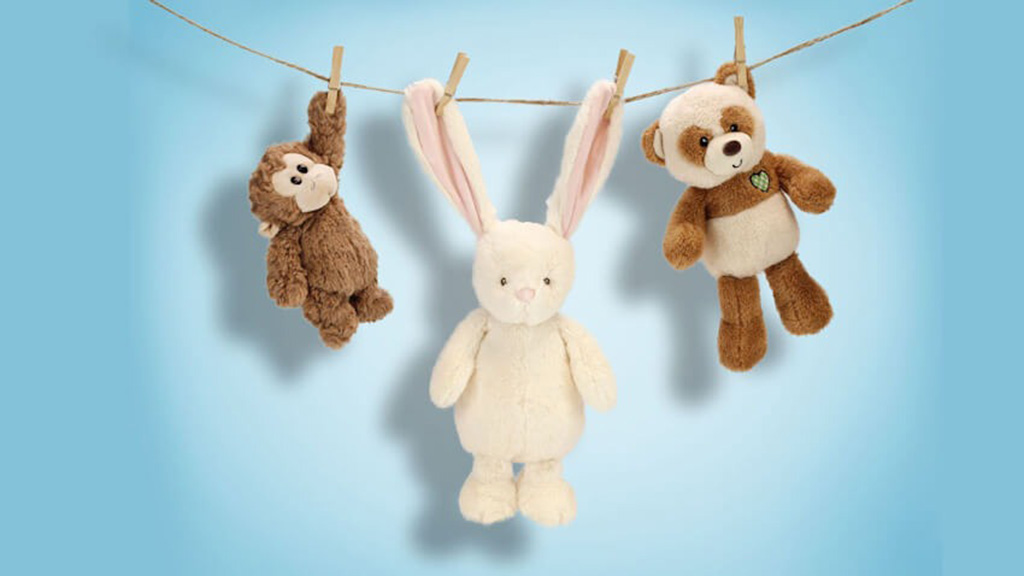
Many plush toys have features that require extra care. While embroidery usually withstands washing, plastic eyes, noses, or sewn-on accessories can be vulnerable.
Protection methods:
- Always use a mesh laundry bag to reduce friction.
- For toys with buttons or hard features, wrap them in a towel inside the bag.
- Check for secure stitching before washing. Reinforce with hand-sewing if needed.
- Remove any glued accessories; they rarely survive machine washing.
- For high-value toys, spot cleaning may be better than full washing.
| Feature | Protection Method |
|---|---|
| Embroidery | Mesh bag, gentle cycle |
| Plastic eyes | Wrap in towel, inspect seams |
| Buttons | Hand-check, reinforce stitching |
| Accessories | Remove before wash |
At Kinwin, we recommend embroidered features for infant plush toys, as they are both safer and easier to clean. Retailers sourcing plush toys should consider these features when choosing designs.
What drying methods ensure stuffed toys keep their shape and softness?
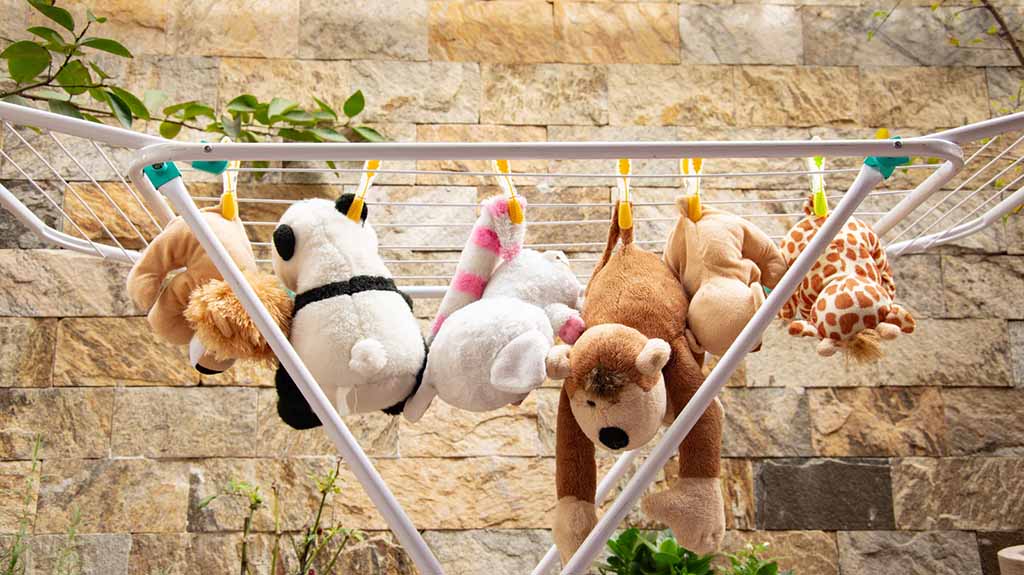
Washing is only half the process. Drying correctly ensures the toy regains its shape and softness.
Best methods:
- Air drying: Place toy on a flat towel, reshape gently, and let it dry naturally. Rotate periodically to ensure even drying.
- Tumble drying (low heat): Use only if label allows. Place the toy in a mesh bag with a few clean tennis balls to fluff it up.
- Sunlight caution: Avoid direct, harsh sunlight, as it can fade fabric colors.
| Drying Method | Advantage | Caution |
|---|---|---|
| Air drying | Gentle, no heat damage | Takes longer |
| Tumble low heat | Fluffs toy, faster | Only if safe on label |
| Sun drying | Natural, no cost | May fade colors |
Never wring or twist a plush toy; it distorts shape and damages seams. For very large plush toys, stand them upright against a wall to allow airflow inside.
Are there alternatives when stuffed toys are not suitable for machine washing?
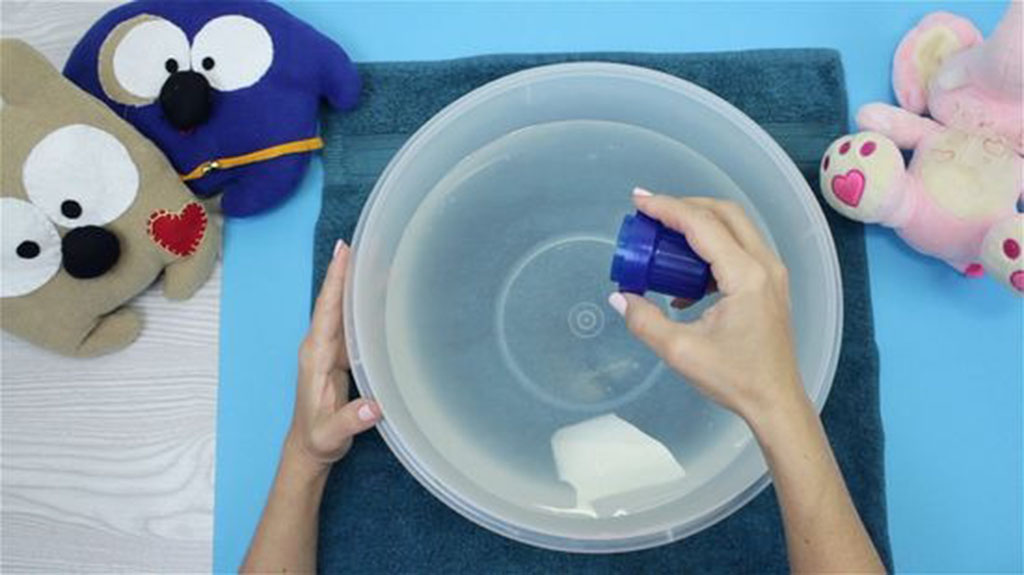
Some toys simply cannot be machine washed due to electronics, delicate fabrics, or fillings. In these cases, alternatives include:
- Surface cleaning: Wipe with a damp cloth and mild soap.
- Hand washing: Submerge in lukewarm water with mild detergent, gently squeeze, and rinse.
- Steam cleaning: Use a handheld steamer to sanitize without soaking.
- Freezer method: Place toy in a sealed bag and freeze overnight to kill dust mites.
- Professional cleaning services: For high-value or collectible plush.
| Alternative | Best For | Notes |
|---|---|---|
| Surface wipe | Light dirt | Quick maintenance |
| Hand wash | Non-machine-safe plush | Gentle but slower |
| Steam clean | Sanitizing | Avoid overheating fabric |
| Freezer | Dust mites | Not stain removal |
| Pro service | Collectibles | Higher cost |
Parents and retailers should always weigh the toy’s value, safety, and construction before choosing a cleaning method.
Conclusion
Washing stuffed toys in a machine is possible when you know the right steps. From checking fabrics and fillings to using gentle cycles and protective bags, proper cleaning keeps toys safe, soft, and long-lasting. At Kinwin, we design plush toys with washability and safety in mind, ensuring retailers and families can trust our products for everyday use.
Contact us at [email protected] or visit kinwintoys.com to source plush toys that combine durability, safety, and easy care.