Skip to content
Stuffed animals are designed to bring joy, but poor storage conditions can lead to mold growth, unpleasant odors, and even material damage. Whether you are a parent preserving toys for children, a retailer managing inventory, or a collector caring for valuable pieces, understanding the right storage practices is essential. This guide explores the key factors and actionable steps to keep plush toys safe, clean, and mold-free.
What environmental factors cause mold growth in stuffed animals?
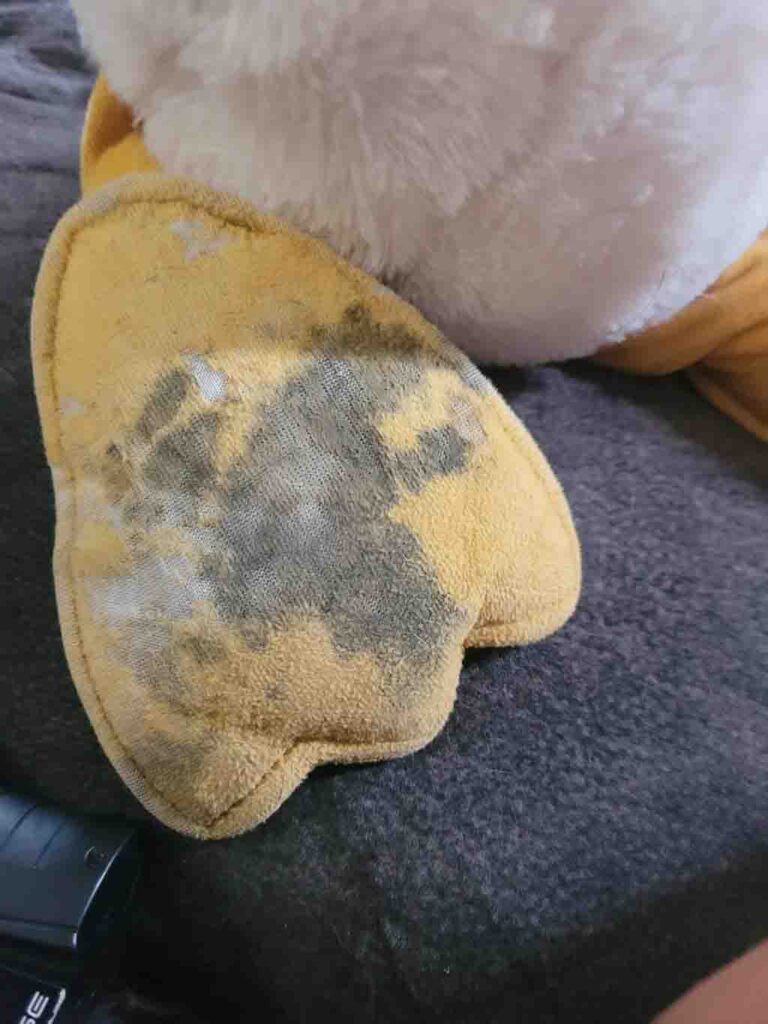
Mold thrives in warm, humid, and poorly ventilated conditions. Plush toys are particularly vulnerable because their fabrics and stuffing retain moisture.
Key Factors
- High humidity: Moist air settles into plush fibers.
- Poor airflow: Storing toys in sealed, unventilated spaces encourages mold.
- Organic residues: Food stains, sweat, or dirt provide nutrients for mold spores.
- Temperature swings: Rapid heating and cooling can cause condensation inside fibers.
| Environmental Factor | Why It Causes Mold | Example |
|---|---|---|
| Humidity | Feeds mold growth | Damp basement storage |
| Stains & dirt | Nutrient source | Food residue on plush |
| Poor ventilation | Traps moisture | Airtight box in attic |
| Temperature changes | Condensation buildup | Warm to cold shifts |
How do proper cleaning and drying methods prevent mold issues?
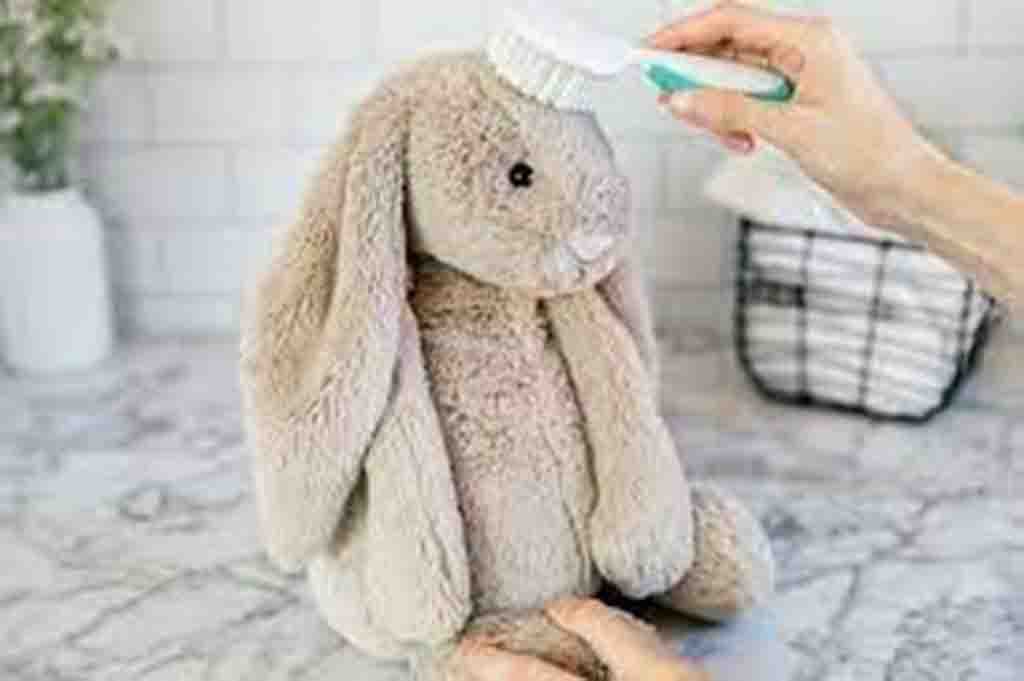
Mold prevention begins with thorough cleaning and drying before storage. Even small traces of moisture or dirt can lead to long-term damage.
Best Practices
- Spot clean stains immediately: Prevents organic matter buildup.
- Machine wash (if safe): Use gentle cycles and mild detergent.
- Air dry completely: Never store plush damp—sunlight or low-heat drying helps.
- Use antibacterial sprays: Fabric-safe solutions can reduce microbial growth.
| Step | Action | Benefit |
|---|---|---|
| Cleaning | Wash or spot clean | Removes dirt/nutrients |
| Drying | Fully air/sun dry | Eliminates hidden moisture |
| Fabric sprays | Antibacterial protection | Reduces mold risk |
What storage containers and materials are best for plush preservation?
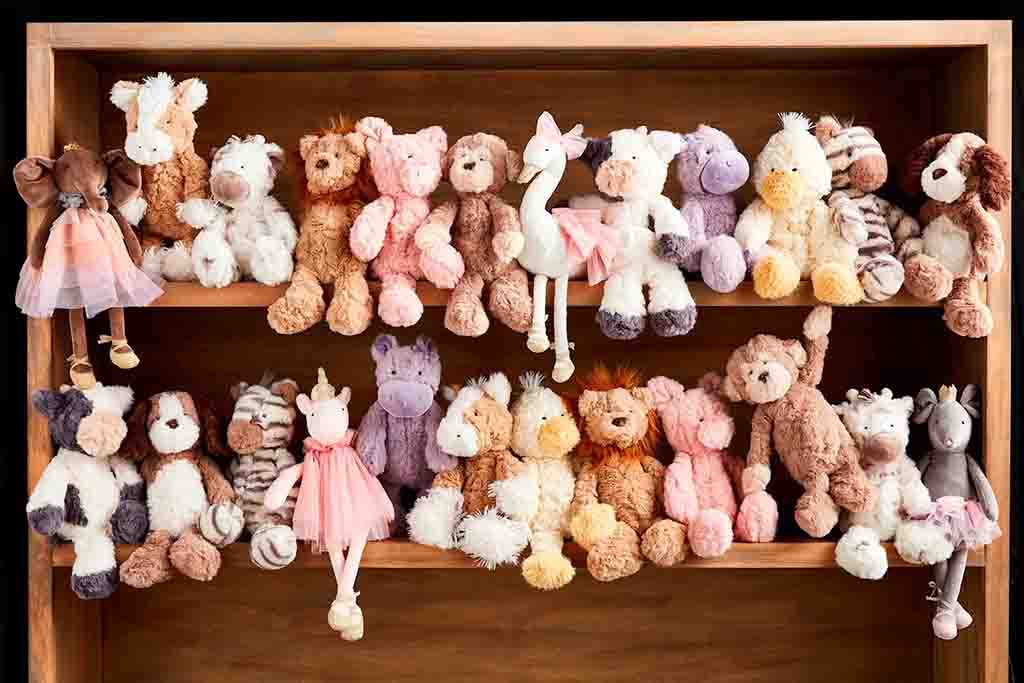
Choosing the right container prevents dust and mold while keeping toys organized.
Recommended Storage
- Breathable cotton bags: Allow airflow and prevent trapped humidity.
- Clear plastic bins with ventilation holes: Easy to check contents while avoiding airtight sealing.
- Acid-free storage boxes: Best for long-term collectors.
Avoid
- Thin plastic bags or sealed containers without ventilation (trap condensation).
- Cardboard in damp areas (absorbs moisture).
| Storage Option | Suitability | Notes |
|---|---|---|
| Cotton bags | Excellent | Breathable, eco-friendly |
| Plastic bins w/ vents | Good | Add silica gel packets |
| Vacuum bags | Risky | Only for short-term moves |
| Cardboard boxes | Poor | Absorb moisture |
How does humidity control play a role in long-term storage safety?
Humidity is the most important factor in plush preservation. Ideal storage conditions mimic a climate-controlled environment.
Humidity Control Methods
- Silica gel packs: Absorb excess moisture in bins.
- Dehumidifiers: Essential for basements or humid climates.
- Climate control: Maintain 40–55% humidity for long-term safety.
- Avoid attics/basements: High fluctuation zones.
| Method | Application | Effectiveness |
|---|---|---|
| Silica gel | Inside containers | Short-term absorption |
| Dehumidifier | Storage room | Consistent control |
| Climate control | Full room | Ideal for collectors |
Are there special treatments or protective measures for valuable plush collections?
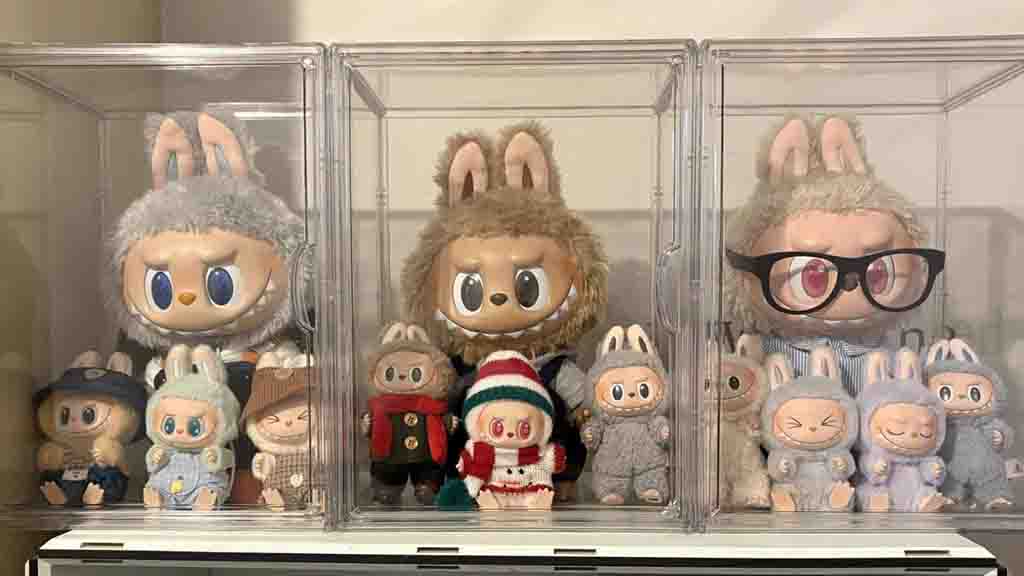
Collectors with rare or high-value plush need archival-grade preservation techniques.
Protective Measures
- Acid-free tissue wrapping: Prevents fabric discoloration.
- UV-blocking storage cases: Stops sunlight damage.
- Pest deterrents: Cedar chips or natural repellents protect against insects.
- Rotation display: Avoids prolonged exposure to dust or light.
| Measure | Purpose | Best For |
|---|---|---|
| Acid-free tissue | Prevents discoloration | Vintage plush |
| UV-blocking cases | Stops fading | Displayed plush |
| Pest protection | Avoids fabric damage | Long-term storage |
| Rotation | Reduces wear | Collector displays |
What routine checks help maintain stuffed animals in mold-free condition?
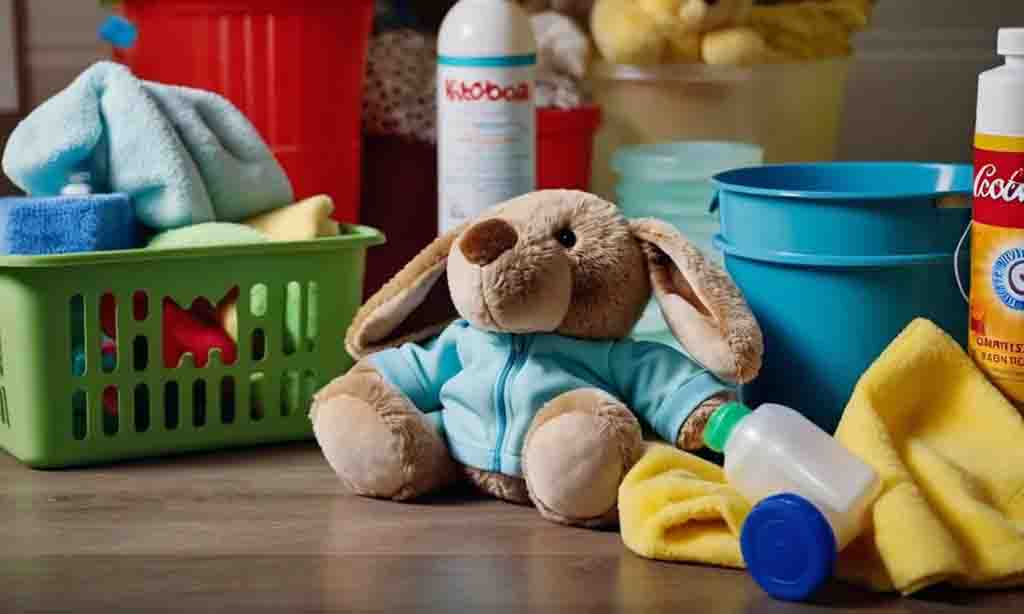
Regular inspections are critical, even with careful storage. Mold can grow unnoticed if toys are left unchecked.
Maintenance Checklist
- Inspect quarterly: Check for discoloration, odor, or dampness.
- Refresh silica gel: Replace packs every few months.
- Air out toys: Sunlight exposure once or twice a year keeps them fresh.
- Re-clean as needed: Address minor stains before they worsen.
| Task | Frequency | Benefit |
|---|---|---|
| Visual check | Every 3 months | Early mold detection |
| Replace silica gel | 3–6 months | Maintains dryness |
| Sun exposure | 1–2 times yearly | Natural refresh |
| Re-cleaning | As needed | Prevents buildup |
Conclusion
Preventing mold in stuffed animals requires cleaning, complete drying, breathable storage, and humidity control. Collectors and families alike can preserve plush toys by choosing the right containers, adding protective measures, and performing routine checks.
At Kinwin, we help buyers and collectors protect plush investments by producing toys with durable fabrics, washable stuffing, and certified safety standards (EN71, ASTM, CPSIA, ISO). Whether you’re storing toys for children or building a collector portfolio, we provide guidance and quality products that stay mold-free.
📧 Contact us at [email protected]
🌐 Visit kinwintoys.com
Let’s ensure plush toys remain soft, safe, and timeless.