Skip to content
Weighted stuffed animals have become popular because they combine comfort with function. They are not only soft toys but also tools for stress relief, focus, and sensory support. Parents buy them for children who need calming, while adults use them to reduce anxiety. Retailers and brands see them as an opportunity to expand into wellness-related plush toys.
In this guide, I will explain how to make a weighted stuffed animal from start to finish. We will cover materials, patterns, fillings, stitching, step-by-step assembly, safety standards, and customization. Whether you are a DIY crafter or a brand sourcing from a factory like Kinwin, this guide gives you the details you need.
What materials and tools are required to make a weighted stuffed animal?
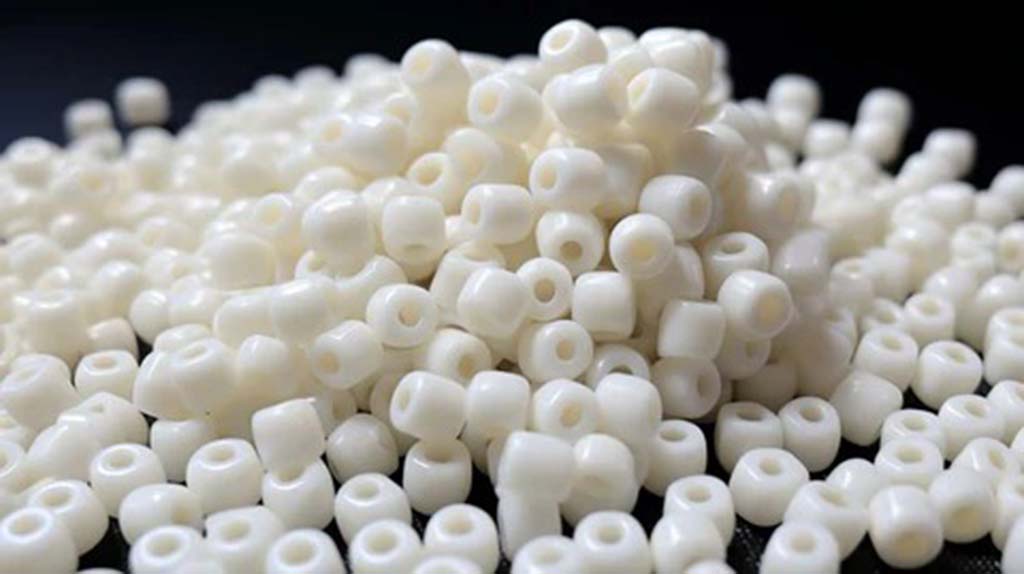
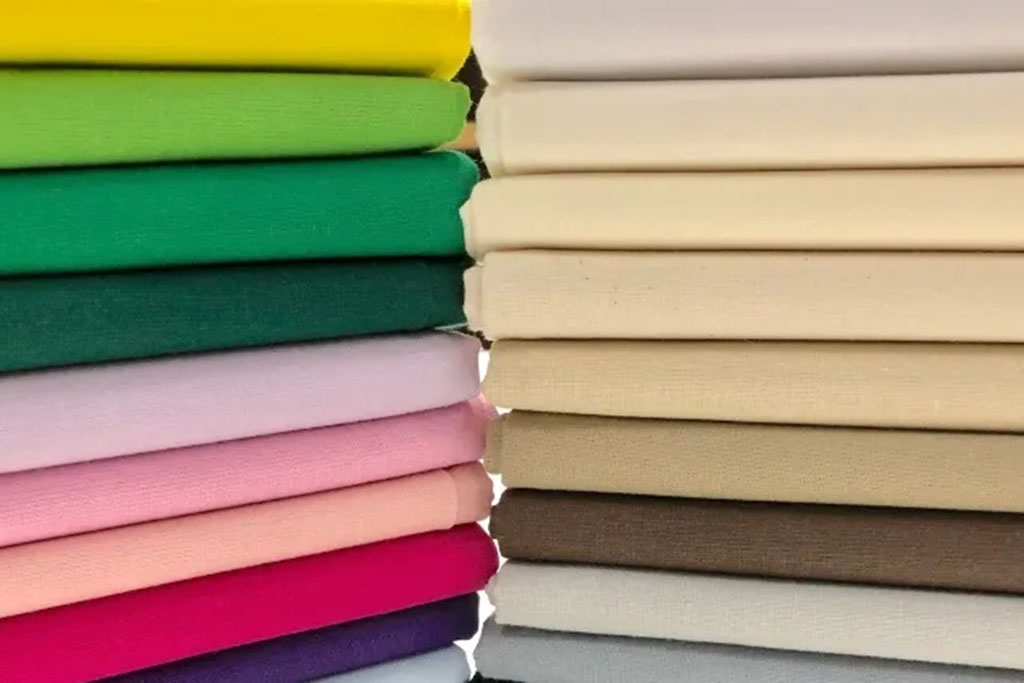
The foundation of every weighted plush toy lies in the materials and tools you select. High-quality plush fabric ensures softness and appeal, while strong thread and safe fillers guarantee safety and long-term durability.
The main materials include:
- Plush fabric (minky, fleece, or cotton blends) for the outer shell.
- Weighted fillers such as micro glass beads or plastic pellets.
- Polyester fiberfill to provide softness around weighted pouches.
- Inner pouches (cotton or polyester bags) to hold pellets securely.
Essential tools are simple: scissors, a sewing machine (or strong hand needle), pins, measuring tape, and a seam ripper. A stuffing stick or wooden chopstick helps push filling into corners.
| Category | Item | Function |
|---|---|---|
| Fabric | Plush, fleece, cotton blend | Soft outer shell |
| Fillers | Glass beads, pellets, fiber | Weight + comfort |
| Safety items | Inner pouch, strong thread | Prevent leaks |
| Tools | Sewing machine, scissors | Cutting & stitching |
| Accessories | Stuffing stick, seam ripper | Ease of filling |
At Kinwin, we always recommend CE- and ASTM-compliant fabrics and fillings. These materials ensure that weighted toys remain safe, especially for children.
How do you design and prepare the plush pattern for balanced weight distribution?
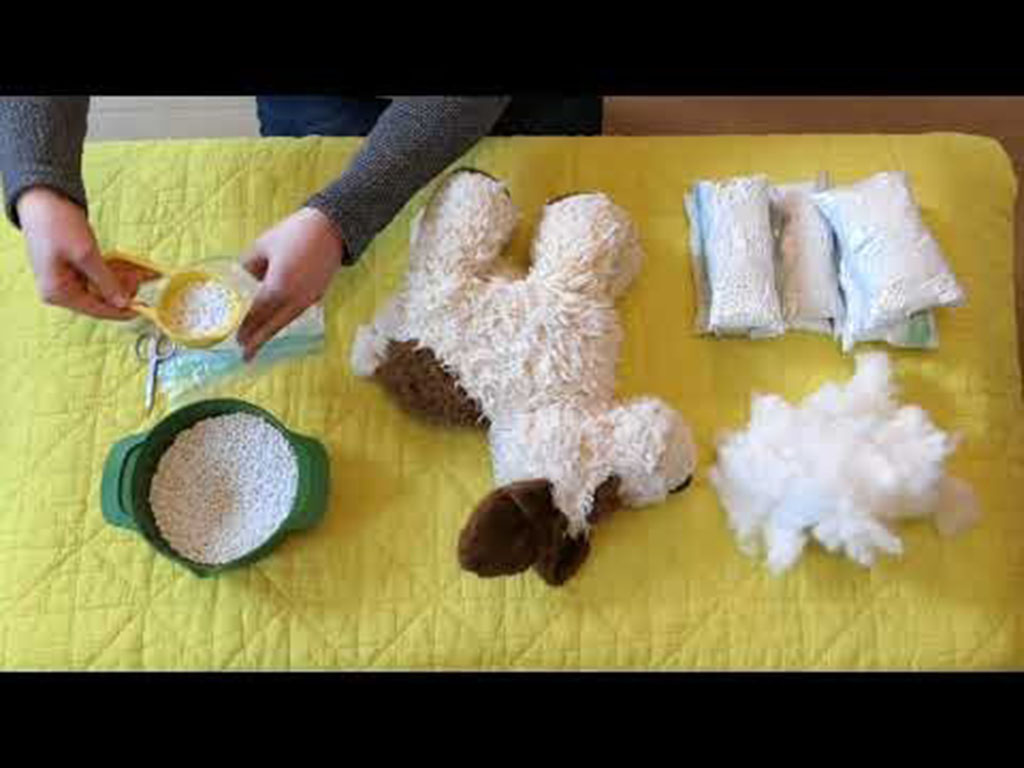
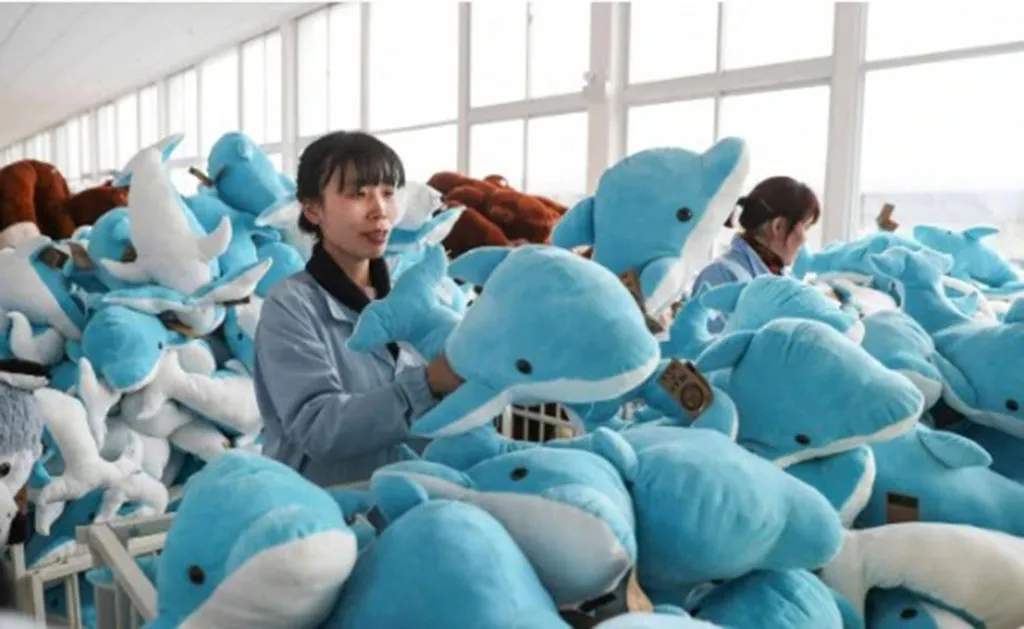
Designing the plush pattern is more than just choosing a cute shape. For weighted toys, weight distribution is the key to comfort and effectiveness. If weight gathers in one spot, the toy will feel awkward and may not serve its calming function.
The first step is to decide the size and shape. Common designs include bears, cats, dogs, or simple pillow-like shapes. Larger toys can hold more weight, but they must still be safe to carry.
Patterns must allow even distribution. This means including multiple compartments inside the toy. For example, if you are making a weighted bear, the body can be divided into left and right sides with separate pouches. This prevents all weight from sliding to one area.
| Design Element | Purpose |
|---|---|
| Multiple compartments | Keeps weight evenly spread |
| Symmetrical shape | Balances comfort in hugging |
| Reinforced seams | Withstands pressure from weight |
| Hidden opening | Allows refill or adjustment |
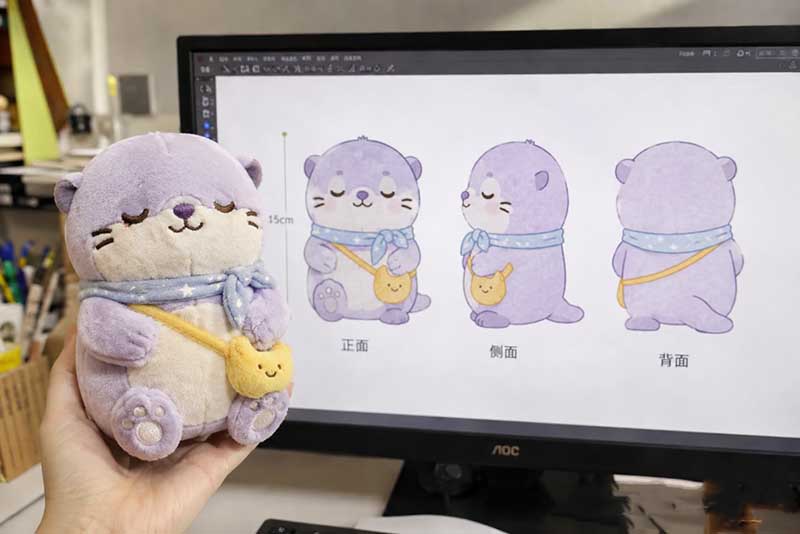
Professional manufacturers use CAD software to design patterns with precise compartment placement. For DIY, drawing a simple paper pattern and marking pouch positions is enough. Preparing a well-thought-out design ensures the toy feels balanced and comfortable.
Which safe and durable filling options are commonly used for weighted plush toys?
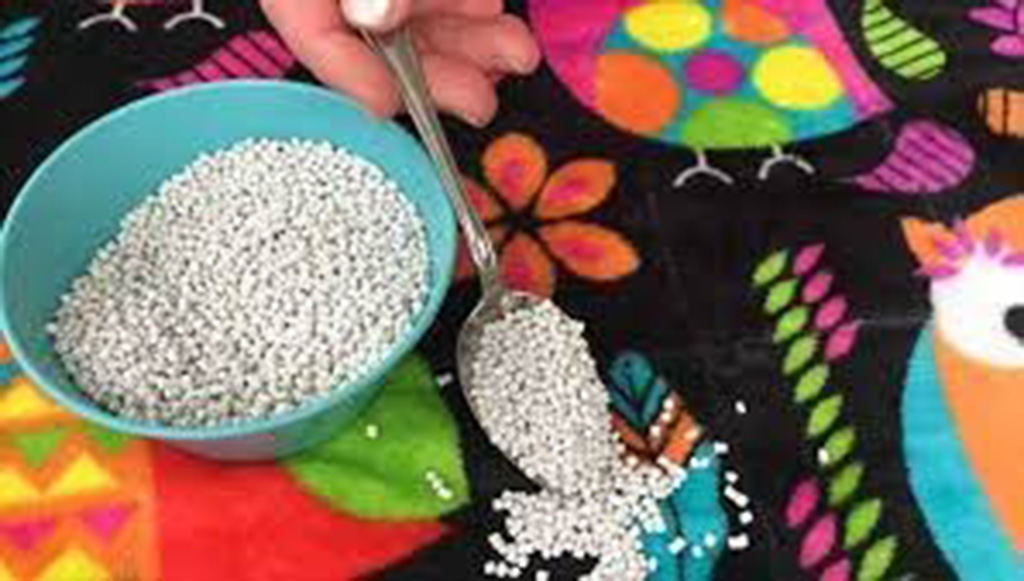
The filling defines how the toy feels and performs. Weighted toys use a combination of heavy fillers for weight and soft fillers for comfort.
Heavy fillers include:
- Plastic pellets: Affordable, widely used, CE/ASTM compliant.
- Micro glass beads: Heavier, smoother, often used in premium products.
- Steel beads: Very heavy, used in adult weighted blankets or specialty plushies.
Soft fillers include:
- Polyester fiberfill: Surrounds weighted pouches, keeps plush cuddly.
- Cotton stuffing: Eco-friendly but less durable in washing.
Safety is critical. Heavy fillers must always be sealed inside inner pouches to avoid leaks. At Kinwin, we use double-layer pouches with reinforced seams for all bead-filled toys.
| Filler Type | Weight | Softness | Durability | Safety Notes |
|---|---|---|---|---|
| Plastic pellets | Medium | Medium | High | Child-safe if sealed |
| Glass beads | High | Smooth | High | Premium choice |
| Steel beads | Very high | Low | Very high | Adults only |
| Fiberfill | Light | Soft | High | Safe + comfy |
| Cotton stuffing | Light | Medium | Medium | Natural but clumps |
By combining weighted beads with soft fiber, the toy becomes both heavy and huggable. The balance ensures users enjoy pressure without losing comfort.
How can stitching and seam techniques prevent leaks and ensure long-term durability?
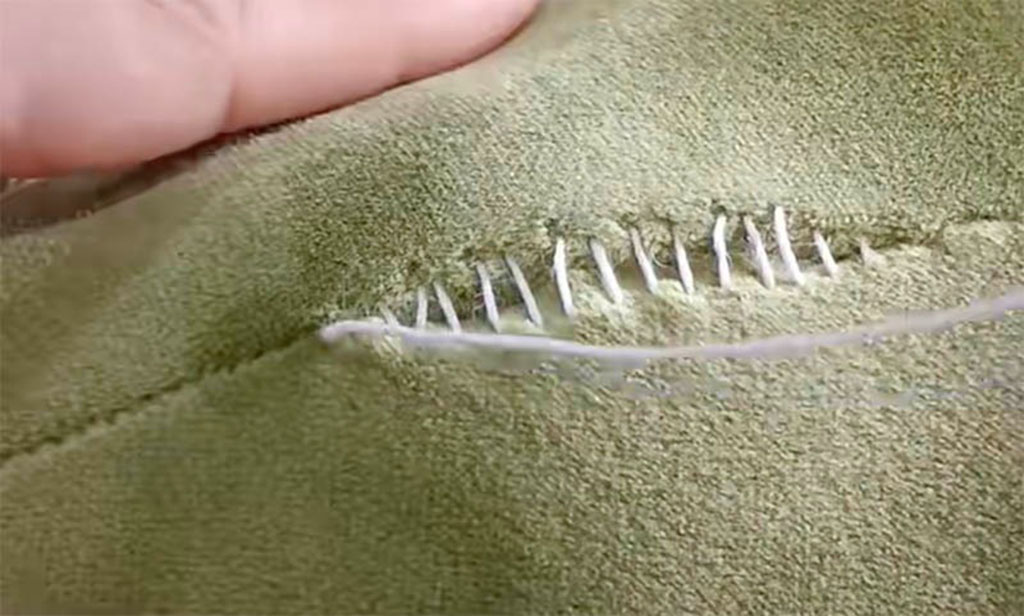
Stitching quality decides how long a weighted plush lasts. Weighted fillings create pressure inside the toy, so weak seams will eventually burst. To avoid this, you must use the right sewing methods and strong thread.
For the outer shell, reinforced seams are a must. Double-stitching or backstitching along stress points (like arms, legs, and bottom seams) helps withstand daily use. For inner pouches, tight lockstitches ensure beads don’t escape.
Invisible ladder stitches are useful for closing the final seam after filling. While it looks neat, strength must come first—always use polyester thread, which is stronger than cotton thread.
| Stitching Technique | Best Use | Benefit |
|---|---|---|
| Lockstitch | Inner pouches | Prevents bead leaks |
| Double-stitch | Main seams | Strengthens structure |
| Ladder stitch | Closing seam | Invisible finish |
| Backstitch | Stress points | Extra durability |
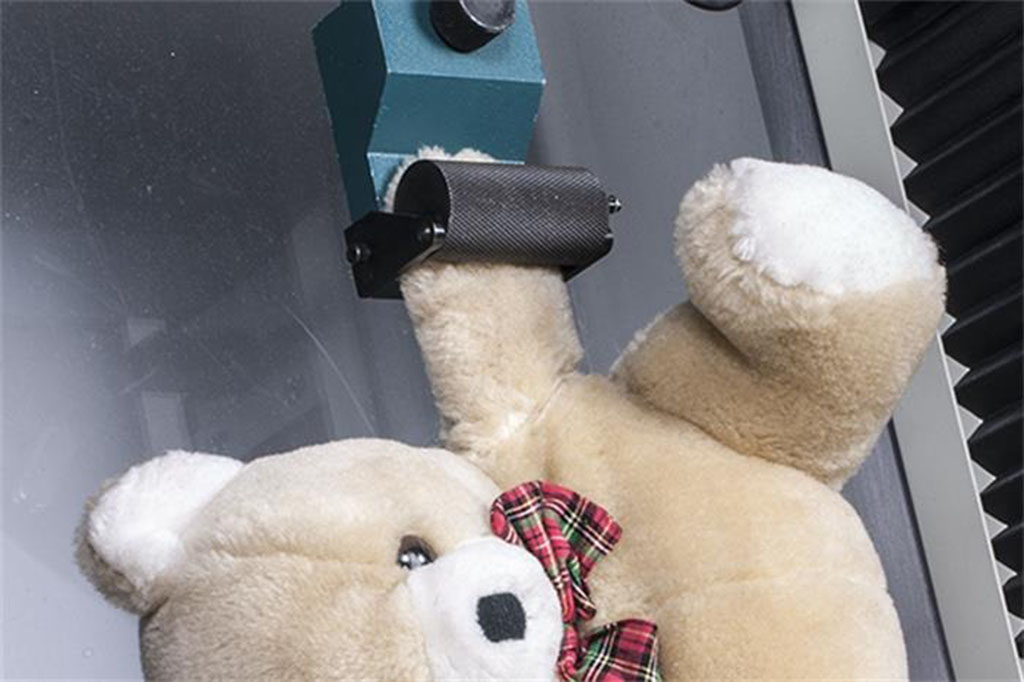
Factories also use seam strength tests, where toys are pulled under pressure to simulate child handling. Retailers sourcing from professional manufacturers should always check for these tests in quality reports.
What step-by-step process ensures proper assembly and even weight placement?
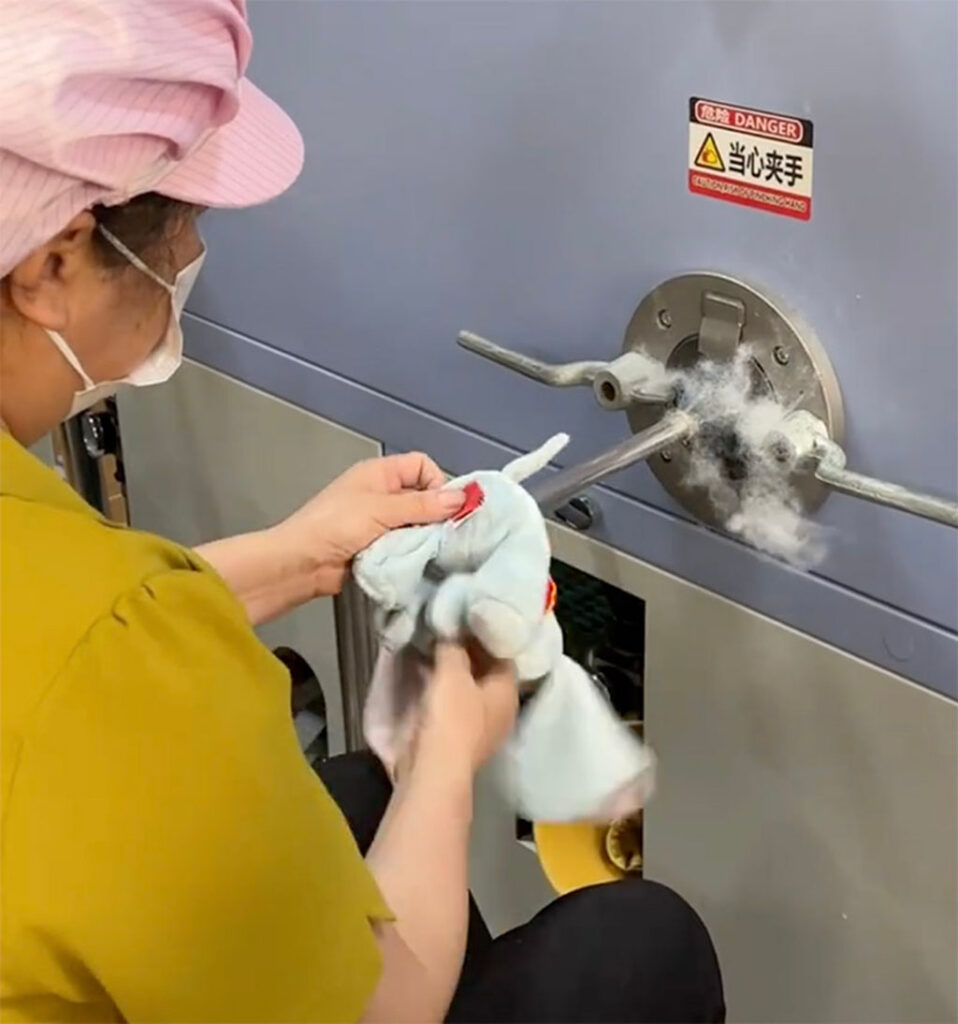
The process of making a weighted plush toy involves careful assembly. Missing one step may lead to poor comfort or unsafe results. Here’s a recommended step-by-step approach:
- Cut fabric according to your pattern.
- Sew inner pouches and fill them with pellets or beads. Seal tightly.
- Prepare outer shell by sewing most seams but leaving an opening.
- Insert pouches into compartments inside the toy.
- Add fiberfill around pouches to keep softness.
- Distribute weight evenly by adjusting pouch placement.
- Test balance by hugging or holding the toy upright.
- Close final seam with ladder stitches or machine sewing.
- Run safety checks for leaks, lumps, or seam weaknesses.
| Step | Task | Purpose |
|---|---|---|
| 1 | Cut fabric | Define shape |
| 2 | Make weighted pouches | Secure beads |
| 3 | Sew outer shell | Create base |
| 4 | Insert pouches | Distribute weight |
| 5 | Add fiberfill | Keep softness |
| 6 | Test balance | Ensure comfort |
| 7 | Close seam | Final sealing |
| 8 | Quality check | Guarantee safety |
This structured process ensures the final product is functional, safe, and appealing.
How do safety standards and certifications influence weighted stuffed animal production?
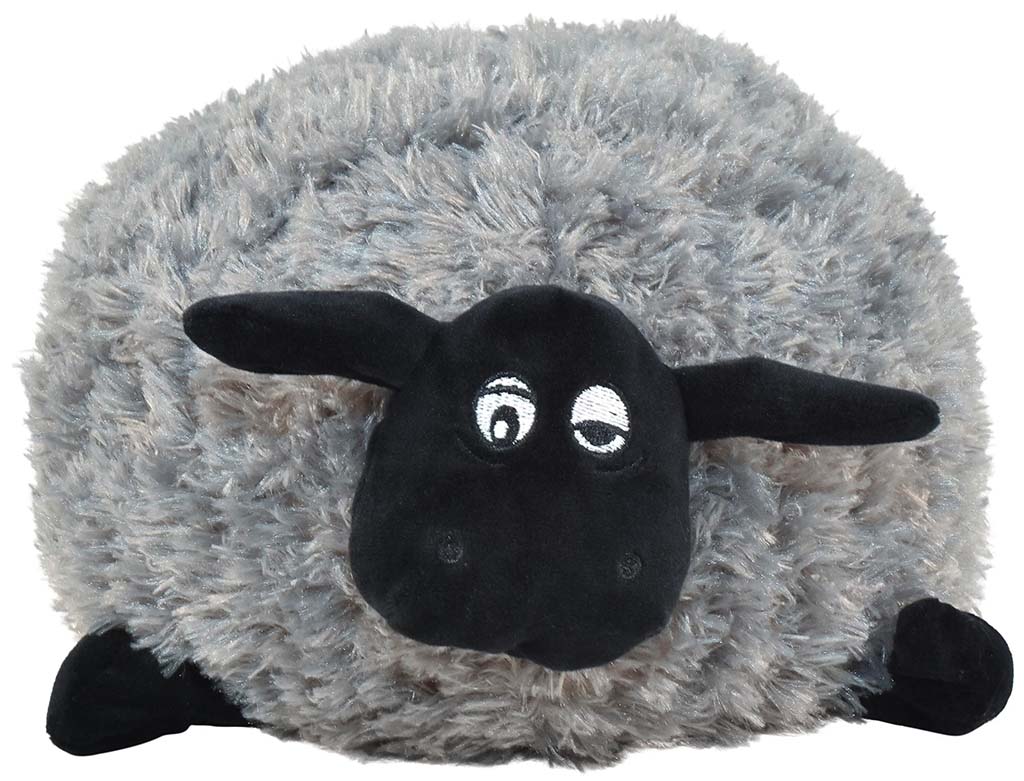
Weighted toys, like all plush products, must meet international safety requirements. These rules protect consumers and ensure smooth entry into global markets.
The two most recognized standards are CE certification for Europe and ASTM certification for the U.S. Both require tests on seam strength, chemical safety of fabrics, and choking hazard risks. For weighted toys, extra focus is placed on filler safety. Pellets or beads must be securely sealed inside inner pouches.
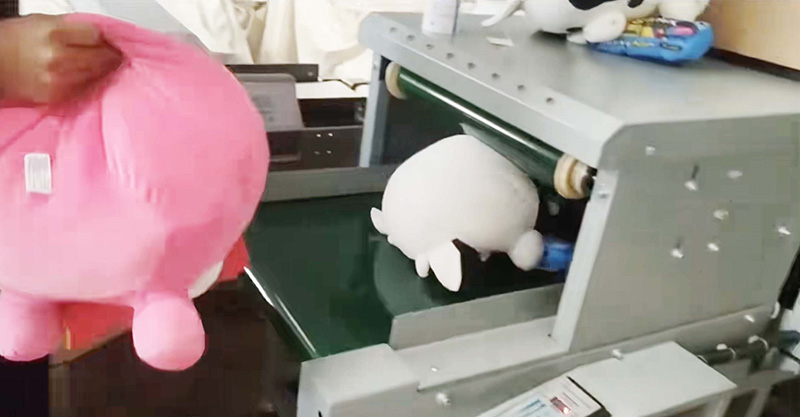
Retailers and brand owners should always confirm certification before placing orders. At Kinwin, every weighted plush toy undergoes seam pull testing, needle detection, and wash durability checks. We also provide full CE/ASTM reports for wholesale buyers.
| Standard | Region | Key Tests |
|---|---|---|
| CE | Europe | Mechanical safety, seam strength, chemical safety |
| ASTM | U.S. | Flammability, choking hazard, stuffing safety |
| ISO | Global | General quality assurance |
| CPSIA | U.S. | Lead content, child product safety |
Without certifications, importing plush toys can lead to customs rejection or legal risks. That’s why professional buyers always demand certified manufacturers.
Are there customization methods to tailor weight and design for different user needs?
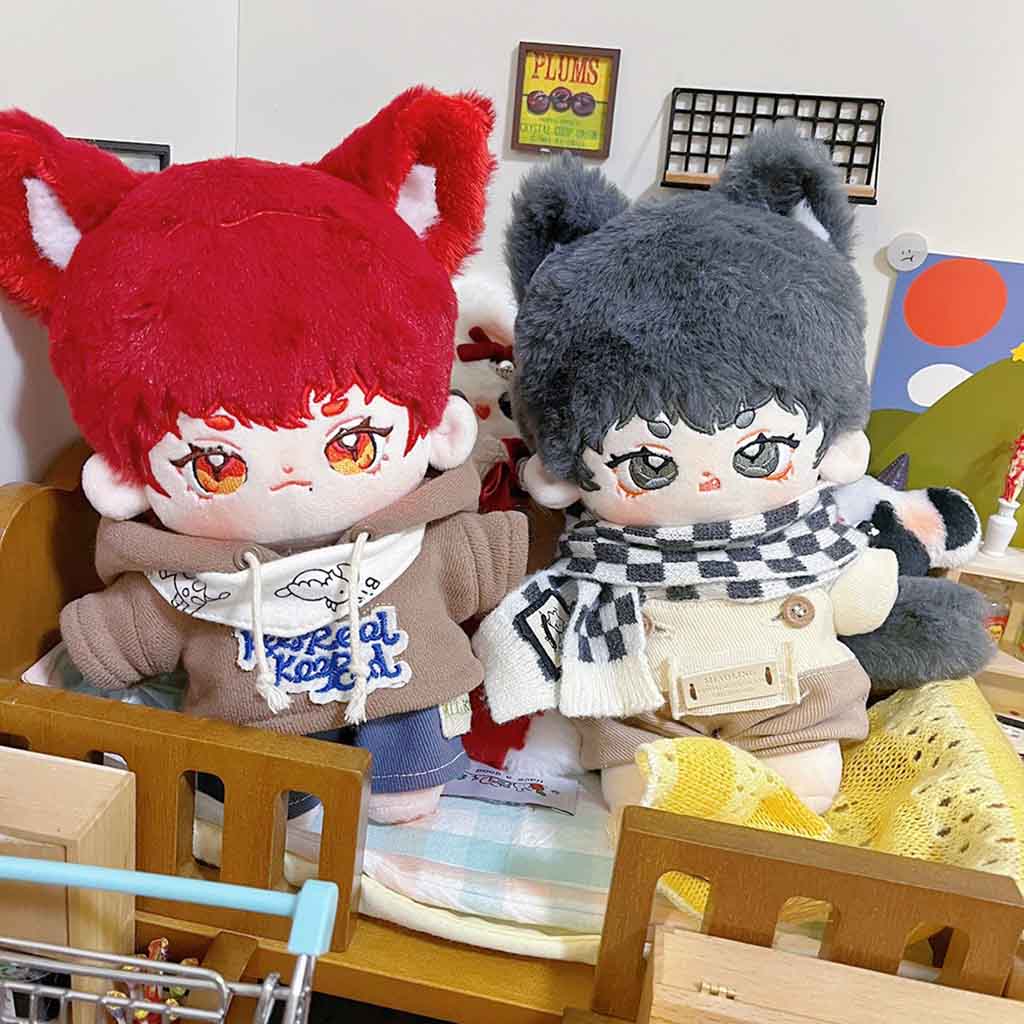
Customization is what makes weighted plush toys versatile. Different users need different weight levels, shapes, and branding options.
For children, lighter weight (1–2 lbs) is best. The toy must remain safe to carry. For adults, heavier weights (3–5 lbs) provide stronger pressure for stress relief. For sensory therapy users, weight placement matters most. For example, more beads in the body and fewer in the arms create a calming hug-like effect.
In addition to weight customization, brands often add custom fabrics, embroidery, or packaging to match their identity. At Kinwin, we frequently work with retailers who request their logo on plush toys or create exclusive designs for seasonal campaigns.
| User Type | Customization Option | Example |
|---|---|---|
| Children | Light weight + soft fabric | 1–2 lbs plush animals |
| Adults | Heavier weight, larger size | 3–5 lbs stress-relief toys |
| Therapy | Balanced pouch placement | Calming sensory plush |
| Retailers | Branding + packaging | Logo embroidery, gift boxes |
Customization ensures weighted plush toys are not just functional, but also marketable across different audiences.
Conclusion
A well-made weighted stuffed animal is safe, soft, balanced, and durable, while also offering unique branding opportunities. At Kinwin, we help global buyers design and produce customized weighted plush toys that meet CE and ASTM standards. With advanced production lines, OEM and ODM services, and strict quality testing, we deliver products that combine comfort with compliance.
Contact us at [email protected] or visit kinwintoys.com to discuss your next plush toy project and discover how our factory can support your business success.