Skip to content
When people ask, “How much is a stuffed animal at Disney World?”, they are really asking two things:
How much money should I plan for each plush, and what makes some Disney plush so expensive?
From what I see across official Disney Store pricing, park merch reports, and fan feedback, most standard Disney World plush in 2024–2025 sit around $25–$35 before tax, with mini sizes below that and jumbo or limited editions much higher.planDisney The exact price changes by character, size, exclusivity, and where you buy it (inside the parks or online).
I’m Amanda from Kinwin, a plush toy factory that works with global buyers. In this guide, I’ll walk you through price ranges, what affects the cost, park exclusives vs. shopDisney pricing, and how to spot better value or discounts—so your guests (or your own family) can enjoy the magic without surprise at the checkout.
What is the general price range for stuffed animals at Disney World?
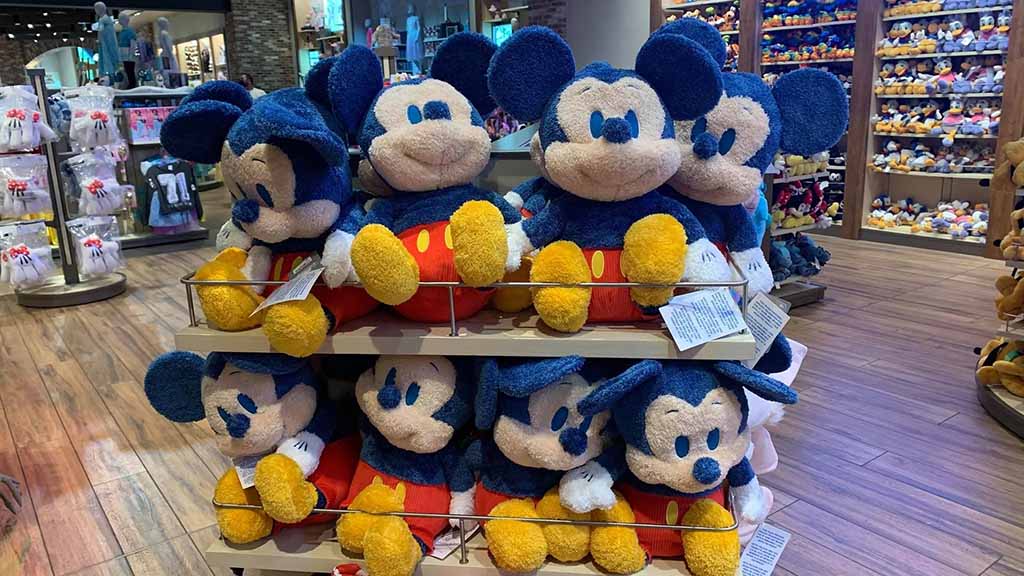
Disney World does not list one fixed price for all plush. Instead, prices are grouped by size tier, character type, and series. But from current and recent data, we can give realistic working ranges.
A planDisney panel answer for Disneyland (which uses similar pricing to Disney World) said that small plush usually cost about $19.99–$21.99, medium plush around $26.99–$29.99, and larger plush up to about $69.99, with a clear note that prices can change.planDisney A Disney World visitor on Reddit summed it up simply: “most plushies are $29” in the parks.
On shopDisney, which often mirrors park pricing for “Authentic Disney Parks Merchandise,” you see many small or specialty plush between $16.99 and $34.99. For example, palm-sized Urupocha-chan mini plush from Disney Store Japan list at $16.99,DisneyStore.com while a 10” Figment Big Feet plush is $34.99. “Play in the Parks” Mickey plush at 13” is normally $29.99, matching the in-park feel.
Based on this, if you walk into Walt Disney World in 2025, it is reasonable to expect:
- Mini / keychain / 4–7” plush: roughly $15–$22
- Standard 10–14” plush: usually $25–$35
- Large or extra-large plush: often $40–$70+
- Specialty or weighted / animatronic plush: can go even higher, depending on features
Tax will be added at the register, so it is smart to add a bit of buffer per item. If you are planning budgets for a family, assuming $30–$40 per plush (including tax) gives a safe cushion for most standard options.
General price range for Disney World plush (approximate)
| Plush type / size tier | Typical examples | Approx. price range (USD, before tax) |
|---|---|---|
| Mini / small (4–7”) | Palm-sized series, keychain plush, baby minis | $15–$22 (online sometimes from $16.99)DisneyStore.com |
| Standard (10–14”) | Core Mickey, Minnie, Stitch, Pooh, standard character plush | $25–$35 (many around $29.99) |
| Medium–large (16–22”) | Big cuddly plush, Big Feet series, Sorcerer Mickey, etc. | $35–$55+ depending on character |
| Jumbo / extra-large | Oversize display plush, statement pieces | $60–$70+ (sometimes more for very large items)planDisney |
| Special feature / weighted / talking | Plush with sound chips, special filling, detailed outfits | Often above $35, depending on features |
How do character type, size, and exclusivity affect plush pricing?
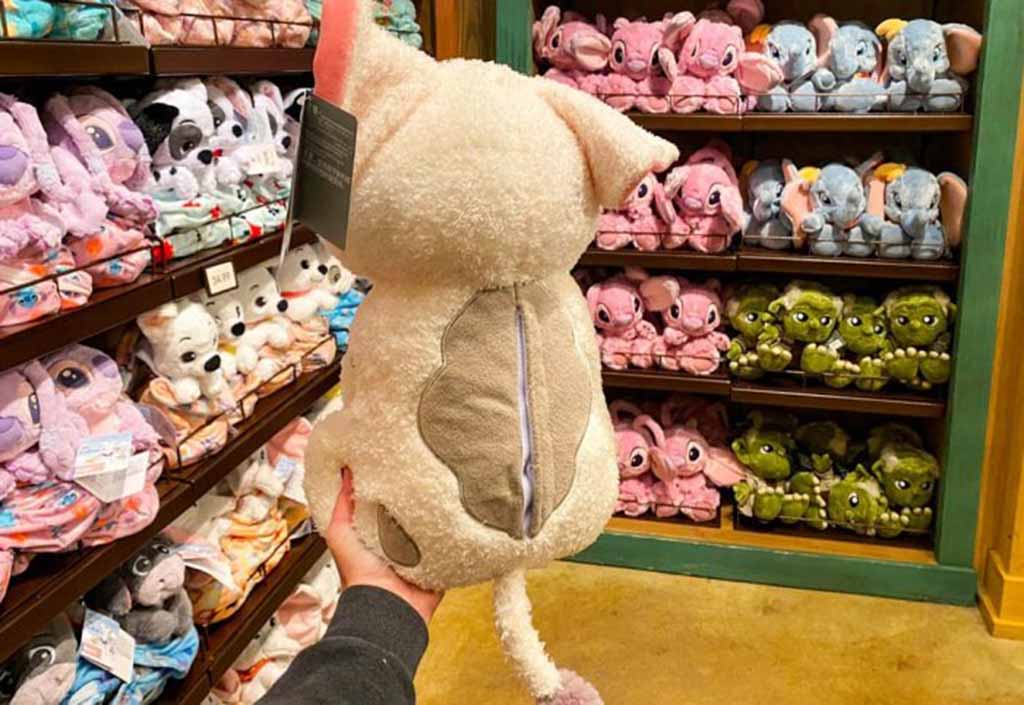
Not all Disney plush are priced the same. Three big levers change the price: which character it is, how big it is, and whether it is part of a special or exclusive series.
First, character type. Iconic characters with high demand—Mickey, Minnie, Stitch, Grogu, Winnie the Pooh—often sit in core price bands because Disney knows they will sell in high volume. On shopDisney, you see sorcerer Mickey at 22” priced at $29.99 before discounts, despite his size and detailed outfit. Meanwhile niche or park-specific characters such as Figment Big Feet plush are priced a bit higher at $34.99 for a 10” version, partly due to their specialty status.
Second, size and format. A mini Urupocha-chan plush at 4” sits at $16.99,DisneyStore.com while mid-size park Mickey plush around 13” is typically $29.99. Larger characters or plush with extra fabric, stuffing, or complex sewing use more material and more time, which naturally pushes prices higher. Series with oversized feet, long fur, or additional accessories also require more labor and QC.
Third, exclusivity and theming. “Play in the Parks” plush or park-branded versions with specific outfits often carry a small premium over simpler core designs. Even when the list price is the same, the perceived value is higher because the plush is tied to the park experience. Authentic Disney Parks labels, special event logos, and unique outfits are part of why guests accept a $30 price point inside the park instead of looking for cheaper options elsewhere.
For B2B buyers, this pricing logic is useful. You can see how Disney uses size tiers and character demand to hold a stable price ladder: mini, small, standard, large, specialty. You also see how exclusive theming allows them to keep the same basic size but sell at a higher perceived value by changing outfit, tag, or series branding.
How character, size, and exclusivity move the price
| Factor | Example plush / data point | Effect on price tier |
|---|---|---|
| Character demand | Stitch, Mickey, Pooh, Grogu feature heavily in plush categoriesdisneystore.co.uk+1 | High-demand characters stay in core price bands but sell in volume |
| Size | 4” Urupocha-chan minis at $16.99 vs 13” park Mickey at $29.99DisneyStore.com | Larger items use more material and labor → higher prices |
| Special styling | Figment Big Feet plush 10” at $34.99 | “Cute format” and specialty character push price above standard |
| Park theming | “Play in the Parks” Mickey labeled Walt Disney World | Park branding and outfits justify or hold firm price points |
| Event or series | Seasonal costumes, park-branded series | Same base size, higher emotional value and collectability |
What are the price differences between park exclusives and online Disney Store items?
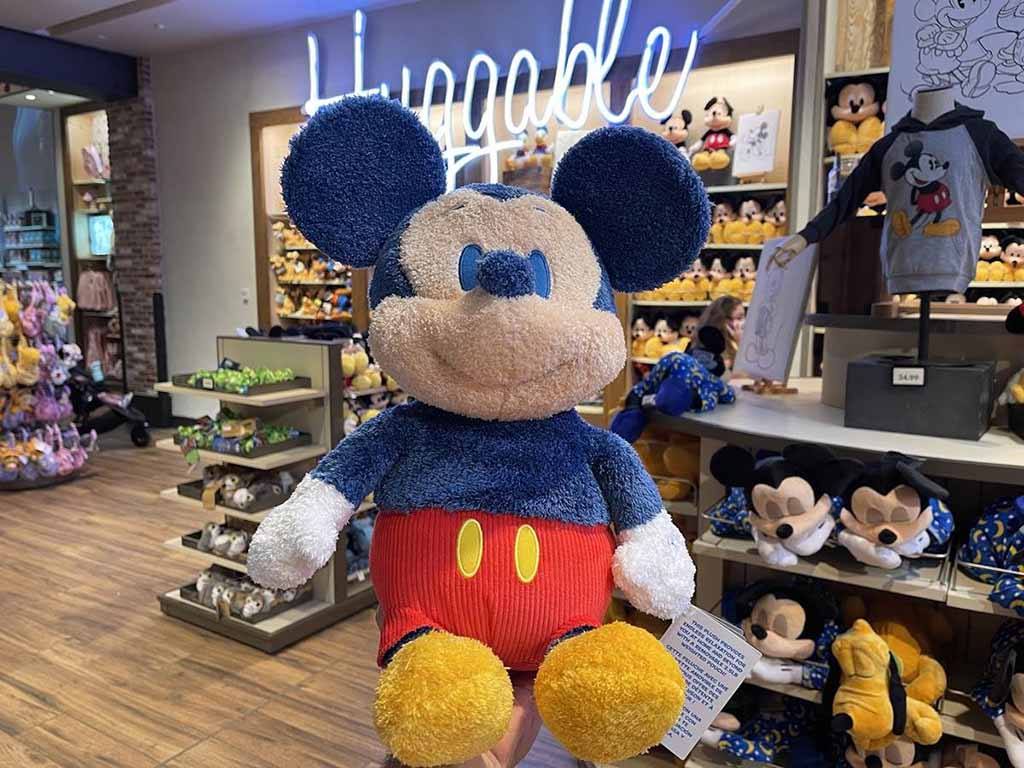
This is a common question: “Is it cheaper to buy plush in the parks or online at shopDisney?” The honest answer is: the base list prices are often similar, but promotions and exclusivity change the real value.
Many items on shopDisney carry the “Authentic Disney Parks Merchandise” tag. For example, the Sorcerer Mickey 22” plush is listed as Disney Parks merchandise at $29.99, with occasional online promo codes like “25% off with code OHANA.” A Mickey “Play in the Parks” plush is also presented with a normal price of $29.99, though sometimes discounted online during sales. In these cases, the price in the park gift shop and the online store are usually aligned, but online shoppers can stack codes or free shipping offers.
Park exclusives, however, behave differently. Some plush are sold only at Walt Disney World, at special events, or inside certain park locations. For example, authentic Disney Parks seasonal plush like a 2024 Mickey holiday elf plush are sold in-park and later appear on third-party sites as “Disney Parks merchandise.”magicalearscollectibles.com Prices on those reseller sites often sit at $30–$50+, including markup for people who could not visit the park.
Special events such as Mickey’s Very Merry Christmas Party also feature party-only merch lines, sometimes including plush. WDW News Today’s 2024 party merch list shows shirts, pins, bags, and other items with prices from about $19.99 up to $65, depending on the category.WDW News Today Plush at these events usually follow similar mid-to-high price bands but gain value through their limited-time availability.
On the other hand, shopDisney frequently runs short sales—for example, Toy Tuesday events with 25% off hundreds of plush and toys for a limited period.The Sun+1 So while a standard plush might be $29.99 both in the park and online, you may pay less online if your timing matches a promotion.
So in summary:
- Standard, non-exclusive plush → similar list prices in park and online; better deals online during promos.
- Park-exclusive or event plush → only in park (or on resellers), often same base band ($30–$40) but higher perceived and resale value.
- Reseller purchases → higher than park price because you are paying for someone else to source and ship it.
Park vs. shopDisney pricing comparison (typical patterns)
| Item type | Where it is sold | Price behavior |
|---|---|---|
| Standard character plush | Parks + shopDisney | Similar list price (~$25–$35) |
| Authentic Disney Parks plush online | shopDisney parks section | Same or similar to in-park; can stack online promos |
| Park-exclusive seasonal/event plush | In-park only (sometimes later via resellers) | Often mid–high tier; resale price can be highermagicalearscollectibles.com |
| Limited regional styles | Specific parks/regions | Park-only at list price; higher cost if bought via resale |
| Online-only sale periods | shopDisney promotions | 20–25% off plush and toys during short eventsThe Sun |
How do limited editions and collaborations influence collectible value?
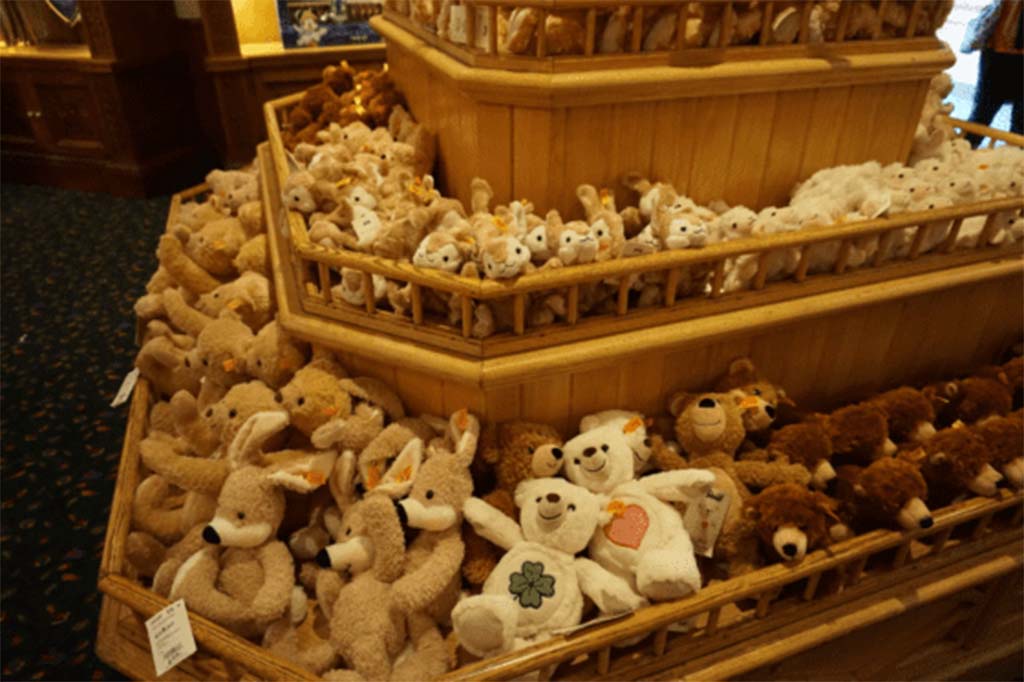
Limited editions and collaborations are where price and perceived value can move far beyond a normal $30 plush. Here, the key word is collectibility.
A limited-edition Disney plush usually has at least one of these traits:
- Fixed production run with edition size printed on the tag or box
- Special styling (anniversary outfit, metallic fabrics, special embroidery, signature marks)
- Unique packaging, sometimes with display boxes
- Collaboration branding, like co-branded tags or labels
These pieces usually debut at a higher retail price point than standard plush. While exact prices change, it is common to see limited or collector plush sitting well above the usual $30 band, especially when tied to big events (anniversaries, celebrations, or major film launches).
Then there is the secondary market. For highly desired items, the real “price” fans pay is often on resale platforms. Duffy & Friends plush from Tokyo Disney Resort are a clear example: Duffy and Friends medium plush, originally sold in-park, are frequently listed on global resale sites and Etsy for $40–$60+ per plush, sometimes more for rare versions.eBay+1 The same happens for seasonal or park-specific Mickey plush and other characters when supply is limited and demand remains high.
Collaborations also raise value. When Disney pairs characters with trend-led formats—such as stylized mini plush series or cross-brand collections—the plush feel more like designer items than normal toys. The Urupocha-chan mini plush line, for instance, takes Disney characters (Minnie, Eeyore, Goofy, etc.) and turns them into a consistent, collectible chubby style at $16.99 each.DisneyStore.com Even though the price is not extreme, the value comes from collecting the full set, and from the story of the design.
For serious collectors, three prices exist for each plush:
- The original retail price in the park or on shopDisney
- The current resale price on platforms like eBay or Etsy
- The personal emotional value, which often makes a pricey limited plush feel “worth it”
From a brand or buyer point of view, the lesson is clear: limited editions and collabs are not only about higher margins. They also keep the plush category exciting and convince fans to buy again, even if they already own several versions of the same character.
Limited editions & collaborations – how they impact value
| Feature | How it appears in Disney plush | Impact on price and collectibility |
|---|---|---|
| Limited edition run | Numbered tags, special event logos | Higher retail price; strong second-hand demand |
| Special styling | Anniversary outfits, metallic fabrics, unique embroidery | Makes plush stand out; seen as “display pieces” |
| Unique packaging | Boxes, stands, premium hangtags | Justifies premium pricing and gifting appeal |
| Regional park exclusive | Duffy & Friends at Tokyo DisneySea, etc.yumetwins.com+1 | Strong regional fandom; high resale value globally |
| Design collabs / stylized series | Urupocha-chan minis at $16.99 eachDisneyStore.com | Encourages full-set collecting and repeat purchases |
What factors justify premium pricing for Disney park plushies?
It is easy to compare a $30 Disney park plush with a cheaper plush from a regular store and ask, “Why is this so expensive?” In practice, several layers justify the premium.
- Brand and IP value
You are not just paying for fabric and stuffing. You are paying for access to Disney characters, stories, and experiences. Licensing fees, creative development, and brand value are built into the price. This is why even third-party sellers offering official Disney Parks plush keep prices high.magicalearscollectibles.com+1 - Design and testing
Disney plush go through detailed design, patterning, and brand-approval processes. They must also meet safety standards, including mechanical and chemical tests, before they reach guests. That design and compliance work adds cost before the product ever enters a park store. - Material and construction quality
Many official plush use high-quality plush fabrics, dense stuffing, and fine embroidery. On shopDisney, descriptions highlight soft construction, embroidered details, and specific fabric choices for park plush.magicalearscollectibles.com While there are cheaper plush in the mass market, the goal here is to create a long-lasting souvenir that feels worth keeping. - Park overhead and positioning
Selling inside Walt Disney World means higher operating costs: themed stores, cast members, park infrastructure, and limited retail space. Plush are part of the overall resort experience, so prices reflect both product cost and location premium. - Emotional timing
Most guests buy plush inside an emotional moment—after a character meet-and-greet, during a special event, or at the end of a magical day. The plush becomes a memory token. Disney understands this and positions price where most guests will still say yes when their child hugs the toy and refuses to put it back.
If you see a $29.99 Mickey plush in the park and a cheaper Mickey somewhere else, you are seeing two different offers. One is a general plush; the other is a themed, tested, branded park experience in physical form.
Key drivers behind premium Disney park plush pricing
| Factor | What it adds to the plush | Why guests accept the higher price |
|---|---|---|
| Disney character license | Official IP, accurate design, ongoing storytelling | Feels authentic and recognisable |
| Safety & quality testing | Compliance with toy standards, durability checks | Parents trust the product more |
| Material & build quality | Soft plush fabrics, detailed embroidery, stable stuffing | Plush feels premium, not disposable |
| Park environment & costs | Themed shops, staff, limited space | Part of the “magic” and resort experience |
| Emotional connection | Purchased during a “core memory” moment | Plush becomes a personal souvenir, not just a toy |
How can visitors find the best value or discounts on Disney plush toys?
Even though park plush are premium, visitors still have ways to manage costs and find better value, especially if they plan ahead.
- Use shopDisney promotions
shopDisney often runs short promotions such as Toy Tuesday or seasonal sales, offering around 25% off hundreds of toys and plush for a limited time.The Sun+1 You can buy some characters online before or after your trip, especially standard designs that are not strictly park-exclusive. - Mix “must-buy-in-park” with “buy-online”
Decide which plush have real emotional power in the park—maybe a plush from a first ride, a character meet, or a special event. Plan to buy only those in the park at full price, and get more generic or widely available characters later from shopDisney (or local Disney Store sections in big-box retailers) where offers are more common. Some fans report finding basic Disney plush for as low as $7–$10 in Target’s in-store Disney sections.Facebook - Leverage discounts and gift cards
Many guests use Disney gift cards as a way to control spending and sometimes get small bonuses when buying cards through certain promotions or membership programs. In the parks, eligible Annual Passholders and Disney Vacation Club Members often receive merchandise discounts at selected shops, which can include plush. Check current benefits before you travel. - Compare sizes and series, not only characters
If your child wants “a Stitch plush,” you might find several versions: a mini, a Big Feet style, a park-outfit version, and a jumbo plush. You can often save money by choosing a smaller or non-limited series while still giving them “Stitch.” Online, product pages show exact sizes and prices, so you can match expectations. - Stay alert to special sales in-park
Occasionally, certain items or seasons bring in-park offers or bundle deals, especially near the end of a promotion. These are not as frequent as online codes, but it is worth watching party merch or seasonal corners in larger stores like World of Disney at Disney Springs.
For families and for buyers studying Disney’s strategy, the main idea is simple: use parks for emotion and uniqueness, and use online channels and off-site retailers for volume and basic characters. That way, every plush feels special, but your budget still makes sense.
Value tips for Disney plush shoppers
| Strategy | How to apply it | Benefit for your wallet |
|---|---|---|
| Watch shopDisney promos | Buy standard plush during 20–25% off events | Lower cost for popular charactersThe Sun |
| Split park vs. online buys | Get emotional “memory plush” in-park, basics online | Keeps some magic while controlling total spend |
| Use gift cards & discounts | Combine Disney gift cards with AP/DVC or card perks | Adds small but real savings per purchase |
| Choose size & series smartly | Pick smaller or non-limited versions of the same character | Keeps character joy, reduces price per item |
| Check off-site retailers | Look at Target or similar for budget-friendly official plush | Good for “extra” characters at much lower priceFacebook |
Conclusion
A stuffed animal at Disney World is usually more than just a soft toy. It is a mix of brand, design, park experience, and memory—and the price reflects that. In most cases, you can expect to pay around $25–$35 for a standard park plush, with minis below and large or limited pieces much higher.
As a plush manufacturer, I look at Disney pricing not only as a fan but as a benchmark for how far good storytelling, quality, and smart line planning can take a soft toy. If you’re building your own plush collection or planning a product line inspired by this model, you are welcome to reach out to me at [email protected] or visit kinwintoys.com. My team at Kinwin can help you balance cost, quality, and emotion so your own plush range feels “worth it” the moment someone picks it up.