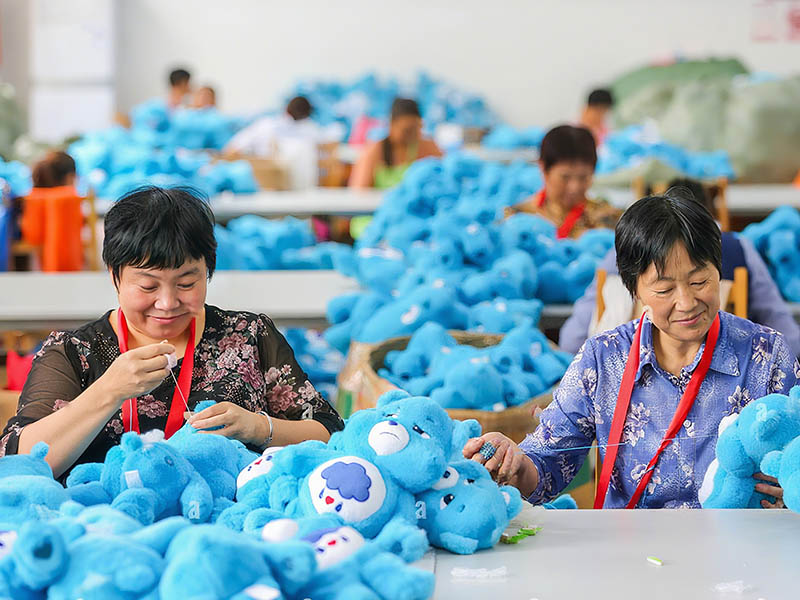
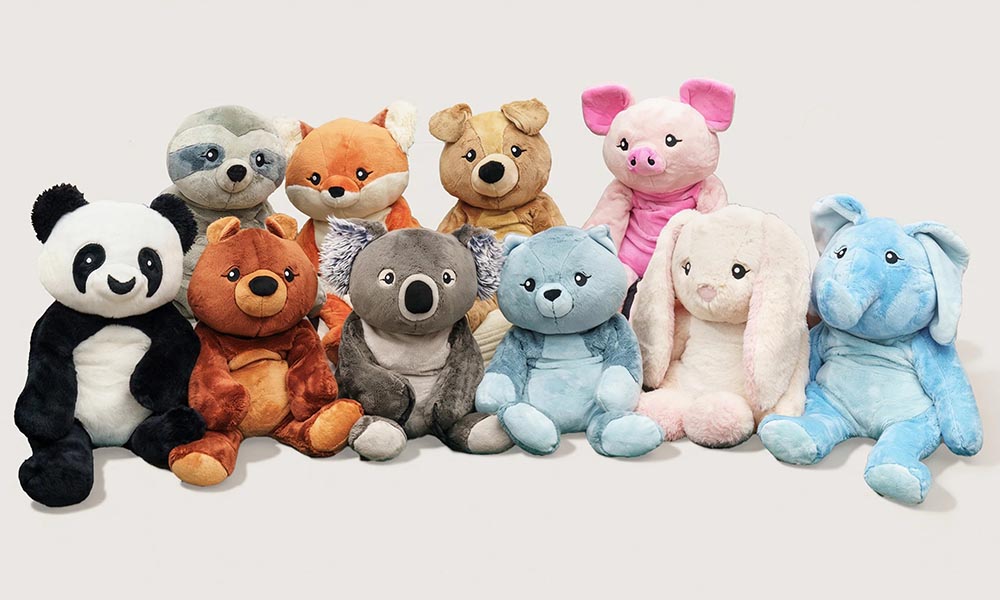
Tracking plush production progress is not only about asking whether the order is finished. For B2B buyers, progress tracking means knowing whether the project is moving through the right milestones, whether the approved sample is still being followed, whether materials arrived correctly, whether production risks are visible early, and whether shipment documents will be ready when the goods are packed.
Custom plush toys often involve many small details: fabric shade, embroidery placement, stuffing firmness, accessory attachment, label content, packaging method, carton marks, and safety checks. A delay or mismatch in one area can affect the whole delivery schedule. Buyers who only request a general update near the shipping date may discover problems too late to correct them without air freight, rework, or missed retail windows.
A professional plush manufacturer should make production progress trackable. That does not mean sending random photos every day. It means creating a clear timeline, confirming responsibility for each milestone, documenting progress with useful evidence, and reporting exceptions before they become urgent. The buyer does not need to manage the factory line directly, but the buyer does need enough visibility to make timely decisions.
Start With a Milestone-Based Production Schedule
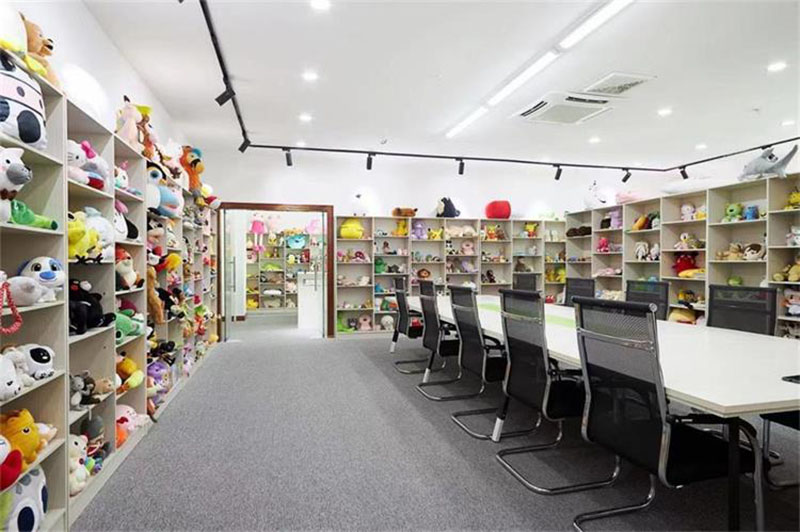
The first step in tracking plush production progress is building the schedule around milestones, not vague promises. A useful schedule should show when the approved sample is frozen, when materials are ordered, when fabric arrives, when cutting starts, when sewing begins, when stuffing and finishing happen, when inline inspection takes place, when packaging materials are ready, when final inspection is planned, and when shipment documents should be prepared.
Many buyers ask for a delivery date but do not ask how the factory will reach that date. This creates risk because two orders with the same shipping date may have completely different production pressure. One order may already have approved materials and stable artwork. Another may still require sample corrections, color matching, packaging confirmation, and safety-label review. Without milestone tracking, both orders can appear equally healthy until the delay becomes visible.
The schedule should also include buyer-side deadlines. If the buyer needs five days to approve a revised sample, confirm packaging artwork, release deposit payment, or review test reports, those days must be part of the plan. Production tracking is a shared workflow. A factory can report its internal status, but buyer approval delays can still push the final delivery date.
A strong supplier will identify the critical path. For custom plush, the critical path often includes sample approval, fabric dyeing or sourcing, accessory preparation, packaging printing, safety testing, and final inspection booking. If the buyer understands which steps cannot be compressed safely, decisions become more realistic.
Milestone tracking should be simple enough to maintain. A practical order tracker may use percentages, dates, responsible people, evidence links, and risk notes. Overly complex trackers often fail because no one updates them. The goal is not administrative decoration; the goal is a shared view of what is complete, what is in progress, what is waiting for approval, and what needs attention.
| Tracking Point | What Buyers Should Check | Why It Matters |
|---|---|---|
| Sample freeze | Confirm the final approved sample, revision number, and approval date | Prevents production from following an outdated sample |
| Production stages | Track material arrival, cutting, sewing, stuffing, finishing, packing, and inspection | Shows whether the order is actually moving through the factory |
| Critical path | Identify steps that can delay the shipment if missed | Helps buyers act early instead of reacting near the ship date |
Confirm Materials Before Bulk Cutting Starts
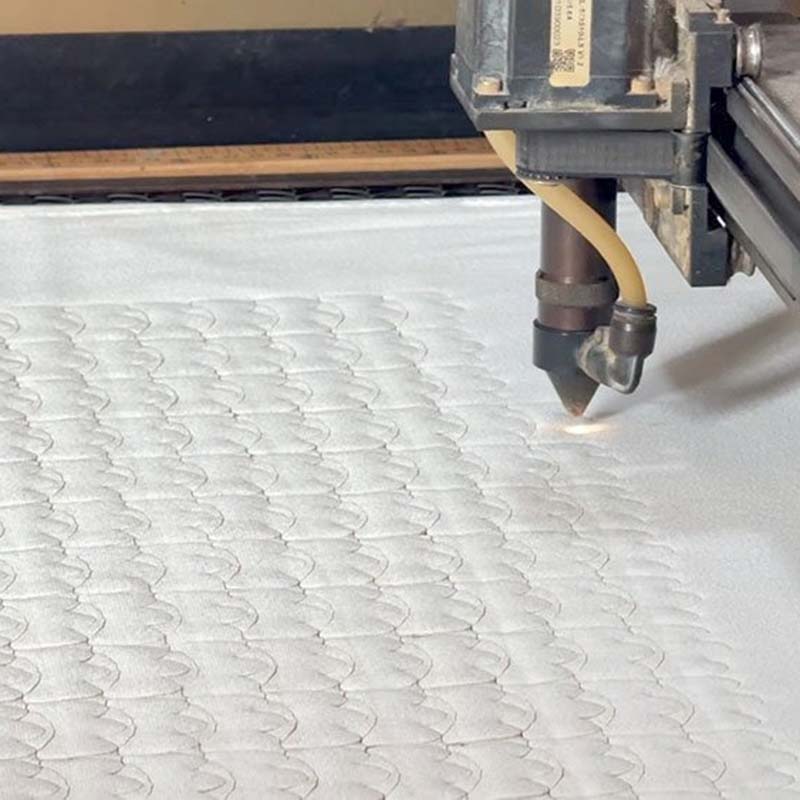
Material readiness is one of the most important signals in plush production progress. A factory may say production is scheduled, but the order cannot truly move forward until key materials are available and approved. Fabric, filling, thread, embroidery thread, plastic parts, labels, packaging materials, electronic modules, hangtags, and carton materials all affect the real timeline.
Buyers should not only ask whether materials have arrived. They should ask whether the received materials match the approved sample and purchase specification. Fabric color, pile length, fabric weight, stretch, hand feel, backing quality, and pile direction can affect both appearance and sewing behavior. If a fabric issue is discovered after cutting, the factory may have already consumed material and created rework pressure.
For dyed fabric or custom colors, progress tracking should include lab dip approval, bulk fabric approval, and any color tolerance agreement. A photo alone may not be enough because lighting can distort color. When color is critical, the buyer and factory should use approved swatches, physical references, or controlled color evaluation methods.
Material tracking should also distinguish between primary and secondary materials. The main plush fabric may arrive on time, but a small accessory, printed label, zipper pull, sound module, or custom packaging item can still block completion. Buyers often underestimate these smaller materials because they represent a lower cost. In practice, a missing low-cost component can hold the entire order.
A useful progress report should show material status by item, not only by order. The buyer should see which materials are ordered, received, inspected, approved, pending, or rejected. This makes it easier to see whether production can start cleanly or whether the factory is preparing partial work while waiting for missing items.
| Tracking Point | What Buyers Should Check | Why It Matters |
|---|---|---|
| Main fabric | Check color, pile, hand feel, weight, quantity, and inspection result | Fabric issues affect appearance and can delay cutting |
| Accessories | Confirm eyes, noses, zippers, labels, electronics, hangtags, and packaging materials | Small missing parts can block final assembly or packing |
| Approval status | Separate ordered, arrived, inspected, approved, and rejected materials | Gives buyers a clear view of real production readiness |
Track Cutting Progress Against the Approved Pattern
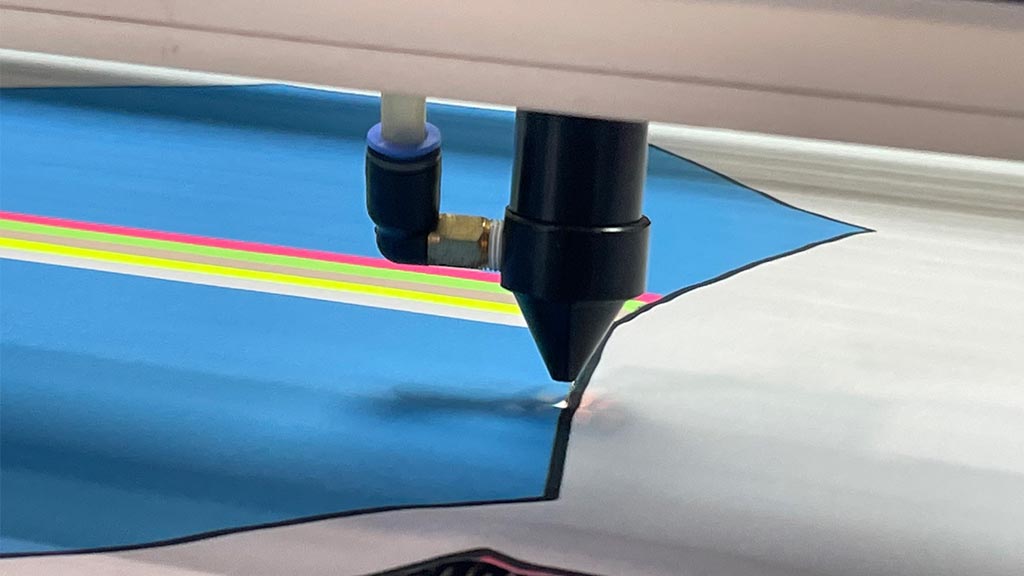
Cutting is a major production milestone because it converts approved materials into shaped components. Once cutting starts, mistakes become expensive. Wrong fabric direction, wrong pattern version, mixed sizes, poor cutting accuracy, or incorrect quantity planning can create visible quality problems later in sewing and stuffing.
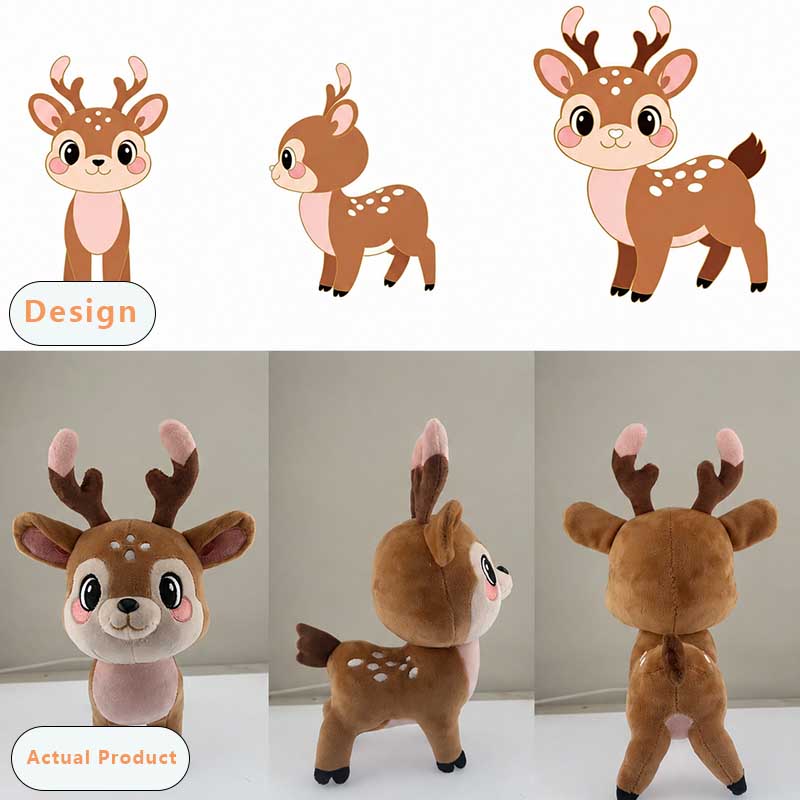
Buyers usually do not need to monitor every cutting table, but they should know when cutting starts, whether the latest approved pattern is being used, and whether the factory has checked first-cut pieces. For complex characters, small pattern changes can affect facial expression, body proportion, sitting position, and final shape stability. Tracking this stage helps catch issues before hundreds or thousands of pieces are sewn.
Cutting progress should include quantity control. The factory should know how many pieces are required for each SKU, size, color, and production batch. If the order includes multiple styles, the risk of mixing pieces increases. A good production system separates cut panels by SKU, batch, color, and operation stage.
Waste and shortage should also be visible. Plush fabric can have defects, shade differences, or usable-width limitations. If the factory discovers that fabric yield is lower than expected, the buyer should know early because replenishment may affect cost and delivery. Hiding a shortage until sewing is underway creates avoidable pressure.
For buyers, cutting-stage tracking is especially useful when the plush design has tight symmetry requirements, licensed character accuracy, or multiple fabric types. This stage determines whether the product has a solid foundation before labor-intensive sewing begins.
| Tracking Point | What Buyers Should Check | Why It Matters |
|---|---|---|
| Pattern version | Verify that the cutting room uses the approved pattern and latest sample revision | Avoids production based on obsolete technical files |
| Piece separation | Track cut panels by SKU, color, batch, and size | Reduces mixing errors in multi-style orders |
| First-cut review | Check first-cut accuracy before full cutting continues | Catches pattern or material-direction issues early |
Monitor Sewing, Stuffing, and Shape Consistency
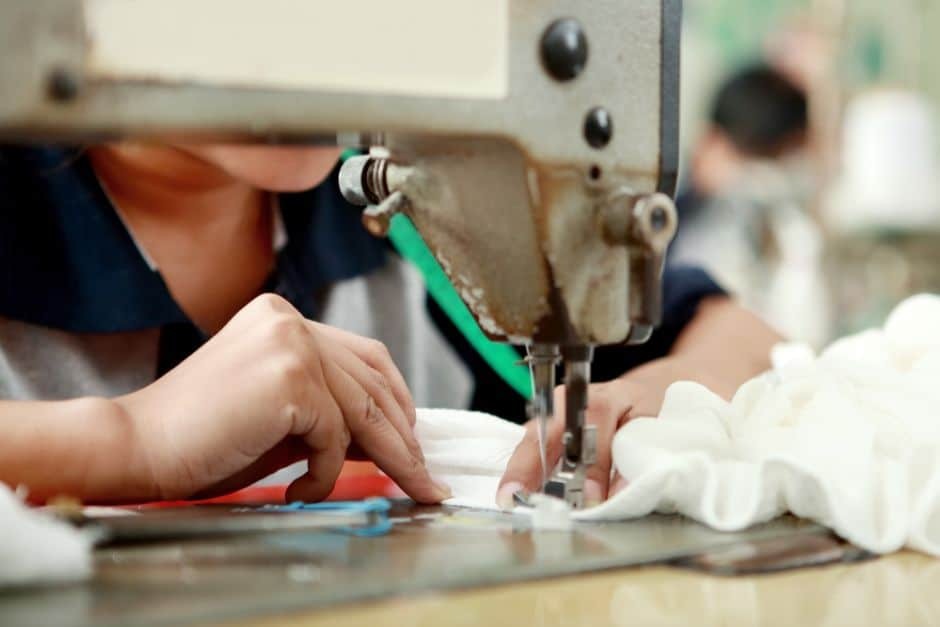
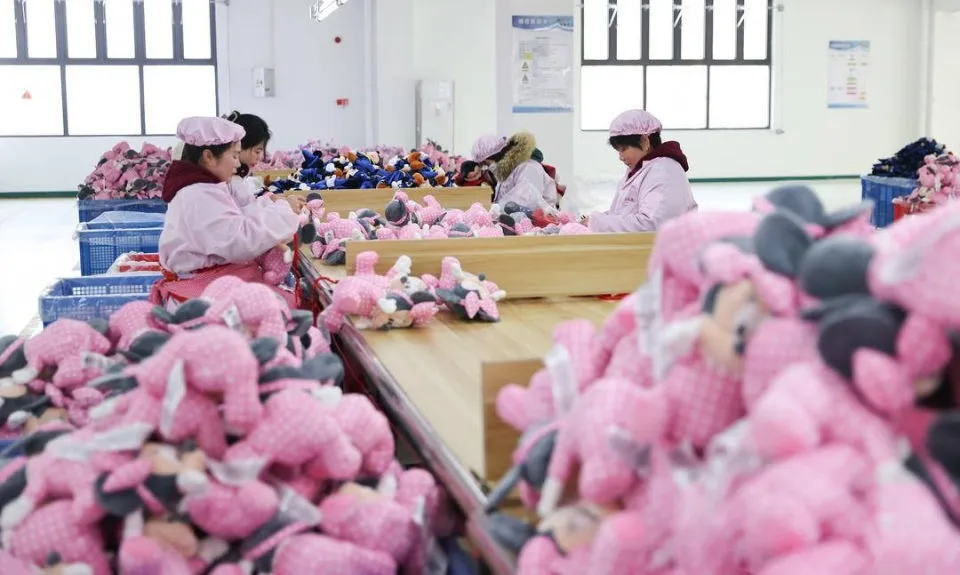
Sewing and stuffing are where plush production progress becomes visible, but visual progress can be misleading. A large number of semi-finished toys may look encouraging, yet the order can still carry hidden risks if seams are weak, stuffing is uneven, embroidery is misaligned, or operators are not following the approved construction method.
Buyers should track both quantity and quality at this stage. Quantity answers how many units are sewn, stuffed, closed, trimmed, and finished. Quality answers whether those units match the approved sample. If the factory reports only percentages without quality context, the buyer cannot tell whether the order is progressing cleanly or accumulating defects.
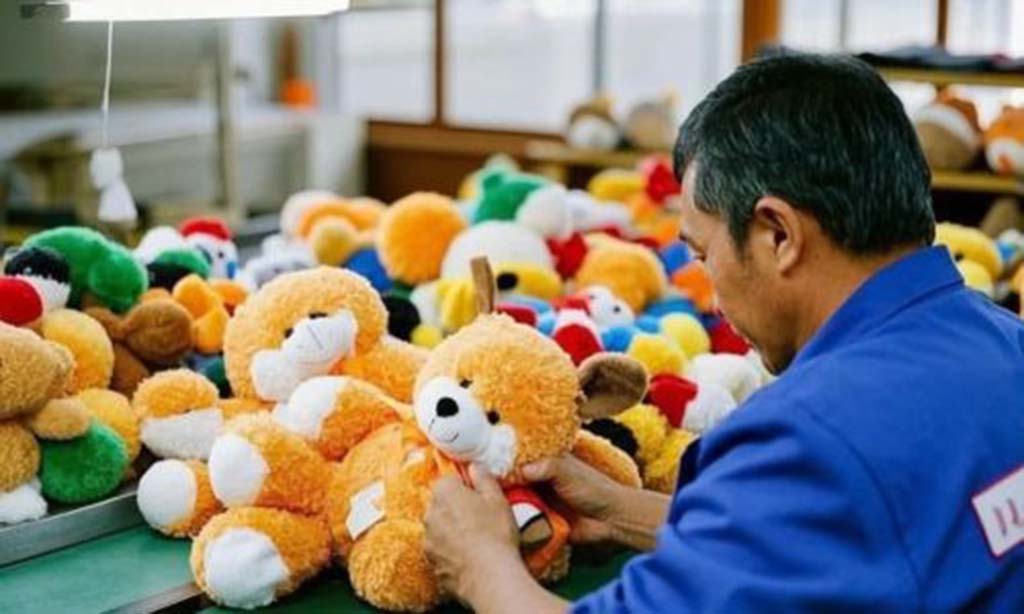
For plush toys, shape consistency is a core progress indicator. The factory should compare in-process goods with the approved sample for head shape, body proportion, facial alignment, limb placement, stuffing firmness, seam position, and standing or sitting performance. Small deviations can become more obvious after packing and transport.
Stuffing control deserves separate attention. Understuffing may create a collapsed appearance. Overstuffing can distort seams or make the toy too firm. Uneven stuffing may change the character expression or cause one side to look different from the other. If the plush toy includes weighted parts, sound modules, pillows, pellets, or special internal structures, tracking stuffing becomes even more important.
Good progress reporting at this stage uses representative photos and inspection notes. Photos should show front, side, back, close-up details, and comparison with the approved sample when needed. The buyer should avoid approving progress based only on a wide factory-line photo because it does not show whether details are correct.
| Tracking Point | What Buyers Should Check | Why It Matters |
|---|---|---|
| Sewing quantity | Track pieces sewn, turned, stuffed, closed, trimmed, and finished | Separates real production progress from rough line activity |
| Shape comparison | Compare in-process goods with the approved sample | Keeps character accuracy and visual consistency under control |
| Stuffing standard | Monitor firmness, filling weight, distribution, and special internal parts | Prevents unstable shape and inconsistent hand feel |
Use Inline QC Reports Instead of Waiting for Final Inspection
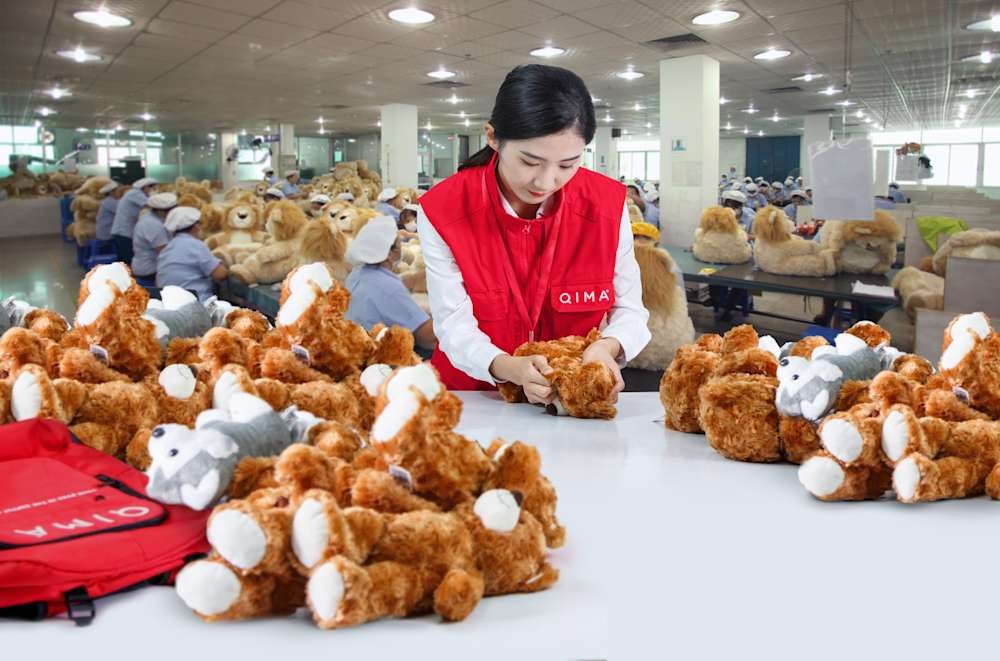
Inline QC is one of the most effective ways for buyers to track plush production progress. Final inspection happens near the end, but inline inspection shows whether the order is healthy while there is still time to correct problems. This is especially important for large orders, urgent shipments, licensed designs, or products with multiple accessories and labels.
An inline QC report should identify what was checked, how many units were reviewed, what defects were found, how serious those defects are, and what corrective action was taken. It should not be a simple statement that production looks fine. Buyers need enough detail to understand whether the factory is controlling the process or only reporting activity.
Common inline QC points for plush toys include seam strength, skipped stitches, loose threads, embroidery position, eye and nose attachment, stuffing balance, fabric defects, contamination, label placement, odor, size measurement, and workmanship consistency. For electronic plush, inline checks may also include module placement, sound function, switch operation, battery compartment position, and wire containment.
When defects appear, the report should show whether they are isolated or repeated. One minor trimming issue is different from a recurring seam problem across multiple operators. Buyers should ask suppliers to classify defects and show the corrective action. A useful report explains cause, affected quantity, repair method, responsible line, and recheck result.
Inline QC also protects the relationship between buyer and supplier. When problems are reported early, the buyer can make decisions calmly. When problems are hidden until final inspection, discussions become defensive and schedule pressure increases. Good tracking creates fewer surprises.
| Tracking Point | What Buyers Should Check | Why It Matters |
|---|---|---|
| Inspection timing | Request inline checks during cutting, sewing, stuffing, finishing, and packing | Finds problems before the whole order is completed |
| Defect detail | Track defect type, quantity, severity, cause, and corrective action | Shows whether issues are isolated or systemic |
| Recheck evidence | Confirm repaired goods or corrected processes were reviewed again | Prevents repeated defects from moving forward |
Ask for Useful Photo and Video Updates

Photos and videos can make plush production progress easier to understand, but only when they are specific. Random production photos can create false confidence because they show activity without proving control. Buyers should define what kind of visual evidence is useful at each milestone.
For material arrival, photos should show fabric rolls, labels, color references, and key accessories. For cutting, photos should show cut panels, pattern identifiers, and separated batches. For sewing and stuffing, photos should show sample comparison, close-up details, and in-process quantities. For QC, photos should show inspection points, defect examples, and correction results. For packing, photos should show product arrangement, labels, cartons, and finished pallet condition if relevant.
Video is useful when movement or function matters. A short video can show sound modules working, zipper operation, seam stretch, pull-test handling, shape recovery, or packing compression. For ordinary plush, photos may be enough. For interactive or complex plush, video can reduce misunderstanding.
Buyers should also ask suppliers to include context in visual updates. A photo of finished plush toys is more useful when it includes the SKU, order number, date, quantity represented, and production stage. Without context, photos are hard to connect to a specific order or batch, especially if the factory is making similar products for multiple buyers.
Visual updates should support decisions, not replace formal inspection. A photo can show progress, but it cannot fully verify dimensions, pull strength, material compliance, needle detection, carton quantity, or AQL result. Buyers should use photos as one layer in the tracking system.
| Tracking Point | What Buyers Should Check | Why It Matters |
|---|---|---|
| Photo scope | Define which photos are needed for materials, cutting, sewing, QC, and packing | Makes updates evidence-based instead of decorative |
| Video use | Use short videos for function, movement, tests, or shape recovery | Reduces misunderstanding for interactive or complex plush toys |
| Context labels | Include SKU, order number, date, stage, and represented quantity | Connects each update to the correct production batch |
Track Packaging and Shipment Readiness Separately
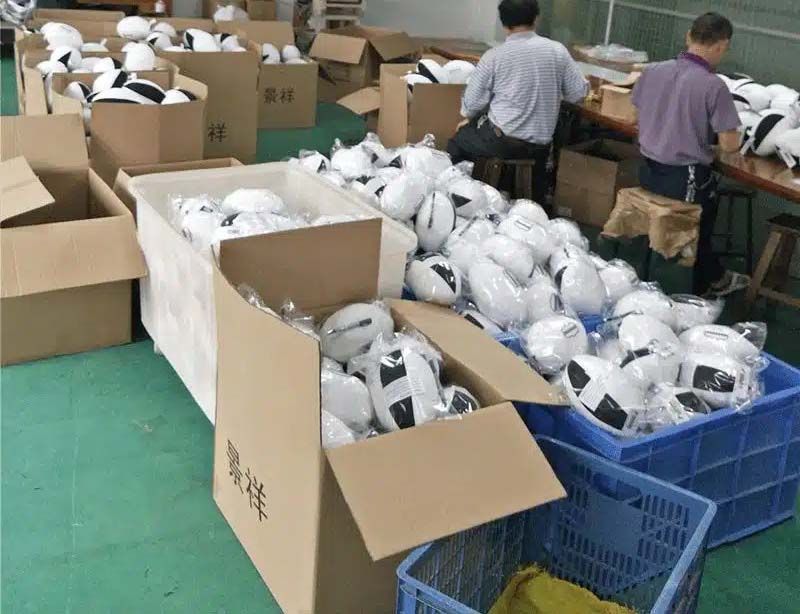
Many plush orders appear close to completion when the toys are finished, but shipment can still be delayed by packaging, labels, carton marks, inspection booking, documents, or logistics coordination. Buyers should track packaging readiness as a separate milestone rather than assuming it happens automatically after production.
Packaging progress includes individual packaging, retail boxes, hangtags, warning labels, polybag warnings, barcode labels, inner cartons, master cartons, carton marks, carton dimensions, packing method, and pallet requirements. If packaging artwork or barcode data is approved late, the factory may have finished toys waiting without a legal or retail-ready packing solution.
For plush toys, packing method also affects quality. Vacuum packing may reduce shipping volume but can affect shape recovery if not tested. Over-compressed cartons can deform products. Poor carton strength can create damage during transport. Buyers should confirm packing trials when the product is large, soft, shaped, weighted, or retail-display sensitive.
Shipment readiness should include final inspection status, needle detection status, carton quantity, packing list, commercial invoice, shipping marks, freight booking, and any buyer-required documents. A factory update that says “packing finished” is incomplete if the inspection report, carton data, and documents are not ready.
Buyers should ask for a pre-shipment readiness snapshot several days before loading. This gives time to correct label mismatches, missing carton marks, wrong quantities, or documentation gaps before the goods reach the warehouse gate.
| Tracking Point | What Buyers Should Check | Why It Matters |
|---|---|---|
| Packaging materials | Track labels, hangtags, polybags, retail boxes, barcodes, and cartons | Prevents finished goods from waiting for packaging approval |
| Packing method | Confirm compression, carton strength, arrangement, and shape recovery | Protects product condition during transport |
| Shipment documents | Check inspection report, packing list, invoice, carton marks, and booking status | Reduces last-minute export and receiving problems |
Manage Delays With Clear Corrective Action

Even well-managed plush projects can face delays. Fabric may arrive late, a component may fail inspection, embroidery may need correction, packaging may be revised, or a buyer may request a late change. Progress tracking is most valuable when it shows not only the problem, but also the recovery plan.
A vague delay notice is not enough. Buyers should ask for the reason, affected milestone, affected quantity, revised completion date, corrective action, responsible person, and next update time. This turns a delay from an open-ended concern into a manageable production issue.
Delay management should separate recoverable and non-recoverable time. Some steps can be compressed by adding workers, running parallel processes, or adjusting inspection timing. Other steps, such as fabric production, safety testing, printed packaging lead time, or sea freight schedule, may have limited flexibility. A professional supplier explains which options are realistic and which shortcuts would create quality risk.
Buyers should also track whether corrective action creates new risk. Rushing sewing may increase workmanship defects. Changing packaging to save time may affect retail requirements. Shipping by air may solve timing but increase cost significantly. A good progress report should make these tradeoffs visible before decisions are made.
After the shipment, the buyer and supplier should review what caused the delay and update the next order plan. Repeated delays often point to weak sample approval, unclear materials, late packaging artwork, poor batch planning, or insufficient QC escalation. Production tracking should improve future orders, not only describe the current one.
| Tracking Point | What Buyers Should Check | Why It Matters |
|---|---|---|
| Delay reason | Identify the exact cause, affected stage, affected quantity, and revised date | Makes the problem measurable and actionable |
| Recovery plan | Confirm added capacity, parallel work, revised approvals, or new shipment plan | Shows how the schedule will be recovered without guessing |
| Risk review | Check whether speed-up actions create quality, cost, or compliance risk | Avoids solving one problem by creating another |
Conclusion
Buyers track plush production progress effectively when they follow milestones, evidence, and risk signals instead of relying on general updates. The most useful tracking covers sample approval, material readiness, cutting, sewing, stuffing, inline QC, visual evidence, packaging, final inspection, documents, and shipment readiness.
A professional plush manufacturer should make this process clear. Buyers do not need to watch every operation, but they should receive timely information that supports decisions. When progress tracking is structured, problems are found earlier, approvals move faster, delivery risk is lower, and the final shipment is easier to release with confidence.
FAQ
How often should buyers request plush production updates?
For normal orders, weekly milestone updates may be enough. For urgent, complex, or high-volume orders, buyers may need updates at each major stage, including material arrival, cutting, sewing, inline QC, packing, and final inspection.
What should a plush production progress report include?
It should include milestone status, completed quantity, in-progress quantity, pending approvals, material status, QC findings, photos or videos, risk notes, corrective action, and the next expected update.
Are photos enough to track plush production?
Photos are helpful, but they are not enough by themselves. Buyers should combine photos with milestone dates, inspection records, material status, defect reports, packing information, and shipment documents.
What is the biggest mistake buyers make when tracking production?
The biggest mistake is waiting until the shipping date to ask detailed questions. By then, material problems, sample mismatches, packaging delays, or QC issues may already be expensive to fix.
How can buyers track production without micromanaging the factory?
Buyers can agree on milestones, evidence requirements, update frequency, and escalation rules before production starts. This creates visibility without requiring daily operational control.
What should buyers do if production is delayed?
They should ask for the cause, affected quantity, revised schedule, recovery plan, quality risk, cost impact, and next update time. The response should be specific enough to support a decision.
Why does packaging progress matter in plush toy production?
Packaging affects retail readiness, product protection, carton quantity, labels, barcodes, freight volume, and shipment documents. Finished plush toys are not shipment-ready until packaging and documents are also correct.