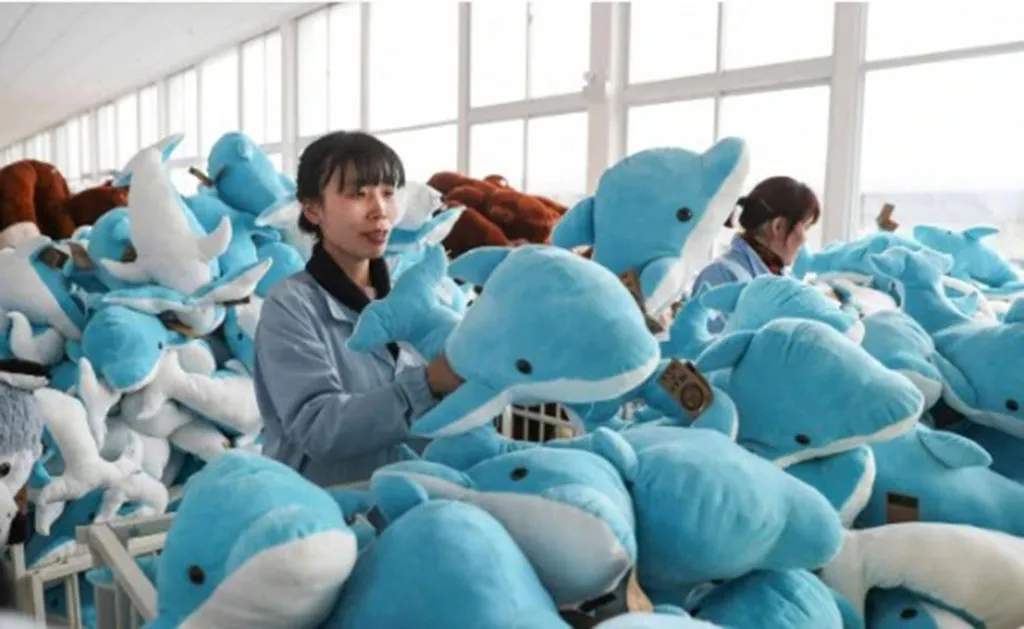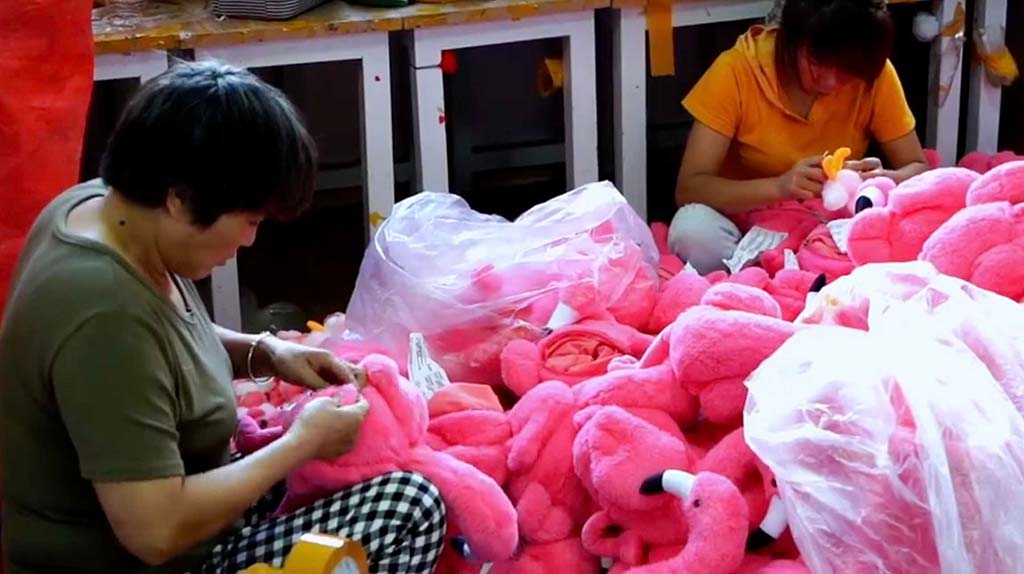
As a manufacturer and OEM/ODM partner at Kinwin, I evaluate plush fabrics every week—from ultra-soft minky to short-pile velboa, faux fur, cotton, and recycled options. The “best” fabric is never one-size-fits-all. It depends on who will use the plushie, where you will sell it, and how the product should feel, wash, and last. Below I break down the criteria, compare core fabrics, and share practical sourcing tips you can use right away.
What criteria determine the best fabric choice for plushies?
When I help buyers choose fabrics, I score each option across touch, safety, durability, and manufacturability. Your winning fabric should meet the minimum bar for compliance and the maximum bar for customer delight.
The core checklist I use
- Handfeel & pile: Is the surface soft on first touch? Does the pile (length/density) match the character style?
- Durability: Will the fabric resist pilling, matting, and seam stress after play and washing?
- Embroidery/printing: Can we achieve crisp eyes, noses, and logos without distortion?
- Wash & care: Can parents wash on gentle cycles? Will colors stay true and fibers stay smooth?
- Safety & compliance: EN71 / ASTM / CPSIA chemical and flammability limits; colorfastness; shedding control.
- Cost & availability: Stable supply, predictable dye lots, and lead time that fits your launch calendar.
- Sustainability: rPET content, organic sources, or reduced-impact dyes—if the market needs them.
- Aesthetic fit: Does the fabric style (matte, glossy, realistic, velvety) amplify the character’s personality?
| Buying Scenario | Priority Softness | Priority Durability | Compliance Emphasis | Ideal Fabric Direction |
|---|---|---|---|---|
| Baby & toddler | ★★★★★ | ★★★★☆ | Very High | Minky (short pile), soft velboa, organic cotton accents |
| Mass retail kids | ★★★★☆ | ★★★★★ | High | Velboa (short pile), fleece, rPET velboa |
| Collector / display | ★★★★★ | ★★★☆☆ | High | Faux fur (controlled shed), velvet, specialty blends |
| Wellness/comfort | ★★★★★ | ★★★★☆ | High | Minky (medium pile), microplush + quality fiberfill |
| Eco lines (EU/NA) | ★★★★☆ | ★★★★☆ | Very High | rPET velboa/minky, organic cotton surfaces |
Practical tip: Decide target handfeel first, then confirm embroidery performance on that fabric. Eyes and mouths sell the face; the face sells the plush.
How does minky fabric compare to other ultra-soft options?
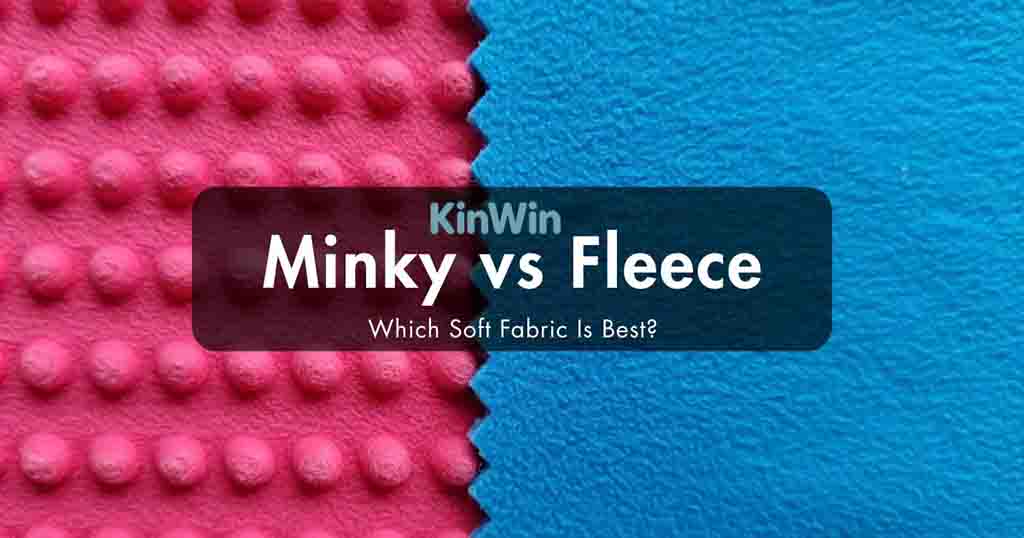
Minky (microfiber polyester) is the top choice when buyers ask for “the softest possible touch.” It has a dense, silky surface with very fine fibers that feel warm and soothing.
Where minky shines
- Premium softness: Immediate “wow” on first touch; perfect for comfort plush or baby lines (use shorter pile for infants).
- Color performance: Takes dye well for deep pastels and brights.
- Consistency: Quality minky maintains a uniform nap, reducing blotchy sheen in photos.
Points to manage
- Price vs. velboa: Minky typically costs more; reserve it for SKUs where touch drives conversion.
- Pile control: Long piles can hide edges and seam lines; use shorter pile for tight silhouettes and infant items.
- Embroidery: Works well, but we stabilize backing to prevent puckering on fine facial details.
| Ultra-Soft Option | Handfeel | Embroidery Clarity | Wash Resistance | Cost (relative) | Best Use Case |
|---|---|---|---|---|---|
| Minky (microfiber) | Silky, warm | High (with stabilizer) | High | Medium–High | Comfort plush, baby, premium |
| Microplush fleece | Plush, cozy | Medium | High | Medium | Winter lines, blankets + plush sets |
| Short-pile minky | Very smooth | Very High | High | Medium–High | Baby-safe faces, crisp details |
Manufacturer note: For baby items, I recommend short-pile minky plus dense fiberfill to keep faces neat and safe.
Why is velboa a preferred fabric for durability and smooth texture?
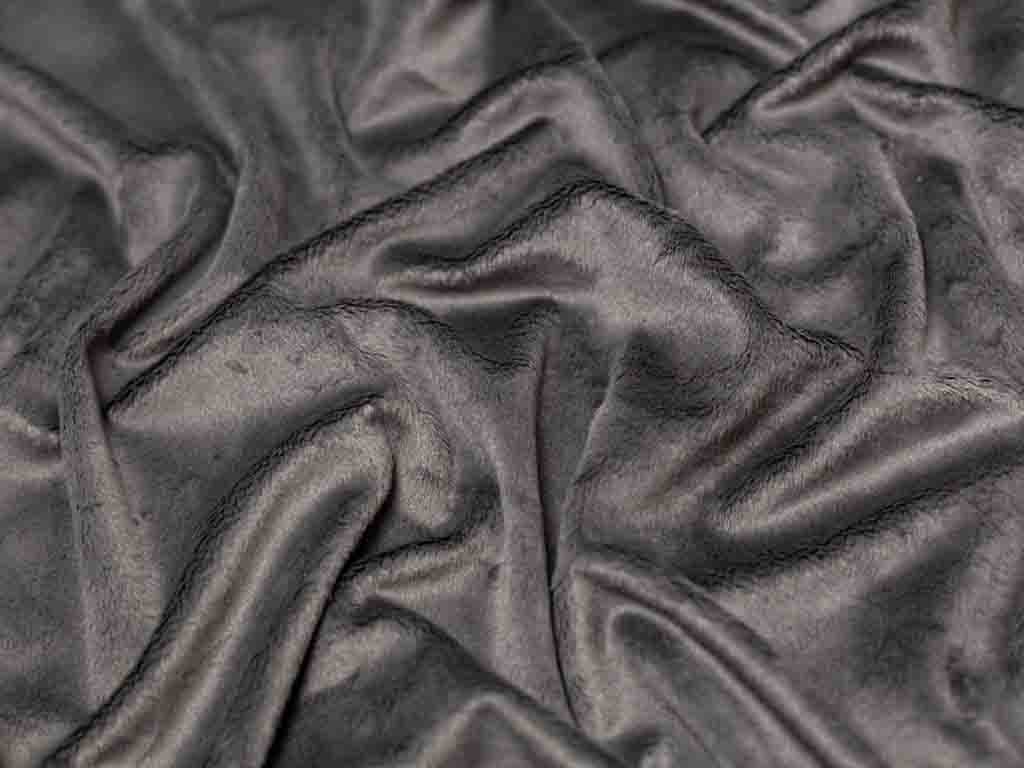
Velboa is a short-pile polyester plush known for smooth finish, low shedding, and excellent embroidery. It is the workhorse for mass-market plushies.
Why buyers pick velboa
- Durability: Short pile resists matting; great for daily play and frequent washing.
- Crisp details: Facial embroidery and small logos look sharp.
- Cost efficiency: More budget-friendly than minky, with strong value perception.
- Consistency: Color batches are stable; photos look clean on e-commerce pages.
When velboa may not fit
- If your brand promise is “ultra-luxury softness,” minky may outperform in tactile appeal.
- For hyper-realistic animals, longer faux fur gives more depth.
| Attribute | Velboa (short pile) | What it means in market |
|---|---|---|
| Handfeel | Smooth, soft | Feels premium enough for core retail |
| Durability | Very high | Lower returns; kid-proof |
| Embroidery | Excellent | Cleaner faces, brand marks |
| Cost | Low–Medium | Ideal for large orders and promos |
Practical tip: Use velboa for the body and reserve minky for the belly/cheeks to hit both cost and touch goals.
How do natural fabrics like cotton influence plushie quality and safety?
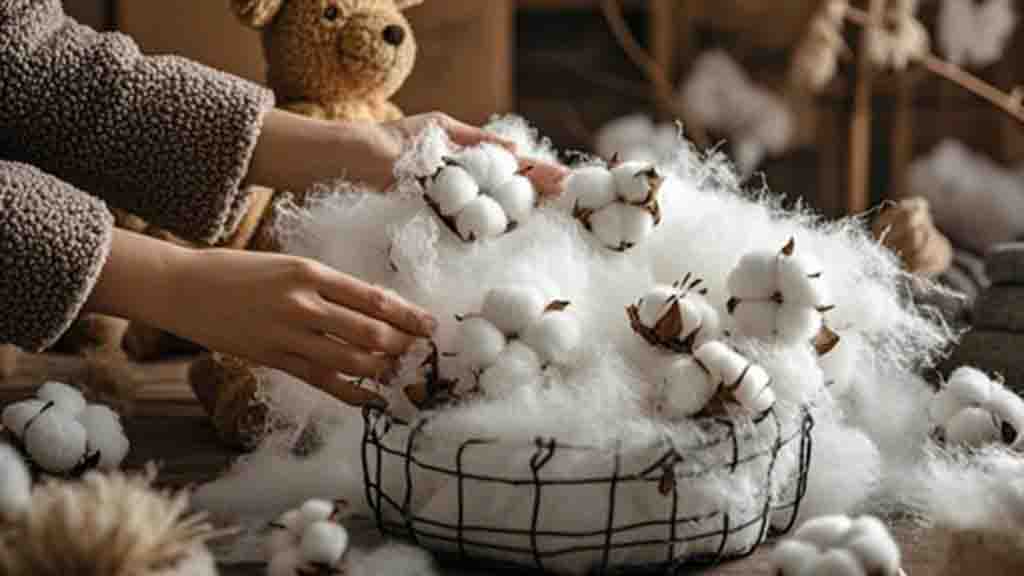
Cotton (including organic cotton) is valued for its breathability and natural image. It’s common in baby dolls, apparel-style accents, and eco-positioned lines.
Strengths
- Parent trust: Natural story resonates, especially with EU buyers.
- Breathable surface: Comfortable against the skin.
- Eco variants: Organic cotton supports strong sustainability narratives.
Trade-offs
- Softness style: Cotton feels gentle but not “silky” like microfiber; touching expectation must be set.
- Shrink & crease: More care with washing; we pre-shrink and test colorfastness.
- Durability vs plush: Cotton can pill or fade faster than velboa in heavy play scenarios.
| Cotton Use Case | What Works | What to Watch |
|---|---|---|
| Baby & toddler accents | Short-pile cotton knits, jersey ears | Avoid loose weaves that fray |
| Eco collections | Organic cotton panels + rPET fill | Verify GOTS/GRS claims with documents |
| Embroidery areas | Tighter weave cotton | Backing/stabilizers to avoid distortion |
Compliance tip: Regardless of “natural” claims, we still test to EN71, ASTM F963, CPSIA for chemicals, flammability, and colorfastness.
What role do specialty fabrics such as faux fur or velvet play in plush design?
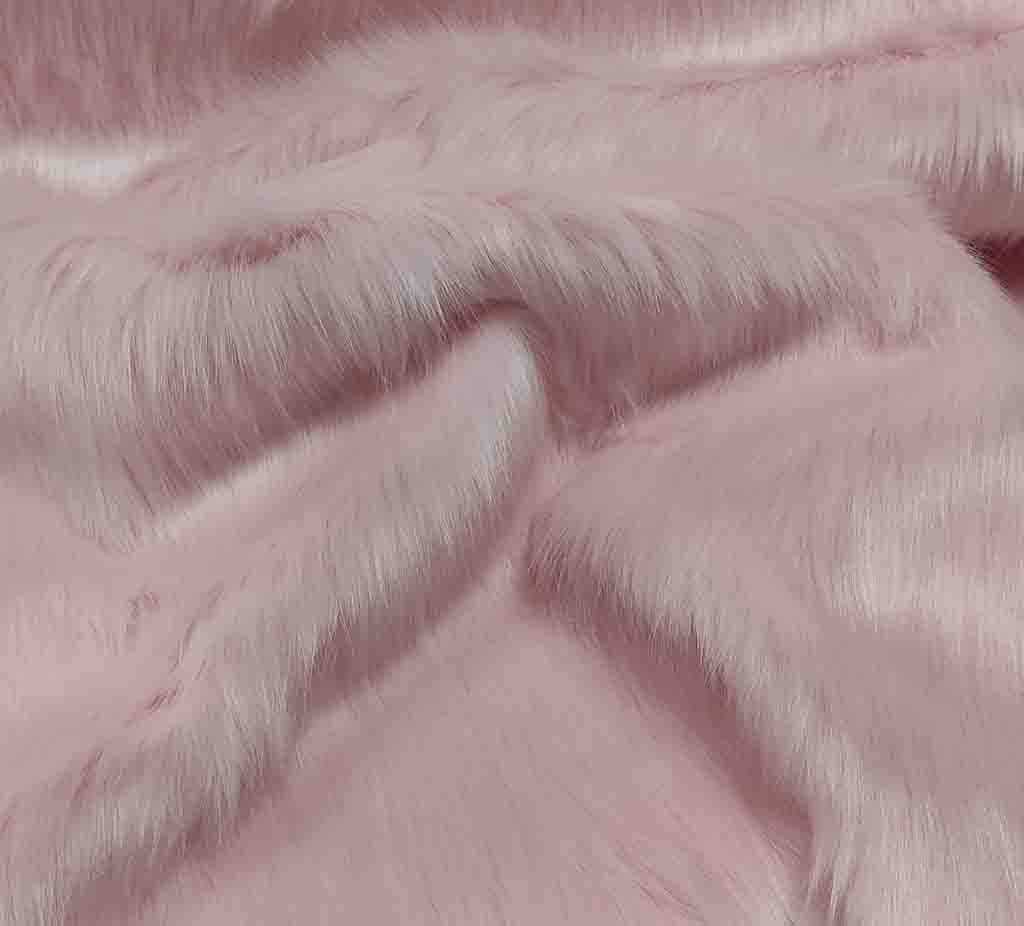
Specialty fabrics create character. They change how the toy looks on the shelf and in photos.
Faux fur (realism and depth)
- Use: Lifelike animals, fantasy creatures, mane/tail accents.
- Pros: Visual richness; directional nap adds realism.
- Controls: Cut pile in seams to avoid bulk; manage shedding with pre-brush and vacuum during production.
Velvet (premium gloss)
- Use: Gift lines, seasonal bears, luxury editions.
- Pros: Elegant sheen; strong perceived value in boxes.
- Controls: Shows fingerprints/nap marks; pack with tissue and specify handling.
Also consider
- Corduroy: Ribbed texture for retro looks and tactile contrast on clothes or bags.
- Flannel: Cozy winter capsules; pair with fleece lining for warmth perception.
| Specialty Fabric | Visual Effect | Tactile Feel | Risk Controls | Ideal SKUs |
|---|---|---|---|---|
| Faux fur | Realistic, deep | Soft, airy | Shed control, seam trimming | Wildlife, premium |
| Velvet | Glossy, elegant | Smooth | Careful packing, QC on nap | Gift/collector bears |
| Corduroy | Retro, ribbed | Firm-textured | Reinforce seams | Apparel accents |
| Flannel | Cozy, matte | Warm | Pilling checks | Winter sets |
Production tip: For faux fur, plan directional cutting and label pattern pieces—this protects consistency across batches.
Are sustainable and eco-friendly fabrics becoming the new standard for plushies?
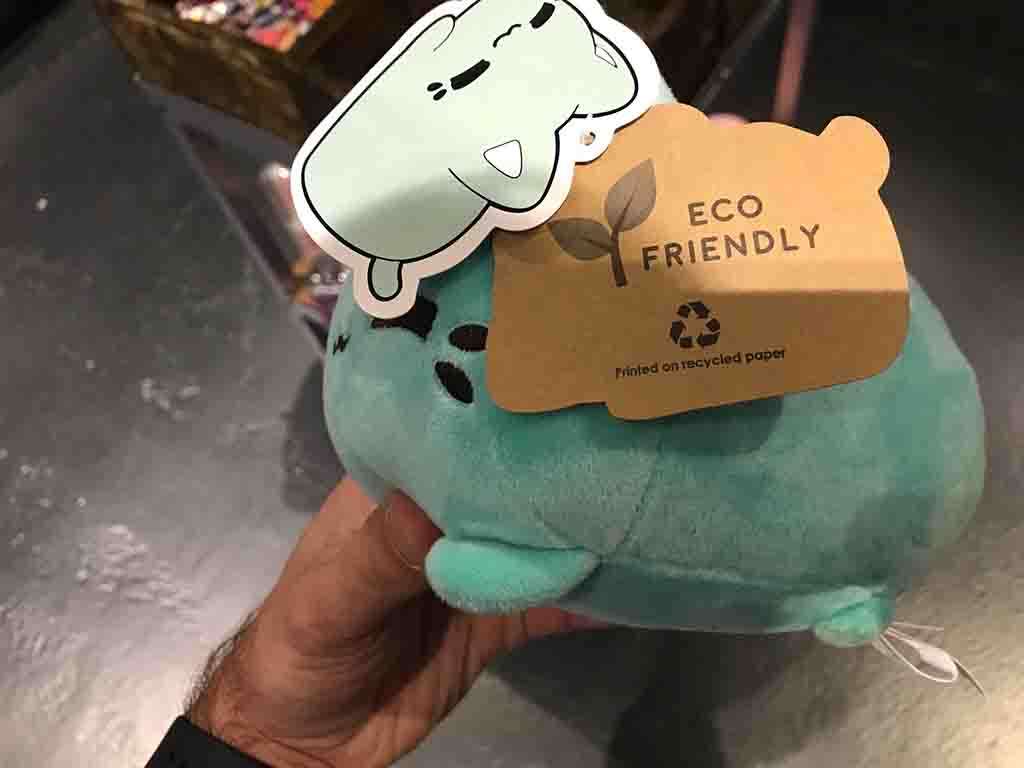
Yes—especially for Europe and North America. Retailers now ask for recycled polyester (rPET), organic cotton, and lower-impact dyes. Sustainability can be a tie-breaker in vendor selection.
What we use most often
- rPET velboa/minky: Same touch class as virgin polyester with recycled content. Works for mass market.
- Organic cotton panels: Great for faces/accents; communicates “natural care.”
- Bamboo-derived viscose blends: Very soft; watch for responsible sourcing claims.
How to claim it safely
- Request documentation (e.g., GRS for recycled content, GOTS for organic cotton).
- Avoid over-promising—eco value must remain compatible with durability and safety.
- Pair eco fabrics with recycled fiberfill, and consider recycled swing tags and polybags.
| Eco Path | Touch & Look | Cost Impact | Documentation |
|---|---|---|---|
| rPET velboa/minky | Same as standard | +5–15% typically | GRS, test reports |
| Organic cotton | Soft, matte | +10–25% | GOTS, lab tests |
| Bamboo viscose blend | Very soft | +10–20% | Supplier chain docs |
Commercial tip: If budget is tight, start with rPET fiberfill + rPET velboa on core SKUs—largest eco impact per dollar.
Conclusion
There is no single “best” fabric for all plushies. Minky wins for ultra-soft comfort, velboa is unbeatable for durable, crisp mass retail, faux fur drives realism, and velvet elevates gifts. Cotton and eco fabrics earn trust and align with green positioning. Begin with the target handfeel and user, confirm embroidery and wash tests, and match the fabric to retail price, compliance, and story.
At Kinwin, we prototype with multiple fabric swatches before you commit, then lock specs that meet EN71, ASTM, CPSIA, and ISO requirements—so your plush lines feel right, test right, and sell through.
📧 [email protected]
🌐 kinwintoys.com