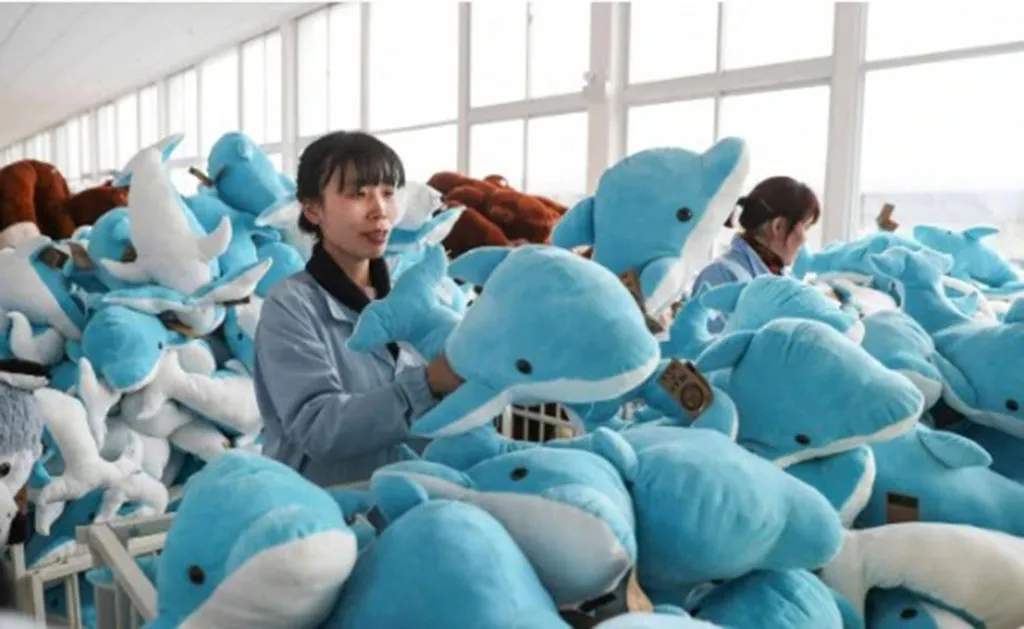
I’m Amanda from Kinwin in China. I help brands and retailers design and manufacture plush products that feel premium, pass compliance, and sell through. Many buyers now ask whether plushies can help with anxiety. The short answer: plushies are not medical devices, but they can support comfort, grounding, and emotional regulation when designed and used thoughtfully. In this guide, I’ll explain the psychological mechanisms, materials and ergonomics, the types of calming plushies (weighted, scented, ergonomic), how therapists and wellness coaches integrate them, the design and safety standards manufacturers should follow, and how to market ethically without crossing regulatory lines.
What psychological and sensory mechanisms make plushies effective for anxiety relief?
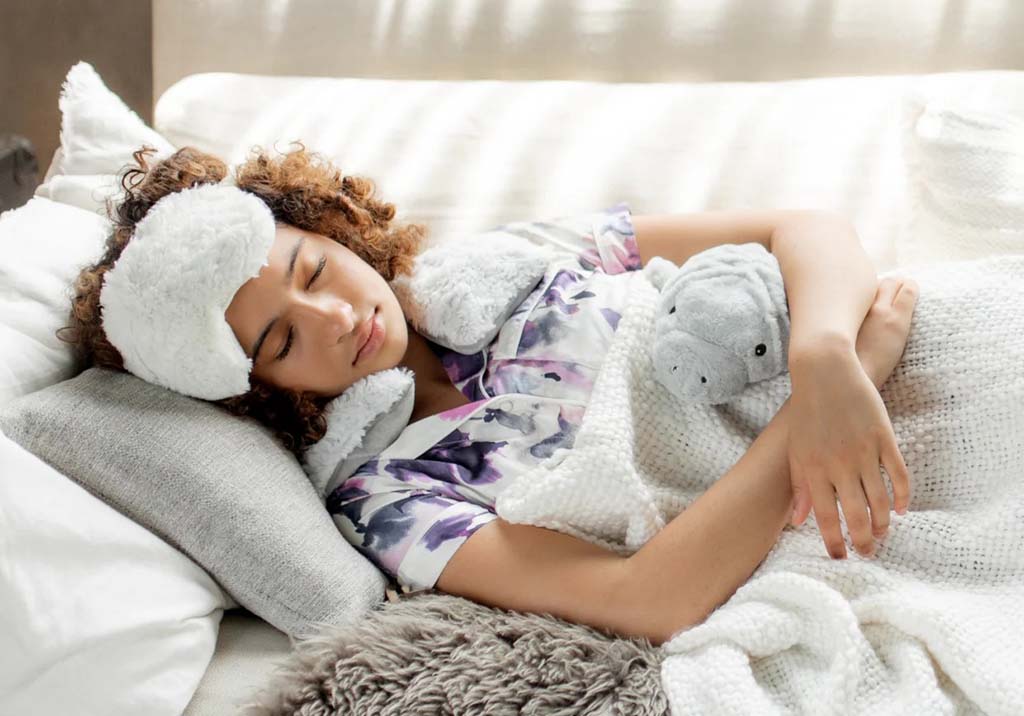
Plushies can assist anxiety management through tactile comfort, predictable routine, and gentle grounding. None of these replaces professional care; they are adjunct tools that blend into everyday life.
Key mechanisms at work
- Tactile soothing (affective touch): Soft, warm textures trigger a calming response that lowers perceived stress.
- Grounding & proprioception: Subtle weight and even pressure help anchor attention to the present.
- Attachment & symbolism: Named characters and gentle faces evoke caregiving instincts and safety.
- Ritual & predictability: Repeating the same squeeze, breath count, or bedtime placement creates a stable routine.
- Attentional shift: Engaging hands with a soft object reduces ruminative loops during transitions (work → rest).
Table 1 — Mechanisms of Comfort and How Design Supports Them
| Mechanism | What the user feels | Design cue that helps | Practical note |
|---|---|---|---|
| Affective touch | Warmth, softness, calm | Minky/velboa shell, rounded edges | Avoid scratchy seams |
| Grounding weight | “Held” and settled | Double-pouched pellets in base/body | Balance mass so it sits |
| Symbolic safety | Familiar, friendly presence | Symmetrical eyes, soft palette | Avoid harsh contrasts |
| Ritual cue | Routine anchor | Size that fits bed/sofa/desk | Keep shape consistent across runs |
| Attentional shift | Hands engaged, mind quieter | Plush that invites squeezing | Reinforce seams at stress points |
How do texture, weight, and material composition influence comfort and calming response?
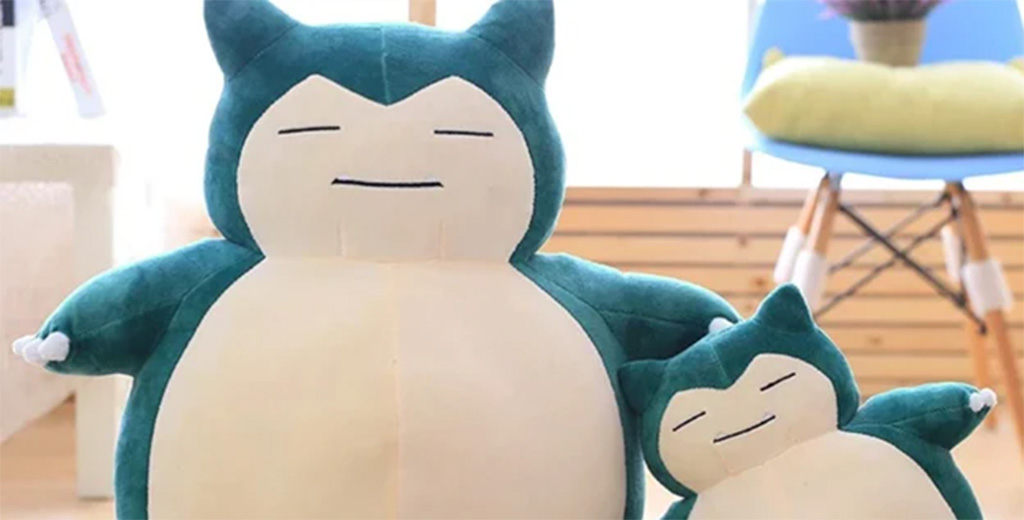
Adults make decisions in one second—the first touch. After that, the first week of use decides reviews and repeat purchases. Choose materials that deliver consistent comfort and easy care.
- Texture:
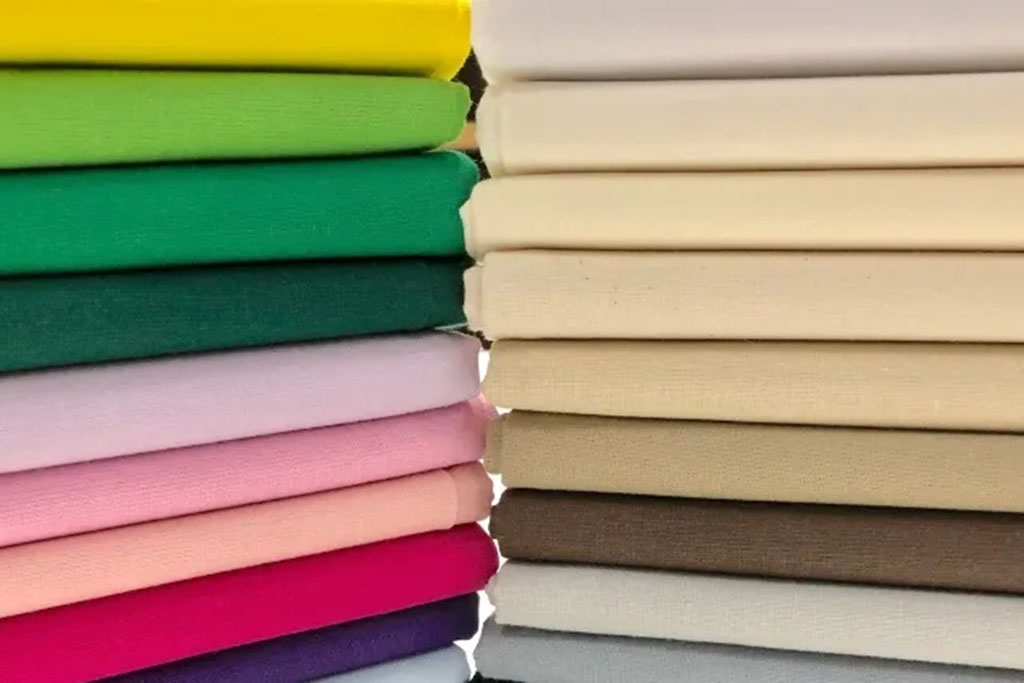
- Minky (short pile): highest cuddle score; great for bedtime.
- Velboa: smooth and photo-clean; ideal for desks and travel.
- Faux fur: premium and enveloping; needs brush-after-wash guidance.
- Fleece/Sherpa (higher GSM): cozy; watch pilling.
- Weight:
- Use sealed inner pouches with plastic pellets for a gentle, grounded feel.
- Keep mass evenly distributed; a lightly weighted base improves seated stability.
- Composition:
- Hollow fiberfill for cloud-soft; solid fiberfill for shape memory.
- Local foam (in head/base) adds posture without hard parts.
Table 2 — Texture × Weight × Composition: What Changes in the User Experience
| Build | Perceived comfort | Stability | Wash & care | Where it shines |
|---|---|---|---|---|
| Minky + hollow fill | Maximum softness | Moderate | Gentle machine; quick dry | Bedtime, naps |
| Velboa + solid fill | Clean silhouette | High | Machine wash; shape holds | Work desk, travel |
| Faux fur + pellet base | Enveloping + grounded | High (seated) | Spot/gentle; brush pile | TV sofa, reading nook |
| High-GSM fleece + hollow fill | Cozy warmth | Moderate | Cold wash; pilling check | Winter capsules |
| Minky + localized foam (head) + pellets (base) | Soft + stable posture | High | Spot/gentle | Ergonomic cuddle forms |
Factory tips I use
- Specify fill grams per panel in the tech pack to prevent lumpy faces.
- Trim long pile around eyes/mouth to keep expressions calm and clear.
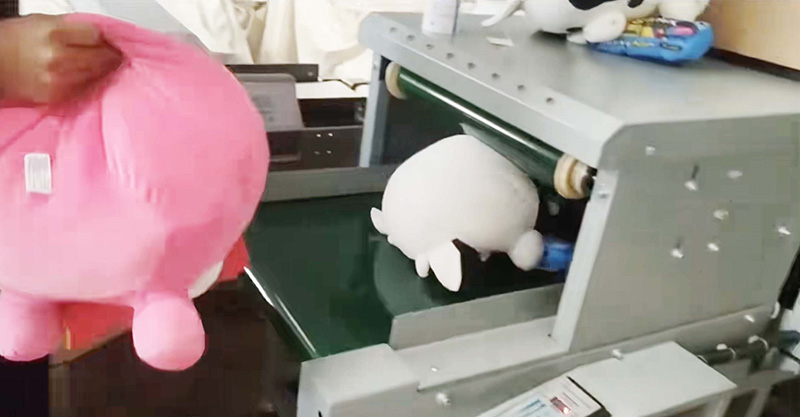
- For weight, validate double-pouch sealing and run leakage tests in-line.
Which types of plushies—weighted, scented, or ergonomic—are designed specifically for stress reduction?
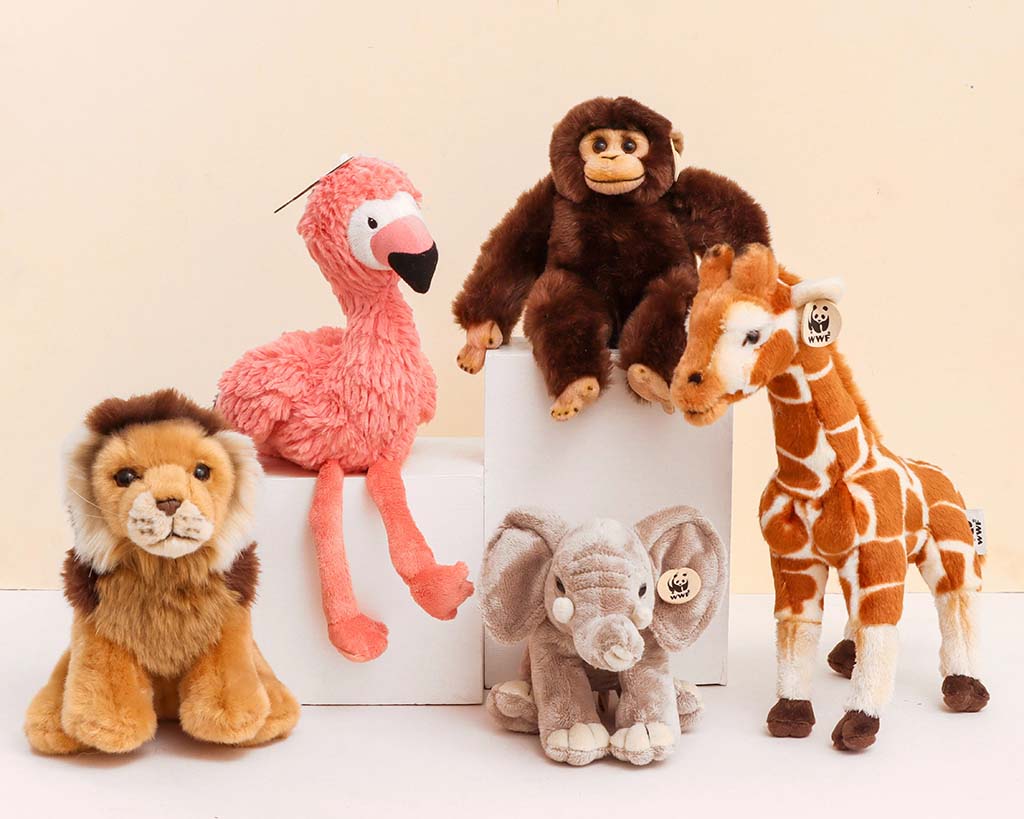
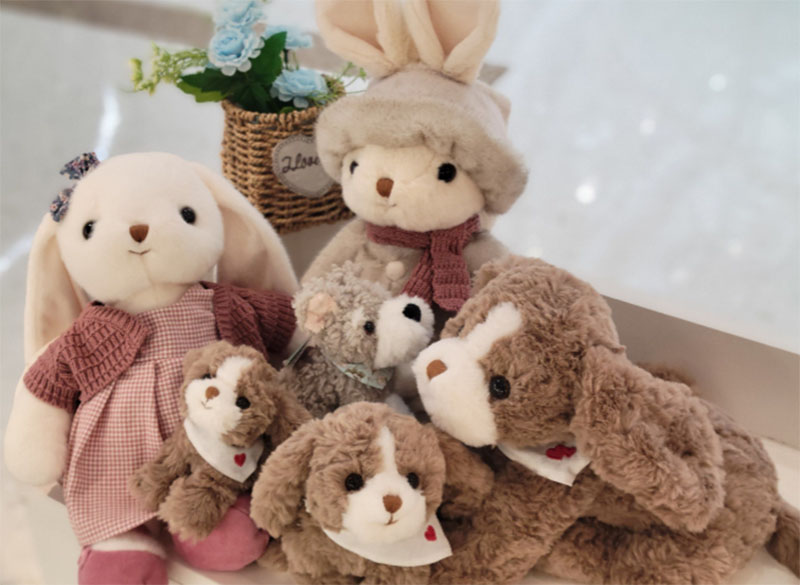
Different builds address different comfort needs. You don’t need every feature in one SKU; a clear assortment strategy converts better.
- Weighted plush: Gentle pressure supports grounding. Focus on even distribution and stable sitting.
- Scent-integrated plush: Light aromatics can cue relaxation—only where allowed and within IFRA guidance. Use removable sachets, not soaked fibers.
- Ergonomic cuddle shapes: Designs that fit arms, lap, or neck; soft contours reduce strain and encourage steady breathing.
Table 3 — Calming Plush Types (Design Intent vs. Practical Build)
| Type | Core benefit | Design must-haves | Compliance watchouts |
|---|---|---|---|
| Weighted | Grounding, steadying | Double-pouched pellets; balanced base | Seam strength; small-parts rules |
| Scented (removable) | Relaxation cue | Zipped/Velcro pocket; sealed sachet | IFRA limits; allergen labeling |
| Ergonomic | Comfortable hold | Contoured paneling; local foam | No rigid parts for toy age grades |
| “Quiet” faces | Visual calm | Soft palettes; symmetrical embroidery | None (aesthetic QA) |
| Travel/desk | Portable & lint-resistant | Velboa shell; solid fill | Friction wear at seams |
Positioning note: Avoid medical claims. Use phrases like “comfort,” “soothing,” “grounded feel,” “supports relaxation routines.”
How do therapists and wellness experts integrate plushies into anxiety management or emotional support routines?
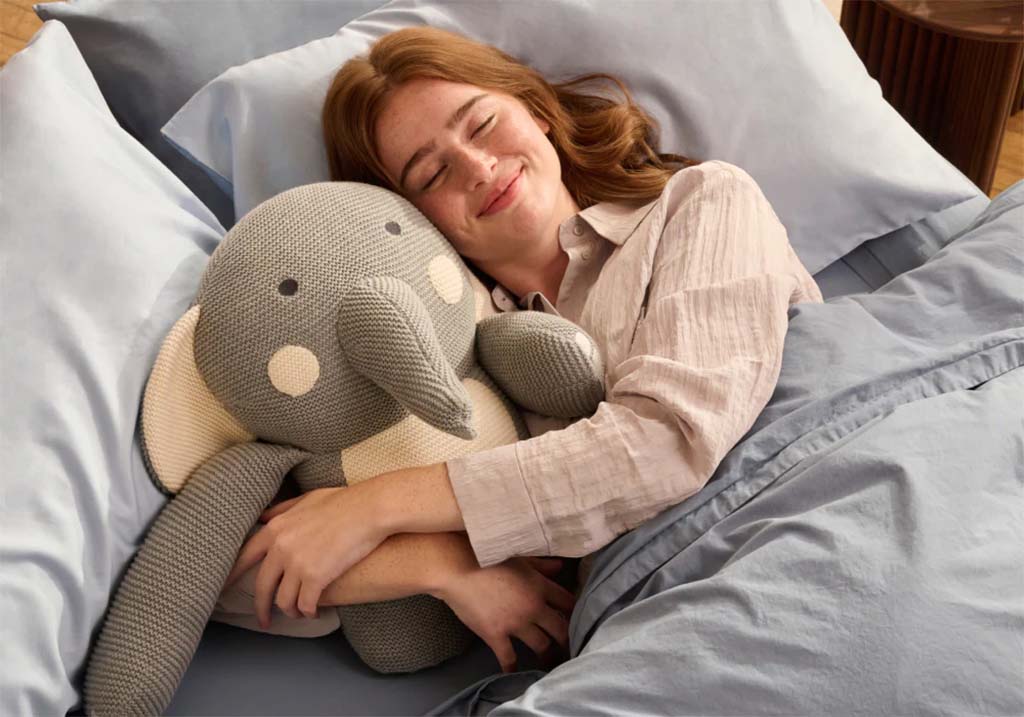
Many practitioners treat plushies as adjunct tools—never as stand-alone treatment. They fold them into breathing, grounding, and sleep hygiene routines.
Common integrations
- Breathing anchor: hold the plush; inhale 4, pause 2, exhale 6, repeat for one minute.
- 5-4-3-2-1 grounding: notice 5 things you see, 4 you feel (including the plush texture/weight), 3 you hear, 2 you smell, 1 you taste.
- Bedtime routine: consistent placement on bed; two-minutes of calm breathing; lights down.
- Transition aid: keep a compact plush in a bag for commutes or pre-meeting nerves.
Table 4 — Clinically Informed Use Cases (Non-Medical)
| Routine | How the plush helps | Suggested design | Precautions |
|---|---|---|---|
| Box breathing | Tactile focus improves cadence | Small/medium minky form | No claims; offer care guidance |
| Grounding (5-4-3-2-1) | Texture + weight anchor attention | Weighted base, soft palette | Disclose pellet material |
| Sleep ritual | Predictable cue → wind-down | Soft shell; low-contrast face | Keep wash/air-dry simple |
| Commute/desk reset | Pocketable comfort | 12–20 cm velboa; solid fill | Reinforce small seams |
| Therapy setting | Transitional object for safety | Neutral aesthetics | Always practitioner-led |
Important: Brands should never imply diagnosis, cure, or treatment. Keep language in wellness support territory and encourage customers to seek professional help when needed.
What design and safety standards should manufacturers follow for plushies intended for therapeutic use?
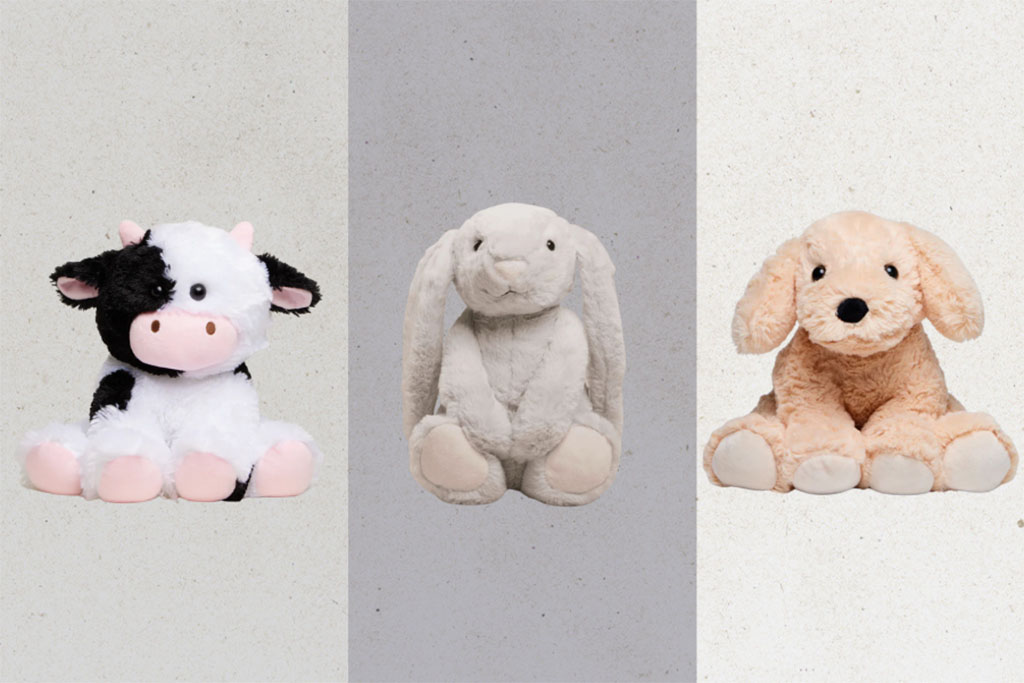
If children are foreseeable users, regulators and retailers will expect toy compliance—even if you market to adults. Build your test plan to match the destination market and age grade.
Core frameworks
- EU: EN71-1/2/3; consider REACH for chemicals; issue a CE Declaration of Conformity.
- US: ASTM F963 + CPSIA (lead, phthalates) + CPC + tracking label.
- Global reference: ISO 8124 alignment; retailers may add OEKO-TEX for textiles.
- Scented SKUs: follow IFRA guidance; disclose allergens where required.
- Weighted builds: emphasize seam strength, double-pouch pellets, and leakage testing.
- Claims: avoid medical/therapeutic claims unless you intend medical-device pathways.
Table 5 — Compliance & Design Checklist for “Calming” Plush
| Area | What to do | Documents/Tests |
|---|---|---|
| Age grading | Choose “from birth” (embroidered) or “3+” (safety eyes) | Label & artwork alignment |
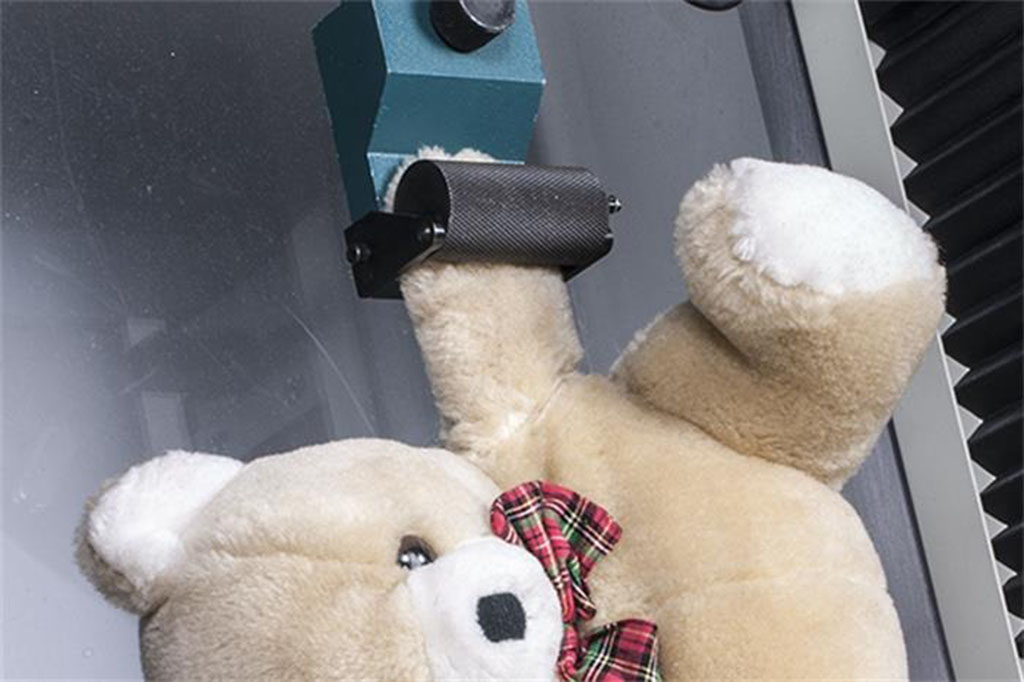
| Mechanical | Small-parts, seam pulls, abuse tests | EN71-1 / ASTM F963 |
| Flammability | Verify shell behavior | EN71-2 / ASTM F963 |
| Chemicals | Heavy metals, phthalates where applicable | EN71-3 / CPSIA |
| Weight systems | Double-pouch, leakage tests, balance | In-line QC records |
| Scent systems | Removable sachet; IFRA limits | Allergen disclosure |
| Traceability | Batch/lot + manufacturer/importer | CE DoC (EU), CPC (US), tracking |
Golden rule: tie lab reports to the actual fabric, fill, pellet, and sachet lots used. Re-test when dye lots or trim vendors change.
How can brands market anxiety-relief plushies ethically while complying with wellness product regulations?
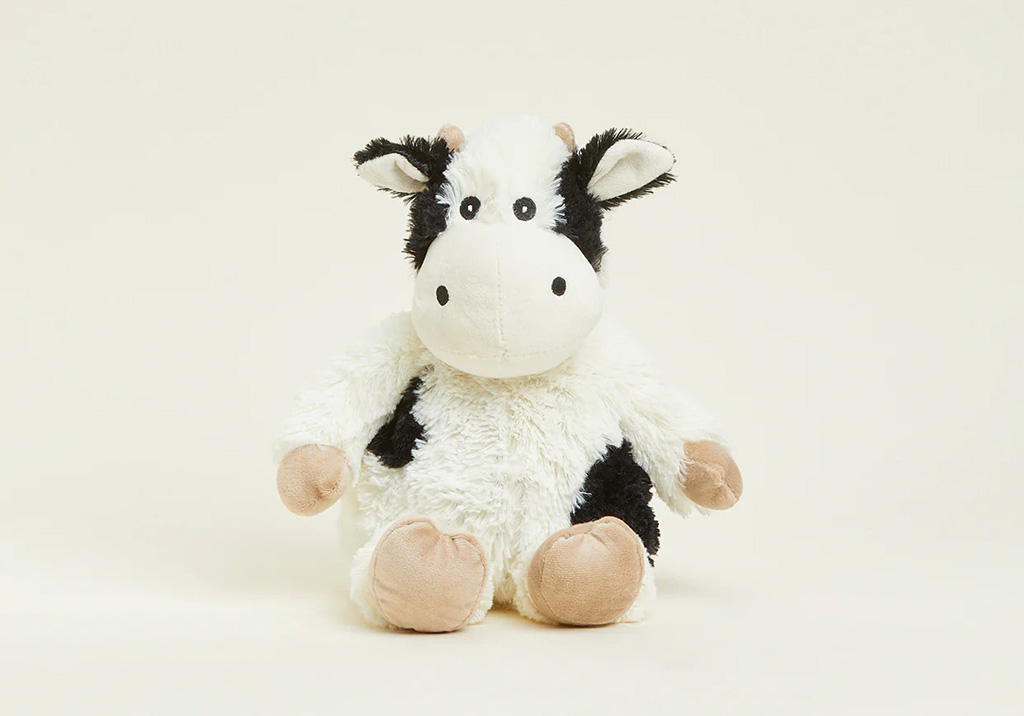
Stay inside consumer-product language unless you plan a medical-device path. Use structure-/function-style phrases and evidence-informed benefits without disease claims.
Do say (examples)
- “Soft textures support relaxation routines before bed.”
- “A gently weighted base helps you feel grounded during breaks.”
- “Designed for comfort with embroidered features and low-shedding fabric.”
Don’t say
- “Treats anxiety,” “reduces depression,” “replaces therapy,” or any diagnostic claims.
Content playbook
- PDP visuals: scale-in-hand, texture macro, seated stability shot, and short squeeze video.
- Copy blocks: materials, care, weight system (double-pouched), and compliance stance (e.g., “tested to EN71/ASTM where required”).
- Community: publish care guides (how to brush faux fur; wash/air-dry), and calm routines (1-minute breathing).
International SEO & taxonomy
- UK: “Soft Toy” + “Teddy Bear” (for bears) with “plush toy” in bullets/meta.
- US: “Plush Toy (Stuffed Animal)” + “weighted plush” as a feature.
- Keep size in cm for UK/EU (add inches in brackets for global PDPs).
Implementation guide (you can run this month)
- Brief: target segment (comfort, décor, desk, travel), size, shell, fill grams, pellet grams, face method, care claim, tests, packaging, price tier, channel.
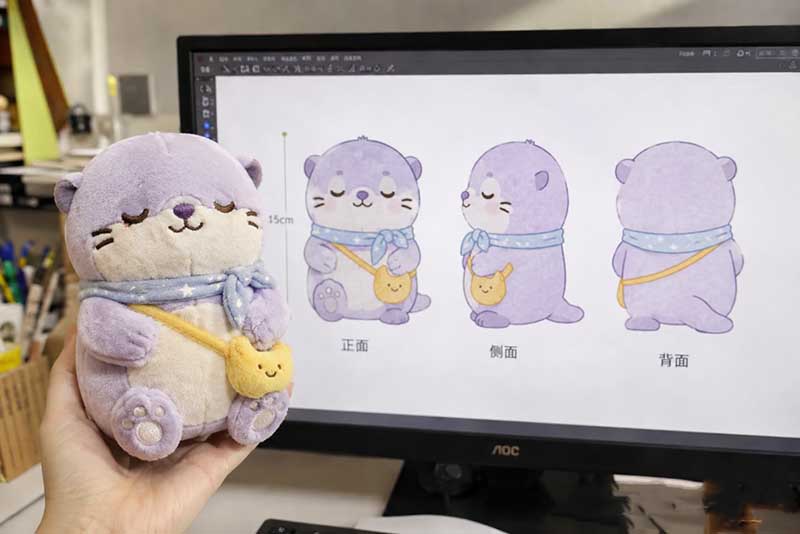
- Soft Sample #1 (stock colors): fix silhouette and face balance; validate handfeel.
- Soft Sample #2: finalize pellet distribution, pouch sealing, embroidery density.
- PPS sealed: confirm BOM, labels, hangtag copy (no medical claims), packaging dielines.
- Compliance: book EN71/ASTM/CPSIA screens tied to actual lots; scent SKUs follow IFRA.
- QC: AQL General II; Major 2.5 / Minor 4.0; IQC → in-line (~30%) → FRI (≥80% packed).
- Launch plan: publish a care & routine page; run preorders (7–10 days) to size first PO; use waitlists by colorway.
- Content: shoot texture macro, scale-in-hand, seated stability, and a 10–15 sec squeeze video.
Follow this path and your “calming” plush line will feel premium, stay compliant, and convert—without overpromising.
Conclusion
Plushies can help adults feel calmer and more grounded when they combine the right textures, weight systems, and gentle design—and when your brand talks about them honestly. If you keep claims ethical, tie tests to real lots, and engineer weight and seams with care, you’ll deliver a product that wins trust and repeat purchases. At Kinwin, my team turns briefs into sealed PPS and on-time mass runs with EN71/ASTM/CPSIA discipline, clean packaging, and a wellness-friendly story. Email [email protected] or visit kinwintoys.com to plan your next calming plush collection.