Skip to content
Plushies are more than cute gifts. They are comfort objects, teaching tools, décor accents, and even wellness products. As a manufacturer, I see how different age groups value plush in different ways—from sensory learning in early years to emotional comfort and collection value for teens and adults. In this guide, I explain age ranges, safety rules, materials, design choices, therapeutic ideas, and marketing angles you can use in product planning and retail.
What age groups are plushies designed for today?
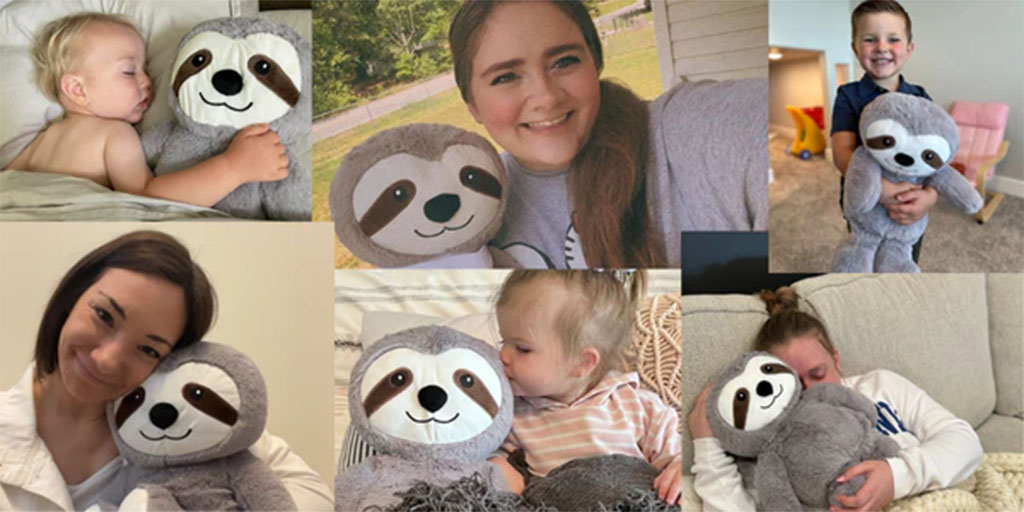
Today’s plush market serves infants, toddlers, kids, teens, adults, and seniors. Each group expects a different experience: safe textures for babies, character storytelling for kids, aesthetic collectibles for teens, stress relief and décor for adults, and soothing comfort for seniors. A single brand can build a full ladder of SKUs that grows with the user—from a baby soother to a premium collectible or a weighted comfort plush.
Plush adoption keeps rising because plush solves several jobs at once: soothing, learning, gifting, décor, and identity expression. When we design an assortment, we map features to age needs and price bands so retailers can tell a simple story on shelf and online.
Table 1 — Age segments and what they value most
| Age Segment | Primary Needs | Typical Size & Weight | Price Position | Best-Selling Traits |
|---|---|---|---|---|
| 0–12 months (infant) | Safety, soft touch, easy wash | Small/light; no loose parts | Entry–mid | Short pile, gentle colors, soothers |
| 1–3 years (toddler) | Sensory play, durability | Small–medium; very robust | Entry–mid | Embroidered eyes, strong seams |
| 4–8 years (child) | Character & story | Medium; easy to carry | Mid | Bright colors, accessories |
| 9–14 years (tween/teen) | Identity, trends | Small–large; collectible sets | Mid–premium | Collabs, limited colors |
| 15+ adults | Comfort, décor, gifting | Any; sometimes weighted | Mid–premium | Aesthetic design, soft hand |
| Seniors & care | Soothing, easy care | Medium; gentle weight | Mid | Calming colors, washable covers |
How do safety standards define age-appropriate plush toys?
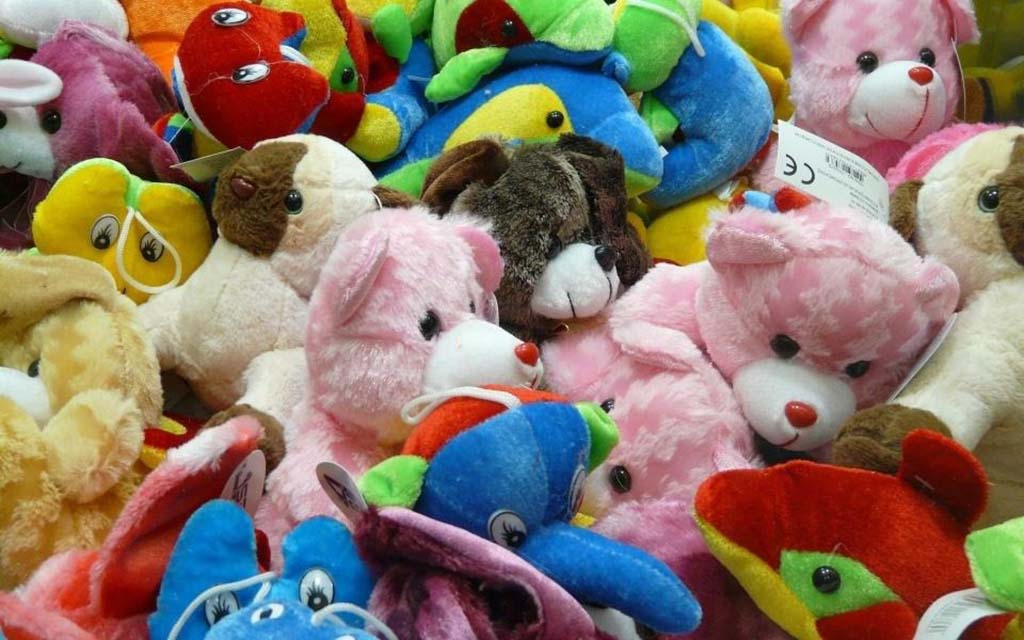
Safety defines what a “good” plush can be at each age. We plan compliance from material sourcing to labeling. For infants and toddlers, rules are strict: no sharp points, no detachable small parts, low lint, and strong seams. As age increases, we can add accessories, pellets, or weight—if the construction protects users and passes tests.
At Kinwin, we treat compliance as a design input. We lock fabrics, fillings, embroidery, and packaging to match destination rules. This keeps approvals smooth and avoids late changes.
Table 2 — Safety scope by market and age
| Area | What It Covers | Implications for Design | Where It Matters Most |
|---|---|---|---|
| Mechanical/physical | Small parts, seam strength | Embroidered features; sealed liners | 0–3 years (critical) |
| Flammability | Fabric behavior | Use compliant pile/backing | All ages |
| Chemical limits | Heavy metals, phthalates, SVHC | Certified dyes, clean fillings | All ages |
| Washability claims | What label promises | Validate method (bag wash, surface) | Baby & family SKUs |
| Tracking & labels | Batch traceability, age grade | CPSIA tracking, clear icons | All export markets |
| Special media | Beads/weights/heatables | Double liners, warnings | Kids+ & adult items |
Why do adults continue to buy and collect plushies?

Adults buy plush for comfort, nostalgia, identity, décor, gifting, and mental wellness. A plush on a desk or couch softens a space and communicates personality. Limited editions and collaborations create collection value. Weighted or ultra-soft plush can reduce stress during long screen hours. For gifting, a plush is a safe choice that fits many occasions without size or allergy risks.
When we design for adults, we focus on hand-feel, color story, photogenic shape, and display stability. This is where subtle textures, minimal palettes, and premium packaging win.
Table 3 — Adult purchase drivers and how to design for them
| Driver | What Adults Seek | Design Response | Merchandising Angle |
|---|---|---|---|
| Comfort/stress relief | Soft, soothing touch | Minky 3–5 mm, plush density map | “Calm corner” / home office |
| Aesthetic décor | Clean silhouette, muted colors | Short plush face, neat embroidery | Shelf styling, lifestyle photos |
| Collectability | Scarcity, story | Limited colorways, numbered tags | Drops, seasonal sets |
| Gifting | Safe, universal | Mid-size, premium box | “Occasion-ready” packaging |
| Identity/fandom | Character link | Collabs, themed trims | Social share prompts |
How do materials and designs vary by target age?
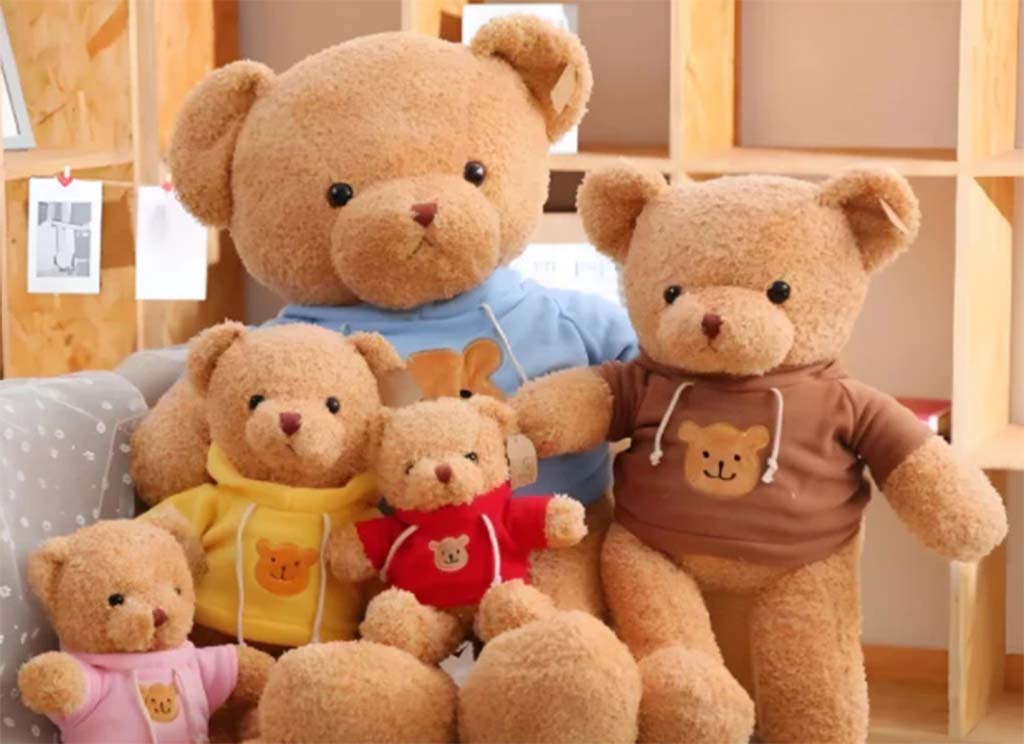
Material choice shifts with age. For 0–3 years, short pile, low lint, and embroidered eyes are standard. For kids, we add bright colors, patterns, and removable outfits—while keeping small parts safe. For older users, we lean into luxury textiles (minky, microfleece, faux fur) and advanced fillings (microfiber, weighted liners) to create premium feel and posture.
Pattern engineering changes too: baby SKUs get rounded forms and larger seams; display plush for teens/adults can use sharper silhouettes, gussets, and density mapping for photo-friendly cheeks and a stable sit.
Table 4 — Age-targeted materials & construction
| Target Age | Exterior Fabric | Filling & Add-ons | Construction Notes | Care Guidance |
|---|---|---|---|---|
| 0–3 years | Short plush, velboa | PP cotton; no beads | Embroidered features; robust seams | Surface/gentle wash |
| 4–8 years | Short/mid pile plush | PP cotton; light pellets (sealed) | Strong stress curves; test drops | Gentle wash if allowed |
| 9–14 years | Minky, microfleece | PP cotton + batting for face | Shape control; accessory-ready | Label per trims |
| 15+ adults | Minky/faux fur blends | Microfiber; optional weight liner | Sit-stable base; neat closures | Care card in box |
| Seniors | Soft minky, low-glare | Light weight; optional beads (sealed) | Easy grip; larger closures | Clear, large-print labels |
What makes therapeutic or comfort plushies suitable for all ages?
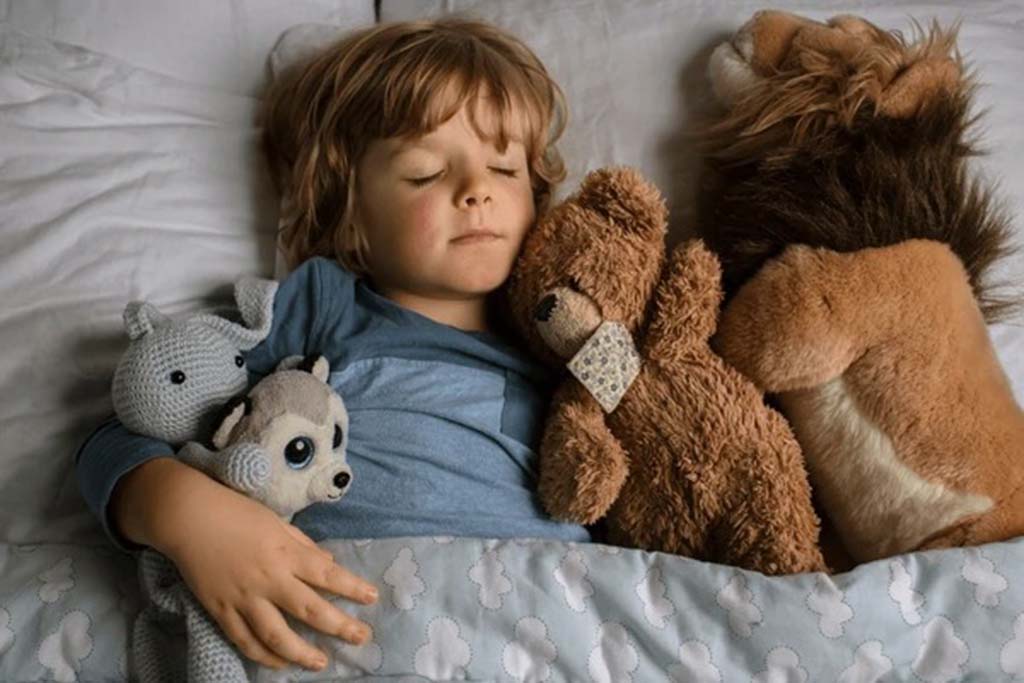
“Comfort plush” is a system: materials, filling recipe, proportions, and QC. The aim is a gentle, predictable hand-feel that relaxes the user. For universal appeal, we prioritize soft skin contact, balanced weight, stable sitting, and low-maintenance care. Weighted belly liners, microbead pouches (sealed and tacked), and microfiber outer fill create a calm, grounded feel without turning the toy hard.
For sensitivity, we avoid harsh scents and reflective trims. For baby-adjacent use, we limit pile length and lint. For seniors, we choose easy-to-hold shapes and readable labels. We test compression-recovery, seam strength, odor, and post-wash appearance to keep the feel consistent after months of use.
Table 5 — Comfort-engineering checklist (works across ages)
| Component | Purpose | Good Practice | What to Avoid |
|---|---|---|---|
| Hand-feel | Soothing touch | Minky 3–5 mm, even nap | Scratchy fabrics |
| Weighting (optional) | Grounded calm | Low center mass; sealed liner | Loose pellets |
| Face panel | Clean look | Thin batting under face | Visible lumps |
| Proportions | Huggable shape | Round torso, soft limbs | Thin, floppy bodies |
| Care | Easy upkeep | Clear label; real test | Claims without validation |
How do brands market plushies differently to kids and adults?
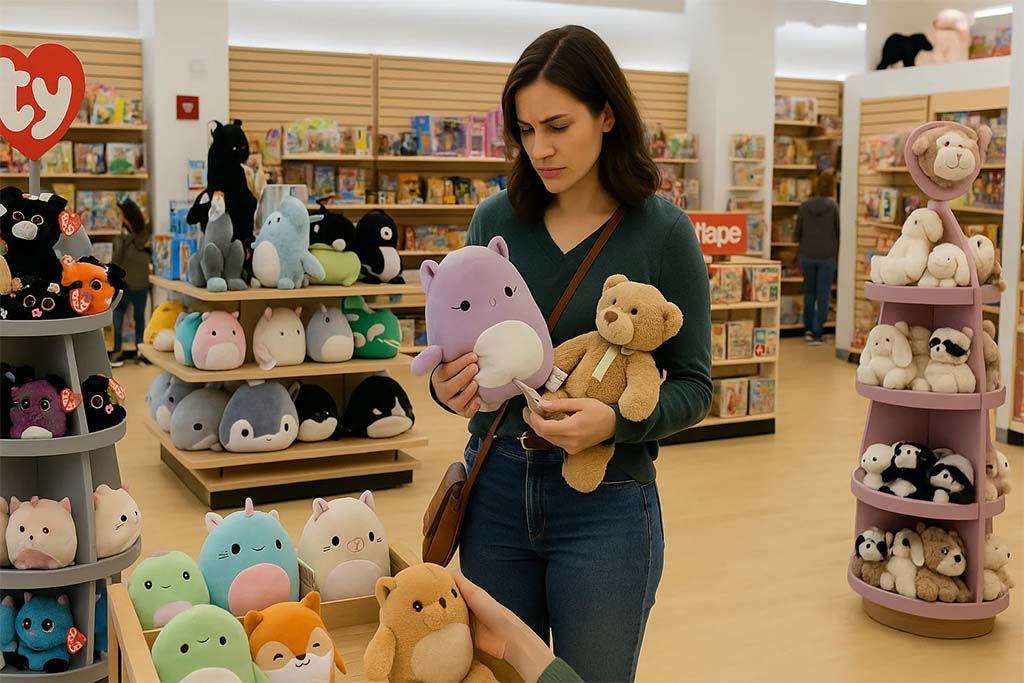
Kids respond to story, color, and character. Adults respond to texture, design, and mood. So, the same base toy can be framed two ways: a bright character with a mini book for children; a muted, photogenic version in a premium box for adults. Both should shoot well for e-commerce and feel consistent in hand.
For digital marketing, we keep the visuals clean and tactile. For retail, we plan tiering: entry plush for reach, mid-tier for gifts, and limited editions for excitement. For wholesale, we prepare simple spec sheets and compliance packs that reduce buyer friction.
Table 6 — Positioning and channel tactics by audience
| Audience | Positioning | Creative Assets | Channel Focus | Proof Points |
|---|---|---|---|---|
| Kids & parents | Story-driven friend | Bright photos, play scenes | Toy stores, e-com kits | Safety badges, wash tips |
| Schools/OT | Sensory support | Tech sheets, care guides | Education suppliers | Seams/liner, durability tests |
| Teens | Trend & identity | Short videos, collabs | TikTok, IG Reels | Limited drops |
| Adults (gifting) | Aesthetic comfort | Lifestyle, home décor shots | Department stores, Etsy | Premium box, soft-touch copy |
| Corporate gifting | Warm brand touch | Co-brand mockups | B2B catalogs | MOQ, lead time, compliance |
| Seniors & care | Calming companion | Simple images, big labels | Pharmacy/medical retail | Easy care, soft hand |
Conclusion
Plushies truly are for all ages—when design, safety, and materials match the user’s needs. From baby-safe fabrics to adult décor finishes and comfort-weighted bellies, the right choices turn a cute toy into a long-lasting favorite.
At Kinwin, we help global buyers plan age-appropriate assortments with clear specs, safe construction, and repeatable QC. You get soft hand-feel, stable shapes, smooth compliance—and a product line that speaks to kids, teens, adults, and seniors with equal care.
Contact: [email protected] | kinwintoys.com