I’m Amanda from Kinwin in China. I lead OEM/ODM plush programs for brands, retailers, and DTC teams. Every season, someone asks me: “Are plush toys still popular?” Short answer: yes—stable to growing, with new demand from adults, décor buyers, and wellness users, plus steady kids’ purchases. The long answer is more useful for decisions about assortments, pricing, and capacity, so let’s unpack the data, the new consumer segments, and the formats that convert now.
What macro demand trends and sales data indicate the current popularity trajectory of plush toys across regions and channels?
Across major markets, the plush category has been resilient to modestly growing. Industry trackers show that after a normalization post-pandemic, plush stabilized or ticked up in 2024 and re-accelerated in 2025. Circana (formerly NPD) reported that plush dollar sales grew about 1% in 2024 within the G12 markets, even as broader toy dollars were flat year over year in the U.S. (-0.3%). By mid-2025, Circana highlighted a return to growth across toys overall. Independent market reports also project mid-single to high-single-digit CAGR for stuffed animals & plush through 2030, with faster growth in Asia-Pacific and healthy DTC momentum in the U.S. Grand View Research+4Circana AU+4toyassociation.org+4
For brand examples that pull the category forward, Squishmallows have functioned as a cultural engine since 2020, with viral UGC and mainstream media coverage carrying into 2024–2025; Time and other outlets have linked the phenomenon to billion-dollar sales and sustained social reach. Meanwhile, Pop Mart’s Labubu shows how the “cute economy” and blind-box culture scale plush demand across Asia and into Western channels. TIME+2Euromonitor+2
Table 1 — Macro Signals at a Glance
| Signal | What happened | What it means for planning |
|---|---|---|
| 2024 U.S. toy dollars ≈ flat; plush +1% in G12 (Circana) | Category resilience during a slow year | Keep core animals/characters in the line; avoid drastic cuts |
| 2025 H1 toy sales up (Circana) | Category re-accelerates with collectibles | Add minis/blind-box and limited editions |
| Global market CAGR (multiple sources) | Mid/high-single digits through 2030 | Multi-year runway; justify fabric/tooling investments |
| Viral IP (Squishmallows, Labubu) | Adult and teen adoption | Plan adult-friendly palettes and gift packaging |
How are adult collectors, décor buyers, and wellness users reshaping core segments and price tiers in plush?
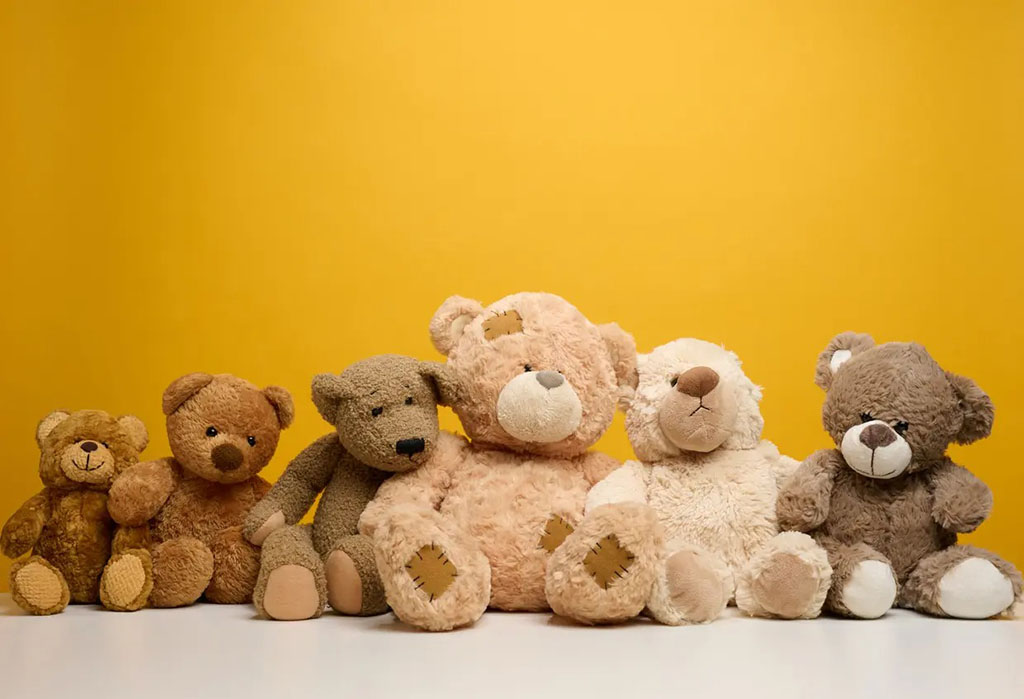
Adults now buy plush for themselves, not only for kids. I see three adult use-cases that reshape assortments:
- Collectors & fandoms. They chase limited drops, collaborations, badges, and edition numbers. They accept mid→premium price bands when the story and execution feel right.
- Décor buyers. They want plush as soft décor on beds, sofas, and office chairs. Neutral or tonal palettes, larger sizes, and cleaner silhouettes sell better.
- Wellness/comfort users. They look for weighted or extra-soft builds for winding down, with no medical claims—just honest comfort copy.
These adults change what “good-better-best” looks like. A “good” SKU can still be a child-safe velboa animal. But “better” might add a weighted base and upgraded box. “Best” may move to faux fur, limited colorways, and collectible extras (numbered tag, story card). The key is to let photography and finishing do the work: a texture macro plus a scale-in-hand shot reduces returns and supports higher AOV.
Table 2 — Adult Use-Cases and What to Build
| Segment | Why they buy | What to add | Price posture |
|---|---|---|---|
| Collectors | Fandom, rarity | Edition card, numbered label, collabs | Mid → premium |
| Décor | Soft accents for rooms | Tonal palettes, clean seams, giftable box | Mid; packaging lifts AOV |
| Wellness | Wind-down routines | Weighted bases, extra-soft piles, care card | Mid → premium (comfort value) |
Which licensing ecosystems, influencer content, and UGC mechanics most effectively sustain plush virality and repeat purchases?
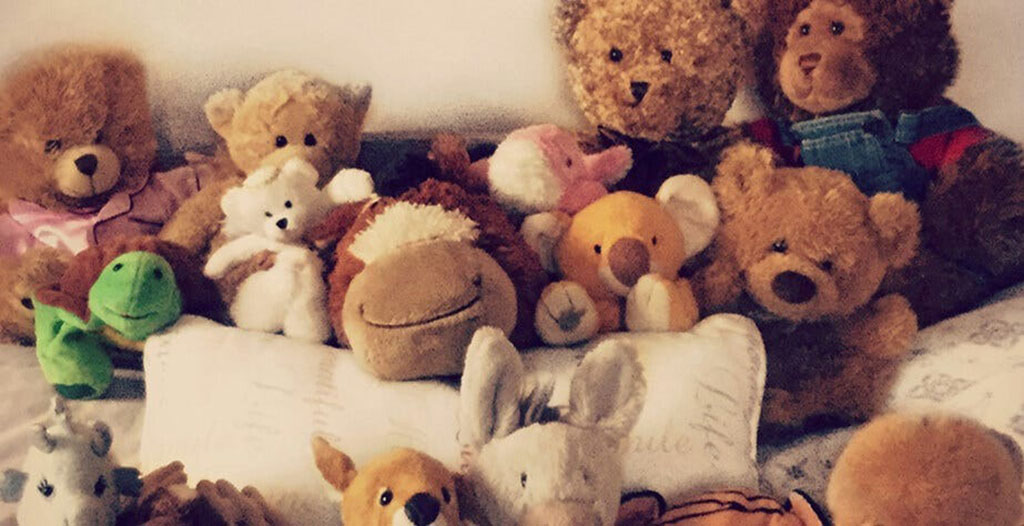
Licensing and community tactics keep plush top-of-mind week after week, not just at holidays.
- Licensing ecosystems. Character IPs (TV/anime/games) keep search volume high and give fans a reason to check again next week. Accuracy in colors, proportions, and embroidery matters more than ever; tiny deviations become social talking points.
- Influencer and UGC engines. Plush thrives on collect-and-display culture, “shelfies”, unboxings, and hunt stories. The best brands supply checklists, variant teasers, and mystery odds to structure community talk.
- Drop mechanics. Small, frequent drops create return visits and lower inventory risk. Blind-box minis and colorway chases support repeat carts.
- Global examples. Squishmallows show the power of algorithmic reach and mainstream collabs; Pop Mart’s Labubu demonstrates blind-box + influencer synergy, with rapid SKU cycling across sizes and trims. TIME+1
Table 3 — Community Mechanics That Actually Work
| Mechanic | Why it sustains virality | What to prepare operationally |
|---|---|---|
| Checklist sets | Completion urge, shareable | Printable + PDP image; box back art |
| Limited colorways | FOMO and photos | Palette guide; strict edition counts |
| Blind-box odds | Discussion fuel | Transparent odds; clean collation |
| Mini + jumbo pairing | Collection + showcase | Coordinated UPCs; staggered drop dates |
| Collabs | New audiences | Licensor approvals; canon accuracy tests |
How do material innovations (rPET fills, ultra-soft piles), packaging, and merchandising formats drive conversion and AOV?
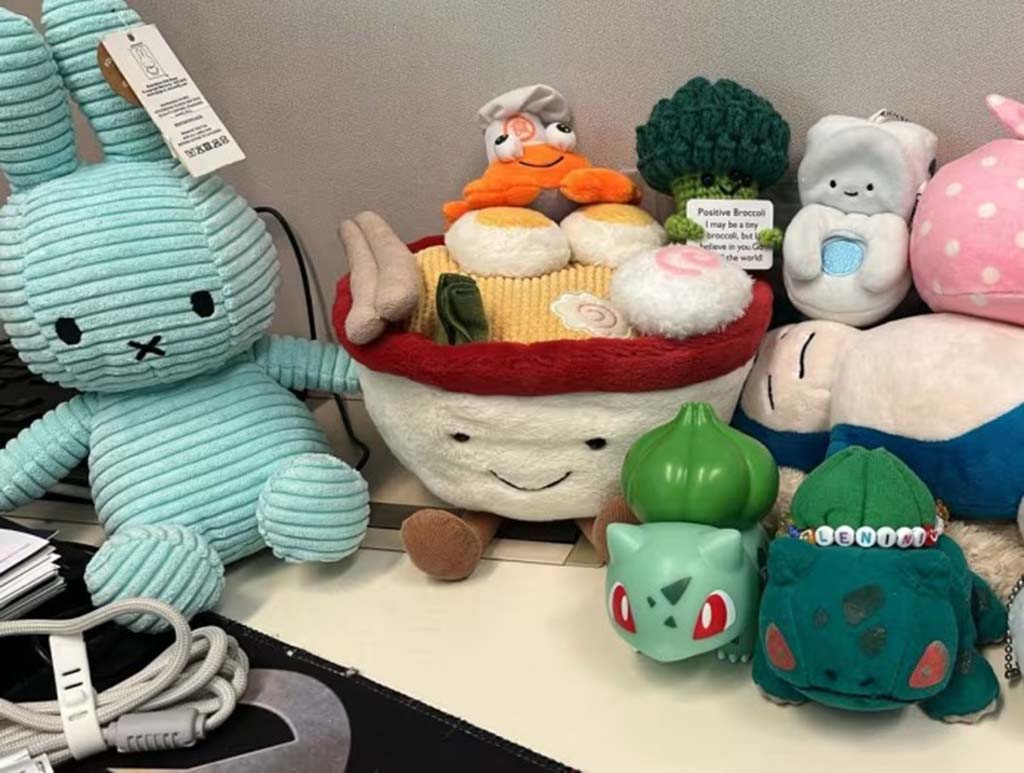
Material and packaging choices are visible value. Buyers feel them in one second.
- Ultra-soft piles (minky/velboa upgrades, high GSM) read premium on camera and in hand. Use short-pile face panels on faux-fur bodies to keep expressions clear.
- rPET fiberfill supports sustainability stories; keep true certificates by lot so claims stay credible.
- Weighted builds (double-pouched pellets) create a grounded feel for desks and beds; they also stabilize sitting poses for product photos.
- Merchandising formats like clip-ons (impulse at POS), gift bundles (card + ribbon), and seasonal capsules (color swaps) raise AOV without heavy redesign.
Table 4 — Conversion and AOV Levers
| Lever | Shopper impact | Ops/Compliance note |
|---|---|---|
| Higher-GSM short pile | Softer look, better macro shots | Flammability & colorfast tests |
| Faux-fur body + velboa face | Realism + clear expressions | Define trim zones; brush guidance |
| rPET fill (verified) | Eco trust | Keep lot certificates; align hangtags |
| Weighted base | Comfort + photo stability | Double-pouch + leakage tests |
| Gift packaging | Higher perceived value | Carton ECT/BCT & volumetric weight |
What compliance, sustainability, and social-audit signals matter most to retailers evaluating plush assortments today?
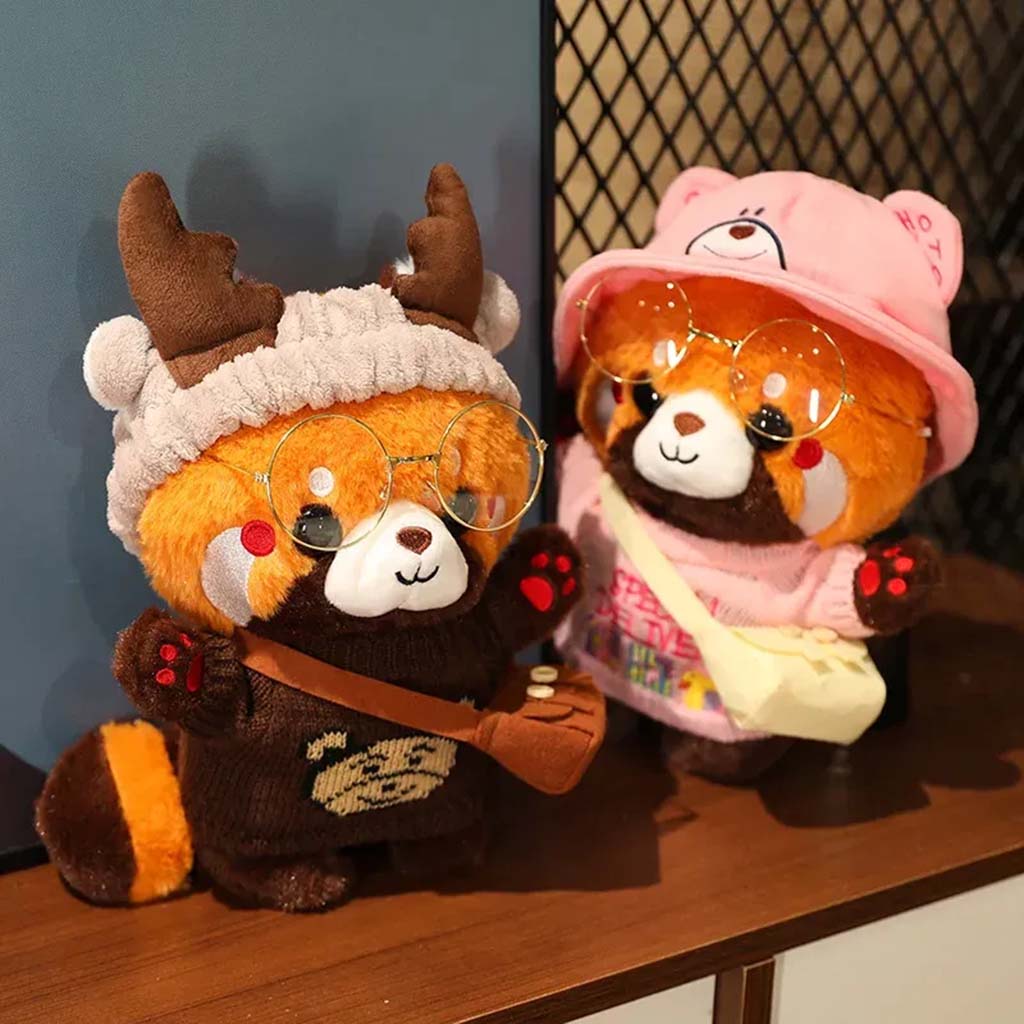
Retailers need confidence that your plush line is safe, traceable, and responsible. The word “plush” does not change the law—age grade and trims do. For children’s products, U.S. retail expects ASTM F963 + CPSIA (CPC + tracking label); EU/UK require EN71-1/2/3 and a Declaration of Conformity. Many chains add OEKO-TEX for textiles or proofs for recycled content. On the social side, buyers look for BSCI/SEDEX status or a clear audit path. Keep your test reports tied to actual fabric/fill lots and re-test if you change dye lots or trim suppliers. This discipline speeds approvals and protects sell-through when audits happen. (Market trend context: plush remained stable-to-growing in 2024 and improved in 2025 alongside collectibles and “kidult” demand.) Circana AU
Table 5 — Retail Readiness Checklist (Signals That Reduce Friction)
| Area | What to show | Why buyers care |
|---|---|---|
| Safety tests | EN71-1/2/3; ASTM F963; CPSIA; lot-tied | Legal access; recall prevention |
| Traceability | CPC, tracking labels, change log | Fast vendor review; fewer holds |
| Materials | OEKO-TEX/recycled docs if claimed | Honest marketing; eco standards |
| Social audits | BSCI/SEDEX or equivalent | Corporate responsibility |
| Packaging | Clear age/care, origin, UPC | Faster ASN/PIMS set-up |
How should brands forecast demand and plan assortments, drops, and replenishment in a mixed adult-and-kids market?
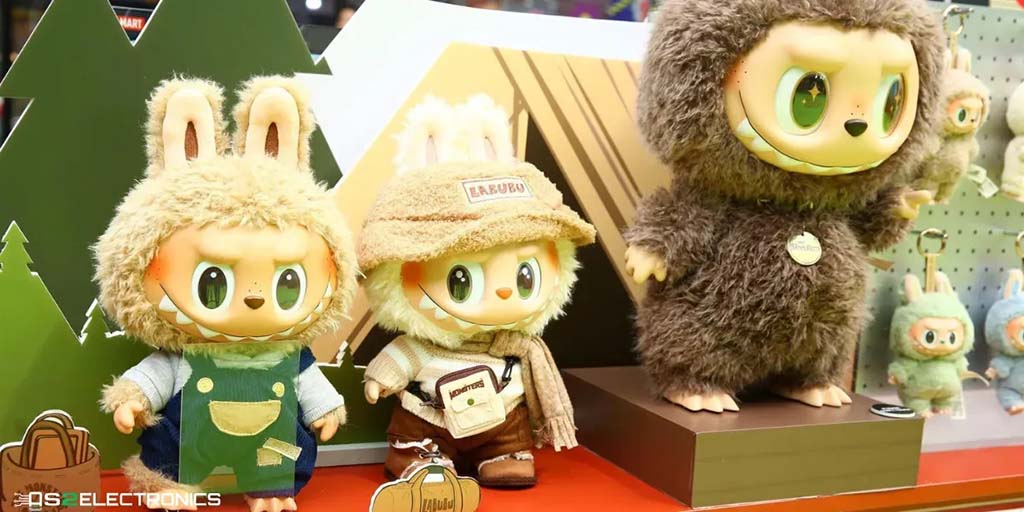
Plan two tracks: a core evergreen track and a drop/limited track.
- Core = animals/characters in 3–4 safe colorways, short-pile faces, steady sizes (20–35 cm). These anchor volume and protect margin.
- Drops = minis, collabs, or seasonal colorways in tight windows. Stagger them to create return visits and reduce inventory risk.
- Sizing ladder = mini (keychain), standard (20–35 cm), one weighted hero, and an optional jumbo for seasonal theater.
- Forecast inputs = last season’s sell-through, community waitlists, preorder signals, and traffic from influencer features.
- Production math = freeze trims early; tie tests to the final lots; hold a rapid top-up plan (air or regional finishing) only for proven sellers.
Table 6 — Assortment & Forecasting Framework (Copy-Ready)
| Pillar | What to do | Why it works |
|---|---|---|
| Evergreen core | 3–5 animals, stable specs | Predictable demand; simple replenishment |
| Drop cadence | Small, frequent, story-led | Higher revisit rate; lower obsolescence |
| Size ladder | Mini + standard + weighted + jumbo | Multiple price points per IP |
| Signals | Preorders, wishlist, UGC engagement | Converts attention into orders |
| Capacity | Slotting + line balancing + backup trims | Shorter lead times; fewer misses |
Practical action plan (you can run this month)
- Segment your line using the six-bucket taxonomy (animals/characters, plush dolls, cushions/pillows, puppets, minis, jumbo).
- Pick two adult levers (weighted base, tonal décor palette) and one collector lever (edition card or numbered label).
- Set drops every 4–6 weeks for minis/colorways; keep core SKUs in stock year-round.
- Tighten compliance: finalize trims before PPS; link reports to lots; align labels (age/care/origin).
- Upgrade content: add texture macro + scale-in-hand + seated-stability photo; include a 10–15s squeeze video.
- Forecast with signals: merge waitlists, preorder data, and influencer spikes; order raw materials for the next two drops in advance.
- Review freight: right-size cartons; test compression for cushions; compare FOB vs DDP to protect margins.
Conclusion
Yes—plush is still popular, and it is expanding beyond kids into adult collecting, décor, and comfort. The category’s stability in 2024 and renewed growth in 2025 tell us to protect core animals, add adult-friendly features (weighted bases, tonal palettes), and run frequent, low-risk drops that keep communities engaged. Keep compliance tight, materials honest, and content clear, and you will lift both AOV and sell-through. If you want a ready-to-quote plan for your next plush season, email [email protected] or visit kinwintoys.com—my team at Kinwin can take you from brief to PPS to on-time mass.