Skip to content
I’m Amanda from Kinwin in China. I lead OEM/ODM plush programs for brands, retailers, and wellness teams. A question I hear often is: “Are plush toys good for mental health?” In short: plush toys can support emotional regulation when they are designed and used well. They are not medical devices and they do not treat or cure conditions. But as part of everyday coping routines—or alongside professional therapy—plush can help users feel calmer, safer, and more grounded. Below I explain the evidence base from psychology and occupational therapy (OT), the tactile mechanisms that reduce stress, the design features that work for anxiety and sensory needs, how clinicians integrate plush in protocols, the safety/compliance differences for wellness lines, and how brands should communicate benefits ethically.
What evidence from psychology and occupational therapy supports plush toys as tools for emotional regulation?
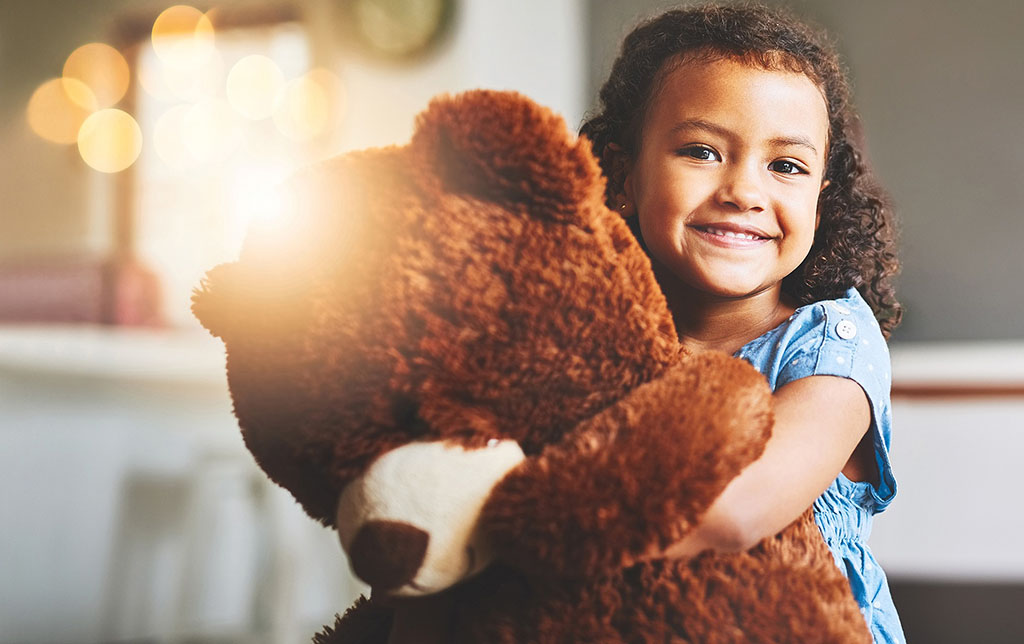
In psychology and OT, soft items are often used as supportive tools for self-soothing, grounding, and routine-building. They sit in the same toolbox as breathing exercises, weighted blankets, fidget aids, and sensory rooms. The concept is simple: a stable, pleasant tactile cue can help the nervous system shift from high arousal toward calm attention. Plush helps in several common ways:
- Transitional objects & attachment cues: For children, a soft, familiar object can bridge stress at bedtime, school drop-off, or travel. Adults may use plush for similar comfort during study, work, or recovery.
- Grounding & interoceptive awareness: Holding a plush and focusing on texture, weight, and temperature can anchor attention in the present, a common strategy in CBT and mindfulness-based practices.
- Sensory modulation: For sensory seekers (including many autistic users), predictable textures and gentle deep pressure can reduce overstimulation and support self-regulation.
- Rituals & environment setting: Bedtime or study routines that pair plush with breathing or light stretches can create conditioned calm over time.
This does not replace therapy or medication when those are needed. But it can offer a low-risk, low-cost adjunct. In our factory work, we see stronger adherence when the plush is easy to clean, size-appropriate, and honest in claims.
Table 1 — Evidence-Informed Mechanisms (Non-medical)
| Mechanism | What the user does | Likely effect | Where it’s used |
|---|---|---|---|
| Transitional object | Holds a familiar soft item | Comfort, predictability | Bedtime, separation moments |
| Grounding focus | Notices texture/weight/temperature | Present-moment attention | CBT homework, mindfulness |
| Sensory modulation | Seeks steady pressure/texture | Reduced overstimulation | OT sensory diets, classrooms |
| Routine pairing | Adds plush to set rituals | Conditioned calm response | Bedtime, study breaks |
How do tactile properties (pile type, weight, temperature, scent) activate calming pathways and reduce stress biomarkers?

Our sense of touch and smell connect strongly to autonomic responses. Plush design can make use of this, while staying safe and simple:
- Pile type (minky/velboa/faux fur): Short-pile minky and velboa feel silky and predictable, good for repetitive touch. Faux fur adds fluffy volume; it reads visually relaxing but needs clear face panels for crisp expressions.
- Weight distribution: Double-pouched pellets in the base or torso give grounded pressure without the “stone” feel. Many users report more stable breathing and posture with a modest, evenly distributed weight.
- Temperature cues: Room-temperature pile is neutral; some users like a brief cooling effect (airing the plush) or gentle warmth (near a radiator—not heated devices). Either cue can become part of a grounding ritual.
- Scent (optional): Light, removable sachets (lavender or unscented) may support calm for some people. Keep IFRA-aligned fragrances and clear labeling. Scent should be optional and easy to remove.
You can think of these properties as tools that may influence heart rate, muscle tension, and attention. We avoid making biomarker claims in marketing, but in practice, users often perceive softer breathing, slower pacing, and easier re-focus during routines with well-designed plush.
Table 2 — Tactile Inputs and Likely Calming Pathways
| Input | Pathway | Practical design choice | Notes |
|---|---|---|---|
| Smooth short pile | Predictable glide → lowers tactile “noise” | Minky/velboa face panels | Good for repetitive stroking |
| Gentle weight | Deep pressure → grounded posture | Double-pouched PP/TPE pellets | Even distribution; leak tests |
| Temperature cue | Cool/warm contrast → attention anchor | Neutral pile; user-led cue | No heated electronics |
| Light scent (optional) | Olfactory memory → soothing cue | Removable sachet, IFRA-aligned | Clear ingredient labeling |
Which design features—weighted fills, ergonomic shapes, hypoallergenic fabrics—optimize outcomes for anxiety, ASD, and sensory needs?
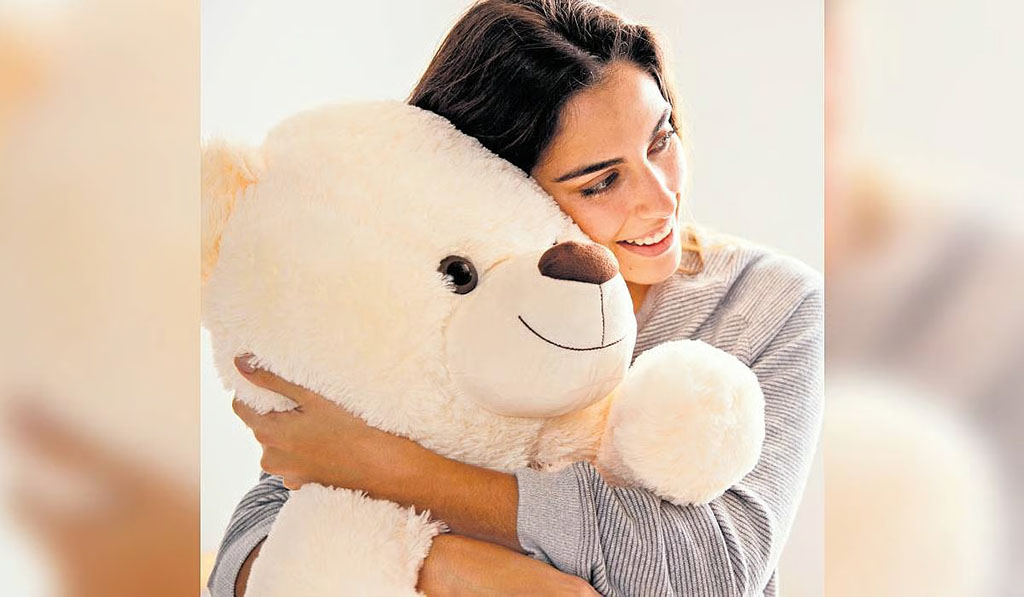
For anxiety and sensory regulation, predictability is king. The plush should feel consistent across sessions, be easy to clean, and sit comfortably in one hand, lap, or chest. Here’s a practical set of features we specify for wellness lines:
- Weighted fills: Use double inner pouches and validated seams. Keep total mass modest for children; the goal is grounding, not heavy load.
- Ergonomics: Choose silhouettes that nest in the lap or cup in one hand. Add sit-stable bases so the toy can “watch over” a desk during work.
- Hypoallergenic fabrics: Short-pile minky/velboa with verified colorfastness; avoid strong fragrances or scratchy trims.
- Face details: Embroidery for 0+; safety eyes/noses only for 3+ with tensile and small-parts tests.
- Care: Gentle machine wash for short pile; brush-after-wash note for faux fur; clear drying guidance.
Table 3 — Feature Map for Wellness-Oriented Plush
| Goal | Feature | Why it helps | QA/Compliance note |
|---|---|---|---|
| Grounded calm | Weighted base/torso | Gentle pressure aids posture | Double-pouched pellets; leakage tests |
| Predictable feel | Short-pile face panel | Consistent glide, less sensory “noise” | Validate colorfastness & pilling |
| Easy routine | Lap/hand-friendly shape | Usable at desk, bed, therapy | Sit-stable patterning; baffles |
| Low irritation | Hypoallergenic shell | Reduces itch; safer near face | OEKO-TEX/RSL where required |
| Clean use | Washable design | Sustains habit adherence | Label care to match real tests |
What clinical use cases and protocols integrate plush items in CBT, play therapy, and trauma-informed care?

Clinicians sometimes integrate plush as a non-medical aid. The plush becomes a bridge to skills the therapist is teaching, never a standalone remedy. Examples:
- CBT grounding: Guide the user to name 5 textures, 4 colors, 3 sounds, etc., while holding the plush. The tactile focus supports present-moment orientation.
- Breathing pacing: “Belly buddy” breathing—place the plush on the abdomen, count slow inhales/exhales, watch it rise and fall.
- Play therapy & narrative repair: Children act out feelings using plush “characters,” which lets difficult content surface safely.
- Trauma-informed care: Therapists may use a plush as a choice-based comfort object during sessions, with opt-in contact and clear consent.
Always follow the clinician’s lead and local protocols. In community or school settings, ensure hygiene plans, label clarity, and age-appropriate trims.
Table 4 — Sample Protocol Snippets (For Clinician-Led Contexts)
| Use case | Objective | Simple protocol idea | Precautions |
|---|---|---|---|
| CBT grounding | Reduce rumination | 5-4-3-2-1 senses with plush in hand | Avoid scented items if sensitive |
| Breathing pacing | Slow respiration | Plush on belly, 4-second cycles | Don’t add weight on small children |
| Play therapy | Externalize feelings | Role-play with named plush | Watch small parts; disinfect |
| Trauma-informed | Choice-based comfort | Offer plush; user may accept/decline | Respect consent; neutral language |
How do safety, hygiene, and compliance (EN71/ASTM/CPSIA) considerations differ for wellness-oriented plush products?
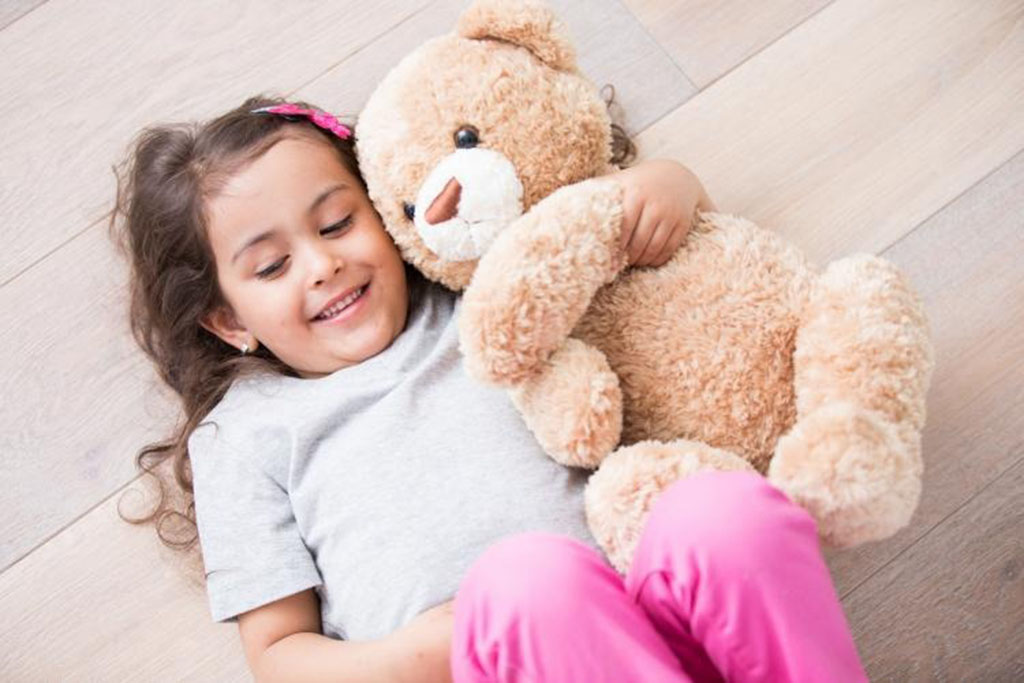
“Wellness” is not a legal category. If a plush is a children’s product, it must meet toy safety rules regardless of claims. The big three remain:
- Mechanical/physical: EN71-1 / ASTM F963 seam strength, small-parts, tension tests on trims.
- Flammability: EN71-2 / ASTM F963 flammability screens (pile type and height matter).
- Chemical/migration: EN71-3 / CPSIA for heavy metals, phthalates where relevant; trackability and CPC/DoC.
For scented variants, align with IFRA and keep fragrance removable or very light. For weighted variants, use double-pouched pellets and run leakage and wash validations. In clinics or schools, set cleaning cycles (gentle machine for short pile, surface clean for faux fur), maintain spares, and rotate for drying.
Table 5 — Compliance & Hygiene Checklist (Wellness Lines)
| Area | What to do | Why it matters |
|---|---|---|
| Age grading | 0+ = embroidery only; 3+ trims tested | Clear, safer builds |
| Tests & docs | EN71-1/2/3; ASTM F963; CPSIA; tracking labels | Legal access; retailer acceptance |
| Weighted builds | Double-pouch, seam validation | Prevent leaks; protect users |
| Scented options | IFRA-aligned; ingredient list; removable | Allergens & transparency |
| Cleaning plans | Realistic wash guidance; spares in clinics | Hygiene & longevity |
How should brands communicate mental-health benefits ethically without making unsubstantiated medical claims?
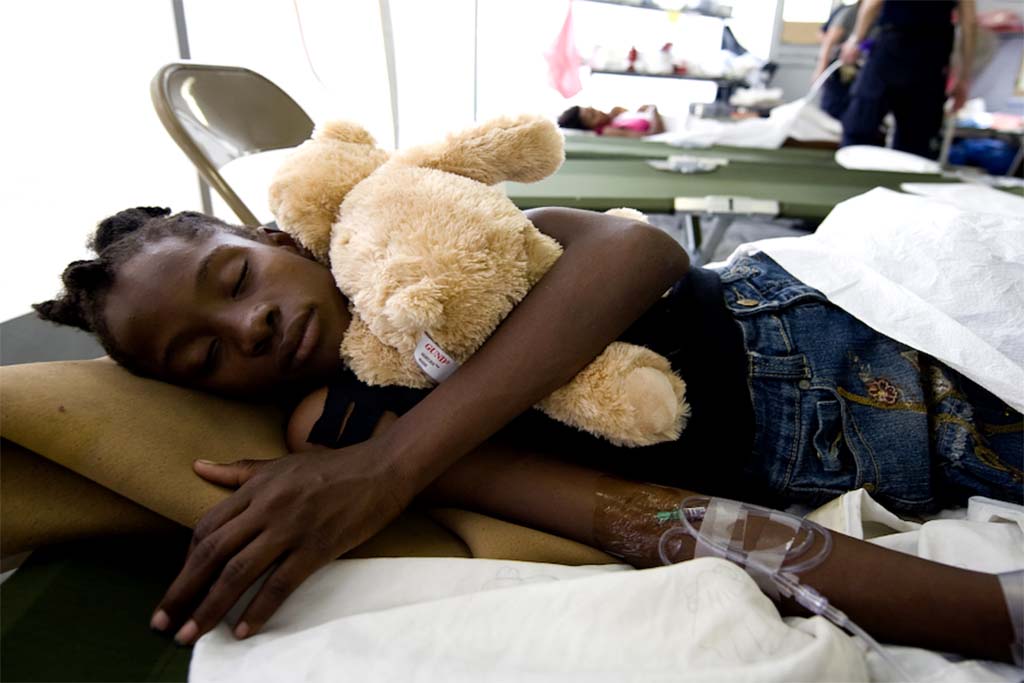
Be accurate, humble, and helpful. Position plush as a comfort aid or sensory support—not as a treatment. Avoid medical promises (“reduces anxiety,” “treats insomnia”). Use behavioral language: “supports calming routines,” “encourages grounding,” “designed for gentle deep pressure.” Offer how-to content (breathing tip card, grounding steps) and link customers to professional resources where appropriate.
Be clear about who the product is for and how to clean it. If you claim recycled content or textile safety standards, keep lot-tied certificates and show only what you can prove. Align titles to market norms (“Stuffed Animal (Plush Toy)” in the U.S.; “Soft Toy” in the UK/EU) and add plush in attributes so filters catch it. Use texture macros, scale-in-hand photos, and a short squeeze video so shoppers can judge the feel honestly.
Table 6 — Ethical Messaging Playbook (Copy-Ready)
| Element | Do (ethical) | Don’t (risky) | Why |
|---|---|---|---|
| Benefit phrasing | “Supports calming routines” | “Cures anxiety” | Avoid medical claims |
| Audience clarity | “For ages 3+; adult comfort-friendly” | “For all ages, any condition” | Respect age grading |
| Feature facts | “Weighted base, double-pouched” | “Therapeutic weight” (vague) | Precise and verifiable |
| Care guidance | “Gentle machine wash; brush faux fur” | “Machine washable” (if not tested) | Honesty reduces returns |
| Proof points | Lot-tied tests, OEKO-TEX, rPET docs | Generic ‘eco-friendly’ | Trust and compliance |
Implementation playbook (you can run this month)
- Choose your track: “Comfort & grounding” (short-pile face + lap-friendly shape) and/or “Weighted focus” (modest weight, double-pouched).
- Lock specs: Minky/velboa face panels; GSM ~240–260; fill grams per panel; pellet grams for weighted SKUs; seam SPI targets.
- Sampling:
- Soft Sample #1: silhouette + face fabric
- Soft Sample #2: weight distribution + care validation
- PPS: labels, packaging, insert cards (breathing/grounding tips)
- Compliance: EN71-1/2/3; ASTM F963; CPSIA; tracking labels; IFRA docs for scented sachets; lot-tied reports.
- Hygiene & care: Short-pile = gentle machine; faux fur = surface/gentle + brush-after-wash; publish a 3-step care card.
- Content: Texture macro, scale-in-hand, seated stability, and a 10–15s squeeze video; neutral, non-clinical tone.
- Retail & DTC: Offer gift-ready packaging, seasonal calm palettes, and small how-to cards that teach a simple routine (e.g., “4-count belly breathing”).
Conclusion
Plush toys can be good for mental well-being when designed as comfort aids: soft, predictable textures; modest, secure weighting; easy care; and honest, non-medical claims. They fit naturally into grounding routines, OT sensory plans, and calm corners at home, school, or clinics. If you want a wellness-ready plush line—tested, documented, and camera-ready—email [email protected] or visit kinwintoys.com. My team at Kinwin can take you from brief to PPS to on-time mass with clean compliance and soothing handfeel.