Skip to content
Choosing the right stuffed toy supplier goes beyond price—it’s about whether the factory can produce consistent quality at scale and on schedule.
A manufacturer’s true capability isn’t just about how many workers they have; it’s about systems, equipment, and process control that ensure predictable output.
For global buyers, understanding manufacturing capacity and lead-time accuracy is essential to avoid missed launches, stockouts, or quality lapses. This guide will help you evaluate your supplier’s real production strength with practical methods and industry insights.
What Indicators Reveal a Supplier’s True Manufacturing Capacity?

A factory’s claimed output—“50,000 pieces per month”—means little without context. Buyers should focus on quantifiable, verifiable indicators that reflect actual capacity rather than promotional figures.
1. Number of Active Production Lines
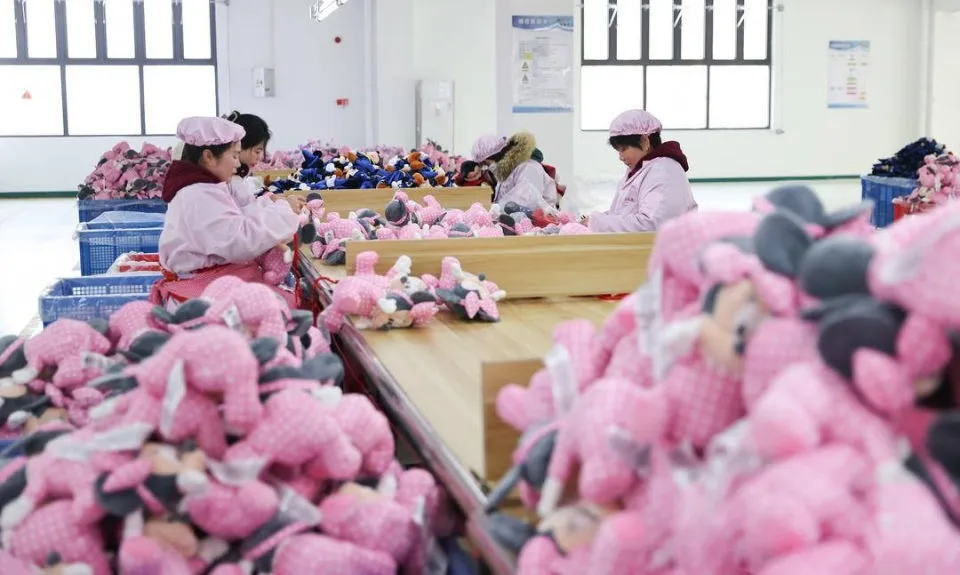
Each production line represents a complete set of operations (cutting, sewing, stuffing, finishing, QC). The number of lines determines how many styles or batches can run simultaneously.
2. Daily or Monthly Output Records
Ask for real historical data rather than estimates. Reliable suppliers can provide monthly shipment summaries or internal reports showing average daily throughput.
3. Equipment Utilization Rate
High utilization (over 85%) may indicate strong demand but limited flexibility; under 60% may signal inefficiency or inconsistent orders.
4. Defect and Rework Rate
Consistently low defect rates (below 2%) show mature process control and skilled workmanship—crucial for maintaining delivery reliability.
5. Production Scheduling Transparency
Professional factories use digital planning systems (ERP or MES) that show upcoming orders, material arrivals, and QC checkpoints.
Key Capacity Indicators
| Indicator | Ideal Range | What It Reveals |
|---|---|---|
| Production Lines | 10–15 | Balanced scale |
| Monthly Output | 30K–100K units | Volume capacity |
| Defect Rate | < 2% | Process quality |
| On-Time Delivery | ≥ 95% | Schedule reliability |
| Machine Utilization | 70–85% | Operational efficiency |
Factories like Kinwin, with 15 production lines and digital scheduling, maintain stable throughput even under peak demand seasons—critical for global buyers.
How Do Production Line Scale and Equipment Affect Output Efficiency?
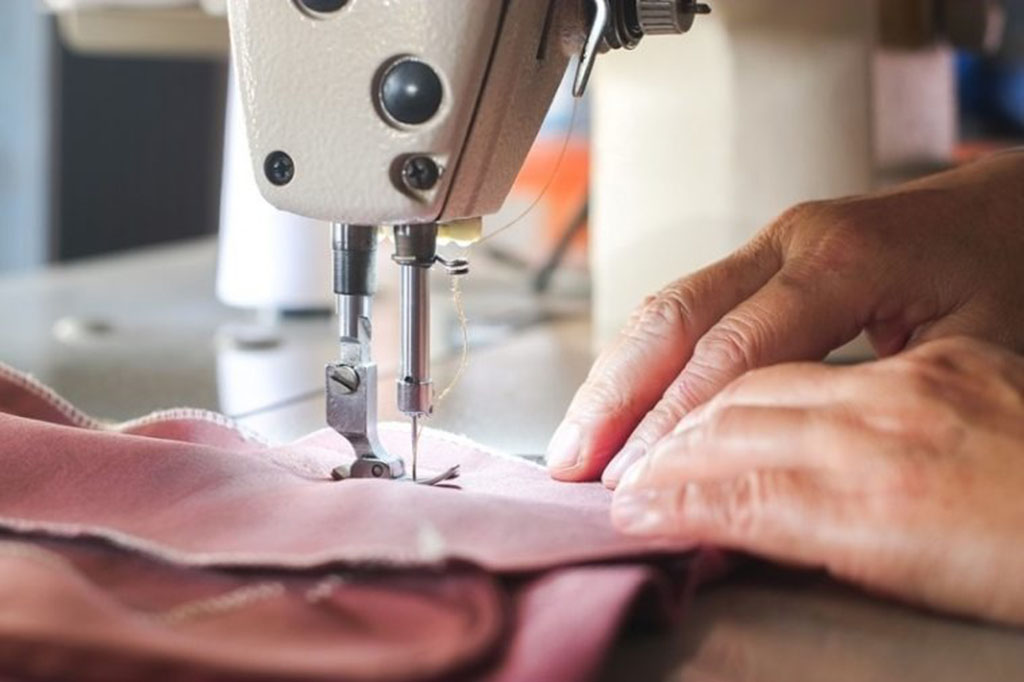
The number and quality of production lines directly determine a factory’s ability to deliver large orders within a fixed period. But capacity isn’t just about line count—it’s about how optimized those lines are.
1. Balanced Line Configuration
Efficient factories structure each line for workflow balance—separating cutting, sewing, stuffing, and finishing teams to avoid bottlenecks. For example, one cutting table may support three sewing teams if layout planning is optimized.
2. Equipment Automation
Factories using automatic cutting machines, digital embroidery units, and vacuum stuffing systems can achieve faster turnaround and consistent precision.
Automation also reduces dependency on manual labor, lowering lead-time risk when workforce availability fluctuates.
3. Preventive Maintenance Programs
Downtime caused by machine failure often delays orders. Factories with preventive maintenance schedules minimize unplanned halts, maintaining smoother production flow.
4. Product Complexity Alignment
Factories must match line specialization to toy type—baby plush, licensed IP toys, or complex electronic plush each require unique equipment sets and sewing expertise.
Efficiency Comparison Table
| Equipment Type | Function | Impact on Efficiency |
|---|---|---|
| Auto Cutting Machine | Precise fabric cutting | +20% speed, +10% fabric yield |
| Digital Embroidery | High-speed stitching | +15% speed, consistent detail |
| Vacuum Filling Machine | Automated stuffing | Uniform density, reduced labor |
| Needle Detection | Safety scanning | Prevents metal contamination |
When evaluating a factory, request photos or videos of equipment in use and ask how many units each line handles per day—this reveals operational realism beyond marketing claims.
What Role Does Workforce Skill and Factory Management Play in Lead Time Accuracy?
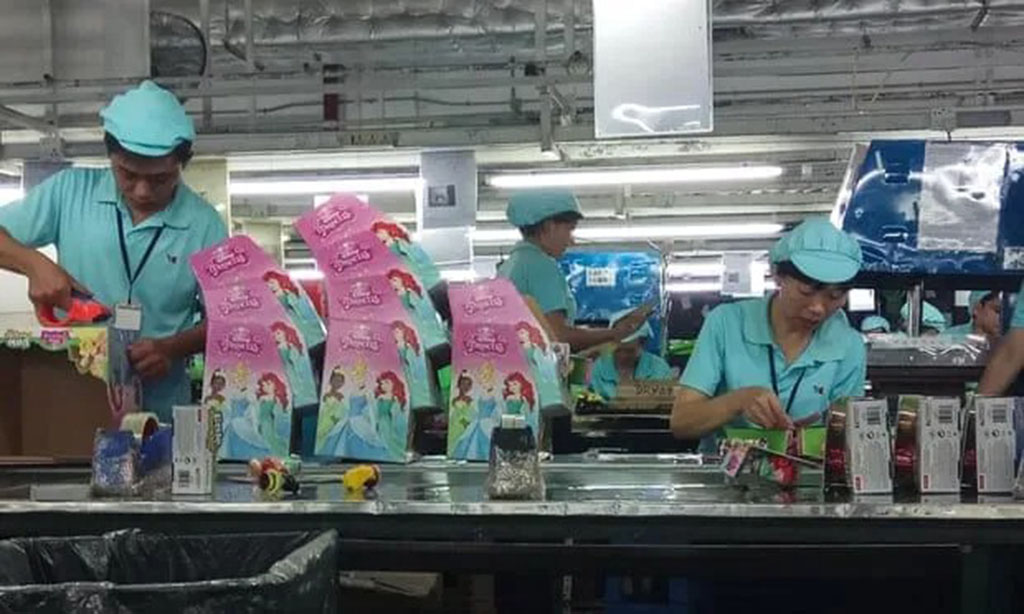
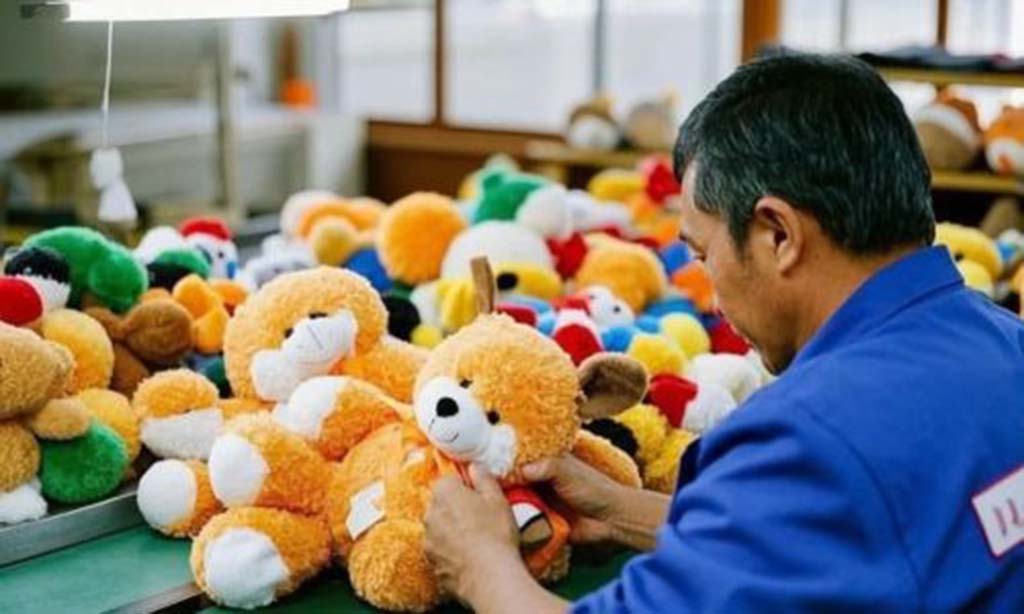
Even the best machines can’t deliver on time without skilled people and organized management. Plush toy production, being semi-handmade, depends heavily on human expertise and supervision.
1. Worker Training and Retention
Factories with structured training programs produce fewer errors and reworks. Consistent staff—especially in sewing and finishing—ensures stable quality and output rhythm. High turnover leads to slower learning curves and delayed production.
2. Supervisor-to-Worker Ratio
Each sewing line should have one experienced line leader per 15–20 workers to monitor efficiency, identify problems, and adjust workflow promptly.
3. Management Systems
Modern factories use 5S (Sort, Set, Shine, Standardize, Sustain) and Lean Production principles to improve productivity and reduce waste.
Factories following these systems maintain more predictable lead times.
4. Department Coordination
Lead time accuracy depends on alignment between purchasing (for materials), production, and QC. If the purchasing team delays fabric sourcing, the entire schedule shifts.
Lead Time Accuracy Factors
| Factor | Description | Influence on Lead Time |
|---|---|---|
| Worker Experience | Skilled operators reduce errors | Shorter cycles |
| Supervisor Ratio | 1:20 ideal | Real-time issue solving |
| Management System | Lean / 5S discipline | Predictable schedule |
| Material Coordination | Timely procurement | Prevents idle time |
Factories like Kinwin invest in both technical equipment and people—ensuring that craftsmanship matches efficiency, so every project meets its timeline.
How Can You Assess a Supplier’s Flexibility for Urgent or Large Orders?
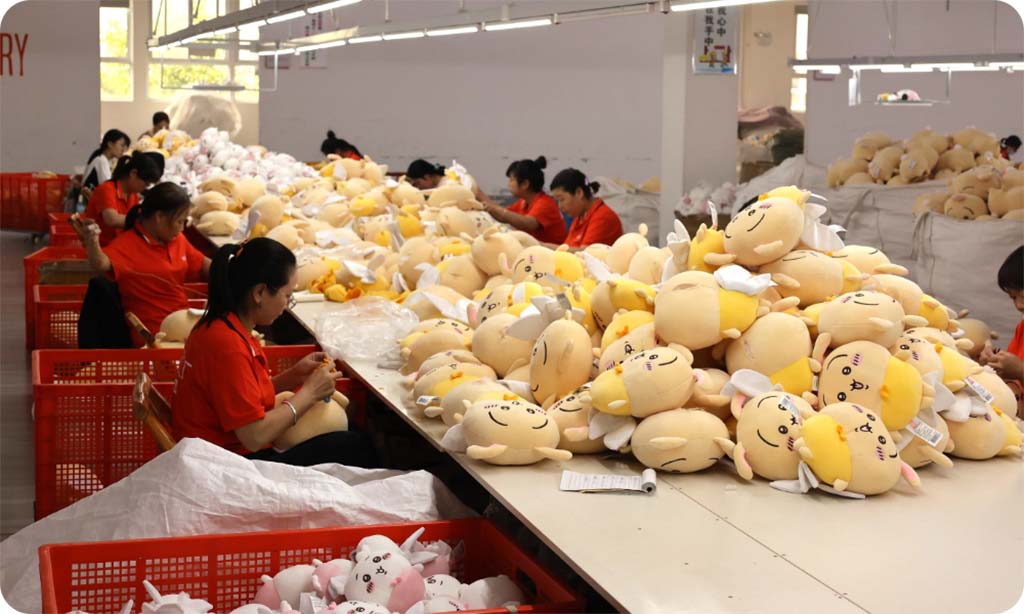
Flexibility determines whether a supplier can handle last-minute promotions, urgent restocks, or large seasonal spikes without sacrificing quality.
1. Backup Capacity
Ask whether the factory can allocate extra lines or overtime shifts during peak demand. Factories with at least 10–15% reserve capacity are more adaptable to sudden orders.
2. Supplier Network Strength
Factories that maintain strong relationships with material suppliers can secure urgent fabric or accessories faster, avoiding delays.
3. Parallel Production for Large Orders
Check if the factory can divide one large order across multiple lines or subcontract approved partner facilities under its supervision.
4. Inventory and Logistics Support
Some factories pre-stock standard materials like polyester fiberfill and velboa to reduce waiting time. Others provide drop-shipping or consolidated packaging solutions for time-sensitive deliveries.
Evaluating Flexibility
| Flexibility Element | What to Check | Buyer Benefit |
|---|---|---|
| Backup Capacity | Overtime policy, spare lines | Urgent order coverage |
| Material Network | Supplier agreements | Faster sourcing |
| Multi-Line Production | Simultaneous runs | Shorter lead time |
| Logistic Readiness | Freight coordination | On-time delivery |
Reliable partners like Kinwin use dynamic scheduling and cross-trained teams, ensuring fast response for both bulk and limited-edition plush toy projects.
What Data or Documents Should You Request to Verify Production Capability?
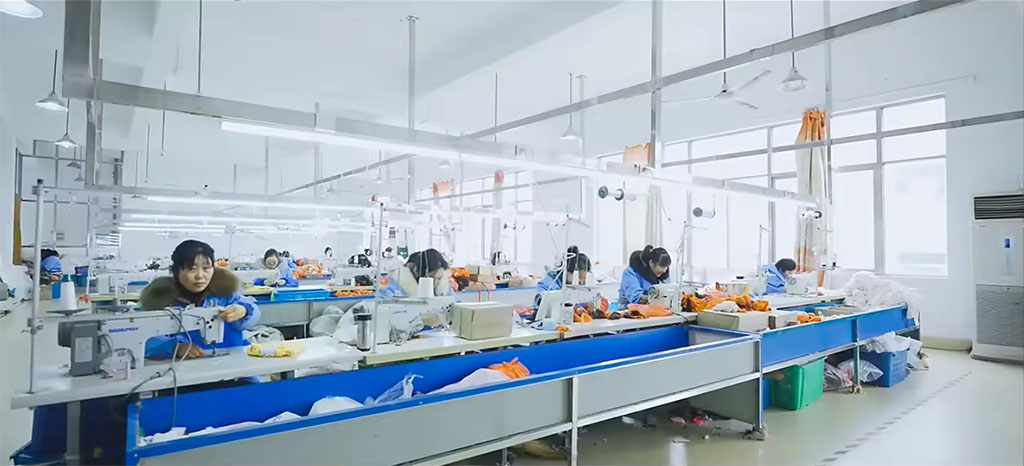
To evaluate a supplier objectively, rely on verifiable data, not verbal claims. Authentic documentation offers measurable proof of real capacity.
1. Factory Profile and Equipment List
A genuine manufacturer can provide a full facility profile listing total area, line count, main equipment, and QC tools. This forms your baseline evaluation.
2. Production Capacity Reports
Request monthly or annual capacity reports showing historical output by product category. This helps you gauge consistency and scalability.
3. Audit Certificates and Compliance Documents
Documents such as BSCI, ISO 9001, Disney FAMA, SMETA, or internal process audits confirm that the factory’s management system is standardized.
4. QC Reports and AQL Records
Ask for previous inspection records (AQL 2.5 or 4.0) to see pass/fail trends. This reveals whether the factory maintains consistent quality during bulk production.
5. Client References or Case Studies
References from known brands or long-term buyers demonstrate stability and reliability.
Verification Data Checklist
| Document | Purpose | What It Proves |
|---|---|---|
| Factory License | Legal legitimacy | Authentic manufacturer |
| Equipment List | Machinery strength | Production capability |
| Capacity Report | Output data | Historical consistency |
| Audit Certificates | Compliance record | Ethical operation |
| QC Reports | AQL pass rate | Quality control system |
When evaluating, compare not just numbers but patterns—steady monthly production is more valuable than one-time high capacity during promotions.
How Do Seasonal Demand and Material Availability Influence Delivery Schedules?
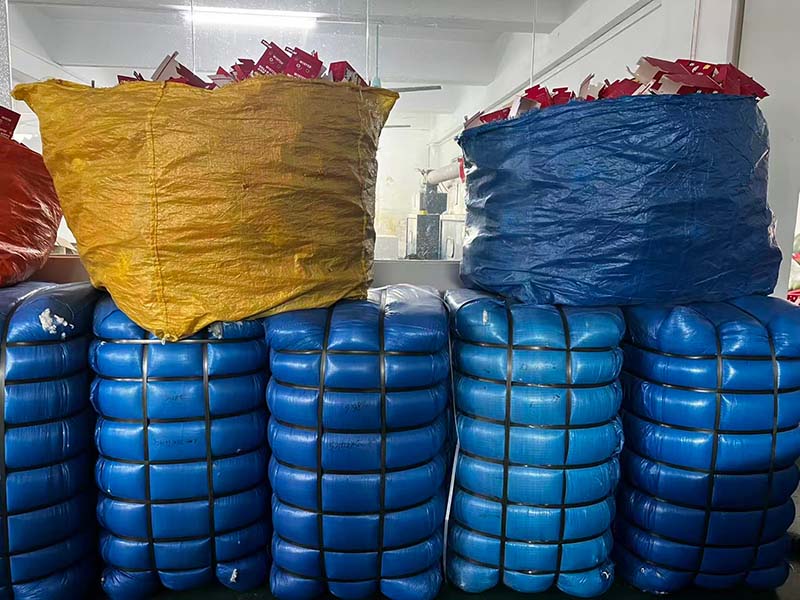
Seasonal cycles and supply-chain dynamics significantly affect plush toy production timing. Smart buyers plan around these fluctuations to avoid surprises.
1. Peak Production Seasons
The toy industry peaks before Christmas, Easter, and Lunar New Year. From August to November, factories reach maximum capacity, and lead times can extend from 30 to 60 days. Place orders early to secure production slots.
2. Holiday Shutdowns
Chinese New Year (usually January–February) causes factory closures of up to 3 weeks. Production resumes gradually as workers return. Schedule accordingly and avoid shipping deadlines around this period.
3. Raw Material Supply
Fabrics like minky, faux fur, and RPET plush often experience temporary shortages during high season due to limited dyeing capacity or fiber supply.
4. Weather and Shipping Conditions
Rainy seasons in southern China can affect drying processes and logistics. Meanwhile, port congestion during Q4 increases freight times.
5. Forecast and Planning
Share annual forecast plans with your supplier to reserve capacity. Reliable partners maintain flexible schedules for repeat buyers.
Seasonal Impact Overview
| Factor | Period | Buyer Action |
|---|---|---|
| Peak Season | Aug–Nov | Order 2–3 months ahead |
| Chinese New Year | Jan–Feb | Avoid production schedule |
| Material Shortage | High season | Approve materials early |
| Shipping Congestion | Q4 | Book freight in advance |
Factories like Kinwin operate year-round with buffer stock and multi-shift scheduling to minimize delays even during global peak periods.
Conclusion
Evaluating a stuffed toy supplier’s manufacturing capacity and lead time is more than asking for output numbers—it’s about understanding the systems, people, and infrastructure behind those numbers.
By reviewing production data, verifying documentation, observing workflow efficiency, and planning around seasonal trends, buyers can secure reliable, scalable partnerships.
At Kinwin, we provide complete visibility into our 15 production lines, certified processes, and realistic scheduling, ensuring every project—big or small—is produced with precision and delivered on time.
📧 Contact us at [email protected]
🌐 Visit kinwintoys.com
Let’s evaluate your next plush toy project together—built on trust, capability, and efficiency.