Skip to content
Partnering with the right plush-toy manufacturer can turn your ideas into a successful product line—but choosing the wrong partner can result in delays, quality failures, and financial loss.
From unclear sampling instructions to hidden costs or weak IP protection, even experienced buyers sometimes face problems that could have been prevented with clearer systems.
This detailed guide explains the most frequent pitfalls in plush-toy sourcing and how to avoid them through better verification, communication, quality control, and legal protection.
What Are the Most Common Mistakes Buyers Make When Partnering with Plush Toy Manufacturers?
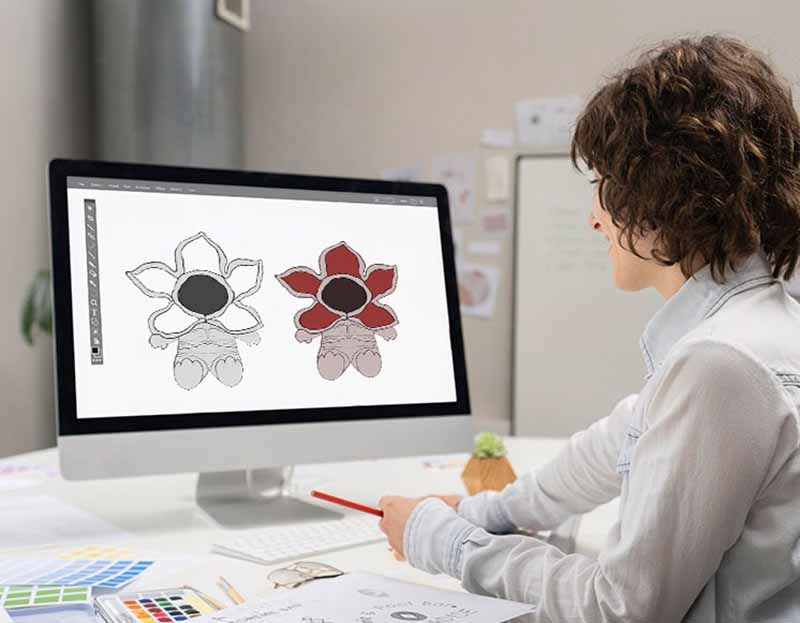
Over the years, thousands of plush-toy sourcing projects have succeeded—but many have also failed for the same avoidable reasons. Understanding those early helps you build a stronger partnership and process.
1. Selecting based on price only.
The lowest quotation rarely equals best value. Factories may reduce material quality or omit safety testing to meet a target price. Always balance cost with proven capability and transparency.
2. Ignoring factory background checks.
Many “manufacturers” online are actually trading companies. Without site verification, buyers may face communication gaps and longer lead times.
3. Rushing sampling approval.
Skipping detailed feedback during sampling often leads to large-scale defects in bulk production.
4. Failing to align safety standards early.
If CE, ASTM F963, or CPSIA requirements are not communicated before material purchasing, factories may use non-compliant fabrics or fillings.
5. Weak contract terms.
Vague agreements on lead time, inspection rights, or IP ownership can expose your brand to risk later.
Typical Buyer Pitfalls
| Pitfall | Consequence | Prevention |
|---|---|---|
| Choosing by price only | Quality inconsistency | Evaluate full capability |
| No factory audit | Delays & poor control | Request license & audit report |
| Rushed sampling | Incorrect bulk output | Approve golden sample carefully |
| Ignored standards | Shipment rejection | Set compliance early |
| No written contract | IP & delivery disputes | Use bilingual legal agreement |
How Can You Verify Factory Credibility and Prevent Misrepresentation?
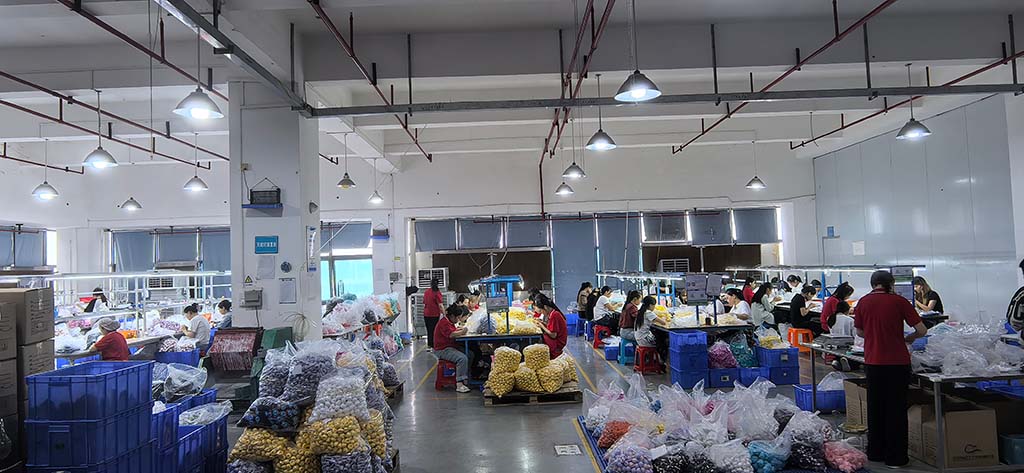
Factory verification is the first—and often most important—step to avoid costly misunderstandings. In the plush-toy industry, credibility determines quality stability.
Start by requesting essential documents:
- Business license (Chinese: 营业执照) showing legal registration.
- Factory audit or certification such as ISO 9001, BSCI, SMETA, or Disney FAMA.
- Product-specific test reports for CE / ASTM / CPSIA standards.
- Client references or export markets to verify real trading activity.
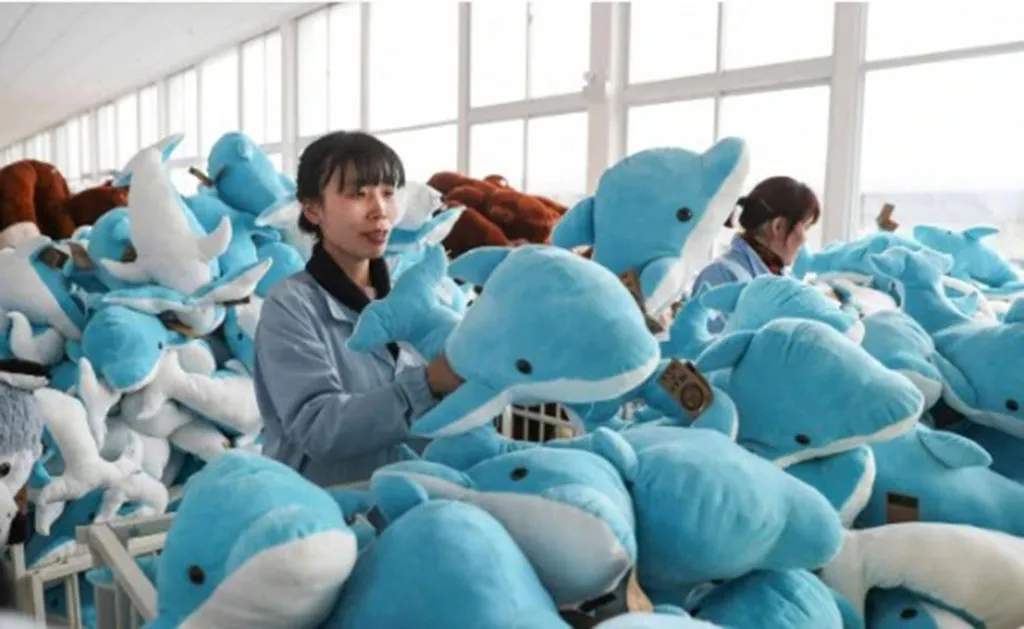
If possible, conduct an on-site or virtual factory tour. Reliable suppliers like Kinwin will openly show production areas—cutting, sewing, stuffing, QC, and needle-detection machines.
During visits, check:
- Worker skill level and training.
- Cleanliness and material storage conditions.
- Internal inspection stations.
- Consistency between sample room and mass-production floor.
If physical visits are not possible, hire a third-party verification company (SGS, TÜV, QIMA) to audit production capability, compliance, and labor practices.
Factory Verification Checklist
| Verification Item | Description | Buyer Action |
|---|---|---|
| Business License | Confirms legal registration | Request copy & verify number |
| Audit Report | Validates quality & social standards | Review latest certificate |
| Testing Records | Confirms safety compliance | Match to your product type |
| Factory Tour | Proves real manufacturing site | Request video or onsite tour |
| Reference Clients | Indicates reliability | Contact for feedback |
What Steps Help Avoid Miscommunication in Design and Sampling Stages?

Design translation is where most errors occur. Buyers often assume their supplier “understands” the idea—but factories interpret descriptions literally. Without visual documentation, subtle features like facial proportions, fur texture, or embroidery style can easily go wrong.
1. Prepare a Complete Design Package
Include:
- Front / side / back sketches with dimensions.
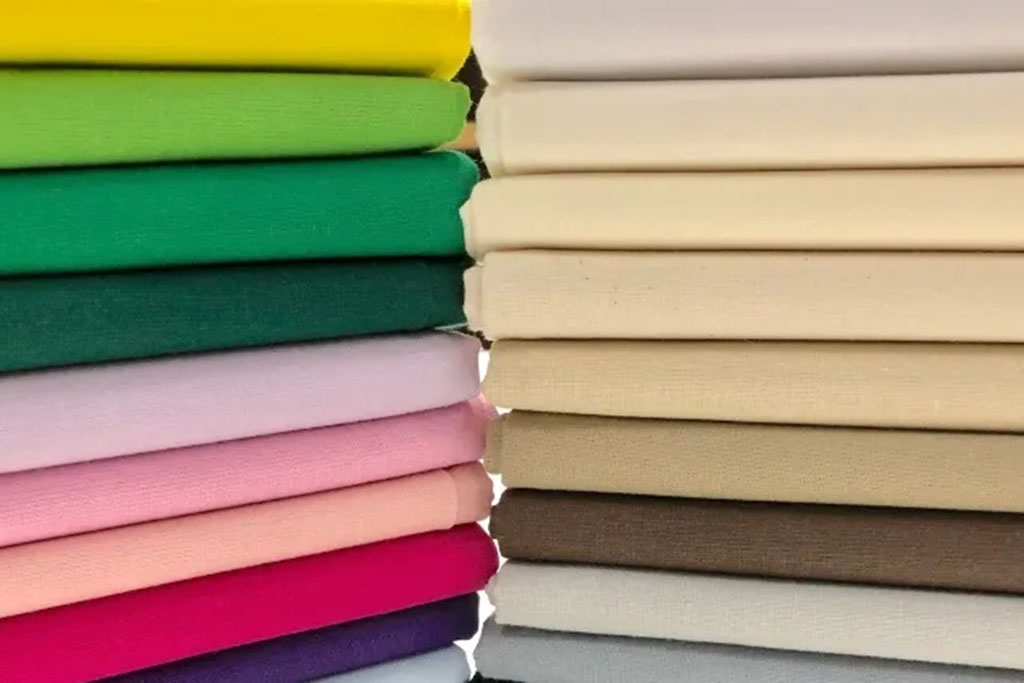
- Material list with pile length and Pantone color.
- Filling type and firmness.
- Function (scented, weighted, musical, etc.).
- Safety group (e.g., under 3 years).
2. Provide Clear Reference Photos or Physical Samples
Photos help translate emotion and style—especially for custom characters or mascots.
3. Structured Feedback Loop
When you receive the first sample, give detailed comments using numbered lists and visual mark-ups on images. Avoid vague remarks like “please improve the shape.”
Professional feedback examples:
- “Reduce head width by 1 cm for better proportion.”
- “Increase embroidery density on mouth outline.”
Factories appreciate precise feedback—it speeds up correction and builds mutual trust.
4. Confirm the Golden Sample
Once approved, label and store the golden sample as the only reference for bulk production.
Sampling Communication Summary
| Stage | Focus | Communication Method |
|---|---|---|
| Design Submission | Concept & specs | PDF brief + 3-view drawing |
| Sample Review | Shape, color, texture | Annotated photos + list |
| Final Approval | Golden sample | Sign & archive reference |
How Do Pricing and MOQ Negotiations Lead to Hidden Risks if Not Managed Properly?
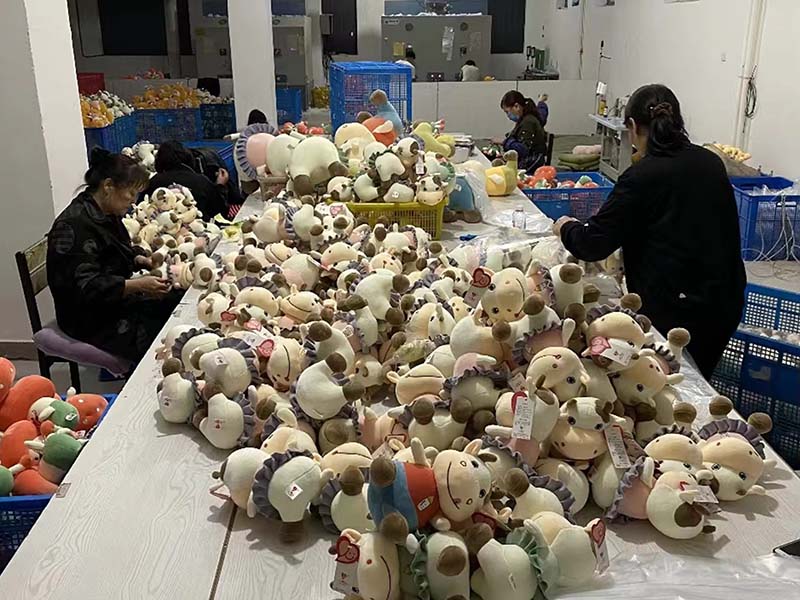
Negotiation is normal in manufacturing—but pushing for the lowest cost or smallest MOQ without considering the impact can create quality and timeline risks.
Hidden Risk 1 – Compromised Materials:
If a supplier cuts prices sharply, they may replace certified fabrics with cheaper substitutes that fail safety tests or fade quickly.
Hidden Risk 2 – Production Delays:
Small orders are often scheduled between larger runs, causing delays if your MOQ is too low.
Hidden Risk 3 – Unclear Cost Breakdown:
Some quotations exclude mold fees, packaging, or certification costs, which appear later as “extra charges.”
To manage properly:
- Request an itemized quotation separating material, labor, packaging, and freight.
- Confirm MOQ flexibility early, explaining your long-term plan for repeat orders.
- Define lead-time commitment in writing.
- Avoid full upfront payments; standard practice is 30 % deposit + 70 % balance after inspection.
Factories like Kinwin are transparent with cost breakdowns and MOQ policies, helping brands balance budget and quality expectations.
Pricing & MOQ Considerations
| Factor | Risk | Prevention |
|---|---|---|
| Over-negotiation | Material downgrade | Balance price vs quality |
| Small MOQ | Scheduling delay | Plan buffer time |
| Hidden Fees | Unexpected cost | Request full quotation sheet |
| Payment Terms | Cash-flow issues | Use staged payments |
What Quality Control Measures Prevent Defects and Delays During Mass Production?
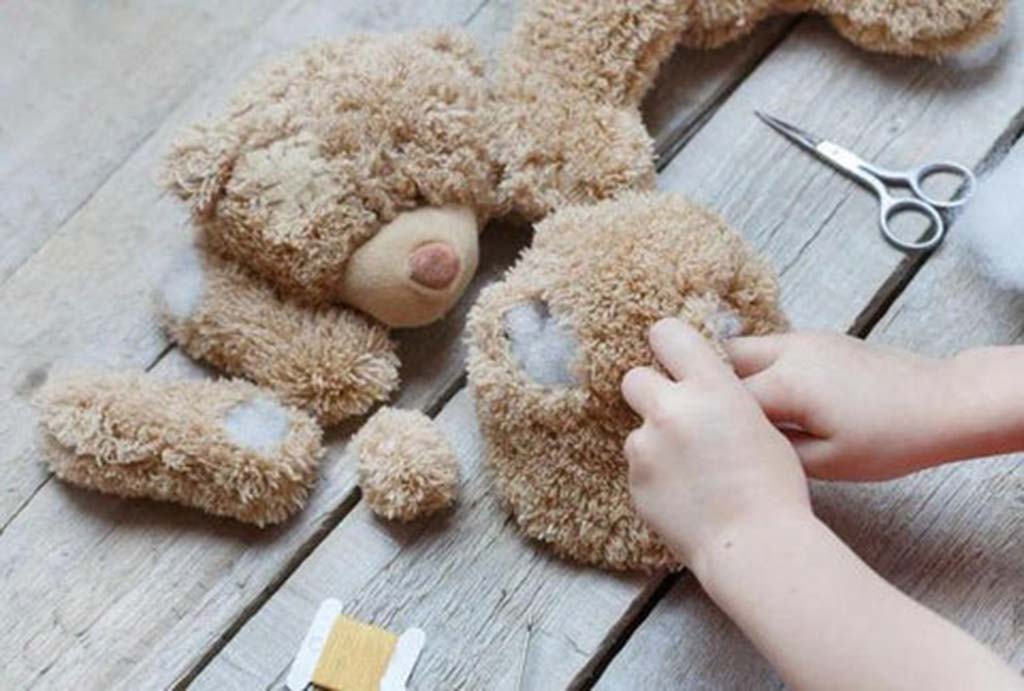
Consistent quality doesn’t happen by accident—it’s the result of layered inspection systems and constant supervision.
Professional factories follow a four-stage QC framework:
- IQC – Incoming Quality Control All fabrics, threads, and accessories are inspected for color accuracy, softness, and chemical safety. Any defective materials are rejected before cutting.
- IPQC – In-Process Quality Control Inspectors monitor sewing and stuffing lines to check symmetry, seam strength, and component attachment. Defects are corrected immediately.
- FQC – Final Quality Control Finished toys are reviewed for cleanliness, packaging accuracy, and overall conformity with the golden sample.
- PSI – Pre-Shipment Inspection Conducted by a third party or buyer representative using AQL 2.5 standards. Only approved cartons proceed to export.
Buyers should also implement periodic random checks during production, especially for large orders, and require regular photo/video updates from the QC team.
Multi-Stage QC Overview
| QC Stage | Focus Area | Test Example | Responsibility |
|---|---|---|---|
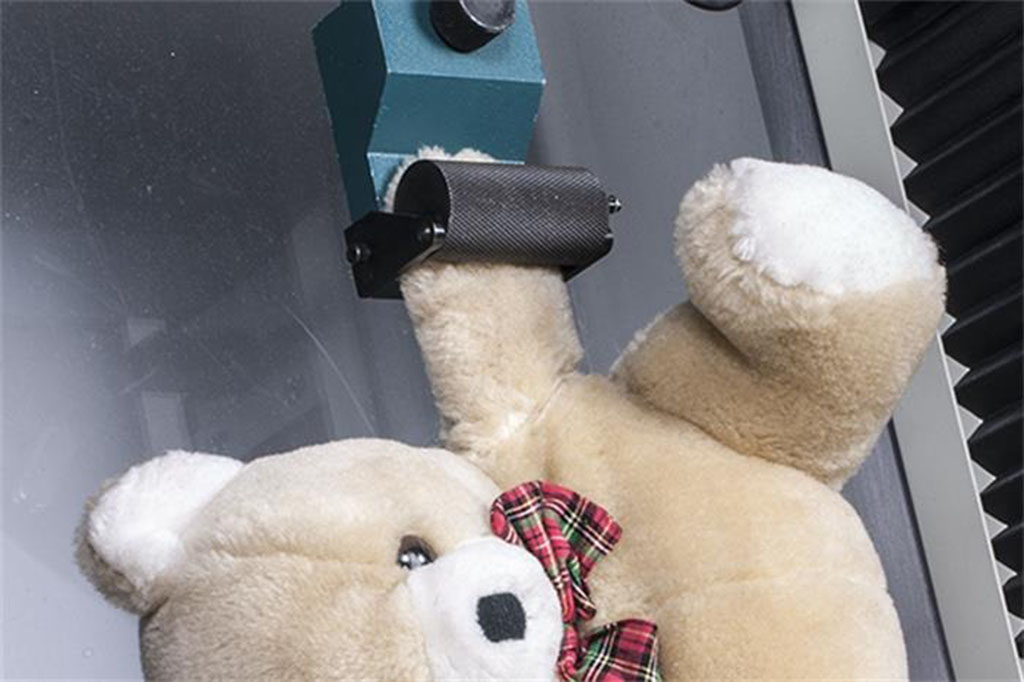
| IQC | Fabrics & fillings | Colorfastness, pull test | Factory QC |
| IPQC | Cutting & sewing | Seam strength check | Line inspector |
| FQC | Finished goods | Softness, shape, labeling | QA supervisor |
| PSI | Shipment | AQL sampling | Third party / buyer |
Strong QC systems prevent costly rework, late delivery, and reputational damage in your target market.
How Can Contracts and IP Protection Safeguard Your Brand When Outsourcing?
Even with trustworthy suppliers, legal clarity ensures both sides operate under defined obligations. A written Manufacturing Agreement is your ultimate safeguard.
1. Essential Contract Clauses
- Scope of work: clear description of product, quantity, and quality standards.
- Delivery terms: lead time, shipping method, penalties for late delivery.
- Payment terms: deposit, balance, and refund conditions.
- Inspection rights: your authority to send third-party inspectors at any time.
- Confidentiality clause: prevents the factory from sharing or reproducing your design.
2. Intellectual-Property Protection
Register your trademark and design patent in the manufacturing country (e.g., China). Even a simple registration prevents unauthorized replication.
Sign a Non-Disclosure Agreement (NDA) before sharing sketches, patterns, or brand assets.
3. Secure Documentation
Keep a dated record of all design files, emails, and sample approvals. These documents act as legal proof in case of disputes.
Professional partners like Kinwin already have standardized NDAs and contract templates in both English and Chinese, ensuring legal enforceability and cultural clarity.
Contract & IP Safeguard Summary
| Protection Type | Key Action | Benefit |
|---|---|---|
| Manufacturing Contract | Define obligations & penalties | Prevents disputes |
| NDA | Protects shared designs | Stops idea theft |
| Trademark / Patent | Legal registration | Ownership recognition |
| Audit Rights | Allow buyer inspection | Maintains transparency |
Conclusion
Avoiding pitfalls when working with plush-toy manufacturers isn’t about luck—it’s about preparation, transparency, and continuous control.
By verifying factories, defining specifications clearly, managing pricing carefully, enforcing QC systems, and protecting your IP, you can build long-term partnerships that deliver quality and trust.
At Kinwin, we help global buyers establish secure and efficient sourcing systems for OEM & ODM plush-toy production. From sampling to shipment, every step follows international quality and safety standards.
📧 Contact us at [email protected]
🌐 Visit kinwintoys.com
Let’s turn your plush-toy project into a smooth, high-quality manufacturing experience—without the hidden risks.