Skip to content
As a B2B plush manufacturer, I’m often asked why we call stuffed bears “teddy bears.” The answer blends history, media, and smart early manufacturing. Below, I explain the origin, the role of President Theodore Roosevelt, the first makers, and how designs evolved—plus why the teddy bear became a comfort icon and how modern brands protect this heritage.
What historical event inspired the name “teddy bear”?
In 1902, President Theodore Roosevelt visited Mississippi for a hunting trip. Guides tied a black bear to a tree, urging him to shoot. He refused. A political cartoon by Clifford K. Berryman captured the moment, showing Roosevelt “drawing the line.” The story spread fast. Newspapers, shop windows, and street chatter turned the act into a symbol of fairness and restraint. Children saw kindness. Parents saw character. Toy shop owners saw a chance to make a new kind of bear—one with a name children would love to say: “Teddy.” The name stuck because it linked strength with gentleness. It also gave retailers a story they could sell. In a world before viral videos, cartoons and word-of-mouth traveled quickly. The tale made the bear feel more human, more trustworthy, and more huggable. From that moment, a simple plush became a legend.
Key moments that shaped the name
| Year | Event | Why it Mattered |
|---|---|---|
| 1902 | Roosevelt declines to shoot a captured bear in Mississippi | A public act of restraint became a national story |
| 1902 | Berryman publishes the famous cartoon | The image spread fast and emotionalized the bear |
| 1903 | Shopkeepers start selling “Teddy’s bear” | A moral story turned into a marketable product |
| 1900s | Name “Teddy” enters common speech for toy bears | Easy to remember, easy to love, perfect for children |
How did President Theodore Roosevelt influence the toy’s creation?
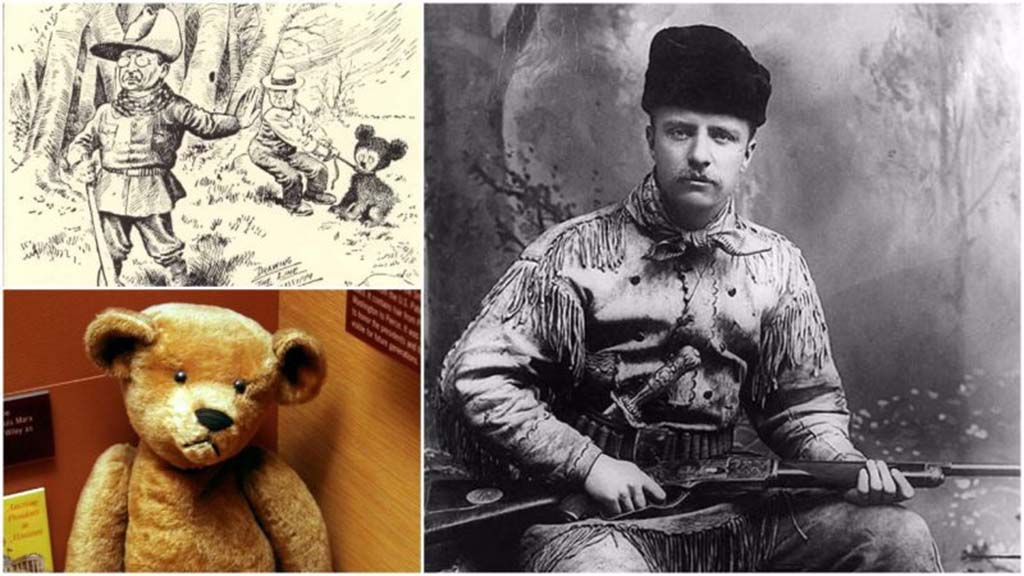
Roosevelt did not invent the toy. But his action—and the cartoon—made the idea irresistible. He was a national figure with a rugged image. The gentle decision contrasted with that image in a powerful way. Retailers quickly learned that telling this story boosted sales. In the U.S., Morris and Rose Michtom made a plush bear and asked permission to use the name “Teddy.” While the President did not brand or license toys, the informal nod allowed the name to flow without legal battles. This freedom helped the category grow. The link to Roosevelt gave meaning beyond a cute face. Parents felt the toy taught values: courage without cruelty, power with care. For shop buyers, the origin story made displays easier: one line about Roosevelt, one smiling bear, and a customer ready to purchase. In simple terms, Roosevelt gave the teddy bear its public heart.
Channels of influence from Roosevelt to retail
| Influence Channel | What Happened | Effect on Toys |
|---|---|---|
| National Press | The hunt story reached millions | Built awareness and trust |
| Political Cartoon | A friendly visual of a fierce topic | Made the bear child-friendly |
| Public Persona | Roosevelt’s rugged image + kindness | Balanced strength and warmth |
| Retail Storytelling | Shops retold the origin tale | Turned history into sales power |
Which early manufacturers popularized the first teddy bears?
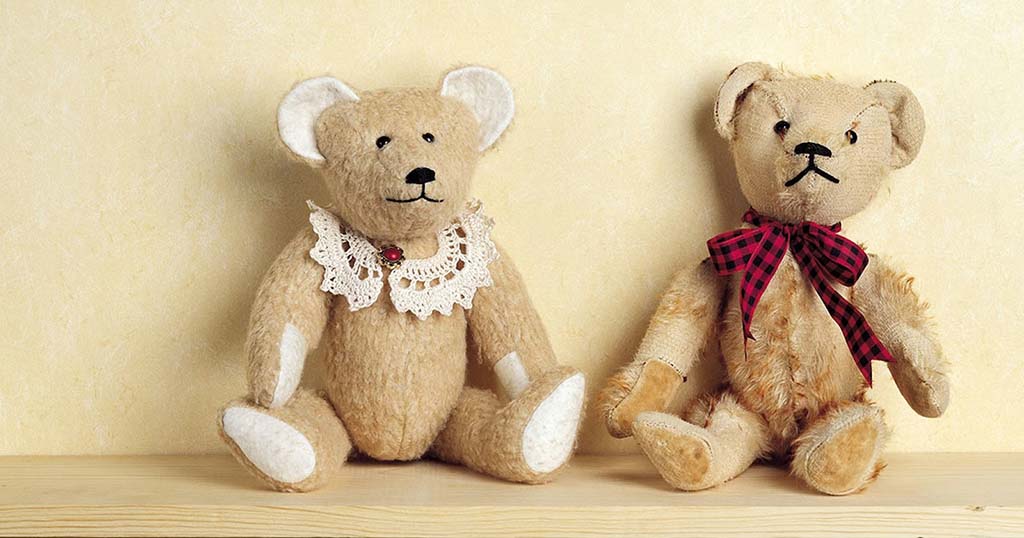
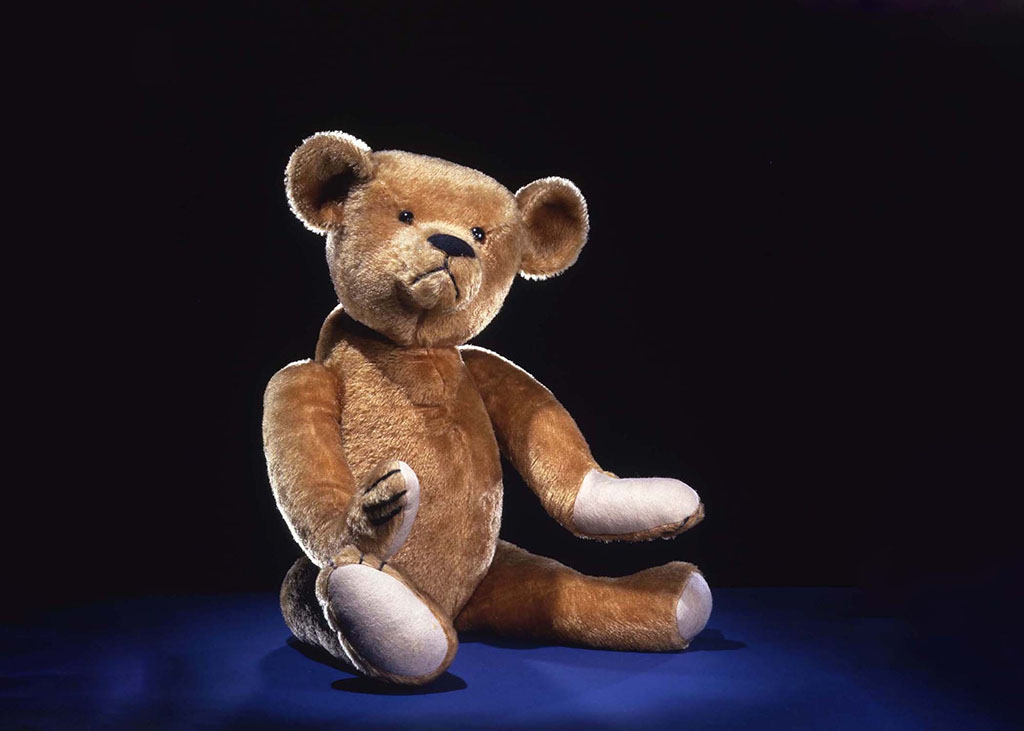
On one side of the Atlantic, Morris and Rose Michtom (Brooklyn, USA) created “Teddy’s bear,” then founded Ideal Novelty and Toy Company. Their design used soft fabrics, shoe-button eyes, and jointed limbs. On the other side, Margarete Steiff GmbH (Germany) and Richard Steiff developed the 55 PB bear, first shown at Leipzig’s Toy Fair in 1903. Export orders pushed the style worldwide. Department stores and catalogs accelerated adoption. Displays framed bears with the Roosevelt story, making a plush animal feel like a character with values. The U.S. market loved the name; European makers refined the construction and materials. Together, they set the formula: a friendly face, jointed body, and a story parents could repeat at bedtime. By the 1910s, the teddy bear had crossed borders and languages, anchored by two production centers and one memorable name.
Early makers and their contributions
| Maker | Country | Signature Contributions | Lasting Impact |
|---|---|---|---|
| Michtom / Ideal | USA | “Teddy’s bear” branding, early mass retail | Popularized the name and the category |
| Steiff (55 PB) | Germany | Jointed design, mohair fabric, export focus | Raised quality and global standards |
| Department Stores | USA/EU | Window displays, catalogs, gift positioning | Turned bears into family gifts |
| Small Workshops | Europe/USA | Local styles, handwork | Regional charm and variety |
How did design and materials evolve from early to modern bears?
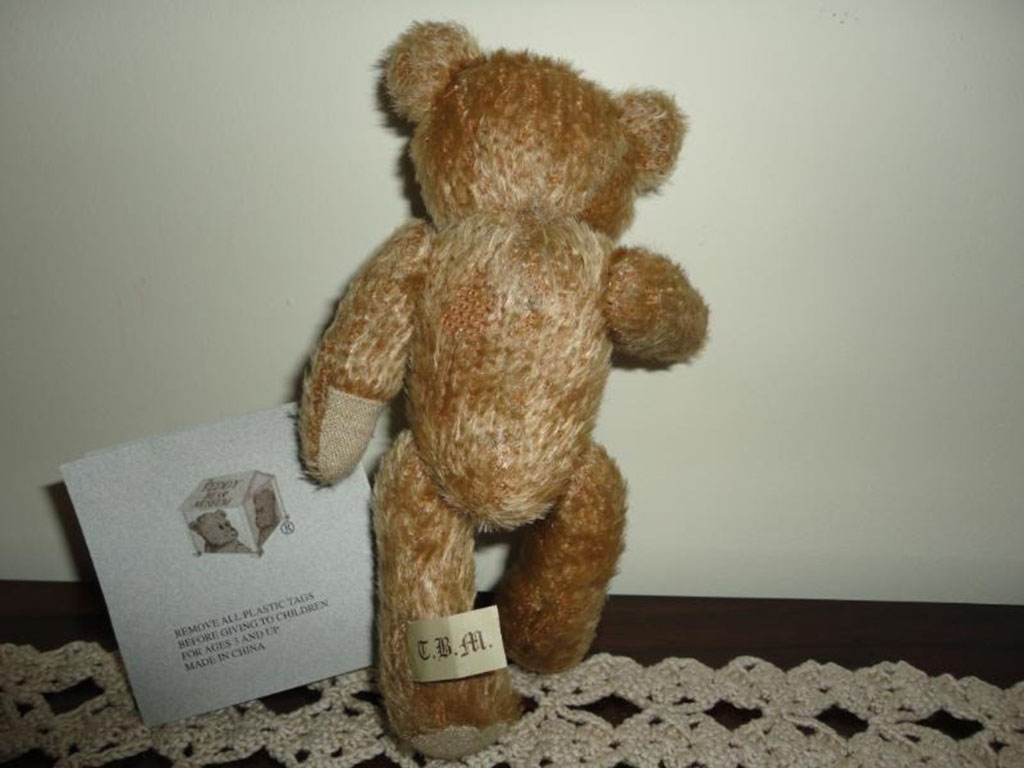
Early bears were made with mohair pile on cotton backing, stuffed with wood wool (excelsior) or kapok, and built with jointed limbs. Eyes were glass or buttons, and noses were hand-stitched. Over time, safety and comfort led change. Polyester plush replaced mohair in many lines for washability and cost stability. Polyester fiberfill improved softness and spring-back. Safety eyes with locking washers replaced glass. For infants, embroidery replaced hard parts entirely. Jointing remained in collector bears, while soft-body bears became common for cuddling. Patterns shifted from long snouts to rounder faces with “baby schema” proportions that trigger care responses. Today, we add compliance (ASTM F963, EN 71, CPSIA), needle detection, and pull-tests to keep buyers safe and retailers confident. Some premium lines still use mohair, but many brands choose high-grade synthetic plush for consistent color, durability, and low lint.
Then vs. now: materials and build
| Feature | Early Bears (1900s) | Modern Mainstream | Collector/Premium |
|---|---|---|---|
| Outer Fabric | Mohair on cotton backing | Polyester plush, minky, velboa | Mohair, alpaca, premium faux fur |
| Stuffing | Wood wool, kapok | Polyester fiberfill; sealed pellets (13+) | Mix of traditional and modern |
| Eyes/Nose | Glass, shoe-buttons | Safety eyes or embroidery | Glass eyes (adult collectibles) |
| Limbs | Jointed discs | Mostly soft-body for cuddle | Jointed for heritage lines |
| Safety | Minimal standards | ASTM/EN71/CPSIA, needle detection | Same, plus certificates |
Why did the teddy bear become a universal comfort symbol?
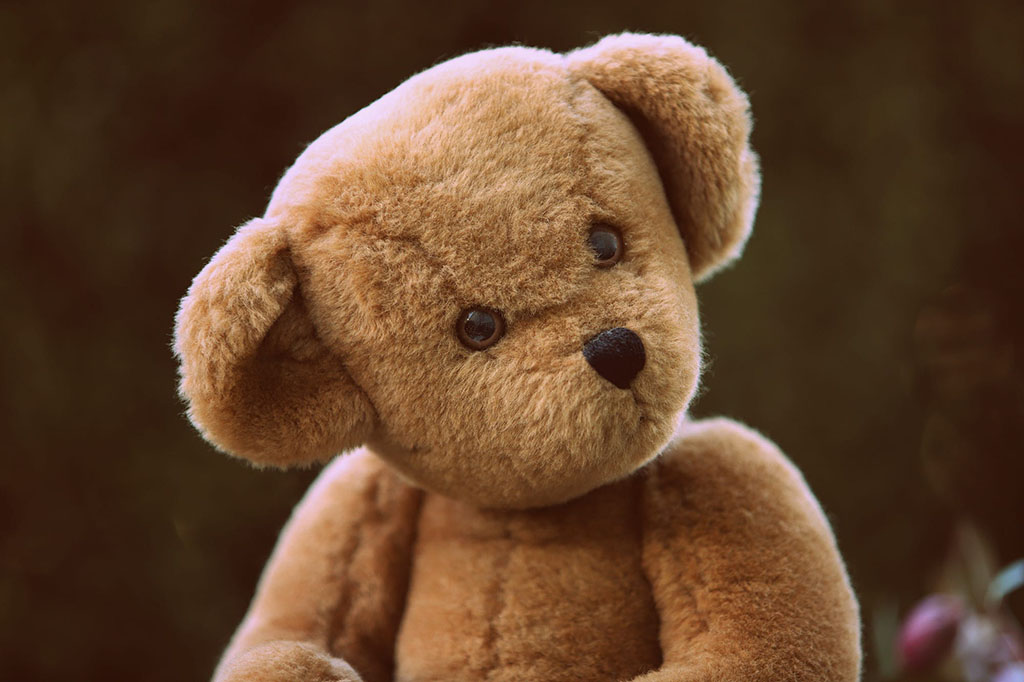
The teddy bear blends soft touch, childlike features, and a moral origin story. Softness calms the nervous system. Round faces, wide spacing, and gentle eyes signal safety and care. The Roosevelt story adds meaning: strength guided by kindness. During hard times—wars, recessions, or family moves—bears became travel companions. They fit gift moments: birthdays, hospitals, graduations. Parents value a toy that teaches care and empathy. Over the last century, brands used books, films, and charity drives to link bears with hope. In homes, a bear can be a child’s “transitional object,” easing sleep and separation. For adults, it signals nostalgia and stability. This is why the category thrives across ages. The teddy bear is more than plush. It carries a feeling that people can pass on.
Comfort factors that reinforce loyalty
| Factor | What It Provides | Result |
|---|---|---|
| Soft Textures | Sensory soothing | Easier sleep and calm |
| Round Proportions | “Cute” baby-like cues | Protective, caring response |
| Simple Faces | Clear emotions | Fast bonding |
| Gift Rituals | Shared meaning | Family tradition |
| Origin Story | Kindness + strength | Lasting brand narrative |
How do brands preserve the heritage of the classic teddy bear today?
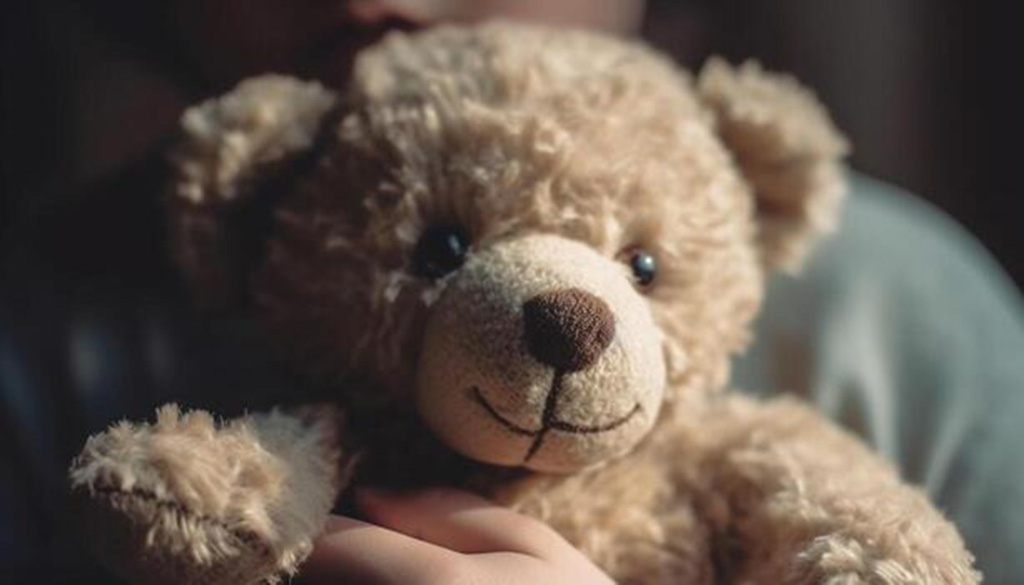
Modern brands mix heritage design with today’s safety and sustainability. They reissue archival patterns and faces, but update materials: high-grade polyester plush for durability, or certified mohair for premium lines. They keep traditional stitches on collector SKUs and use embroidery on baby SKUs. For weighted comfort (13+), they use sealed pellet liners. Compliance is non-negotiable—labs test small parts, chemicals, and seam strength. Storytelling remains key: certificates, hangtags with history notes, and QR codes with maker videos. Some brands add GRS-certified recycled fiberfill or dope-dyed fabrics to cut impact while keeping the classic look. Limited editions, museum partnerships, and charity collaborations protect the icon while growing demand. At Kinwin, I help clients lock “the hug”—softness targets, gram weights, and fabric specs—so every batch feels the same, year after year.
Heritage tactics that work in today’s market
| Tactic | What It Preserves | Modern Upgrade | Business Value |
|---|---|---|---|
| Archival Reissues | Classic shapes and faces | Safer eyes, stronger seams | Collector interest, PR buzz |
| Premium Fabrics | Mohair/alpaca authenticity | Better color control | Higher ASP, lasting feel |
| Baby-Safe Lines | Simple embroidered faces | Strict compliance, wash care | Retail trust, fewer returns |
| Sustainable Inputs | Icon with lower impact | rPET fiberfill, dope-dyed plush | ESG story, retailer access |
| Provenance & Docs | Story and traceability | QR/COA, batch tracking | Audit ready, brand trust |
Conclusion
A good teddy bear is gentle, safe, and timeless—rooted in history yet built for today. At Kinwin, we help global buyers turn heritage into reliable products: classic faces, modern safety, and consistent softness at scale. Contact us at [email protected] or visit kinwintoys.com to discuss your next project and explore how our factory can support your success.