Skip to content
As a B2B plush manufacturer, I focus on materials that are safe, comfortable, and reliable in production. This guide shares what global buyers ask most: which fabrics and fillings work best, how trims and threads impact safety, what standards apply in each market, and how recycled inputs change cost and feel. The aim is simple—help you choose the right materials for brand trust and long-term sales.
What primary fabrics are used in plush toy manufacturing?
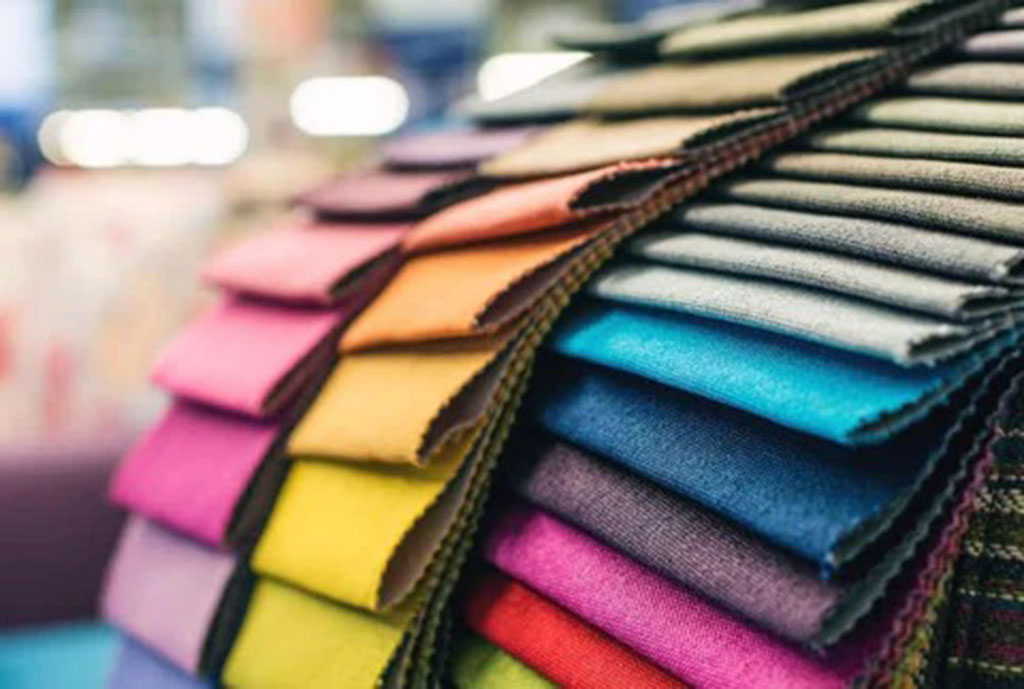
Plush fabrics set the first impression: touch, sheen, and warmth. In production, I group core fabrics into four families—minky, velboa, fleece, and faux fur—plus cotton blends for special projects. Minky has a soft, short nap with a silky hand. It resists pilling, prints cleanly, and works well for infants when paired with safe embroidery. Velboa has a tighter, short pile and a dry, smooth hand; it holds shape and is easy to cut, so it’s ideal for crisp silhouettes and mascots. Fleece (microfleece or polar) is cozy, matte, and forgiving to sew; it masks stitch lines and supports budget-friendly SKUs. High-pile faux fur adds visual depth and premium feel, but it needs sharp patterns, careful nap direction, and lint control. Cotton or cotton-poly blends provide a natural look, but they stretch less and can shrink, so pre-treatment is important. For export, I match fabric to target users: soft minky or microfleece for baby, low-lint velboa or short-pile minky for retail plush, and longer faux fur for collector lines. Colorfastness, pile direction, and backing stability are key checks before mass production. When a design mixes fabrics, we test seam transitions to avoid puckering and visible ridges. A smart bill of materials keeps handfeel consistent and lead times stable.
Core plush fabric comparison
| Fabric Type | Handfeel & Appearance | Typical GSM / Pile | Strengths | Watch-outs |
|---|---|---|---|---|
| Minky (short pile) | Silky, soft, light sheen | 180–280 gsm / 1–3 mm | Baby-safe feel, clean print | Show-through on very light colors if underfilled |
| Velboa | Smooth, tight, low nap | 180–260 gsm / 0.5–2 mm | Crisp edges, easy cutting | Feels “drier”; match with soft fill |
| Micro/Polar Fleece | Cozy, matte, forgiving | 200–300 gsm / n/a | Hides seams, budget-friendly | Pilling on low-grade versions |
| Faux Fur (mid/long) | Plush depth, premium look | 350–600+ gsm / 6–25 mm | Visual impact, collector appeal | Fiber shedding, pattern accuracy |
| Cotton/Cotton-Poly | Natural, breathable | 150–250 gsm / n/a | Organic look, print clarity | Shrinkage, less stretch |
How do minky, velboa, and fleece differ in texture and durability?
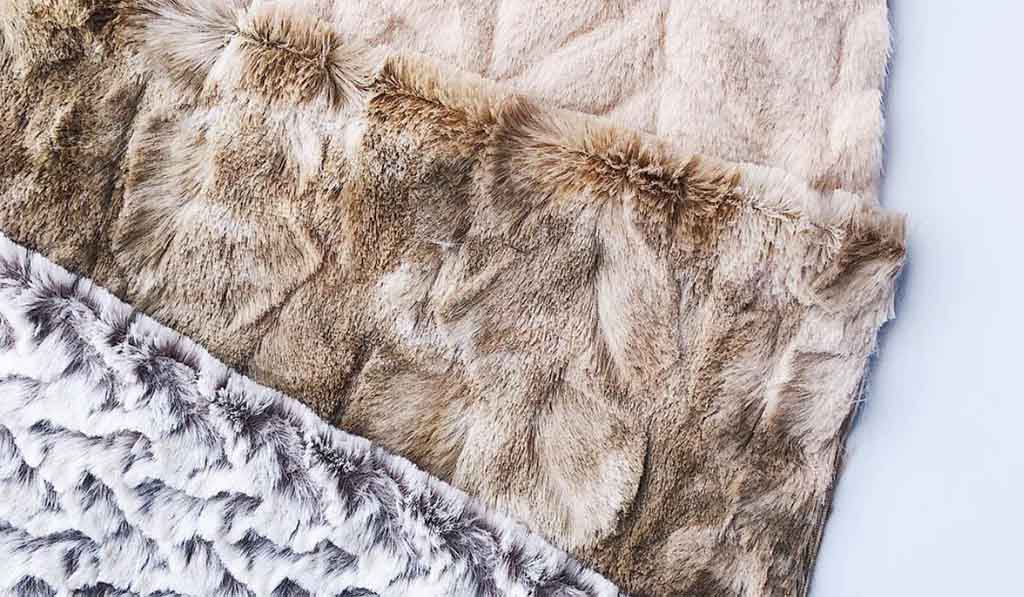
These three fabrics cover most commercial plush needs. Minky is the softest to touch, with microfibers that feel smooth on skin. It holds embroidery well when backed with stabilizer, and it washes easily. Velboa is denser and slightly firmer. It gives clean panel lines, so characters keep shape after long display. It resists pilling better than low-cost fleece and is great for parts that need crisp form, such as ears, edges, and mascot bodies. Fleece has a warm, cozy hand. It hides minor sewing marks and supports quick production, which helps price-sensitive orders. However, cheap fleece pills. For durability, we choose anti-pill grades and test after washing. In our sampling, we compare recovery after compression, stitch stability at stress points, and color fastness across lots. For baby and toddler products, minky or anti-pill microfleece are our defaults due to skin comfort and easy care. For store mascots or products with sharp profiles, velboa is the most stable. Many brands mix these fabrics: minky for faces and tummies, velboa for bodies, fleece for accessories. Before sign-off, we run pull tests at seams, brush tests on nap direction, and a rolling lint check. This lowers returns and keeps reviews positive.
Texture and durability at a glance
| Property | Minky | Velboa | Fleece |
|---|---|---|---|
| Skin Comfort | ★★★★★ Silky-soft | ★★★★☆ Smooth-firm | ★★★★☆ Warm, gentle |
| Shape Retention | ★★★★☆ | ★★★★★ | ★★★☆☆ (choose anti-pill) |
| Pilling Resistance | ★★★★☆ | ★★★★★ | ★★☆☆☆–★★★☆☆ (grade dependent) |
| Embroidery Support | ★★★★★ (with stabilizer) | ★★★★☆ | ★★★★☆ |
| Best Use Cases | Baby, faces, bellies | Mascots, panels, edges | Cozy styles, budget lines |
What types of fillings give plush toys their softness and shape?
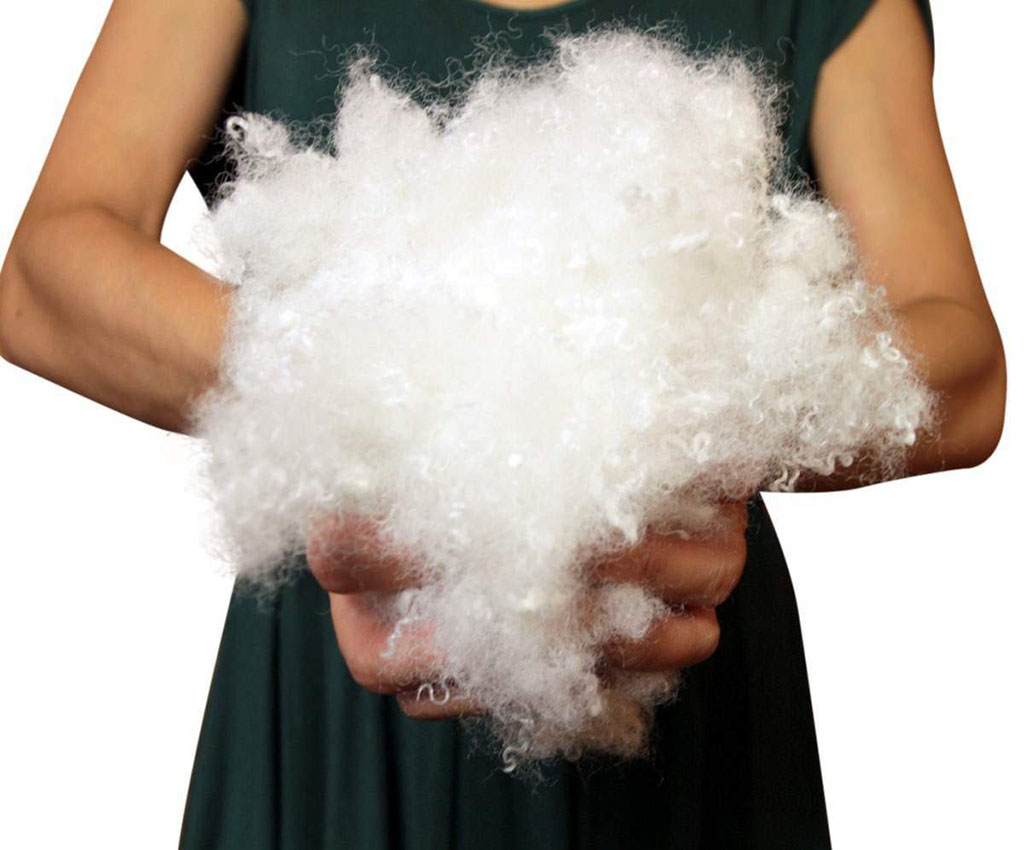
The filling defines the “hug.” Polyester fiberfill is the most common choice due to loft, resilience, and washability. It springs back, dries fast, and has predictable costs. For eco goals, recycled polyester from PET bottles now offers similar handfeel with lower impact, if sourced from consistent suppliers. Cotton and wool create a natural, warm feel but compress faster and need gentler care; we use them more in artisan or nostalgic lines. For weighted effects, plastic pellets or glass beads go inside sealed liners, never loose. This adds calm heaviness and helps plush sit or drape, but it’s not for toddlers. We map density by zones: a slightly firmer base for stability, a balanced torso for cuddle, and softer face and limbs for expression and drape. Overfilling strains seams and distorts faces; underfilling collapses silhouettes. During sampling, we lock gram weights per size and record tolerances, so every batch keeps that same “hug memory.” Final checks include lumping, recovery time, weight distribution, and needle-detector scans for safety.
Filling options and use guidance
| Filling | Feel & Performance | Age Guidance | Washability | Notes |
|---|---|---|---|---|
| Polyester Fiberfill | Soft, springy, stable | All ages | Excellent | Best all-rounder for retail |
| Recycled Polyester | Similar to virgin, eco story | All ages | Excellent | Choose certified supply |
| Cotton | Natural, cozy, compresses | 6+ | Good (gentle) | Vintage look, lower loft |
| Wool | Warm, premium, felts if wrong care | 8+ | Moderate | Niche collectible lines |
| Plastic/Glass Pellets (in liners) | Weighted, grounding | 13+ | Good (if sealed) | Never loose; add liners |
How do trims, threads, and accessories affect safety and quality?
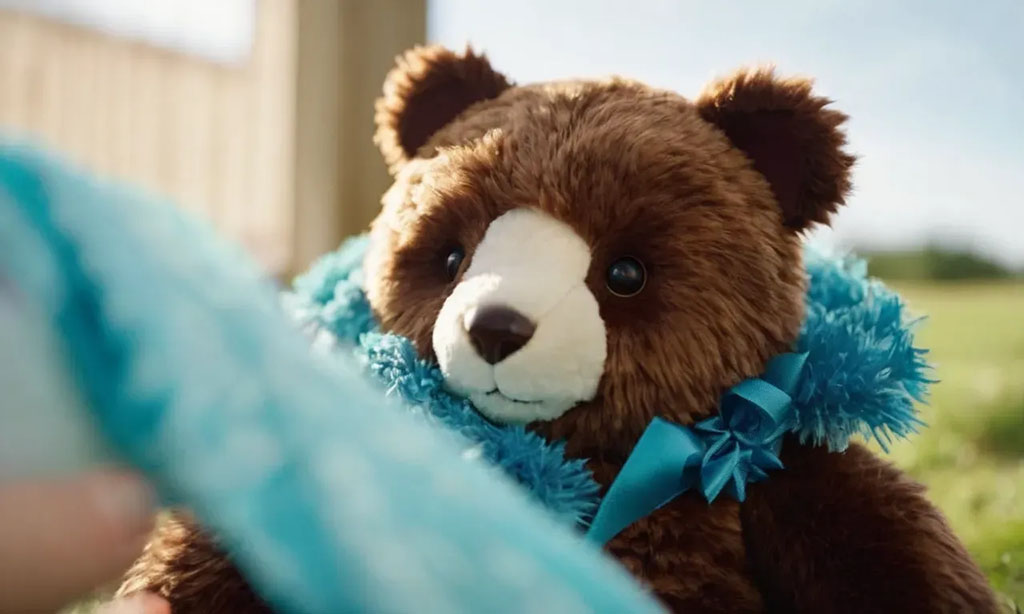
Small parts decide safety. Threads must be strong polyester to handle pull force without snapping. Stitch density and seam allowances matter more than many realize; we standardize them in tech packs. Embroidery is the safest method for eyes and noses on infant items. If plastic eyes or noses are used, we apply safety-rated lock systems and perform pull tests. Zippers, snaps, and buttons add function or style but can create choking risks; for under-3s, we avoid them or stitch them down. Labels, ribbons, and bows must be heat-sealed or double-stitched. Internal wires or frames need capped ends and soft padding; we keep them out of early-age products. Nose beans, squeakers, or sound boxes go inside secured pockets with additional stitching. We track all trim sources with batch codes for traceability. Before shipment, we perform needle detection and random destructive tests on attachments. Good trims should look neat, feel safe, and meet the same compliance level as the main materials.
Trims and safety checklist
| Component | Best Practice | Age Suitability | Key Test |
|---|---|---|---|
| Sewing Thread | High-tenacity polyester | All ages | Seam pull ≥ required N |
| Eyes/Nose | Embroidery preferred; safety-locked plastic for 3+ | 0–3: embroidery only | Attachment pull test |
| Zippers/Buttons | Avoid for under-3s; secure if used | 3+ | Choking hazard checks |
| Ribbons/Bows | Heat-sealed, double-stitched | All ages | Tug + seam inspection |
| Internal Frames | Pad/cap ends; avoid for baby | 6+/Display | Sharp point check |
| Sound Modules | Sewn into inner pocket | 3+ | Pocket seam strength |
What compliance standards govern plush toy materials globally?
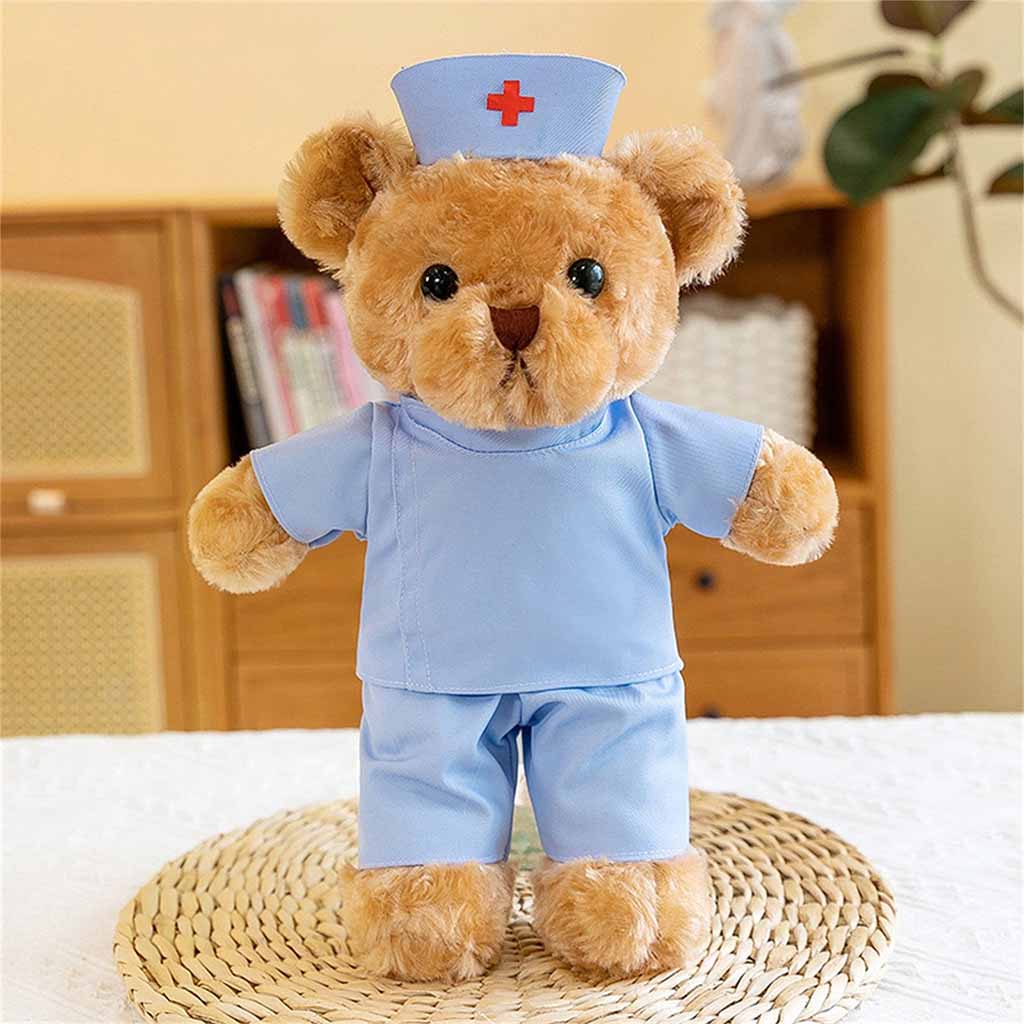
Compliance protects children and brands. For the United States, ASTM F963 and CPSIA govern mechanical safety, heavy metals, phthalates, and tracking labels. In the European Union, EN 71 parts 1–3 cover mechanical and chemical safety; REACH restricts certain substances. UKCA mirrors EU rules after Brexit with UK marking. Canada follows the CCPSA and Toys Regulations. Japan references ST Standards; Korea uses KC certification; other regions have local norms that often align with EU or US baselines. Materials must pass color fastness, flammability, and chemical tests (e.g., lead, cadmium, PAHs, azo dyes). For soft goods, seam strength and small parts are also critical. We plan compliance at design stage: choose certified fabrics and inks, specify baby-safe embroidery for early ages, and avoid detachable trims. We then test pre-production samples and repeat on mass batches. Proper documentation includes test reports, DoC/CoC, tracking labels, and traceable supplier IDs. The result is fewer delays at customs and stronger retailer confidence.
Global compliance snapshot
| Region | Key Standards | Focus Areas | Notes |
|---|---|---|---|
| USA | ASTM F963, CPSIA | Mechanical, chemicals, phthalates, tracking | Third-party lab required |
| EU | EN 71-1/2/3, REACH | Mechanical, flammability, migration of elements | CE marking & DoC |
| UK | EN 71, UKCA | Similar to EU with UK labelling | UKCA label timelines |
| Canada | CCPSA, Toys Regs | Mechanical, chemicals | Bilingual labels |
| Japan | ST Standards | Safety + quality specifics | Local marks preferred |
| Korea | KC Certification | Safety + substance limits | Local test acceptance |
How are eco-friendly and recycled materials changing plush production?
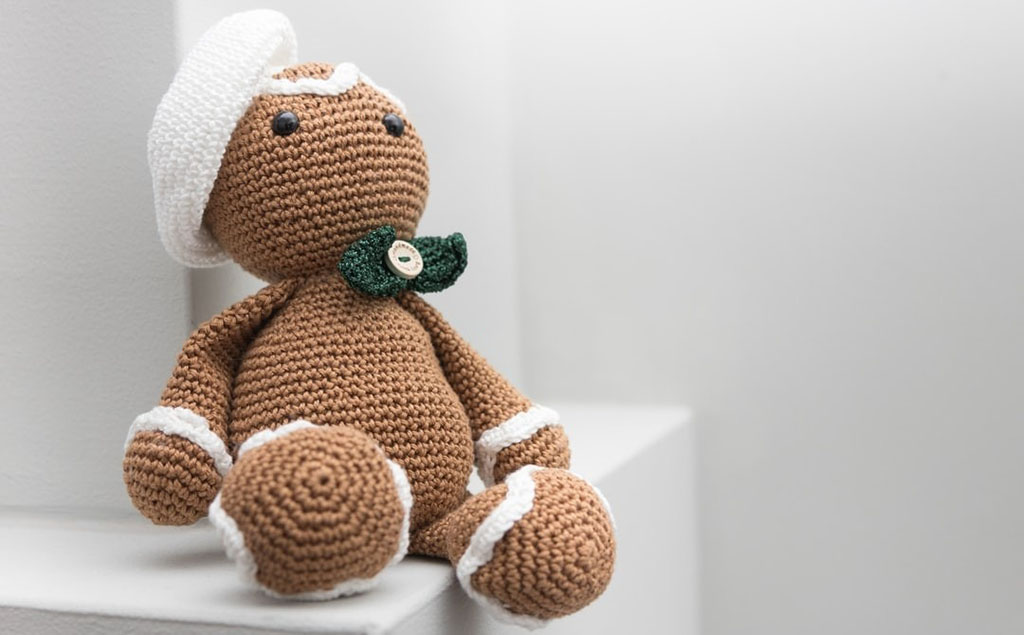
Sustainable inputs are moving from “nice to have” to “standard ask.” The most practical path today is recycled polyester (rPET) fiberfill and recycled plush fabrics with verified content claims. These bring a strong brand story without a major jump in defect rate. Organic cotton fabrics and trims add a natural look for premium lines, though shrinkage and cost need planning. Dope-dyed fibers reduce water usage and improve colorfastness. Plant-based foams and biobased polyesters are emerging; we trial them case by case, watching for durability, pilling, and care instructions. With any eco claim, documentation matters: GRS, GOTS, or supplier declarations must match lab results. We also look beyond materials—design for durability and repairability extends product life, which is the most sustainable win. For packaging, many clients shift to FSC paper, soy inks, and reduced plastic. The best strategy balances touch and safety with traceable impact and clear labeling, so consumers understand the value and retailers pass audits with confidence.
Sustainable options and trade-offs
| Option | Benefit | Considerations | Typical Use |
|---|---|---|---|
| rPET Fiberfill | Lower footprint, same feel | Verify GRS; cost slightly higher | Core filling for most SKUs |
| Recycled Plush Fabric | Eco story + familiar hand | Color/lot variation risk | Bodies, large panels |
| Organic Cotton | Natural brand image | Shrinkage; higher unit cost | Apparel-style plush, trims |
| Dope-Dyed Fibers | Less water, better fastness | Limited color range | Solid-color lines |
| Reduced Packaging | Lower waste, better unboxing | Retail label space planning | FSC boxes, minimal bags |
Conclusion
A good plush line starts with safe, proven materials and ends with consistent quality. At Kinwin, we help global buyers match fabric, filling, and trims to their brand goals and compliance needs—then lock those specs for repeatable results at scale. Contact us at [email protected] or visit kinwintoys.com to discuss your next project and explore how our factory can support your success.