Skip to content
A good stuffed toy does more than look cute—it comforts, teaches, communicates your brand, and carries meaning across cultures. I’m Amanda from Kinwin. In clear, simple English, I’ll explain why plush toys matter for babies, kids, teens, and adults; how they support emotions and learning; how brands use them for gifting and promotion; where they fit in therapy and sensory support; and how trends reshape their role today. I’ll share factory notes, real-world examples, and a practical table in every section so you can paste the essentials into RFQs, briefs, or SOPs.
What core purposes do stuffed toys serve across age groups?
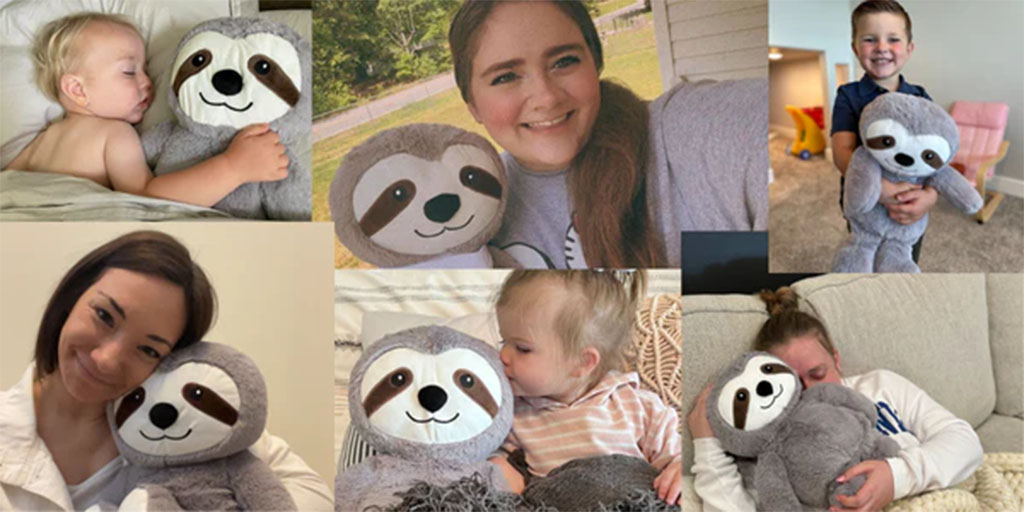
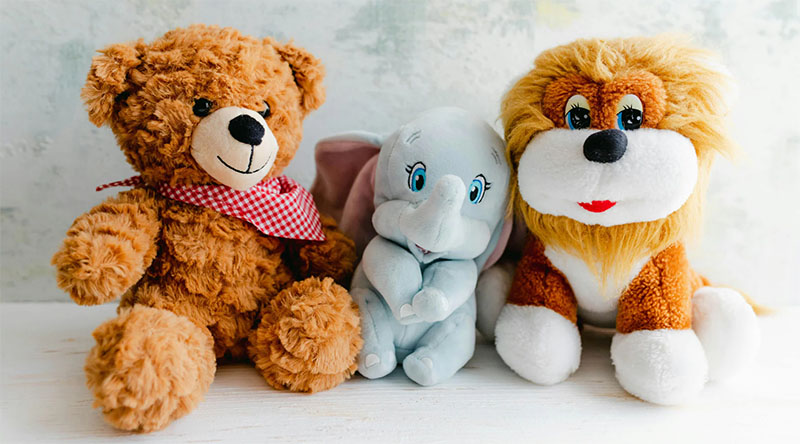
Across ages, stuffed toys serve comfort, play, expression, memory, and identity. For babies and toddlers, plush supports soothing and routine—a safe object for naps and transitions. For children, plush becomes a play partner that invites storytelling, practice of social roles, and simple care behaviors (feeding, dressing, tucking in). For teens, plush is self-expression and décor—a mood signal on a bed or desk, a symbol of fandom or personal style. For adults, it is private comfort and sometimes a mindful anchor on a busy day. For brands, plush is a friendly messenger that carries logos and values without feeling like an ad.
From a factory standpoint, we design different hand-feel, silhouettes, and durability per age. Short-pile faces and embroidered features protect infants; minky bodies and stable sitting keep teens/adults interested; premium trims and packaging serve corporate gifting. A single character can travel across life stages by adjusting size, fabrics, and accessories—the purpose evolves, but the core bond remains.
Table 1 — Core purposes by age and context
| Age/Context | Primary Purpose | What Users Get | Design Response | Care Reality |
|---|---|---|---|---|
| 0–3 years | Soothing, routine | Safety, predictability | Short-plush face; embroidery; washable | Bag-wash 30 °C, air-dry |
| 4–8 years | Play partner | Imagination, role play | Durable minky/microfleece; reinforced seams | Washable, robust |
| 9–14 years | Expression & décor | Identity, fandom | Statement textures; trend colors | Mixed wash/surface |
| Adults | Private comfort | Calm, grounding | Neutral palettes; stable sit; optional weight | Often surface clean |
| Corporate/gifts | Brand message | Memorability | Logo embroidery; premium box | Align event/campaign |
How do plush toys support emotional comfort and attachment?
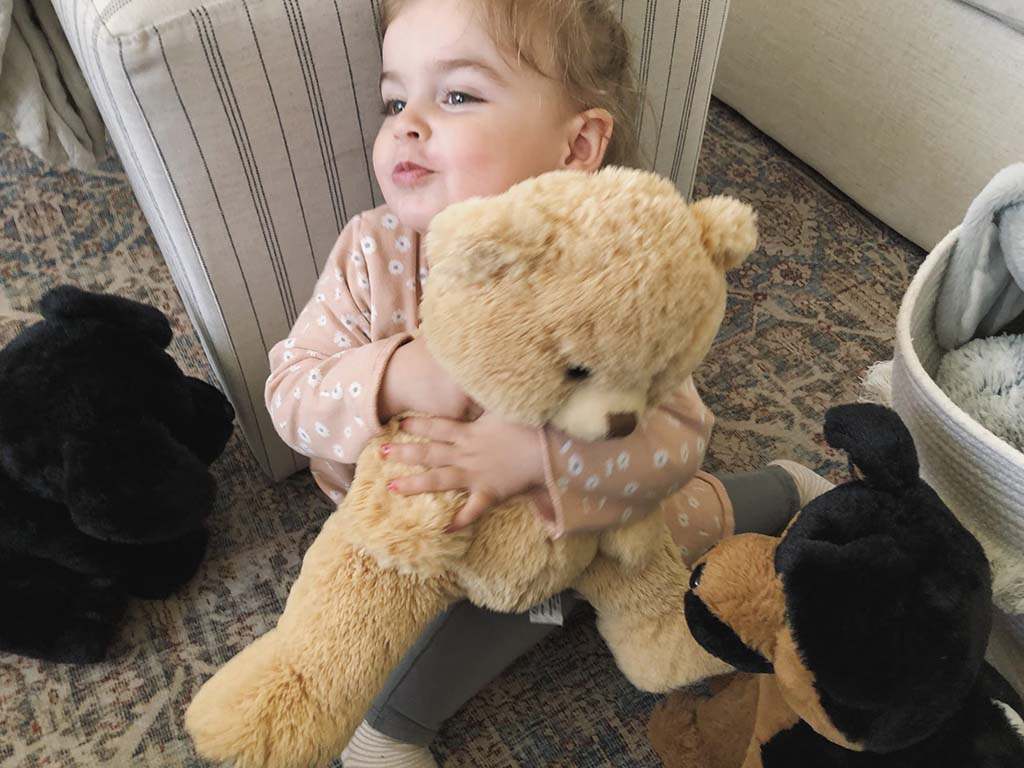
Comfort begins with predictability. A soft, rounded object with a calm face sends the body a clear signal: “you’re safe.” Users build rituals—picking up the same plush before sleep, during travel, or after a stressful call. The hand enjoys the silky glide of minky; the eyes rest on a matte face without glare. Balanced filling and a slightly heavier base keep the toy still, which feels grounding. Over time, this consistency forms a gentle attachment. It’s not a medical solution; it’s a daily support that helps many people self-soothe.
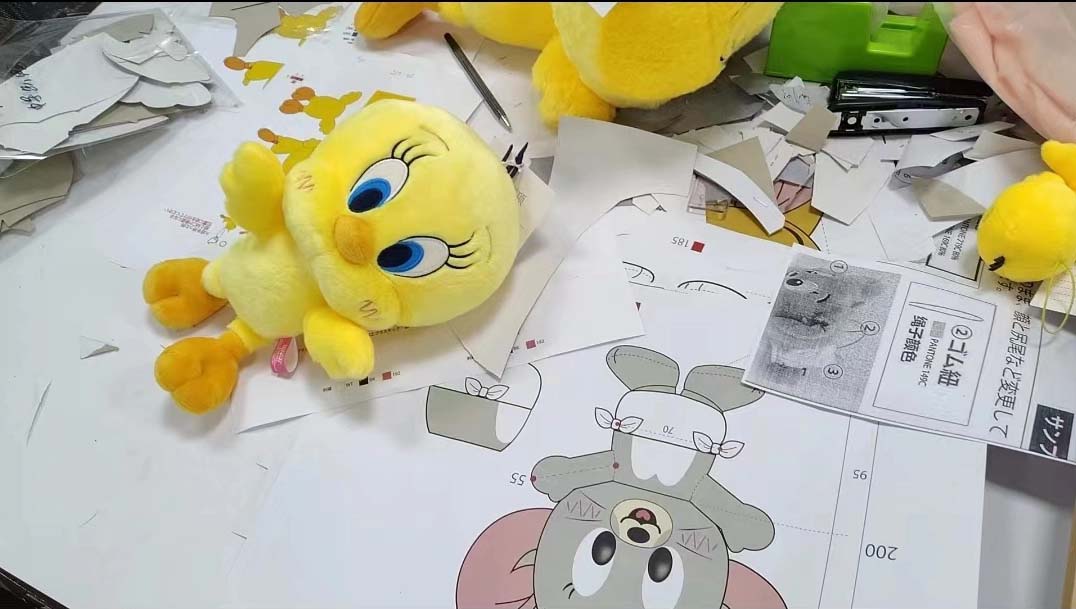
We engineer comfort with material maps (minky body, short-plush face), density maps (lighter cheeks/head, slightly heavier belly/base), and smooth seams that don’t create hard spots. If customers want a deeper calming effect, we offer an optional sealed, segmented bead liner for low, even weight—always with clear labeling and age guidance. The result is a plush that quietly helps users regulate emotions at home, in class, or at work.
Table 2 — Emotional comfort: design choices that work
| Comfort Lever | Why It Helps | Material/Build | Factory Control |
|---|---|---|---|
| Soft touch | Fast “you’re safe” signal | Minky 3–5 mm body | Anti-pilling finish; pile uniformity |
| Calm visual | Low glare, soft focus | Short-plush face + thin batting | Embroidery clarity; no stitch sink |
| Stable presence | Sits still on desk/bed | Heavier base; grams-per-zone | Sit test; density map |
| Predictable feel | Same softness every lot | Locked fabric + fill specs | COAs; golden sample board |
| Optional weight | Gentle grounding | Sealed, segmented bead liner | Leakage/drop/seam-pull tests |
What educational and developmental roles do they play for children?
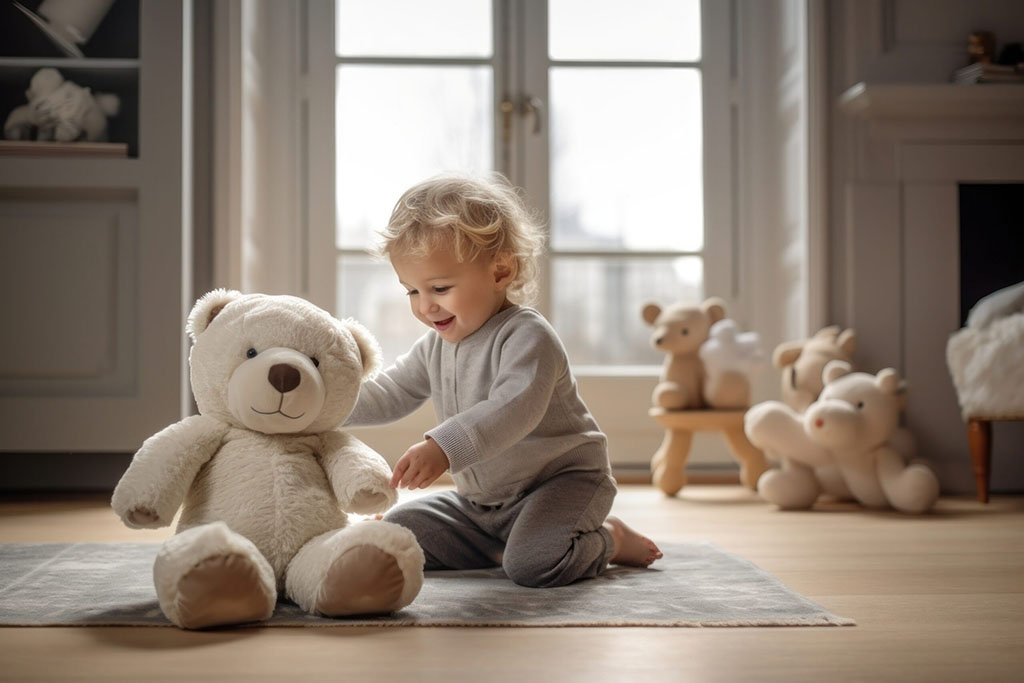
For children, stuffed toys are safe practice partners. They invite symbolic play (feeding, caring, storytelling), which builds language, empathy, and planning. Kids rehearse emotions—sadness, bravery, sharing—using a plush as a steady character. Plush also supports motor skills (dressing a doll, zipping a tiny jacket) and early self-care routines (tucking in at bedtime). In classrooms, a “reading buddy” plush can reduce performance anxiety and encourage longer attention spans during literacy activities.
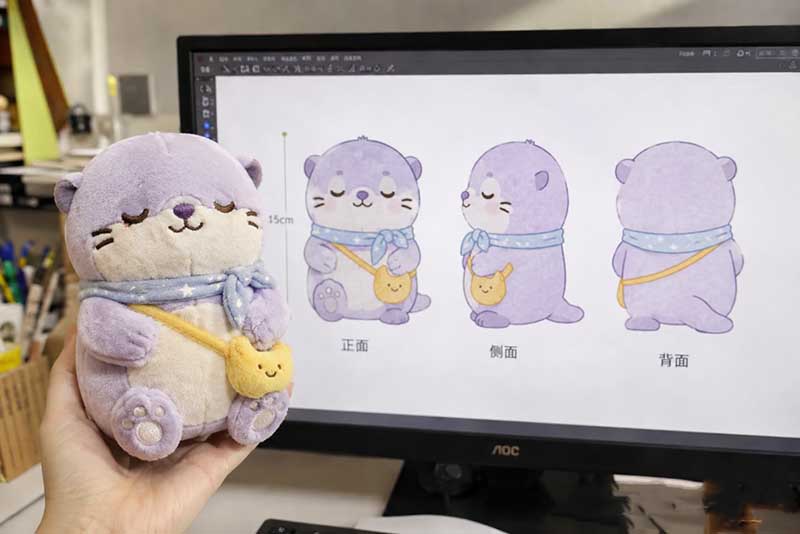
We design for development with clear expressions (friendly eyes, soft smile), just-right sizes for small hands, simple clothing that teaches dressing steps, and washable builds that survive real use. For language enrichment, accessories (a tiny bag, a scarf) prompt storytelling without adding small-parts risk. The right plush becomes a portable lesson in empathy and responsibility.
Table 3 — Developmental benefits and product specs
| Skill Area | How Plush Helps | Design Feature | Safety Note |
|---|---|---|---|
| Language/storytelling | Character-based narratives | Distinct face; small props (soft) | Embroidery; sewn-on for young ages |
| Empathy/role play | Practice caring & sharing | Baby-animal themes, gentle colors | No hard parts; short pile face |
| Fine motor | Dress/undress skills | Simple Velcro garments | Stitch strength; avoid tiny snaps for 0–3 |
| Self-regulation | Bedtime & transitions | Soft hand; predictable routine | Honest care icon; wash validation |
| Attention | Reading buddy calm | Stable sit; soft edges | Size fits lap; safe fabrics |
How are stuffed toys used in branding, gifting, and promotion?
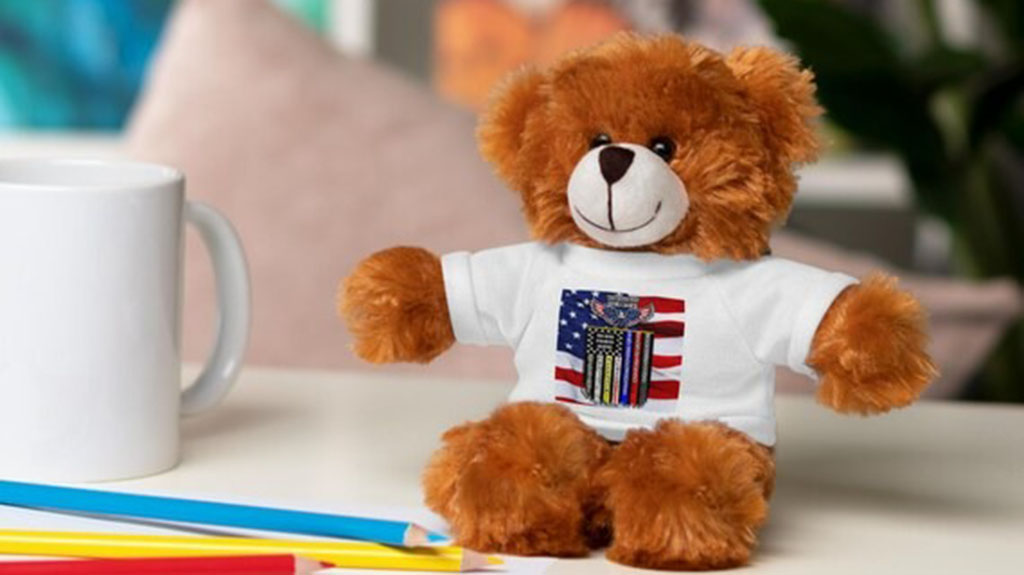
Plush is a soft ambassador. Unlike flyers or plastic novelties, a well-made plush feels valuable and stays on desks and shelves for years, quietly carrying your logo and story. In retail, plush bundles with books, snacks, or gift cards to raise perceived value. In tourism and entertainment, mascots become collectibles that fans keep and photograph. For corporate gifting, neutral palettes and premium boxes turn a simple bear into a keepsake that does not feel like advertising.
We keep brand plush audit-ready: clean embroidery of logos on short-plush patches; color-matched dyes; and documented tests so corporate buyers can pass internal compliance. For campaigns, we size-ladder (S/M/L) and keep a limited color set for smooth replenishment. Plush that looks good on camera and arrives with perfect stitching builds trust with every touch.
Table 4 — Branding use-cases and build guidance
| Use Case | Brand Goal | Design Play | Production Control | Packaging |
|---|---|---|---|---|
| Mascot retail | Identity & sales | Signature silhouette | Fabric map + golden sample | Hangtag + story card |
| Corporate gift | Memorability | Neutral bear + logo patch | Embroidery on short plush | Rigid box + tissue |
| Promotional bundle | Value lift | Mini plush + product | Costed sizing; robust seams | Polybag or window box |
| Tourism souvenir | Place memory | Local colors/outfits | Shade checks; durable trims | Postcard-style tag |
| Fandom collectible | Community signal | Limited editions | Lot traceability; QC photos | Numbered sleeve/COA |
What therapeutic and sensory benefits do plush toys provide?
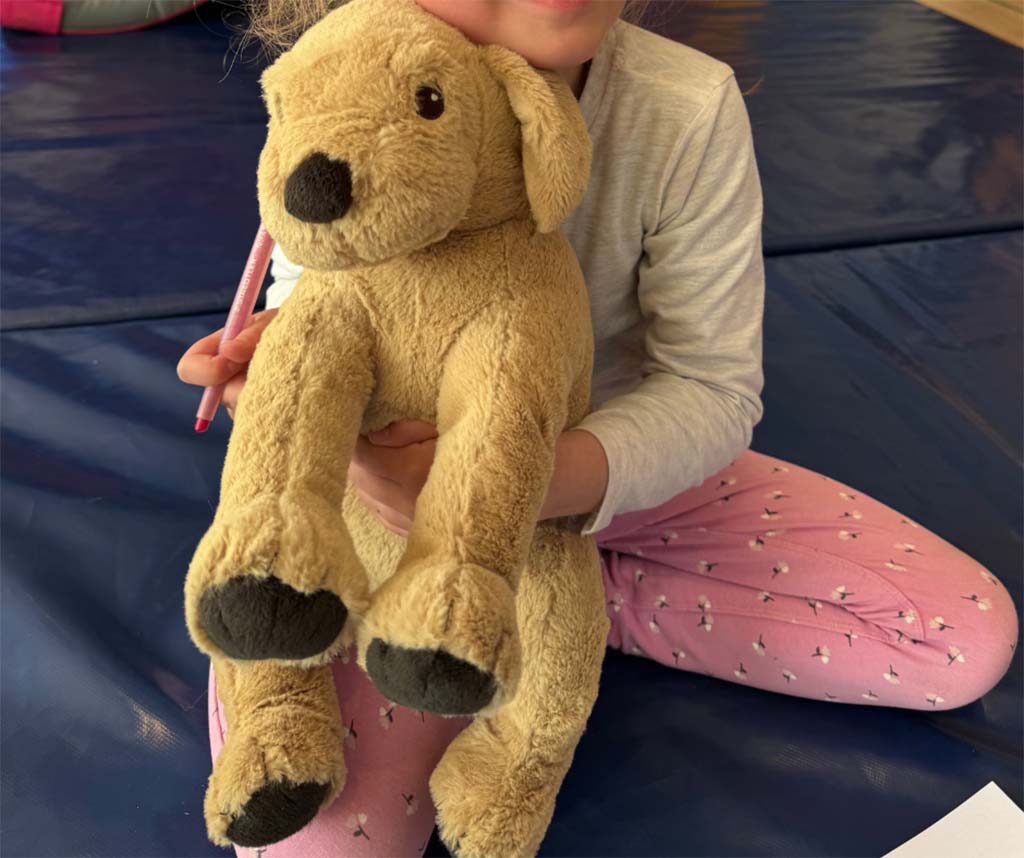
Plush can support emotional regulation and sensory breaks when used ethically and safely. A soft, matte surface reduces visual noise; a stable, slightly weighted body can feel grounding during breathing exercises. In non-medical contexts—classrooms, offices, travel—users often hold a plush for a minute to slow breathing and reset focus. In sensory rooms, predictable textures avoid overstimulation.
We avoid medical claims and focus on clean materials, safe construction, and clear labels. If we offer scent, it is low-load with a scent-free variant. If we offer gentle weight, it is segmented, sealed, and tested. The goal is support, not treatment. This keeps products safe for families and institutions while respecting regulations and user diversity.
Table 5 — Supportive (non-medical) features and safeguards
| Support Feature | User Benefit | Build Choice | Validation |
|---|---|---|---|
| Matte face | Calm visual focus | Short plush + batting | Embroidery clarity check |
| Silky body | Pleasant hand-feel | Minky 3–5 mm | Anti-pilling, pile uniformity |
| Gentle weight | Grounded feel | Sealed bead liner | Leakage/drop/seam tests |
| Optional scent | Soothing association | Micro-encap low-load | VOC/odor panel; disclosure |
| Washable build | Hygiene & routine | Bag-wash 30 °C; air-dry | Darkest-color wash validation |
How do cultural and market trends shape their modern purpose?
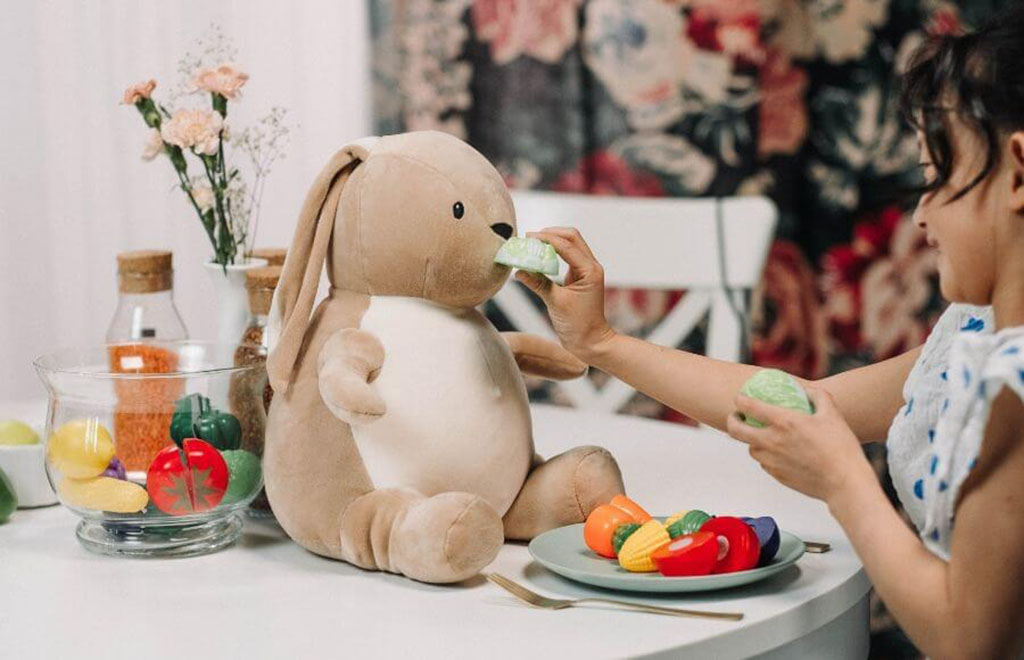
Trends expand plush beyond “child’s toy.” Kidult collecting drives demand for large, ultra-soft characters in neutral interiors. Wellness pushes quiet palettes, minimal faces, and optional weight for bedtime rituals. IP and fandoms create cross-media characters with plush as the most photogenic, huggable merch. Eco narratives bring rPET shells/fills with real documentation. Social media favors photo-ready textures (minky, sherpa, faux fur) and stable silhouettes that look great in small spaces.
We plan for trends with modular designs: the same base shape in seasonal palettes, limited-edition outfits, and size ladders. We keep a compliance backbone—EN71/ASTM/CPSIA test packs, tracking labels, and wash validation—so creative turns never compromise safety. This lets plush carry culture, comfort, and brand stories—all at once.
Table 6 — Trend lenses and practical execution
| Trend | What Users Seek | Design Translation | Ops/Compliance Note |
|---|---|---|---|
| Kidult comfort | XXL softness, décor fit | Neutral minky; simple faces | Surface-clean labels if needed |
| Wellness calm | Quiet textures, grounding feel | Short-plush face; optional weight | Age guidance; leakage tests |
| IP/fandom | Recognizable silhouettes | Accurate embroidery; color matching | Shade control; licensor approvals |
| Eco story | Recycled, low-odor | rPET minky/velboa/fill | GRS docs; odor/VOC checks |
| Social media | Photogenic texture | Sherpa/faux fur accents | Grooming SOP; lint thresholds |
Conclusion
Stuffed toys comfort, teach, express identity, and carry brand stories—and they do it safely when materials, seams, fillings, and labels are engineered with care. Design for soft touch, calm visuals, stable posture, and honest washability, and your plush will matter to babies, students, professionals, and collectors alike.
At Kinwin, we turn those purposes into reliable products—fabric maps, density maps, sealed liners, ethical options (rPET, low-VOC finishes), and complete test packs (EN71/ASTM/CPSIA). If you want plush that is photo-ready, cuddle-ready, and audit-ready, I’m here to help.
Contact: [email protected] | kinwintoys.com